Artwork
Portrait of Joseph-Gustave Allard (1803-1869)
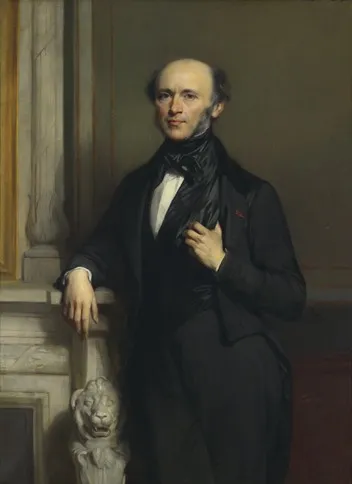
Portrait of Joseph-Gustave Allard (1803-1869) is an oil painting by Égide Charles Gustave Wappers. It dates from 1852 and is held in the collection of the Royal Museums of Fine Arts of Belgium.
About this work
Overview
The portrait exemplifies mid-century academic portraiture, emphasizing dignity and presence through controlled composition and refined detail.
This 1852 oil painting by Égide Charles Gustave Wappers portrays Joseph-Gustave Allard, a Belgian figure of the 19th century. Executed on canvas, the work is part of the Royal Museums of Fine Arts of Belgium’s collection. Wappers, active in the Flemish tradition, signed his works as Gustaaf Wappers, reflecting his linguistic context. The portrait exemplifies mid-century academic portraiture, emphasizing dignity and presence through controlled composition and refined detail.
Subject & Meaning
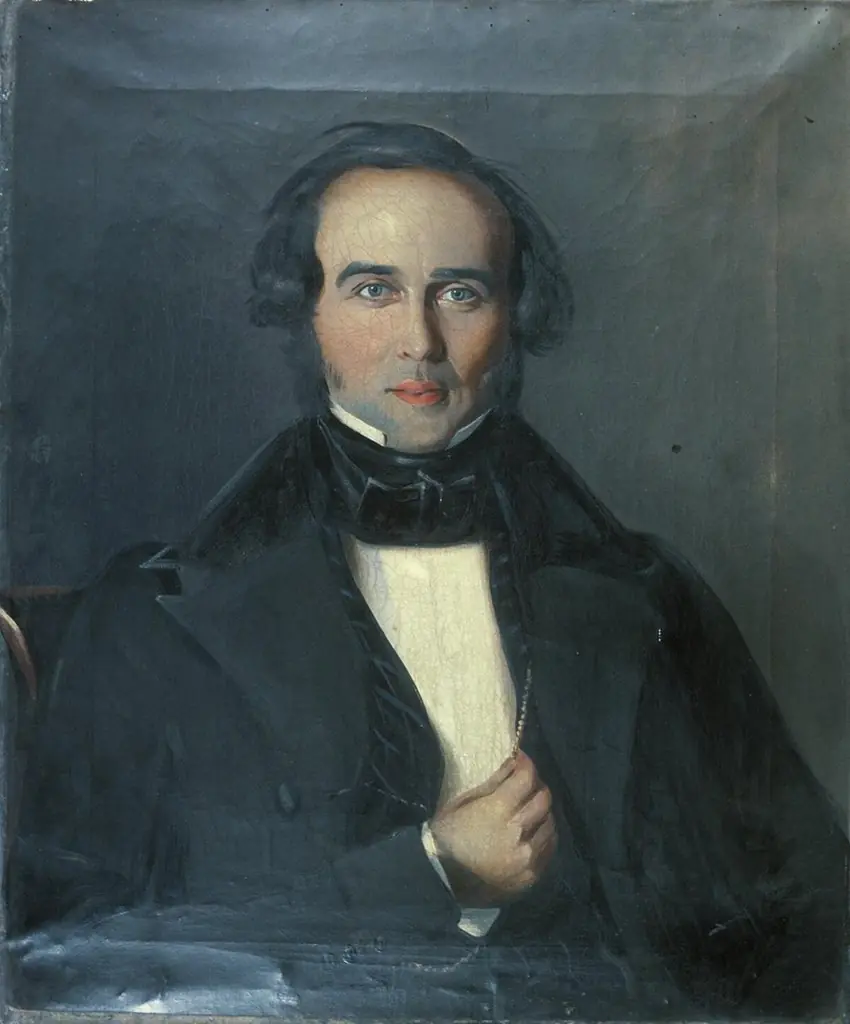
Joseph-Gustave Allard is depicted as a composed, middle-aged man, his balding head and direct gaze conveying quiet authority. Dressed in a formal black suit with white shirt and black bow tie, he holds his jacket in one hand while resting the other on a fireplace mantel. The posture suggests both ease and restraint, aligning with bourgeois ideals of decorum. The absence of symbolic objects focuses attention on character rather than status, inviting contemplation of personal presence over external achievement.
Technique & Style
Wappers employs smooth brushwork and subtle tonal gradations to render fabric, skin, and architectural details with precision. The muted background, rendered in soft grays and browns, isolates the figure without distraction. Light falls gently across the subject’s face and upper body, enhancing volume and texture. The fireplace, rendered with restrained realism, anchors the composition and adds warmth to the otherwise cool palette, reinforcing the portrait’s calm, interior atmosphere.
History & Provenance
The painting entered the collection of the Royal Museums of Fine Arts of Belgium following its completion in 1852. Wappers, a prominent figure in Belgian art institutions, was known for both historical scenes and portraits, and this work reflects his role in documenting contemporary elites. Allard’s identity as a public figure is not widely documented, but the portrait’s preservation suggests he held social or professional standing worthy of formal commemoration by a leading artist of the era.
Context
In mid-19th century Belgium, portraiture served as a tool for affirming civic and cultural identity amid national consolidation after independence. Wappers, trained in Paris and influenced by Neoclassical and Romantic traditions, bridged academic conventions with emerging realism. This portrait aligns with a broader trend among Belgian artists to capture the likeness and demeanor of the educated bourgeoisie, reflecting a society increasingly defined by professional and civic roles rather than aristocratic lineage.
Legacy
Though not among Wappers’s most celebrated works, the portrait remains a representative example of his skill in capturing individual character within formal conventions. It contributes to the historical record of Belgian middle-class life and demonstrates the persistence of traditional portraiture amid evolving artistic movements. The painting continues to be studied for its technical discipline and its quiet reflection of 19th-century values of composure and self-possession.
Artist & collection
Artist
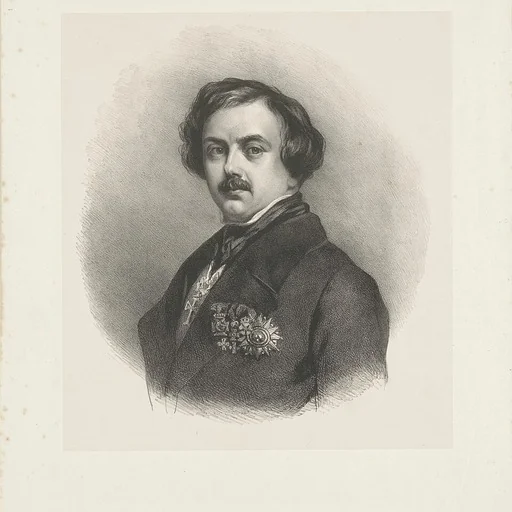
Egide Charles Gustave, Baron Wappers (23 August 1803 – 6 December 1874) was a Belgian painter. His work is generally considered to be Flemish and he signed his work with the Dutch form of his name, Gustaaf Wappers.

Museum
Royal Museums of Fine Arts of Belgium
Continue through works from the same source collection.
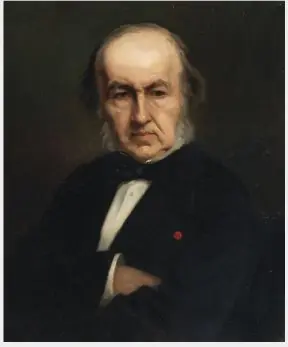 Portrait of Claude Bernard (1813-1878), Physiologist
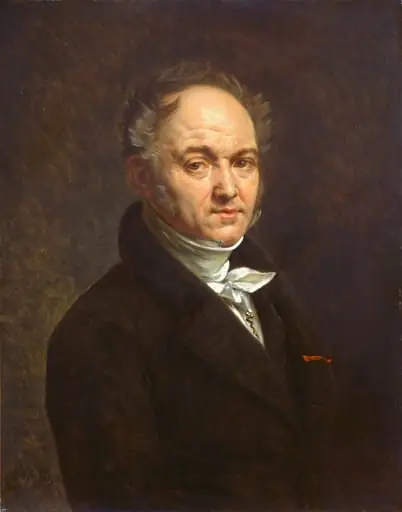 Dr. Vignardonne
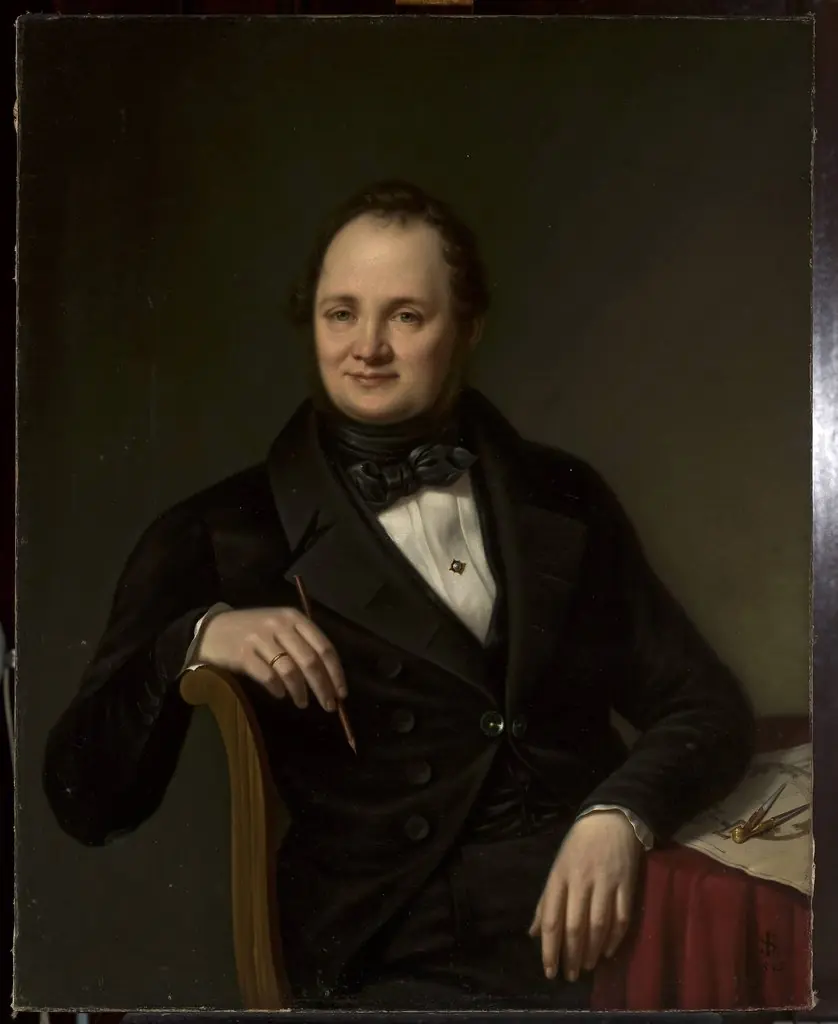 Portrait of Andrzej Gołoński, architect
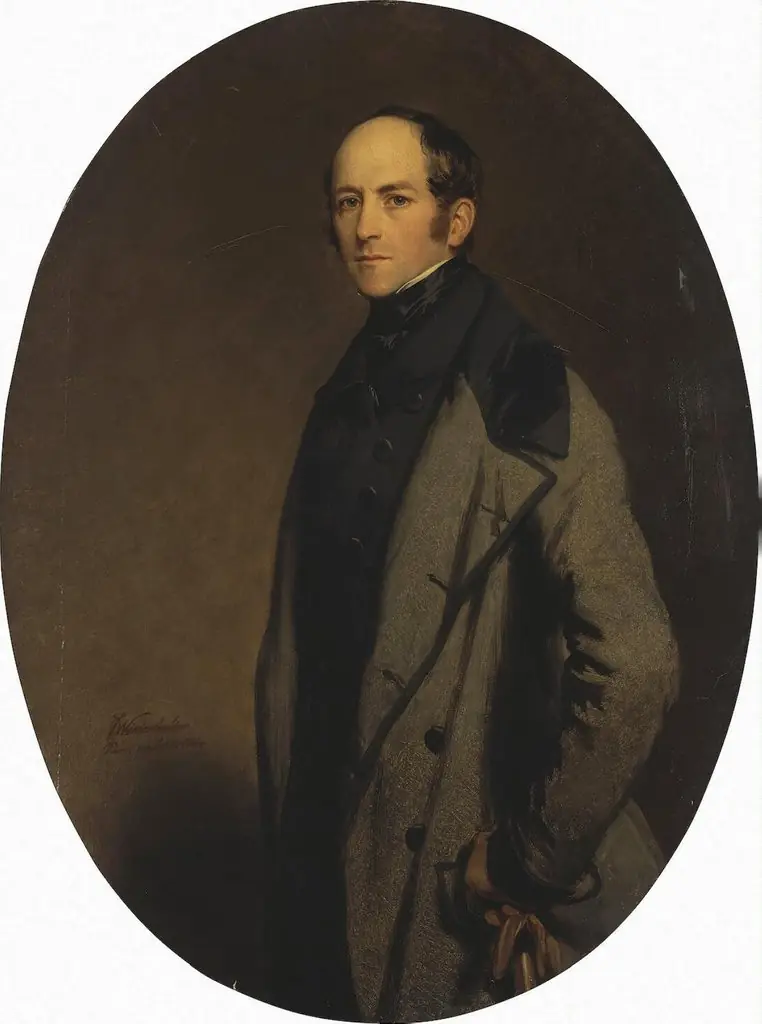 Portrait of Count Alexei Bobrinsky
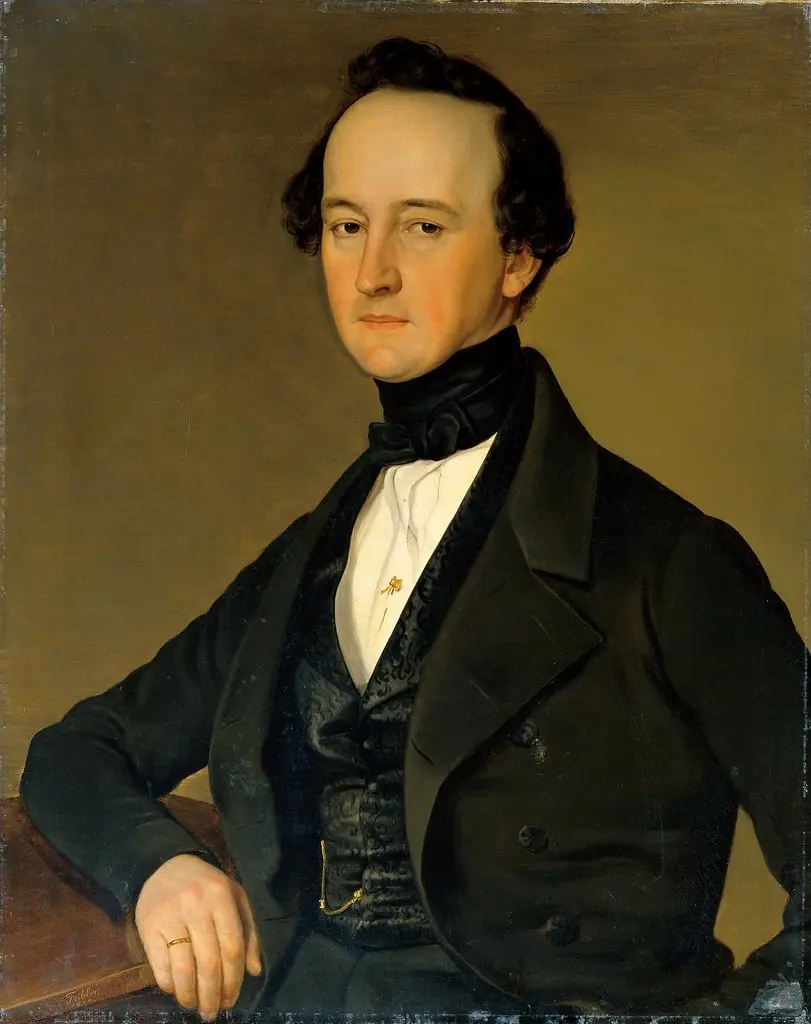 Dr. Franz Russ
 Guy Little Theatrical Photograph
 The Art Historian N. L. Høyen
 Self-Portrait
 The Painter Peter von Cornelius
 Sir Joshua Walmsley (1794–1871), MP
 Portrait of a man
 Portrait of Emile Augier