Artwork
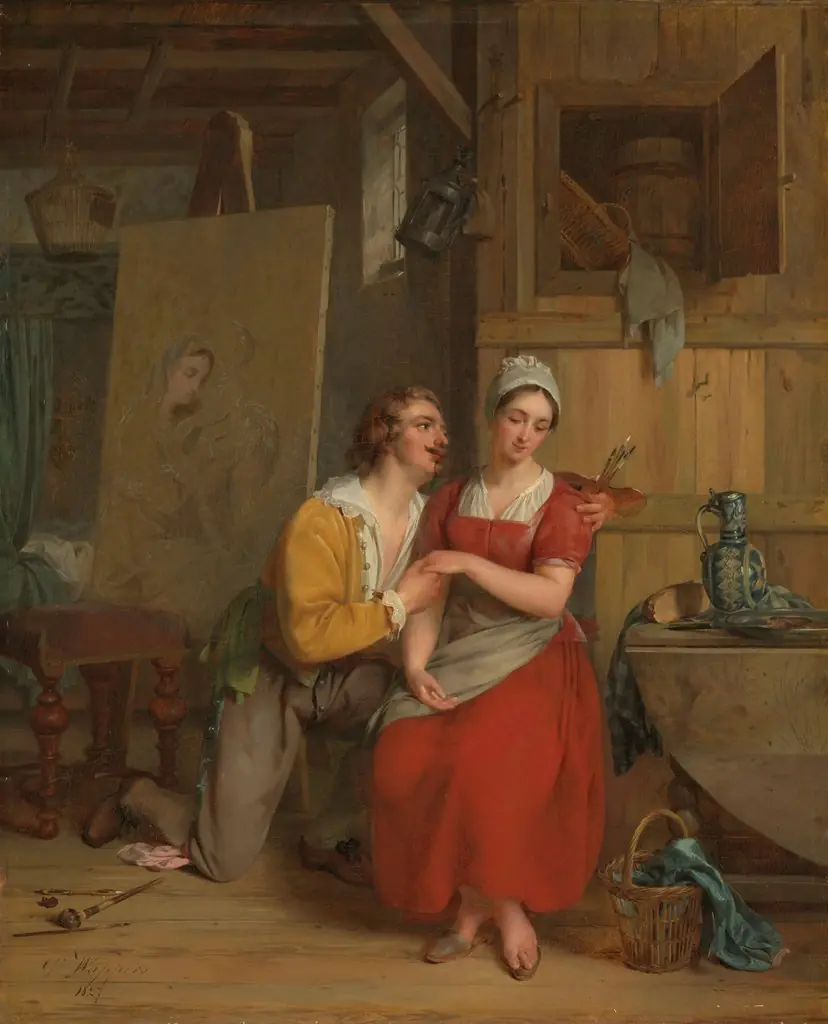
Anthony van Dyck wooing his Model
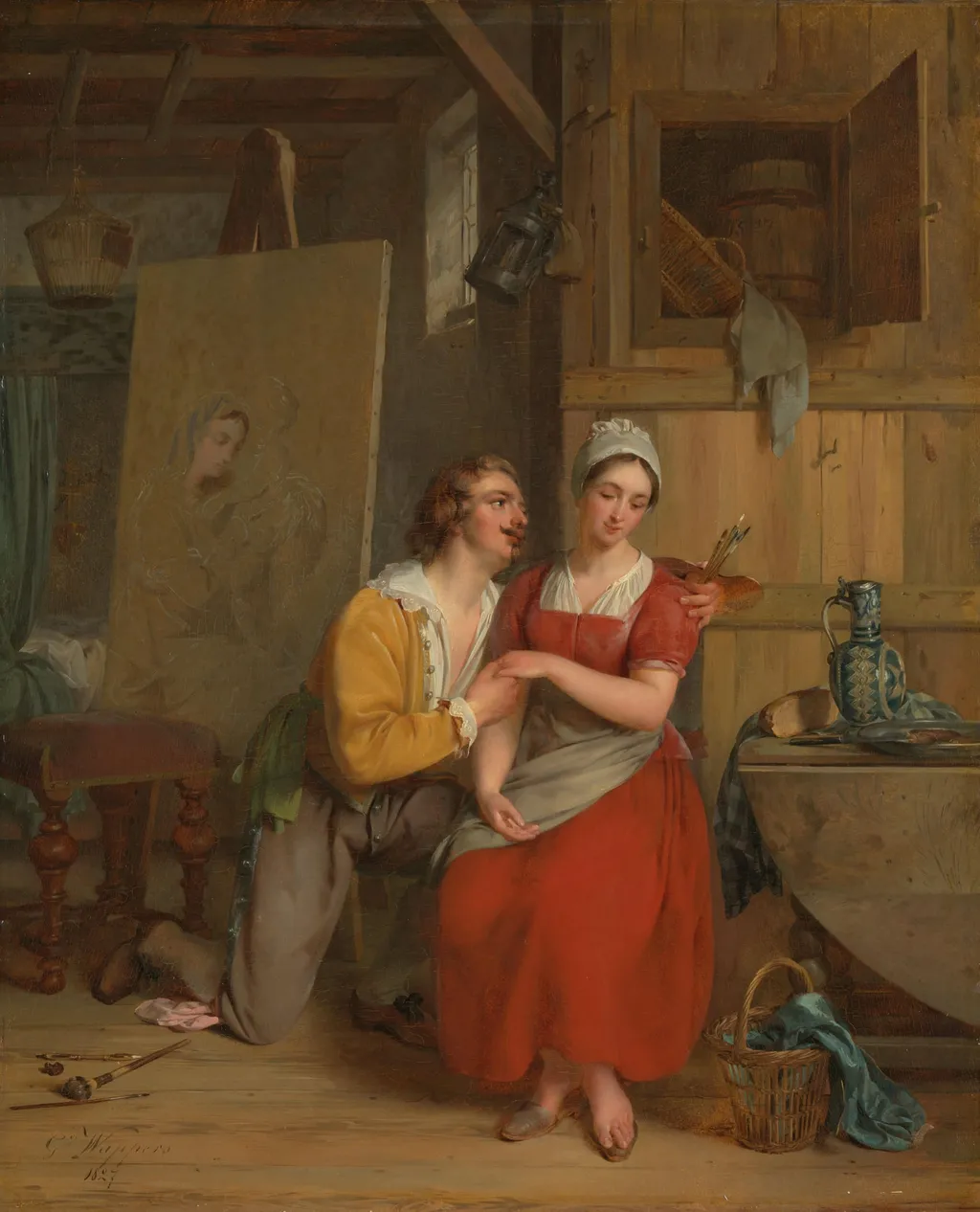
Anthony van Dyck wooing his Model is an unspecified painting by the Romanticist artist Égide Charles Gustave Wappers. It dates from 1827 and is held in the collection of the Rijksmuseum.
About this work
The artist who made this painting wanted to turn history into a romantic story, even though we don’t know if Van Dyck ever acted this way.
A man kneels in front of a woman sitting in a chair, holding her hand like he’s asking her to marry him. Behind them, an easel holds a half-finished painting of her. On a table nearby, there’s a jug, some cheese, and a plate.
This isn’t a real moment—it’s an imagined scene from 1827, showing Anthony van Dyck, a painter from the 1600s, falling for his model. The artist who made this painting wanted to turn history into a romantic story, even though we don’t know if Van Dyck ever acted this way.
If you like this kind of storytelling in art, look up Romanticism.
Overview
The work, titled *Anthony van Dyck wooing his Model*, presents a staged interior where a kneeling man clasps the hand of a seated woman. An easel behind them displays an unfinished portrait of the woman, while a nearby table holds a jug, cheese and a plate. The composition is a 19th‑century invention that imagines a romantic encounter involving the 17th‑century Flemish painter.
Subject & Meaning
The painting suggests a moment of courtship, with the kneeling figure appearing to propose to his sitter. By placing a half‑finished canvas within the scene, the artist underscores the link between artistic creation and personal affection, turning a professional relationship into a narrative of love.
Technique & Style
Rendered in a smooth, academic manner typical of early‑19th‑century historicist painting, the work employs clear modeling and a restrained palette. The interior space is carefully organized, with linear perspective guiding the viewer’s eye from the figures to the easel and the modest still‑life on the table.
History & Provenance
Created in 1827, the piece reflects the Romantic era’s fascination with dramatizing historical figures. Its provenance traces back to private collections before entering a museum context, where it has been displayed as an example of 19th‑century historic imagination rather than documentary portraiture.
Context
During the Romantic period, artists frequently re‑interpreted past personalities, infusing them with contemporary emotional ideals. This painting follows that trend, using the celebrated portraitist Anthony van Dyck as a vehicle for a sentimental story that had no basis in documented history.
Legacy
The work remains a reference point for discussions of how art can construct mythic narratives about artists themselves. It illustrates the 19th‑century tendency to blend factual biography with romanticized fiction, influencing later depictions of artistic life.
Own this work as a print
Artist & collection
Artist
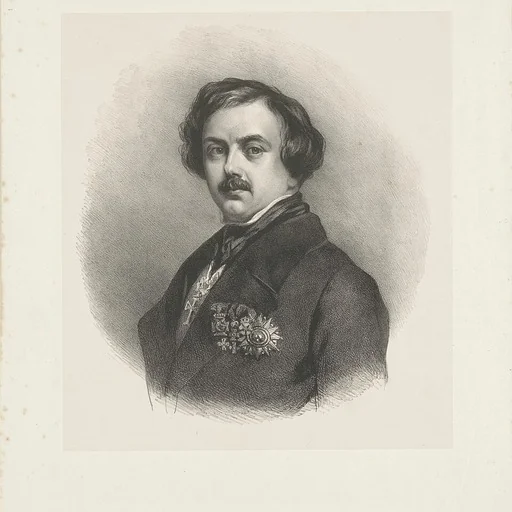
Egide Charles Gustave, Baron Wappers (23 August 1803 – 6 December 1874) was a Belgian painter. His work is generally considered to be Flemish and he signed his work with the Dutch form of his name, Gustaaf Wappers.

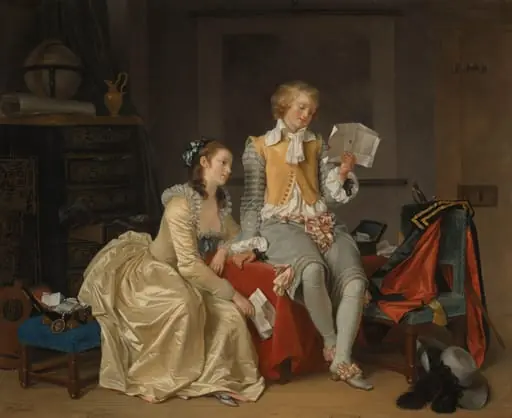 I Reread Them with Pleasure
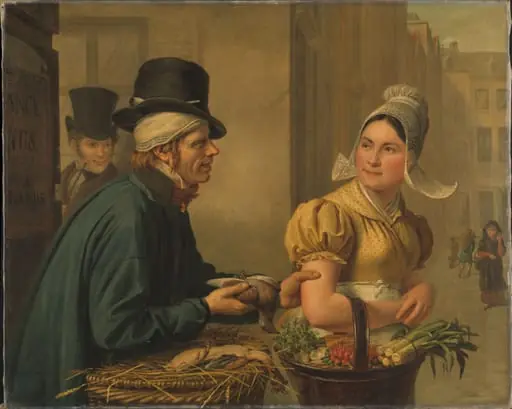 The Poultryman
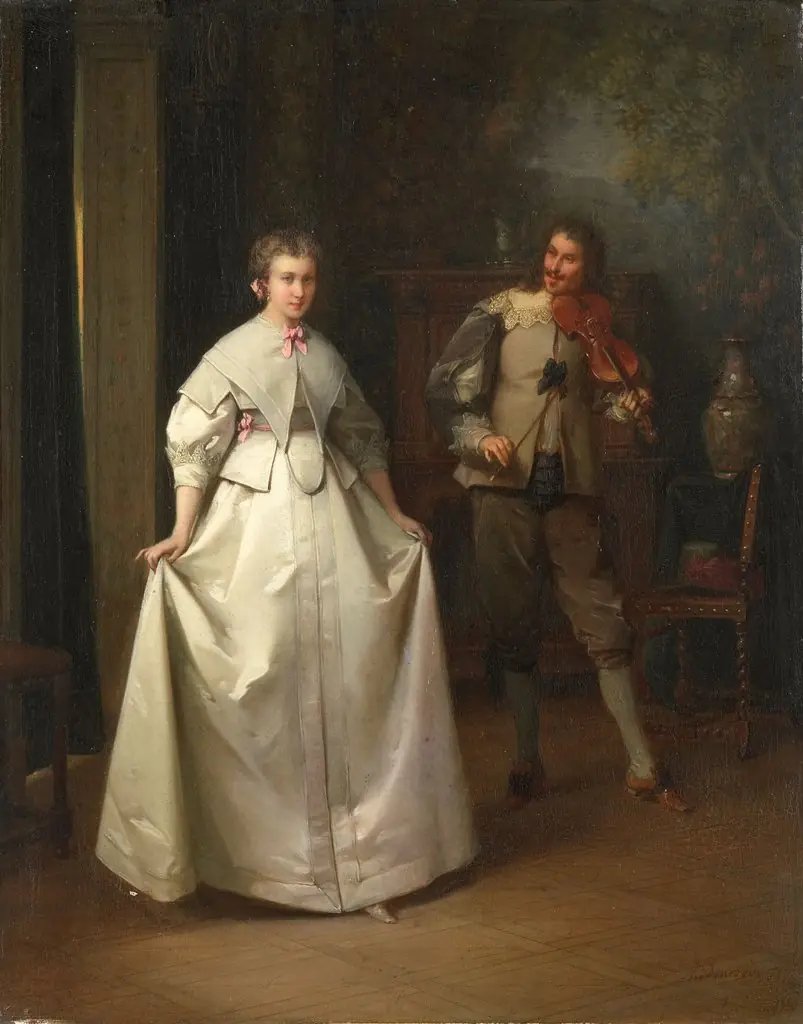 The Dance
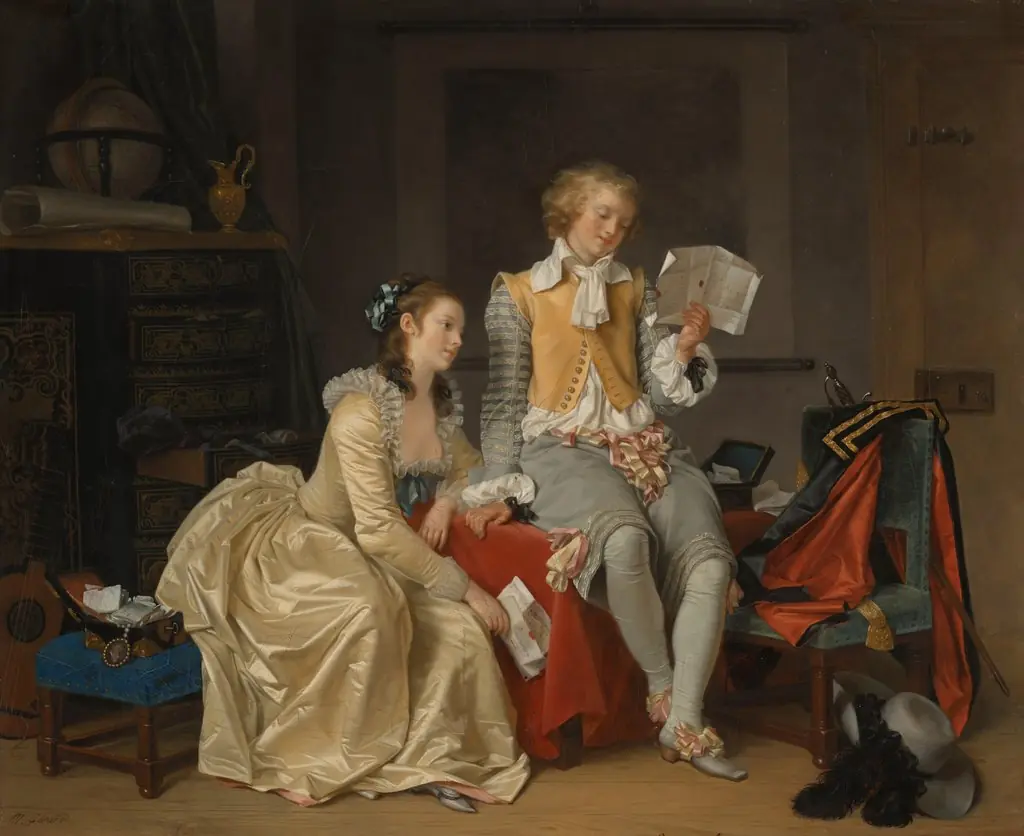 I Reread Them with Pleasure
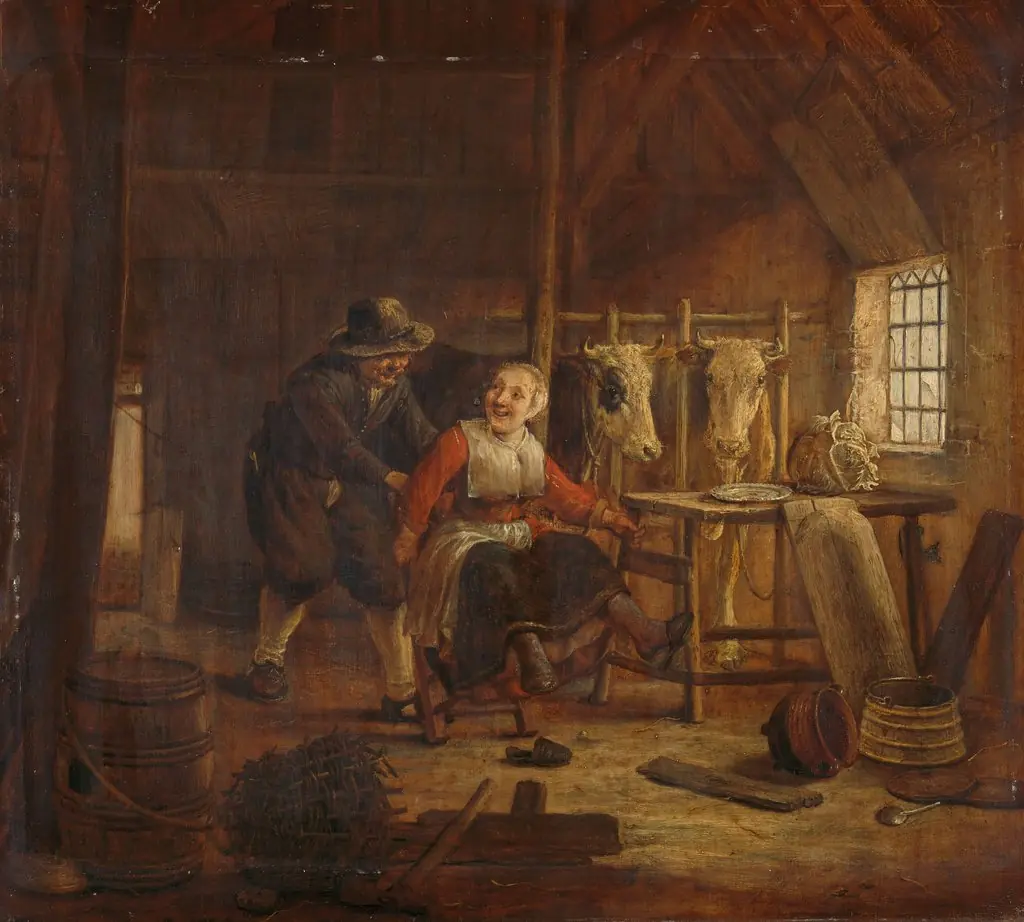 Flirtation in a cowshed
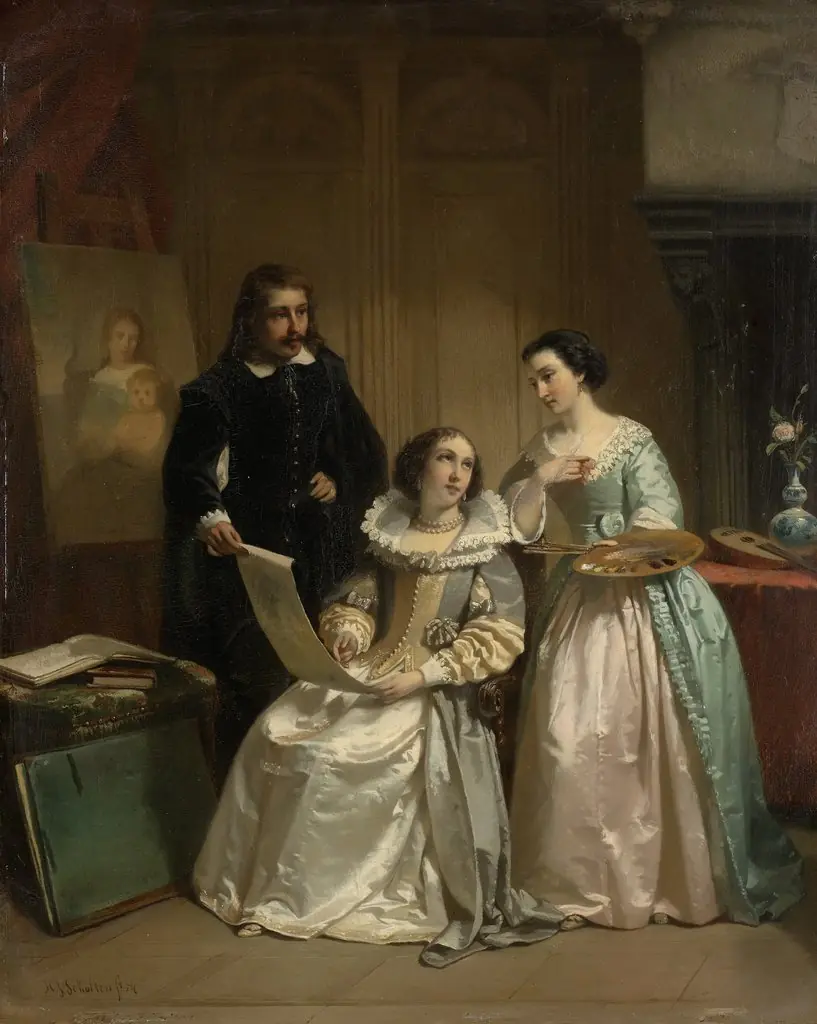 Gerard van Honthorst Shows Amalia van Solms the Drawings by his Pupil Louise of Bohemia
 Broken Dishes
 Young French Marquise in Exile in Lausanne
 The Old Man and the Maid
 Der Maler im Dachstübchen
 Tavern Scene with Standing Couple