Artwork
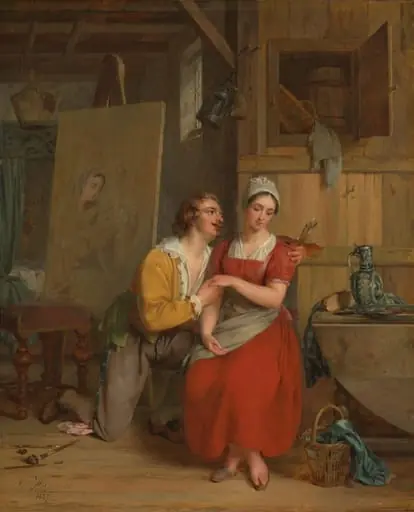
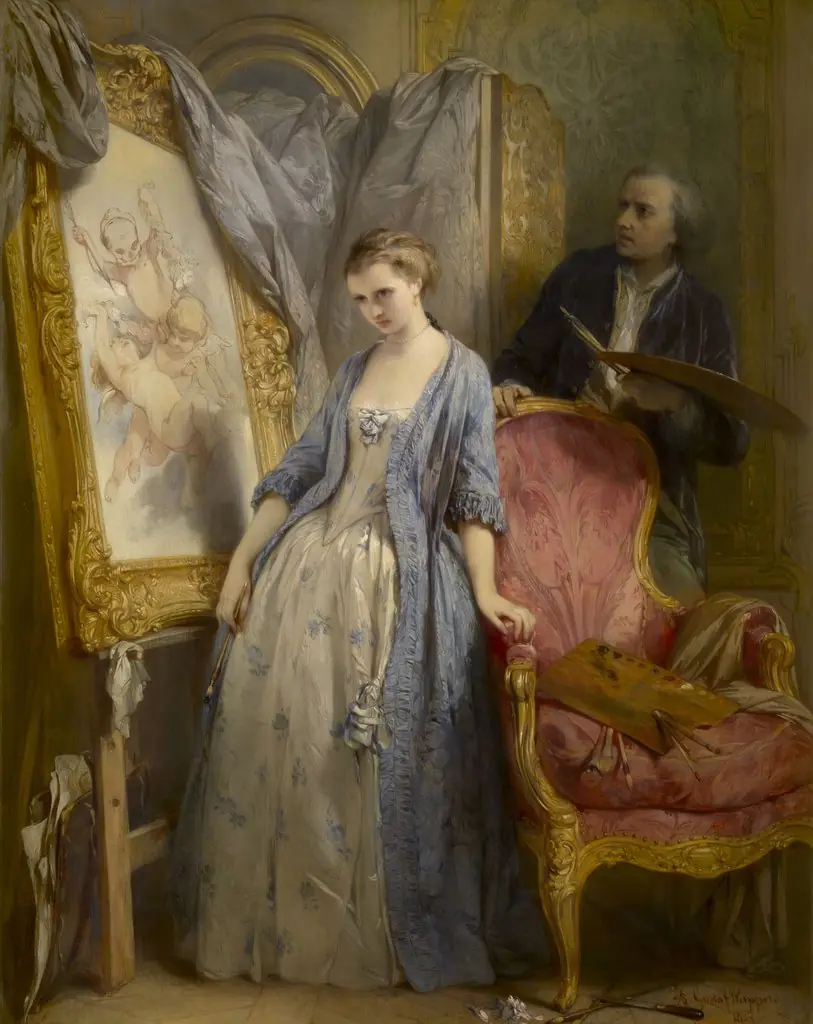
Anthony van Dyck in Love with his Model
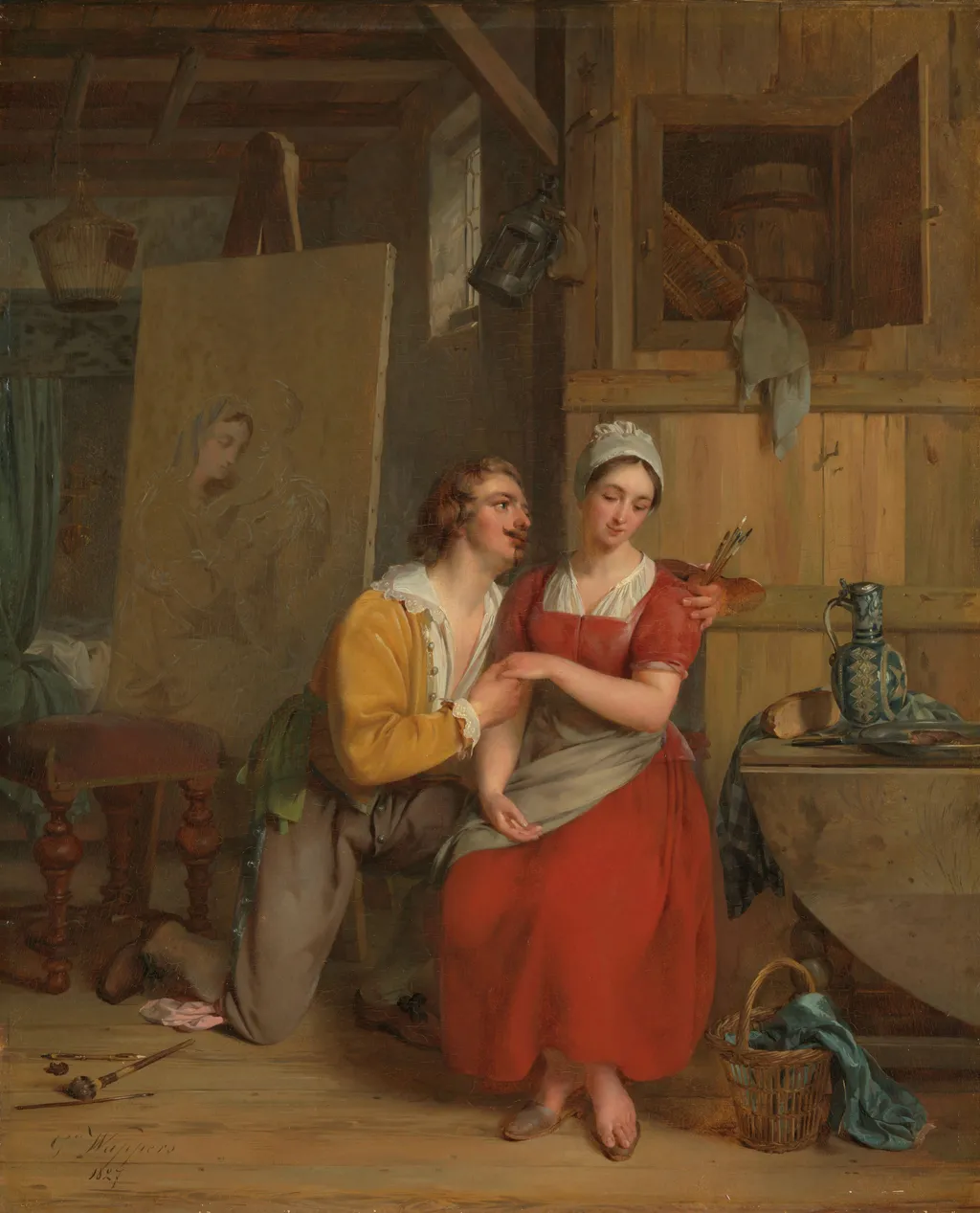
Anthony van Dyck in Love with his Model is an oil painting by Égide Charles Gustave Wappers. It dates from 1827 and is held in the collection of the Rijksmuseum.
About this work
Overview
The painting resides in the Rijksmuseum’s collection and reflects 19th-century romantic interest in artistic legacy and domestic creativity.
Painted in 1827 by Belgian artist Égide Charles Gustave Wappers, this oil work portrays a fictionalized moment from the life of Anthony van Dyck, the 17th-century Flemish portraitist. Though not a historical record, the scene imagines van Dyck in a tender interaction with a model within a modest studio. The painting resides in the Rijksmuseum’s collection and reflects 19th-century romantic interest in artistic legacy and domestic creativity.
Subject & Meaning
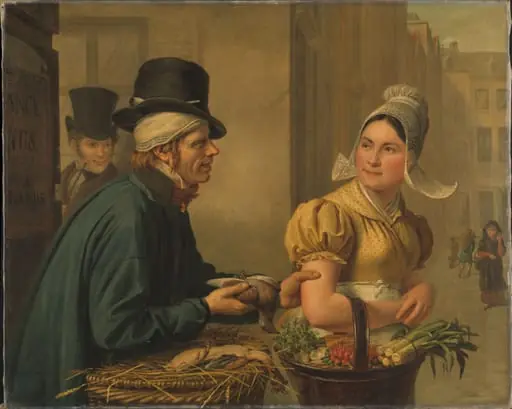
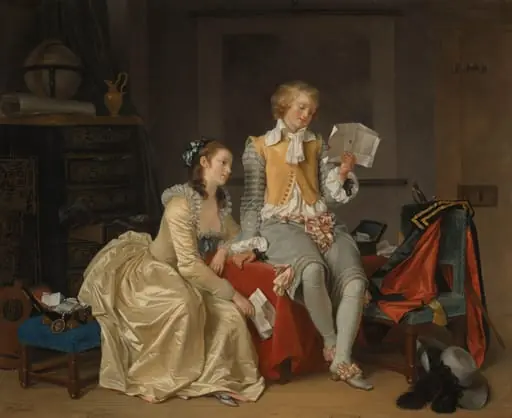
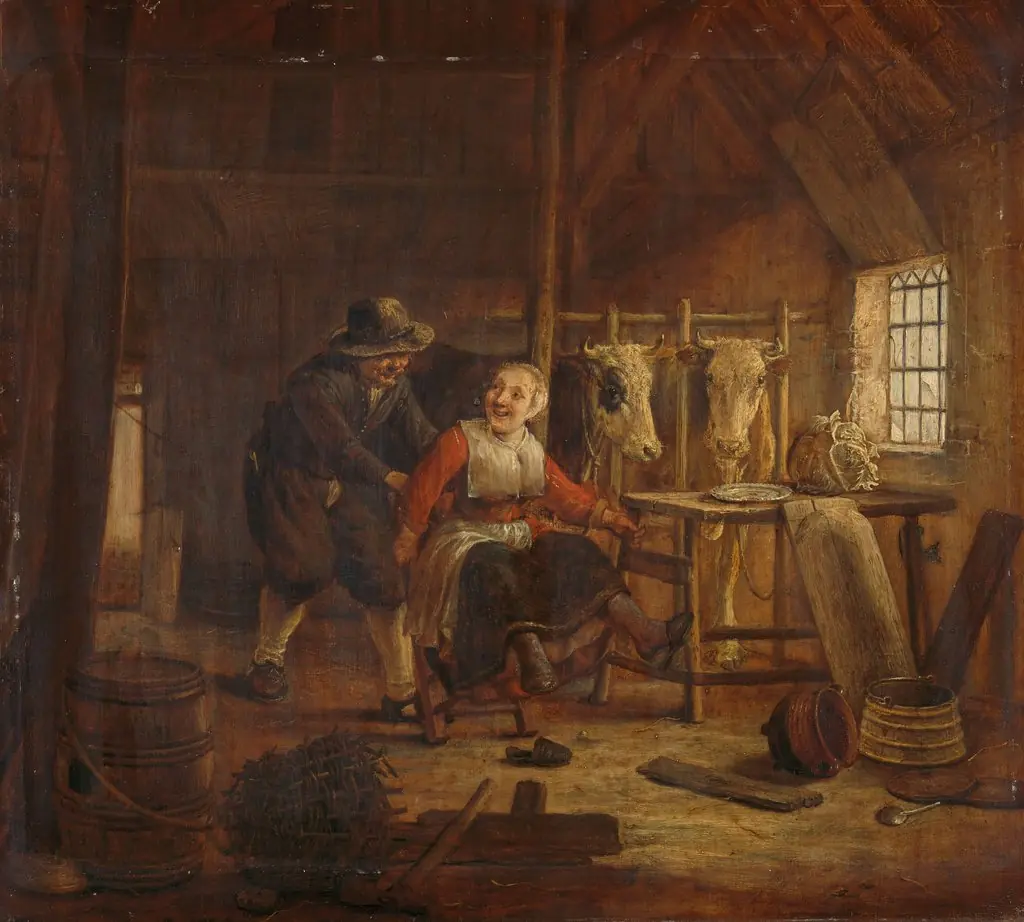
The composition centers on van Dyck, dressed in period clothing, kneeling beside a female model in a red dress and white apron. She holds a paintbrush, suggesting shared creative agency. His gentle grip on her arm conveys quiet devotion, while the surrounding tools of art imply a space where personal and professional lives intertwine. The scene idealizes the artist-model relationship as one of mutual respect and emotional connection.
Technique & Style
Wappers employs warm, muted tones and soft, diffused light to cultivate an intimate atmosphere. The rustic studio, with its wooden beams and slanted roof, is rendered with careful attention to texture and spatial depth. Brushwork is smooth and controlled, emphasizing figures over background detail. The lighting draws focus to the pair’s interaction, reinforcing the emotional tone without theatricality.
History & Provenance
Created in 1827, the painting entered the Rijksmuseum’s collection as part of its broader effort to document European artistic traditions. Wappers, a key figure in the Flemish revival movement, often revisited historical artists to explore themes of inspiration and labor. This work was not commissioned but produced as a personal meditation on artistic identity, later recognized for its emotional resonance within 19th-century Belgian art circles.
Context
In the early 19th century, artists across Europe reimagined past masters as symbols of romantic idealism. Wappers, influenced by historical nostalgia and national identity, depicted van Dyck not as a court painter but as a humble creator in a quiet studio. This shift reflected broader cultural trends that valued the artist’s personal life and emotional authenticity over public achievement.
Legacy
Though not widely reproduced, the painting remains a quiet example of how 19th-century artists reinterpreted historical figures through contemporary sensibilities. It contributes to a genre of studio scenes that humanize painters, emphasizing intimacy over grandeur. Wappers’s treatment of van Dyck as a tender, grounded figure influenced later depictions of artistic life in Belgian and Flemish painting.
Own this work as a print
Artist & collection
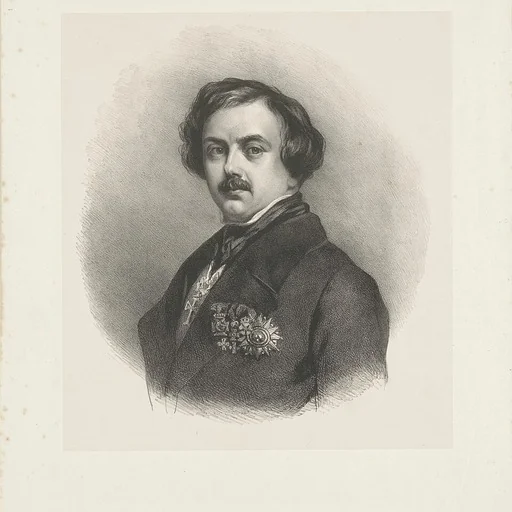
Artist
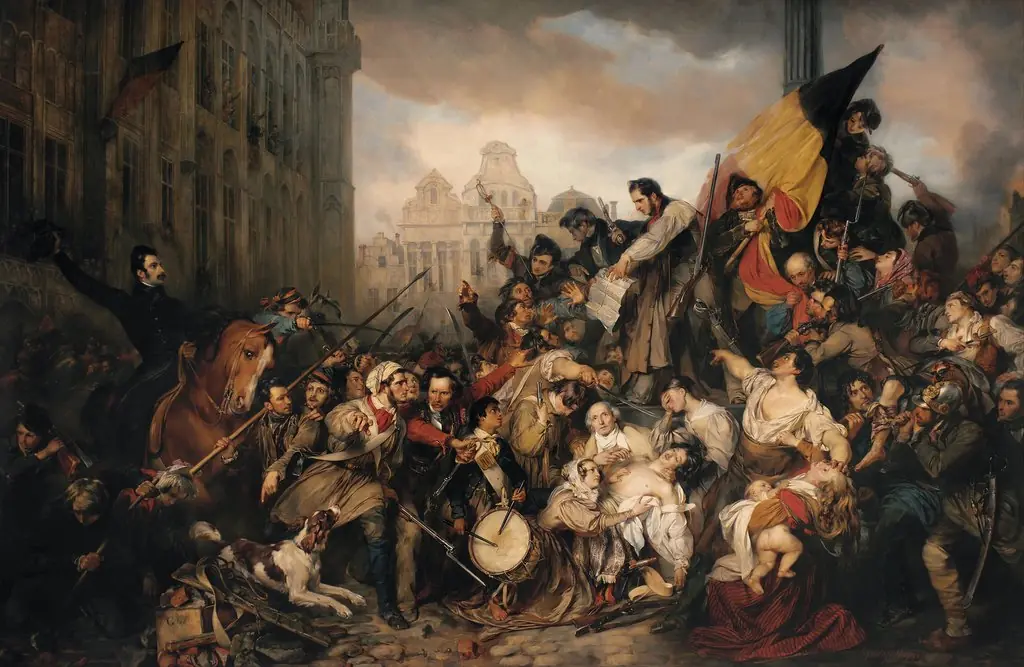
Egide Charles Gustave, Baron Wappers (23 August 1803 – 6 December 1874) was a Belgian painter. His work is generally considered to be Flemish and he signed his work with the Dutch form of his name, Gustaaf Wappers.