Artwork
John Bate, Writer
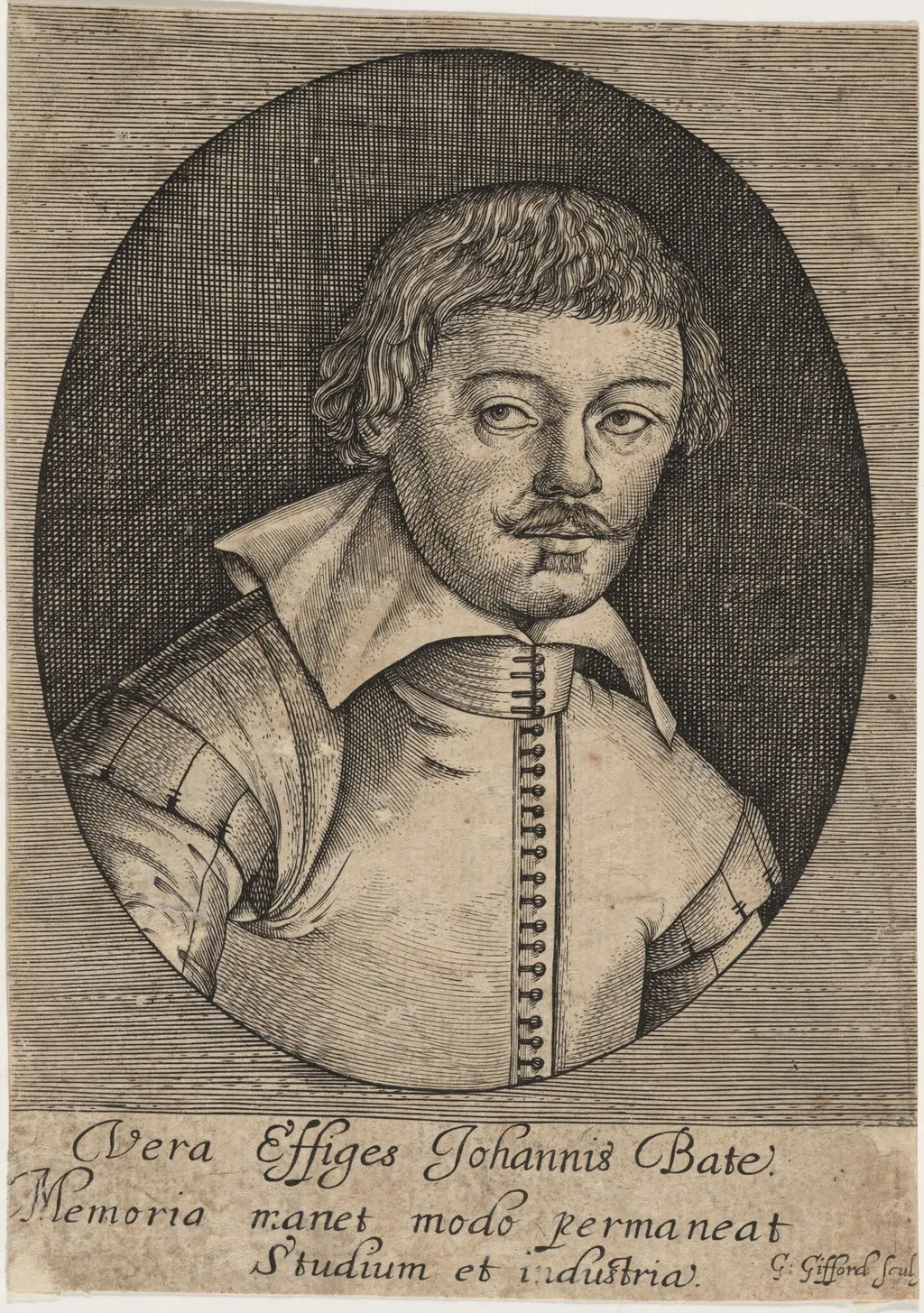
John Bate, Writer is an ink print by the Baroque artist George Gifford. It dates from 1635 and is held in the collection of the National Gallery of Art.
About this work
Overview
George Gifford’s 1635 engraving presents a portrait of John Bate, identified in the inscription as a true likeness. Rendered in black and white, the image shows Bate with a moustache and curled hair, his right hand gripping a small object—perhaps a tool or key—while his left hand rests on his chest. The figure is set against an unadorned background and enclosed by a decorative border.
Subject & Meaning
The work functions as a personal representation of John Bate, a writer whose identity is affirmed by the Latin caption “Vera Effiges Johannis Bate.” The pose, with the object in the right hand, may allude to his profession or status, while the hand on the chest suggests sincerity or contemplation, typical of portraiture intended to convey character.
Technique & Style
Executed as an engraving, the print relies on incised lines to achieve fine texture and tonal variation, characteristic of early Baroque portraiture. Gifford’s handling of line creates a detailed rendering of hair, facial features, and the decorative frame, while the stark contrast between inked areas and the white paper background enhances the three‑dimensional impression of the sitter.
History & Provenance
Created in 1635, the engraving belongs to a period when printed portraits served both documentary and commemorative purposes. Though specific ownership records are scarce, the work has been preserved within collections of early modern English prints, reflecting the broader circulation of engraved likenesses in the seventeenth century.
Context
The portrait aligns with the Baroque emphasis on realism and individual presence, yet it remains restrained compared with more elaborate courtly images. Engravings like this were often used to disseminate the images of learned men, reinforcing their intellectual reputation within a growing print culture of the era.
Artist & collection

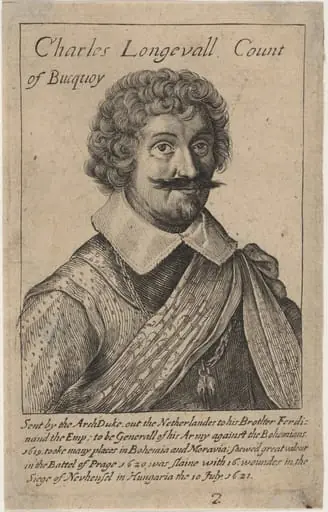 Charles, Count of Bucquoy
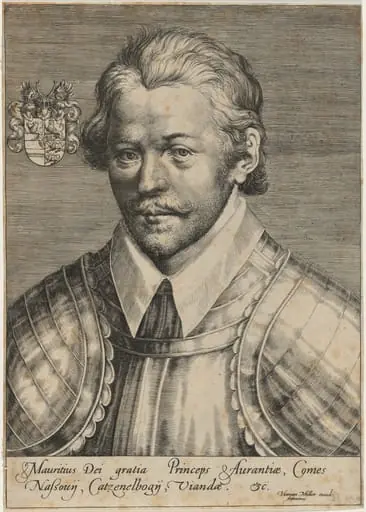 Maurice, Prince of Orange
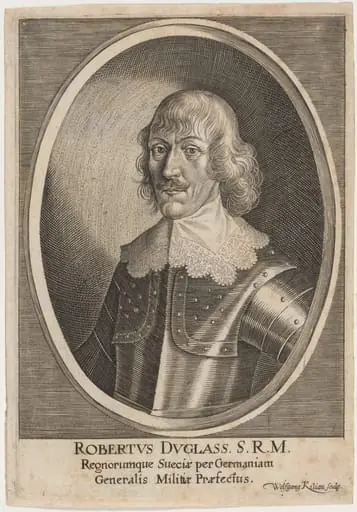 Robert Duglass, Swedish General
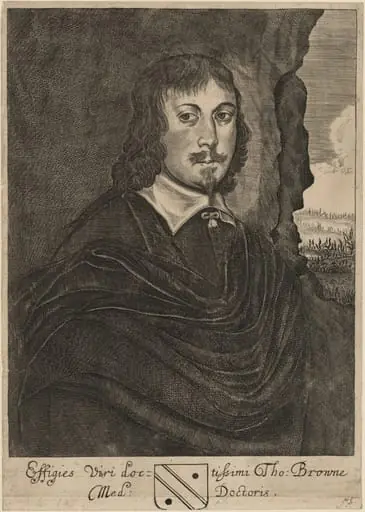 Tho. Browne, Med. Doctoris (Sir Thomas Browne, M.D.)
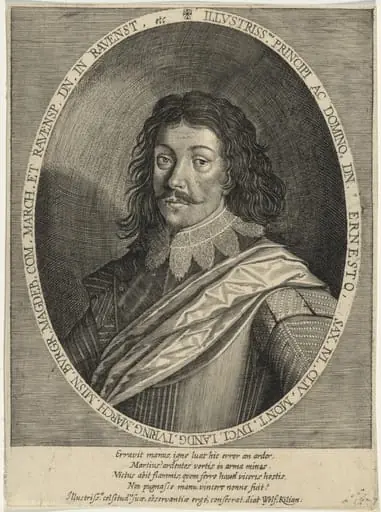 Prince Ernest, Duke of Saxony and Cleves
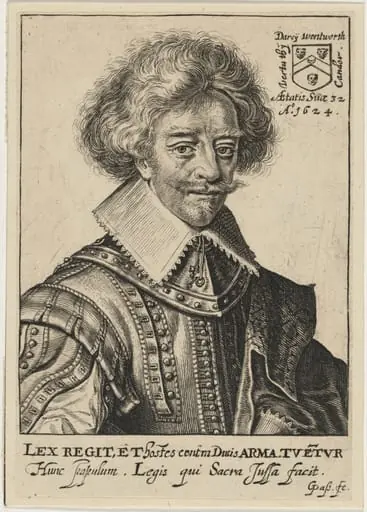 Darcy Wentworth
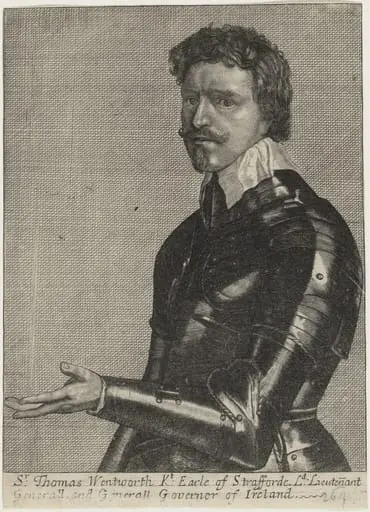 Thomas Wentworth, First Earl of Stafford
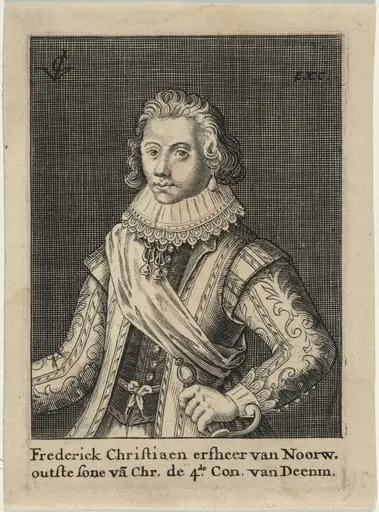 Frederick Christian III, King of Denmark and Norway
 Self-Portrait
 Jacques de Charron