Artwork
Joseph explaining dreams at the Pharaoh’s court
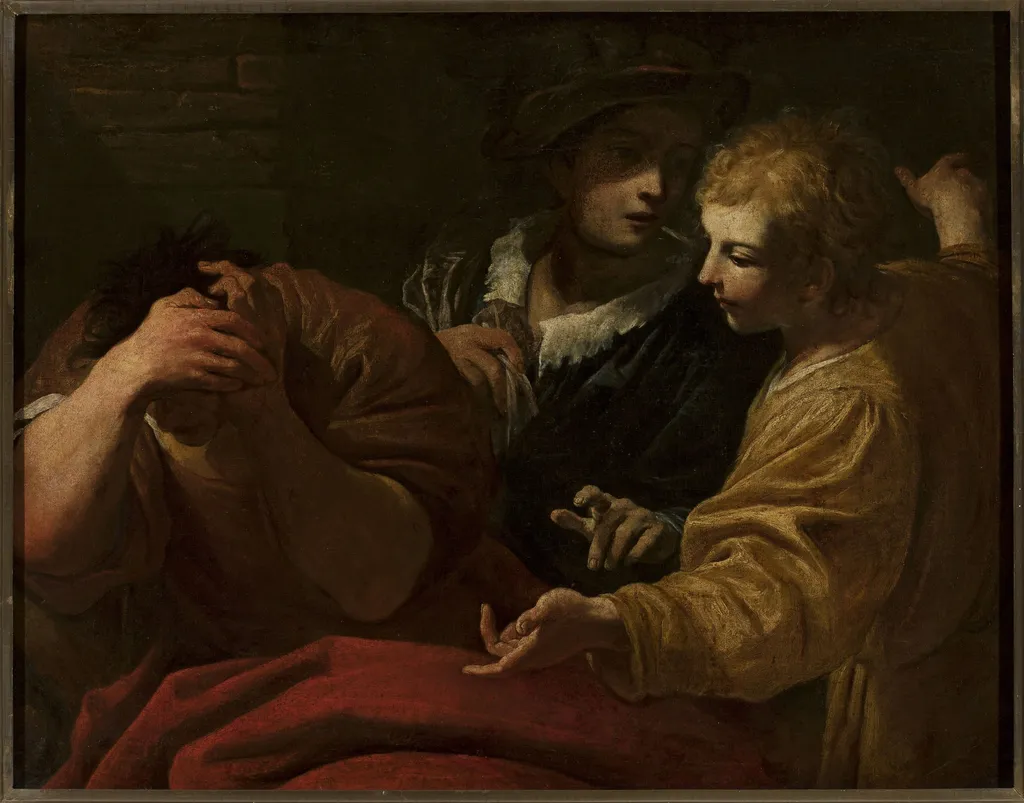
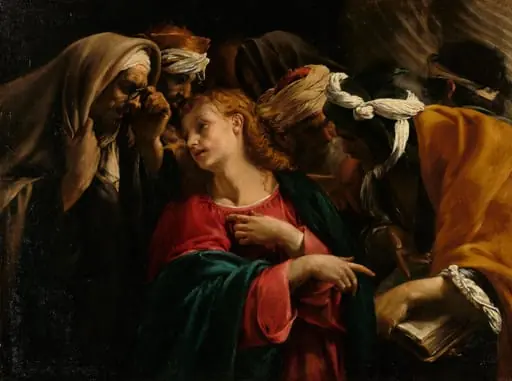
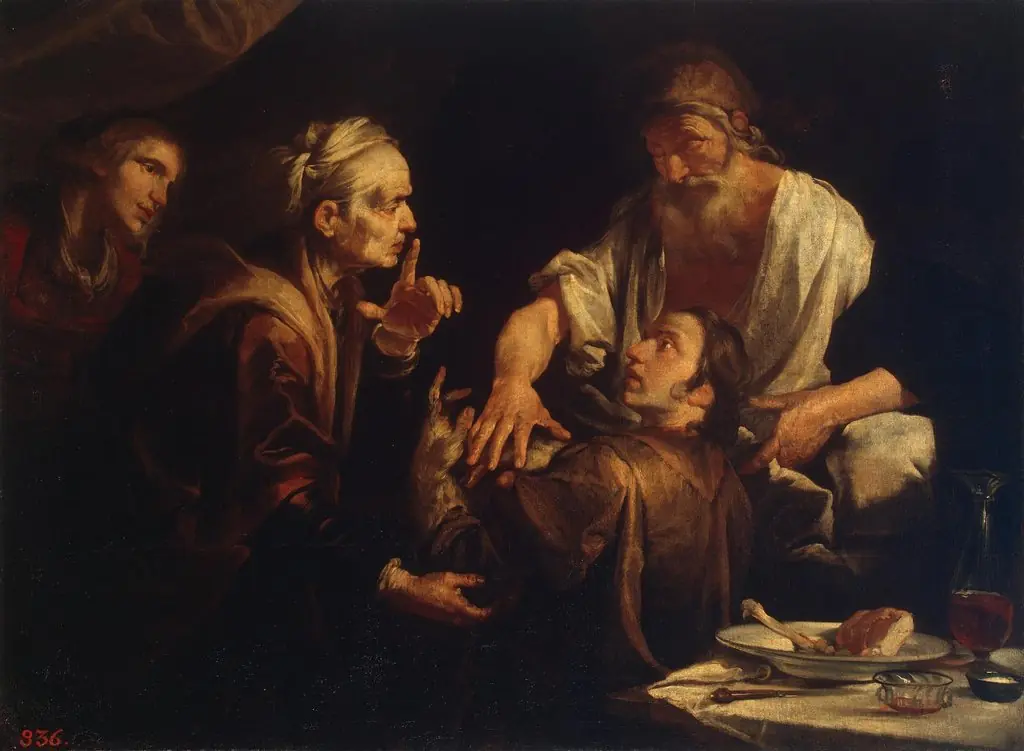
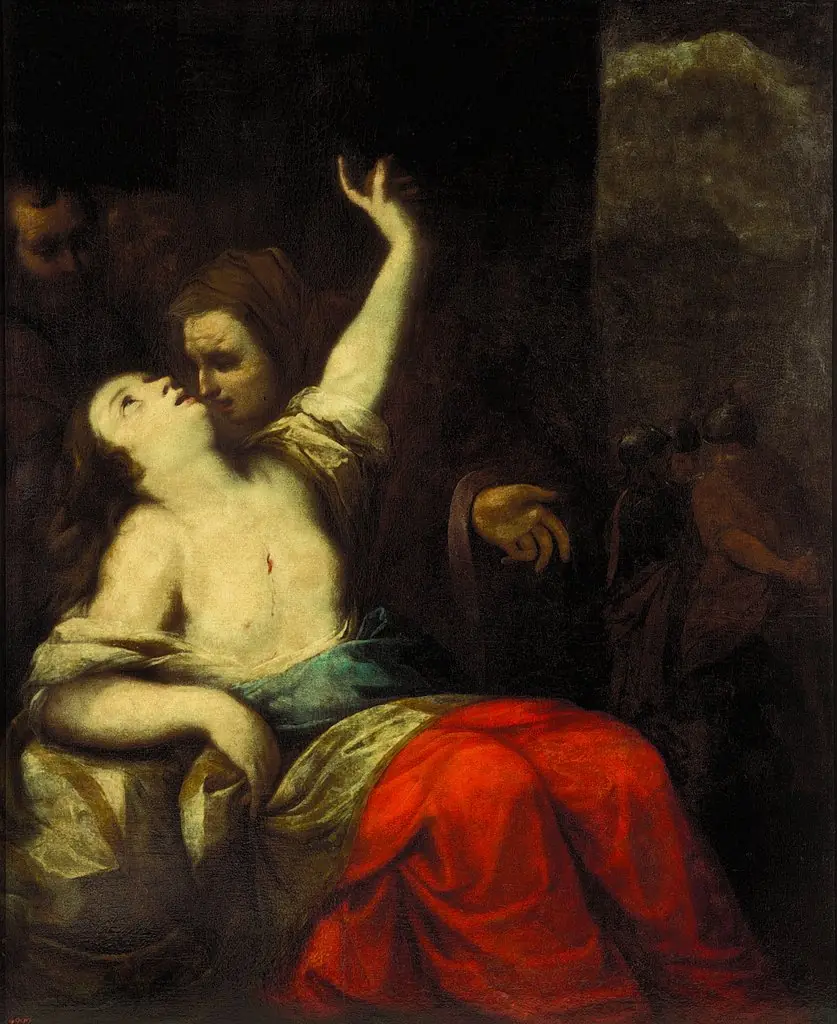
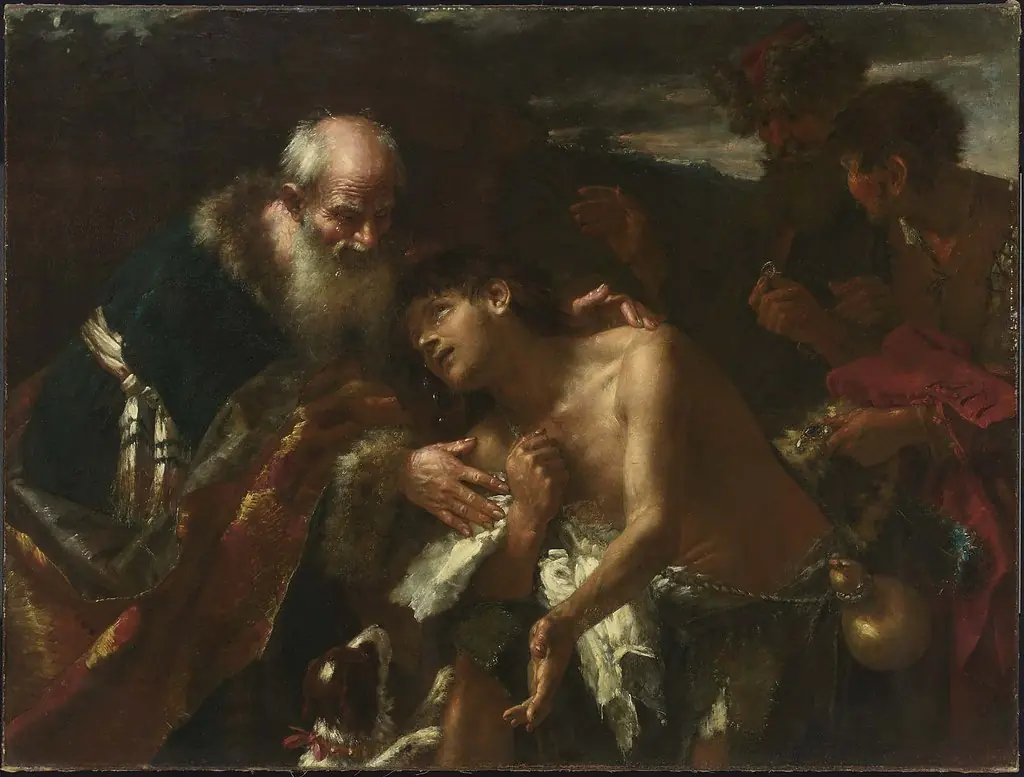
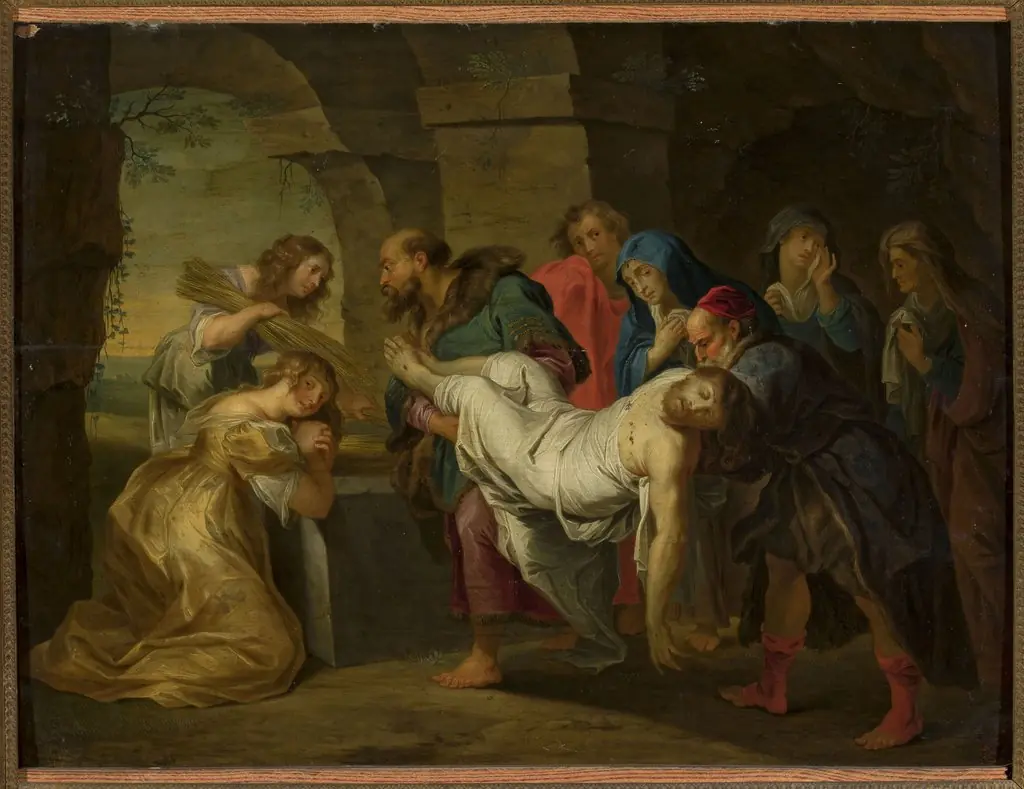
Joseph explaining dreams at the Pharaoh’s court is an oil painting by Giovanni Antonio Burrini. It dates from 1701 and is held in the collection of the National Museum in Warsaw.
About this work
Overview
Giovanni Antonio Burrini’s oil on canvas, dated circa 1701, portrays the biblical episode in which Joseph interprets the Pharaoh’s dreams. Executed in the late‑Baroque idiom that anticipates Rococo, the composition centers on Joseph amidst a courtly gathering, his gestures and expression directing the narrative focus. The work belongs to the collection of the National Museum in Warsaw.
Subject & Meaning
The scene draws from Genesis, where Joseph, a Hebrew slave, explains the symbolic significance of the ruler’s nocturnal visions. By placing Joseph at the heart of the tableau, the painting underscores themes of wisdom, divine insight, and the elevation of a foreign servant within an Egyptian setting, reflecting the moral and theological interests of its era.
Technique & Style
Rich reds and golden yellows dominate the drapery, while meticulous rendering of fabric folds and facial expressions convey texture and emotion.
Burrini employs a pronounced chiaroscuro, with a concealed light source illuminating the central figures against a tenebrous backdrop. Rich reds and golden yellows dominate the drapery, while meticulous rendering of fabric folds and facial expressions convey texture and emotion. The brushwork balances dynamic movement with the graceful elegance characteristic of late‑Baroque and early Rococo aesthetics.
History & Provenance
Created in Bologna, the painting was likely commissioned for a private or ecclesiastical patron before entering the Polish national collection. It now resides in Warsaw’s National Museum, where it has been displayed as part of the museum’s holdings of 17th‑ and 18th‑century European art, illustrating the cross‑regional circulation of Italian Baroque works.
Context
Burrini, a founding member of Bologna’s Accademia Clementina, was a contemporary of Sebastiano Ricci, with whom he shared a competitive artistic relationship. His work reflects the academic training and decorative sensibilities of the Bolognese school, while also engaging with the broader European fascination with biblical narrative paintings during the early 18th century.
Artist & collection
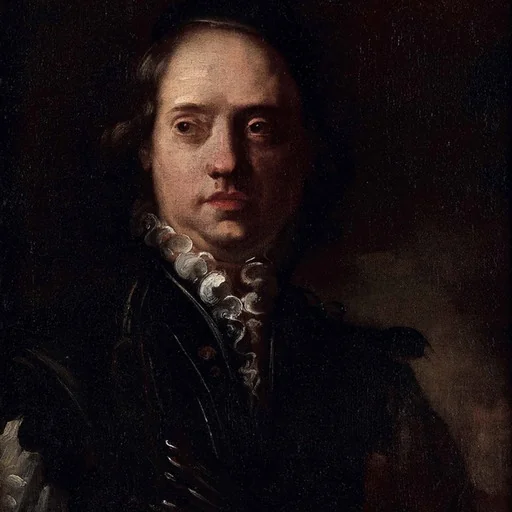
Artist
Giovanni Antonio Burrini (25 April 1656 – 5 January 1727) was a Bolognese painter of Late-Baroque or Rococo style.