Artwork
Christus heilt den Gichtbrüchigen
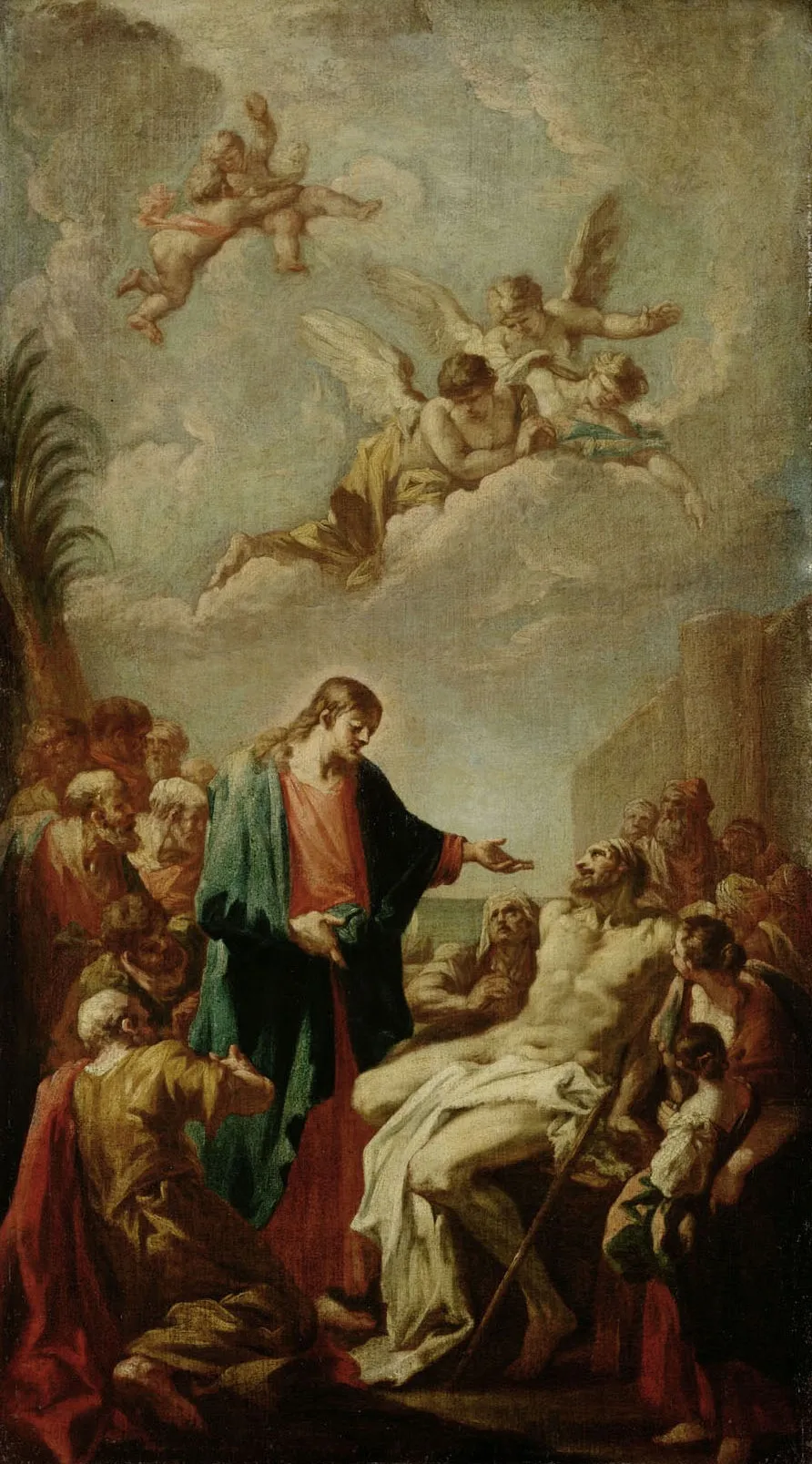
Christus heilt den Gichtbrüchigen is an unspecified painting by the Rococo painting artist Giovanni Antonio Pellegrini. It dates from 1730 and is held in the collection of the Kunsthistorisches Museum.
About this work
Overview
This piece reflects his mature style, shaped by years of international commissions and exposure to diverse artistic traditions across Europe.
Painted in 1730 by Giovanni Antonio Pellegrini, this work depicts the biblical healing of a paralytic by Christ. A prominent Venetian painter of the early 18th century, Pellegrini was known for his large-scale religious and mythological scenes. This piece reflects his mature style, shaped by years of international commissions and exposure to diverse artistic traditions across Europe. It resides today in the Kunsthistorisches Museum in Vienna.
Subject & Meaning
The scene illustrates Christ’s miracle of healing a man afflicted with gout, as recounted in the Gospels. Christ, elevated and serene, extends his hand in blessing while the sick man lies on the ground, wrapped in cloth. Surrounding figures—onlookers, disciples, and angels—emphasize the divine nature of the act. The angels, hovering above, symbolize heavenly witness, reinforcing the sacredness of the moment without overt narrative detail.
Technique & Style
Pellegrini combines the compositional clarity of the Renaissance with the dynamic movement and emotional intensity of the Baroque. Soft, luminous angels emerge from a hazy, cloud-filled sky, contrasting with the grounded, earth-toned figures below. Strong chiaroscuro directs attention to Christ’s outstretched hand, isolating him as the source of light and grace. The delicate rendering of wings and drapery reveals a refined, almost theatrical attention to texture and movement.
History & Provenance
Commissioned during Pellegrini’s peak years, the painting likely originated from a private or ecclesiastical patron in Italy before entering Austrian collections. Its presence in the Kunsthistorisches Museum suggests acquisition during the Habsburgs’ active 18th- and 19th-century efforts to gather significant European art. The work’s survival in good condition reflects careful stewardship through centuries of political and cultural change.
Context
Created during the height of the Rococo, the painting diverges from the movement’s typical frivolity by maintaining a solemn religious tone. Pellegrini’s style, rooted in Venetian colorism and influenced by his travels to France and Germany, offered a bridge between Italian grandeur and Northern European sensibilities. This work exemplifies how religious themes persisted in art even as secular tastes evolved across Europe.
Legacy
Though less widely known today than his contemporaries, Pellegrini’s influence extended through his teaching and the dissemination of his compositions across royal courts. This painting remains a testament to his ability to harmonize spiritual gravity with visual elegance. It contributes to the broader understanding of how Venetian painters adapted their style to meet the devotional and aesthetic demands of international patrons in the early 18th century.
Artist & collection
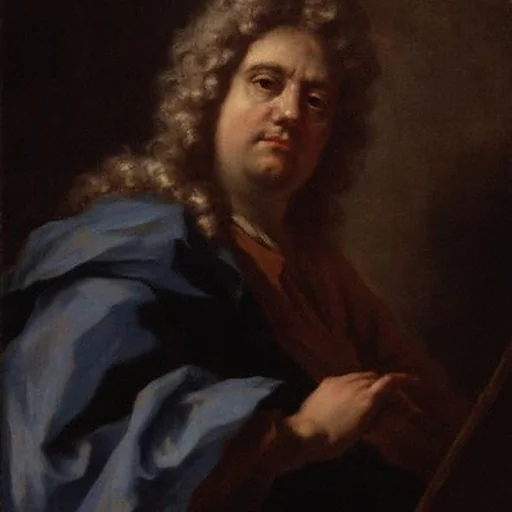
Artist
Giovanni Antonio Pellegrini (29 April 1675 – 2 or 5 November 1741) was one of the leading Venetian history painters of the early 18th century.

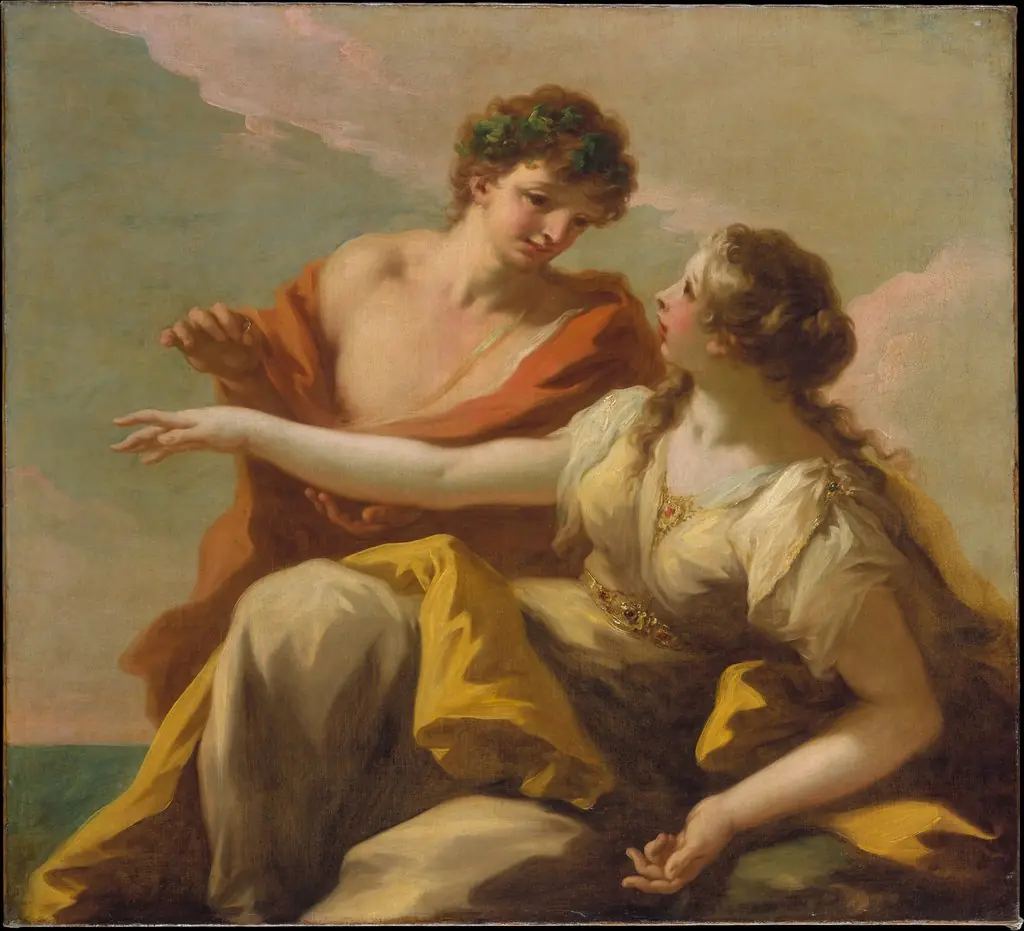 Bacchus and Ariadne
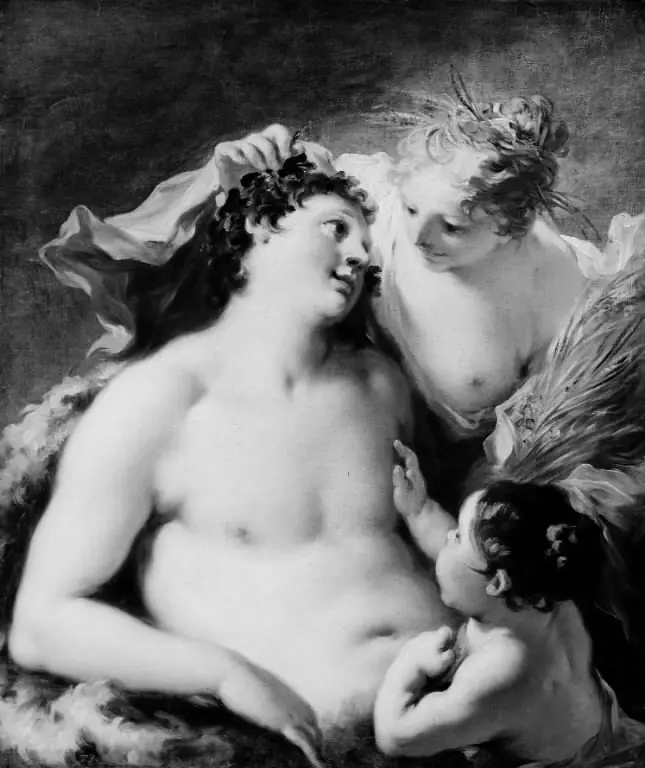 Ceres, Bacchus and Cupid
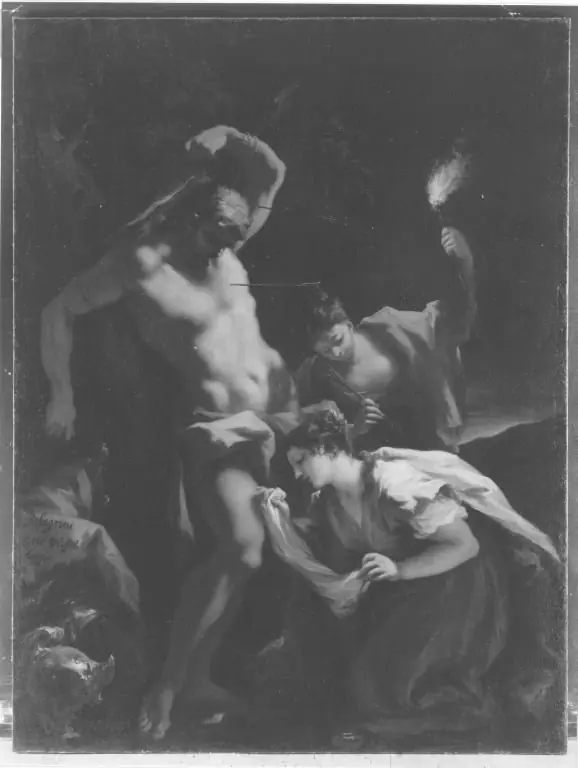 Rettung des hl. Sebastian durch Irene
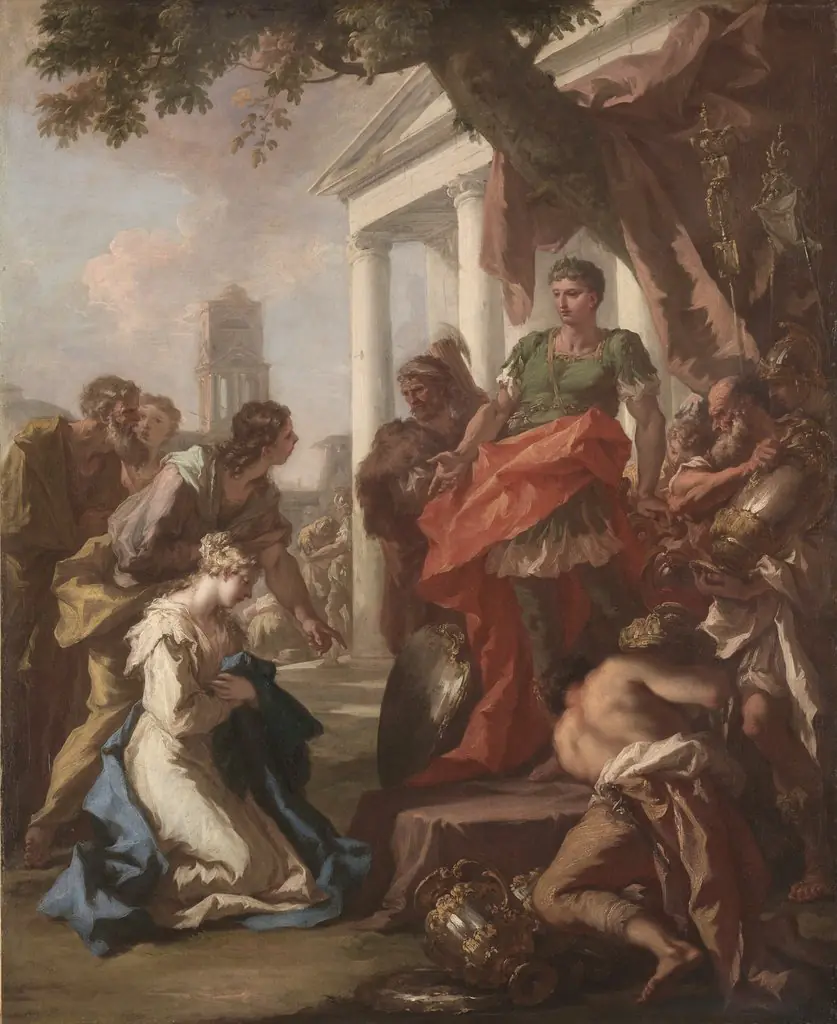 The Continence of Scipio
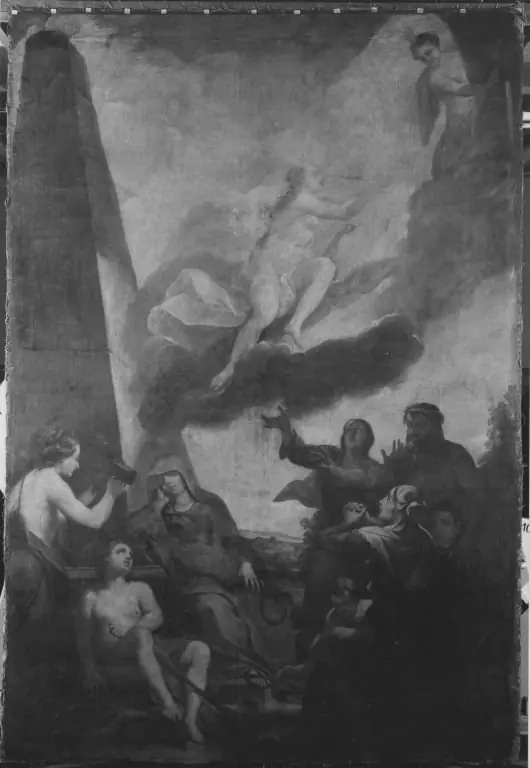 Allegorie auf den Tod einer Fürstin
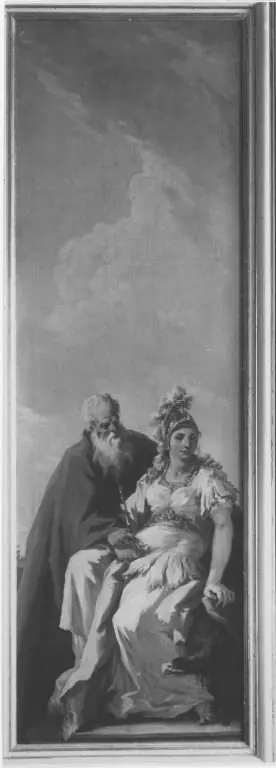 Allegorie: Ein alter Mann ergreift das Szepter
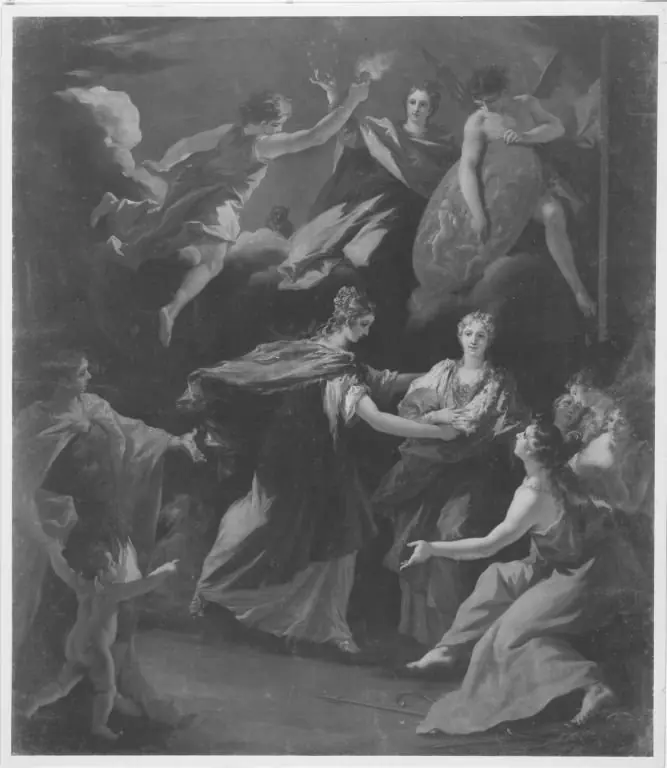 Begrüßung der Kurfürstin Maria Luisa von Toskana
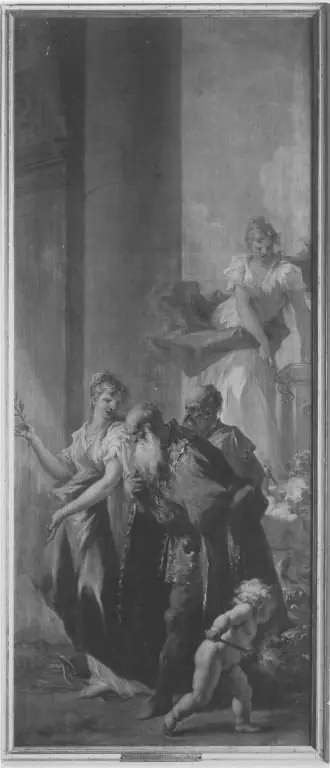 Allegorie der Befreiung vom Joch des Islam (Frieden und Glück unter Johann Wilhelm von der Pfalz)
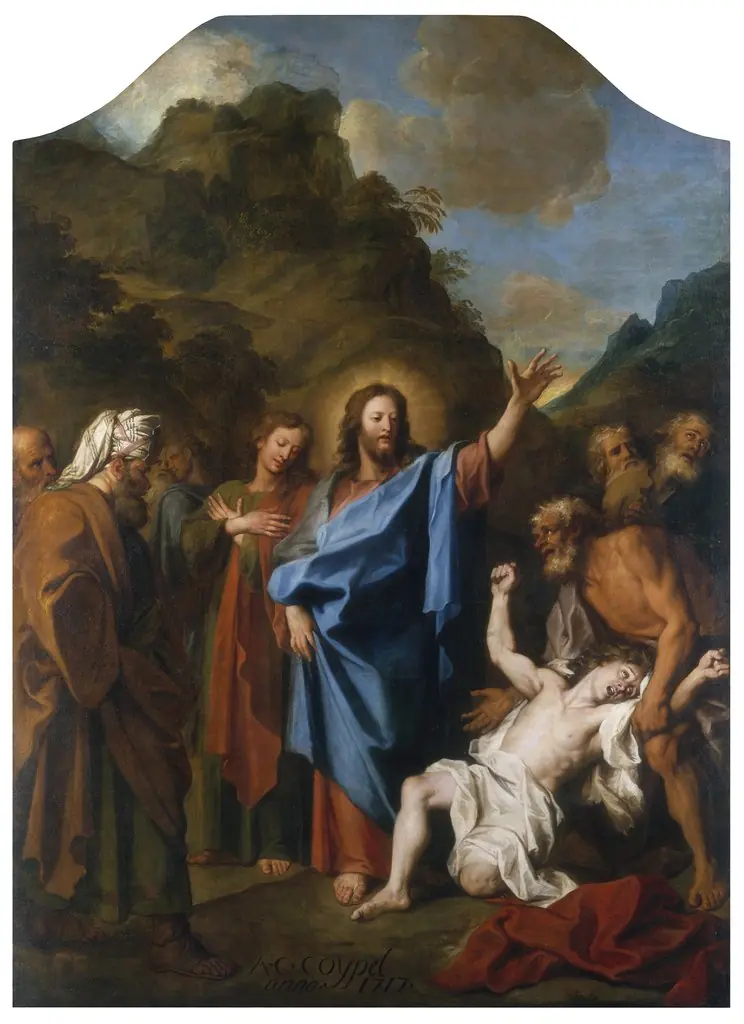 Christ Curing a Possessed Man
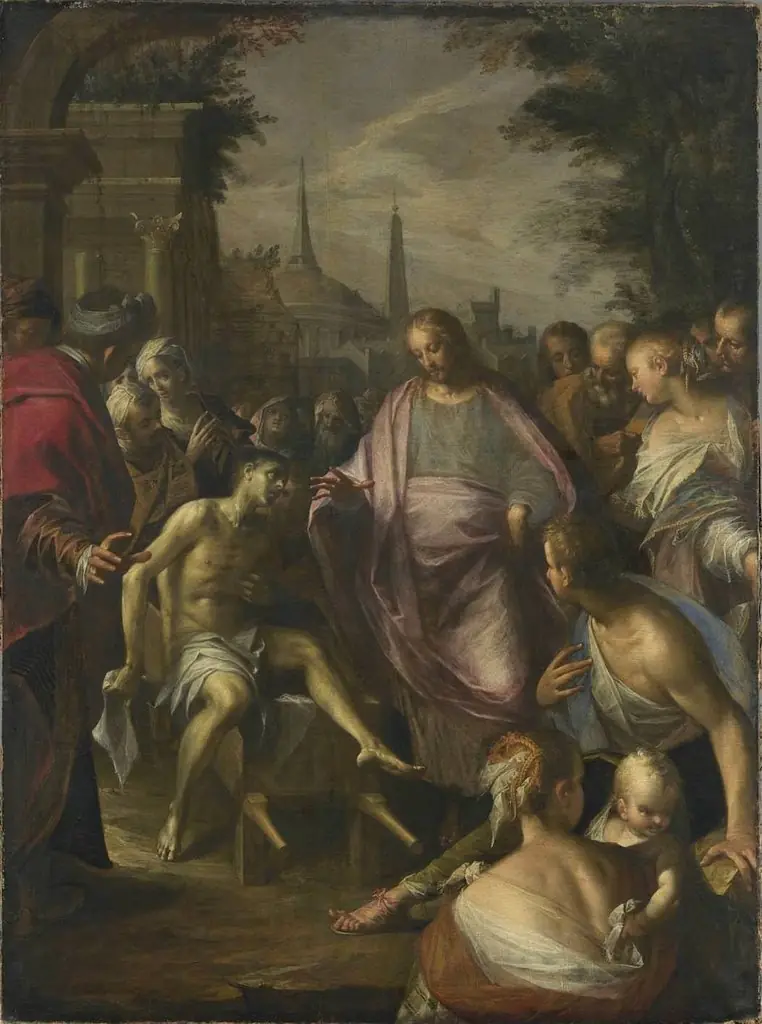 Die Auferweckung des Jünglings von Naim
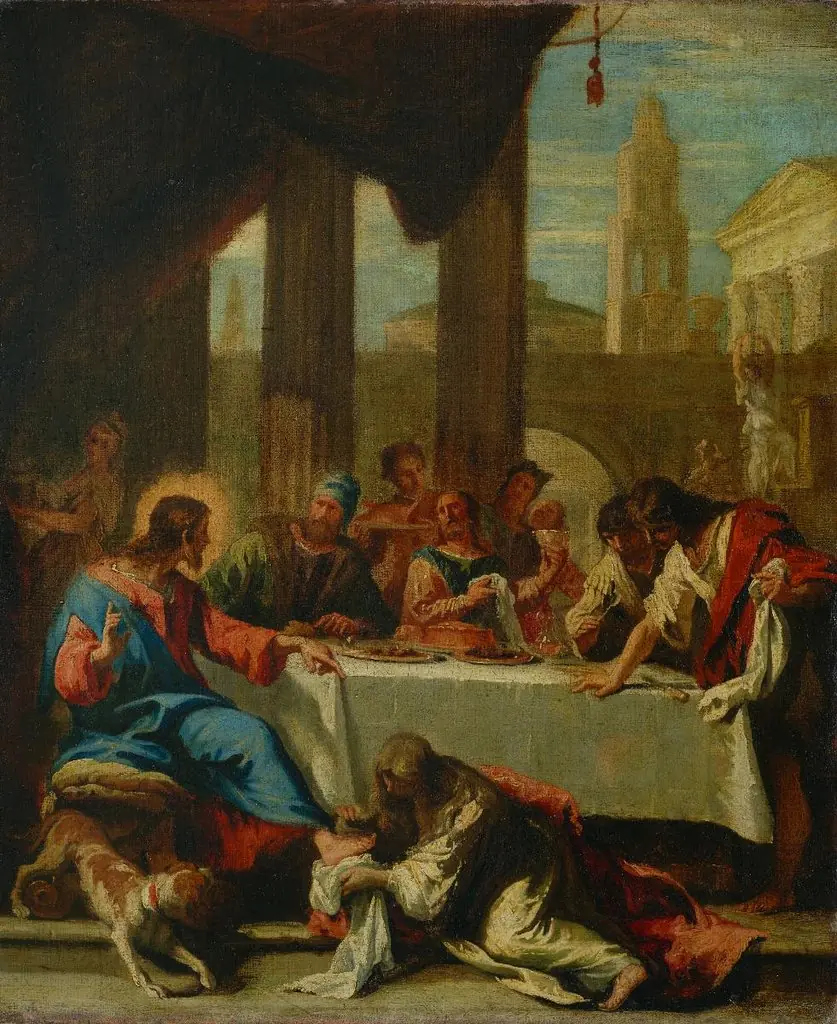 La cena in casa di Simone
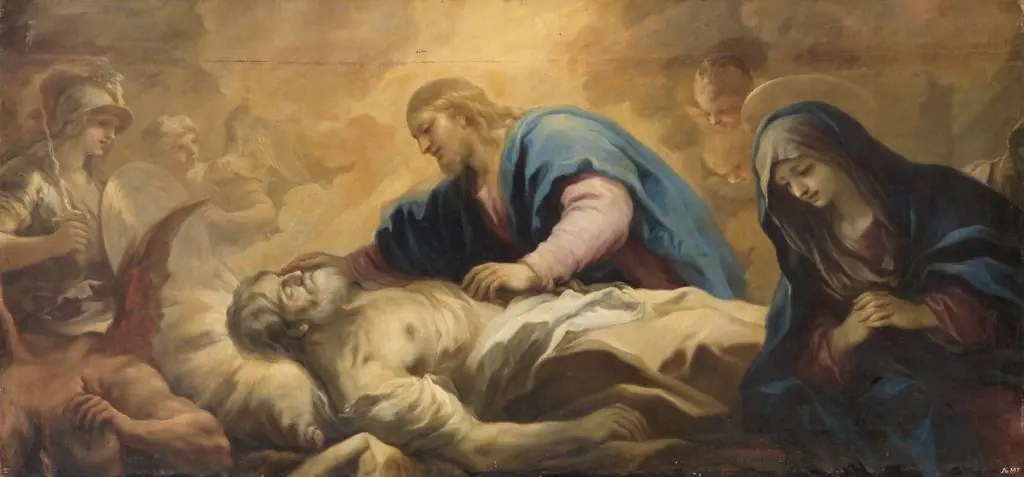 Death of Saint Joseph
 The Miracles of Saint James the Greater
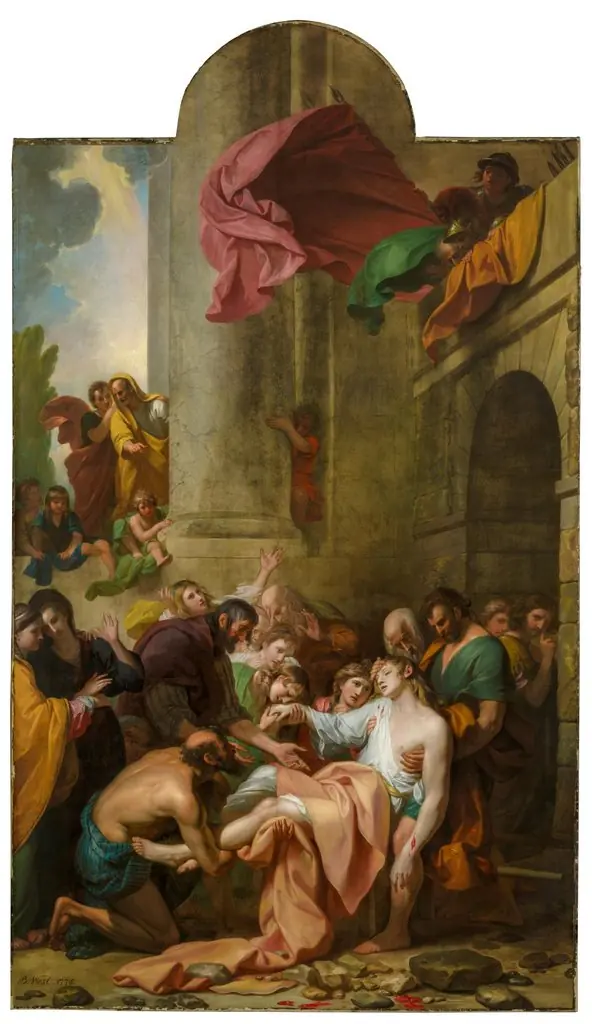 Devout Men Taking the Body of Saint Stephen
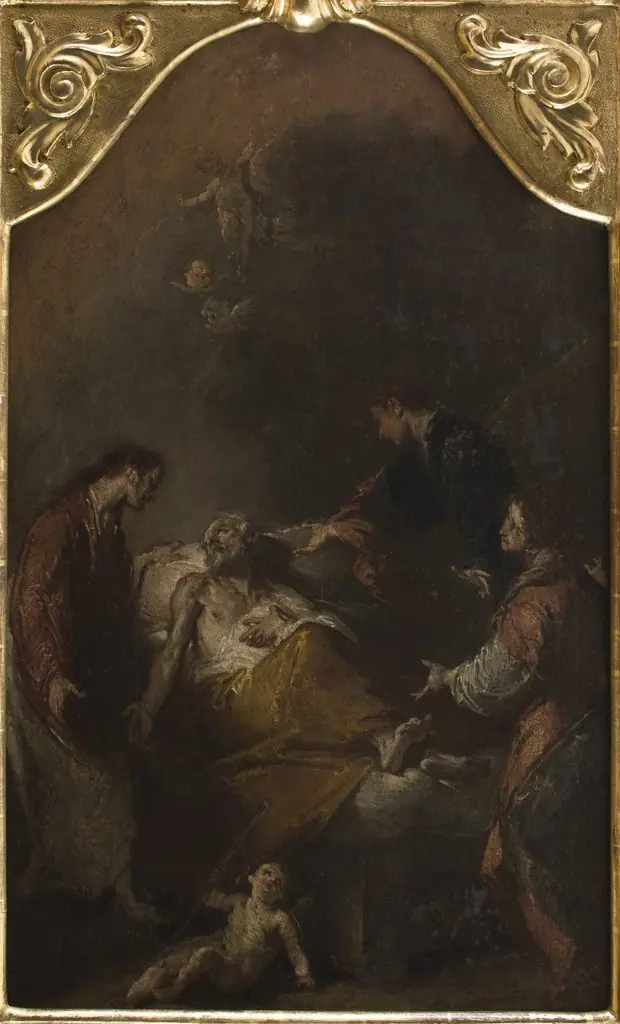 Death of Saint Joseph
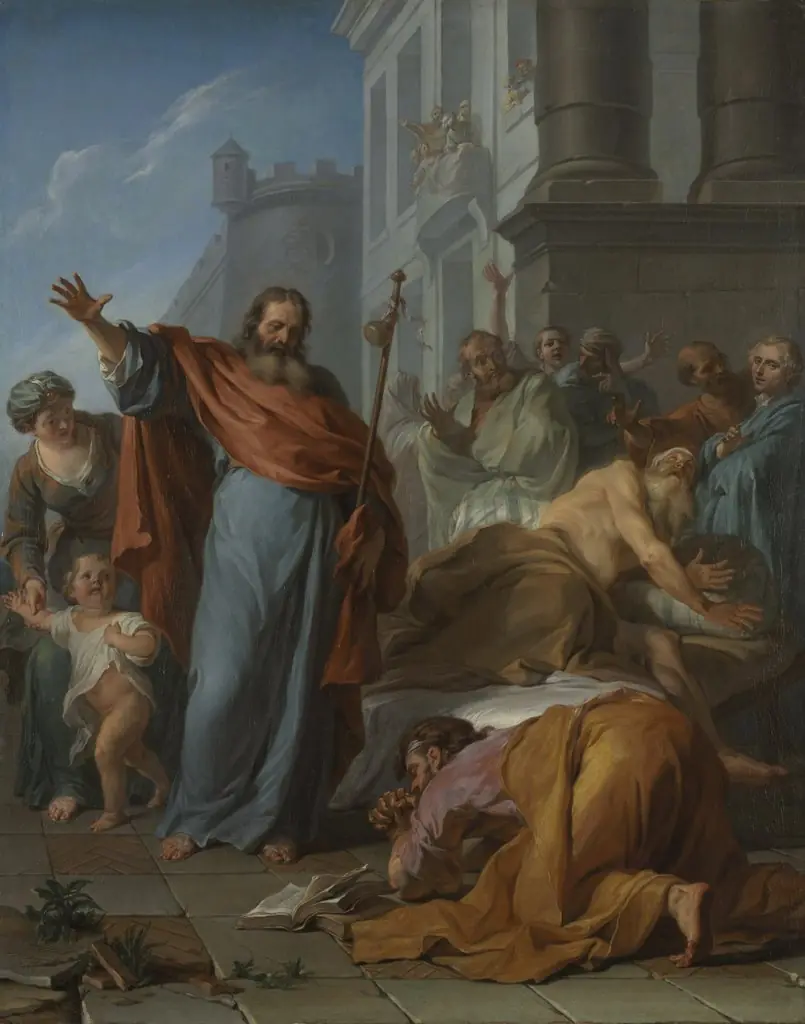 The Miracles of Saint James the Greater
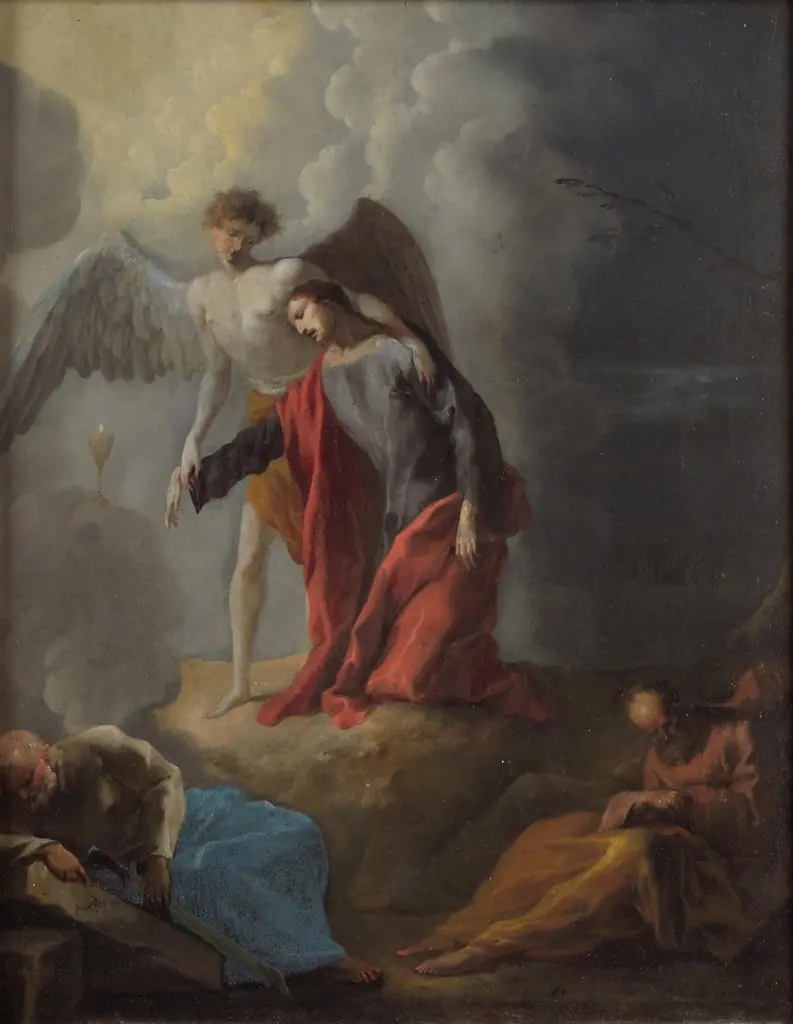 Christ on the Mount of Olives
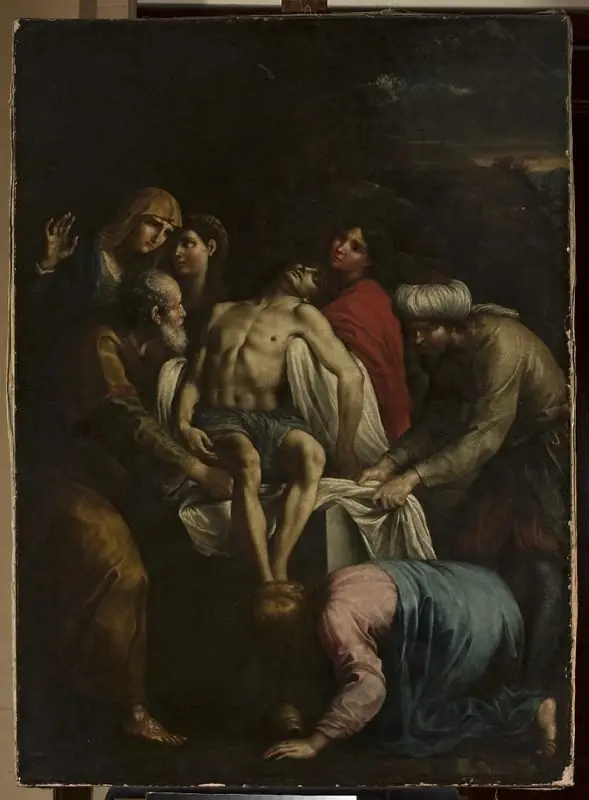 Entombment of Christ
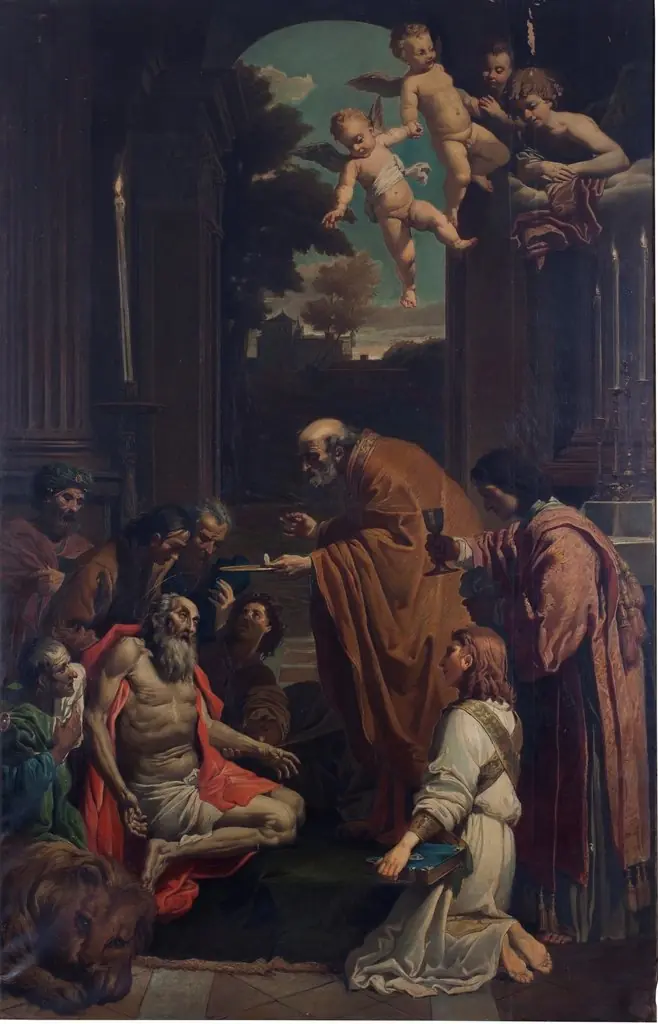 Última comunión de san Jerónimo o El viático de san Jerónimo
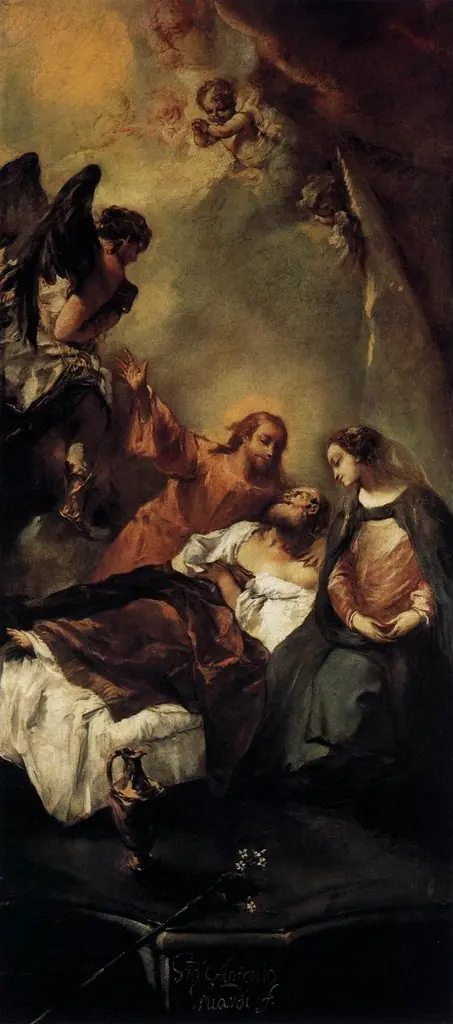 Death of Saint Joseph