Artwork
Allegori över rikets befästande genom tronarvingar
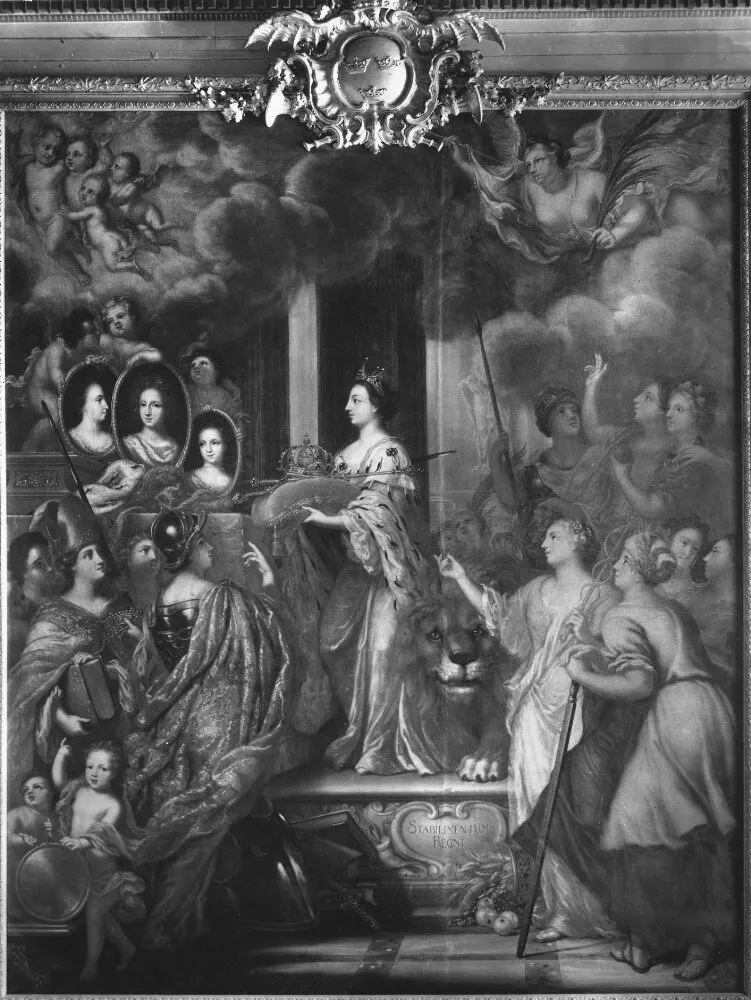
Allegori över rikets befästande genom tronarvingar is an oil painting by the Rococo painting artist David Klöcker Ehrenstrahl. It dates from 1697 and is held in the collection of the Nationalmuseum.
About this work
Overview
Painted in 1697 by David Klöcker Ehrenstrahl, this oil-on-canvas work is an allegorical tribute to the Swedish monarchy’s continuity through royal succession.
Painted in 1697 by David Klöcker Ehrenstrahl, this oil-on-canvas work is an allegorical tribute to the Swedish monarchy’s continuity through royal succession. Commissioned for the Swedish court, it visually articulates the legitimacy and divine sanction of the line of succession. The painting resides in the Nationalmuseum in Stockholm, where it remains a key example of late 17th-century Swedish court art.
Subject & Meaning
The central figure represents the Swedish realm personified as a regal woman, crowned and seated on a throne, symbolizing the state’s stability. She holds a scepter, emblematic of sovereign authority, while a lion at her feet signifies strength and guardianship. Surrounding figures—cherubs and female attendants—elevate her as a focal point of order, suggesting the nation’s future is secured through hereditary rule rather than conquest or chaos.
Technique & Style
Ehrenstrahl employs rich oil pigments to create contrast between luminous flesh tones and the somber, cloud-wreathed background. The composition is hierarchically arranged, with the central figure elevated above others, a convention drawn from Baroque court portraiture. Delicate rendering of fabric, feathers, and fur adds tactile realism, while the theatrical lighting enhances the ceremonial tone without overt naturalism.
History & Provenance
Commissioned during the reign of King Charles XI, the painting was likely intended for display in a royal residence or state chamber. It remained in royal collections until transferred to the Nationalmuseum in the 19th century. Its preservation reflects its enduring role as a visual document of Sweden’s dynastic ideology during a period of centralized monarchical consolidation.
Context
Created in the aftermath of Sweden’s Great Northern War preparations, the painting responds to political anxieties about succession. With Charles XI’s heir still young, the imagery reassures viewers of dynastic continuity. The allegorical mode was common in European courts, but here it adapts classical and Christian iconography to a distinctly Swedish context, blending national identity with universal symbols of power.
Legacy
The work stands as one of the most ambitious allegorical paintings produced in Sweden during the late 17th century. It influenced later court portraiture and state imagery, reinforcing the visual language of monarchy in Swedish art. Though not widely reproduced, its presence in the Nationalmuseum ensures its role as a reference point for understanding how power was visually constructed in early modern Sweden.
Artist & collection
Artist
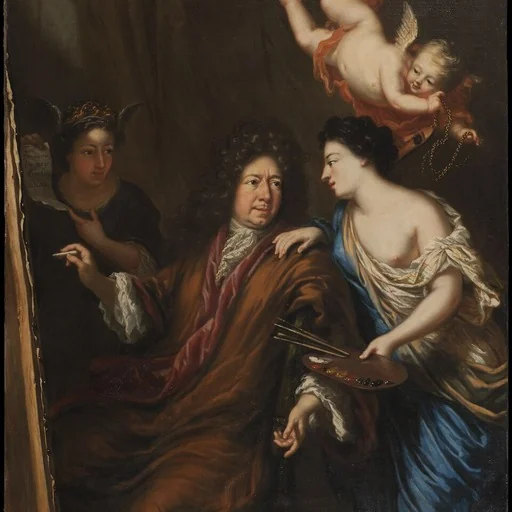
David Klöcker Ehrenstrahl (1628–1698) was an artist, born in Hamburg.

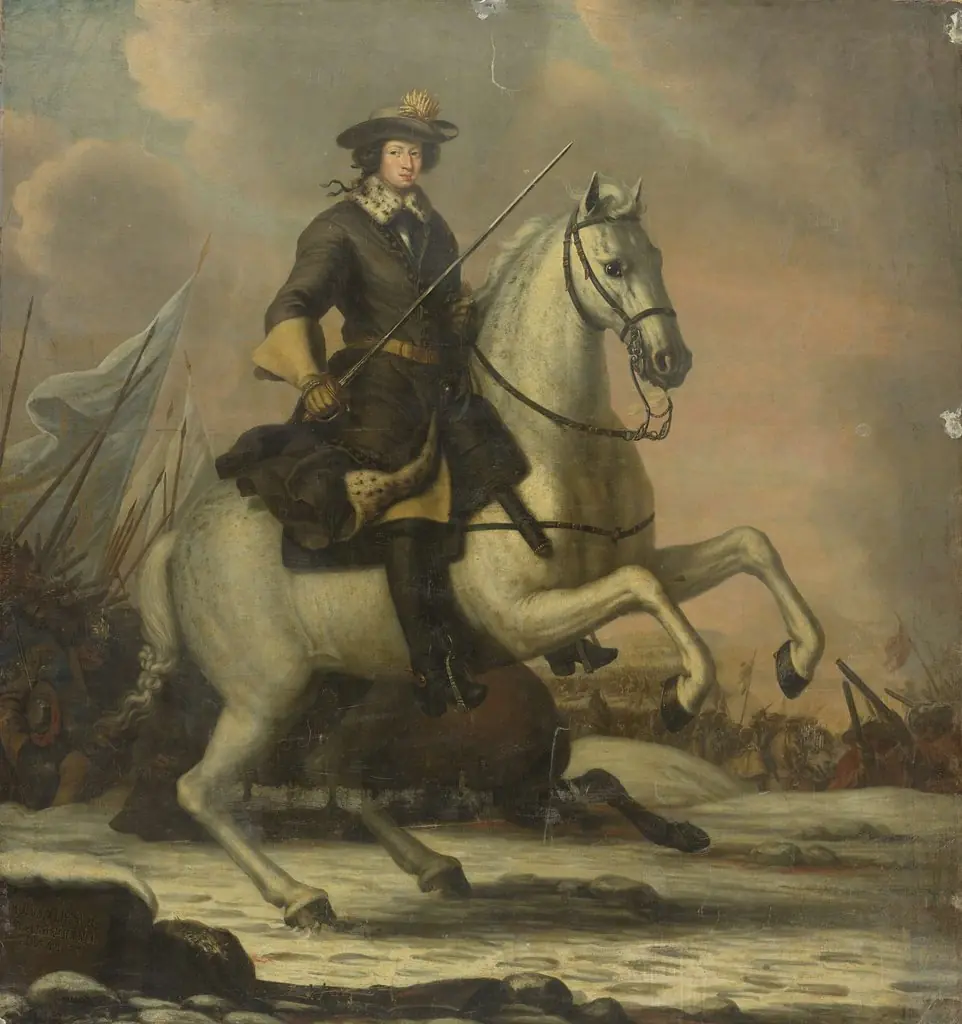 Karl XI (1665-1697), king of Sweden
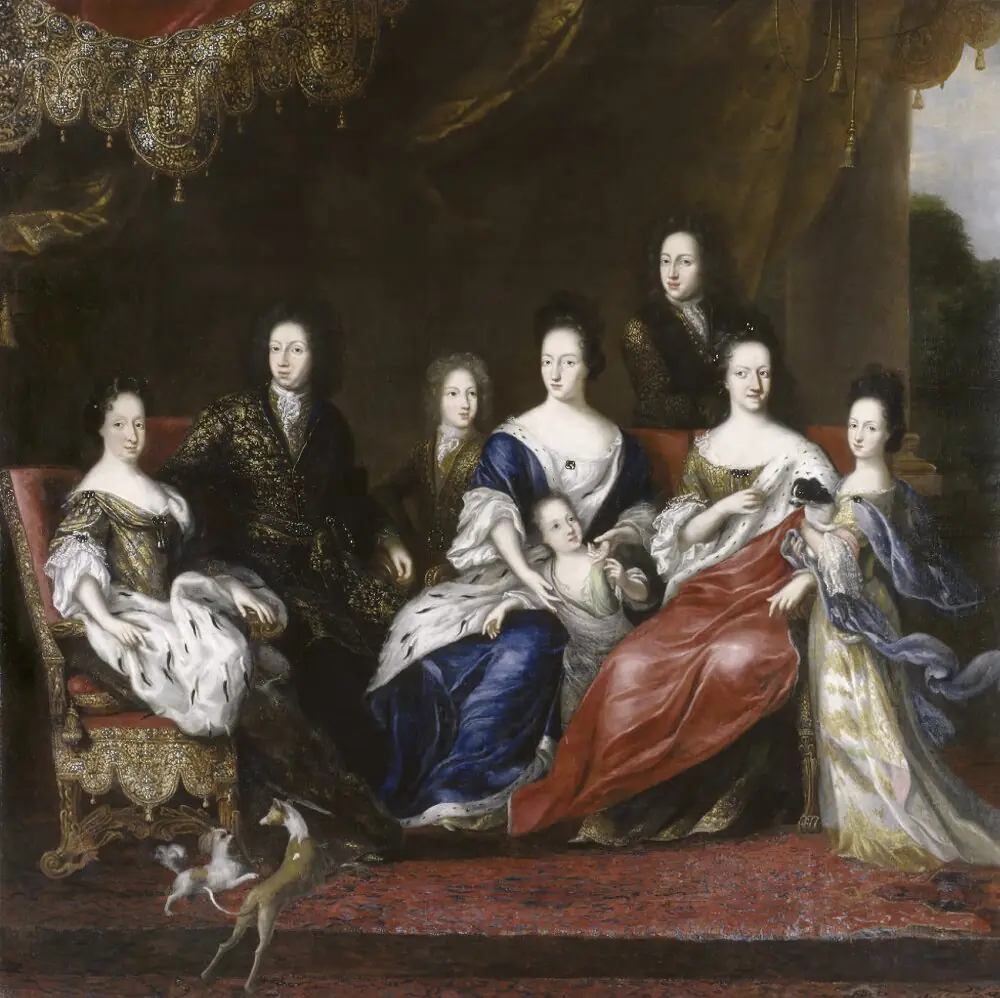 Karl XI konung av Sverige med familj
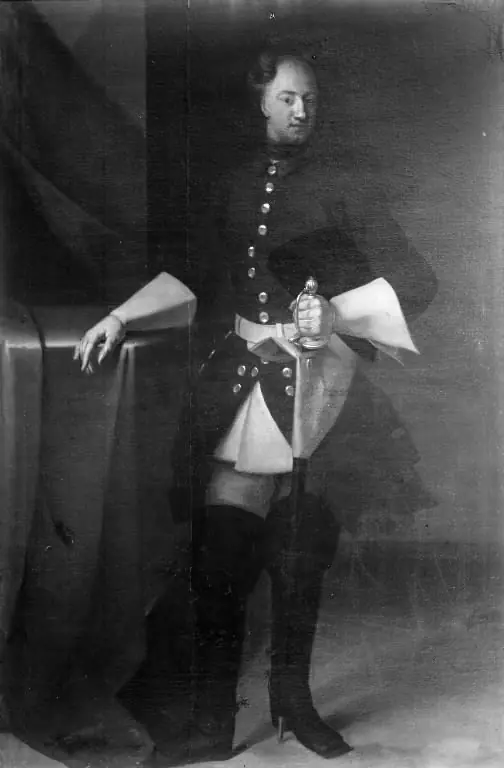 Portrait of Carl XII of Sweden
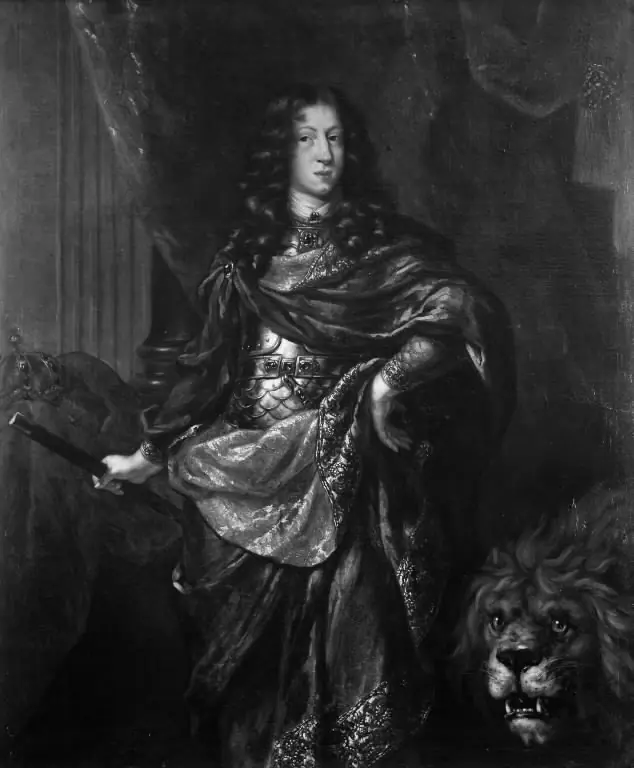 Portrait of Carl XI
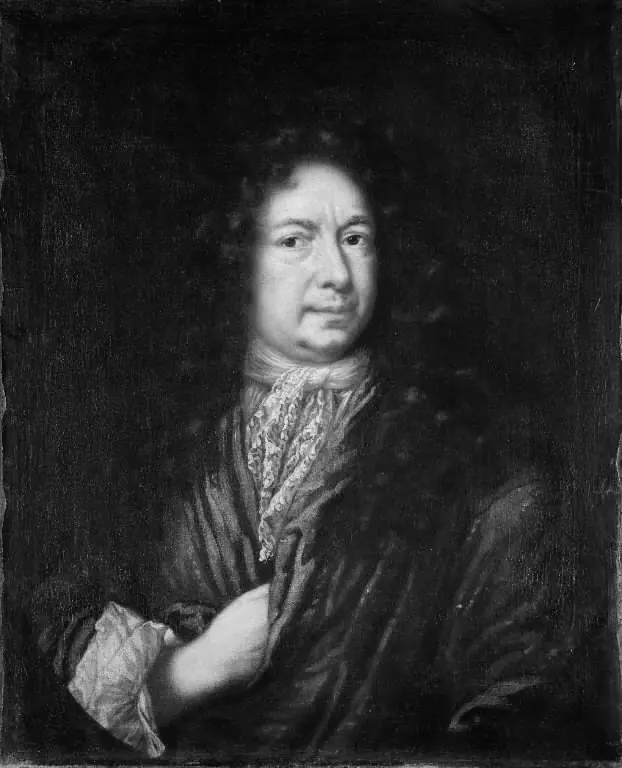 Portrait of the Artist
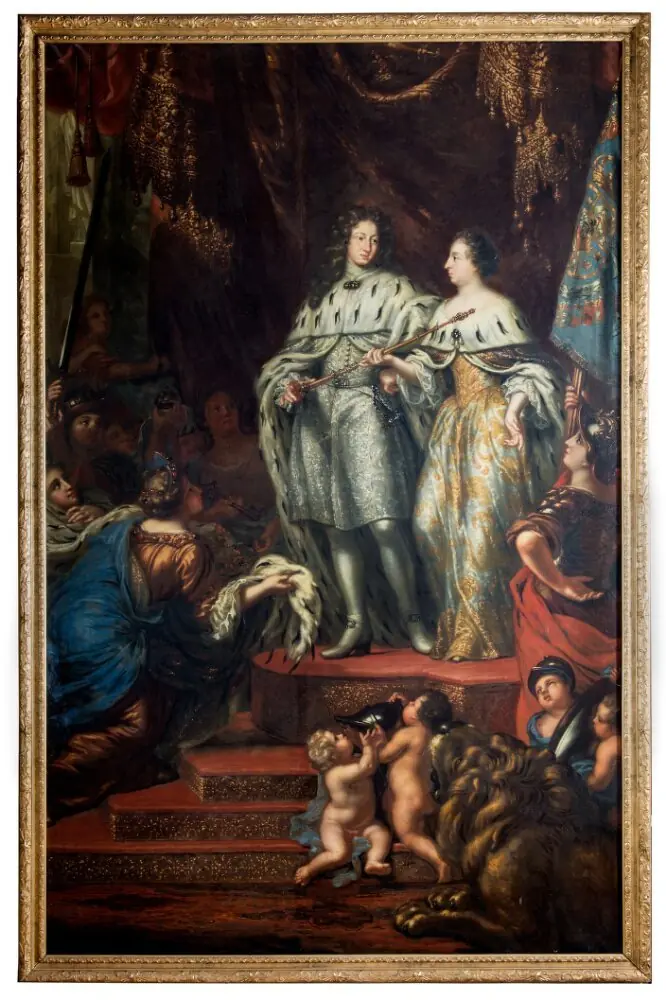 Allegori över hur konung Karl XI mottager regeringen av sin moder Hedvig Eleonora
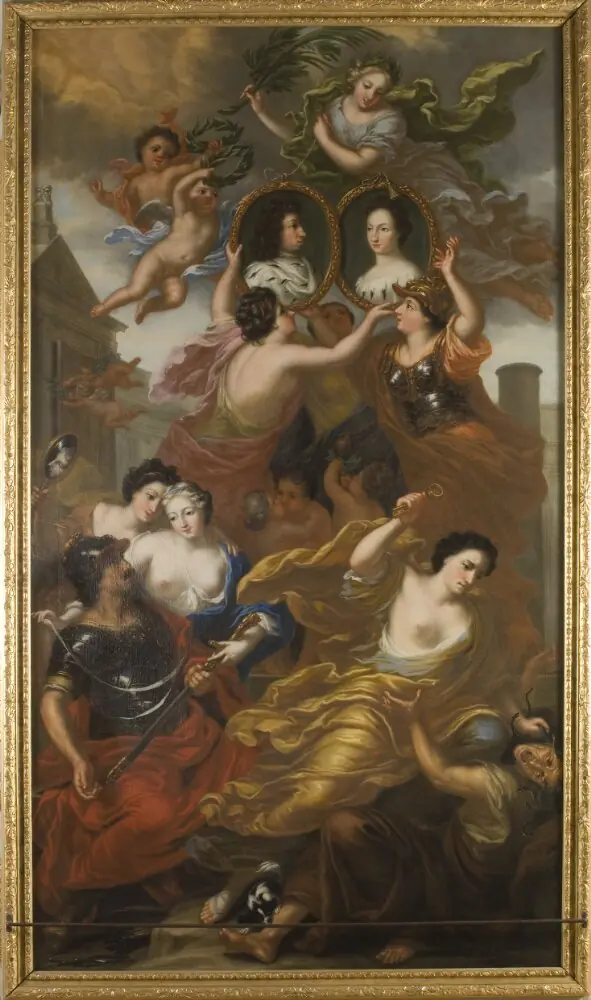 Allegori över konung Karl XI:s och drottning Ulrika Eleonoras förening
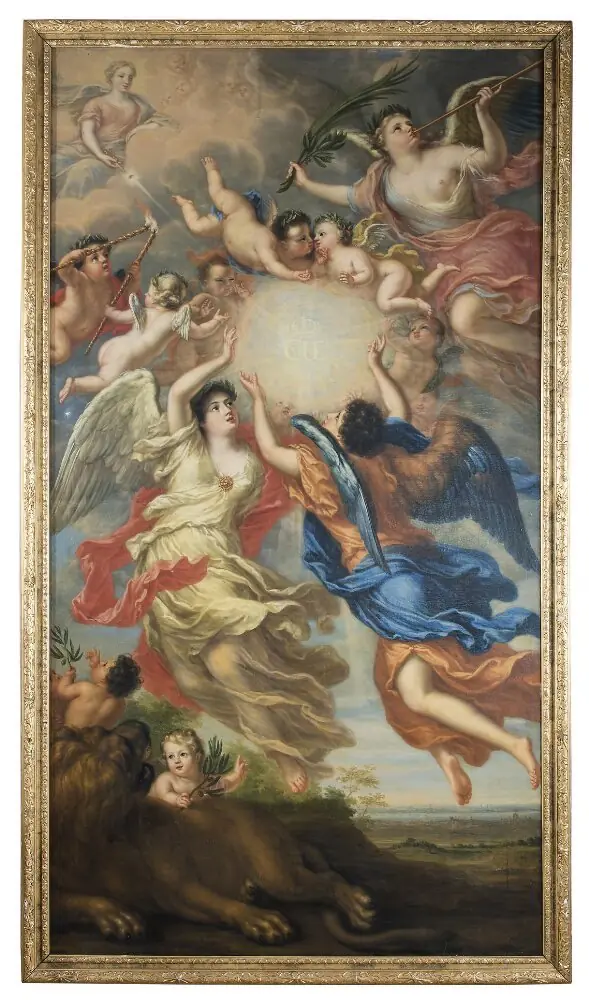 Allegori över konung Karl XI:s och drottning Ulrika Eleonoras förmälning
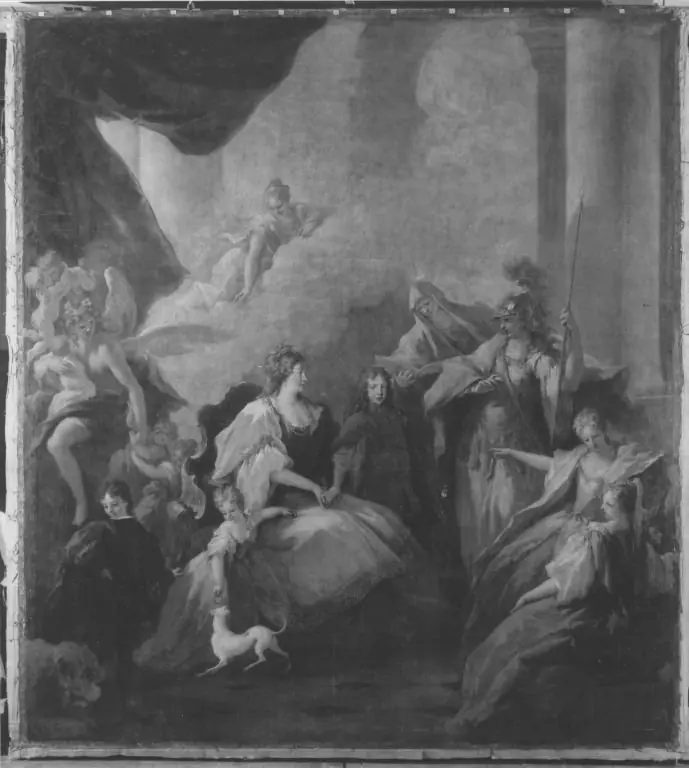 Erziehung des Kurprinzen Johann Wilhelm
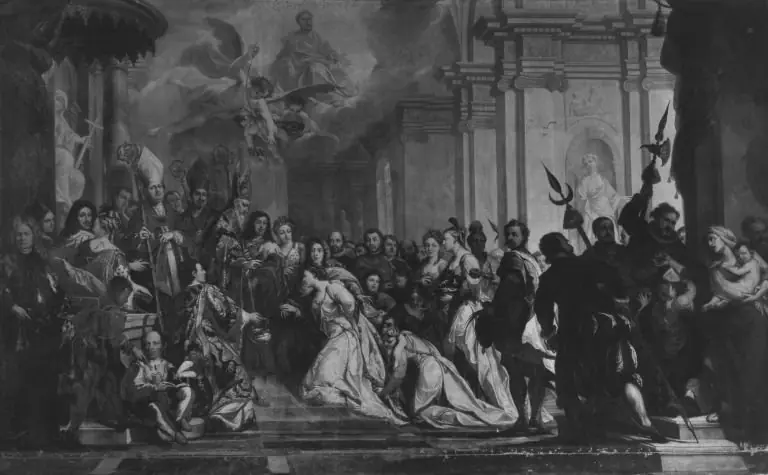 Trauung des Kurfürsten Johann Wilhelm von der Pfalz
![Renouvellement d'Alliance avec les Suisses 1663 (Renewal of Alliance with the Swiss 1663) [pl. 18], by Jean-Baptiste Massé](https://artifactworldgallery.com/img/jean-baptiste-masse--renouvellement-d-alliance-avec-les-suisses-1663-renewal-of-a--b0549fa383211be6-w320.webp) Renouvellement d'Alliance avec les Suisses 1663 (Renewal of Alliance with the Swiss 1663) [pl. 18]
Renouvellement d'Alliance avec les Suisses 1663 (Renewal of Alliance with the Swiss 1663) [pl. 18]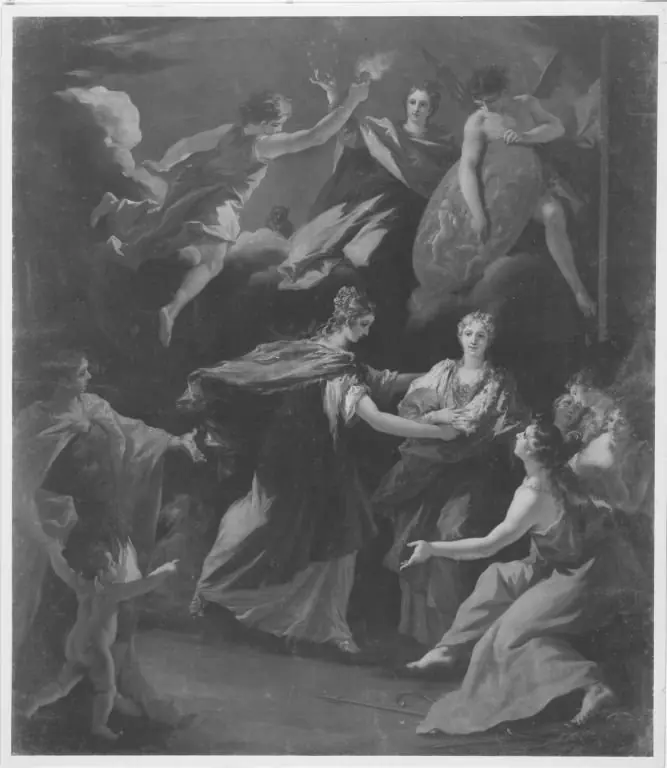 Begrüßung der Kurfürstin Maria Luisa von Toskana
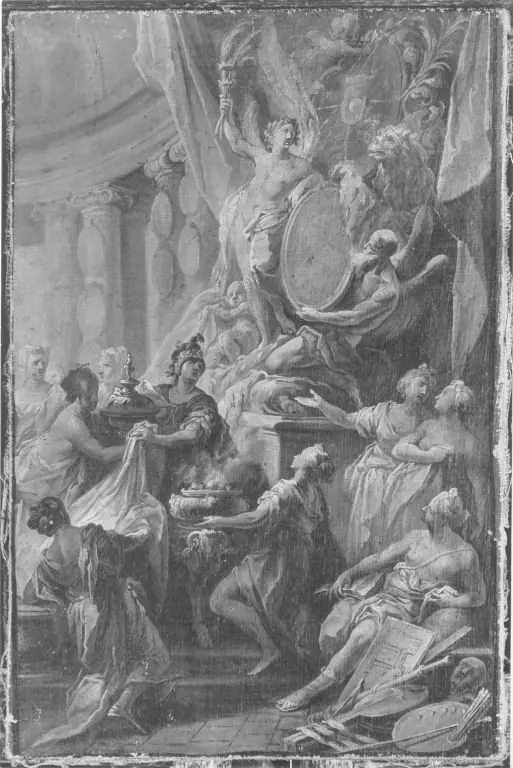 Huldigung an Kurfürst Maximilian III. Joseph von Bayern
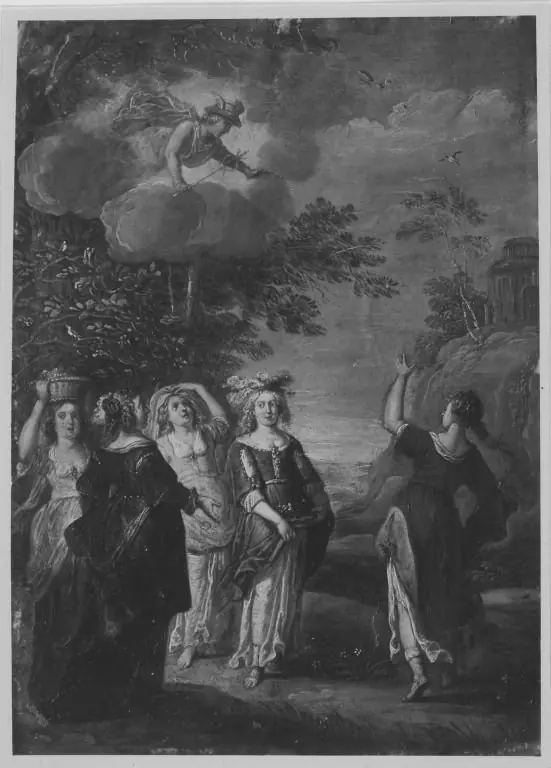 Merkur und Herse
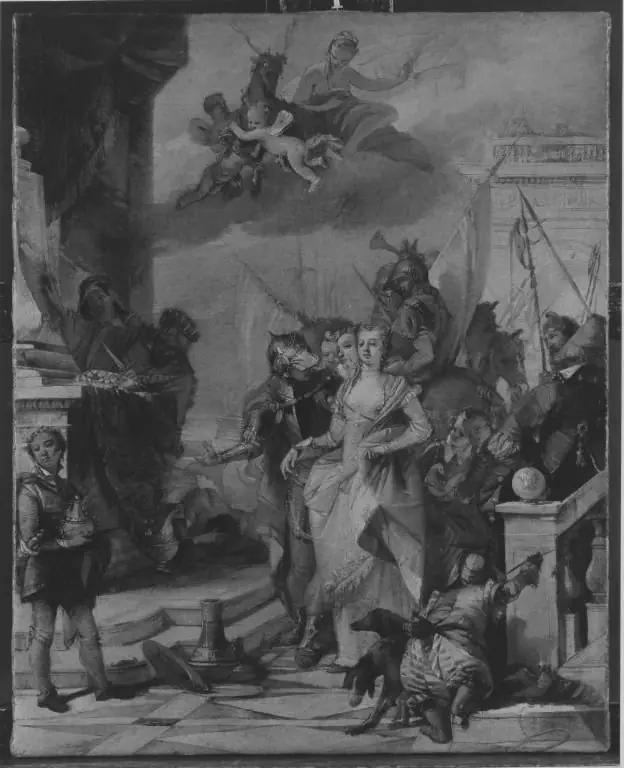 Iphigenie wird zum Tempel geführt
 Company Making Music and Dancing on a Terrace
 Maleratelier
 Geometrie