Artwork
Die Freigebigkeit des Kurfürsten
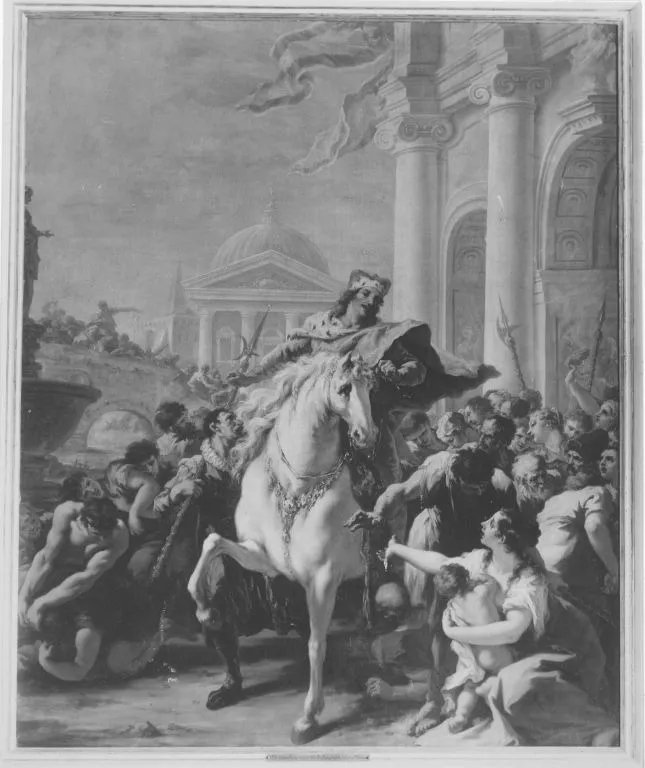
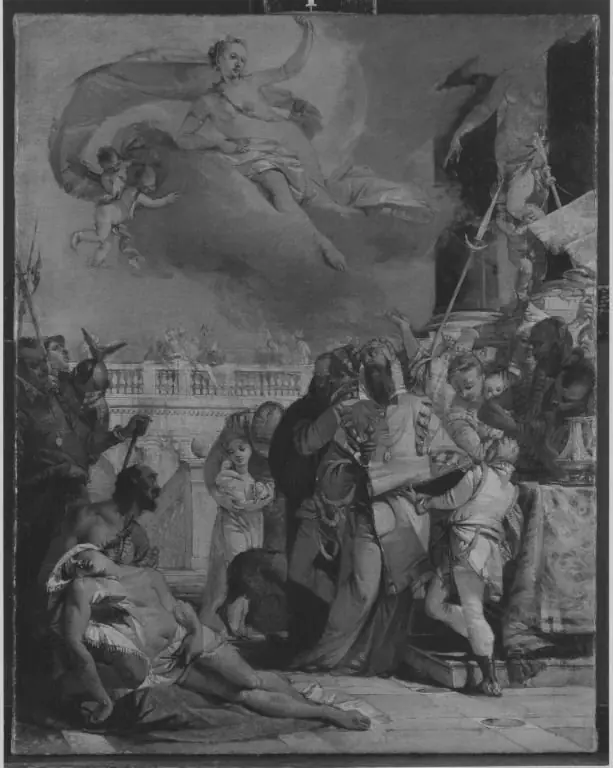
Die Freigebigkeit des Kurfürsten is an unspecified painting by the Rococo painting artist Giovanni Antonio Pellegrini. It dates from 1708 and is held in the collection of the Bavarian State Painting Collections.
About this work
Overview
Giovanni Antonio Pellegrini painted *Die Freigebigkeit des Kurfürsten* in 1708. The work is part of the collection of the Alte Pinakothek and exemplifies the early‑18th‑century transition from Baroque grandeur to Rococo lightness, reflecting the artist’s reputation as a prominent Venetian history painter.
Subject & Meaning
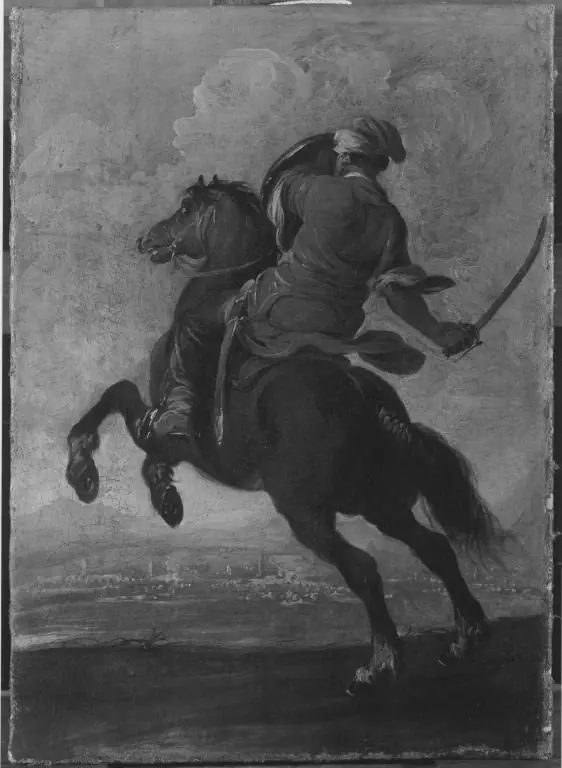
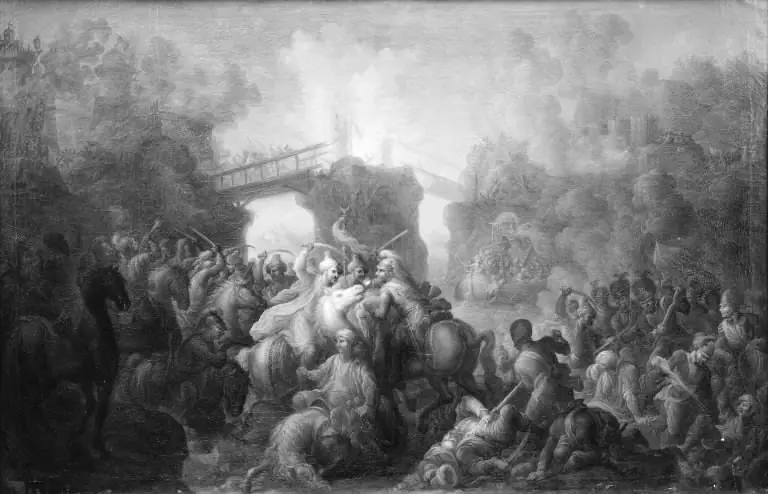
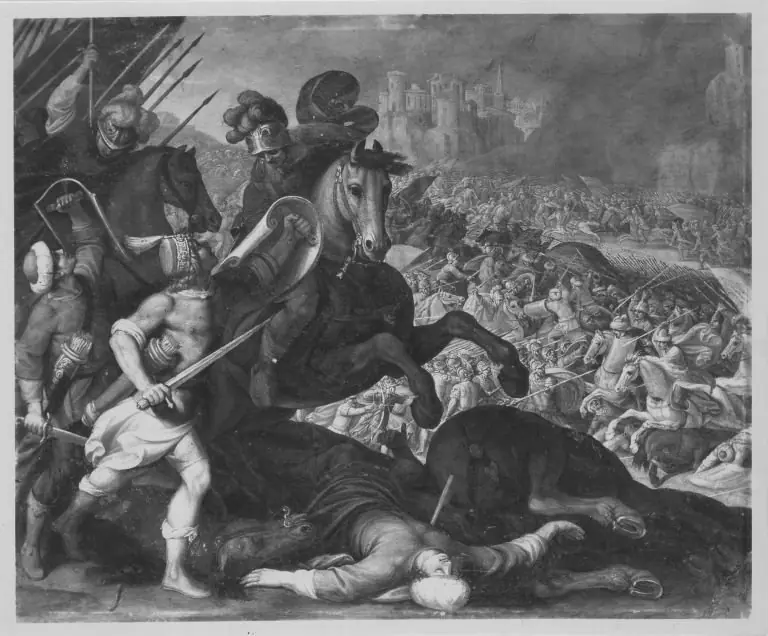
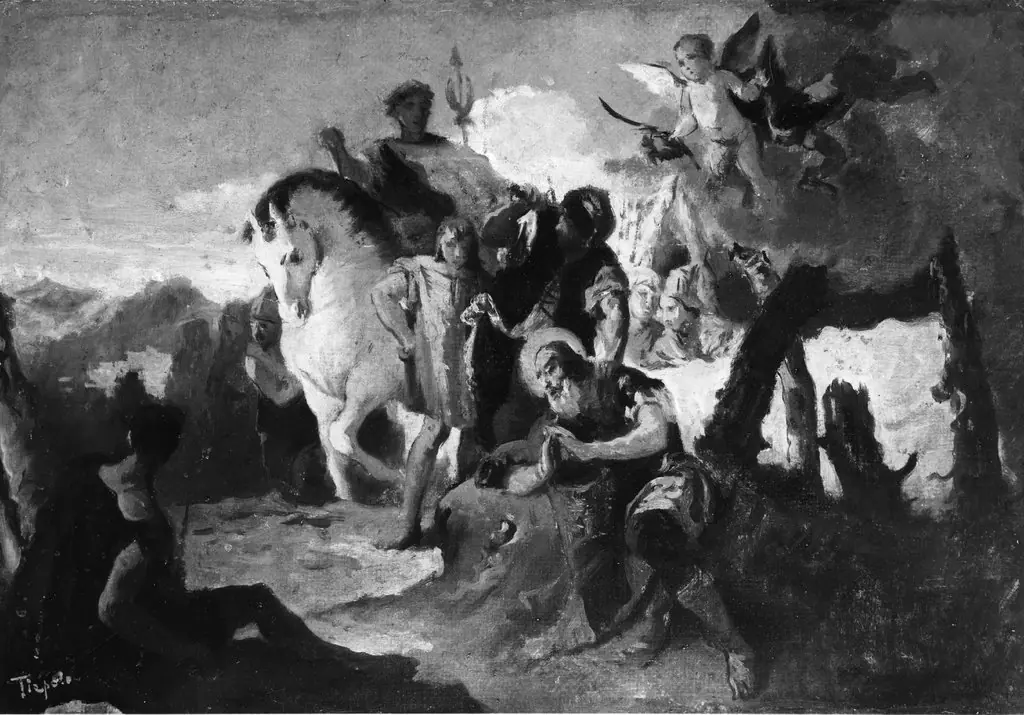
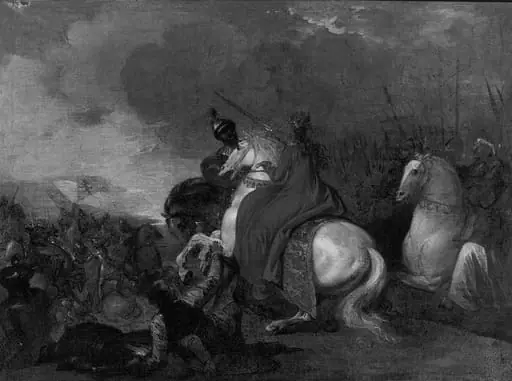
The canvas shows a robed rider on a rearing white horse, sword raised in the right hand and left hand gesturing triumph. He is surrounded by a cheering crowd amid city arches, suggesting a public celebration of a victorious or generous elector, the title’s reference to the “generosity of the prince‑elector.”
Technique & Style
Pellegrini blends the luminous colour and compositional balance associated with Paolo Veronese with the dynamic movement and dramatic lighting of Pietro da Cortona and Luca Giordano. Strong chiaroscuro models the figures, while the fluid brushwork and pastel palette place the piece within the Rococo idiom.
History & Provenance
After its completion, the painting entered various private collections before being acquired by the Alte Pinakothek, where it remains on display. Pellegrini’s itinerant career, which took him to courts across Europe, facilitated the work’s exposure to diverse artistic influences.
Context
Created during a period when Venetian artists were responding to the tastes of northern patrons, the work reflects the cross‑regional exchange of styles. Its subject—celebrating a German elector—demonstrates how Italian painters catered to political and ceremonial commissions beyond Italy.
Artist & collection
Artist
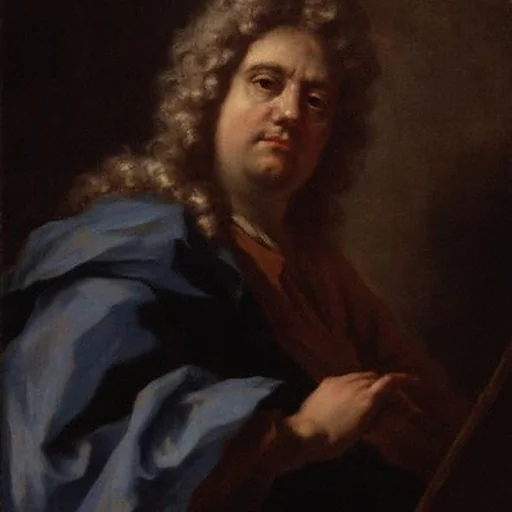
Giovanni Antonio Pellegrini (29 April 1675 – 2 or 5 November 1741) was one of the leading Venetian history painters of the early 18th century.

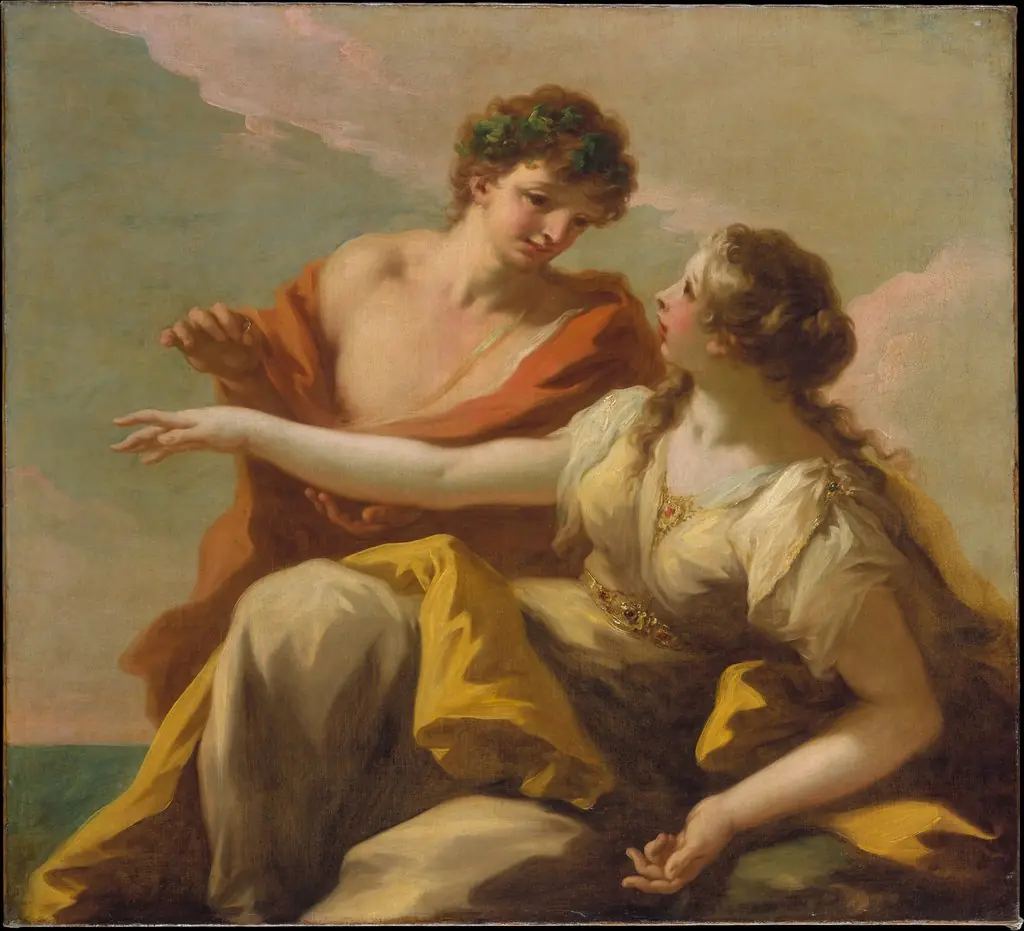 Bacchus and Ariadne
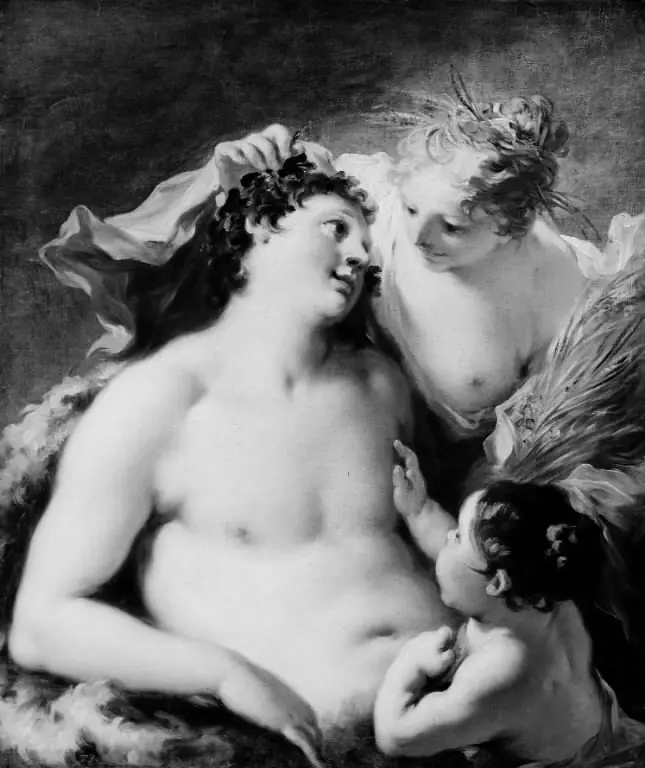 Ceres, Bacchus and Cupid
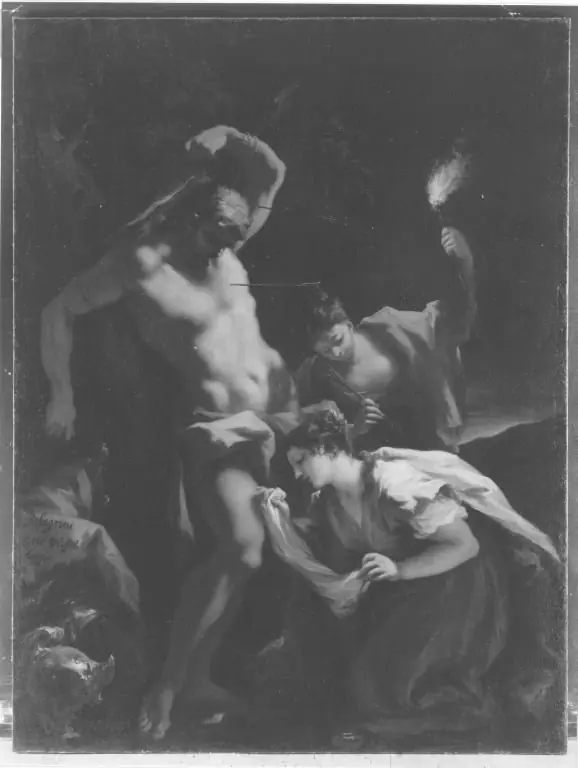 Rettung des hl. Sebastian durch Irene
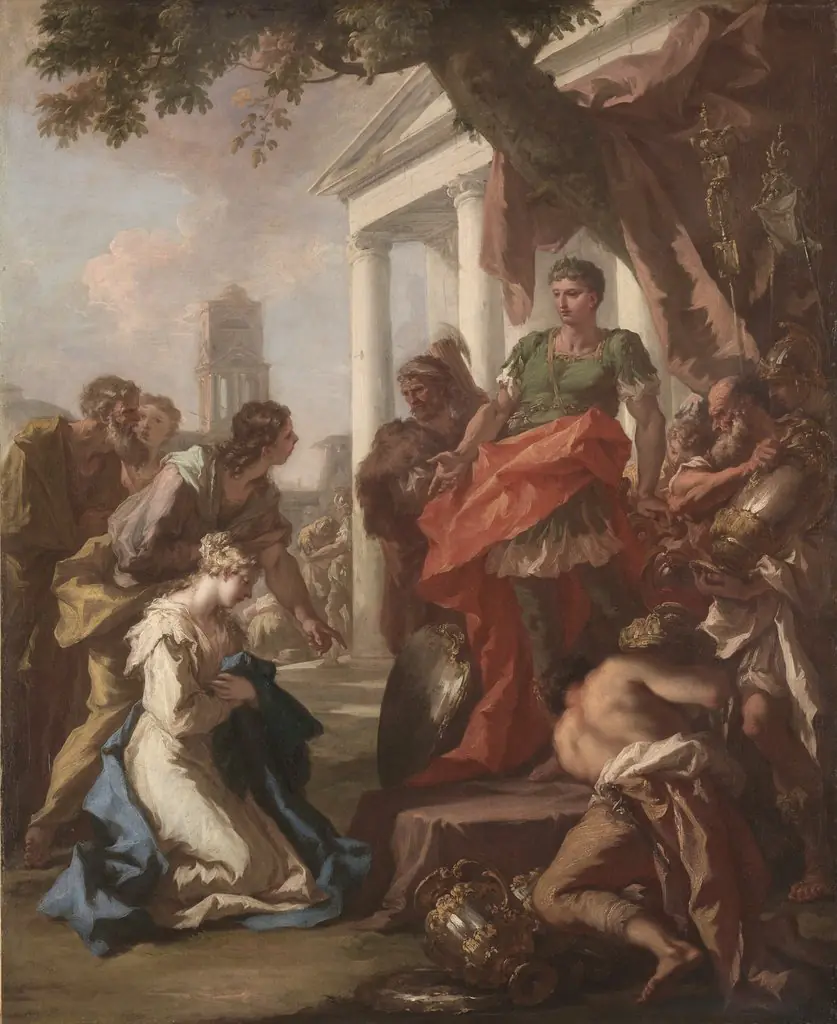 The Continence of Scipio
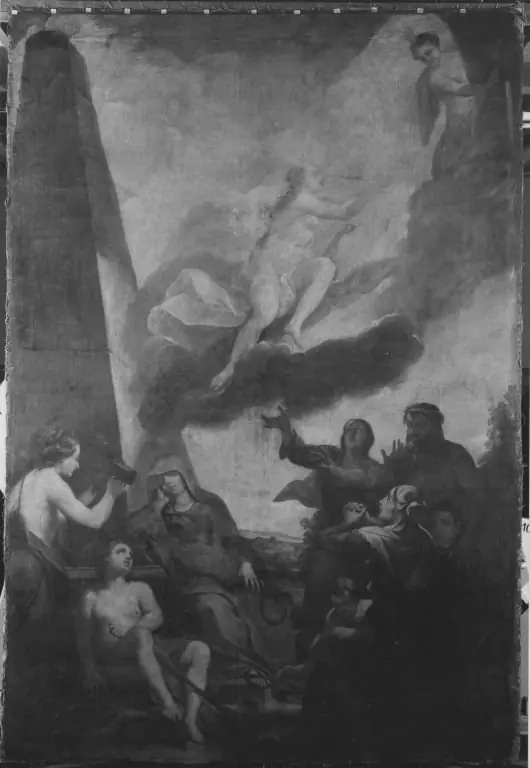 Allegorie auf den Tod einer Fürstin
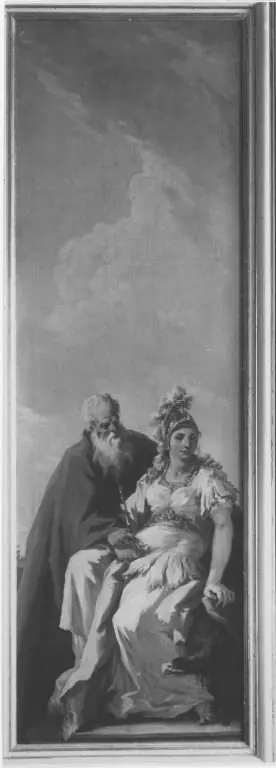 Allegorie: Ein alter Mann ergreift das Szepter
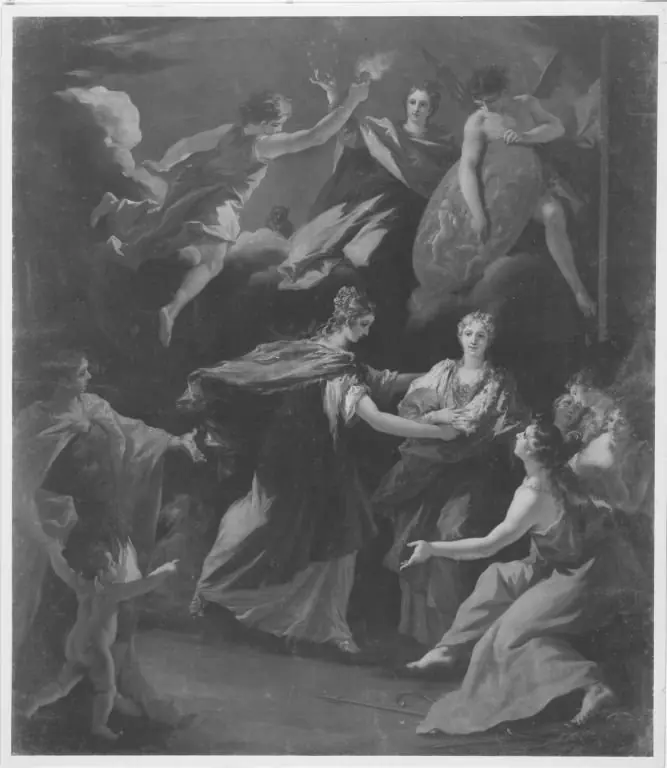 Begrüßung der Kurfürstin Maria Luisa von Toskana
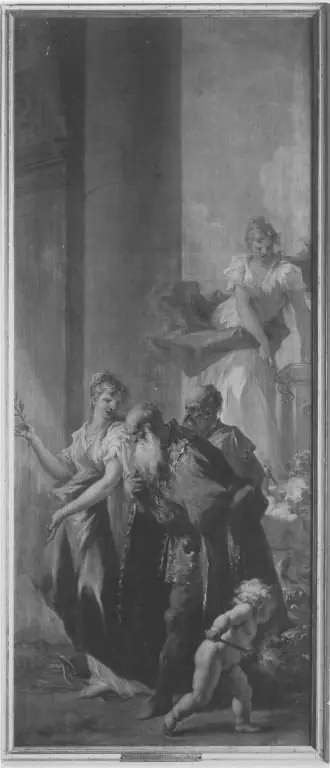 Allegorie der Befreiung vom Joch des Islam (Frieden und Glück unter Johann Wilhelm von der Pfalz)