Artwork
Mass of Saint Gregory
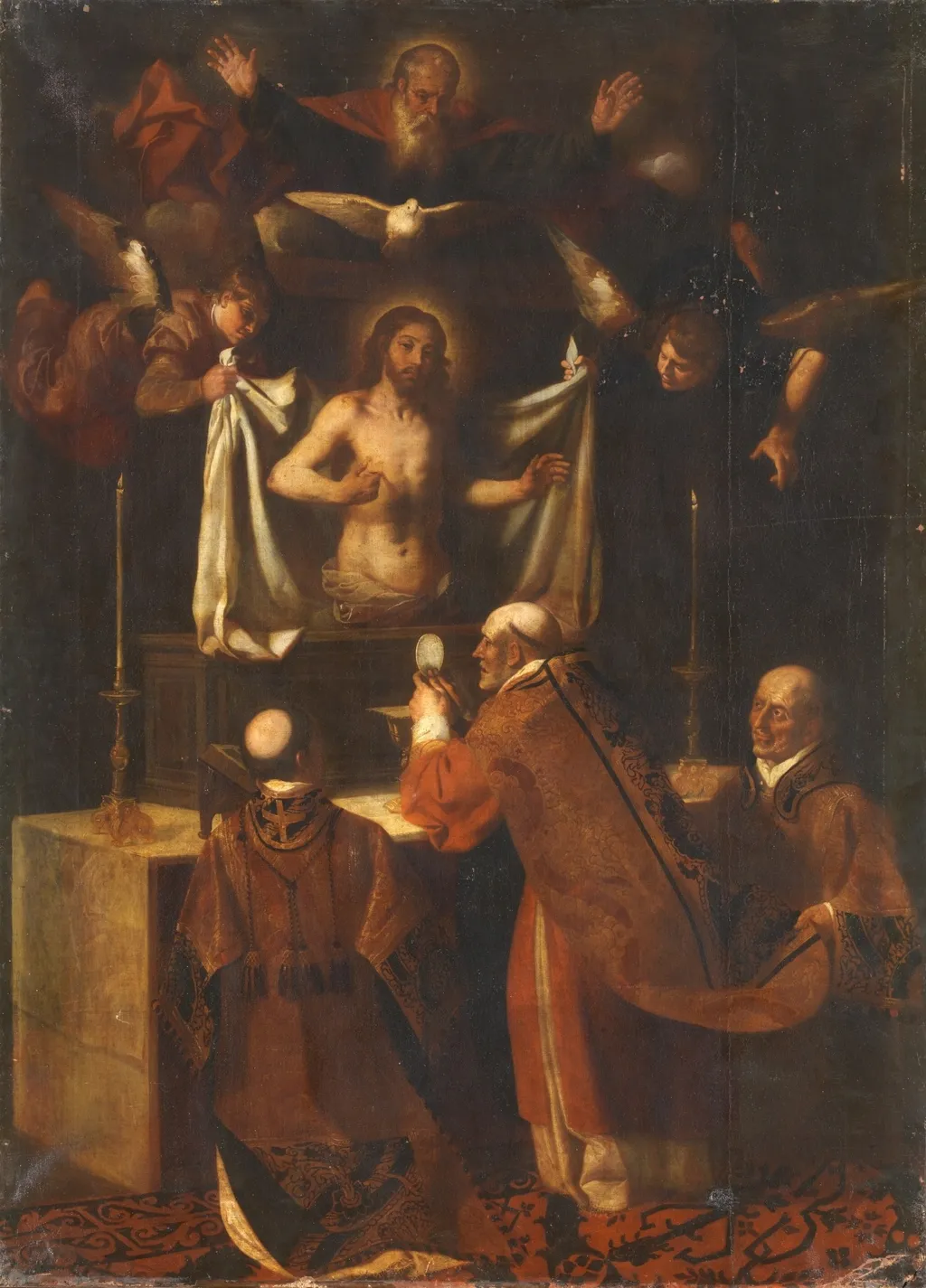
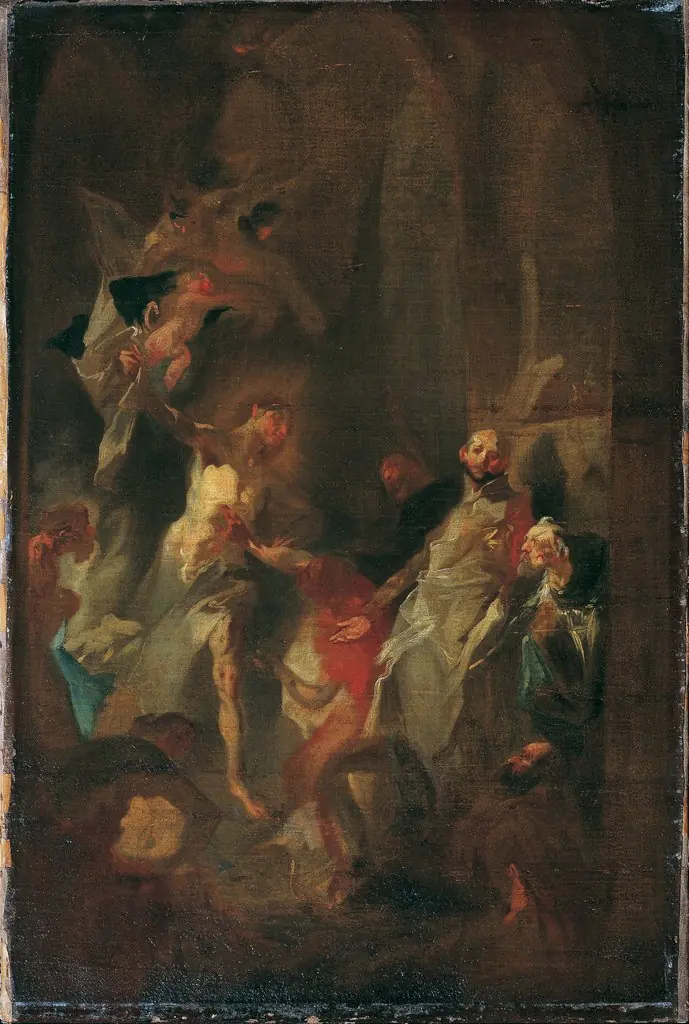
Mass of Saint Gregory is an oil painting by the Early Baroque Italian artist Jerónimo Jacinto de Espinosa. It dates from 1601 and is held in the collection of the Museo del Prado.
About this work
Overview
Jerónimo Jacinto de Espinosa painted *Mass of Saint Gregory* in 1601, an early work in his career. Executed in oil, the canvas reflects the Spanish Baroque period’s engagement with Italian influences. Though created during Espinosa’s formative years, the painting demonstrates a command of dramatic composition and tonal contrast, characteristics that would define his later output.
Subject & Meaning
The scene depicts Saint Gregory the Great celebrating Mass, a moment often associated with the doctrine of transubstantiation. The central figure, partially unclothed, is surrounded by attendants holding liturgical garments, emphasizing the ritual’s solemnity. The bare torso may allude to penitential themes or the saint’s mystical experience, reinforcing the painting’s devotional intent.
Technique & Style
Espinosa employs chiaroscuro to heighten the scene’s emotional weight, directing light toward the saint while enveloping peripheral figures in shadow. The dark background isolates the figures, creating a sense of intimacy and focus. Brushwork remains controlled, with meticulous attention to fabric folds and anatomical details, aligning with Baroque conventions of naturalism and theatricality.
History & Provenance
The painting entered the collection of Madrid’s Museo del Prado, where it remains. Espinosa’s early career unfolded under his father’s tutelage, Jerónimo Rodríguez de Espinosa, a painter who had relocated to Valencia by 1612. This work predates the family’s move, suggesting it was created in a region still absorbing Italianate Baroque idioms.
Context
Produced at the dawn of the 17th century, *Mass of Saint Gregory* reflects the Counter-Reformation’s emphasis on vivid, accessible religious imagery.
Produced at the dawn of the 17th century, *Mass of Saint Gregory* reflects the Counter-Reformation’s emphasis on vivid, accessible religious imagery. The painting’s composition and lighting align with Spanish Baroque tendencies to merge devotional intensity with naturalistic representation. Espinosa’s training within a family workshop underscores the period’s reliance on apprenticeship and regional artistic networks.
Own this work as a print
Artist & collection
Artist
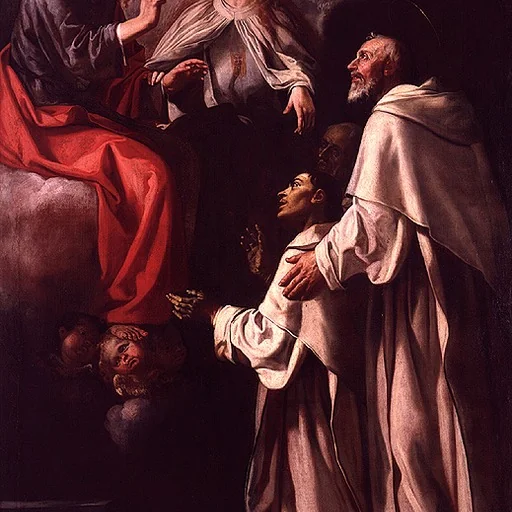
Jerónimo Jacinto de Espinosa (18 July 1600 – 20 February 1667) was a Spanish Baroque painter.

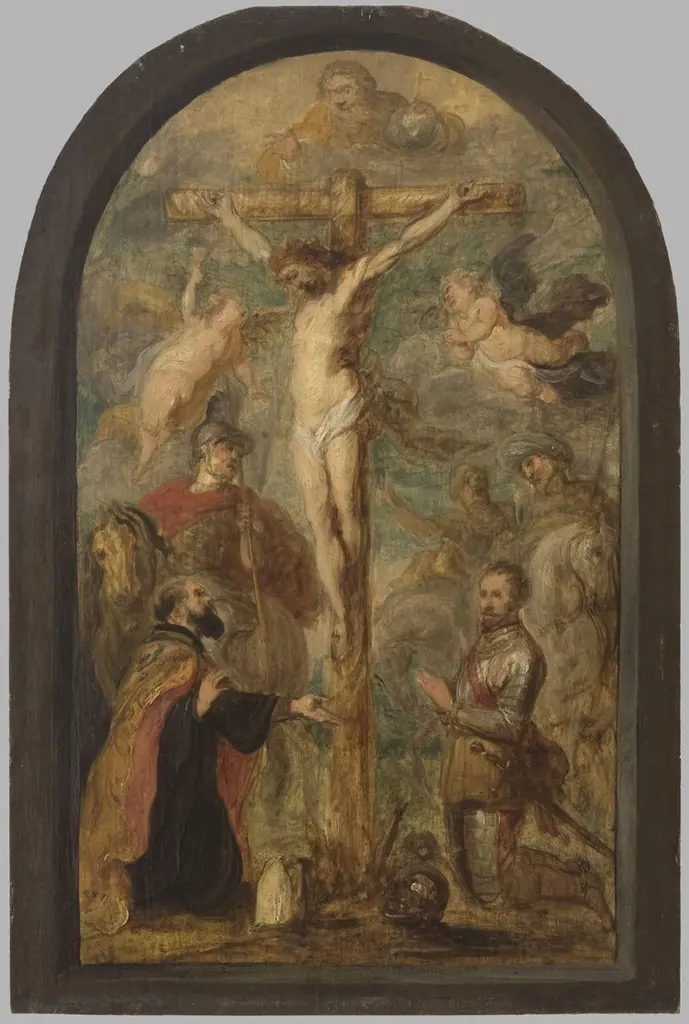 The Crucifixion, with a Bishop, a Saint, and a Donor in Armor
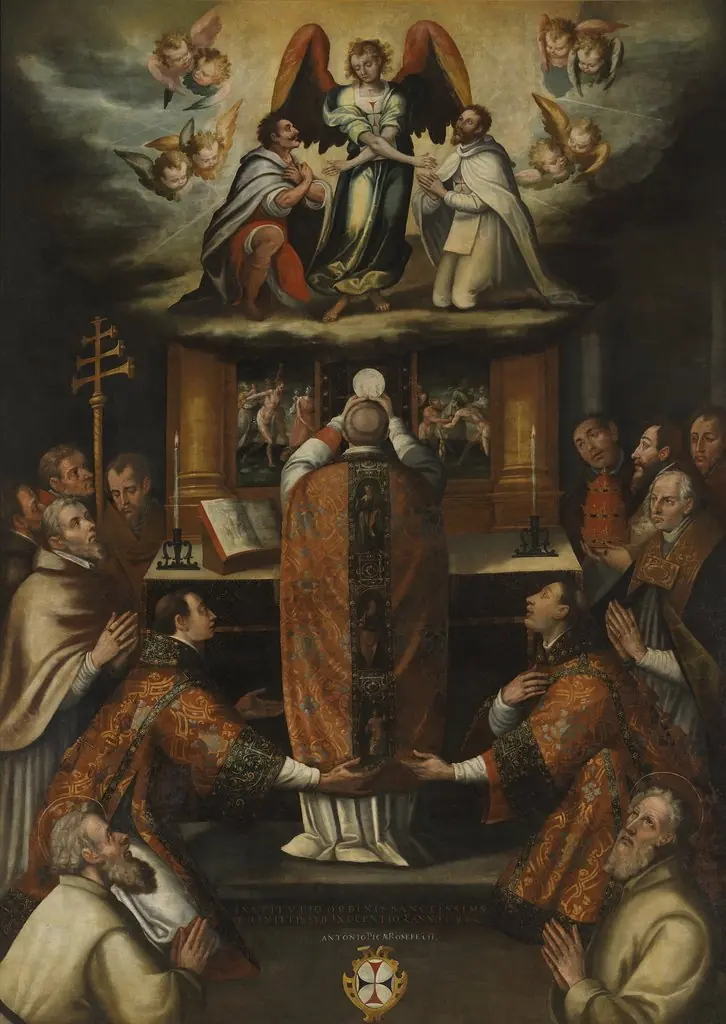 Institución de la Orden Trinitaria por Inocencio III en 1190
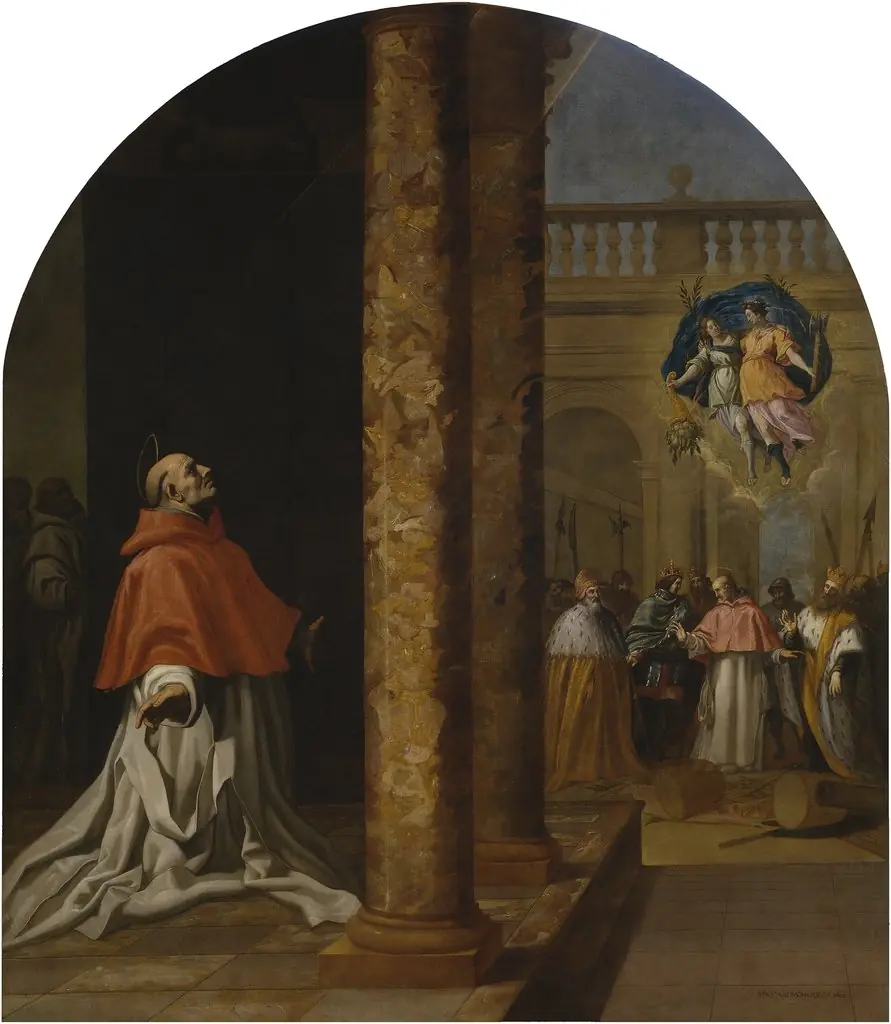 Recognition of the Carthusian Saint Cardinal Niccolò Albergati
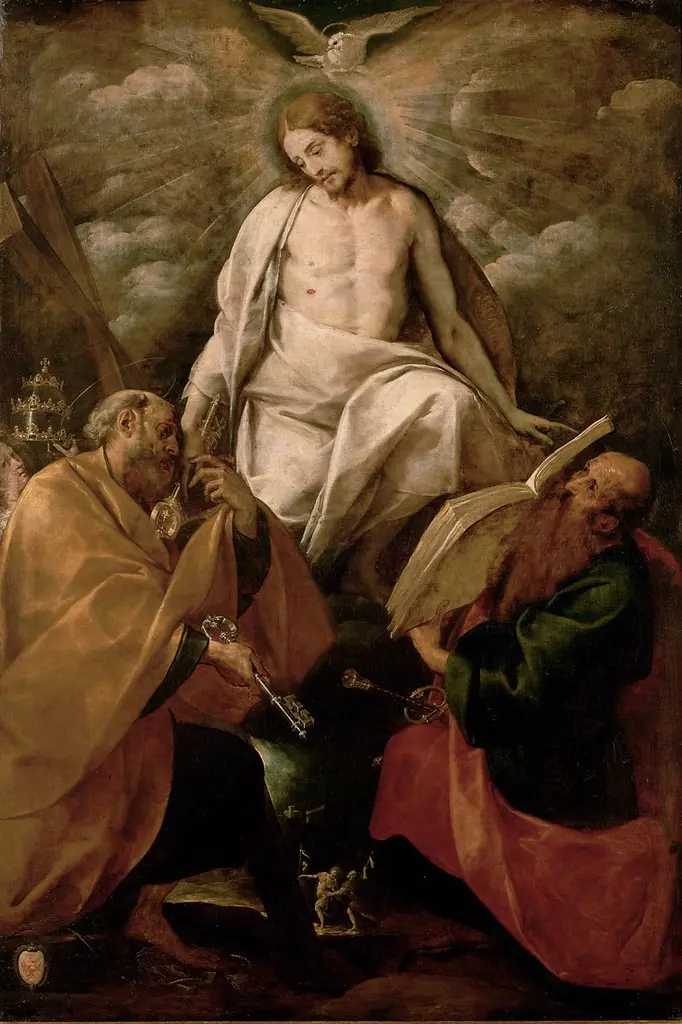 Christ appears to the apostles Peter and Paul
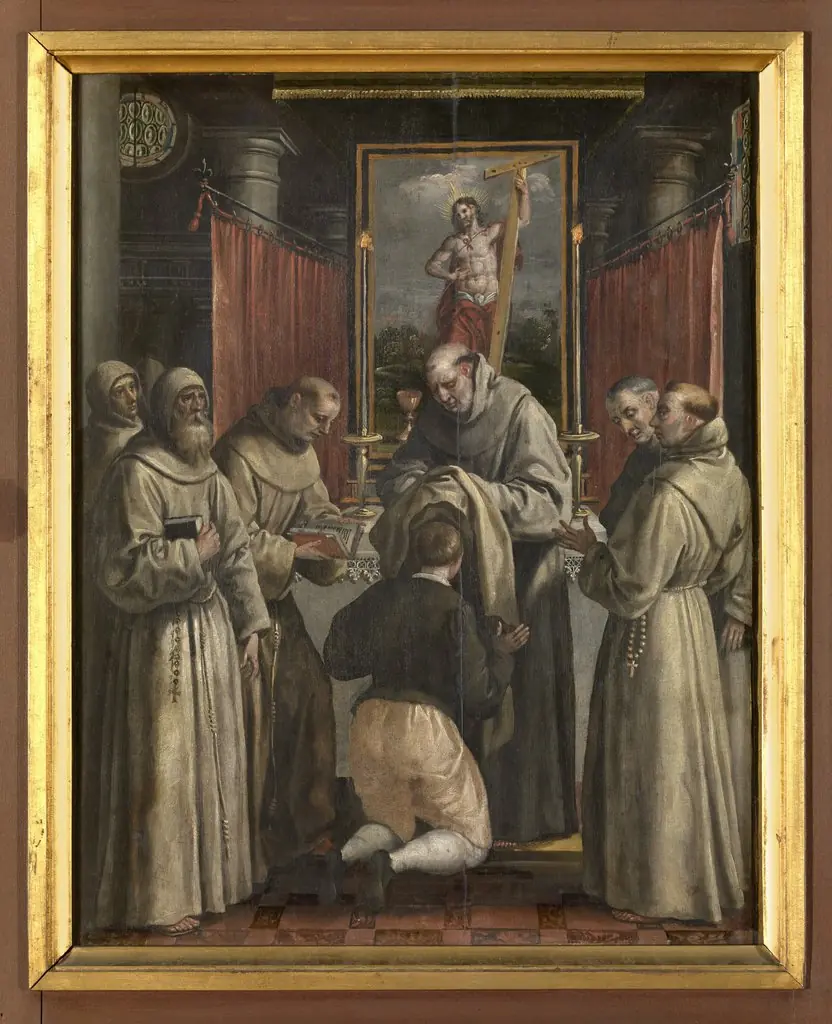 The Story of Saint Didacus of Alcalà
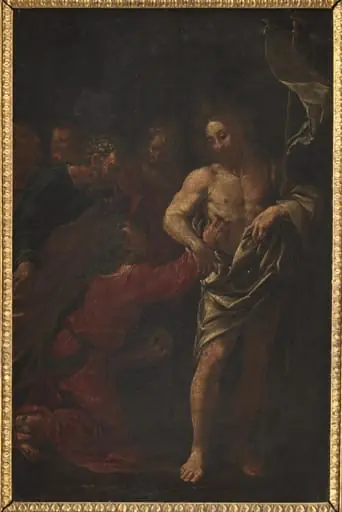 The Incredulity of Saint Thomas
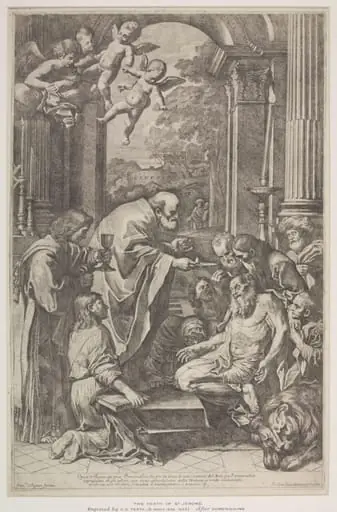 Death of St. Jerome
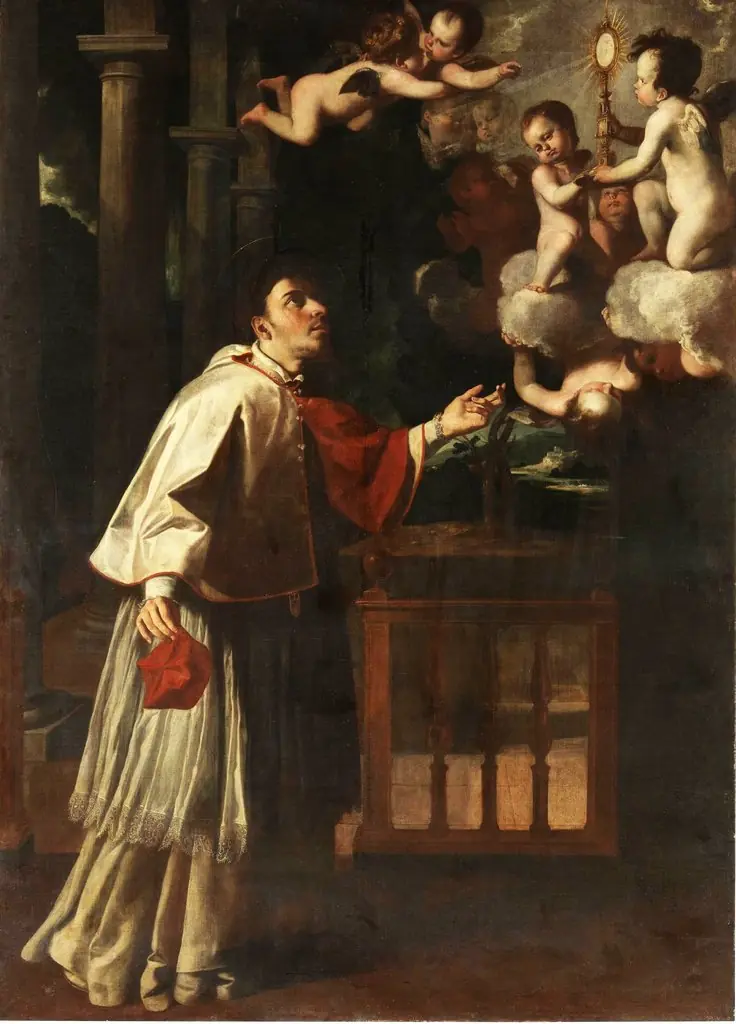
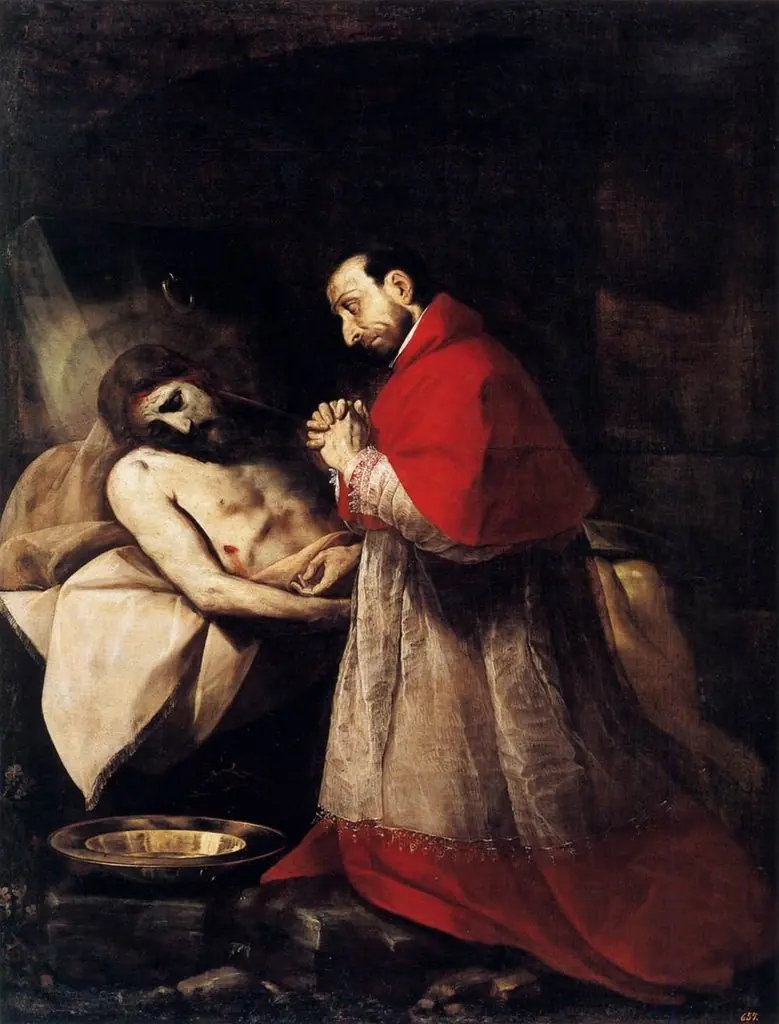 St Carlo Borromeo Adoring Christ
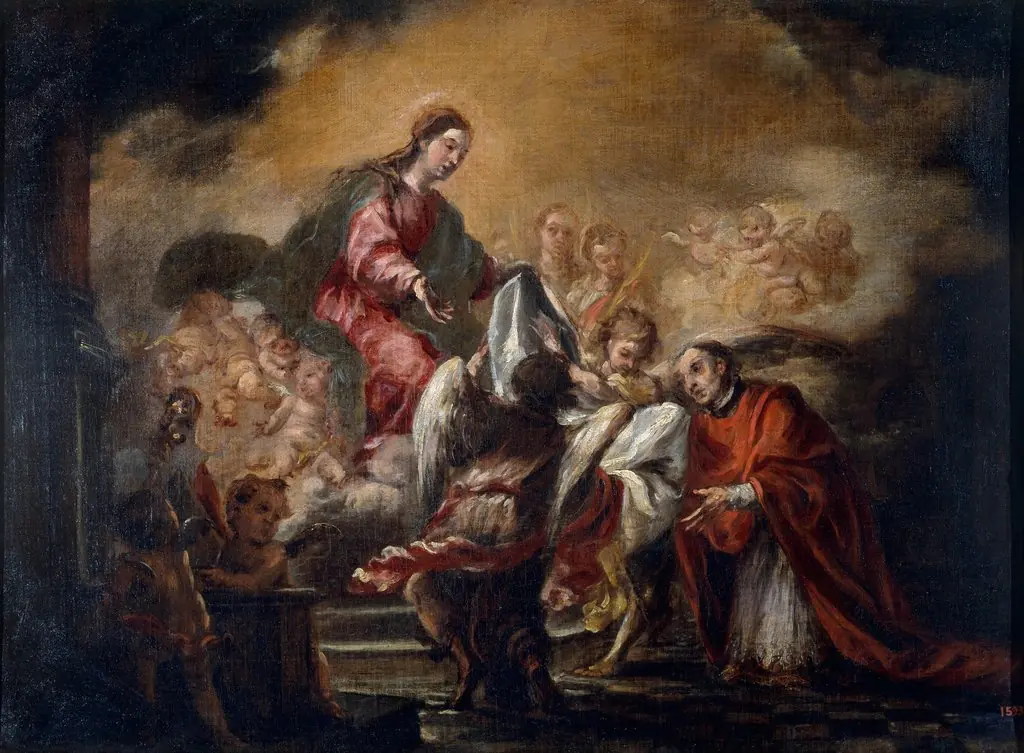 Imposition of the Chasuble on Saint Ildephonsus
 Christ Appears to St. Thomas