Artwork
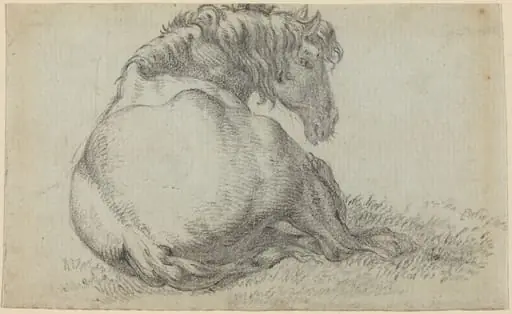
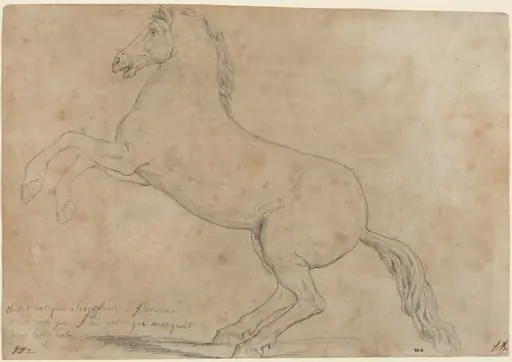
Study of a Stallion
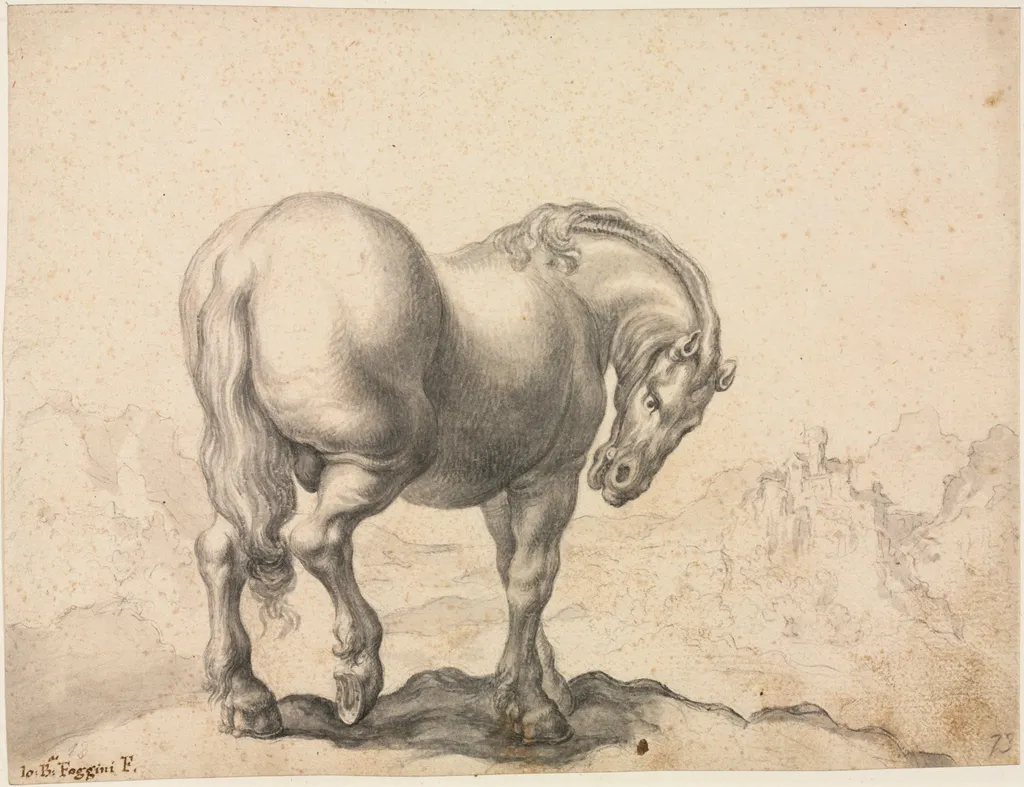
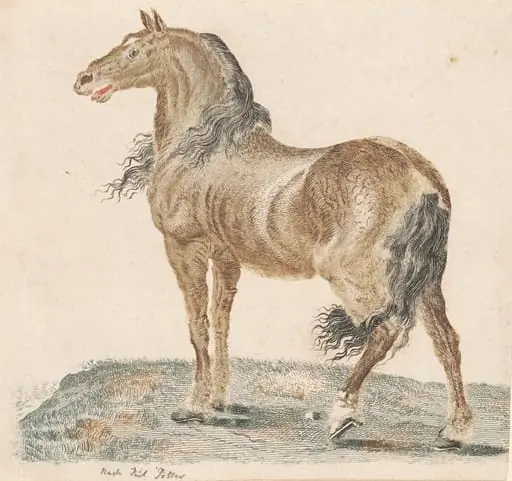
Study of a Stallion is a drawing by the Baroque artist Giovanni Battista Foggini. It dates from 1712 and is held in the collection of the Cleveland Museum of Art.
About this work
Overview
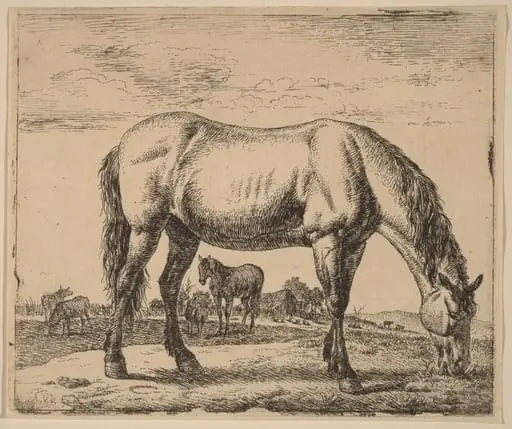
Study of a Stallion is a drawing by Italian sculptor Giovanni Battista Foggini, created in 1712. Unlike his better-known bronze statuary, this work showcases Foggini's skill in two-dimensional representation, capturing the anatomy and movement of a horse in a dynamic, bent pose.
Subject & Meaning
The drawing depicts a horse from behind, either grazing or drinking, emphasizing its muscular structure and weight distribution rather than just form. The focus on the animal's physicality reflects Foggini's sculptural background.
Technique & Style
Executed with loose yet confident lines, the drawing conveys a sense of movement and anatomical accuracy. The warm, textured paper resembles old parchment, adding a tactile quality to the work. Subtle background suggestions of ground and possibly a wall provide minimal contextual framing.
History & Provenance
Originally part of Foggini's studies, the drawing's early history is not detailed here. It is now part of The Cleveland Museum of Art's collection.
Context
While Foggini is known for religious and mythological bronze sculptures, this drawing aligns with Baroque artistic tendencies to emphasize movement and drama, albeit in a more subdued, study-like manner.
Legacy
As a lesser-known work by a sculptor primarily recognized for his bronze pieces, Study of a Stallion contributes to a broader understanding of Foggini's artistic range and skill across mediums.
Own this work as a print
Artist & collection
Artist
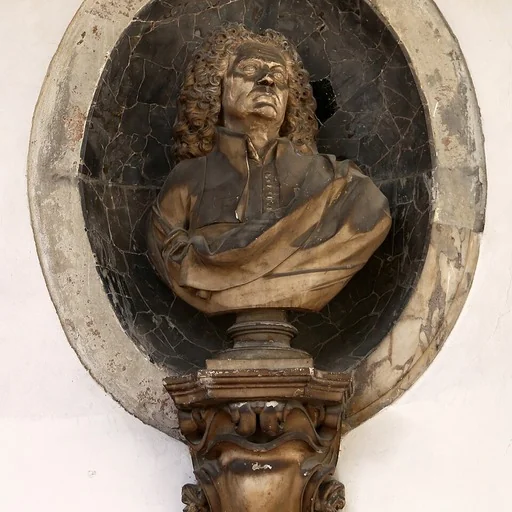
Giovanni Battista (Giambattista) Foggini (25 April 1652 – 12 April 1725) was an Italian sculptor active in Florence, renowned mainly for small bronze statuary.