Artwork
Marco Antonio Savelli
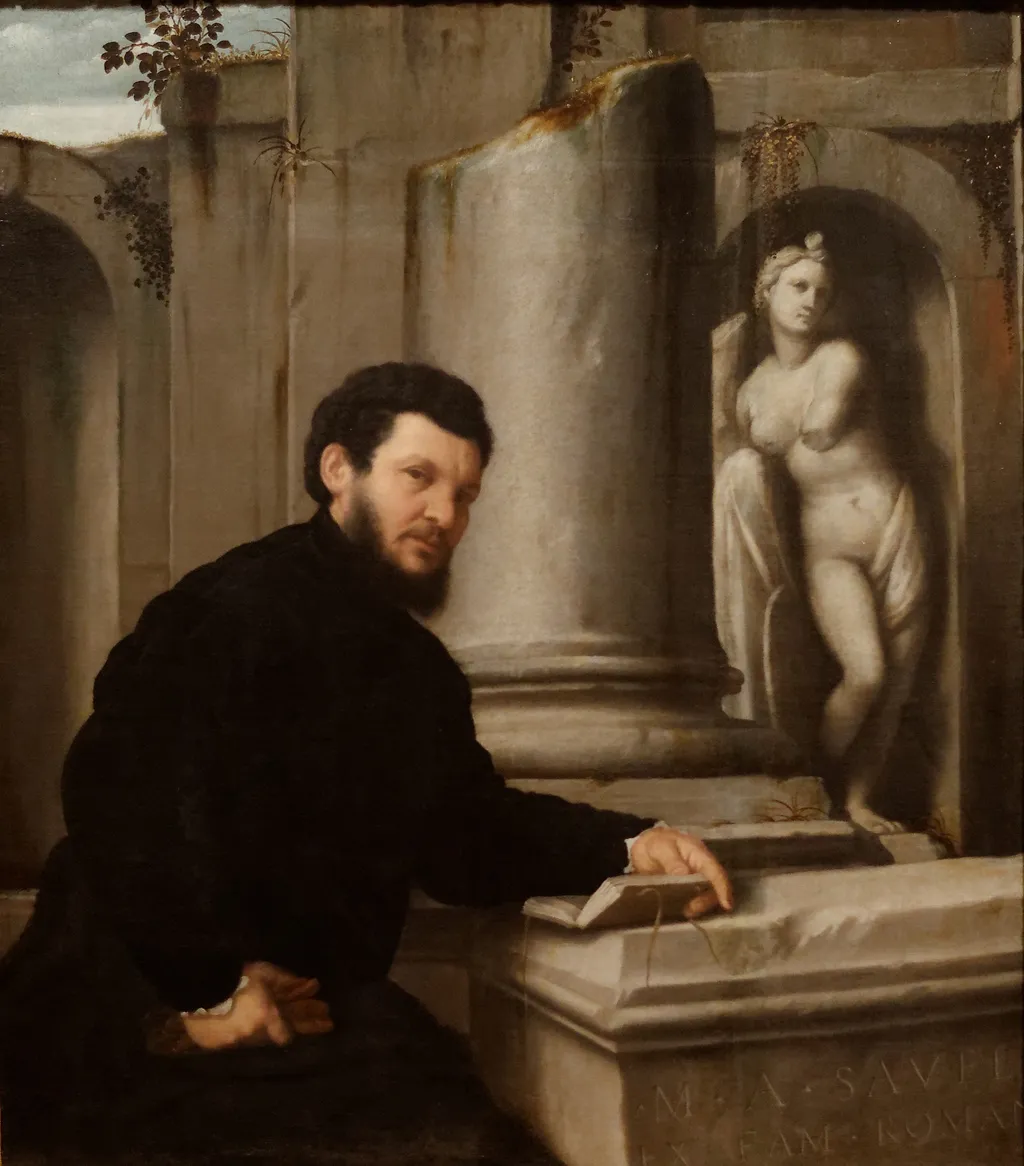
Marco Antonio Savelli is an oil painting by the Impressionist artist Giovanni Battista Moroni. It is held in the collection of the Calouste Gulbenkian Museum.
About this work
Overview
It resides in the Calouste Gulbenkian Museum in Lisbon, where it is recognized for its restrained elegance and psychological depth.
This oil portrait depicts Marco Antonio Savelli, an Italian nobleman, painted by Giovanni Battista Moroni. Though often misattributed to the year 1900, the work was completed in the mid-16th century, during the height of Moroni’s career as a portraitist in northern Italy. It resides in the Calouste Gulbenkian Museum in Lisbon, where it is recognized for its restrained elegance and psychological depth.
Subject & Meaning
The subject, Marco Antonio Savelli, is shown seated beside a stone tomb, holding an open book, his gaze direct and composed. The tomb and somber attire suggest themes of mortality and intellectual reflection, common in Renaissance portraiture of the elite. The presence of a female statue in the background may allude to virtue or ancestral memory, reinforcing a tone of dignified contemplation rather than overt mourning.
Technique & Style
Moroni employs a muted palette dominated by black, gray, and stone tones, emphasizing texture and materiality. The rendering of fabric, stone, and skin is precise yet unadorned, avoiding theatricality. Light falls naturally across the figure, modeling form without dramatic contrast. The background’s architectural elements are rendered with quiet clarity, anchoring the sitter in a tangible, sober space.
History & Provenance
The painting was likely commissioned during Savelli’s lifetime in the 1560s, a period when Moroni was active in Bergamo and surrounding regions. It entered the Gulbenkian collection through the broader acquisition of European Old Master works by Calouste Sarkis Gulbenkian in the early 20th century. Its attribution to Moroni has been consistently supported by stylistic analysis and archival records.
Context
In mid-16th-century Italy, portraiture served as both social record and moral statement. Moroni’s works stood apart for their unidealized realism, capturing individuals with psychological nuance amid the Counter-Reformation’s emphasis on piety and introspection. This portrait reflects the values of a learned aristocracy, where scholarship, lineage, and quiet dignity were paramount.
Legacy
Moroni’s portraits, including this one, influenced later generations of realist painters by demonstrating that dignity could reside in restraint. The painting remains a key example of how Renaissance portraiture could convey inner life without symbolism or grandeur. Its preservation in a major European museum underscores its enduring role in the study of early modern identity and representation.
Own this work as a print
Artist & collection
Artist
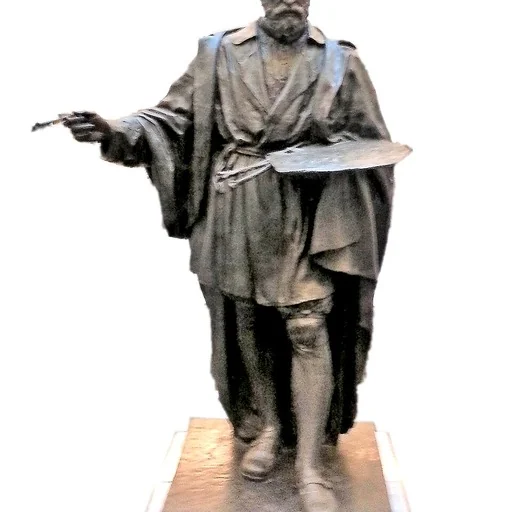
Giovanni Battista Moroni, also known as Giambattista Moroni was an Italian painter of the Mannerist school.

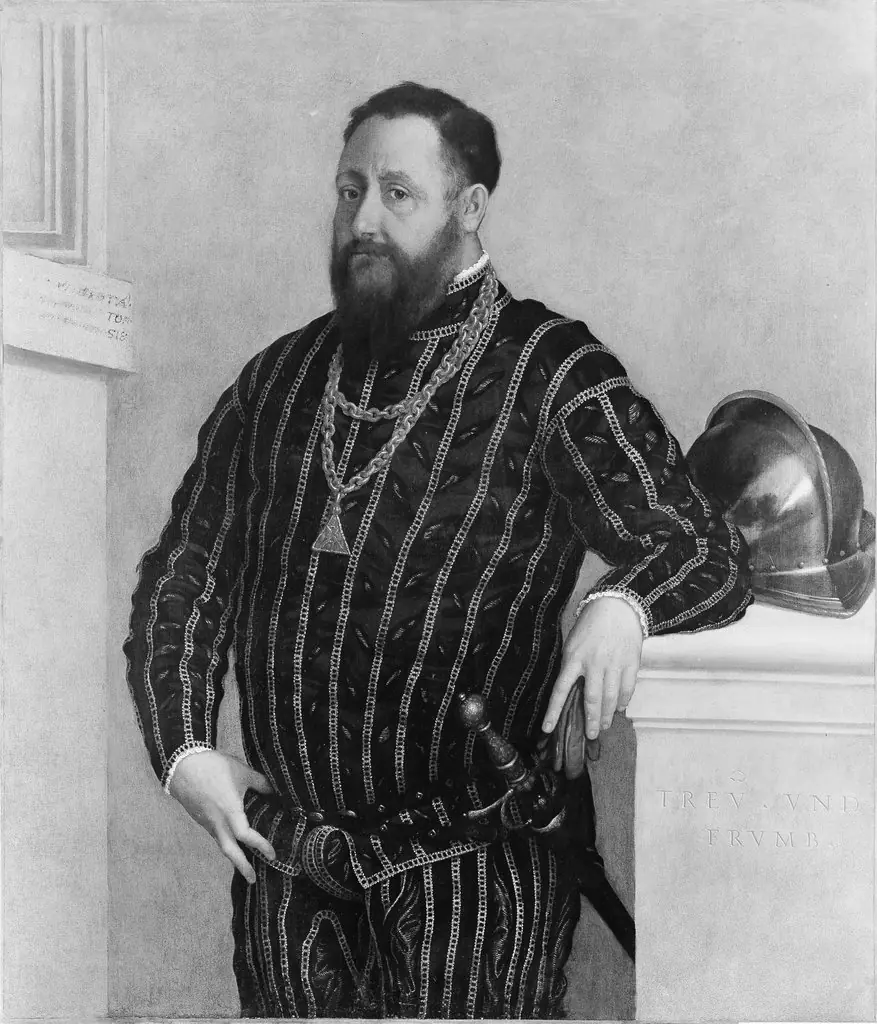 Portrait of a Man
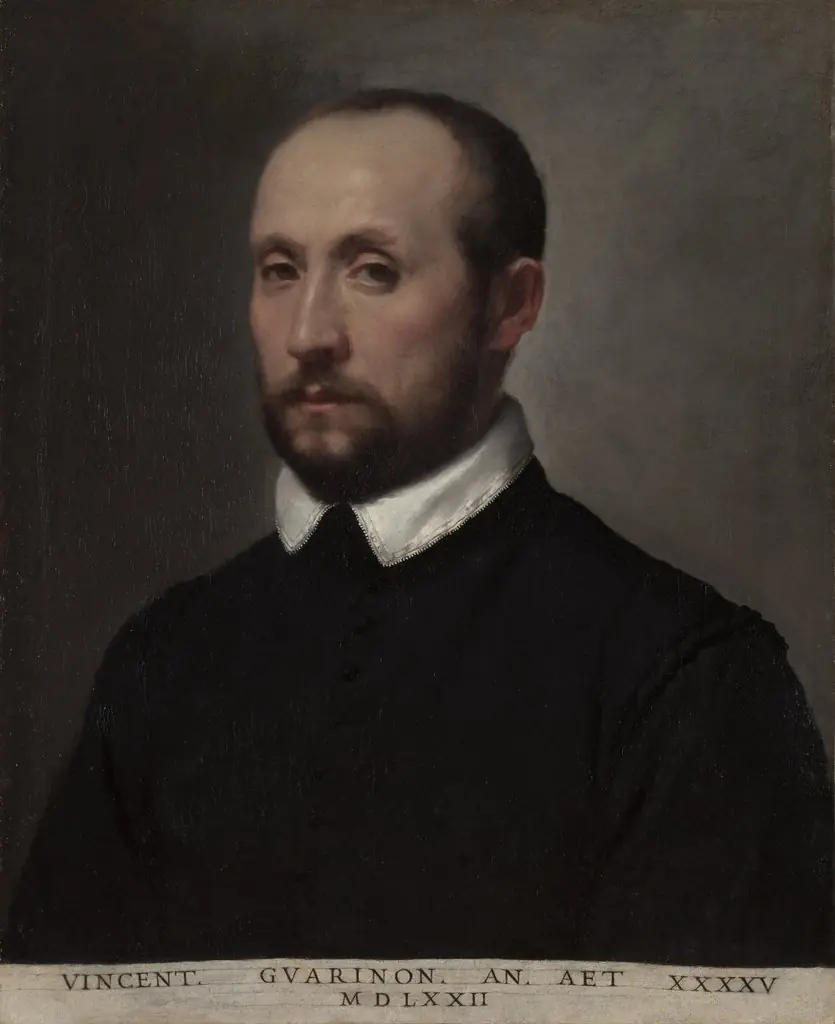 Portrait of Vincenzo Guarignoni
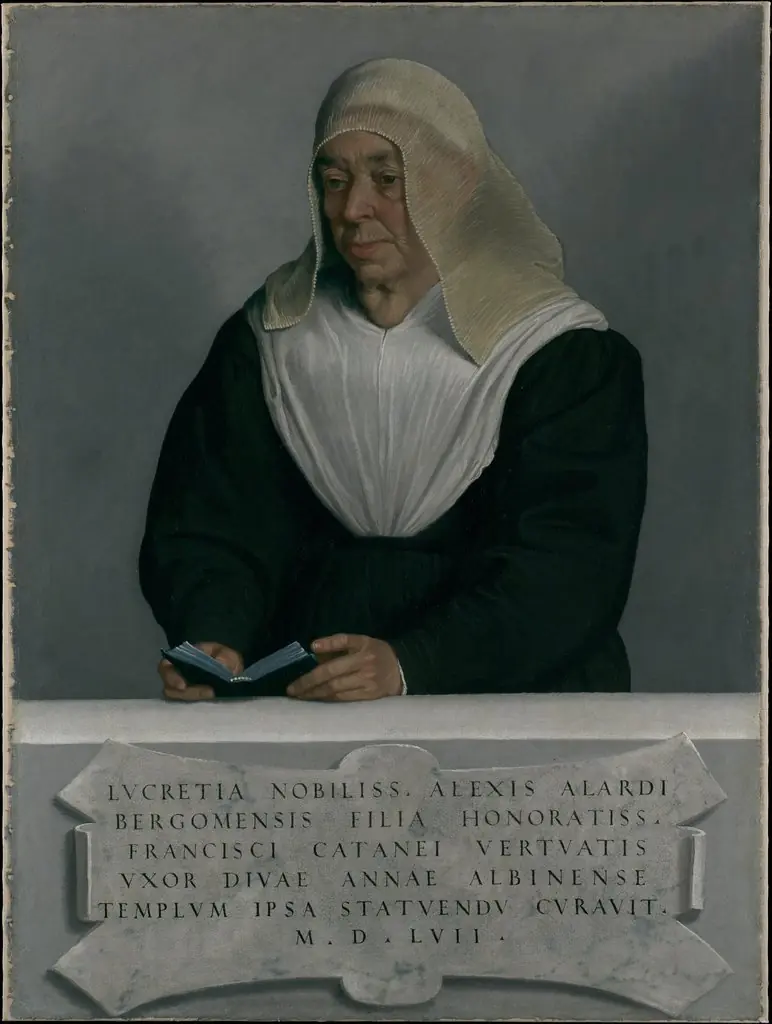 Abbess Lucrezia Agliardi Vertova (1490?–1558)
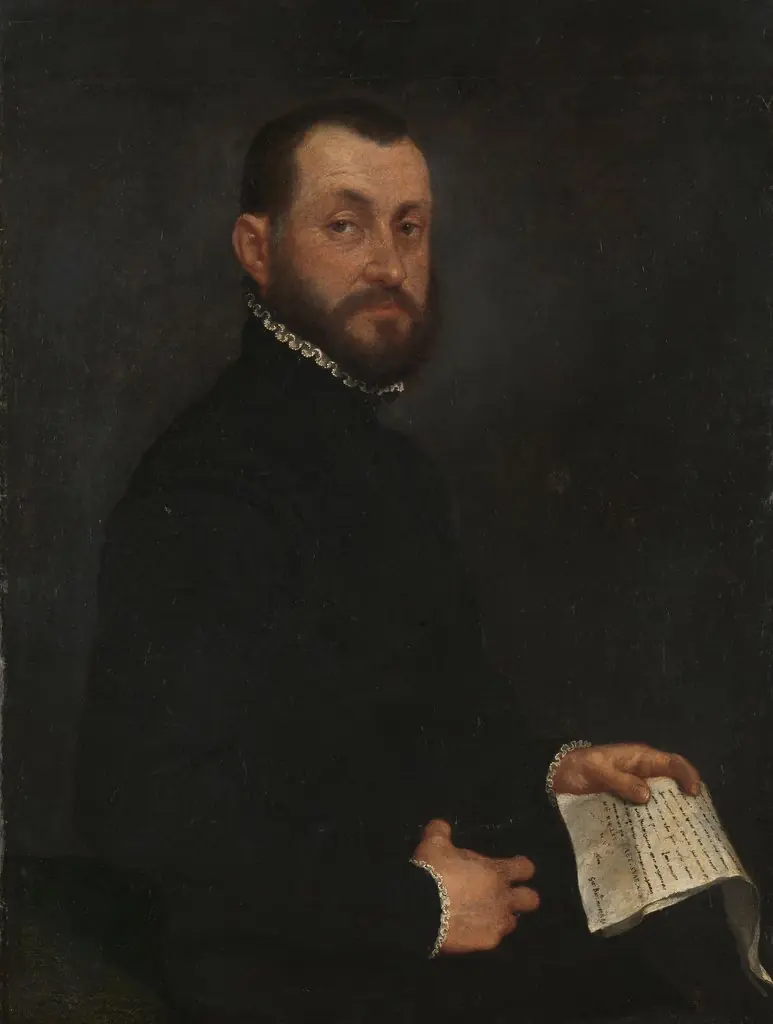 Portrait of a Man
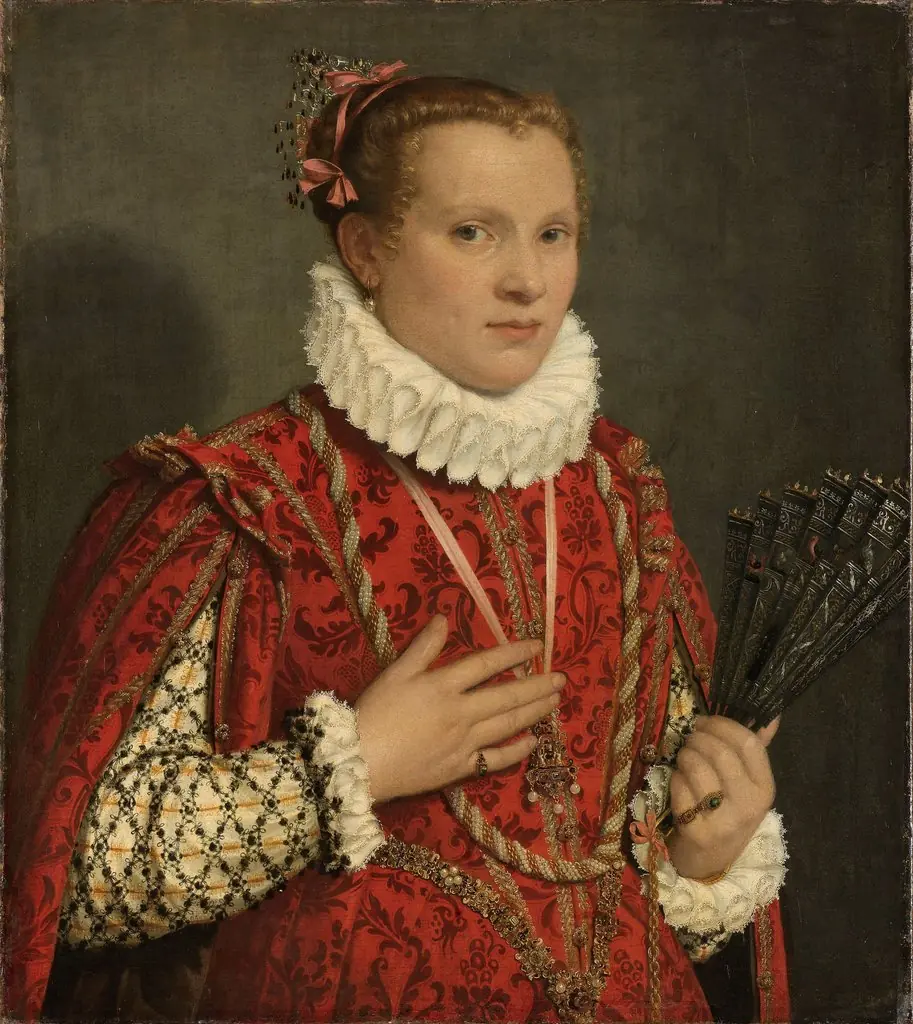 Portrait of a young Woman
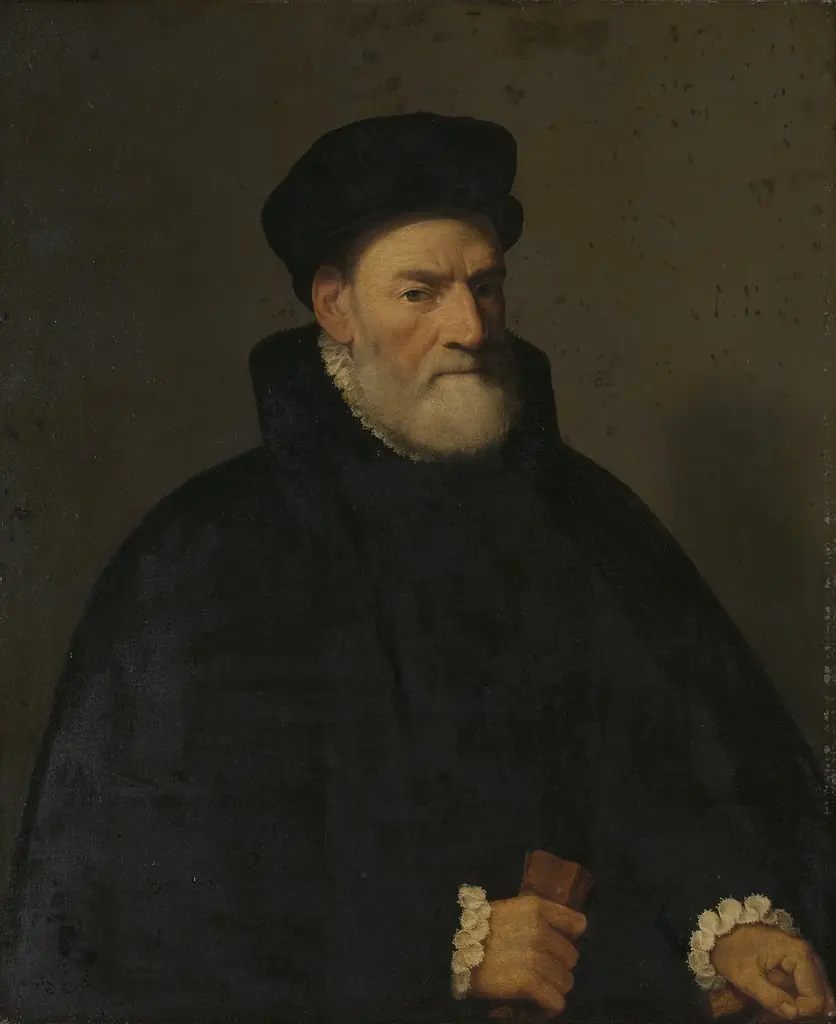 Portrait of an Old Man, probably Vercellino Olivazzi, Senator from Bergamo
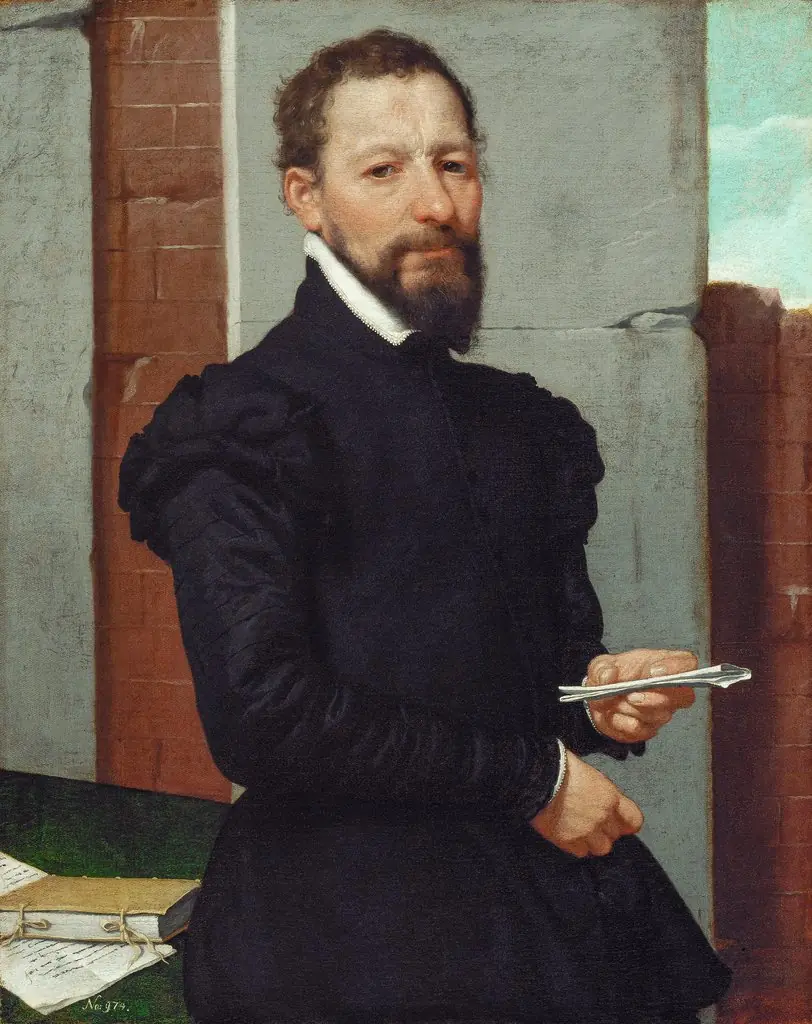 The Orator Giovan Pietro Maffeis (?) (1533-1603)
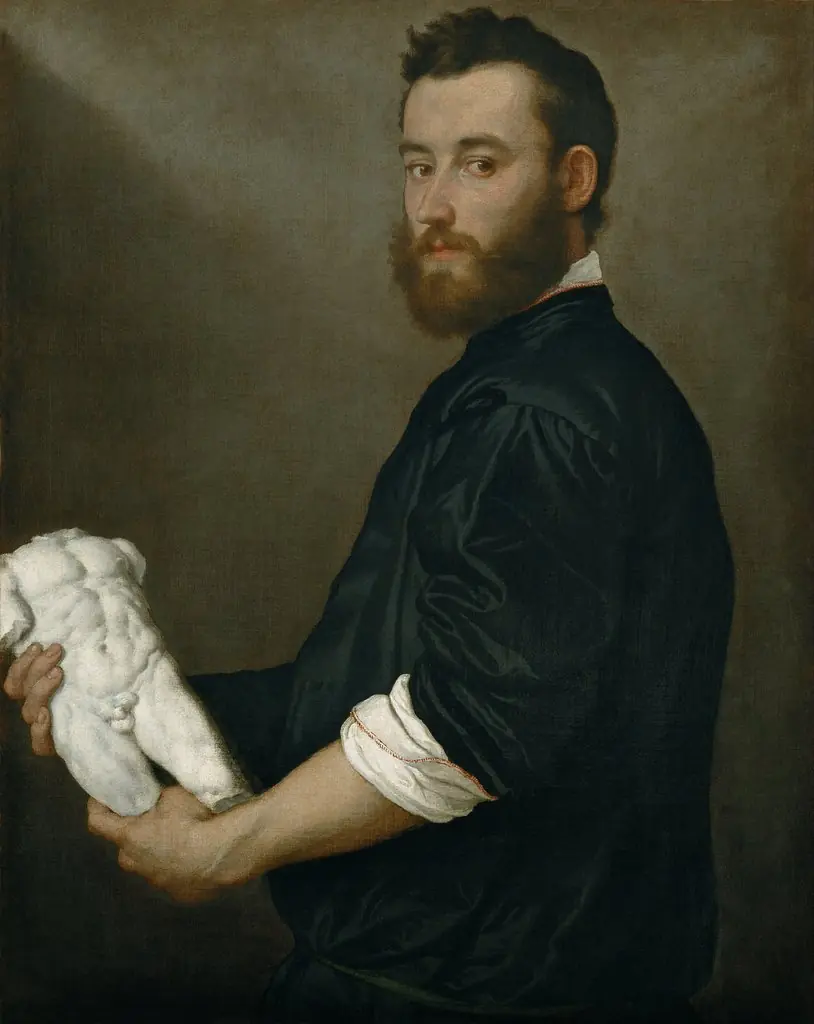 Portrait of the sculptor Alessandro Vittoria
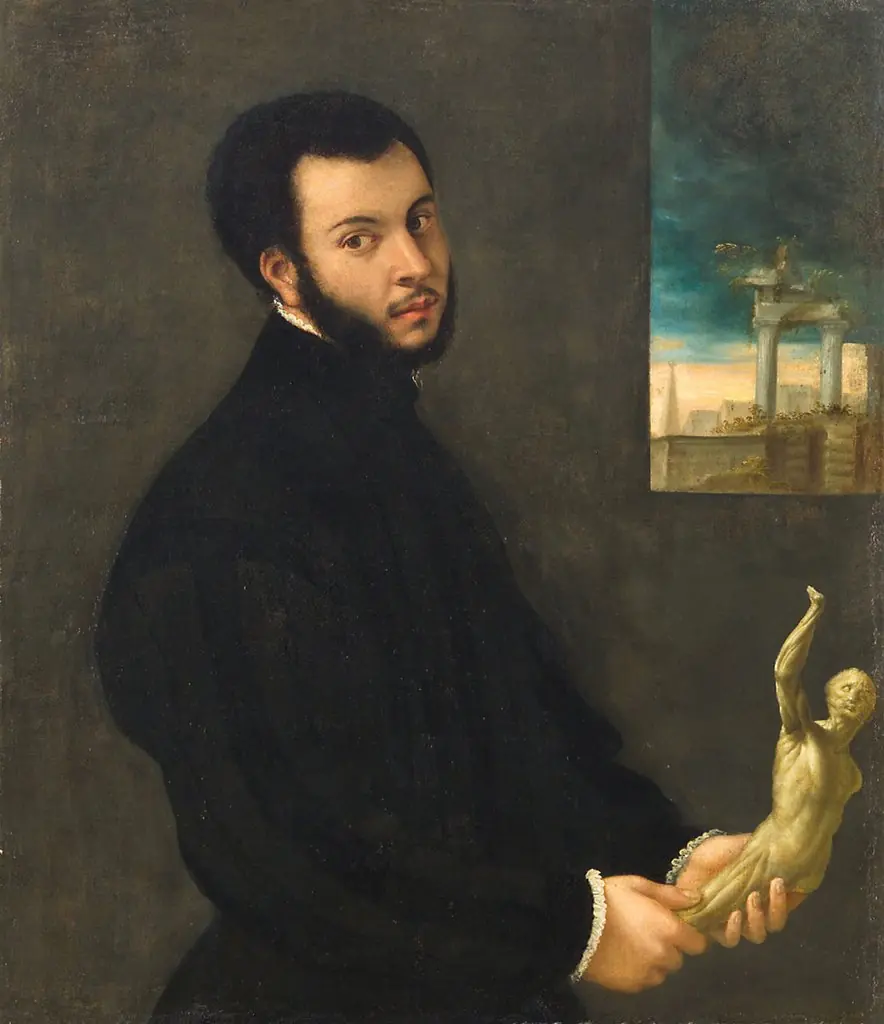 Bildnis eines Arztes
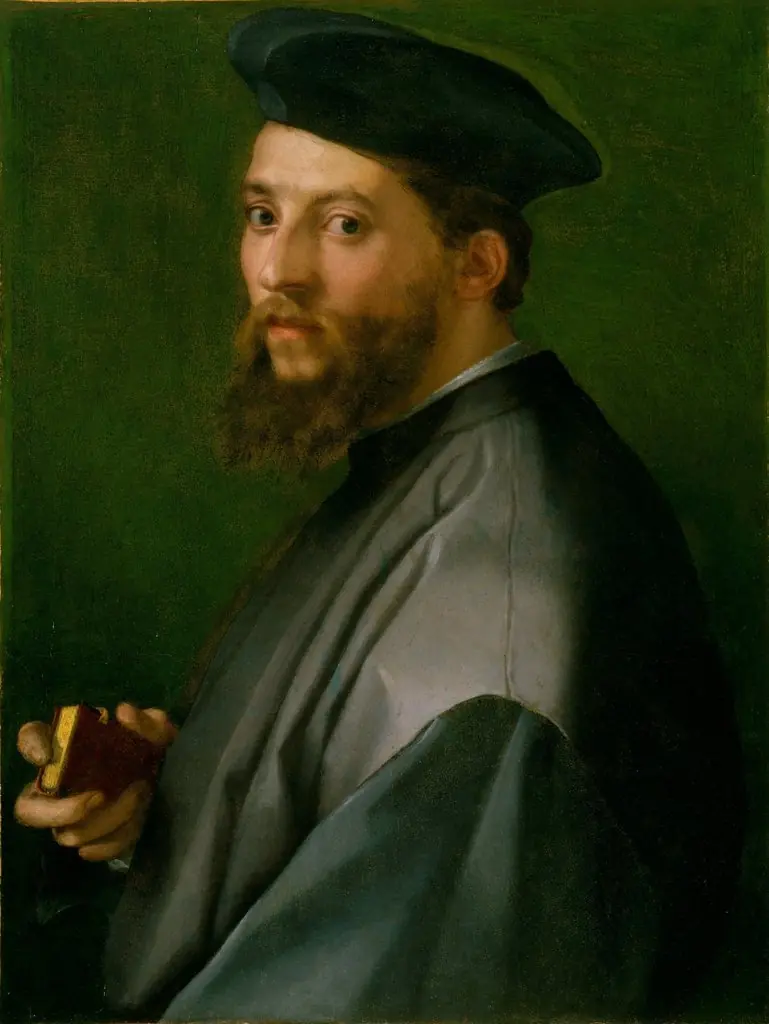 Portrait of a Man
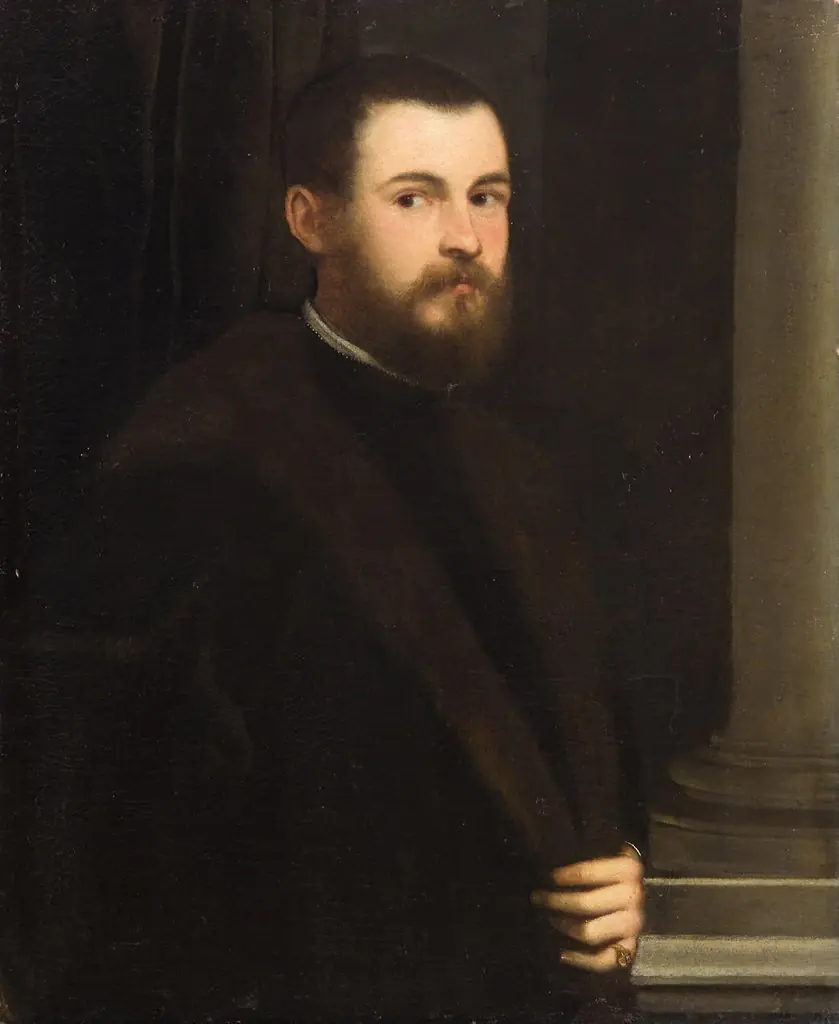 Portrait of a young bearded man
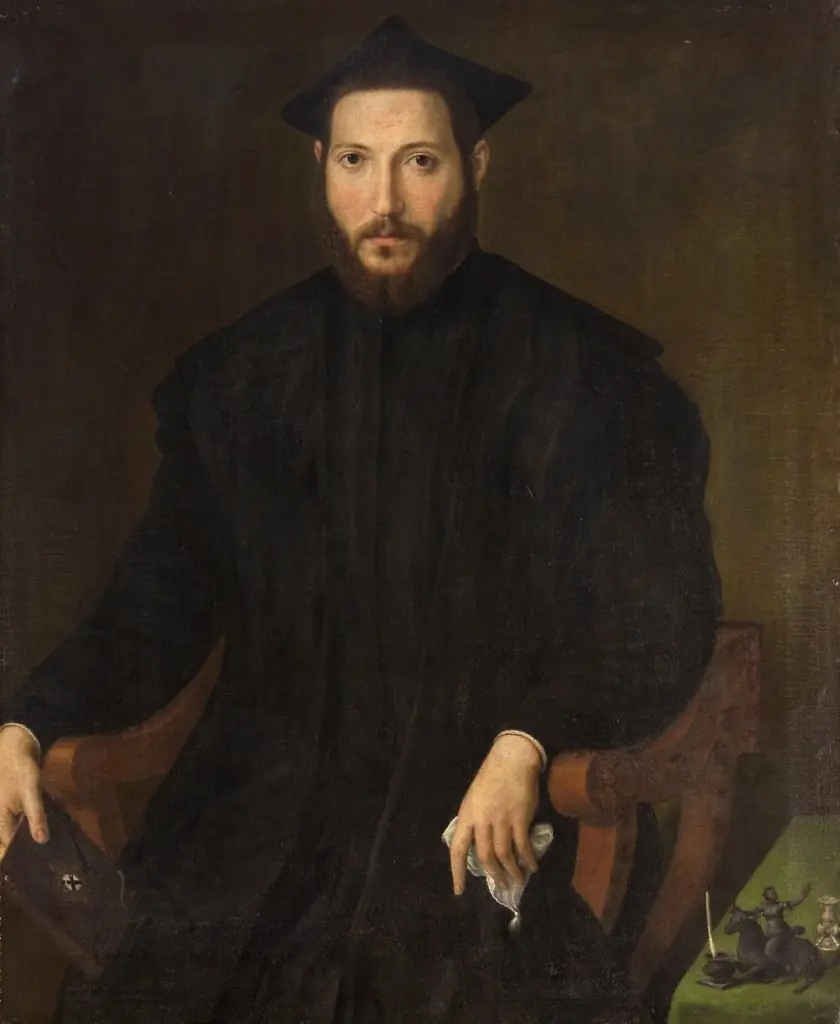 Bildnis eines Geistlichen
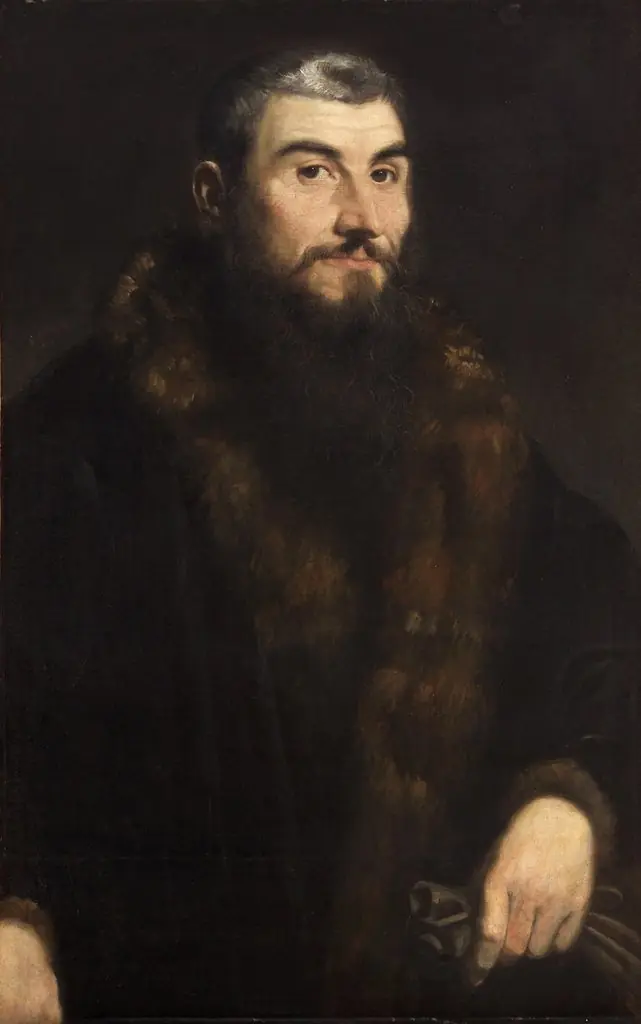 Portrait of a Man in Fur-lined Coat with Gloves
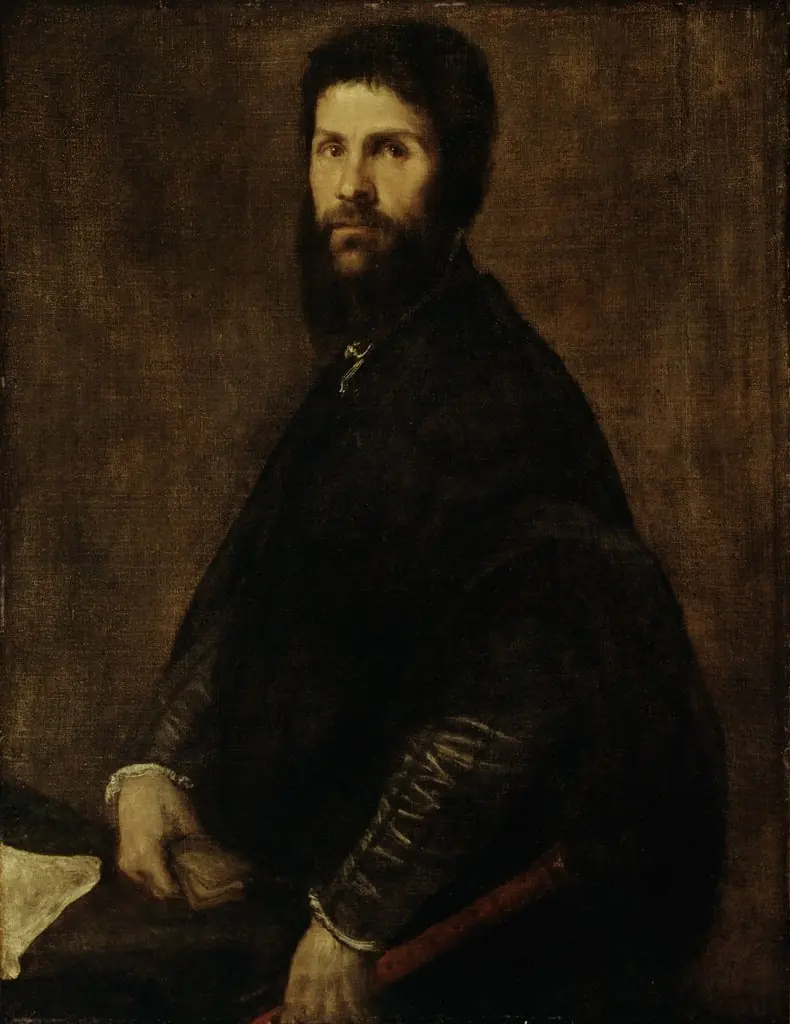 Man Holding a Flute
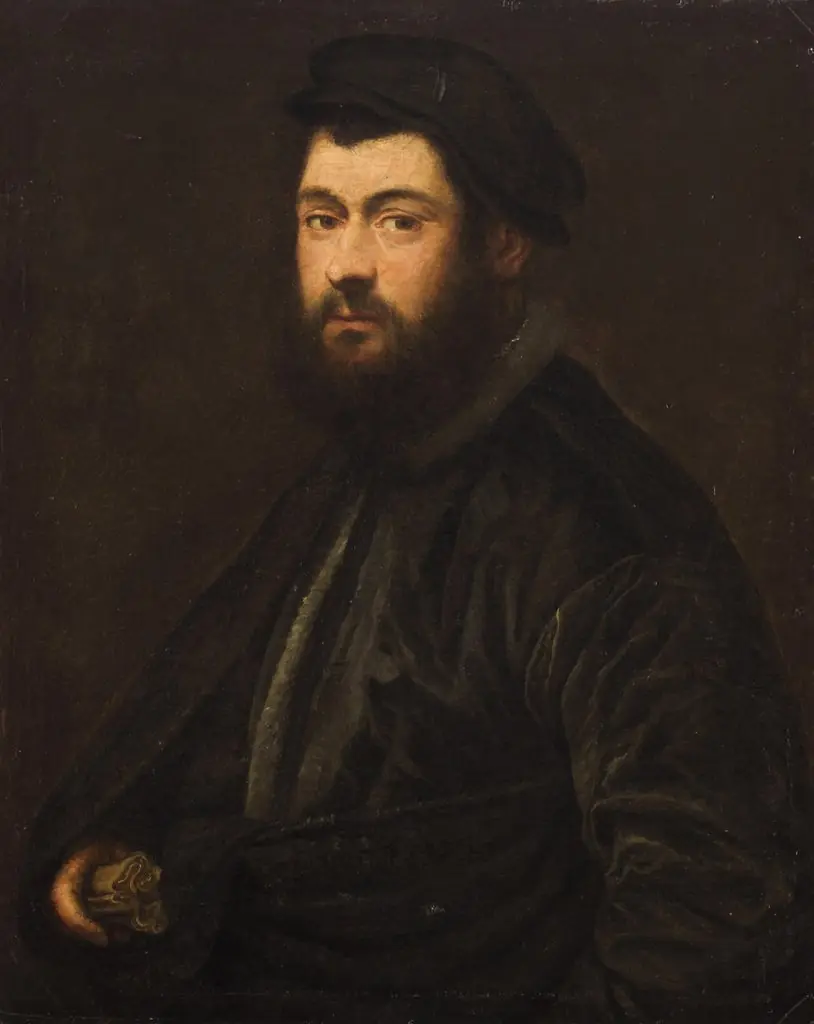 Bildnis eines bärtigen Mannes mit Barett
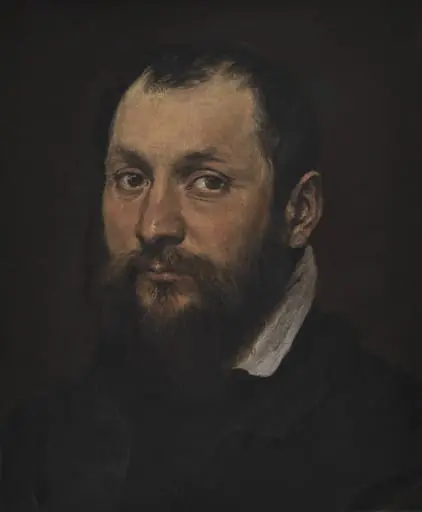 Portrait of a Man
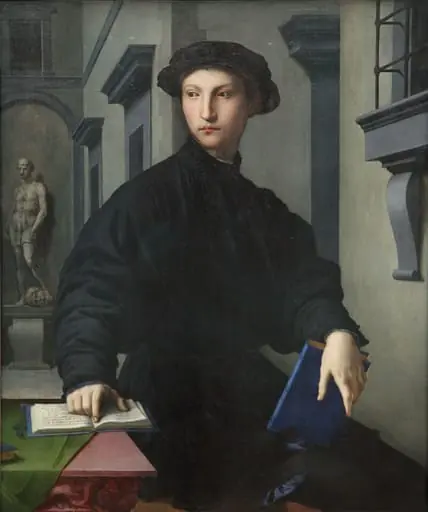 Portrait of Ugolino Martelli
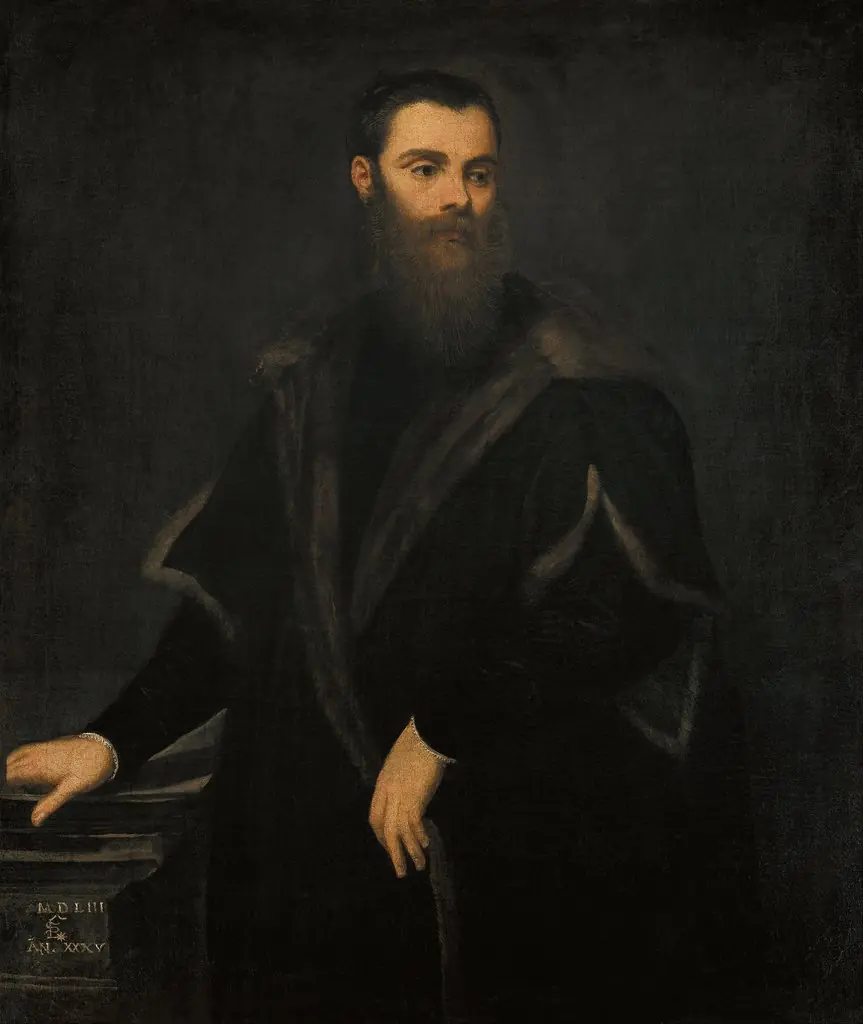 Lorenzo Soranzo
 Portrait of a Prelate
 Portrait of a Venetian Gentleman