Artwork
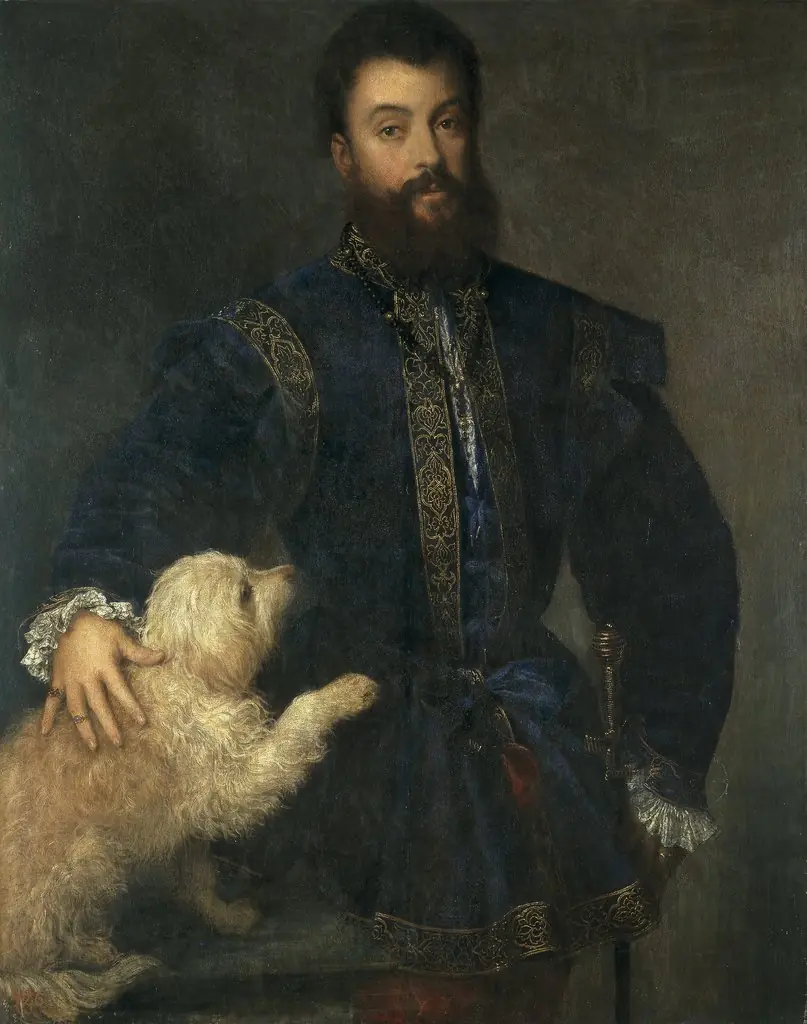
Portrait of a Gentleman with a Dog
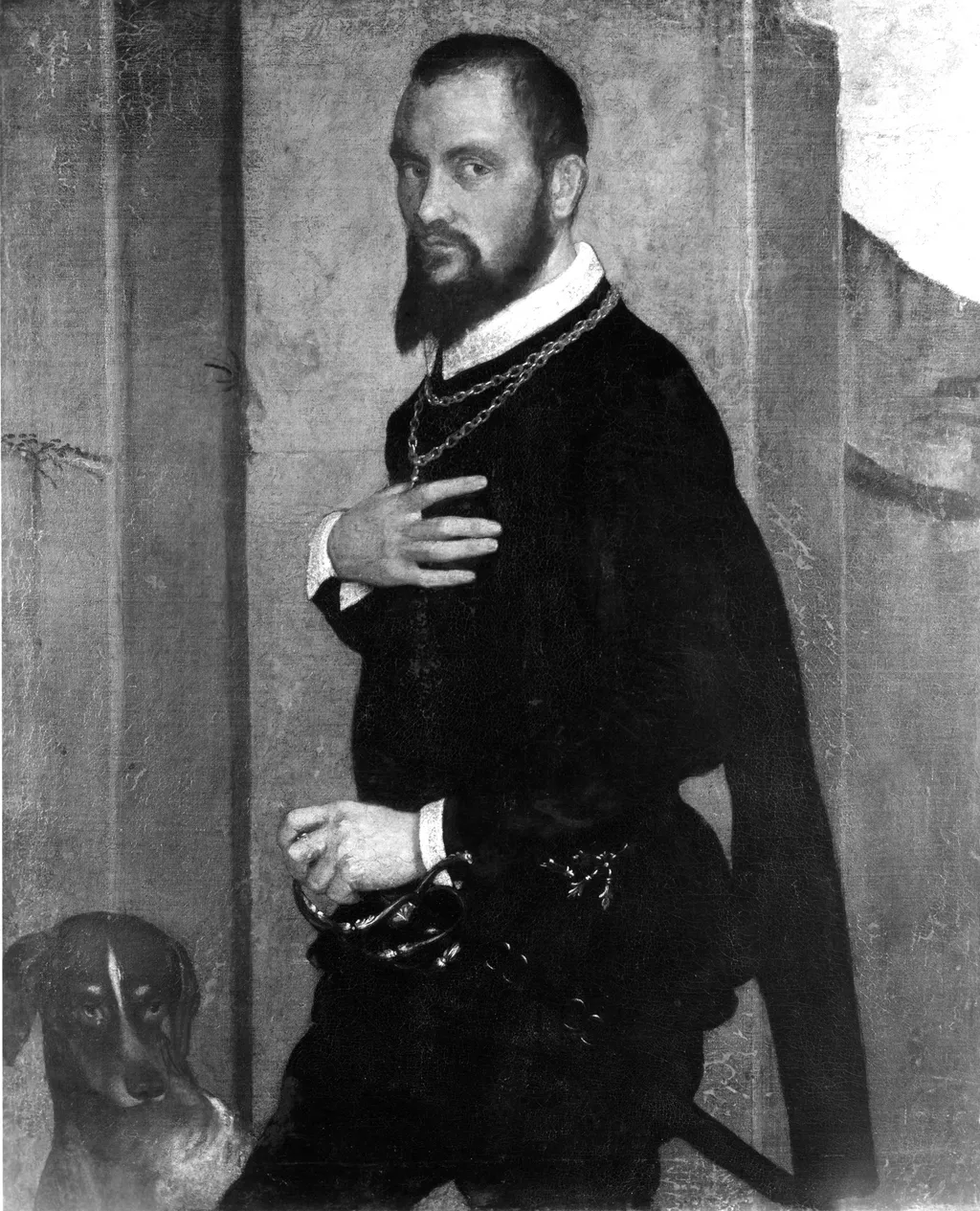
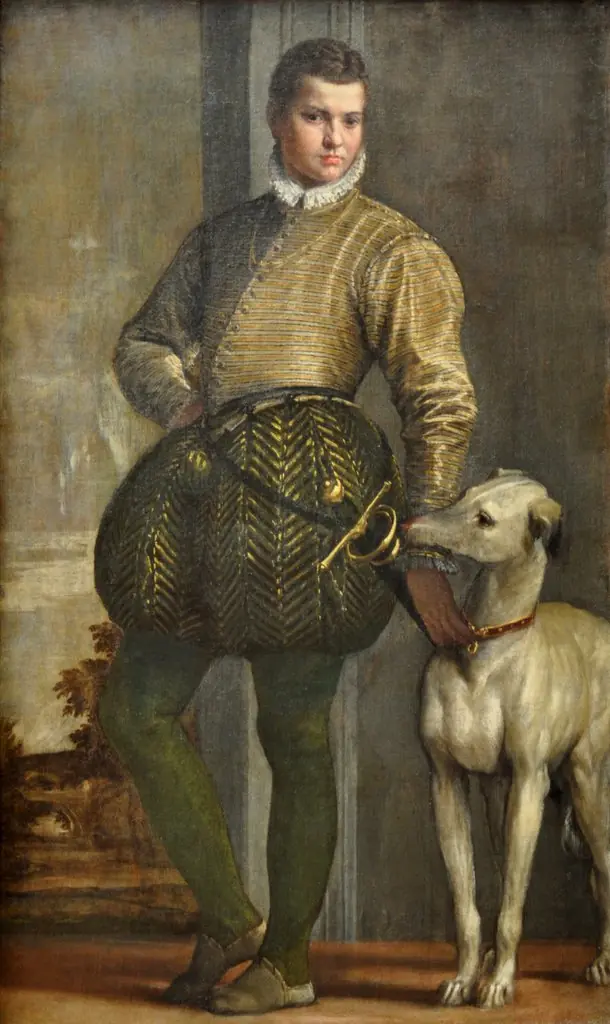
Portrait of a Gentleman with a Dog is an oil painting by the Mannerist artist Giovanni Battista Moroni. It dates from 1550 and is held in the collection of the Walters Art Museum.
About this work
The painting's use of chiaroscuro, with strong contrasts between light and dark, adds depth and volume to the figures.
This painting shows a man dressed in black, with a white collar and cuffs, standing in front of a wall. He has a chain around his neck and is holding a sword in his right hand. To his left is a dog, possibly a pointer or a spaniel, looking up at him.
The man's attire and the dog suggest a scene from everyday life in the 16th century. The painting's use of chiaroscuro, with strong contrasts between light and dark, adds depth and volume to the figures.
The artist's attention to detail and use of chiaroscuro create a sense of realism in the painting. If you're interested in learning more about this technique, you might want to look up chiaroscuro.
Overview
Painted around 1550 by Giovanni Battista Moroni, this oil portrait captures a nobleman in formal attire, accompanied by a small dog. The work resides in the Walters Art Museum and exemplifies the quiet dignity characteristic of northern Italian portraiture during the mid-16th century. Its composition is restrained, focusing on the subject’s presence rather than elaborate symbolism.
Subject & Meaning
The man, dressed in black with a white linen collar and cuffs, holds a sword and wears a chain, suggesting status or office. The dog, likely a pointer or spaniel, gazes upward, reinforcing a bond between owner and animal. Together, these elements convey personal identity and social role rather than mythological or religious narrative, reflecting the era’s growing interest in individuality.
Technique & Style
Moroni employs chiaroscuro to model the figure with subtle gradations of light and shadow, lending volume to the fabric and flesh. The textures of wool, leather, and fur are rendered with precise brushwork, while the background remains muted, directing attention to the subject. The realism is unembellished, avoiding idealization in favor of observed detail.
History & Provenance
The painting entered the Walters Art Museum’s collection in the early 20th century, having previously belonged to private European collections. Its attribution to Moroni has been consistently supported by stylistic analysis and documentary evidence. No significant alterations or restorations are recorded, preserving its original surface and tonal balance.
Context
Created during the Counter-Reformation, this portrait reflects the rising prominence of secular subjects among Italy’s merchant and noble classes. Unlike courtly portraits emphasizing grandeur, Moroni’s work captures quiet authority through everyday details—clothing, posture, and companionship—aligning with regional trends toward psychological realism.
Legacy
Moroni’s unadorned approach influenced later realist traditions in portraiture. This work, though not widely known in his lifetime, gained recognition in the 19th century as scholars reevaluated his contribution to naturalistic representation. It remains a key example of how ordinary objects and gestures could convey social identity without overt symbolism.
Artist & collection
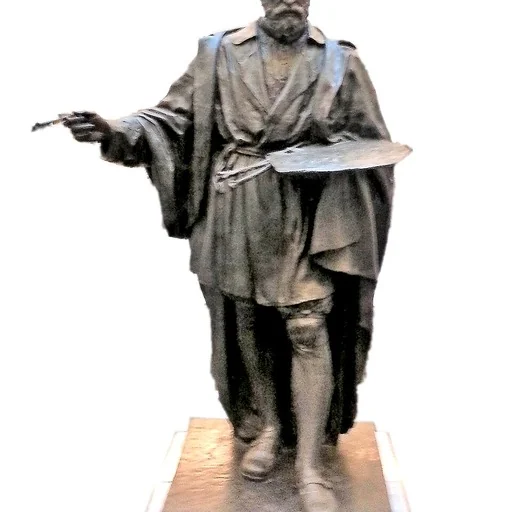
Artist
Giovanni Battista Moroni, also known as Giambattista Moroni was an Italian painter of the Mannerist school.

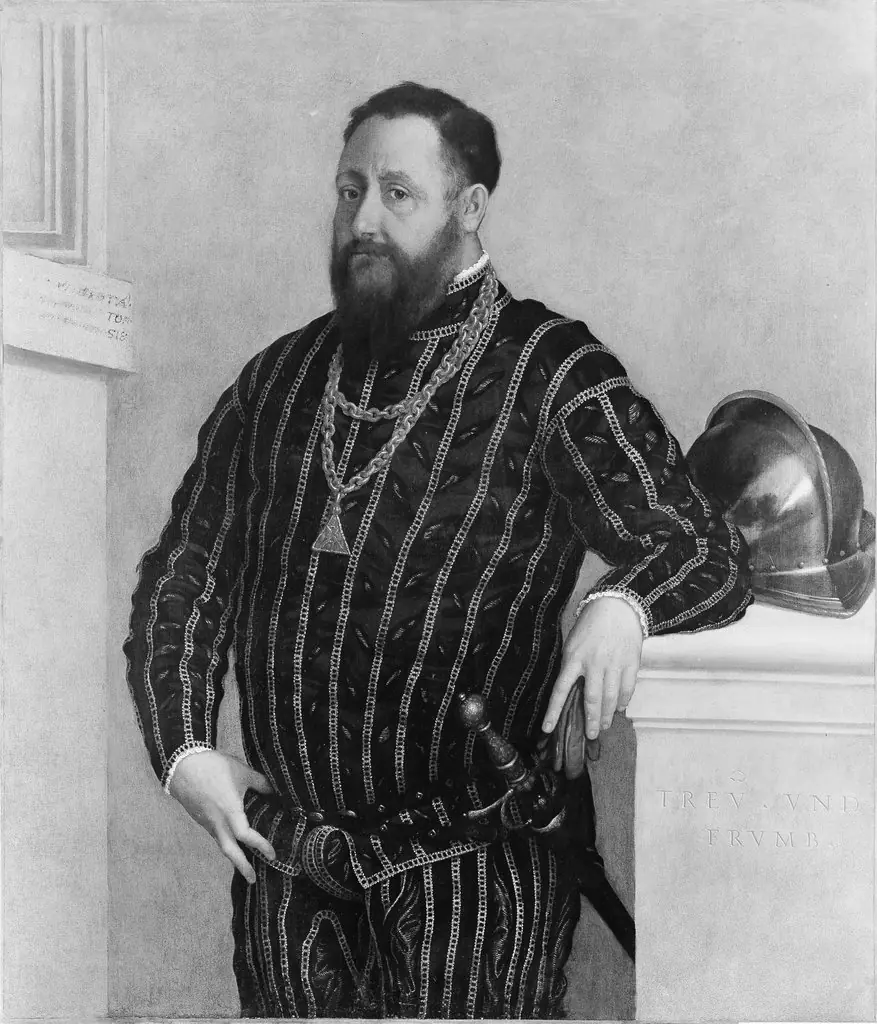 Portrait of a Man
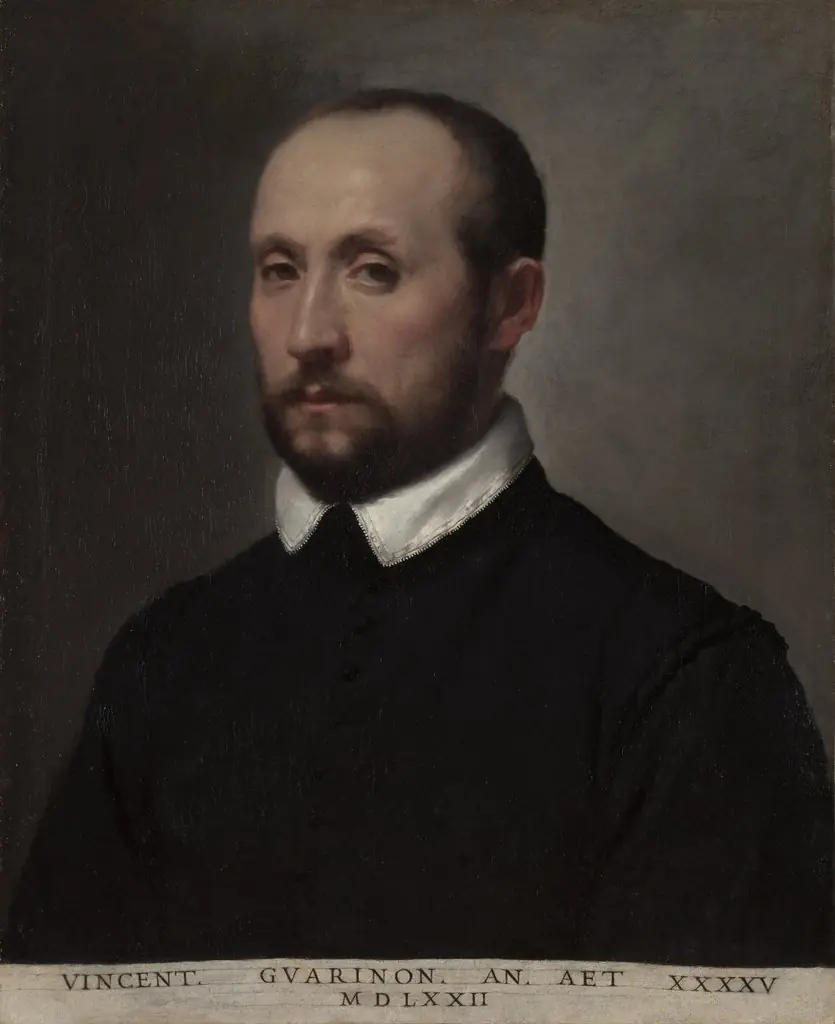 Portrait of Vincenzo Guarignoni
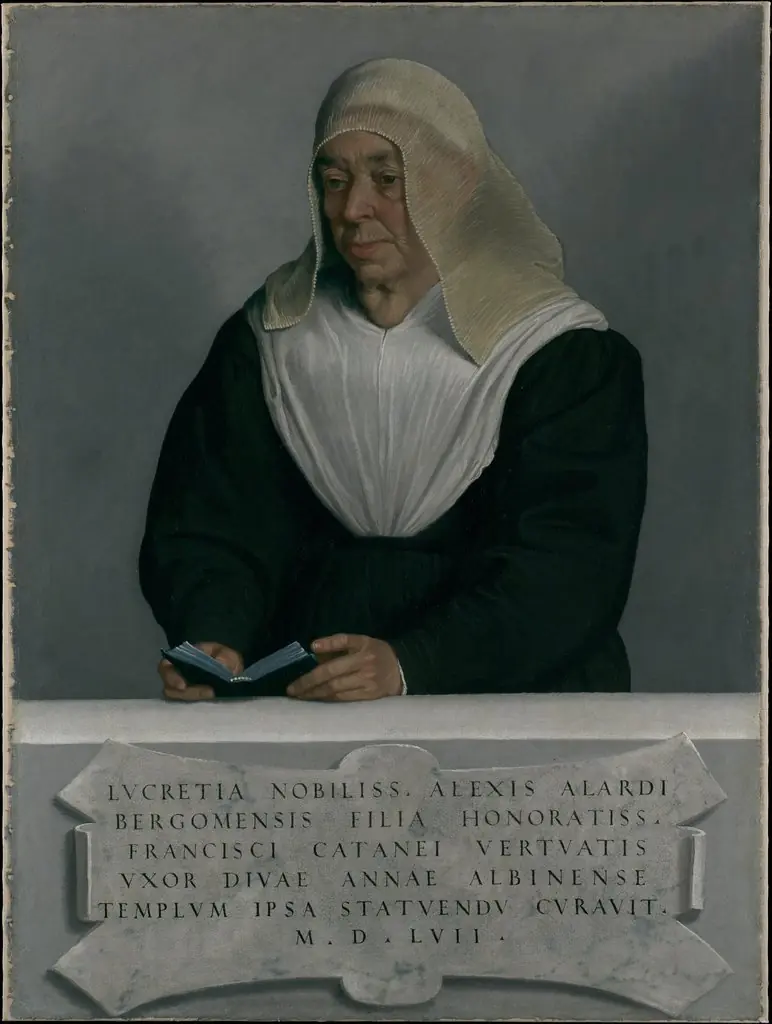 Abbess Lucrezia Agliardi Vertova (1490?–1558)
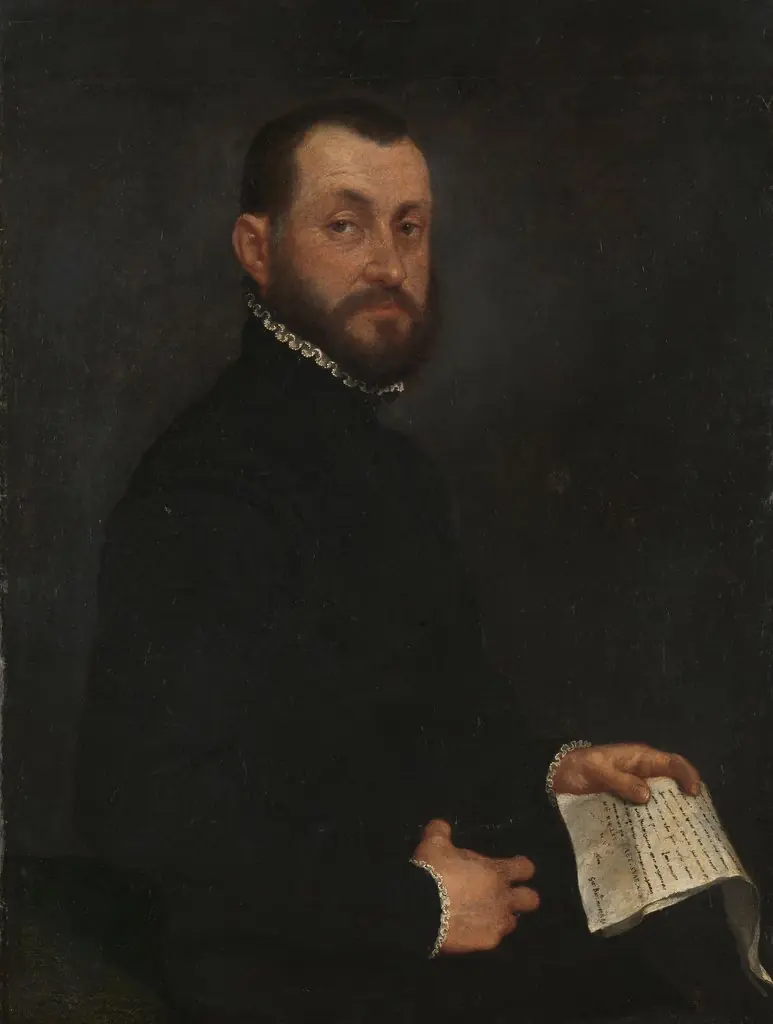 Portrait of a Man
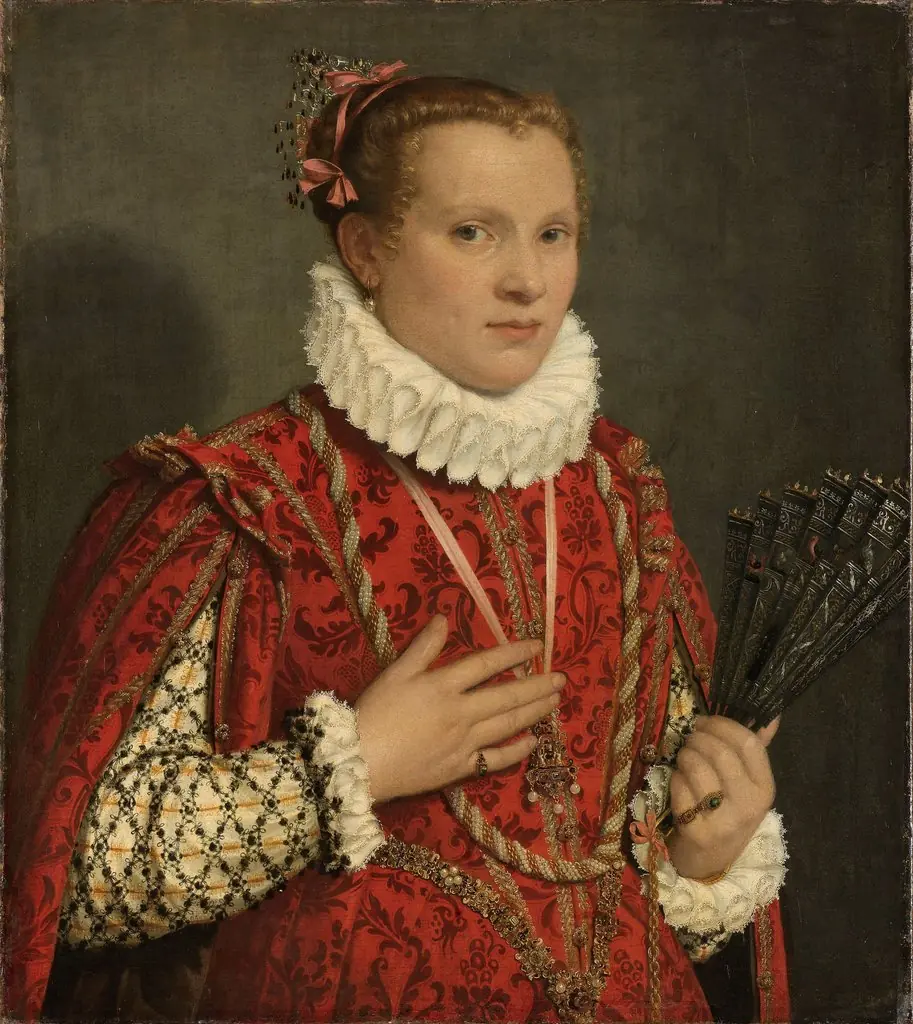 Portrait of a young Woman
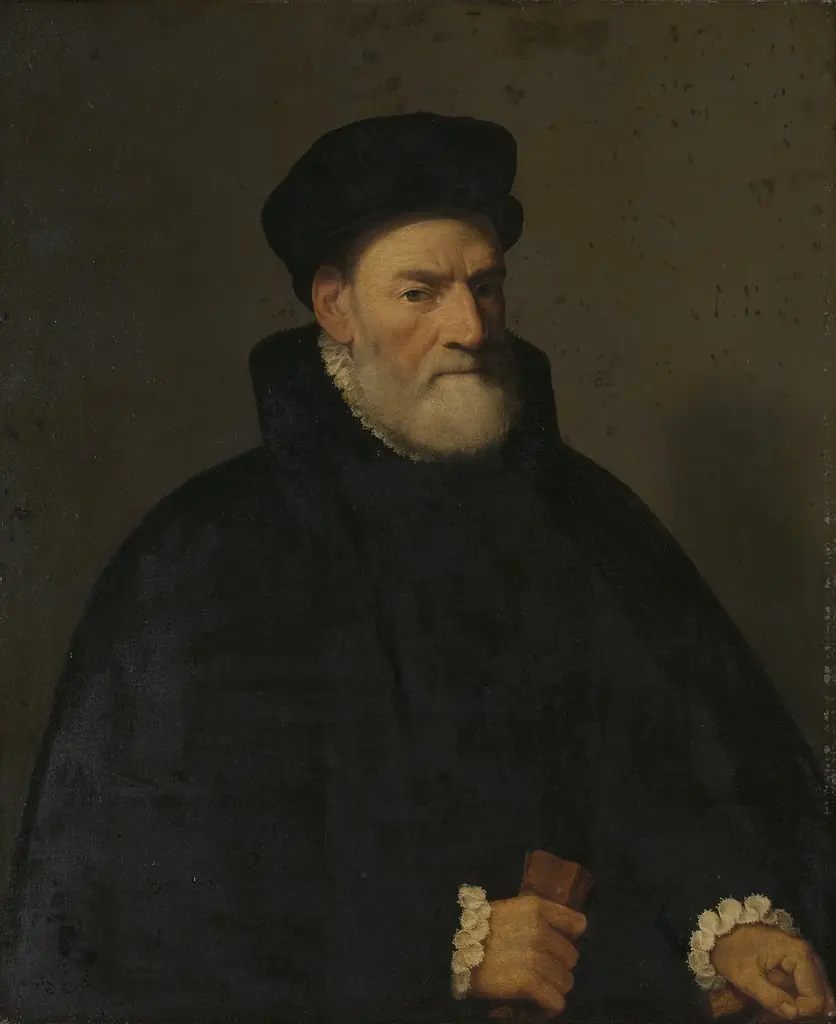 Portrait of an Old Man, probably Vercellino Olivazzi, Senator from Bergamo
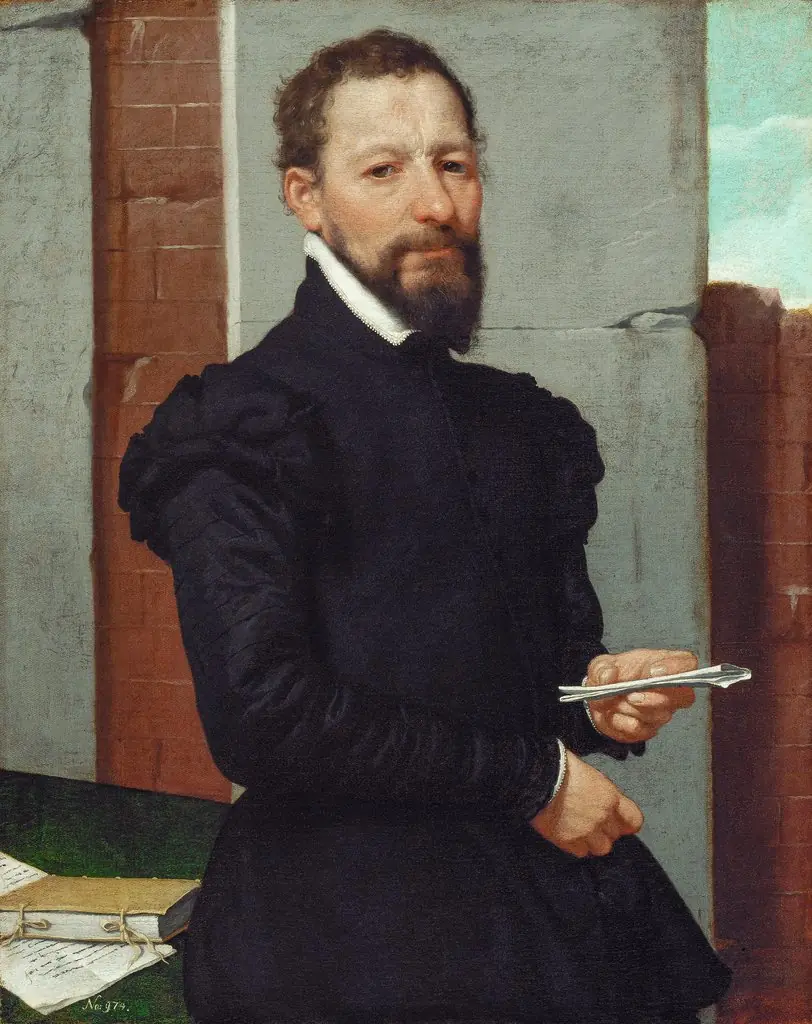 The Orator Giovan Pietro Maffeis (?) (1533-1603)
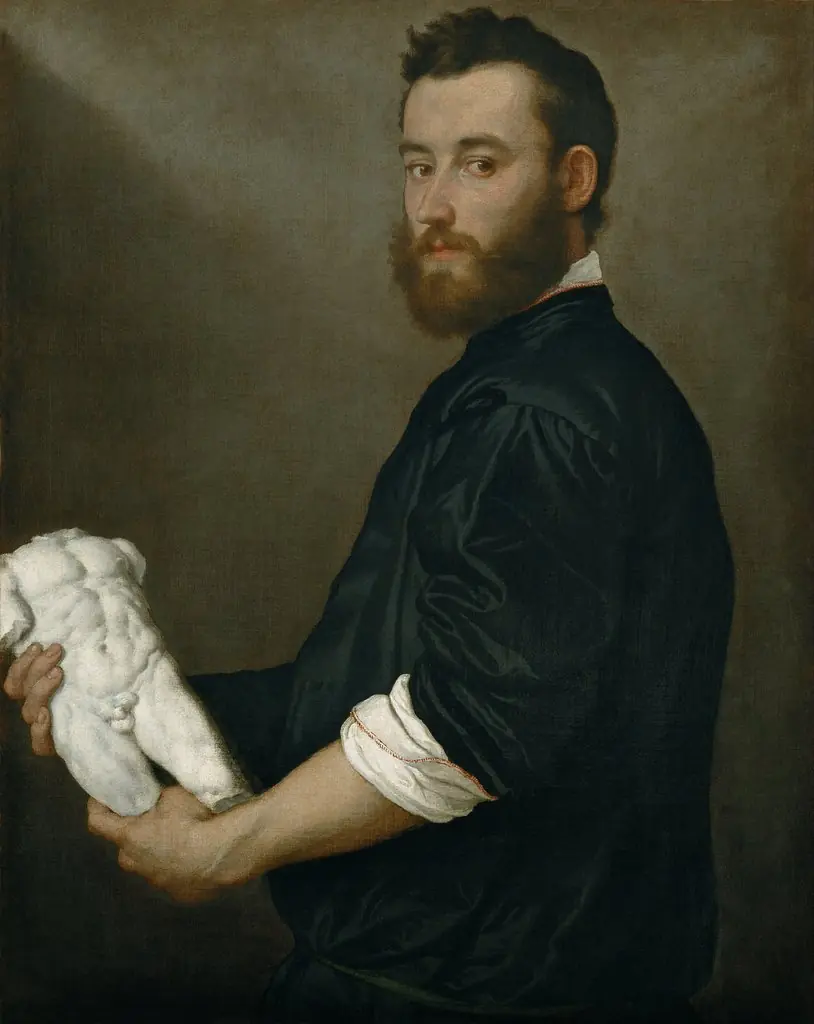 Portrait of the sculptor Alessandro Vittoria