Artwork
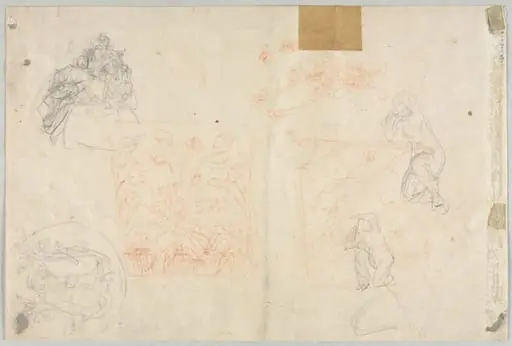
Studies of Hands Playing Instruments (verso)
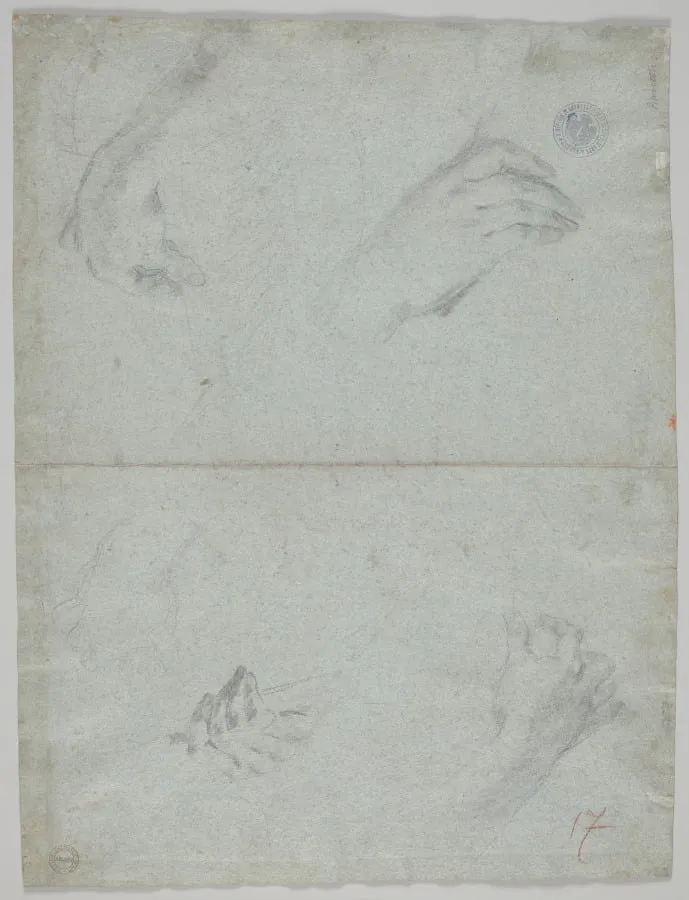
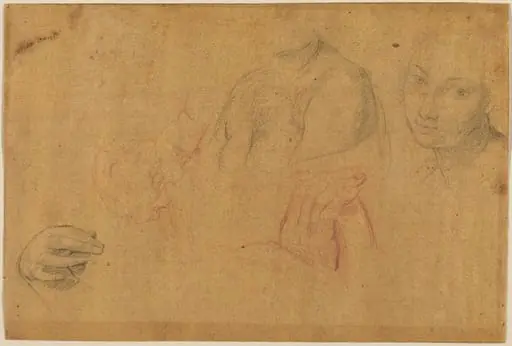
Studies of Hands Playing Instruments (verso) is a drawing by the Baroque artist Giovanni Battista Piazzetta. It dates from 1725 and is held in the collection of the Cleveland Museum of Art.
About this work
Overview
Its intimate scale and fragmentary nature reflect an artist refining specific visual problems before committing to the large-scale work.
This drawing by Giovanni Battista Piazzetta is a preparatory study for a ceiling fresco in Venice, focusing exclusively on hands interacting with musical instruments. Unlike the final monumental composition, which depicts celestial figures in motion, this sheet isolates anatomical details to resolve the challenges of rendering limbs in complex spatial relationships. Its intimate scale and fragmentary nature reflect an artist refining specific visual problems before committing to the large-scale work.
Subject & Meaning
The hands depicted hold flutes, lutes, and violins—objects associated with heavenly music in religious iconography. Though no faces or full figures appear, the instruments imply the presence of angelic musicians. These studies served not as symbolic representations but as technical exercises, helping Piazzetta understand how fingers grip, bend, and cast shadows on curved surfaces, ensuring authenticity in the final celestial scene.
Technique & Style
Piazzetta employed charcoal and chalk with deliberate smudging to model form through gradations of tone rather than outline. The soft transitions between light and shadow demonstrate his mastery of chiaroscuro, adapted here for the demands of di sotto in su perspective. Heavy, confident lines define fabric folds and instrument contours, suggesting he considered how these elements would read from below, across the vast interior of the church.
History & Provenance
Few of Piazzetta’s preparatory drawings survive, making this sheet a rare document of his creative process. It was likely kept in his studio during the development of the Glory of St. Dominic ceiling, completed in 1736 for the church of SS. Giovanni e Paolo in Venice. The drawing entered the Cleveland Museum of Art’s collection in the 20th century, where it remains one of the few extant records of his methodical approach to large commissions.
Context
In early 18th-century Venice, ceiling paintings required artists to solve optical challenges posed by extreme viewing angles. Piazzetta’s use of sculptural models to study poses and lighting was unconventional but effective. While contemporaries often relied on live models or repeated sketches, his focus on isolated body parts reveals a methodical, almost scientific approach to illusionistic painting, distinguishing his practice from more spontaneous Venetian traditions.
Legacy
This study underscores Piazzetta’s commitment to structural precision within expressive, atmospheric compositions. Its survival offers insight into how Baroque artists bridged empirical observation and spiritual representation. Though overshadowed by larger works, such drawings reveal the labor behind illusionistic effects, influencing later generations interested in the mechanics of visual perception and the anatomy of movement.
Artist & collection

Artist
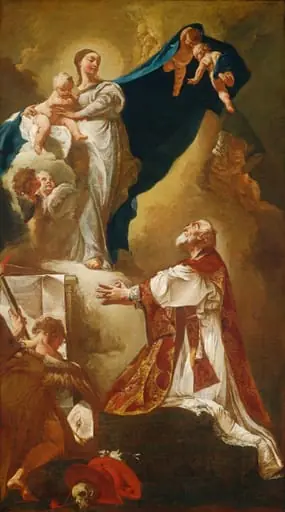
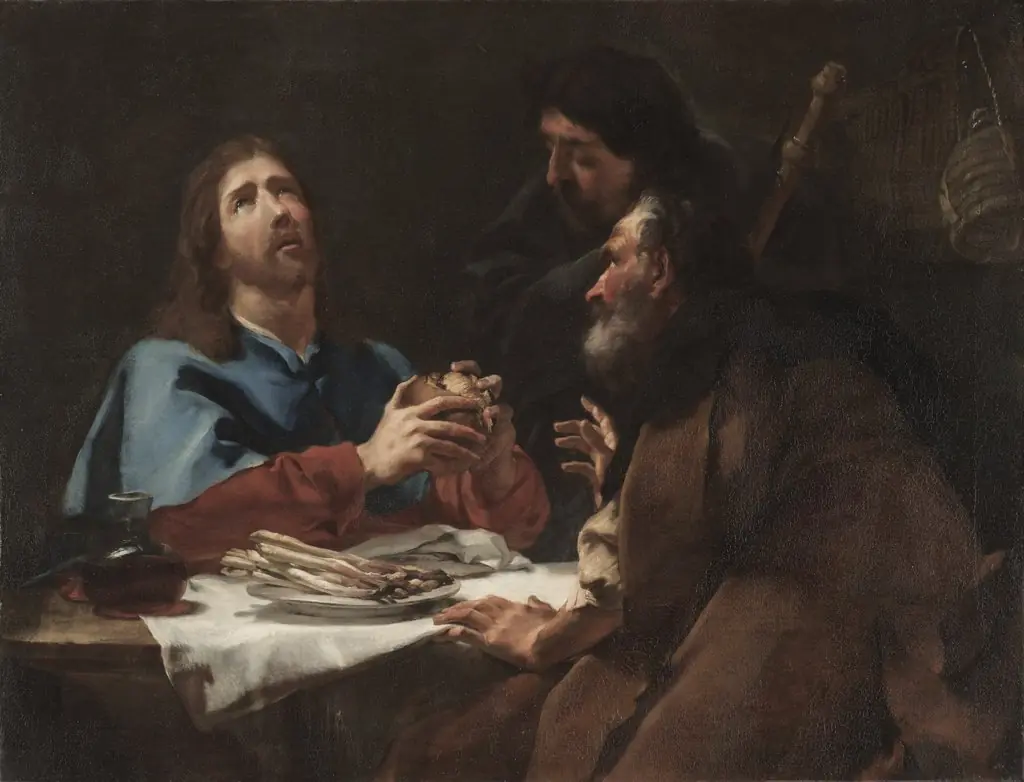
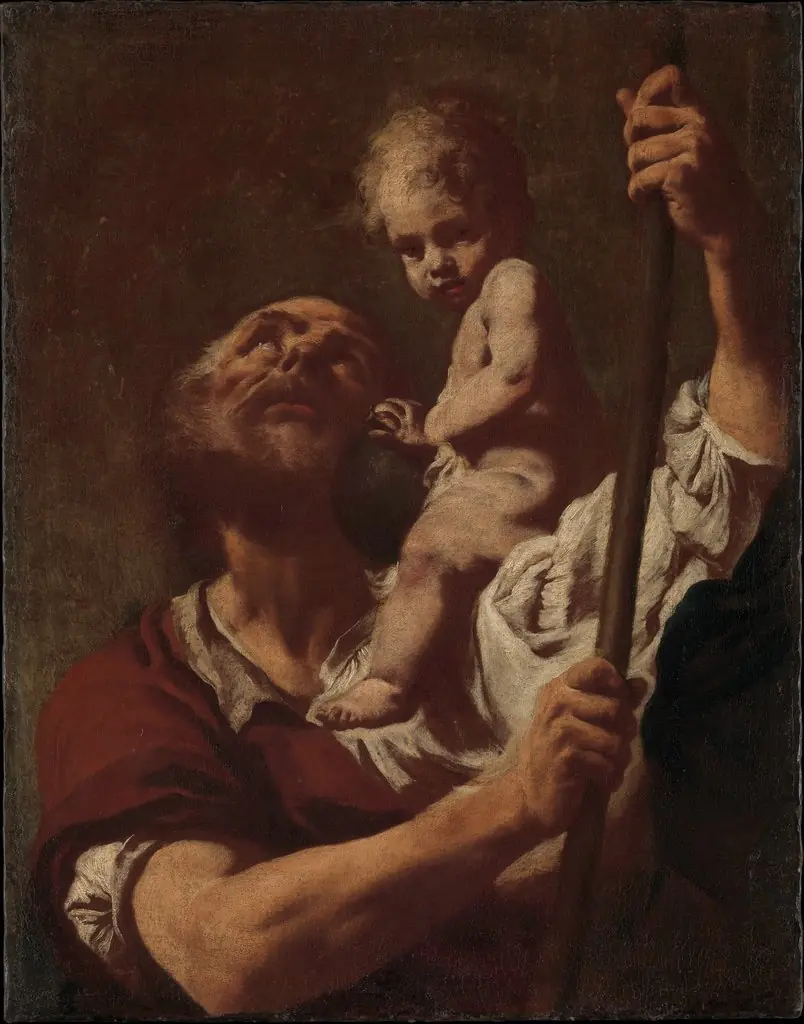
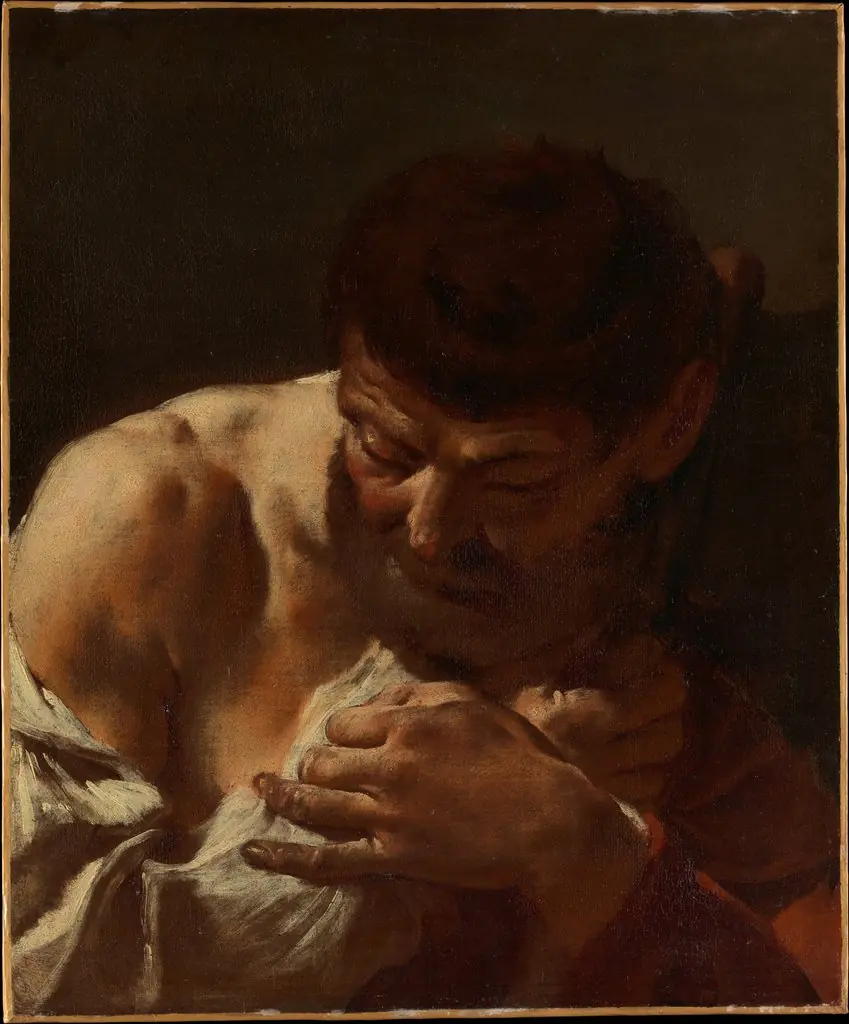
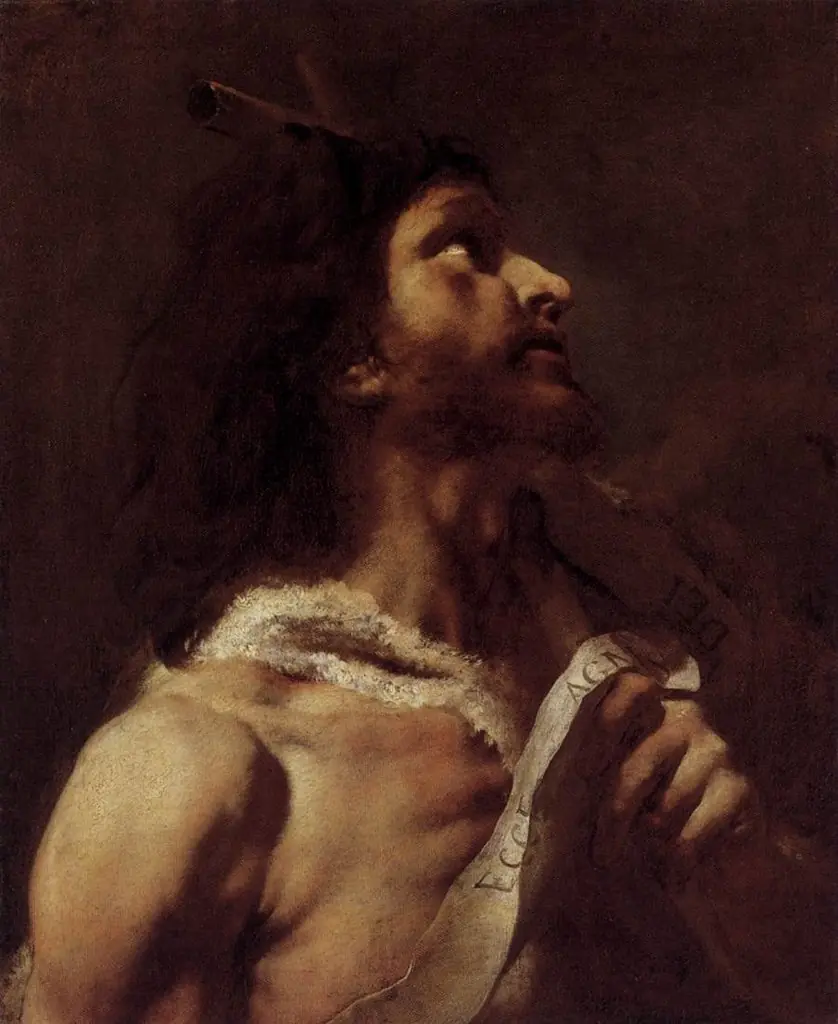
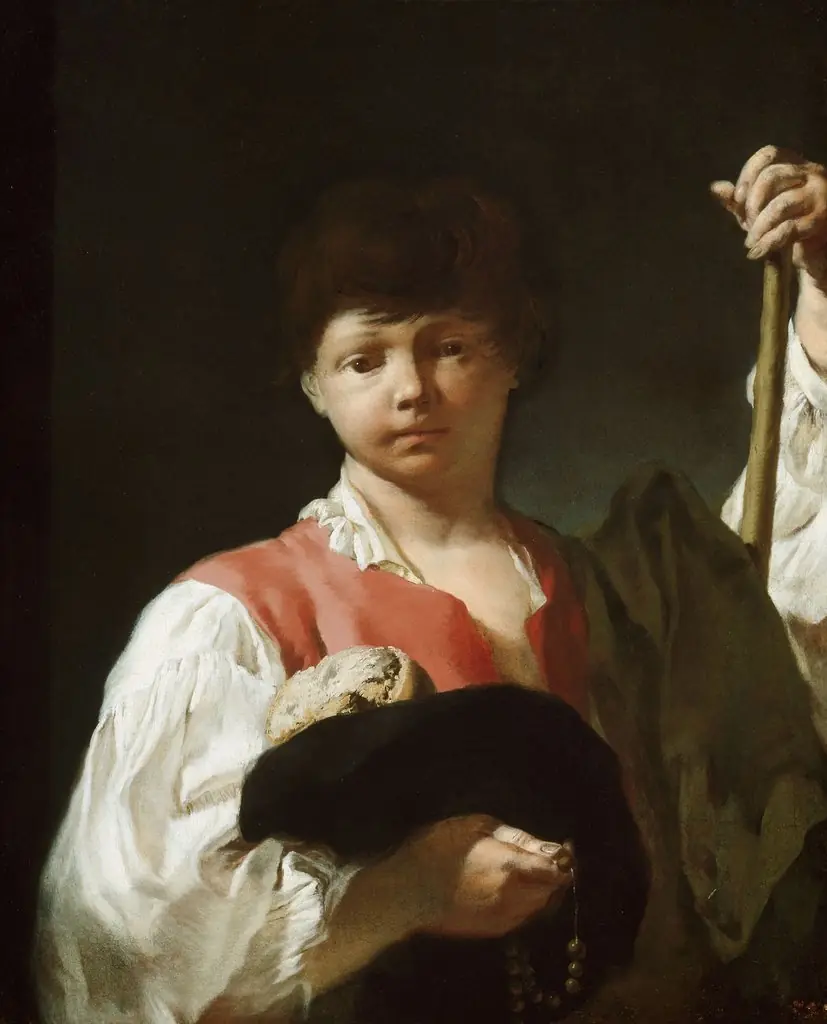
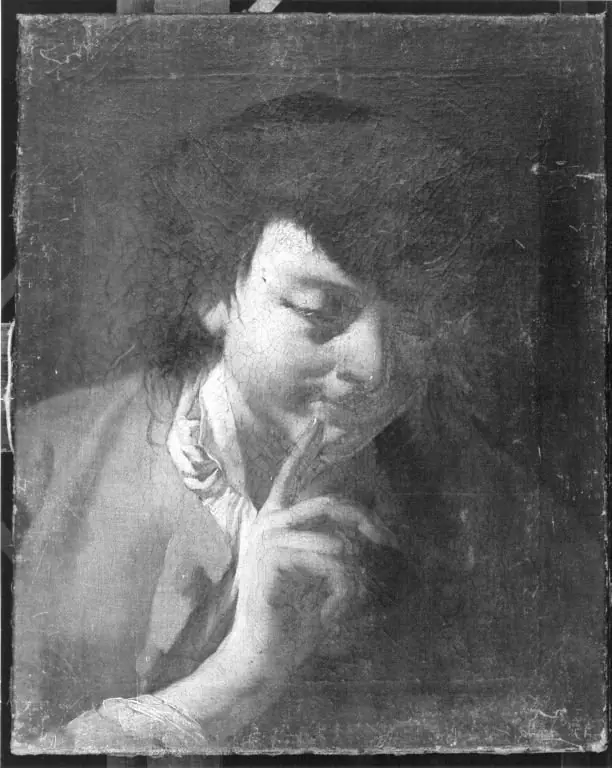
Giovanni Battista Piazzetta (also called Giambattista Piazzetta or Giambattista Valentino Piazzetta) (February 13, 1682 or 1683 – April 28, 1754) was an Italian Rococo painter of religious subjects and genre scenes.

![Study of Two Putti and a Draped Arm [verso], by Giovanni Battista Cipriani](https://artifactworldgallery.com/img/giovanni-battista-cipriani--study-of-two-putti-and-a-draped-arm-verso--47f39e682d8c982d-w320.webp)
![Study of the "Ecorché" [recto], by Paul Cezanne](https://artifactworldgallery.com/img/paul-cezanne--study-of-the-ecorche-recto--1614b86d796e004d-w320.webp)
![Study of a Foot [verso], by Benjamin Haydon](https://artifactworldgallery.com/img/benjamin-haydon--study-of-a-foot-verso--1953df802be24b7d-w320.webp)
![Figure Studies [verso], by George Romney](https://artifactworldgallery.com/img/george-romney--figure-studies-verso--19708132818b32a0-w320.webp)