Artwork
The Virgin and Child Seated in Clouds
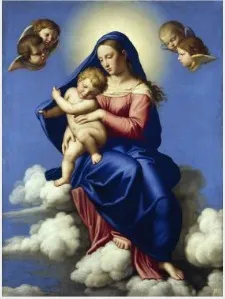
The Virgin and Child Seated in Clouds is an oil painting by the Early Baroque Italian artist Giovanni Battista Salvi da Sassoferrato. It dates from 1657 and is held in the collection of the National Gallery of Ireland.
About this work
Overview
The composition is quiet and intimate, emphasizing stillness over drama.
Painted around 1657 by Giovanni Battista Salvi da Sassoferrato, this oil-on-canvas work presents the Virgin Mary and Christ Child suspended in a soft, luminous cloud. The composition is quiet and intimate, emphasizing stillness over drama. Though rooted in the Baroque era, the painting avoids theatricality, favoring a calm, devotional tone that reflects the artist’s reverence for High Renaissance ideals, particularly those of Raphael.
Subject & Meaning
The Virgin, seated gently amid clouds, holds the Christ Child, who reaches toward her face in a gesture of tender connection. Her downward gaze and the child’s upward movement suggest mutual affection and spiritual intimacy. The surrounding glow around her head and the three cherubs above imply divine presence, reinforcing the sacred nature of the moment without overt symbolism. The scene invites quiet contemplation rather than awe.
Technique & Style
Salvi employed fine brushwork to render the faces with exceptional detail, capturing subtle expressions and delicate skin tones. The rest of the painting—clouds, drapery, and background—is rendered with looser, more simplified strokes, directing focus to the figures. The use of soft light and muted colors, particularly the blue veil and pink robe, enhances the serenity. The style deliberately echoes Raphael’s clarity and balance, rejecting Baroque dynamism in favor of classical restraint.
History & Provenance
The painting entered the collection of the National Gallery of Ireland in the 19th century, though its earlier ownership remains undocumented. It was likely commissioned for private devotion, consistent with Salvi’s production of small-scale religious images for chapels or domestic altars. Its preservation and consistent attribution to the artist support its authenticity within his late oeuvre, produced during his mature period in Rome.
Context
In mid-17th century Italy, many artists turned away from the dramatic intensity of early Baroque toward a return to classical harmony. Salvi was part of this trend, aligning himself with the legacy of Raphael rather than Caravaggio’s realism. His works catered to a devotional audience seeking calm, idealized representations of sacred figures, reflecting broader Counter-Reformation preferences for clarity and piety in religious imagery.
Legacy
Though not widely known outside specialist circles, Salvi’s paintings, including this one, exemplify a quiet strand of Baroque art that prioritized spiritual serenity over spectacle. His adherence to Renaissance models influenced later 18th-century collectors and artists who valued compositional purity. Today, the painting remains a quiet testament to a style that sought divine presence through stillness and refined form.
Artist & collection
Artist
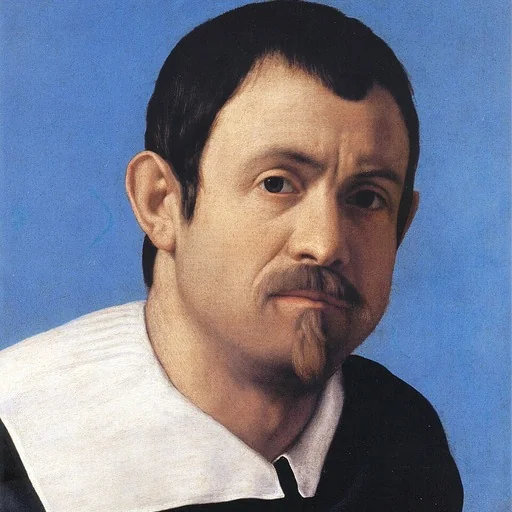
Giovanni Battista Salvi da Sassoferrato
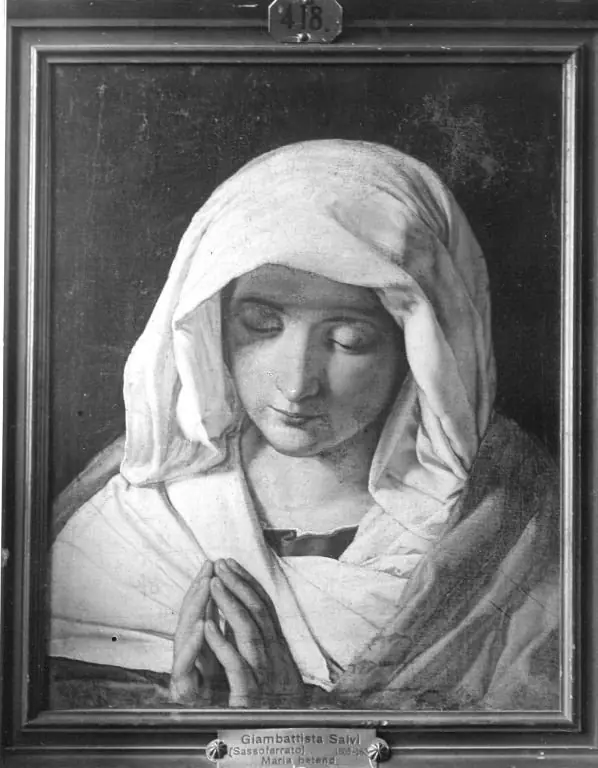
Giovanni Battista Salvi da Sassoferrato (25 August 1609 – 8 August 1685), also known as Giovanni Battista Salvi, was an Italian Baroque painter, known for his archaizing commitment to Raphael's style.

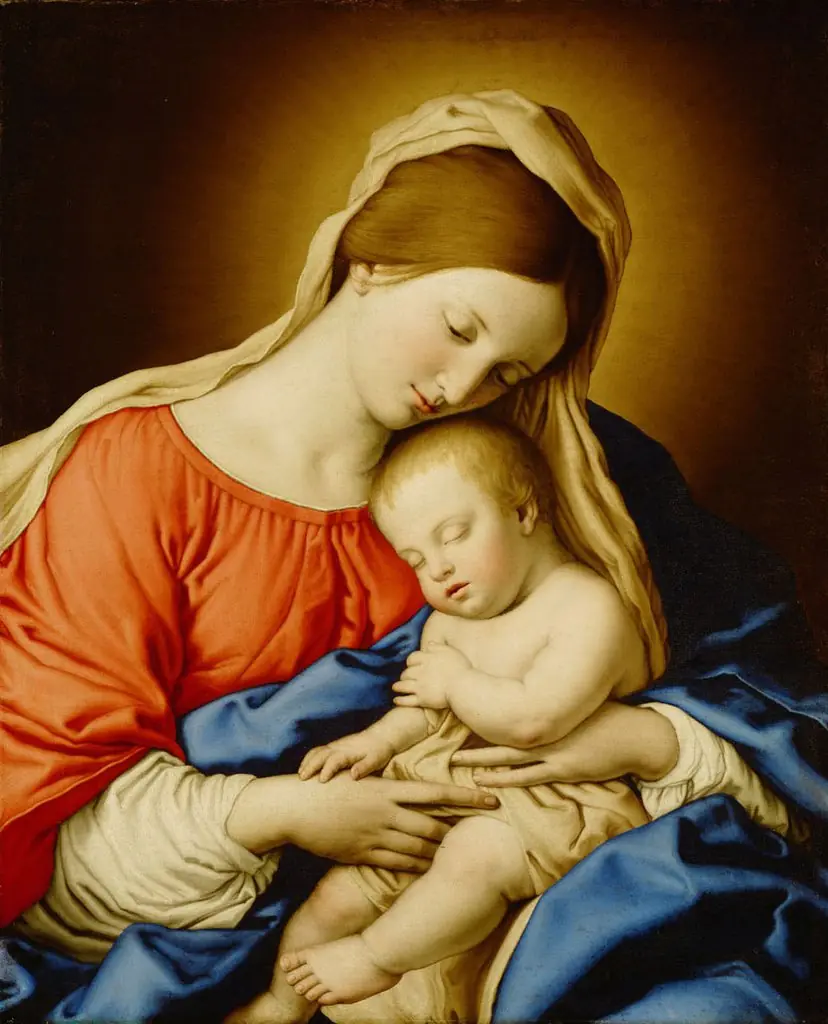
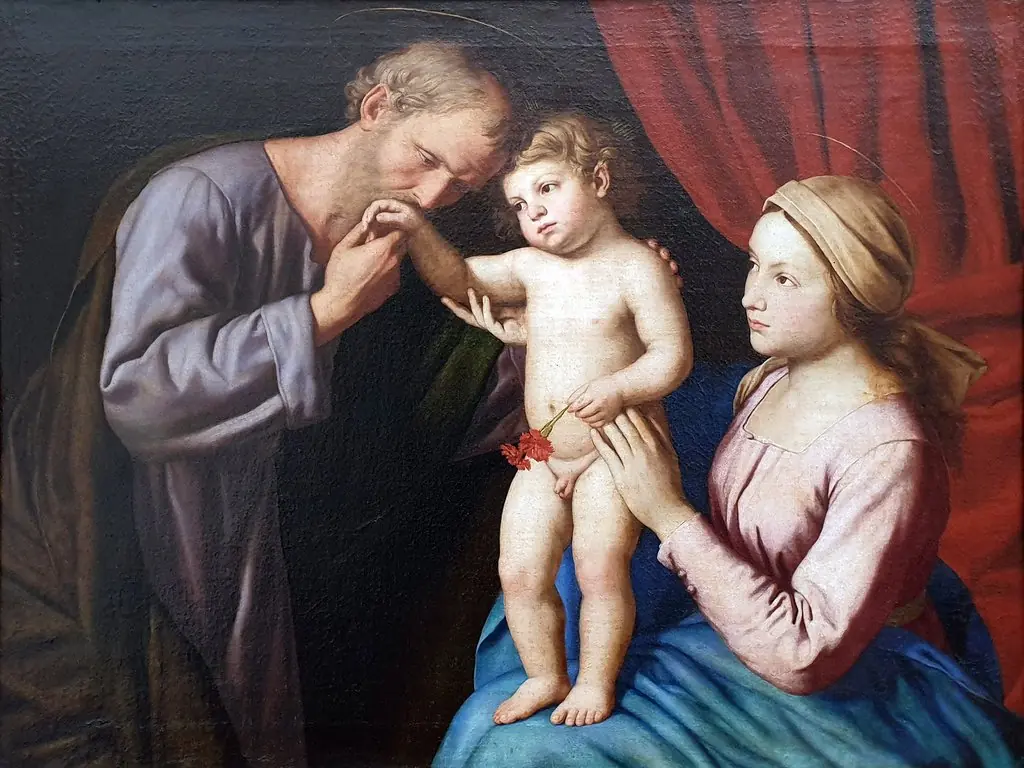
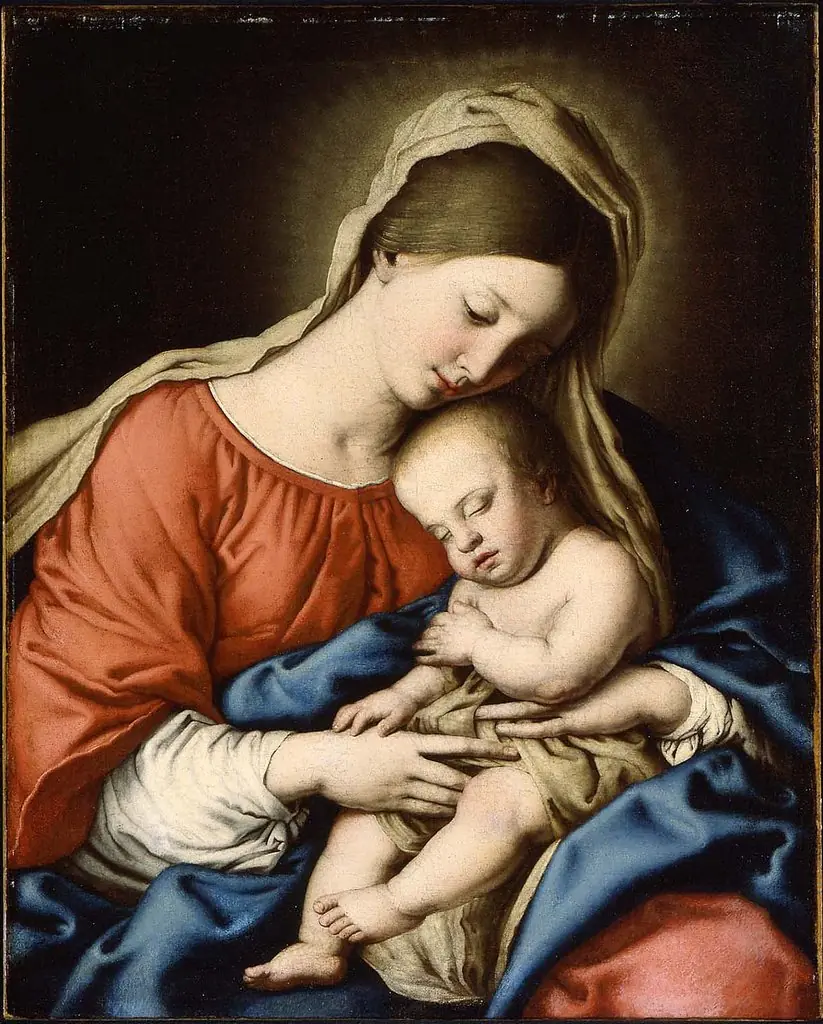
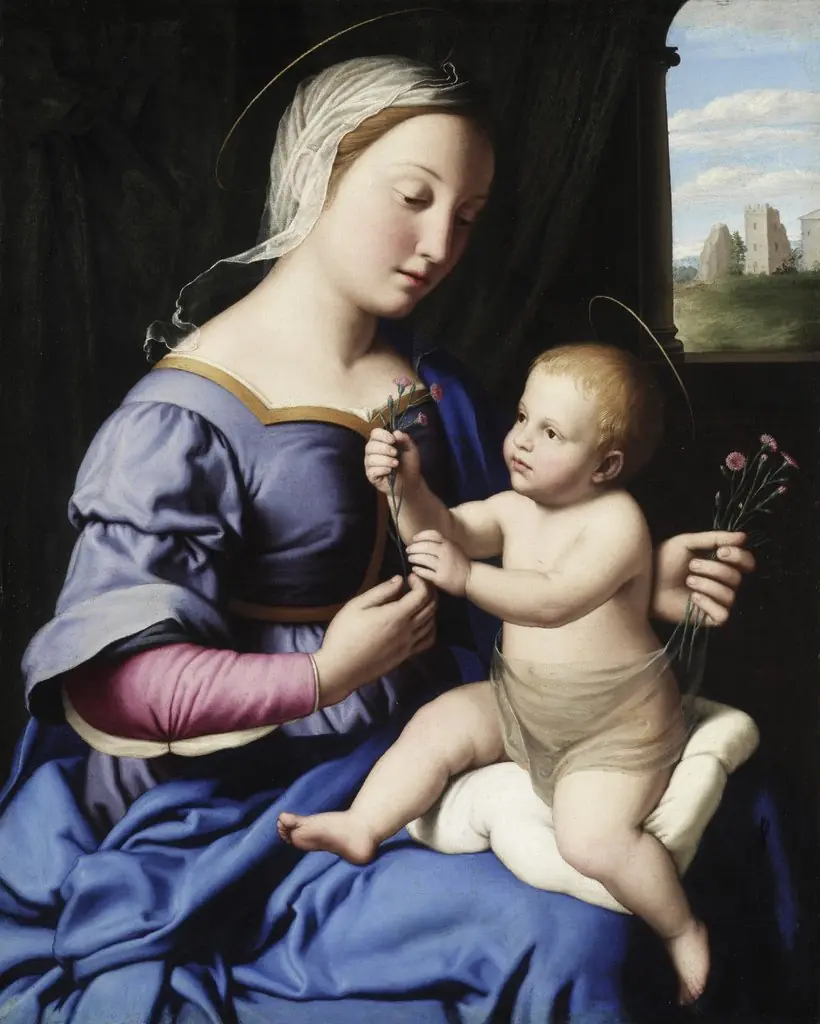
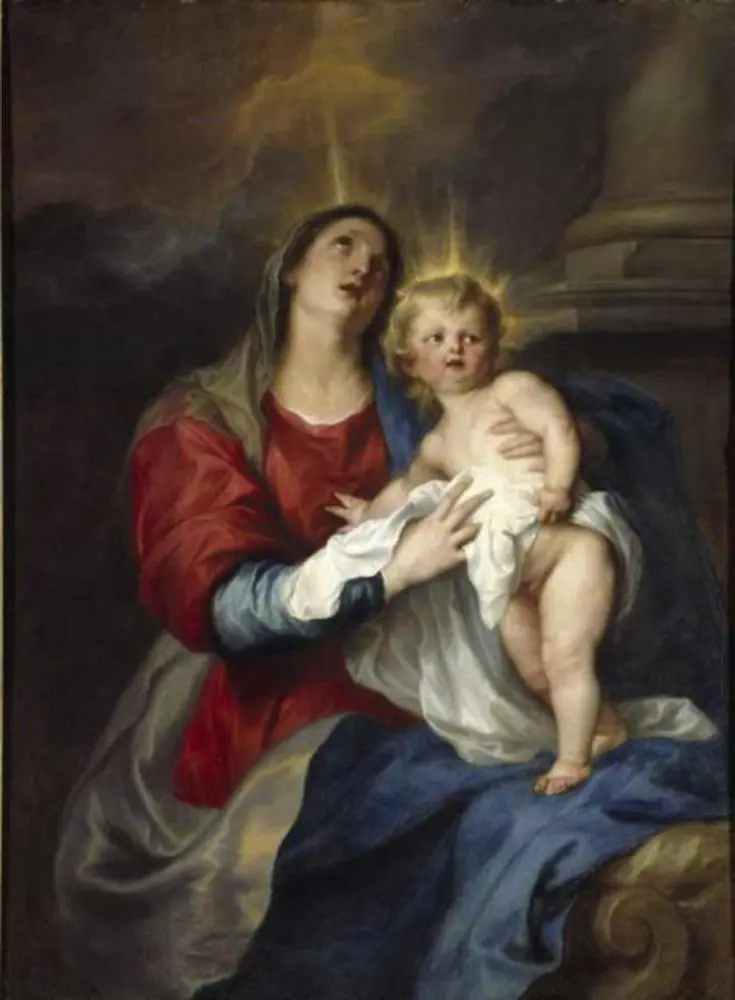 The Virgin and Child
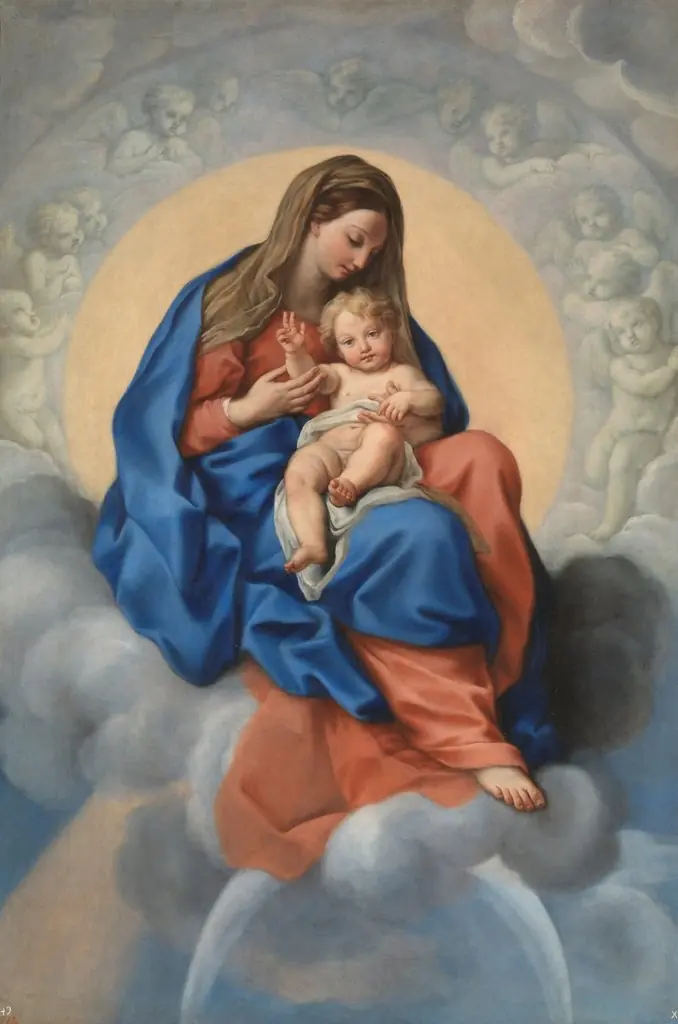 The Virgin and Child in Glory
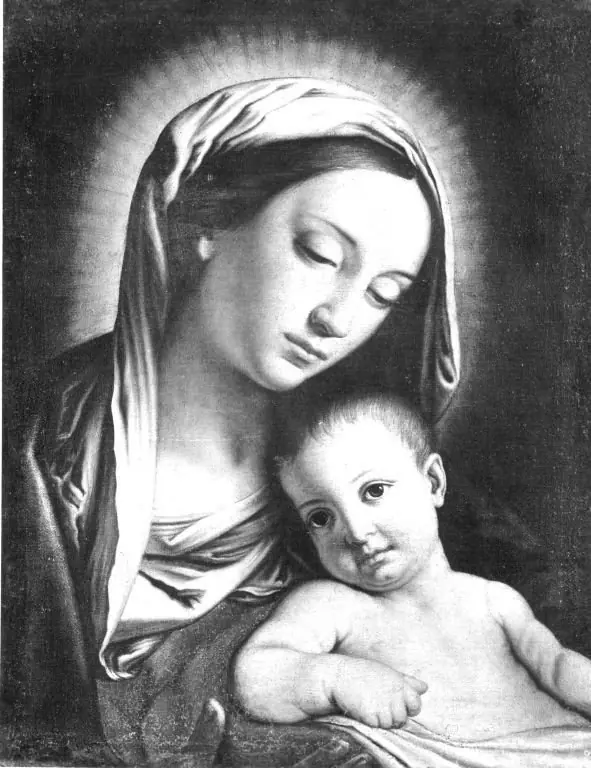
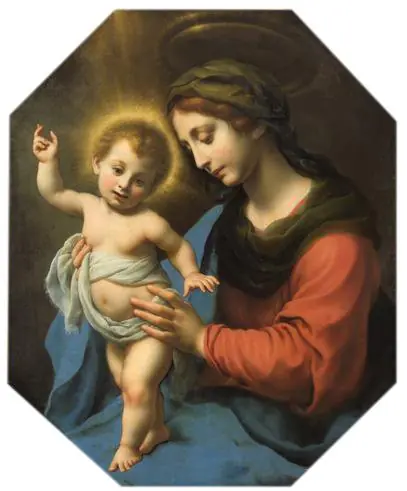 Maria With Child
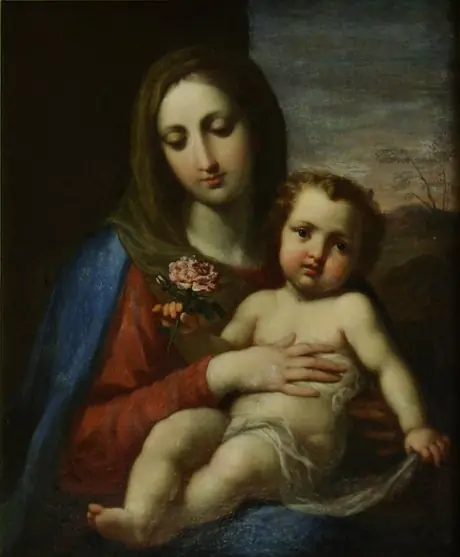 Saint mary with Jesus
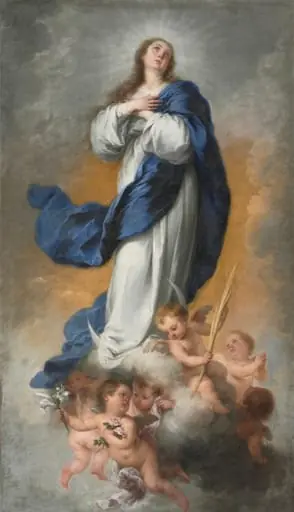 The Immaculate Conception
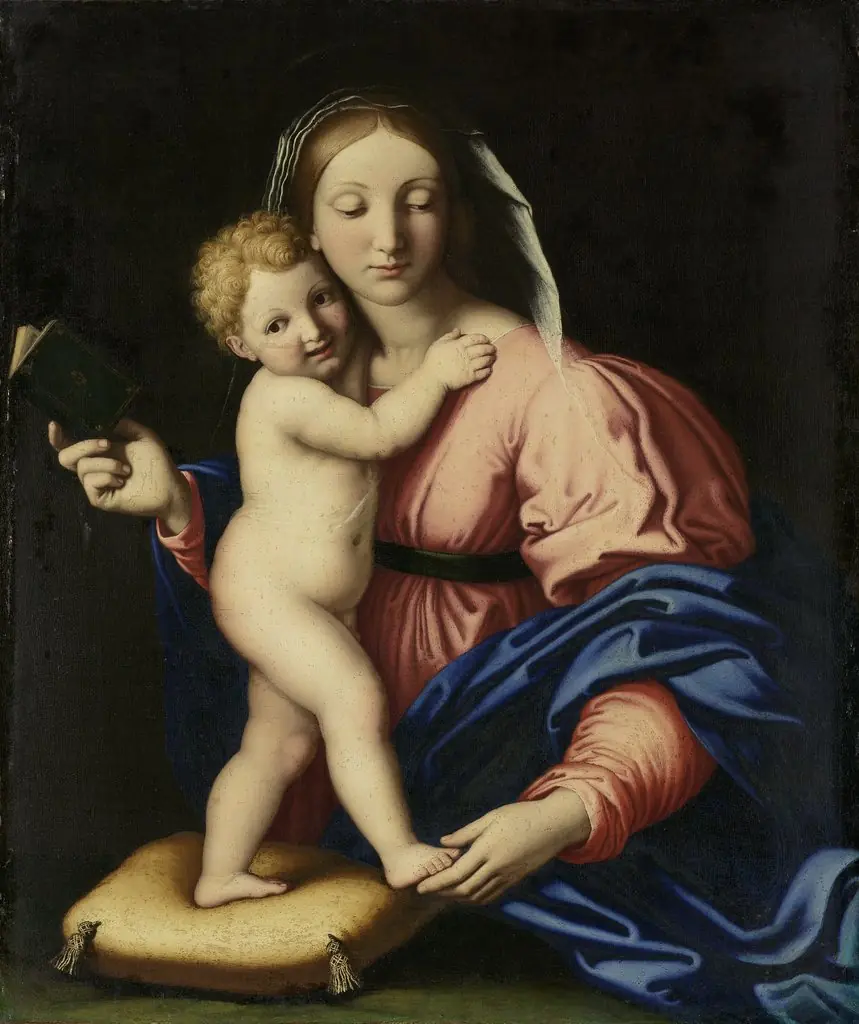
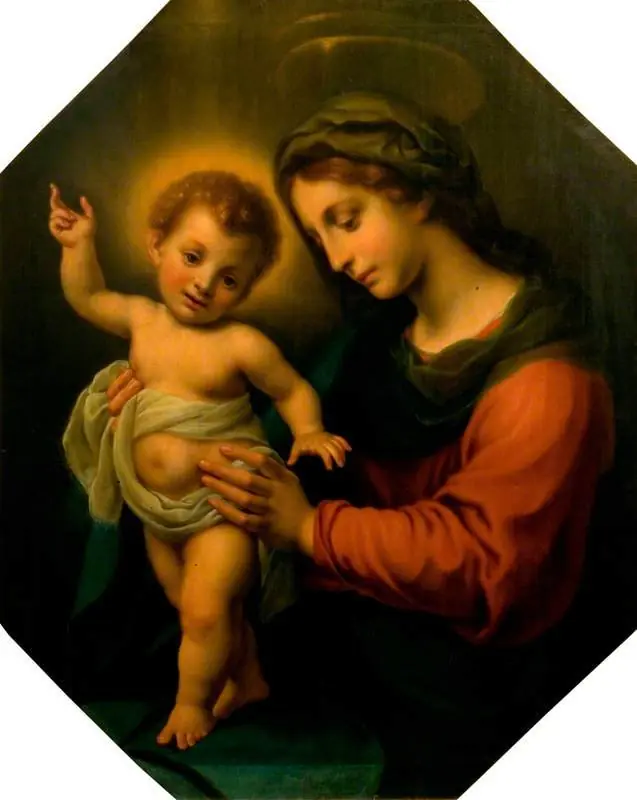 The Virgin Holding the Standing Infant
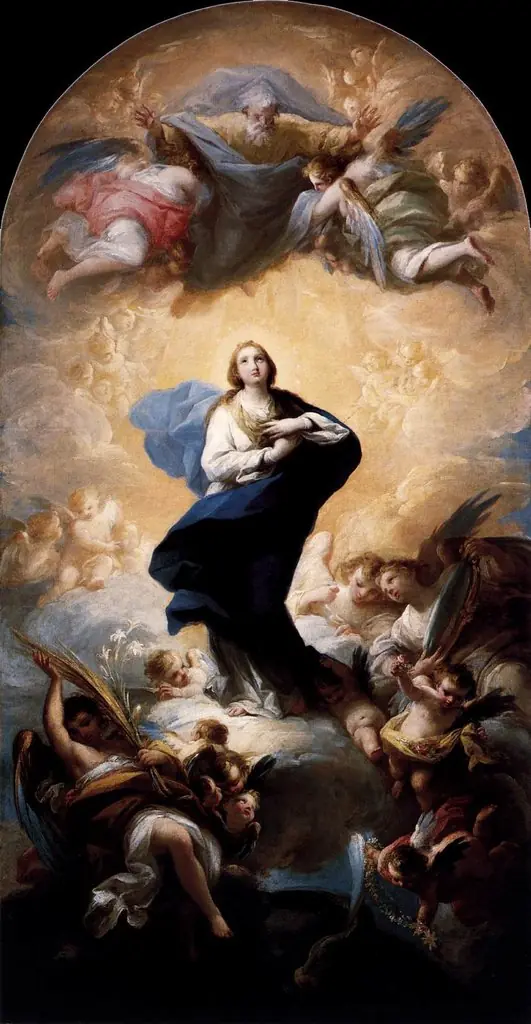 The Immaculate Conception
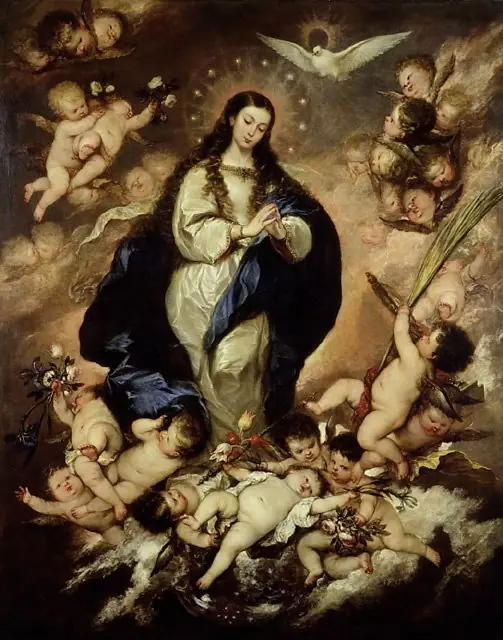 The Immaculate Conception
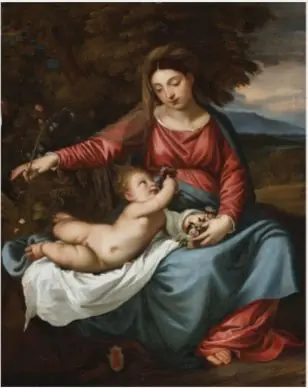 The Virgin and Child
 The Virgin and Child with Saint John the Baptist
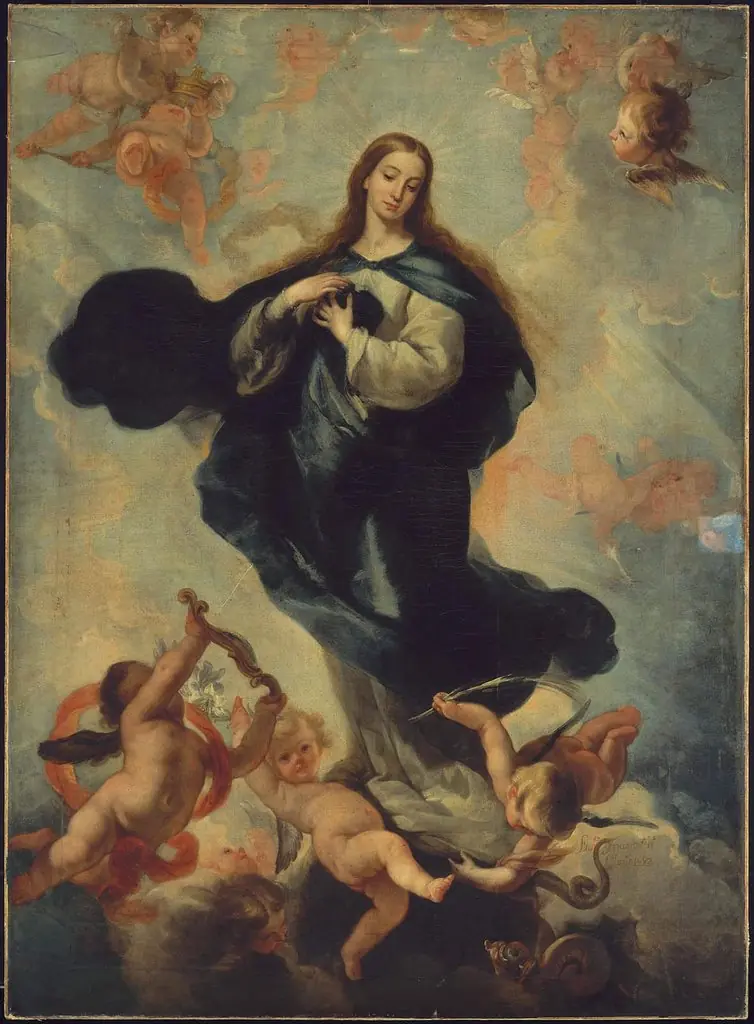 The Virgin of the Immaculate Conception
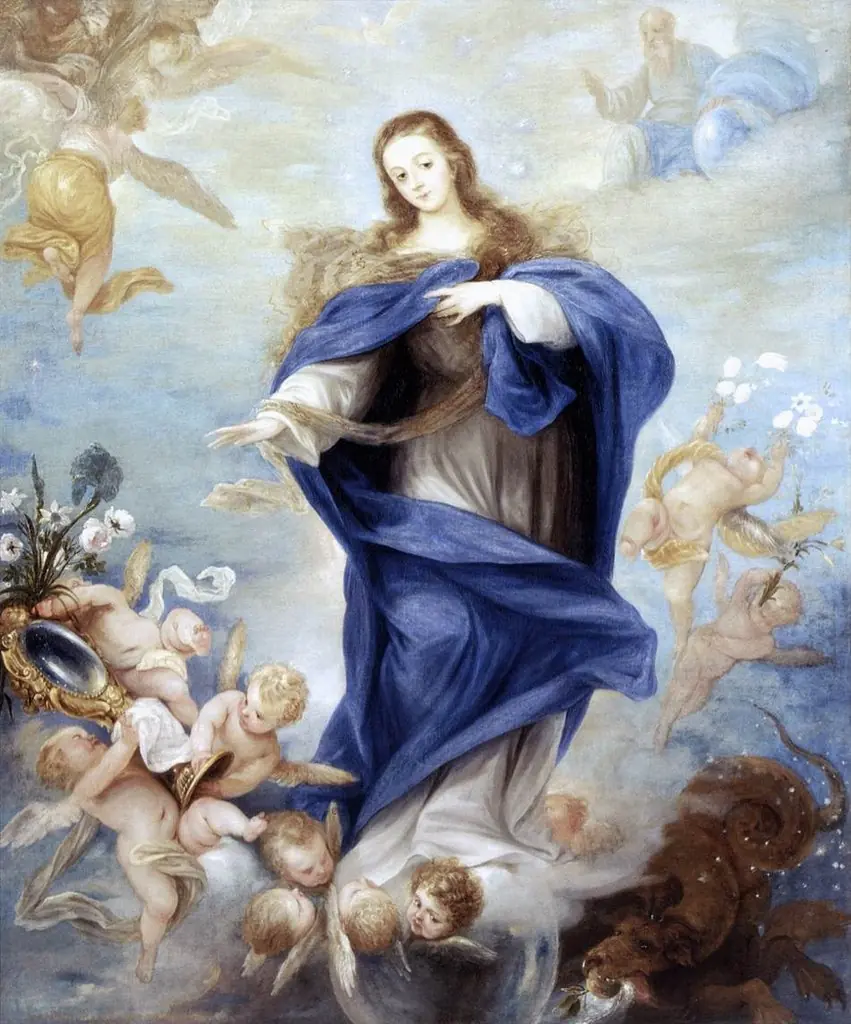 The Immaculate Conception