Artwork
The Virgin and Child
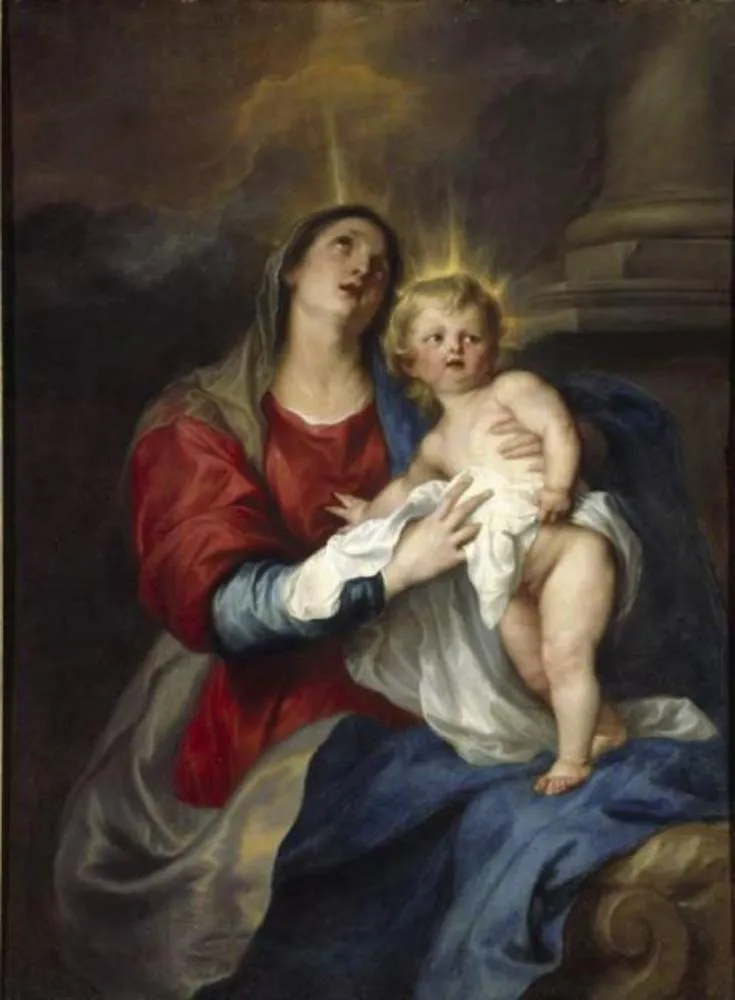
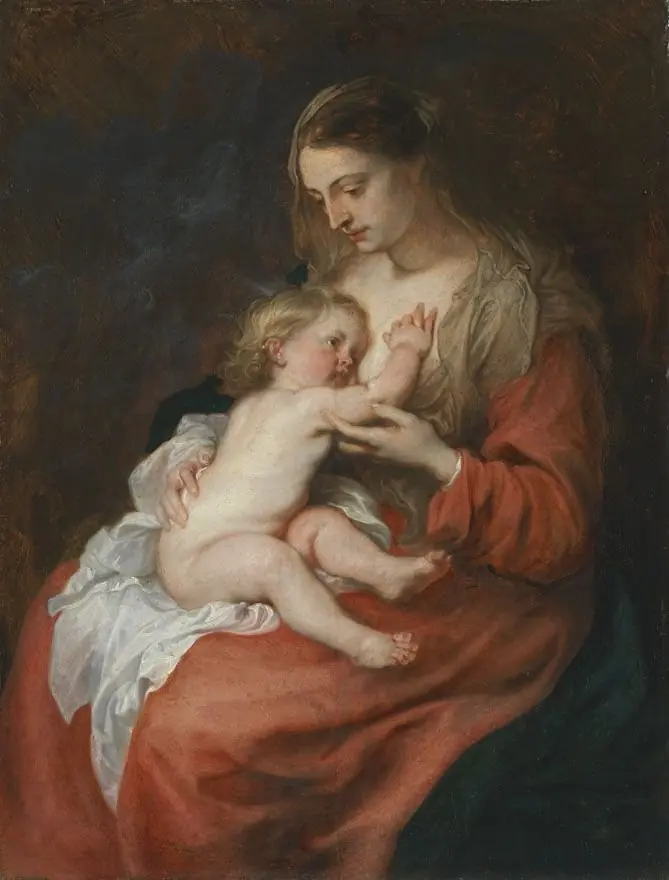
The Virgin and Child is an oil painting by the Flemish Baroque painting artist Anthony van Dyck. It dates from 1628 and is held in the collection of the Fitzwilliam Museum.
About this work
Overview
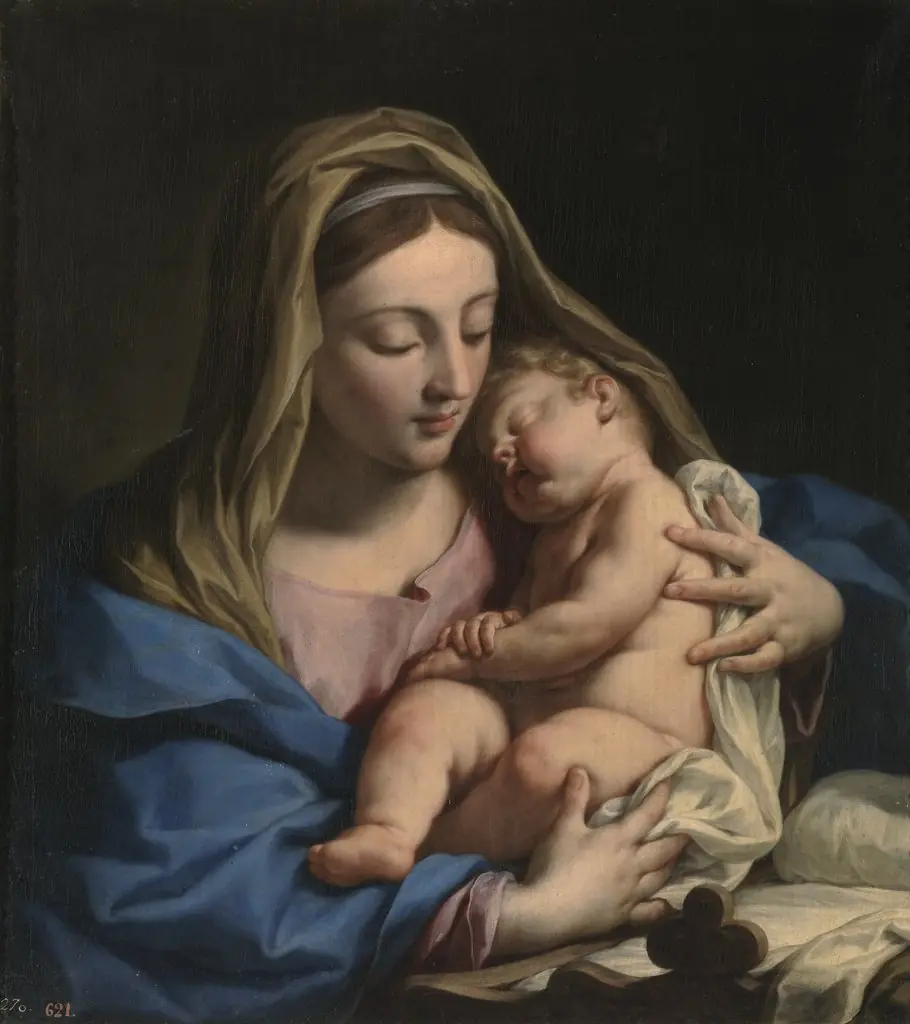
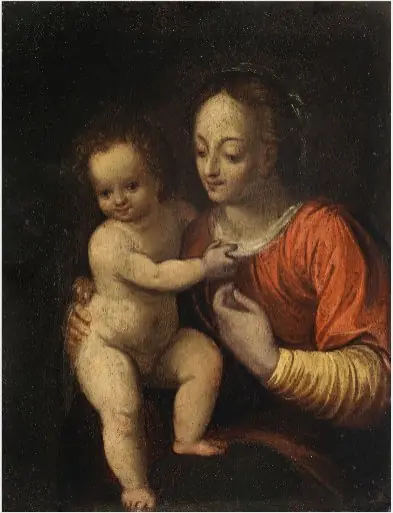
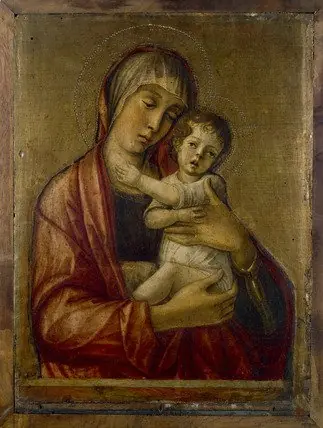
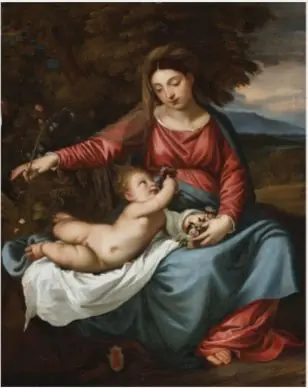
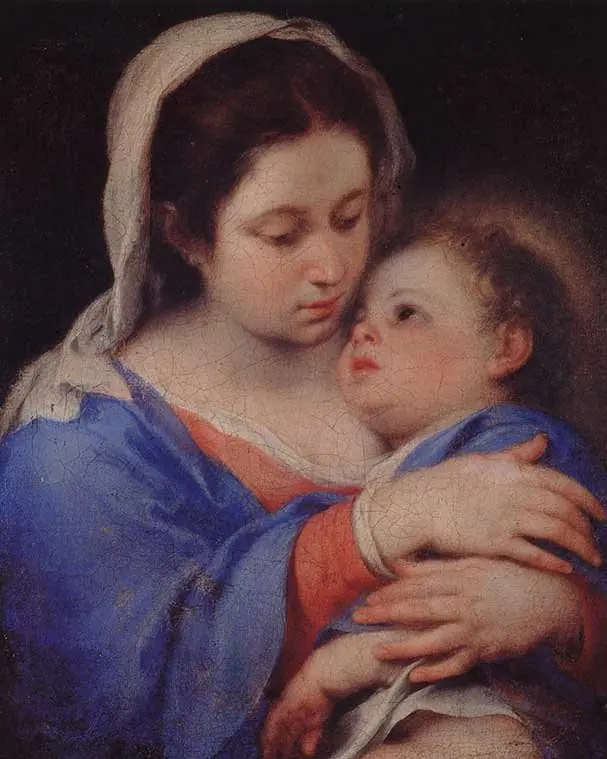
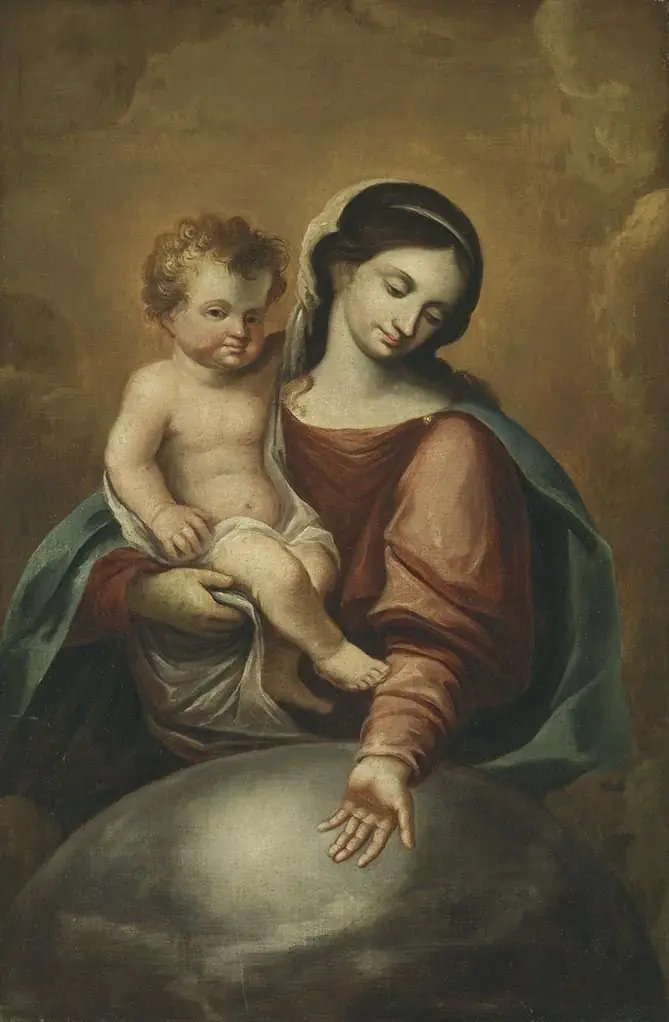
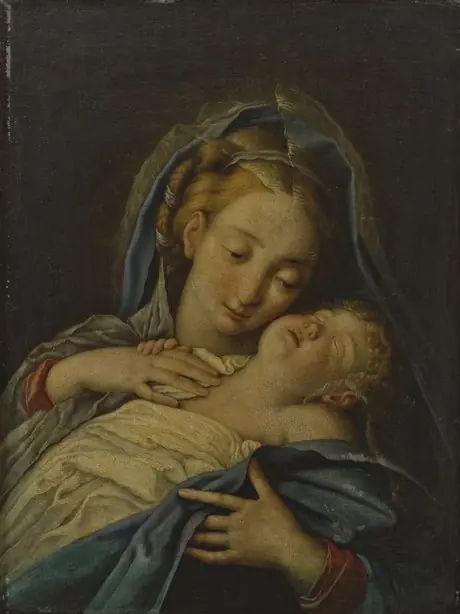
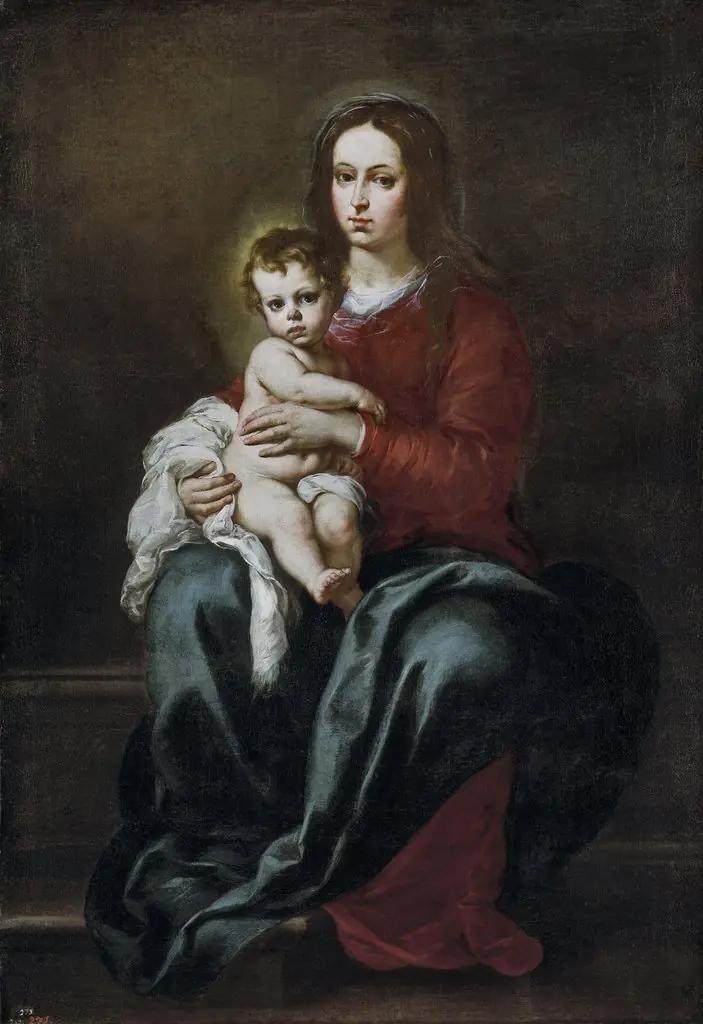
Anthony van Dyck’s *Virgin and Child*, executed in oil in 1628, presents a serene mother‑daughter pair set against a dark backdrop. The composition rests on a cloud‑like platform, with the figures illuminated by a subtle golden glow that emphasizes their gentle interaction.
Subject & Meaning
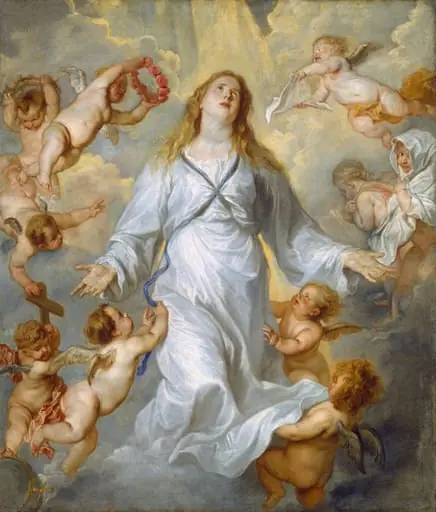
The painting portrays the Virgin Mary in a red robe and blue mantle, cradling the infant Jesus. Mary’s calm expression and upward gaze suggest contemplation and devotion, while the child’s rounded face and faint halo convey innocence and divine presence.
Technique & Style
Van Dyck employs chiaroscuro, contrasting deep shadows with soft highlights to model the figures’ forms. The smooth drapery folds and the warm rendering of flesh demonstrate the Flemish Baroque emphasis on realistic texture and emotional immediacy.
History & Provenance
Created during van Dyck’s early mature period, the work eventually entered the collection of the Fitzwilliam Museum in Cambridge, where it remains on display as part of the institution’s holdings of 17th‑century European art.
Context
The painting reflects the influence of Peter Paul Rubens, under whom van Dyck apprenticed, while also showcasing his developing personal style. It aligns with the broader Flemish Baroque tradition, which favored dramatic lighting, naturalistic detail, and devotional subjects.
Artist & collection
Artist
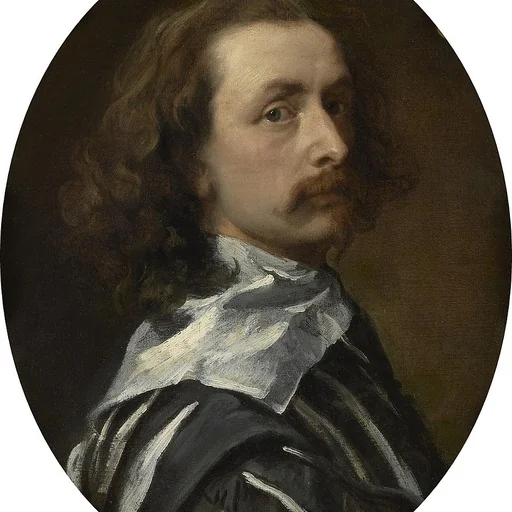
Sir Anthony van Dyck (; Dutch: Antoon van Dijck ; 22 March 1599 – 9 December 1641) was a Flemish Baroque artist, who became the leading court painter in England after success in the Spanish Netherlands and Italy.