Artwork
Deposition
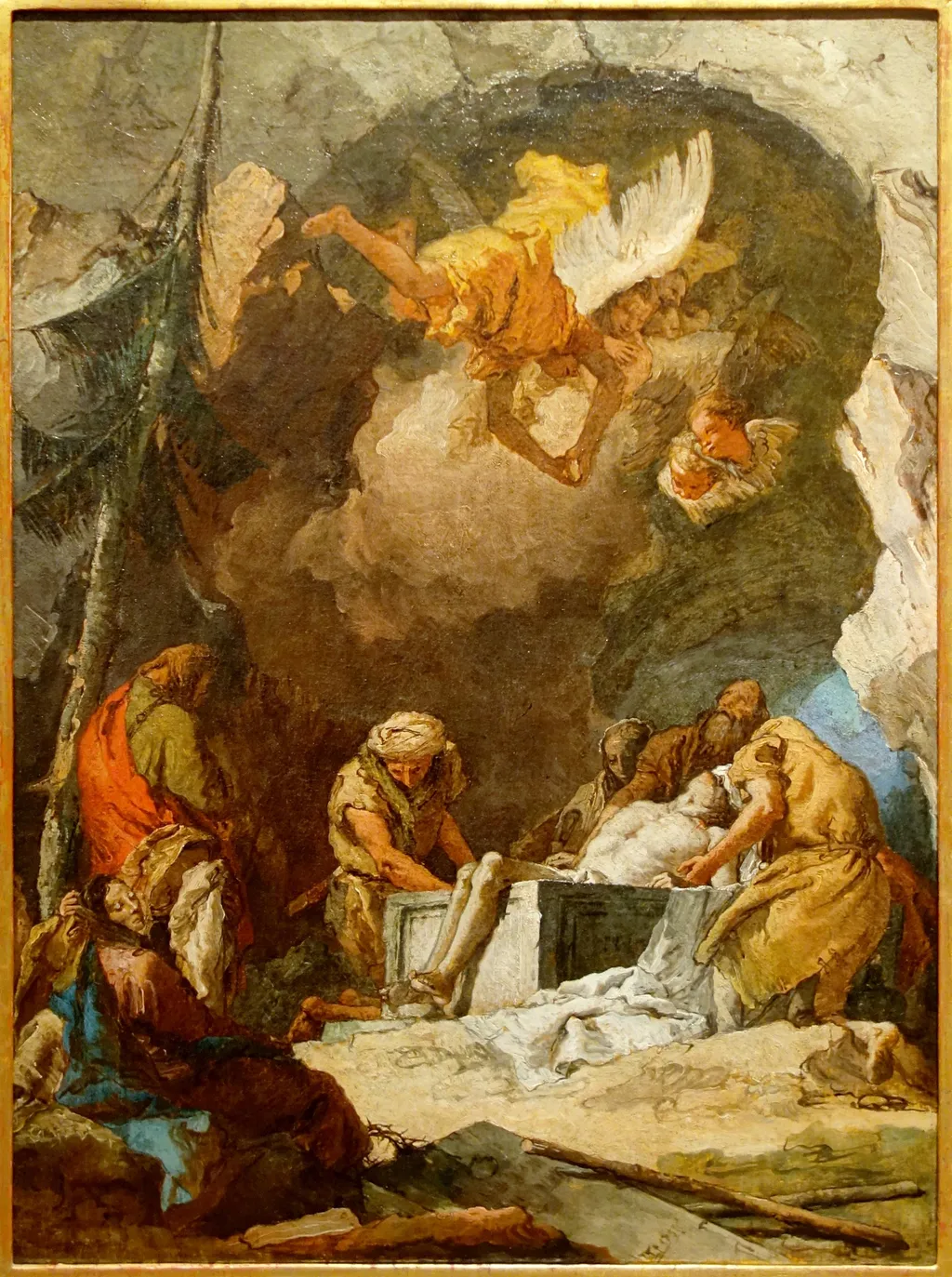
Deposition is an unspecified painting by the Rococo painting artist Giovanni Battista Tiepolo. It dates from 1767 and is held in the collection of the National Museum of Ancient Art.
About this work
Overview
Painted in Madrid in 1770, just months before his death, Giovanni Battista Tiepolo’s Deposition is among his final works.
Painted in Madrid in 1770, just months before his death, Giovanni Battista Tiepolo’s Deposition is among his final works. Executed in oil on canvas, it was acquired by the Museu Nacional de Arte Antiga in Lisbon in 2008 after the Portuguese state exercised its right of first refusal following a public auction. The painting was formally recognized as a national heritage asset in early 2008, affirming its cultural and artistic significance within Portugal’s collection of European art.
Subject & Meaning
The scene depicts the moment after Christ’s body has been lowered from the cross, placed on a stone slab within a cavernous space. Three figures attend to the dead Christ: one kneels in reverence, another leans forward in quiet grief, and a third stands watch, draped in vivid red. Above, a celestial being hovers, holding an object—perhaps a cloth or instrument of the Passion—introducing a spiritual dimension to the earthly mourning. The composition emphasizes solemnity over theatricality, focusing on intimate human sorrow.
Technique & Style
Tiepolo employs loose, expressive brushwork and a muted yet warm palette to convey emotional weight. Strong chiaroscuro defines the figures against the dark cave, with light falling unevenly to model flesh and fabric. The floating angel, rendered with luminous gold tones, contrasts with the earthy tones below, creating a subtle tension between the mortal and the divine. The texture of the rock and drapery is suggested rather than meticulously rendered, reflecting Tiepolo’s late style—more atmospheric and less polished than his earlier works.
History & Provenance
The painting remained in the possession of the Portuguese Pinto-Basto family for generations before being offered at auction in late 2007. The Portuguese state intervened to secure it for the national collection, paying 1.5 million euros. Its acquisition was formalized by decree in January 2008, citing its artistic merit and material integrity. It entered the Museu Nacional de Arte Antiga’s collection in May 2008, joining two other Tiepolo works previously acquired from the same family and royal holdings.
Context
Tiepolo painted this work during his final years in Spain, where he was employed by the Spanish royal court. While his earlier works often featured grand mythological and allegorical themes, this late piece turns inward, focusing on a quiet, intimate moment of Christian devotion. Its somber tone and reduced scale contrast with his monumental ceiling frescoes, suggesting a personal or spiritual shift in his later years, possibly influenced by age and the proximity of death.
Legacy
The Deposition stands as a testament to Tiepolo’s enduring command of emotional nuance and painterly freedom. Its inclusion in Portugal’s national collection underscores its value as a rare late work by a major Venetian master outside Italy. Alongside the museum’s other Tiepolo paintings, it contributes to a broader understanding of his stylistic evolution and the transnational reach of his influence in 18th-century European art.
Artist & collection

Artist
Giovanni Battista Tiepolo, also known as Giambattista Tiepolo, was an Italian painter and printmaker from the Republic of Venice who painted in the Rococo style, considered an important member of the 18th-century Venetian school.



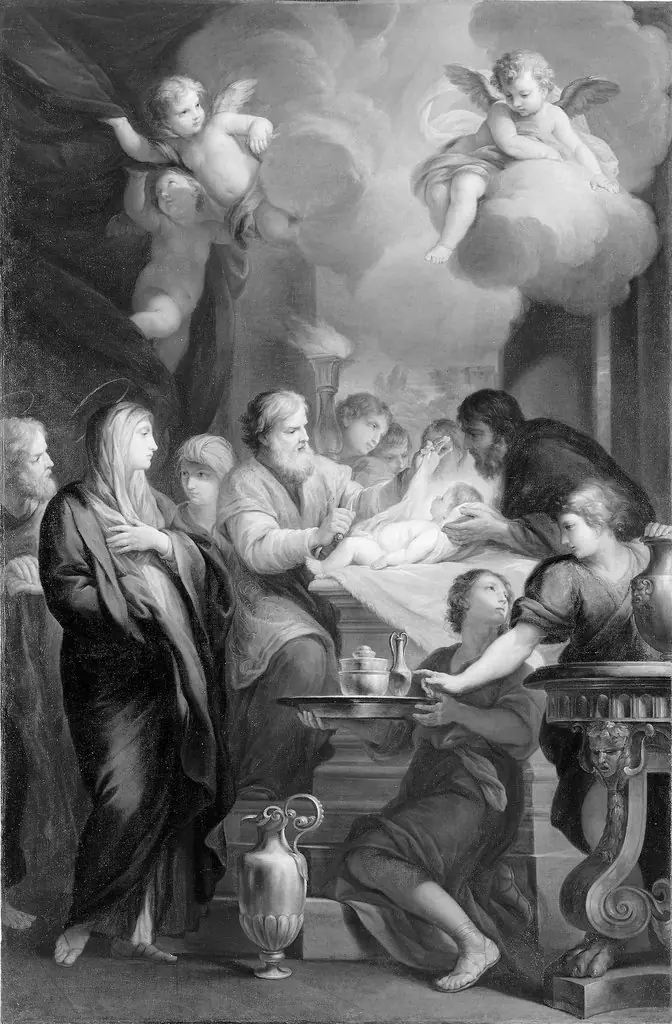 The Circumcision
 Adoration of the Shepherds
 Christ in the Garden of Gethsemane
 Verheißung an Joachim und Begegnung von Joachim und Anna an der Goldenen Pforte
 Scene from the Martyrdom of St. Andrew
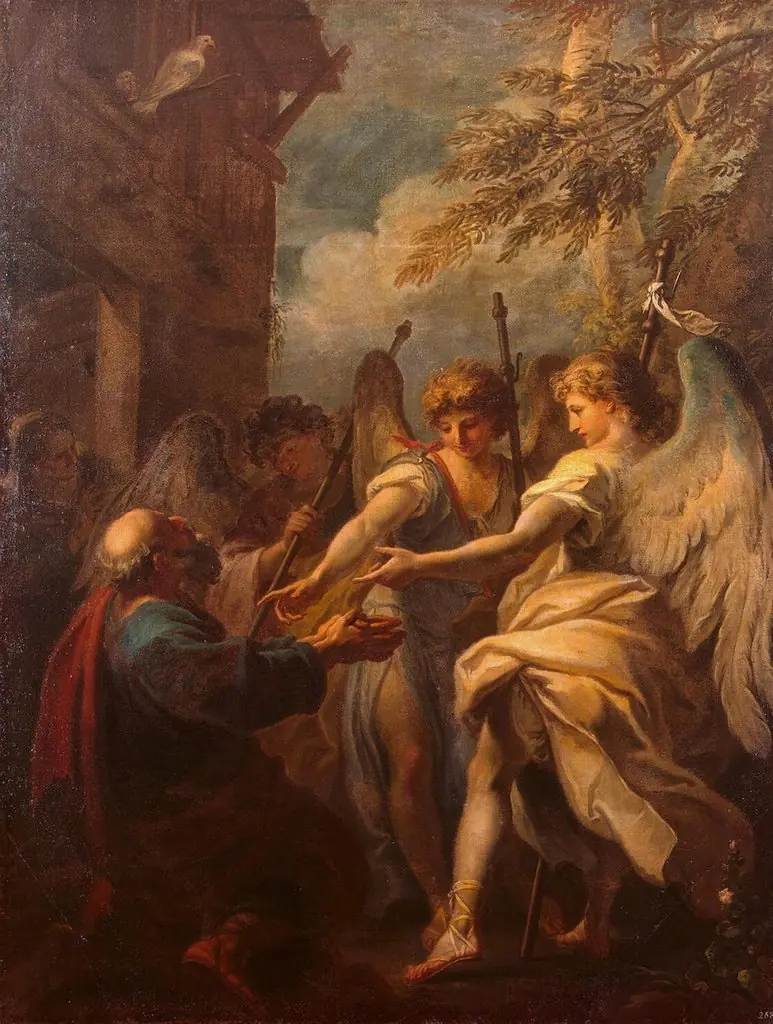 Abraham and the Angels
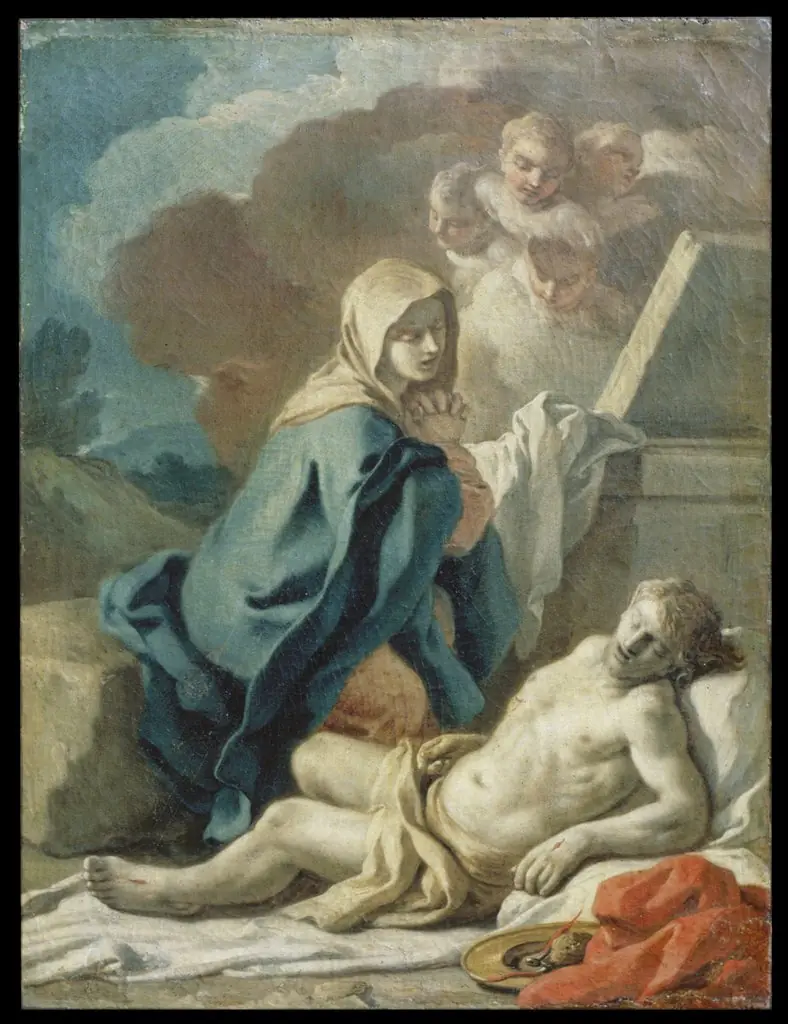 Pietà
Pietà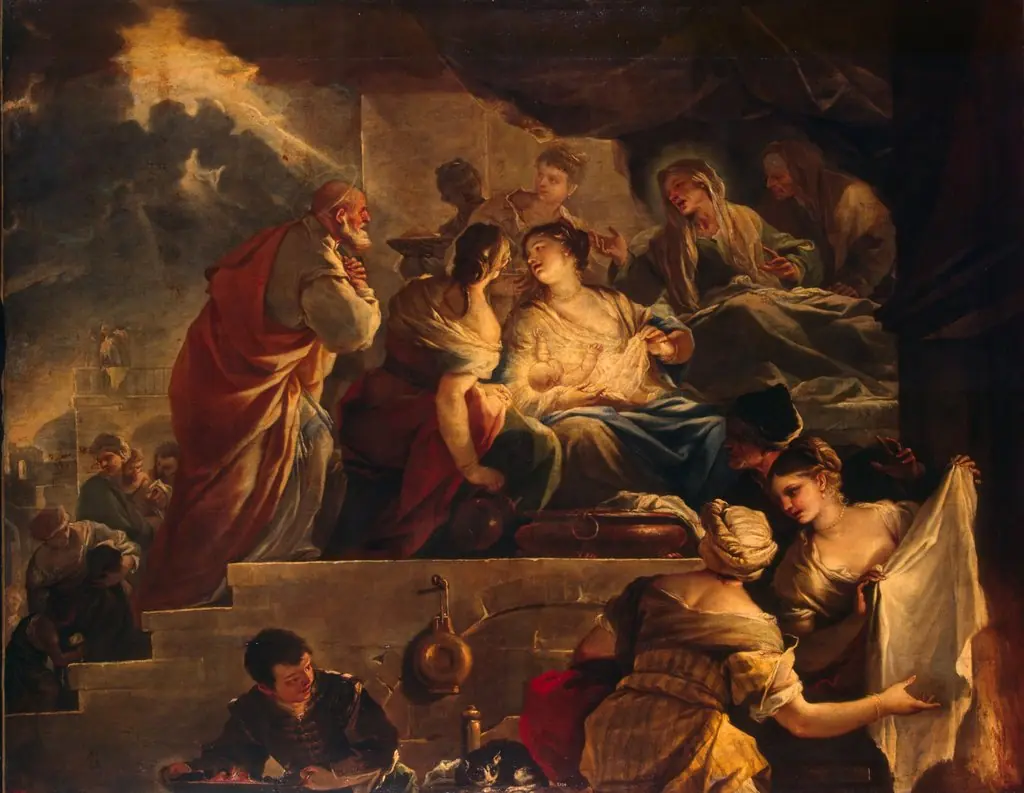 Birth of St John the Baptist
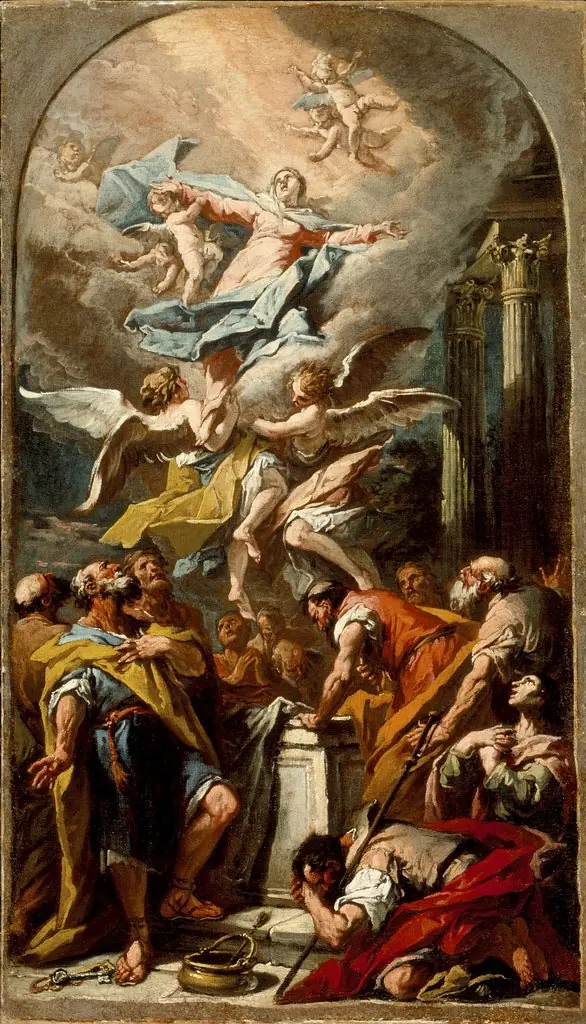 The Assumption of the Virgin
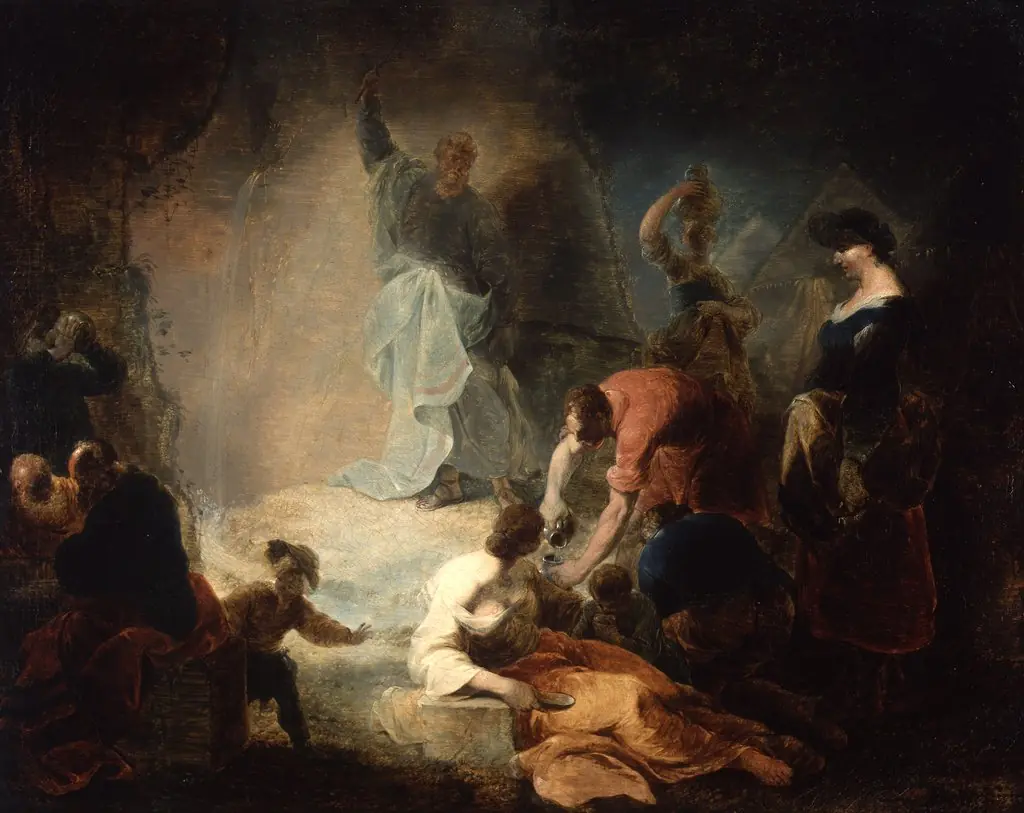 Moses Striking the Rock
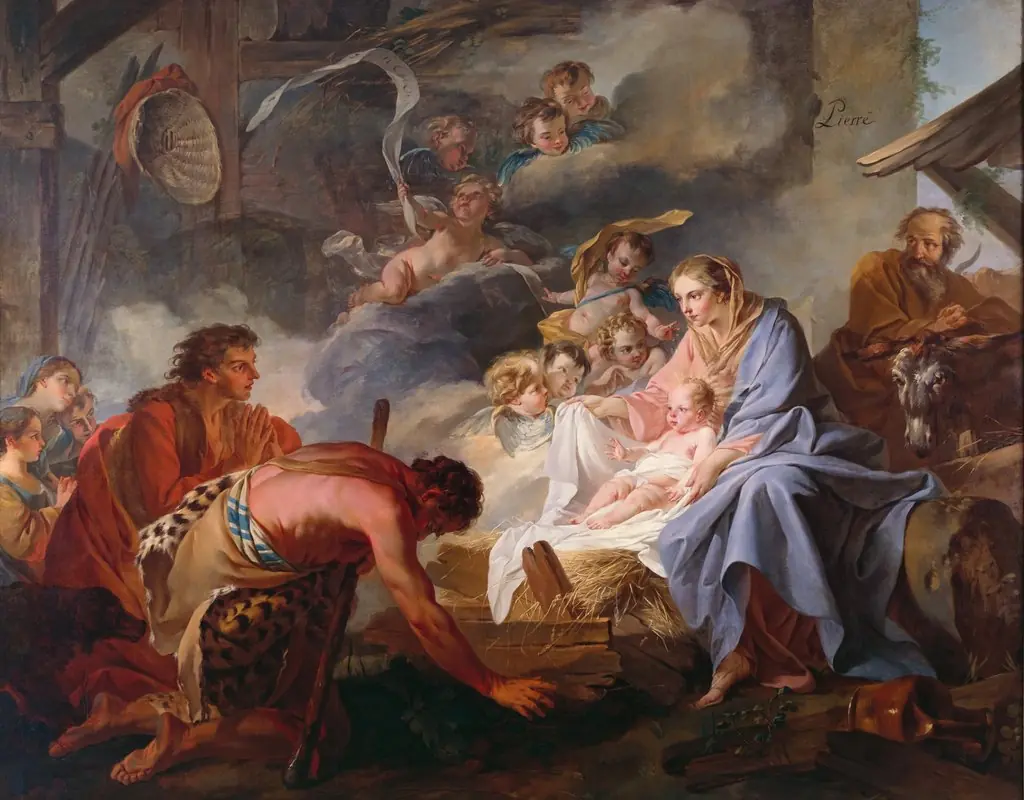 Adoration of the Shepherds
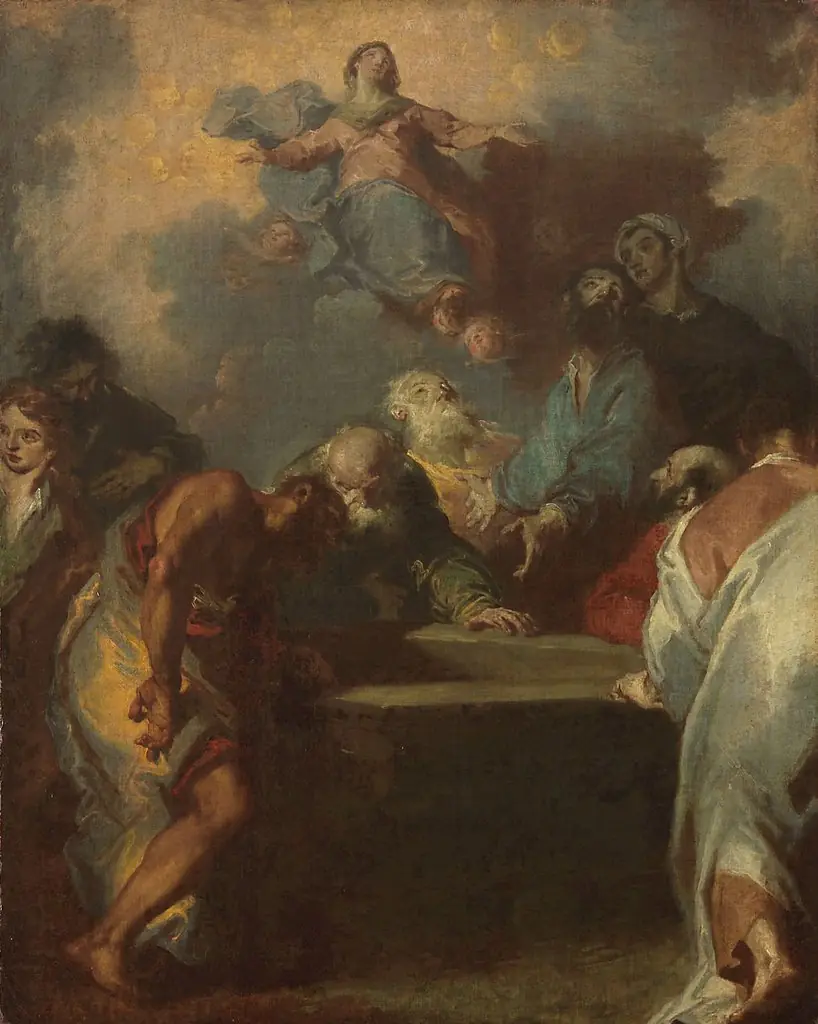 Himmelfahrt Mariae