Artwork
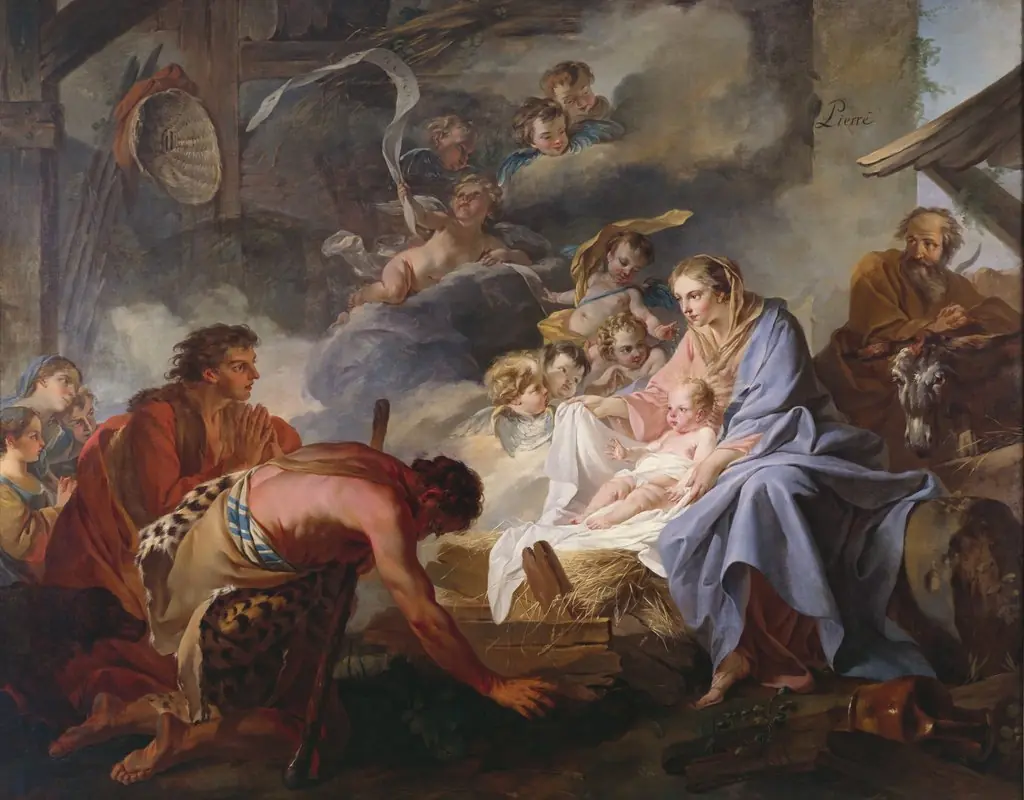
Adoration of the Shepherds
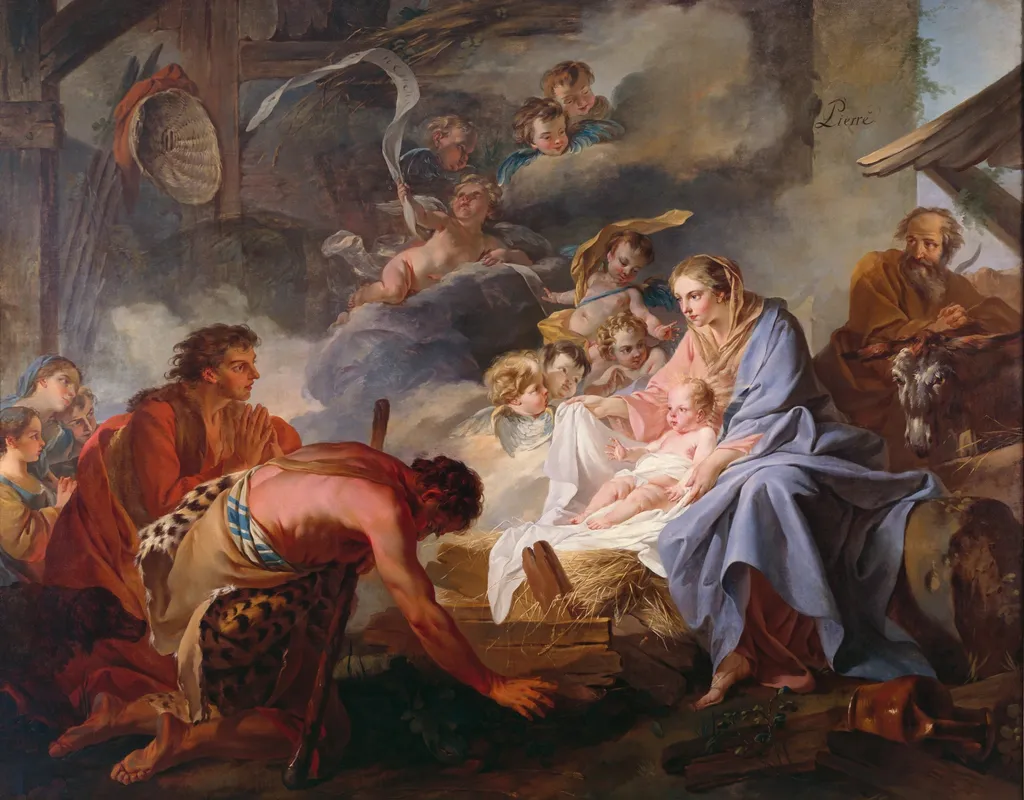
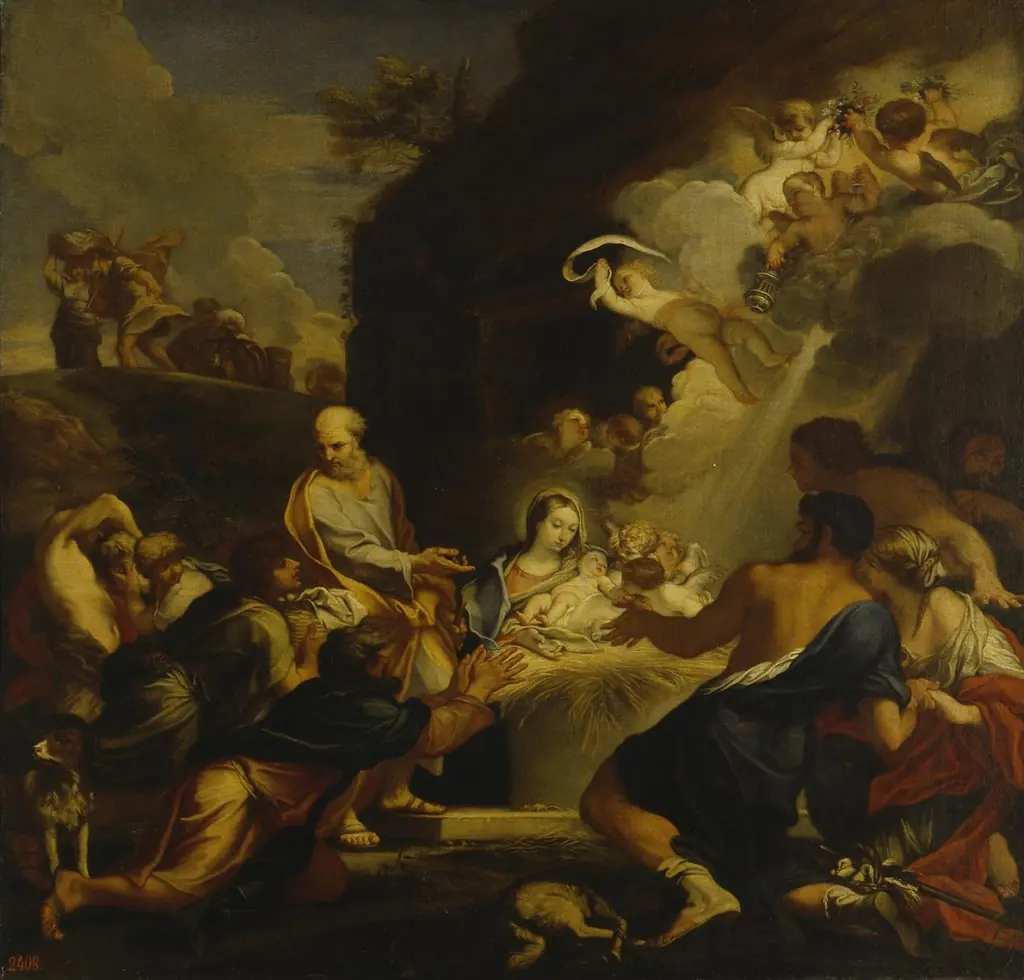
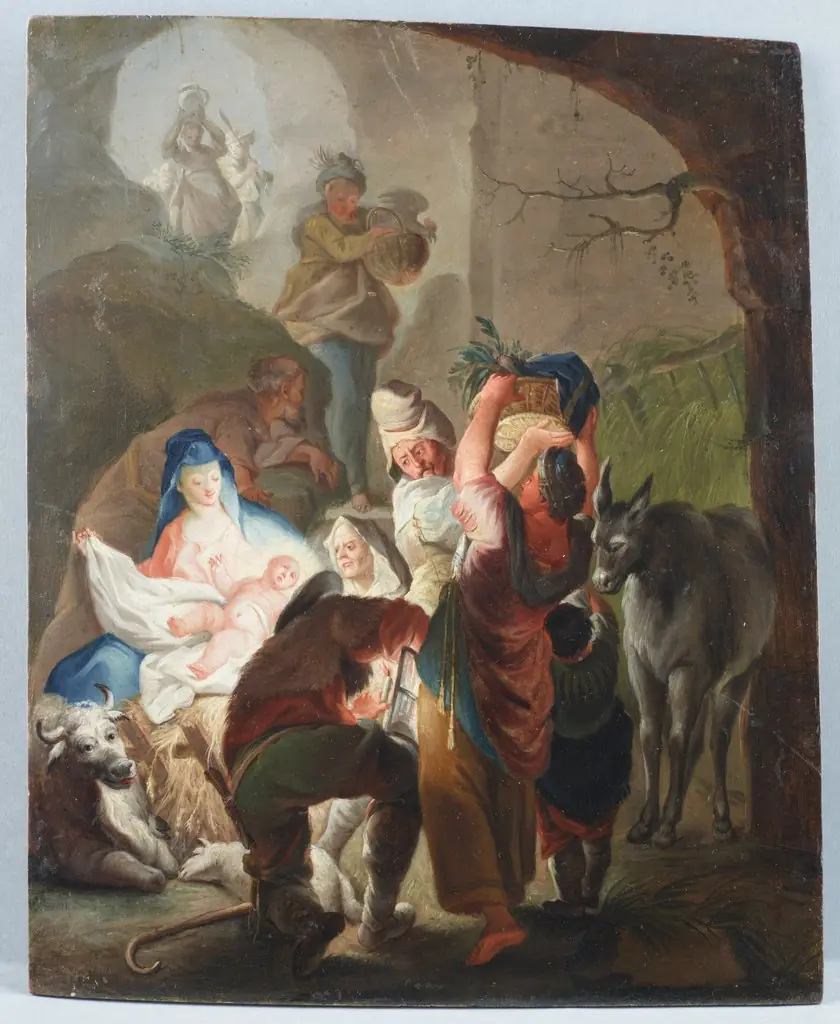
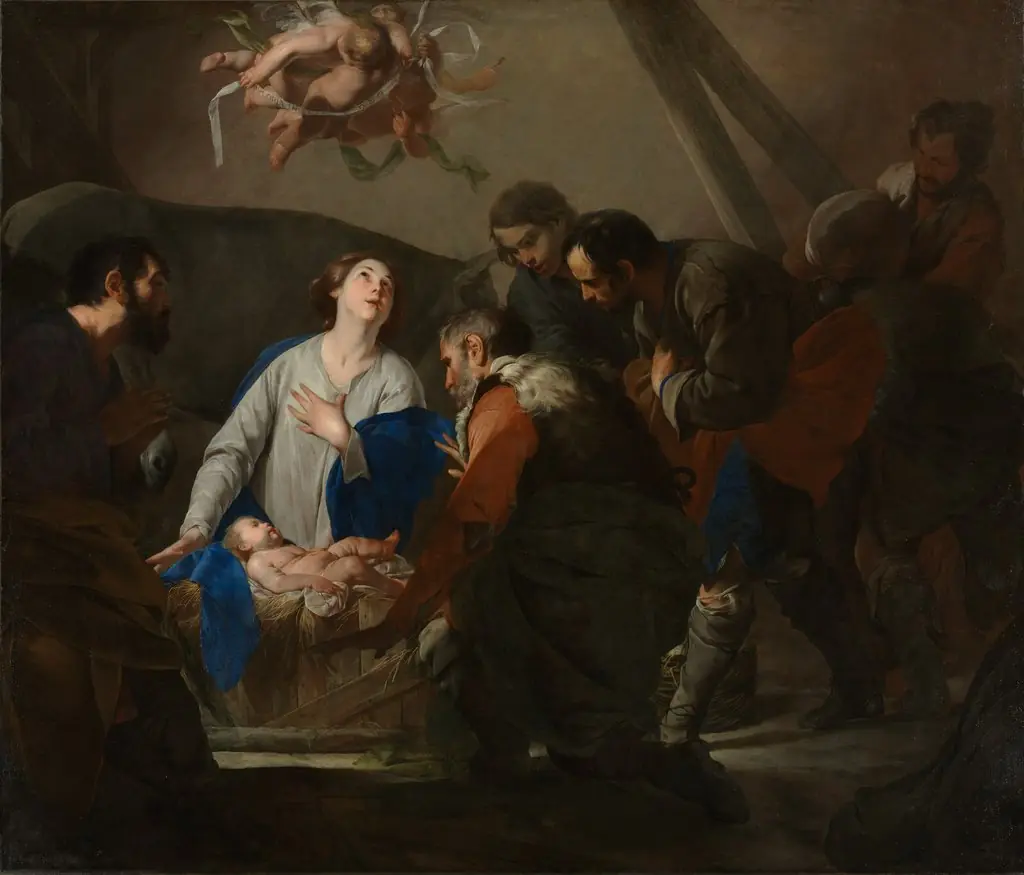
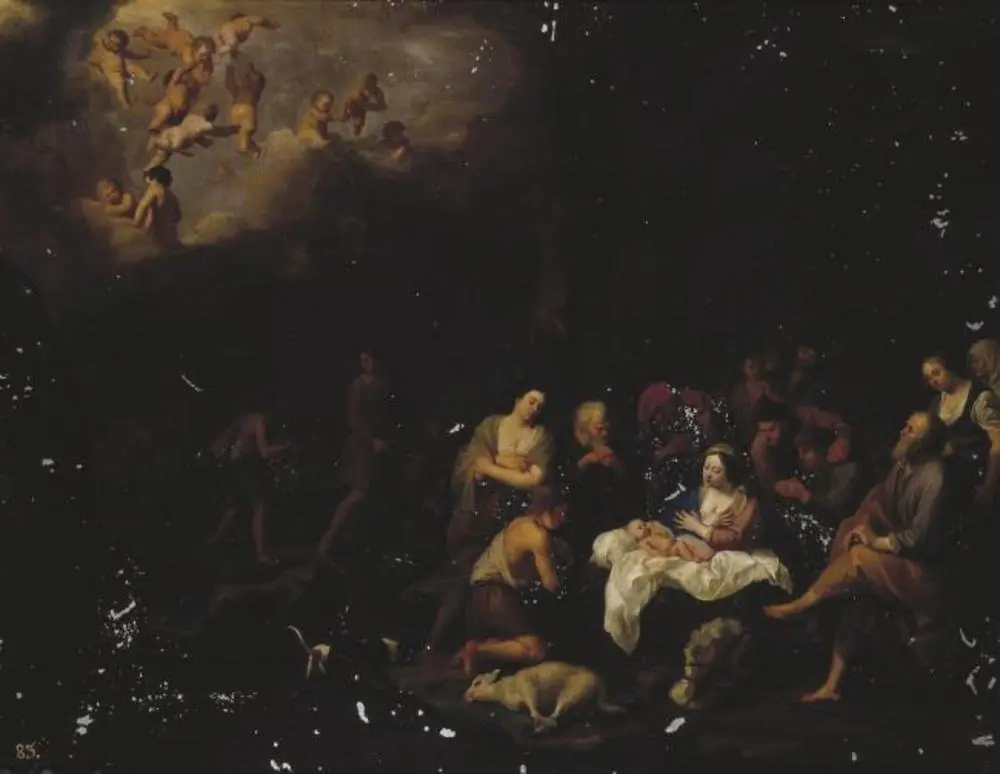
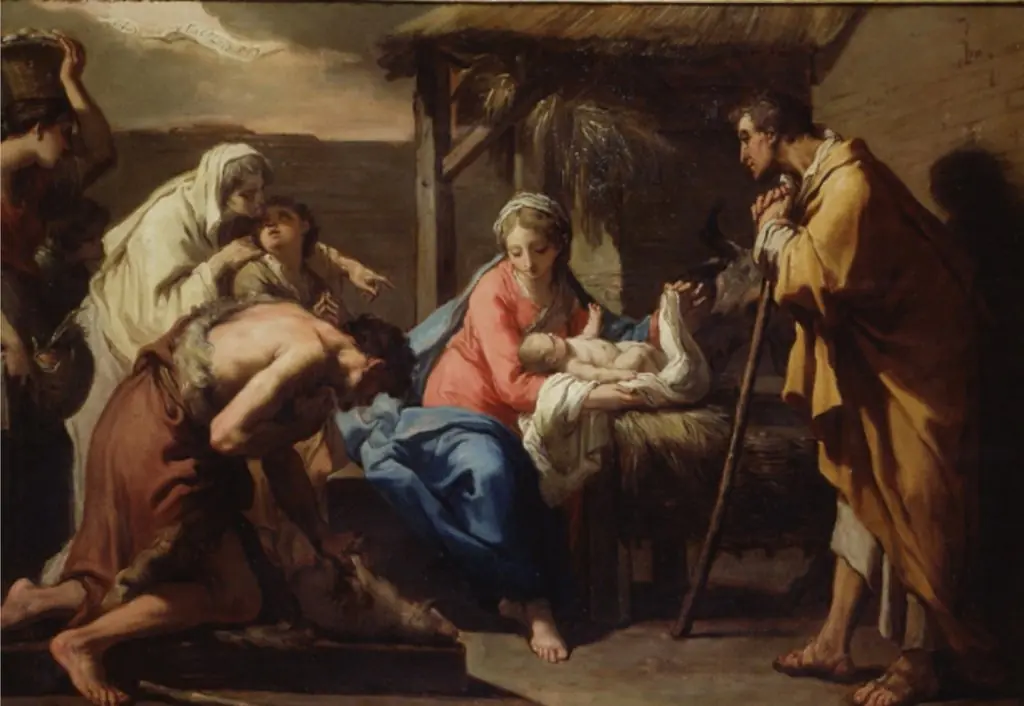
Adoration of the Shepherds is an oil painting by the Rococo painting artist Jean-Baptiste Marie Pierre. It dates from 1745 and is held in the collection of the Detroit Institute of Arts.
About this work
Overview
Painted in 1745, this oil-on-canvas work by Jean-Baptiste Marie Pierre portrays a moment from the Nativity narrative. The scene centers on the Virgin Mary, the infant Jesus, and Joseph, attended by a group of shepherds who have come to pay homage. The composition follows traditional religious iconography while reflecting the refined aesthetic of mid-18th-century French academic painting.
Subject & Meaning
The painting illustrates the biblical account of shepherds visiting the newborn Christ, as described in the Gospel of Luke. Their humble presence contrasts with the sacred stillness of the Holy Family, emphasizing divine revelation to the lowly. The gesture of reverence from the shepherds underscores themes of humility and grace, central to Christian devotion of the period.
Technique & Style
Pierre employs smooth brushwork and a restrained palette to achieve a sense of quiet dignity. Light falls gently across the figures, modeling forms with classical precision. The arrangement is balanced and orderly, characteristic of French academic training, with attention to drapery and anatomical clarity, though emotional expression remains subdued.
History & Provenance
Commissioned during Pierre’s early career, the painting entered the collection of the Detroit Institute of Arts in the 20th century. Its journey from France to Michigan reflects broader patterns of European art acquisition by American institutions during the early modern era, though specific earlier ownership records remain undocumented.
Context
Created during the reign of Louis XV, the work aligns with the French Royal Academy’s emphasis on religious subjects rendered with technical polish. While Baroque drama had given way to Rococo elegance, Pierre maintained a solemn tone, bridging devotional tradition with contemporary taste for refined composition and controlled emotion.
Legacy
Though not widely reproduced, the painting exemplifies Pierre’s role as a transitional figure between late Baroque piety and Enlightenment-era classicism. It remains a representative example of French religious painting from the mid-1700s, valued for its quiet sincerity and technical discipline rather than dramatic impact.
Own this work as a print
Artist & collection
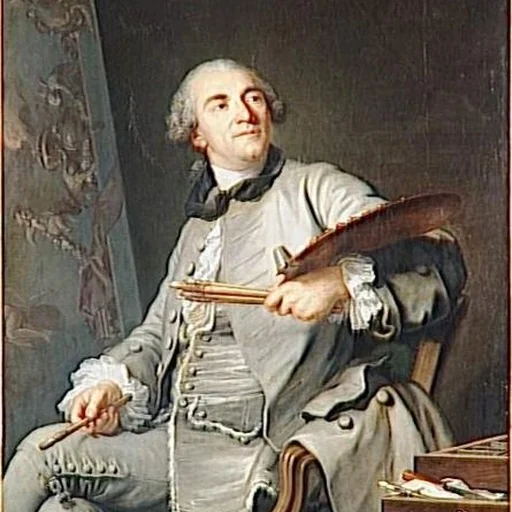
Artist
Jean-Baptiste Marie Pierre (1714–1789) was a French artist, born in Paris.