Artwork
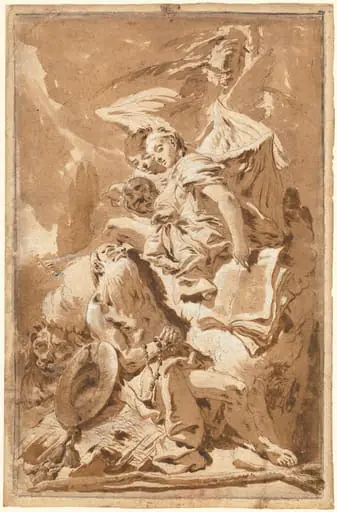
The Last Communion of St. Jerome
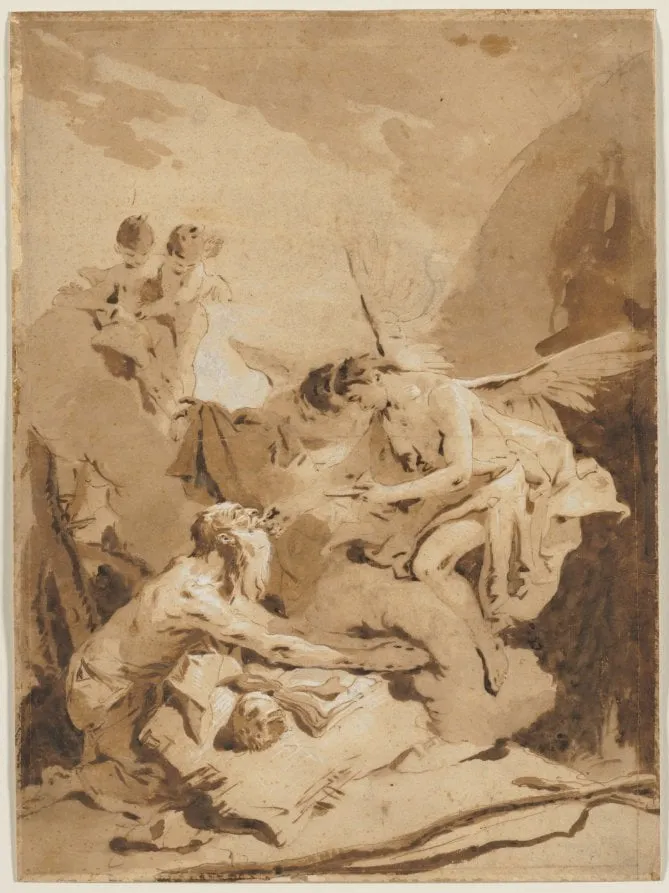
The Last Communion of St. Jerome is a drawing by the Baroque artist Giovanni Battista Tiepolo. It dates from 1726 and is held in the collection of the Cleveland Museum of Art.
About this work
Overview
This drawing by Giovanni Battista Tiepolo, dated around 1726, captures a moment of spiritual intensity: Saint Jerome receiving his final communion.
This drawing by Giovanni Battista Tiepolo, dated around 1726, captures a moment of spiritual intensity: Saint Jerome receiving his final communion. Executed in pen and ink with wash, it is part of a series of preparatory studies for a larger altarpiece. The work is now held at The Cleveland Museum of Art, where it is valued for its expressive line and compositional clarity. Its modest scale belies the emotional weight it conveys.
Subject & Meaning
The scene portrays Saint Jerome, the scholar-saint and translator of the Bible, at the hour of his death, receiving the Eucharist from a priest. His posture—kneeling, head tilted upward—conveys surrender and reverence. A secondary figure observes silently, reinforcing the solemnity of the ritual. The moment reflects the Catholic emphasis on the sacrament as a final grace, grounding the saint’s earthly life in divine presence.
Technique & Style
Tiepolo employed fluid pen lines and layered washes to model form and suggest atmosphere. Light falls sharply on the figures, contrasting with the diffuse, cloud-like background rendered in diluted ink. The brushwork is energetic yet controlled, with rhythmic strokes defining drapery and gesture. Chiaroscuro is achieved not through heavy shading but through the strategic placement of tone, guiding focus to the communion between priest and saint.
History & Provenance
Created as a preparatory study for a commission in Venice, the drawing was likely made in the early 1720s during Tiepolo’s rise as a fresco painter. It remained in private collections until acquired by The Cleveland Museum of Art in the 20th century. Its survival as a standalone work is unusual, as most studies of this type were discarded after serving their purpose in the planning of larger paintings.
Context
In early 18th-century Venice, religious imagery emphasized emotional immediacy and theatrical grace. Tiepolo’s approach aligned with Counter-Reformation ideals, using dynamic composition to inspire devotion. This drawing reflects his transition from decorative fresco cycles to more intimate, psychologically resonant compositions, influenced by Venetian colorism and Roman Baroque drama.
Legacy
Though not a finished painting, this drawing exemplifies Tiepolo’s ability to distill spiritual narrative into a single, potent moment. It influenced later artists studying expressive gesture and compositional economy. Today, it stands as a testament to the role of preparatory work in Baroque art—where sketches were not mere drafts, but vital expressions of artistic intent.
Artist & collection

Artist
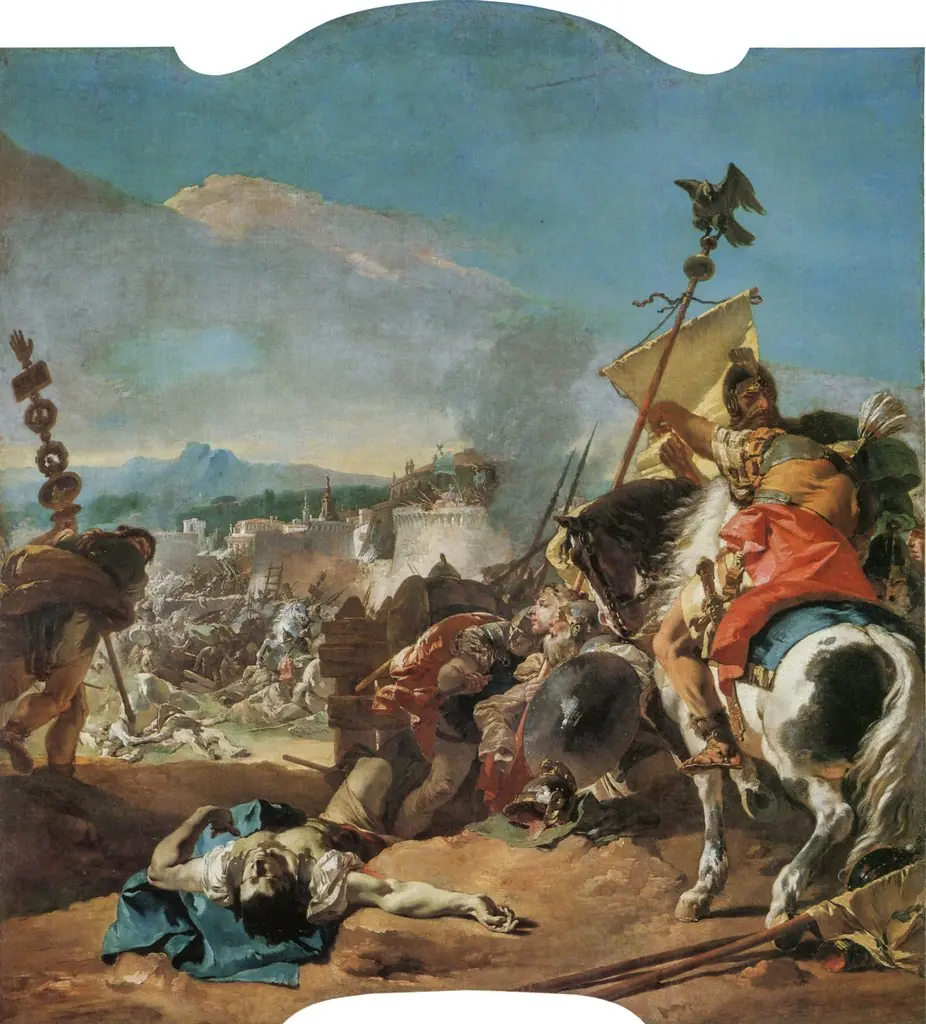
Giovanni Battista Tiepolo, also known as Giambattista Tiepolo, was an Italian painter and printmaker from the Republic of Venice who painted in the Rococo style, considered an important member of the 18th-century Venetian school.

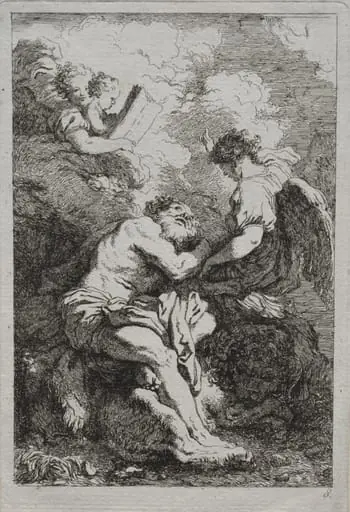 Saint Jerome
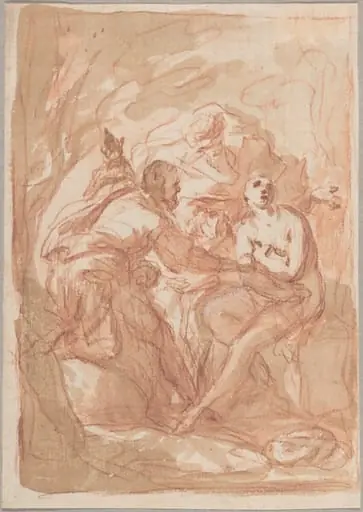 Susanna and the Elders
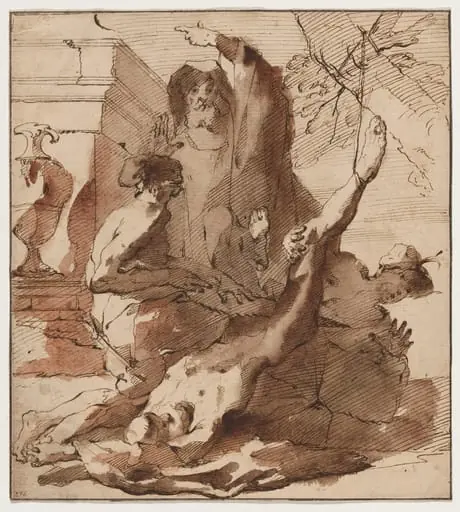 The Martyrdom of Saint Simon
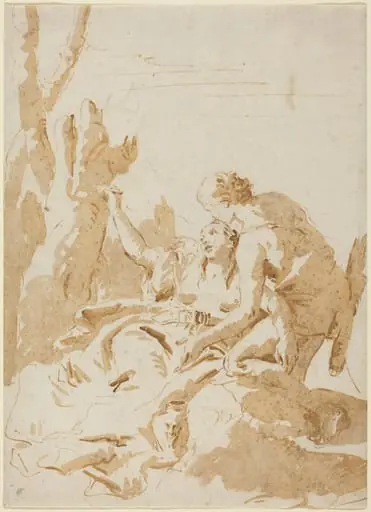 Angelica and Medoro
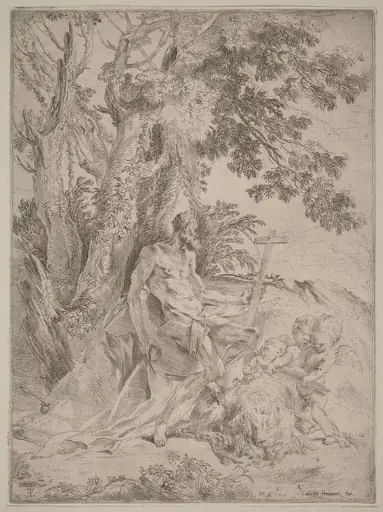 Saint Jerome
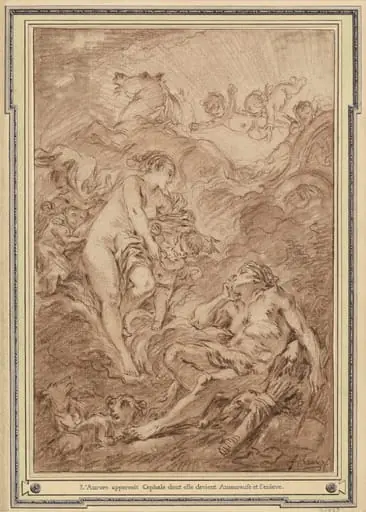 Aurora and Cephalus
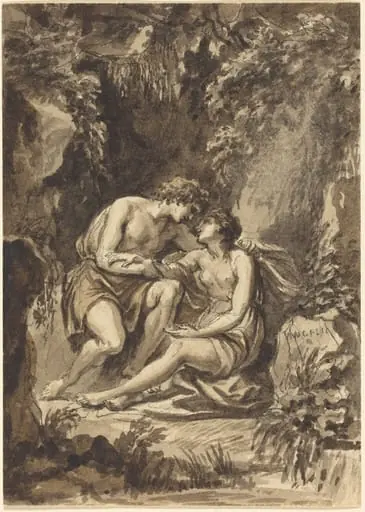 Angelica and Medoro
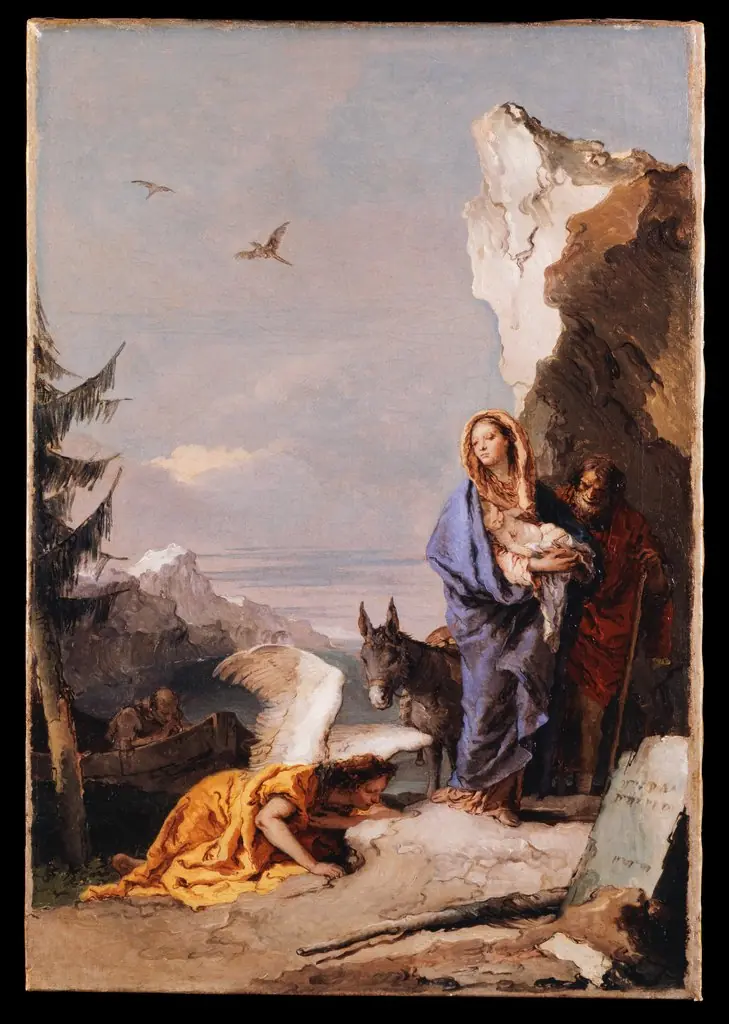
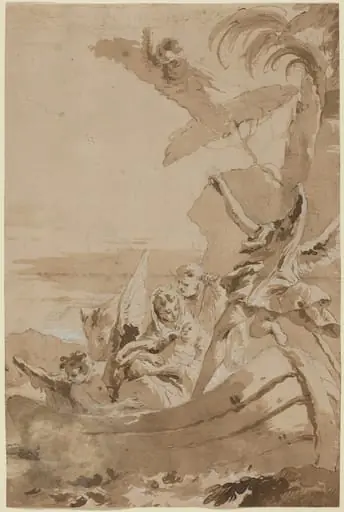 The Flight into Egypt with the Holy Family and Two Angels in a Skiff
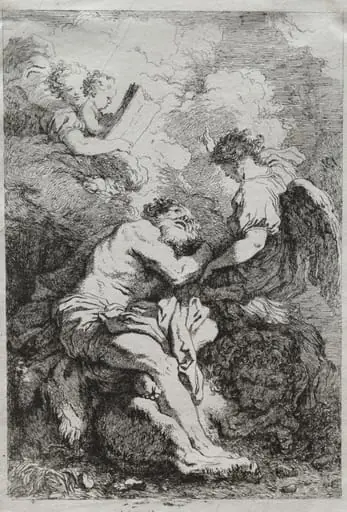 Saint Jerome
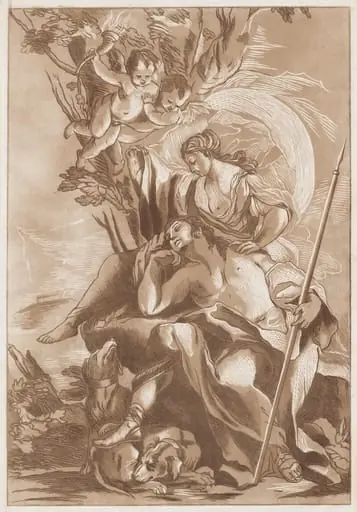 Diana and Endymion
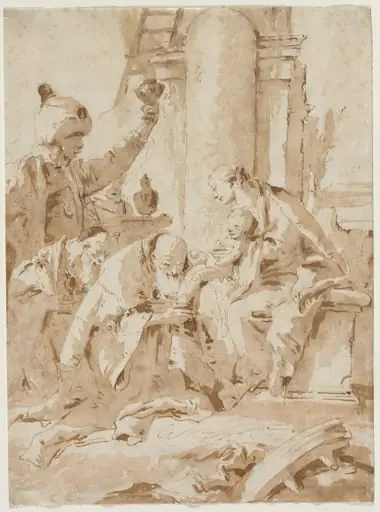 The Adoration of the Magi
 Saint Jerome in the Desert Listening to the Angels