Artwork
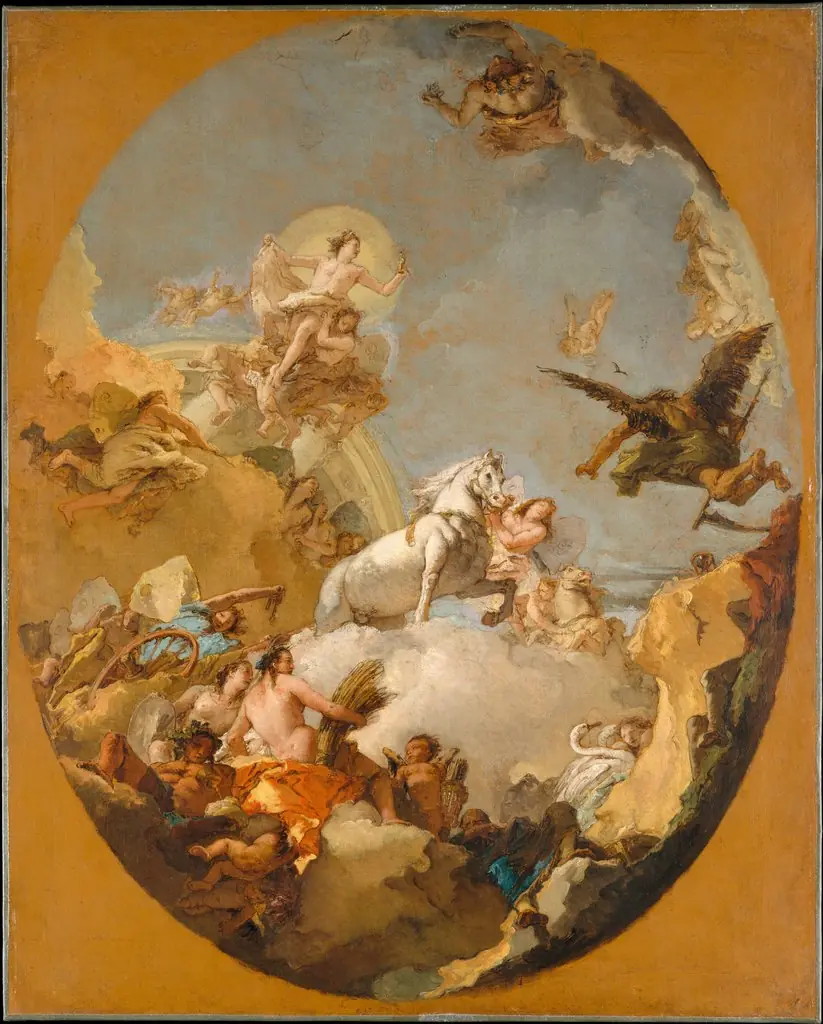
The Chariot of Aurora
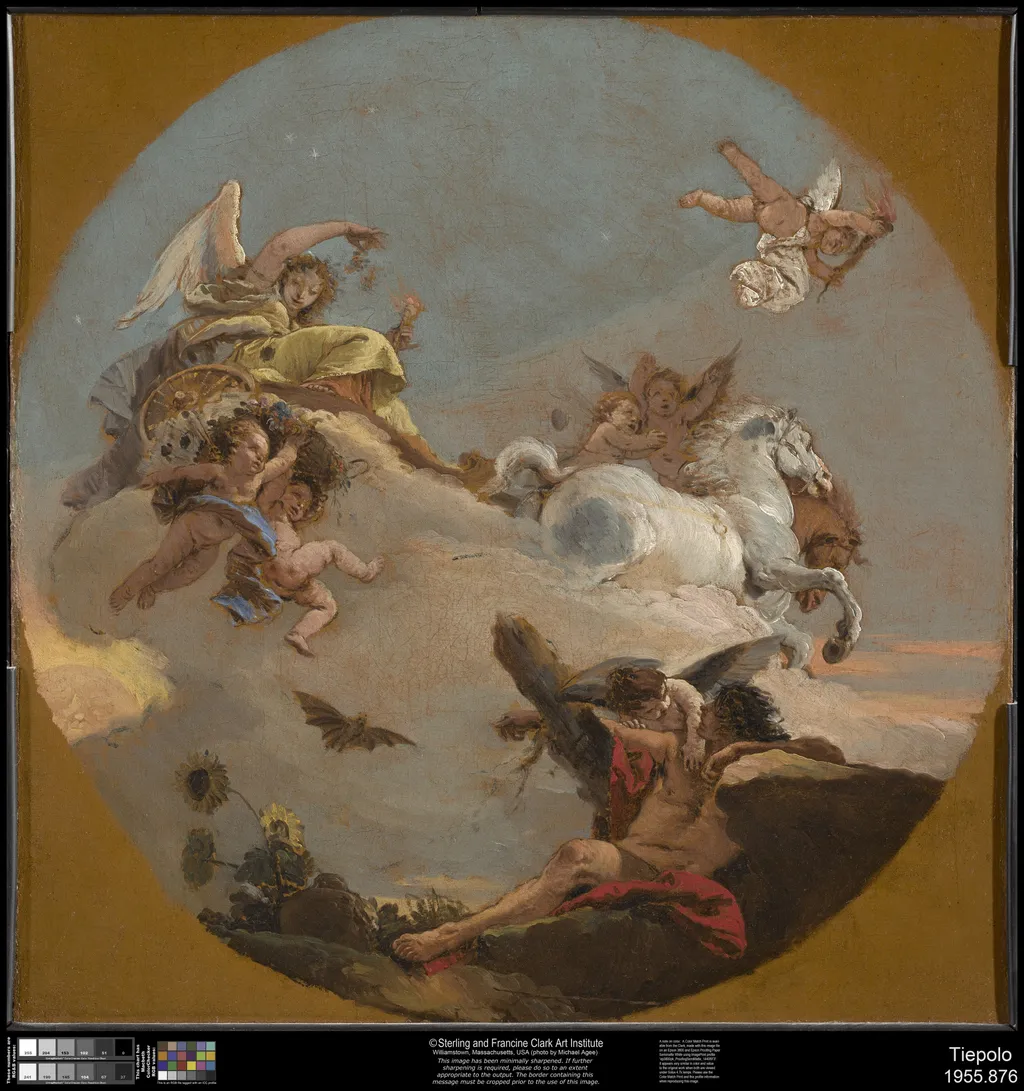
The Chariot of Aurora is an oil painting by the Rococo painting artist Giovanni Battista Tiepolo. It dates from 1734 and is held in the collection of the Clark Art Institute.
About this work
Overview
The Chariot of Aurora is a 1734 oil painting by Giovanni Battista Tiepolo, housed at the Clark Art Institute.
Subject & Meaning
The painting depicts Aurora, goddess of dawn, in a chariot pulled by four white horses. She wears a yellow robe and raises her right arm, holding an unspecified object, symbolizing the dawn's arrival. Surrounding figures—a seated man, a winged creature, and cherubs with flowers—enhance the mythological scene.
Technique & Style
Tiepolo's use of oil paint creates a vibrant, luminous effect, particularly in the light blue sky with scattered clouds. The composition's dynamic energy, characterized by the horses' turned heads and the figures' varied actions, reflects Tiepolo's Baroque influences.
History & Provenance
Created in 1734, the painting's early history is not detailed here, but it is currently part of the Clark Art Institute's collection.
Context
Painted during the Baroque period, The Chariot of Aurora exemplifies the era's emphasis on movement and dramatic scenes from mythology, while Tiepolo's distinctive style previews the upcoming Rococo period's lighter, more pastel tones.
Legacy
As one of Tiepolo's works from his productive period, The Chariot of Aurora contributes to the artist's reputation for captivating mythological and allegorical paintings, though its specific impact on later artists is not highlighted in available information.
Artist & collection

Artist
Giovanni Battista Tiepolo, also known as Giambattista Tiepolo, was an Italian painter and printmaker from the Republic of Venice who painted in the Rococo style, considered an important member of the 18th-century Venetian school.

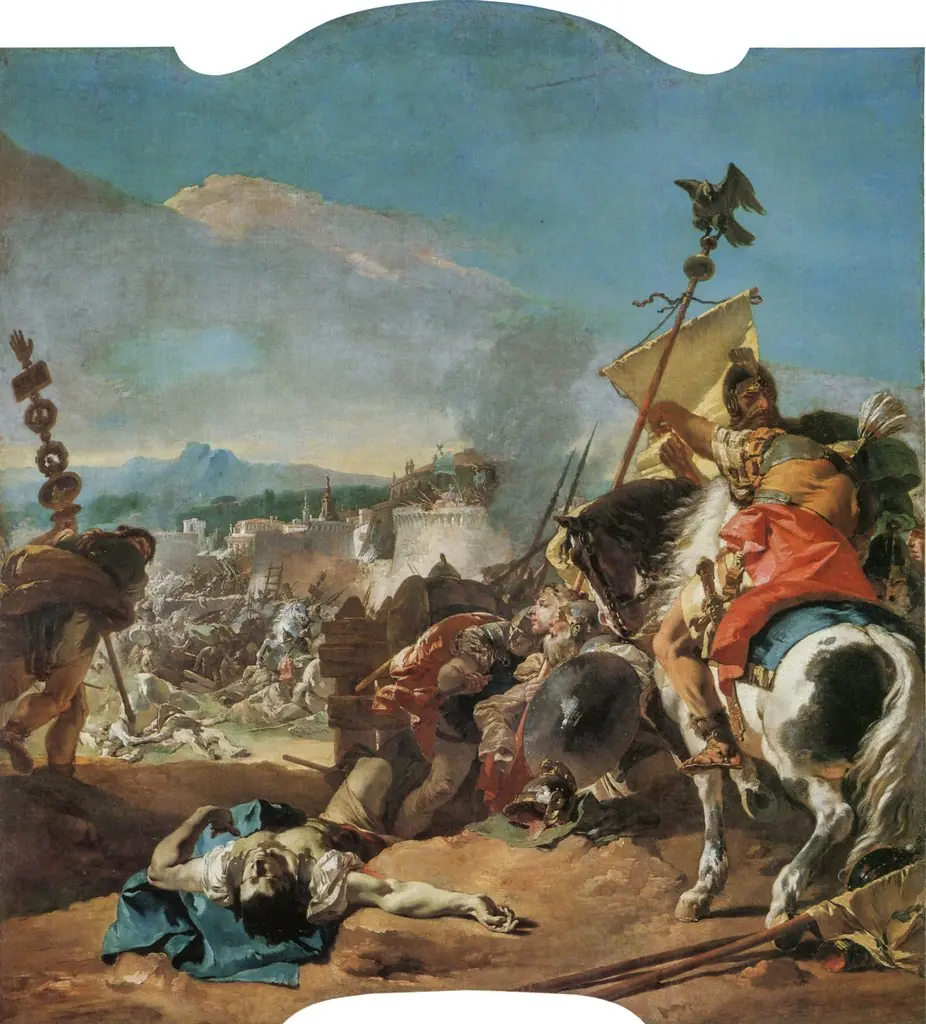
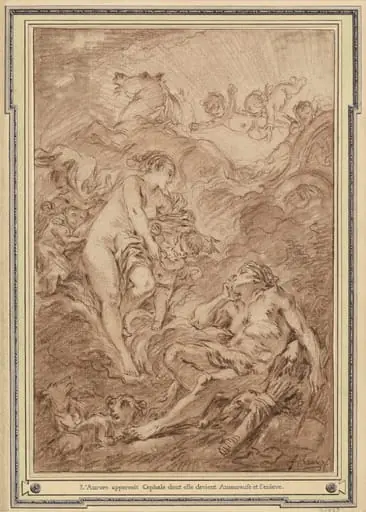 Aurora and Cephalus
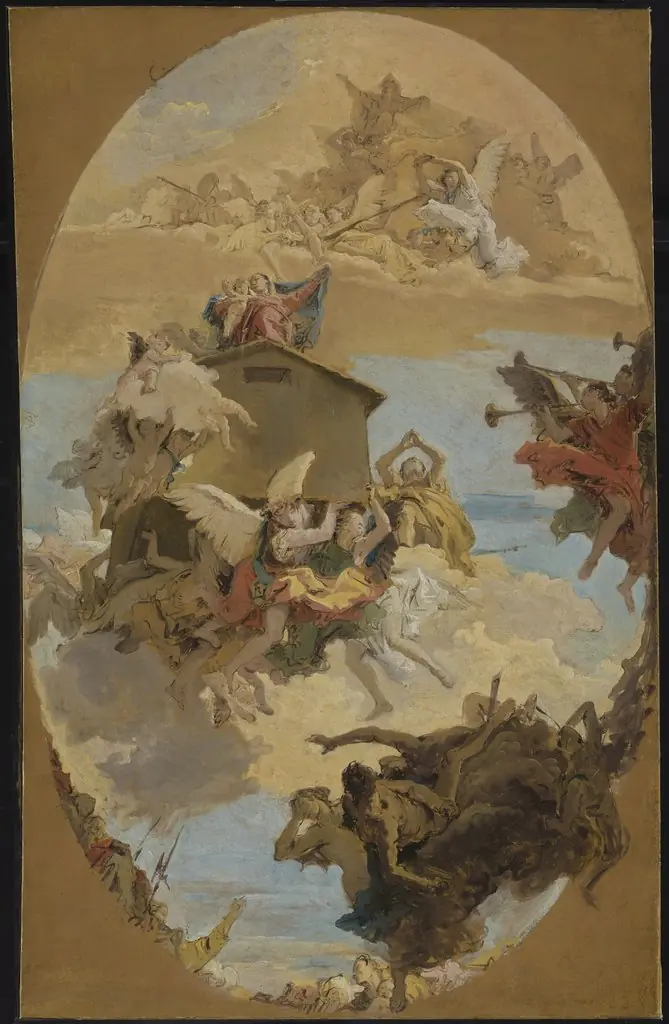 The Miracle of the Holy House of Loreto
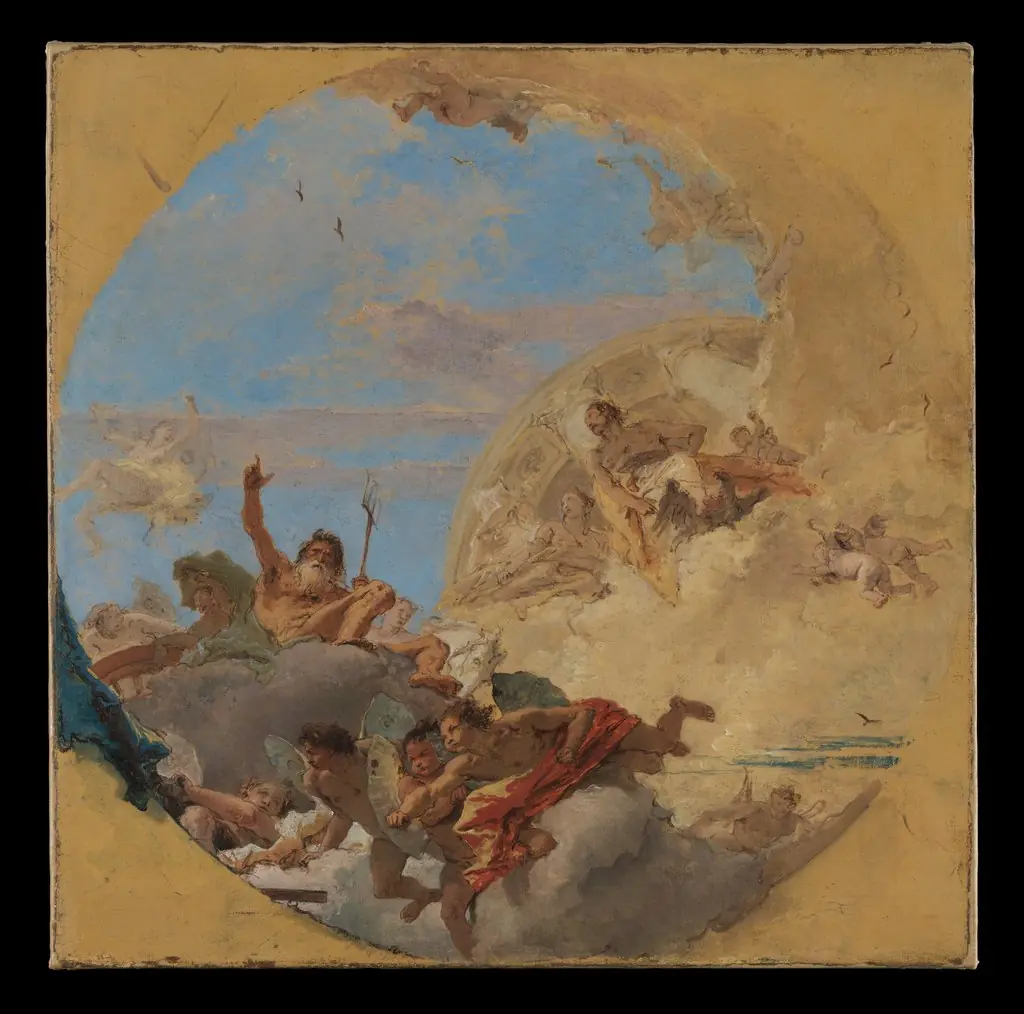 Neptune and the Winds
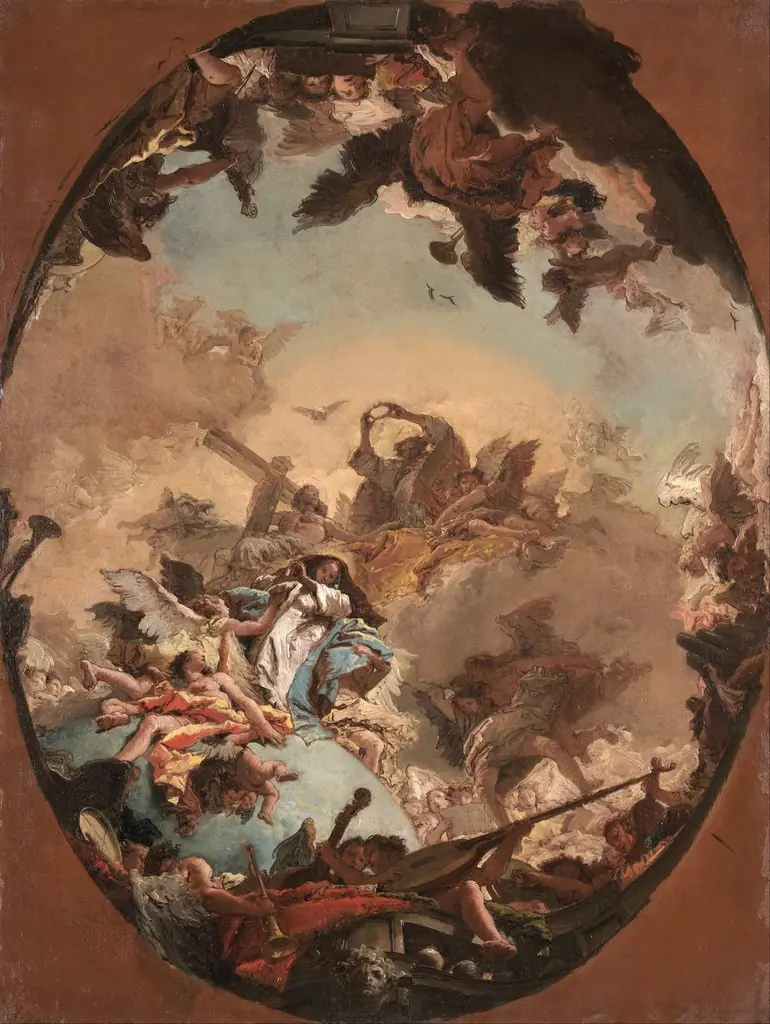 The Coronation of the Virgin
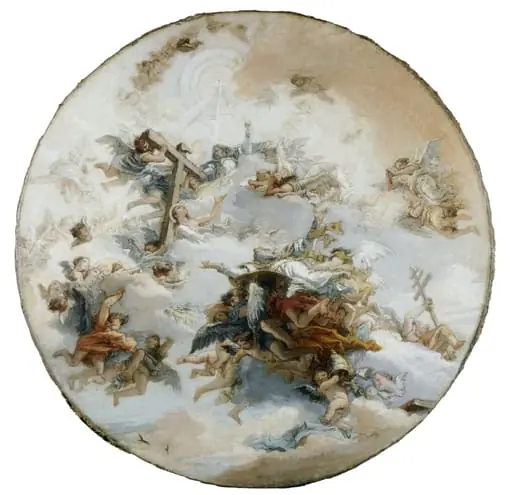 St Leo in Glory (sketch for the ceiling of the church of San Lio, Venice)
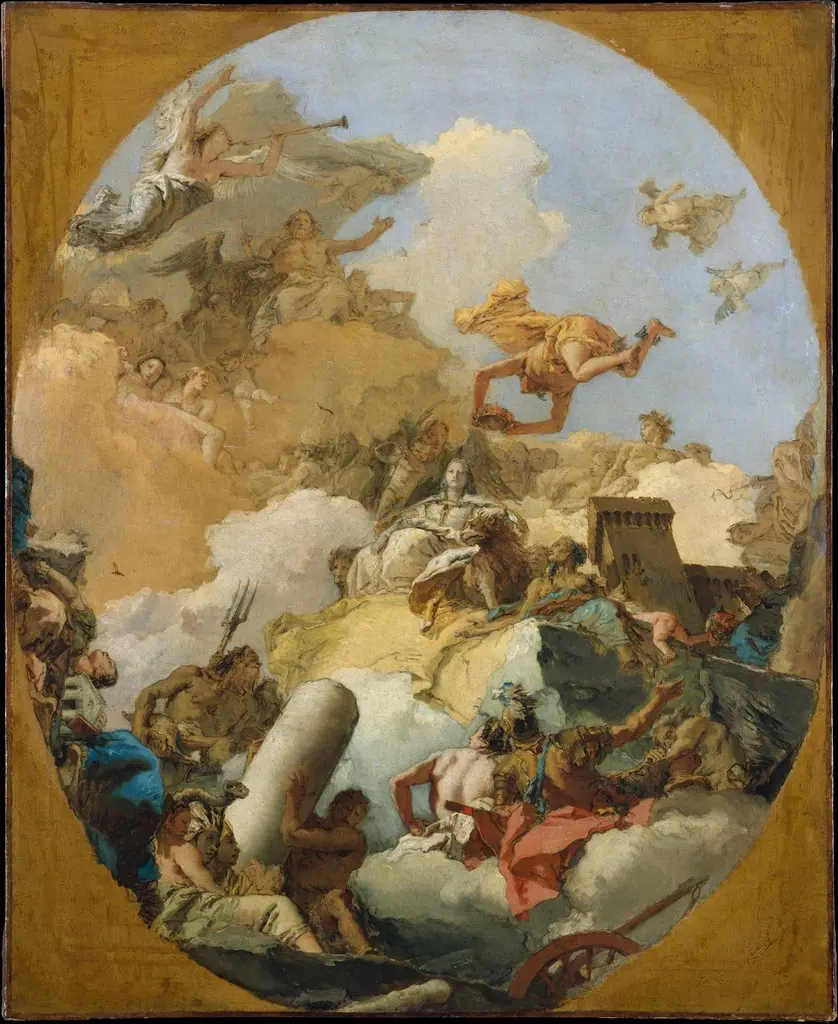 The Apotheosis of the Spanish Monarchy
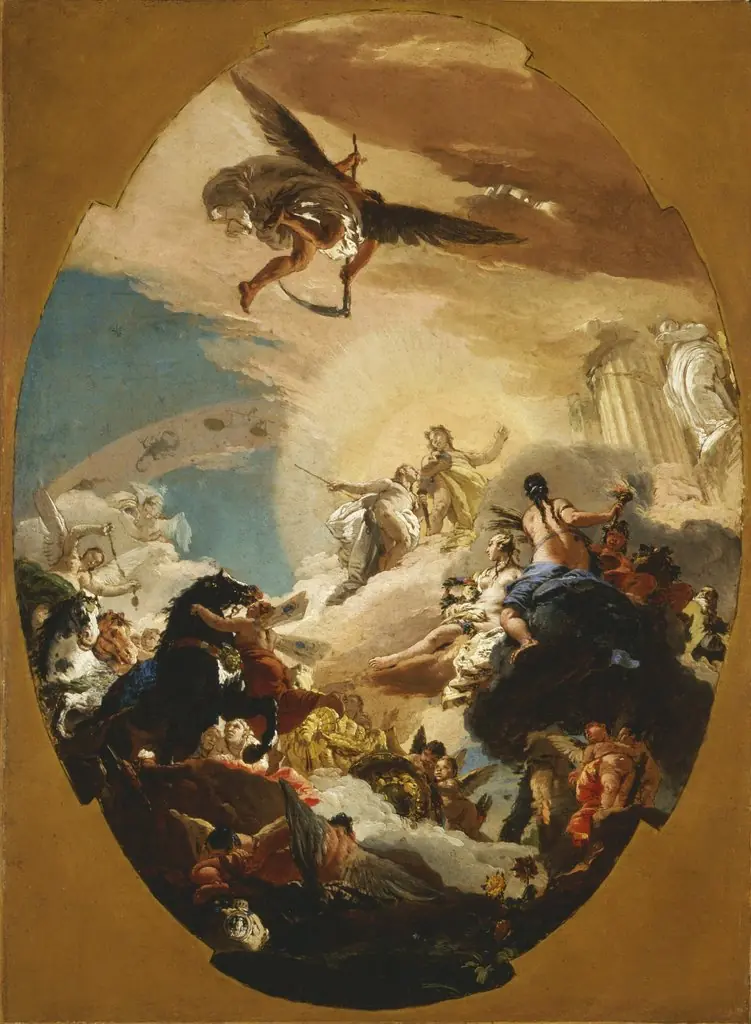 Apollo and Phaëthon
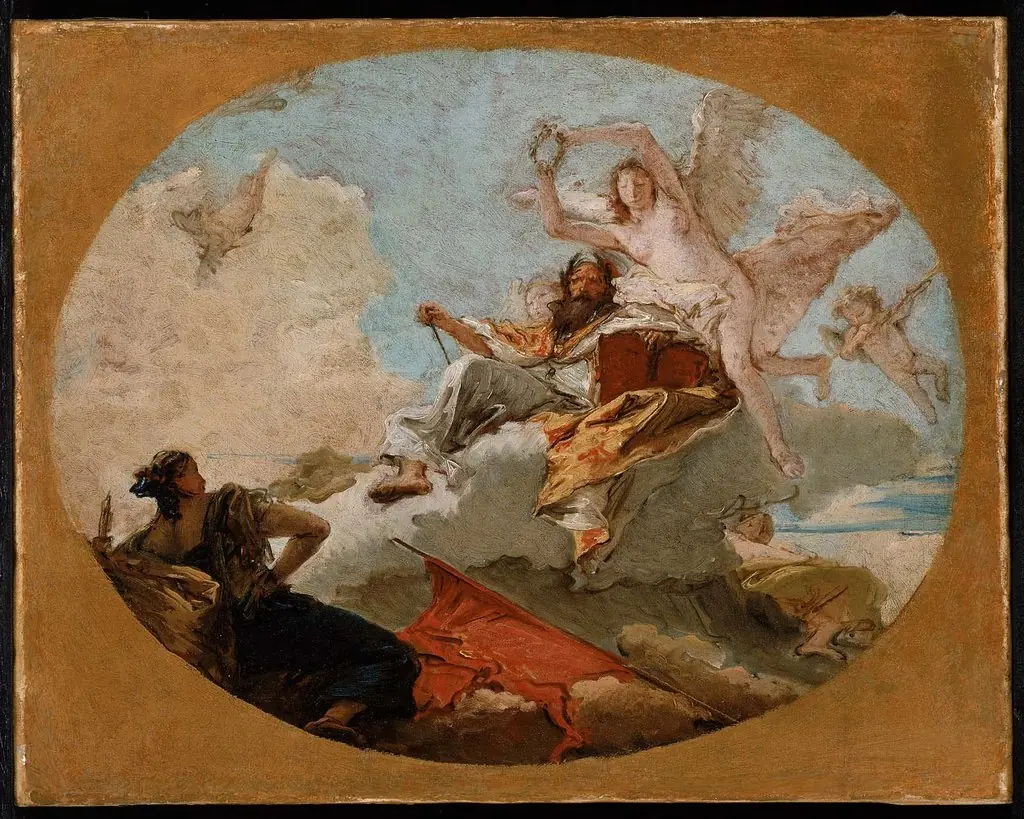 The Crowning of Merit
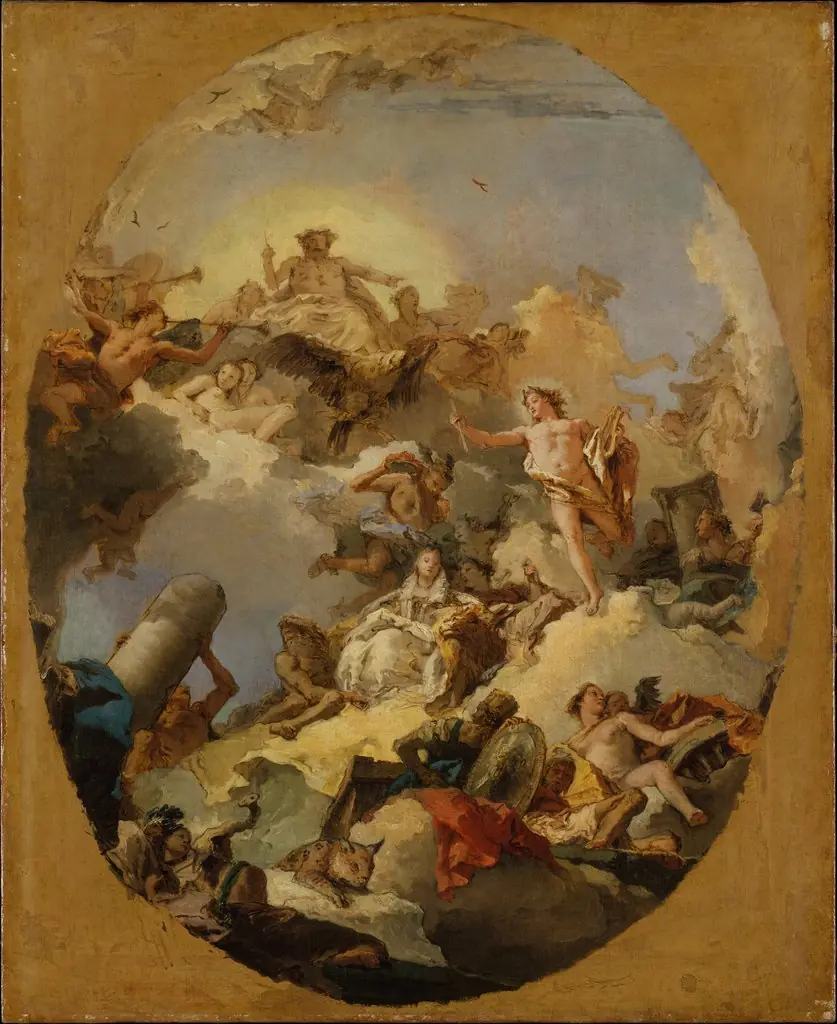 The Apotheosis of the Spanish Monarchy
 Sketch for a Ceiling