Artwork
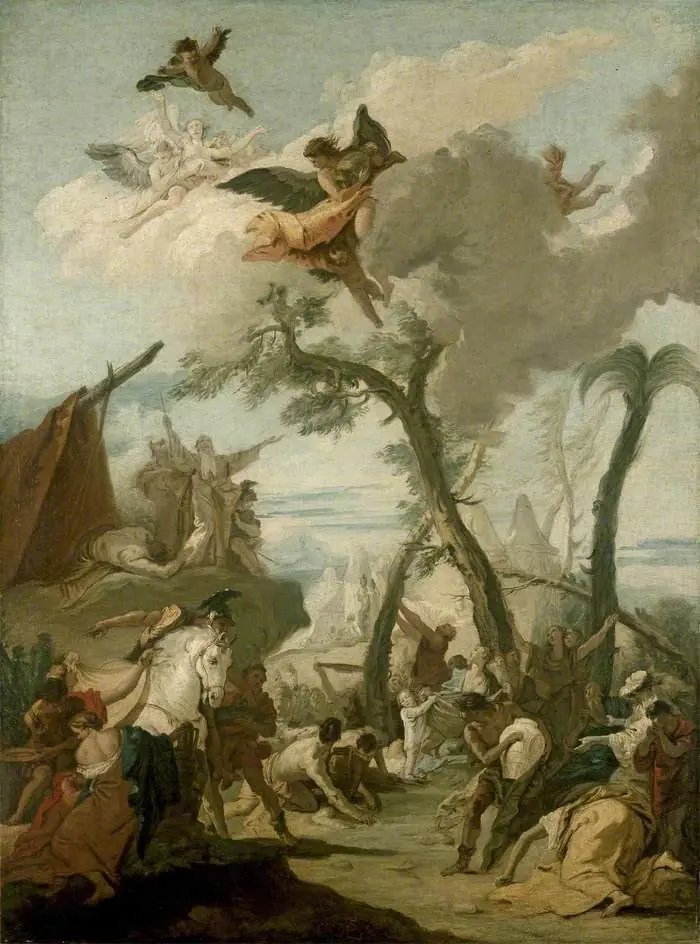
The Hebrews collecting manna in the desert
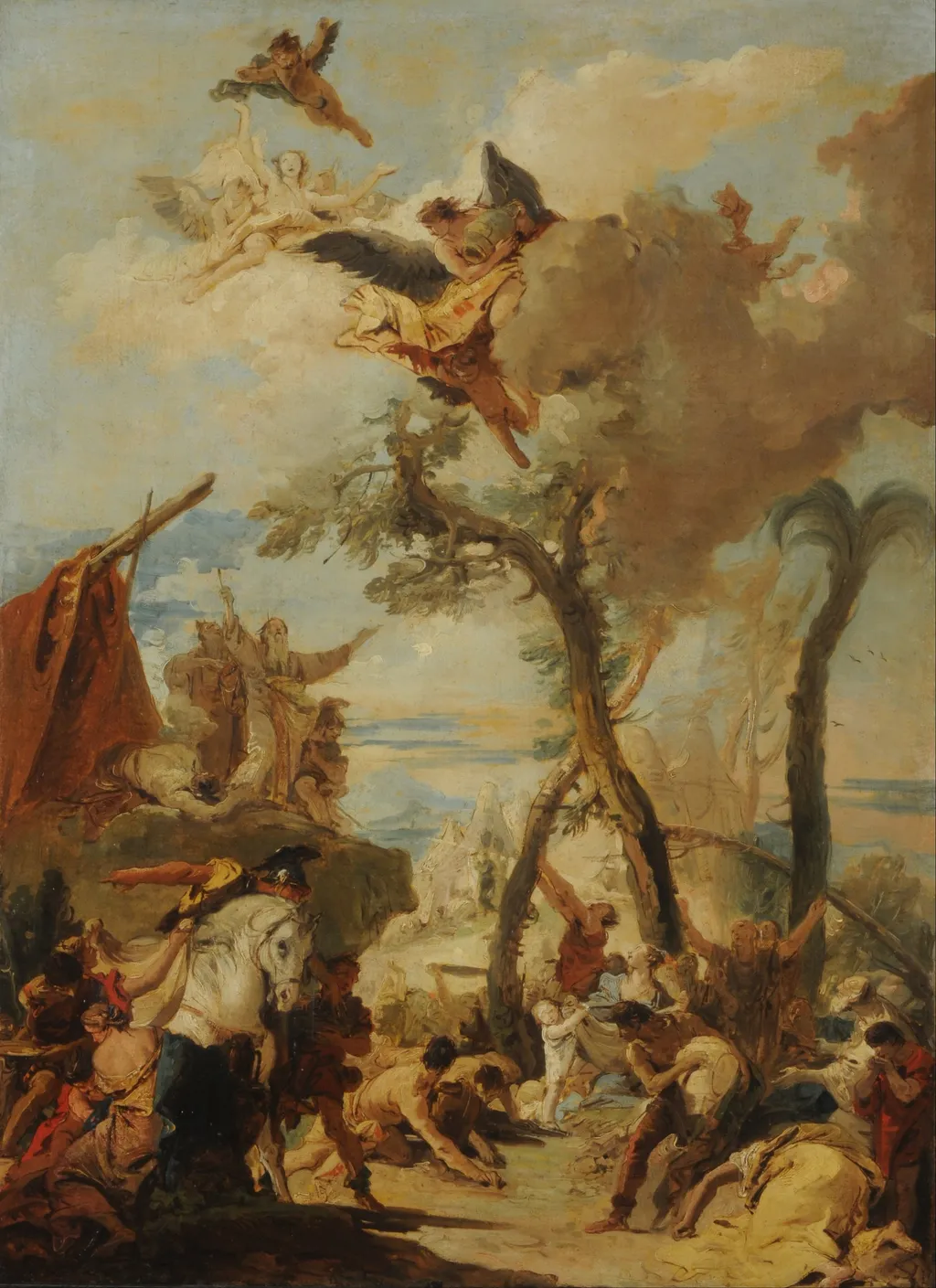
The Hebrews collecting manna in the desert is an oil painting by the Rococo painting artist Giovanni Battista Tiepolo. It dates from 1740 and is held in the collection of the National Museum of Fine Arts, Argentina.
About this work
Overview
An oil painting by Giovanni Battista Tiepolo, dated around 1740, depicts a biblical episode from the Book of Exodus.
An oil painting by Giovanni Battista Tiepolo, dated around 1740, depicts a biblical episode from the Book of Exodus. It portrays the Israelites gathering manna, the divine food sent from heaven during their desert journey. The work is currently held in the collection of the National Museum of Fine Arts in Buenos Aires, where it remains a significant example of 18th-century Venetian religious painting.
Subject & Meaning
The scene illustrates the moment when the Hebrews, wandering in the desert, collect manna as instructed by God. A celestial figure, likely an angel or divine messenger, hovers above amid clouds and attendant angels, scattering the substance. The figures below, dressed in simple garments, reach upward in reverence and urgency, embodying dependence on divine provision. The presence of armored horsemen in the foreground may symbolize protection or leadership during the exodus.
Technique & Style
Tiepolo employs fluid brushwork and luminous color to create a sense of airborne motion. The figures are arranged in swirling compositions that guide the eye upward toward the heavenly source. Light falls dramatically from above, modeling forms with soft contrasts and enhancing the illusion of depth. The hazy, atmospheric background—featuring distant palms and rocky terrain—blurs earthly and divine realms, reinforcing the mystical tone.
History & Provenance
Commissioned during Tiepolo’s mature period, the painting likely originated as part of a larger decorative scheme, possibly for a church or private chapel in Venice. It entered the collection of the National Museum of Fine Arts in Buenos Aires in the early 20th century, following the acquisition of European works by Argentine collectors. Its journey from Italy to South America reflects broader patterns of art circulation in the modern era.
Context
Created during the height of the Rococo period, the painting reflects the era’s preference for theatrical religious narratives and ethereal light effects. Tiepolo’s approach diverged from rigid Counter-Reformation iconography, favoring dynamic movement and emotional immediacy. The work aligns with Venetian traditions of grand decorative painting, where spiritual themes were rendered with theatricality and visual grace.
Legacy
Though not among Tiepolo’s most widely reproduced works, the painting exemplifies his ability to merge narrative clarity with poetic atmosphere. It remains a key reference for studies of 18th-century religious art in Latin America, where European models were adapted into local institutional collections. Its presence in Buenos Aires underscores the global reach of Venetian art beyond its origins.
Own this work as a print
Artist & collection

Artist
Giovanni Battista Tiepolo, also known as Giambattista Tiepolo, was an Italian painter and printmaker from the Republic of Venice who painted in the Rococo style, considered an important member of the 18th-century Venetian school.

Museum
National Museum of Fine Arts, Argentina
Continue through works from the same source collection.
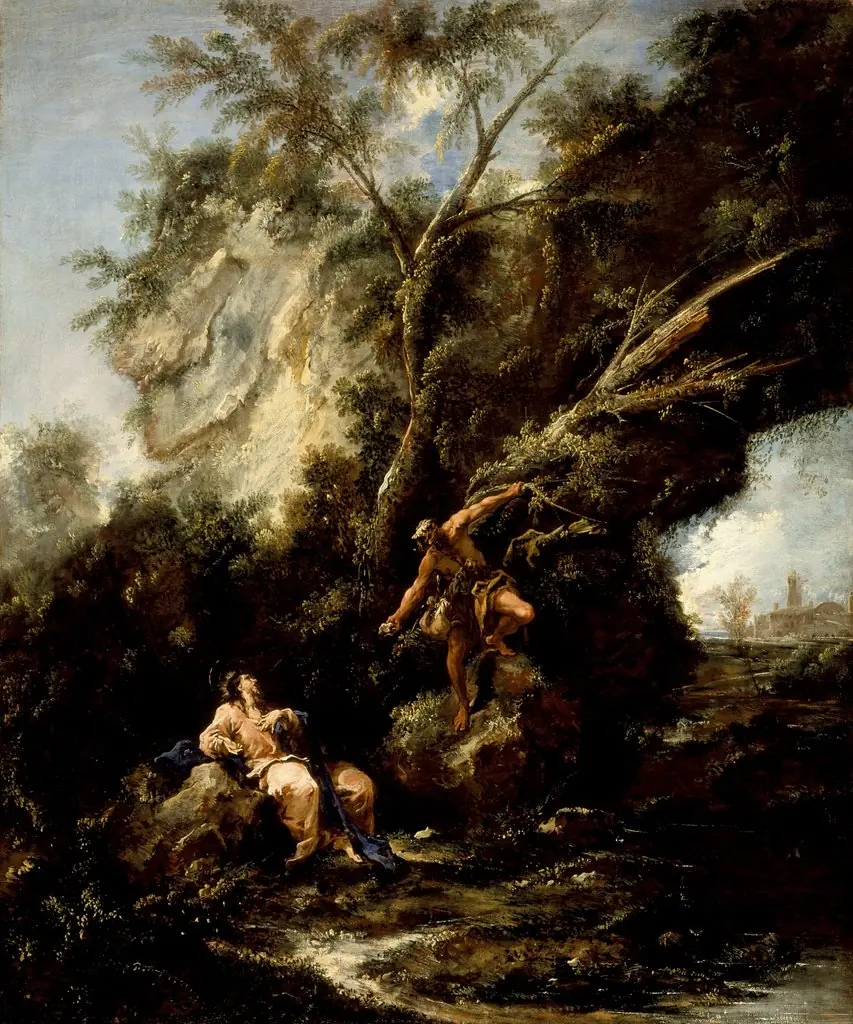 Landscape with the Temptation of Christ
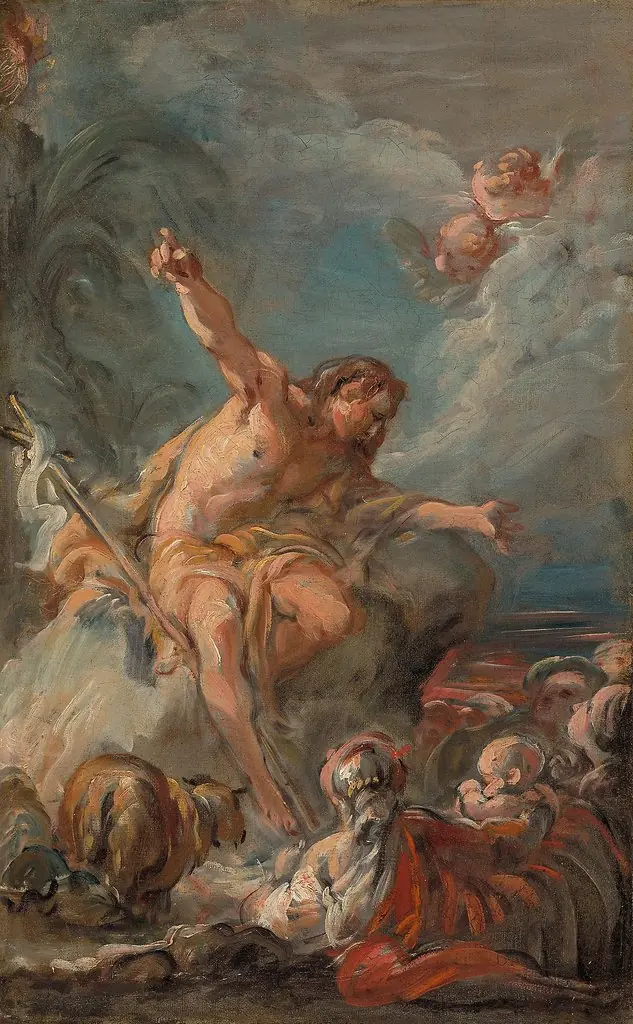 Saint John the Baptist Preaching in the Desert
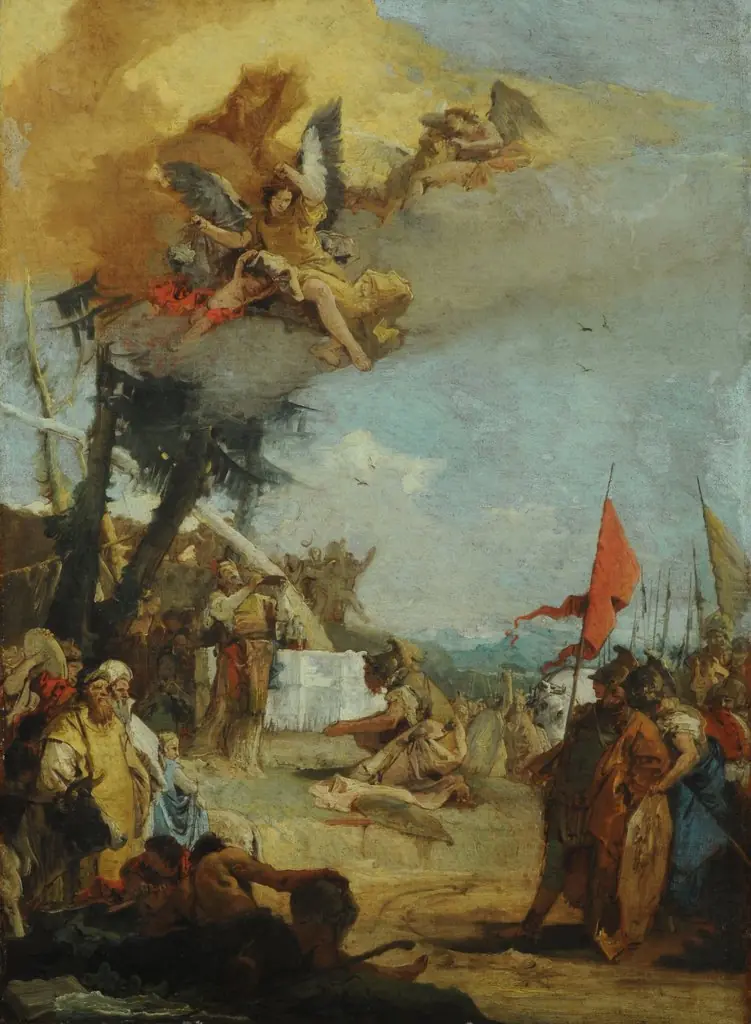 Sacrifice of Melchizedek
 Return of Astrea
 The Glorification of the Giustiniani Family
 Washerwomen and Woodcutters
 The Annunciation to the Shepherds
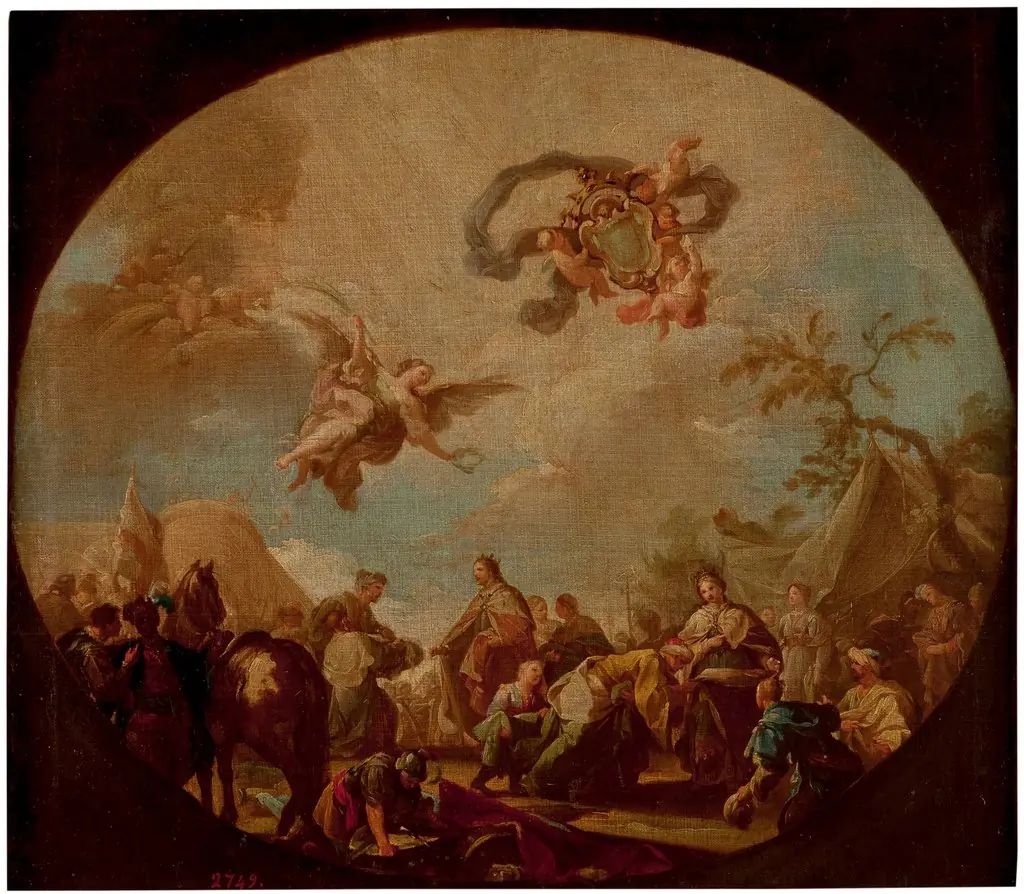 La Rendición de Granada
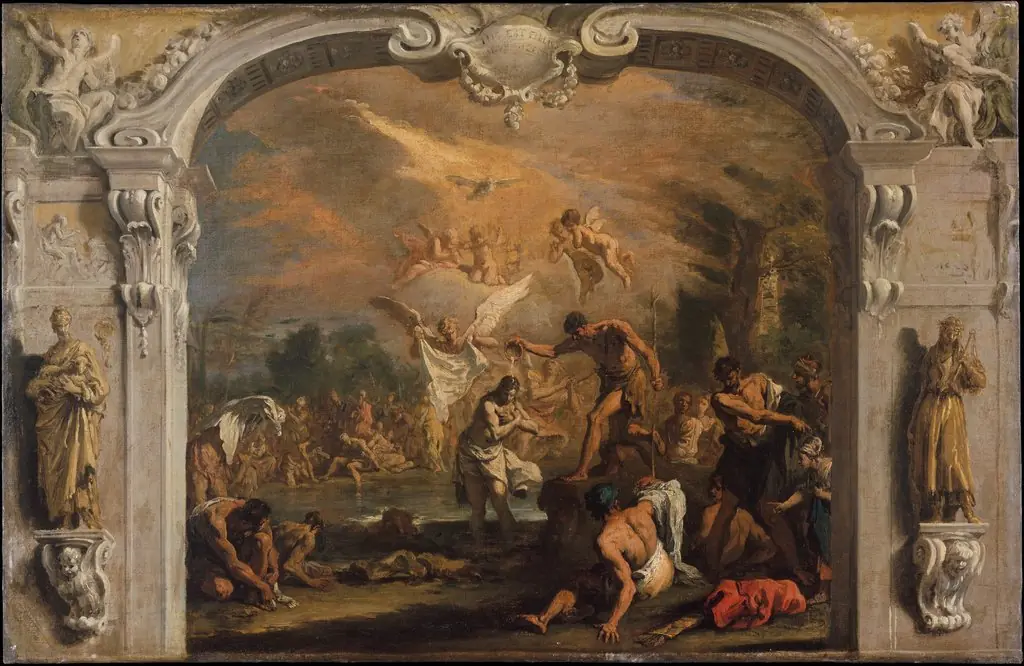 The Baptism of Christ
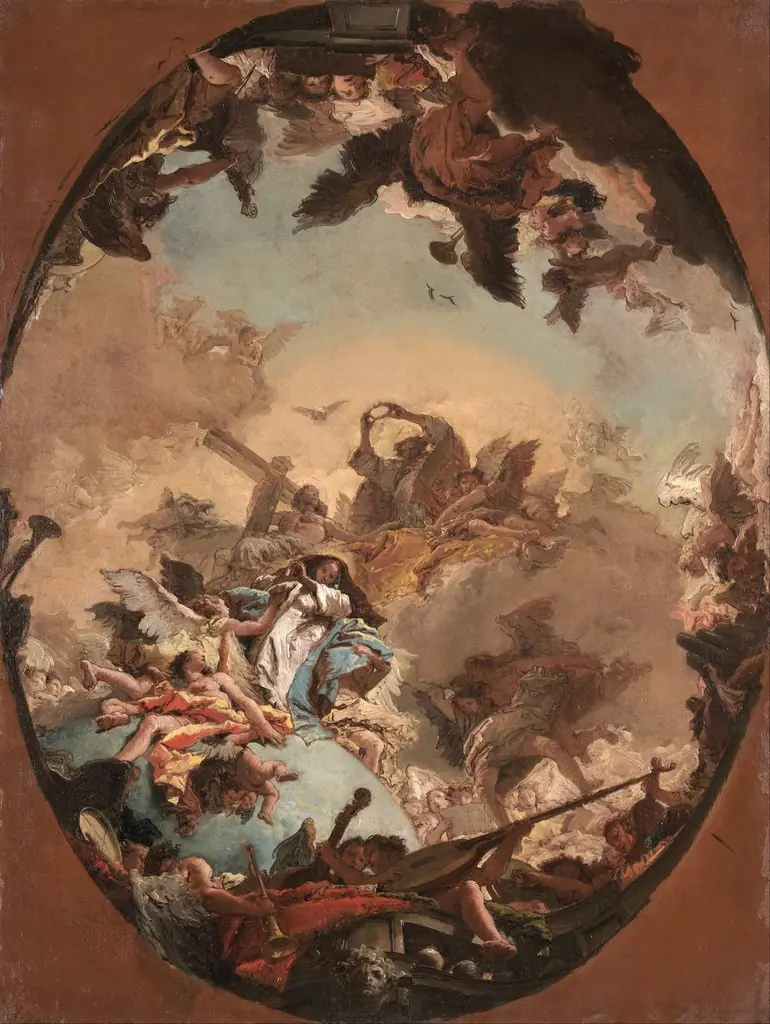 The Coronation of the Virgin
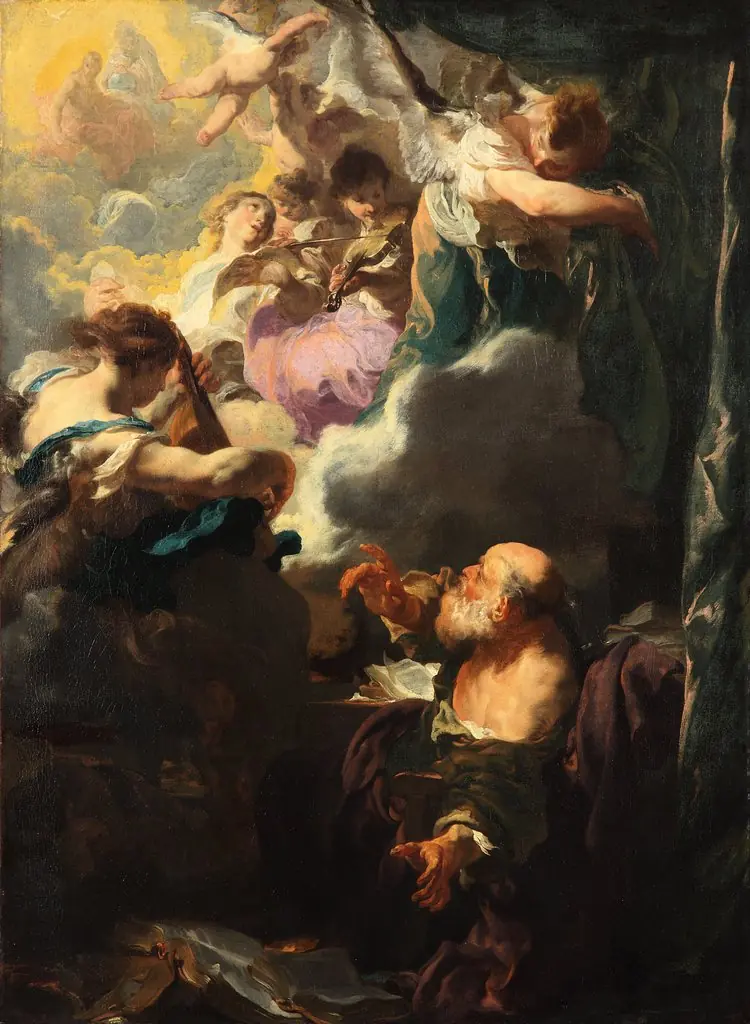 The rapture of Saint Paul
 The Gathering of Manna