Artwork
Viaje de Tobías y Sara
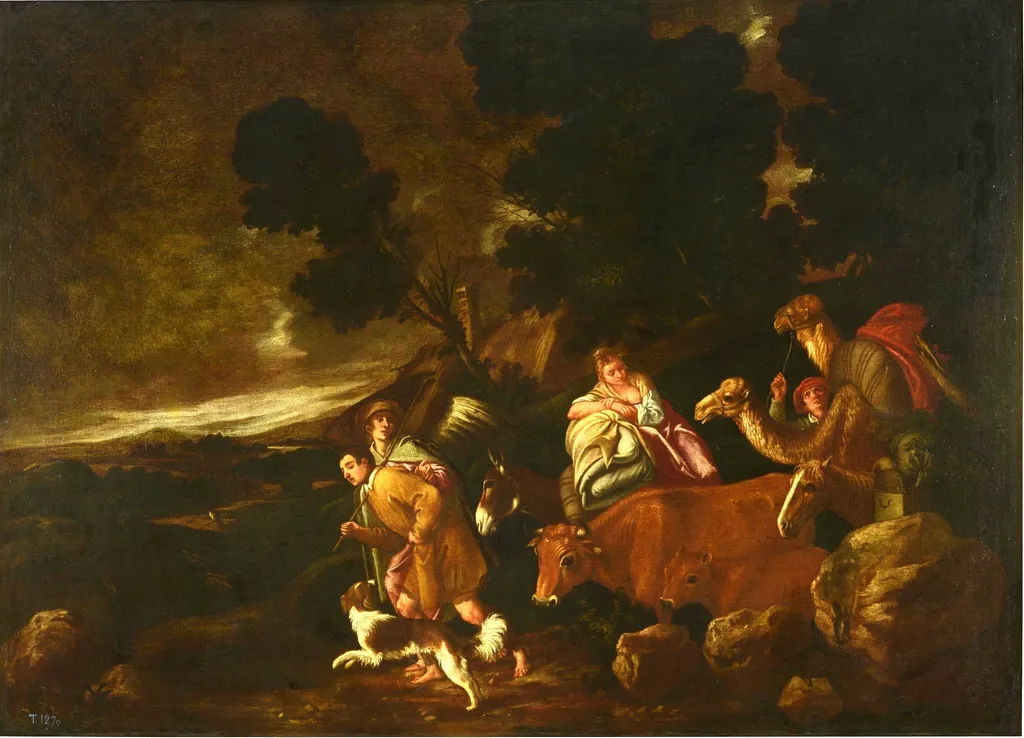
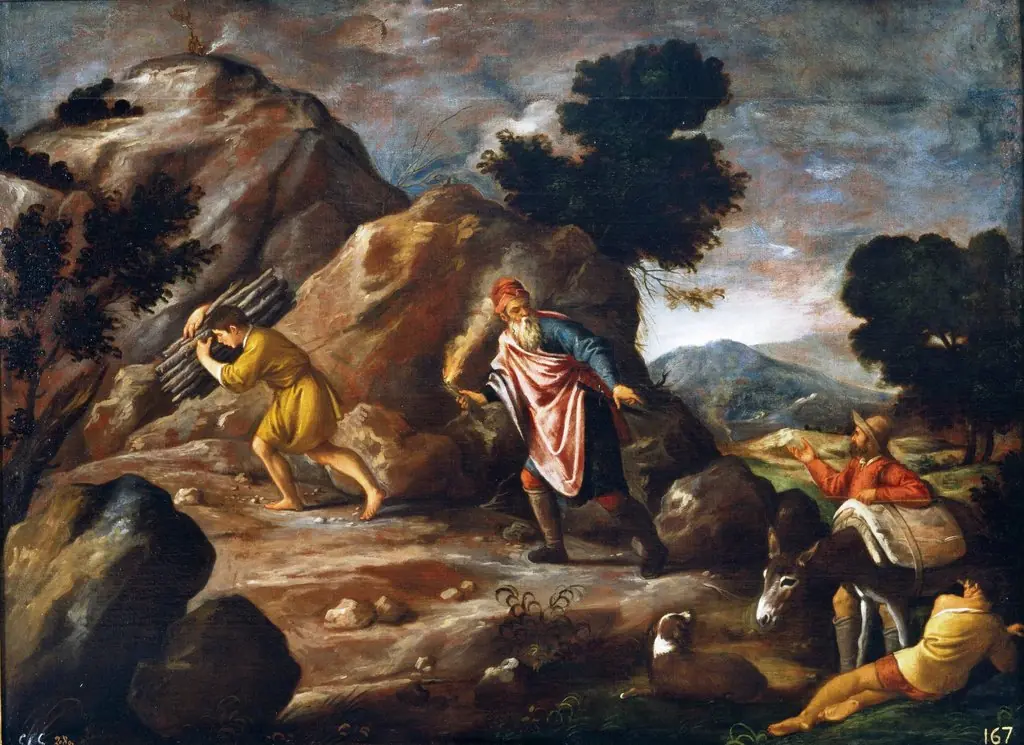
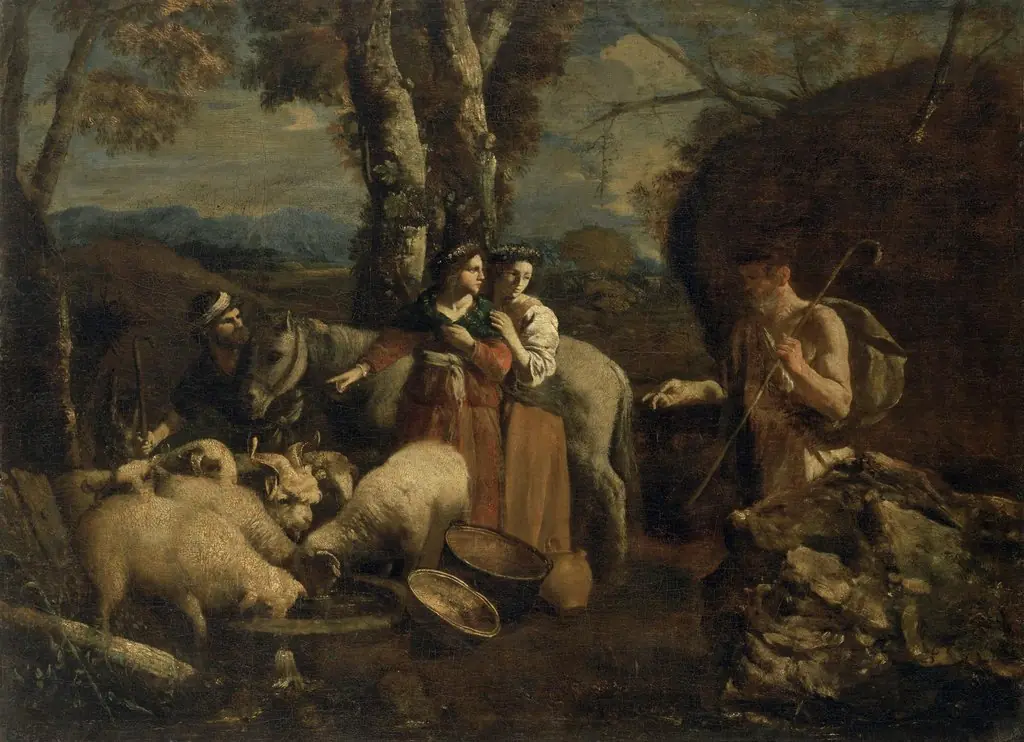
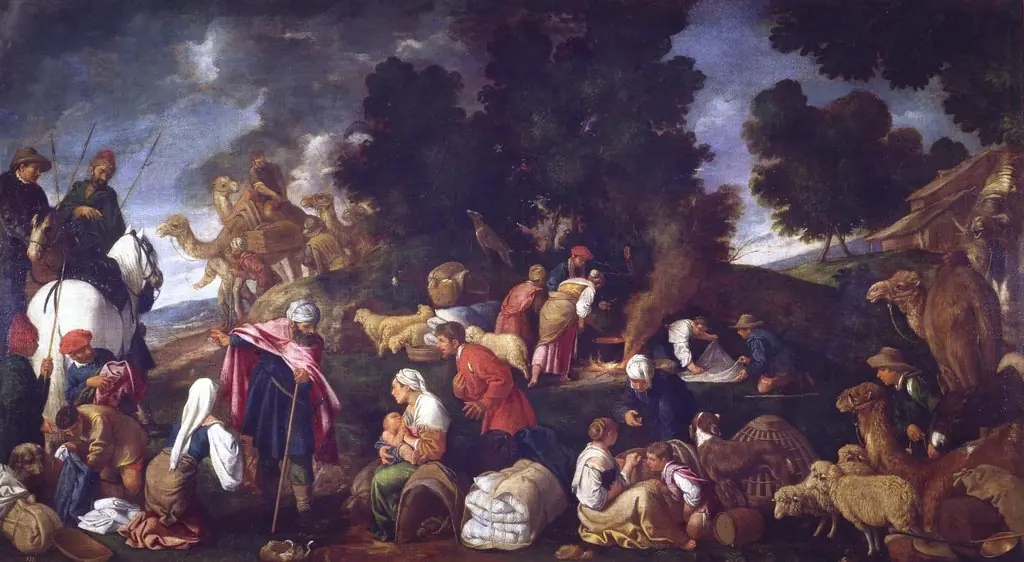
Viaje de Tobías y Sara is an oil painting by the Early Baroque Italian artist Pedro Orrente. It dates from 1601 and is held in the collection of the Museo del Prado.
About this work
Overview
The painting is part of the permanent collection at the Museo del Prado in Madrid, where it has remained since the 19th century.
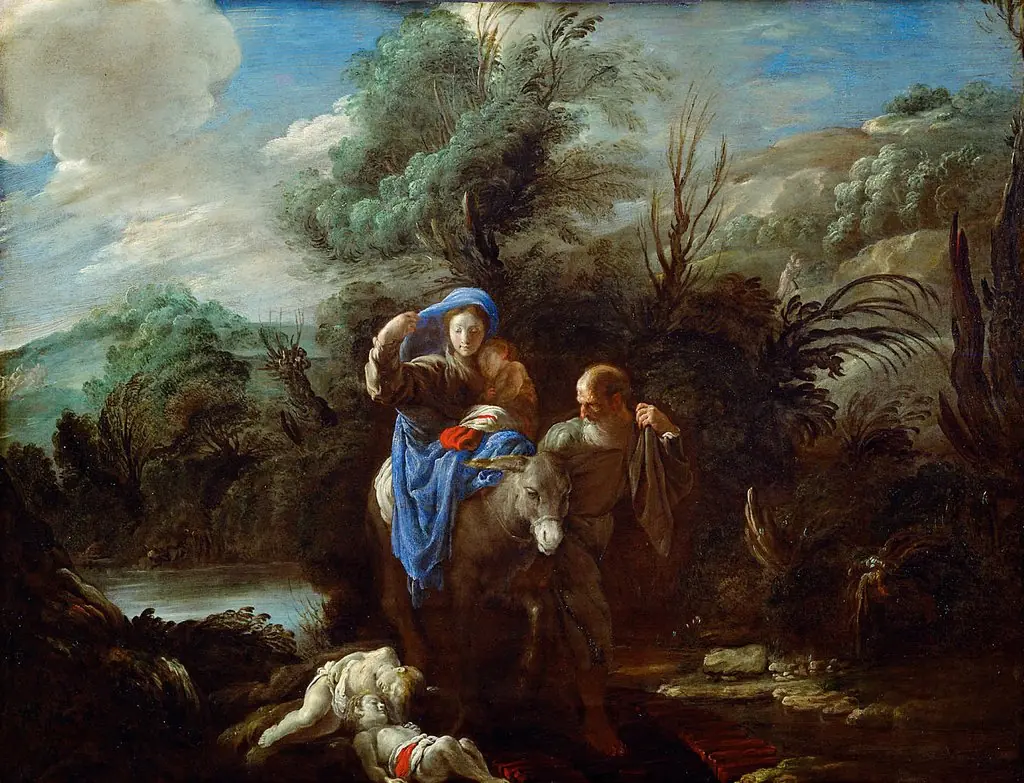
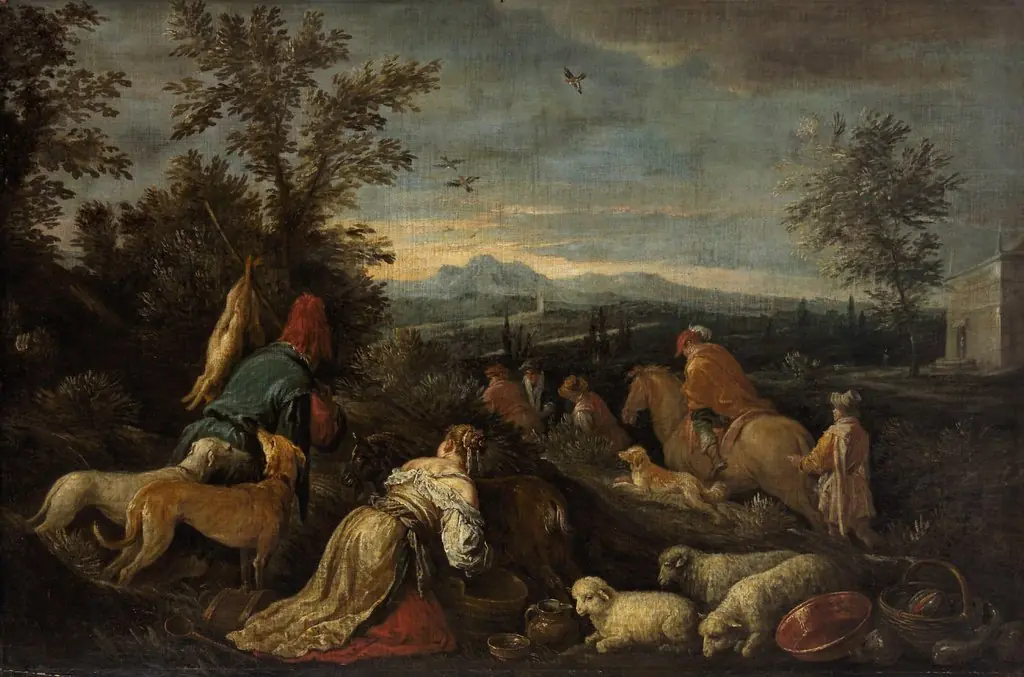
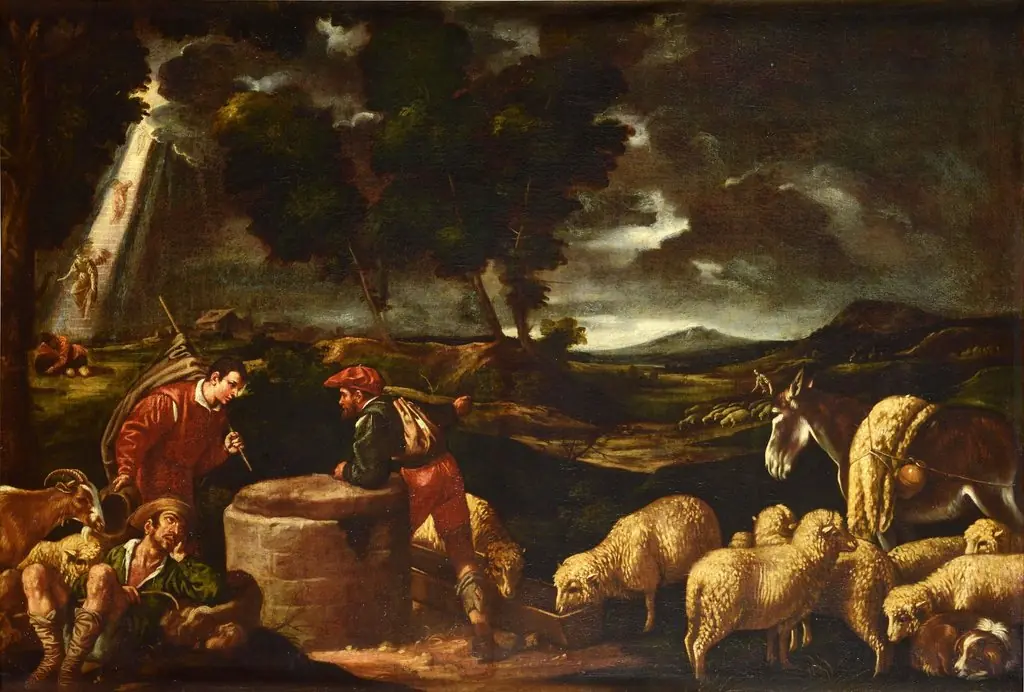
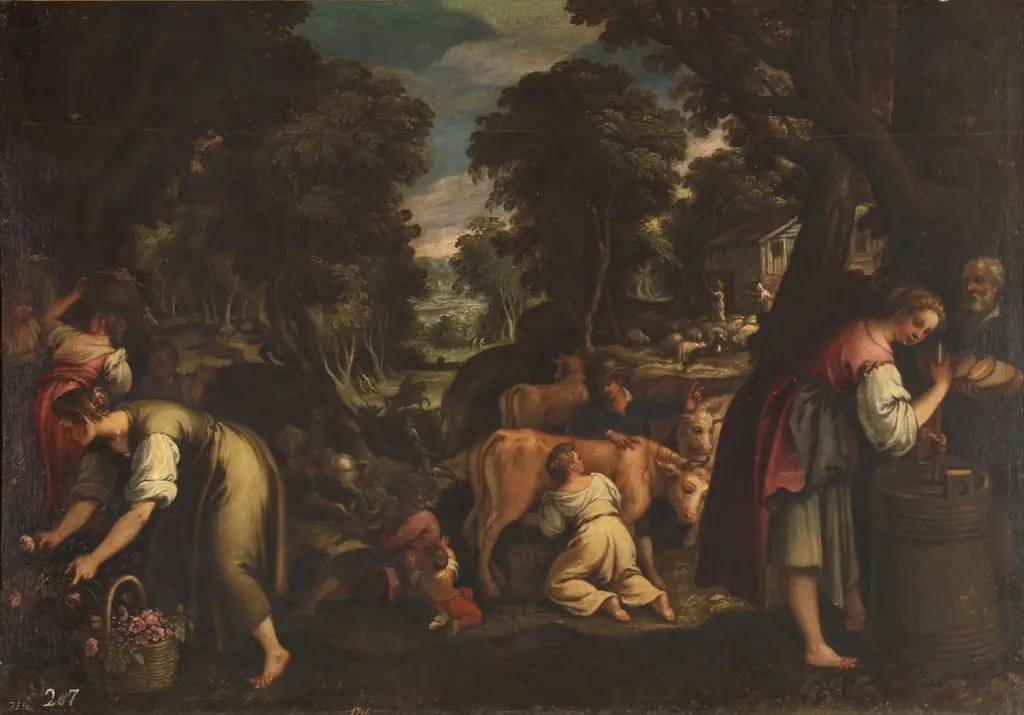
Painted in 1601 by Spanish artist Pedro Orrente, this oil on canvas work illustrates a biblical episode from the Book of Tobit. Created during the early Baroque period, it reflects a shift toward naturalism in Spanish painting. The scene unfolds in a rural landscape with figures and animals arranged in a quiet, narrative sequence. The painting is part of the permanent collection at the Museo del Prado in Madrid, where it has remained since the 19th century.
Subject & Meaning
The painting portrays Tobias, accompanied by the archangel Raphael in disguise, traveling with his future wife Sara and their livestock. The journey symbolizes divine guidance and the fulfillment of familial duty. Orrente emphasizes the human dimension of the story, focusing on the physicality of travel rather than overt religious spectacle. The presence of the dog, camel, and cow grounds the sacred narrative in everyday reality, reinforcing its moral and domestic themes.
Technique & Style
Orrente employs a restrained palette of warm earth tones and soft chiaroscuro to model forms with subtle gradations of light. His brushwork captures the textures of wool, leather, and fur with quiet precision, avoiding theatricality. Figures are arranged in a shallow, horizontal plane, enhancing the sense of a continuous journey. The landscape, though simplified, suggests depth through atmospheric perspective and a hazy, overcast sky that unifies the composition.
History & Provenance
The painting was completed in 1601, likely during Orrente’s formative years in Valencia before his move to Madrid. It entered the Spanish royal collection in the 17th century and was later transferred to the Museo del Prado upon its founding. Its attribution has remained consistent, with no significant alterations or restorations recorded. The work reflects the artist’s early engagement with Italian naturalism, possibly influenced by Caravaggio’s followers active in southern Spain.
Context
Orrente worked in a period when Spanish art was transitioning from Mannerist stylization toward direct observation of nature. His adoption of naturalism aligned with broader Counter-Reformation goals of making sacred stories accessible through realism. Unlike Italian contemporaries, Orrente avoided dramatic gestures, favoring quiet, contemplative moments. This painting exemplifies how regional Spanish artists adapted broader European trends to suit local devotional sensibilities.
Legacy
Though not widely known outside Spain, Orrente’s work contributed to the development of a distinctly Spanish naturalist tradition in early Baroque painting. *Viaje de Tobías y Sara* stands as an early example of how biblical narratives were rendered with psychological and physical authenticity. It influenced later Spanish genre painters who sought to merge religious subject matter with everyday realism, setting a precedent for the quiet dignity of domestic sacred scenes.
Own this work as a print
Artist & collection
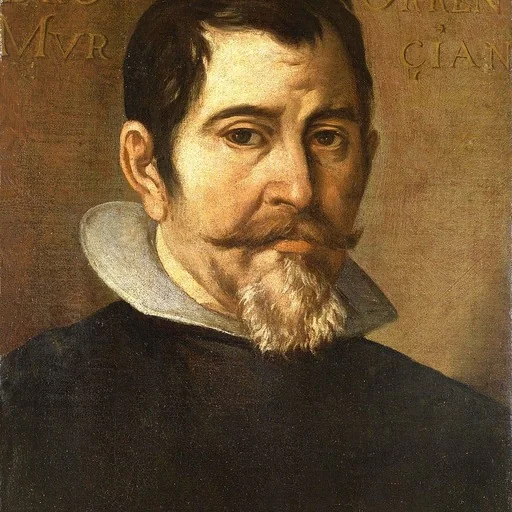
Artist
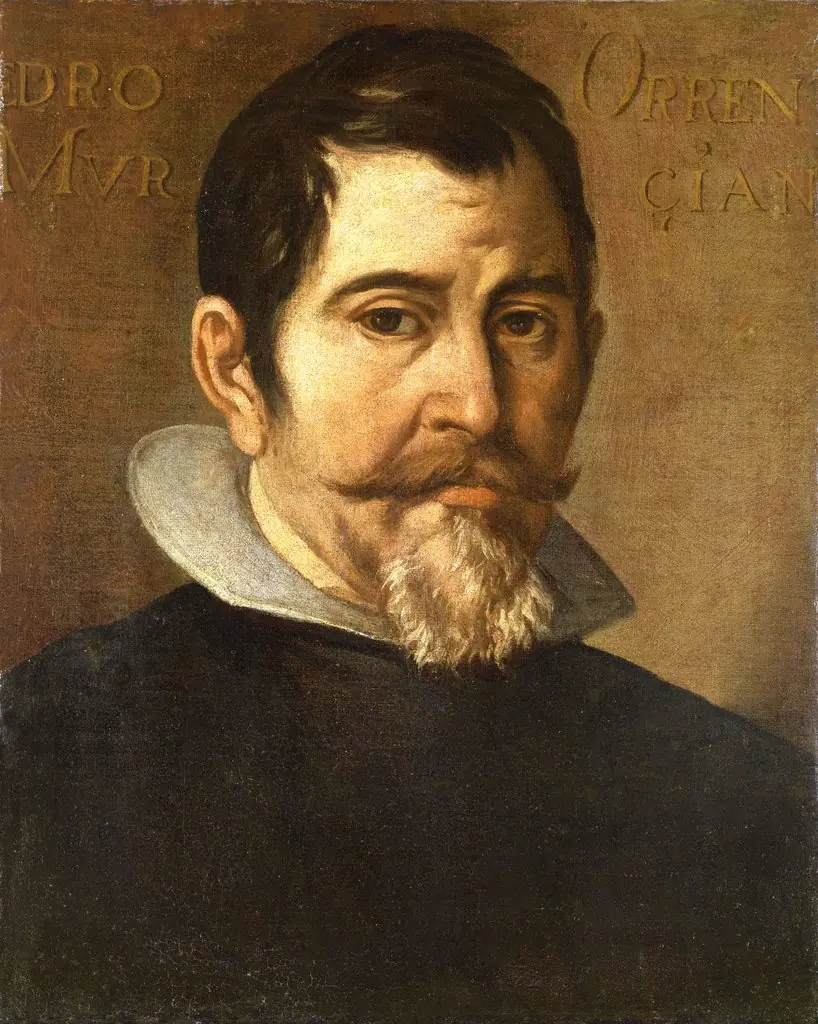
Pedro de Orrente (April 1580 – 19 January 1645) was a Spanish painter of the early Baroque period. He became one of the first artists in that part of Spain to paint in a Naturalistic style.