Artwork
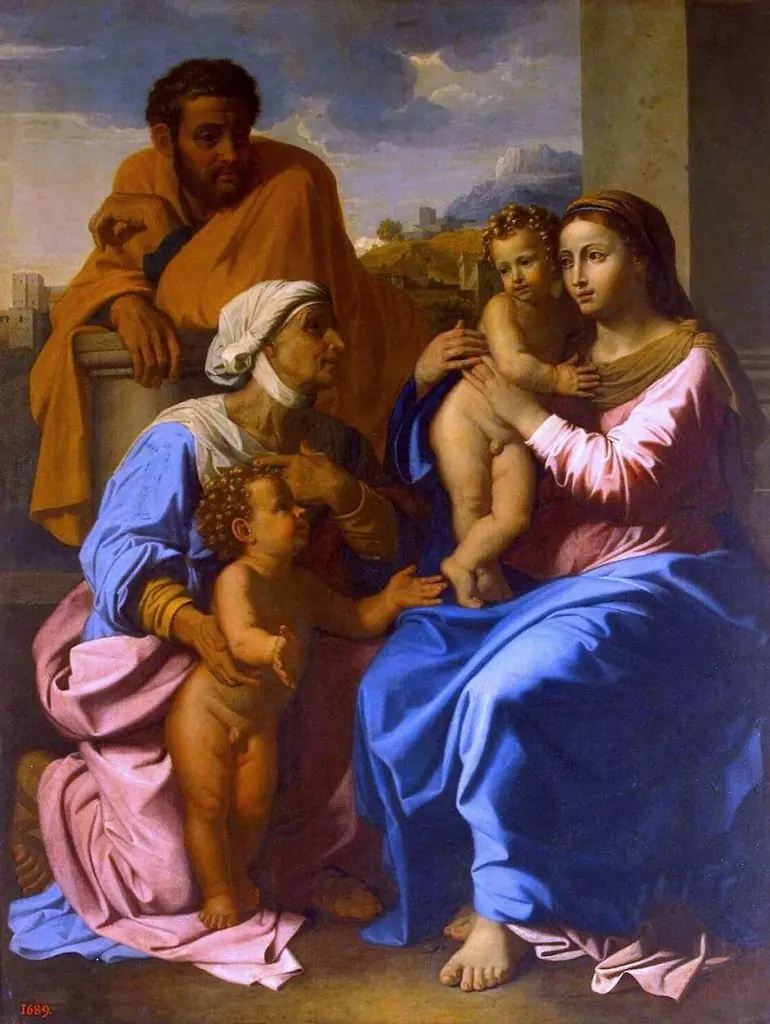
Holy Family with Sts Elizabeth and John the Baptist
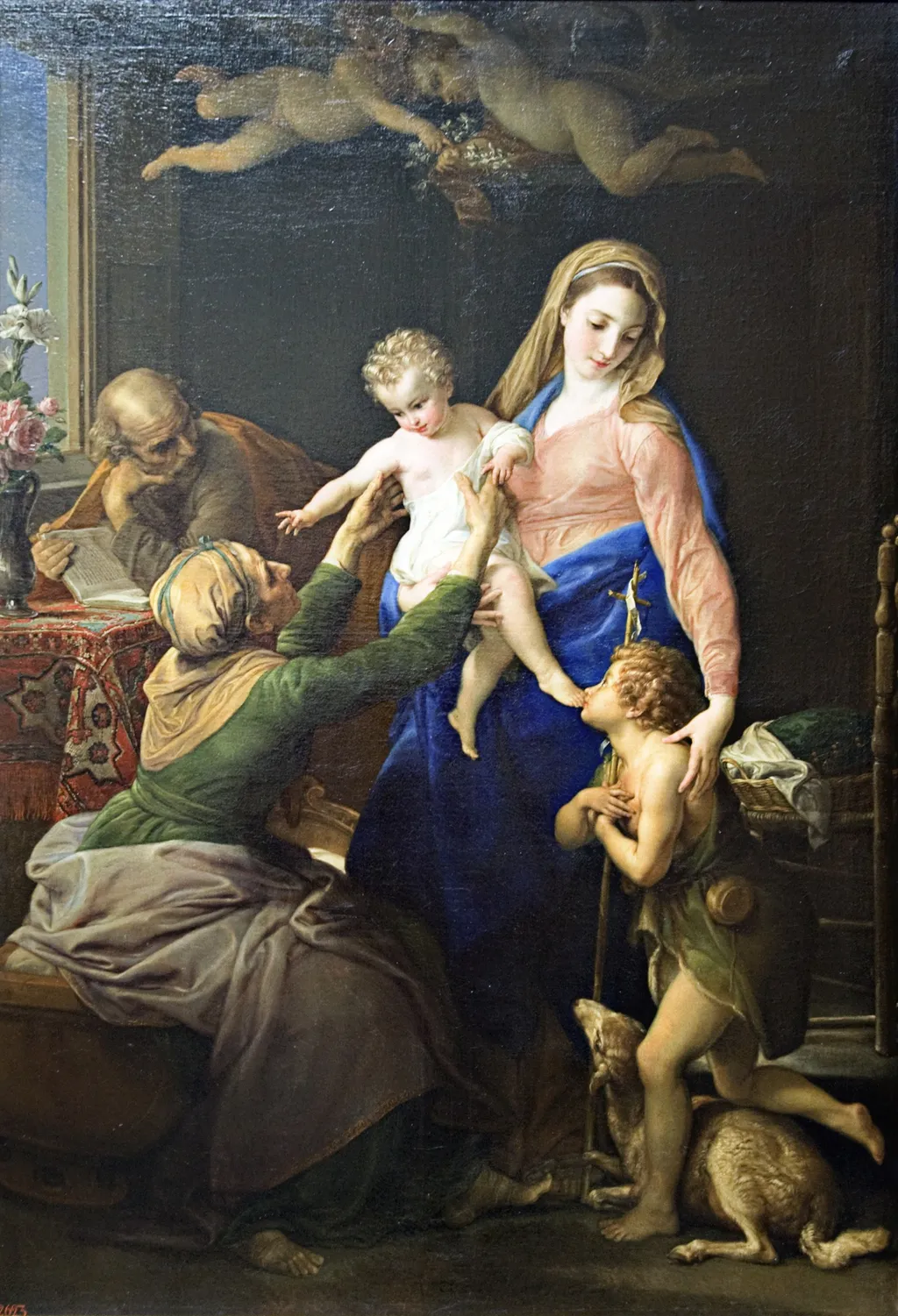
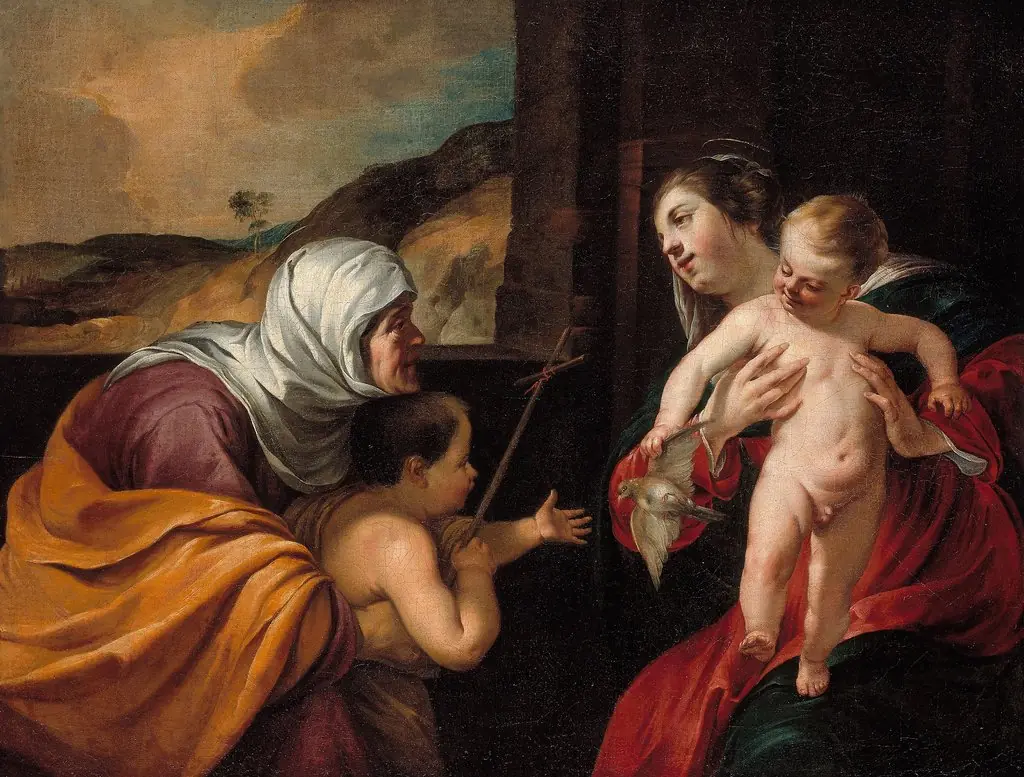
Holy Family with Sts Elizabeth and John the Baptist is an oil painting by the Rococo painting artist Pompeo Batoni. It dates from 1789 and is held in the collection of the Hermitage Museum.
About this work
Overview
Batoni, an Italian artist active in Rome, was widely recognized for his portraiture and classical compositions.
Painted in 1789 by Pompeo Batoni, this oil-on-canvas work presents a devotional scene of the Holy Family alongside Saint Elizabeth and the young John the Baptist. Batoni, an Italian artist active in Rome, was widely recognized for his portraiture and classical compositions. The painting is now part of the State Hermitage Museum’s collection, reflecting its significance in 18th-century religious art and its appeal to international collectors.
Subject & Meaning
The composition centers on the Virgin Mary cradling the infant Christ, with Saint Elizabeth and John the Baptist observing tenderly. The grouping evokes familial intimacy and spiritual continuity, linking the New Testament narrative with the earlier story of Elizabeth’s miraculous pregnancy. John’s presence as a child underscores his prophetic role, while the quiet gestures suggest reverence rather than grandeur, emphasizing humility and devotion.
Technique & Style
Batoni employs chiaroscuro to model the figures with soft, rounded volumes, enhancing their three-dimensionality against a muted interior setting. The palette favors warm earth tones and gentle highlights, creating a sense of quiet luminescence. Brushwork is refined but unobtrusive, prioritizing clarity of form over decorative flourish. The domestic setting, devoid of overt symbolism, grounds the sacred in everyday tenderness.
History & Provenance
Commissioned during Batoni’s mature period, the painting likely originated from a private patron connected to the Grand Tour tradition. It entered the Hermitage collection in the late 18th or early 19th century, possibly through acquisition by Russian nobility with ties to Rome. Its presence in the museum reflects the imperial interest in Italian Old Master works during Catherine the Great’s reign.
Context
Created near the end of the 18th century, the painting diverges from the ornate Rococo style Batoni was sometimes associated with, instead embracing a restrained, classical sensibility. While portraiture dominated his output, this religious work aligns with a broader revival of devotional imagery in Catholic Europe, responding to both spiritual tradition and Enlightenment-era ideals of moral clarity.
Legacy
Though less celebrated than Batoni’s portraits, this painting exemplifies his ability to merge emotional nuance with formal discipline. It contributed to the enduring appeal of Italian religious art among Northern European collectors and influenced later 19th-century academic painters seeking to revive classical piety through naturalistic composition.
Own this work as a print
Artist & collection
Artist
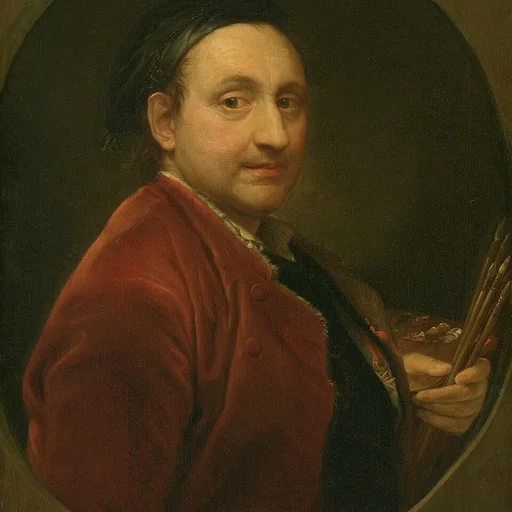
Pompeo Girolamo Batoni (25 January 1708 – 4 February 1787) was an Italian painter who displayed a solid technical knowledge in his portrait work and in his numerous allegorical and mythological pictures.

 Virgin and Child with Saint Elizabeth and the Infant Saint John the Baptist
 Madonna and Child
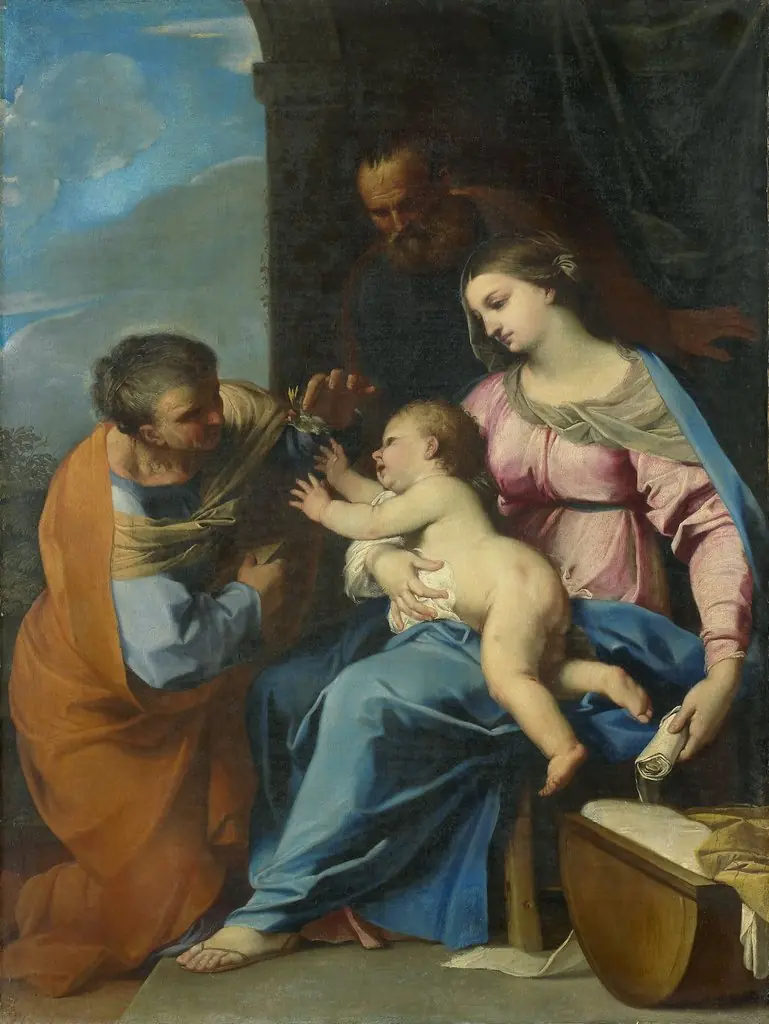 Holy Family
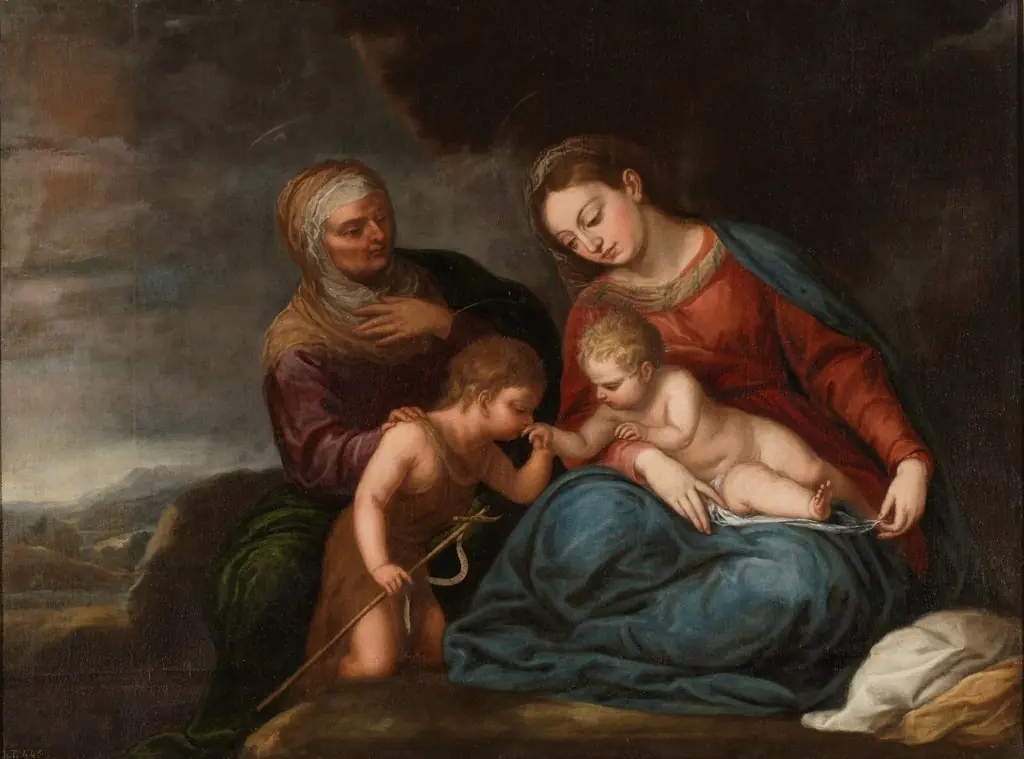 The Virgin and Child with Saints Elizabeth and John
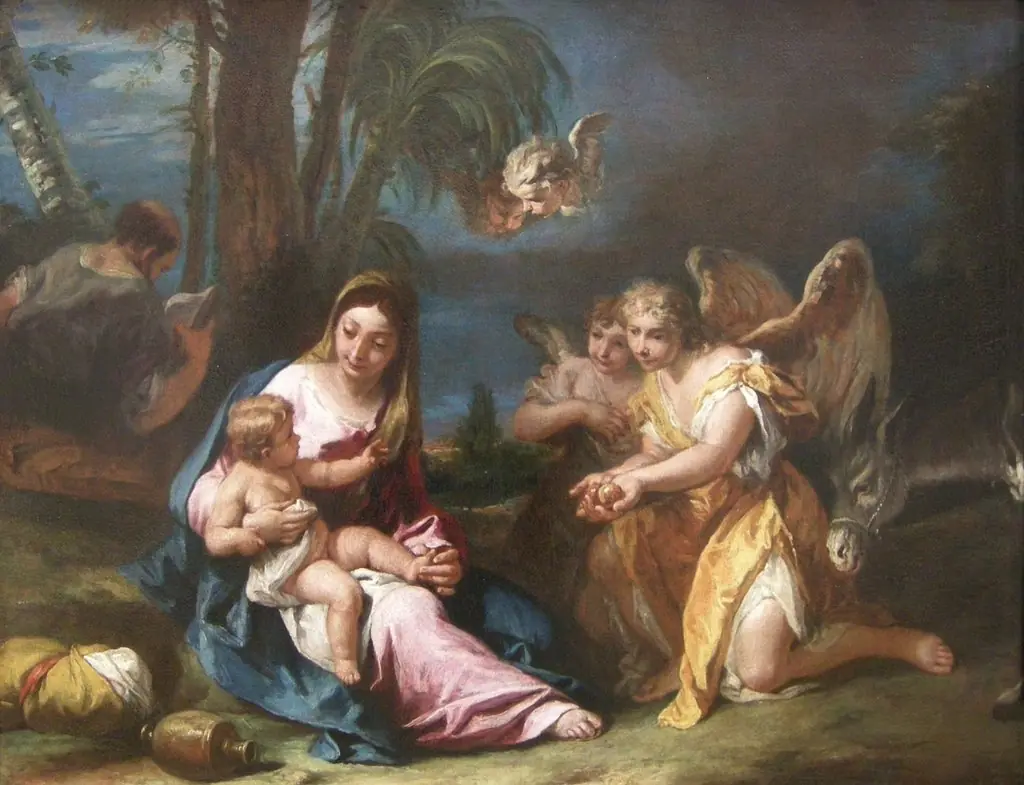 The Rest on The Flight into Egypt
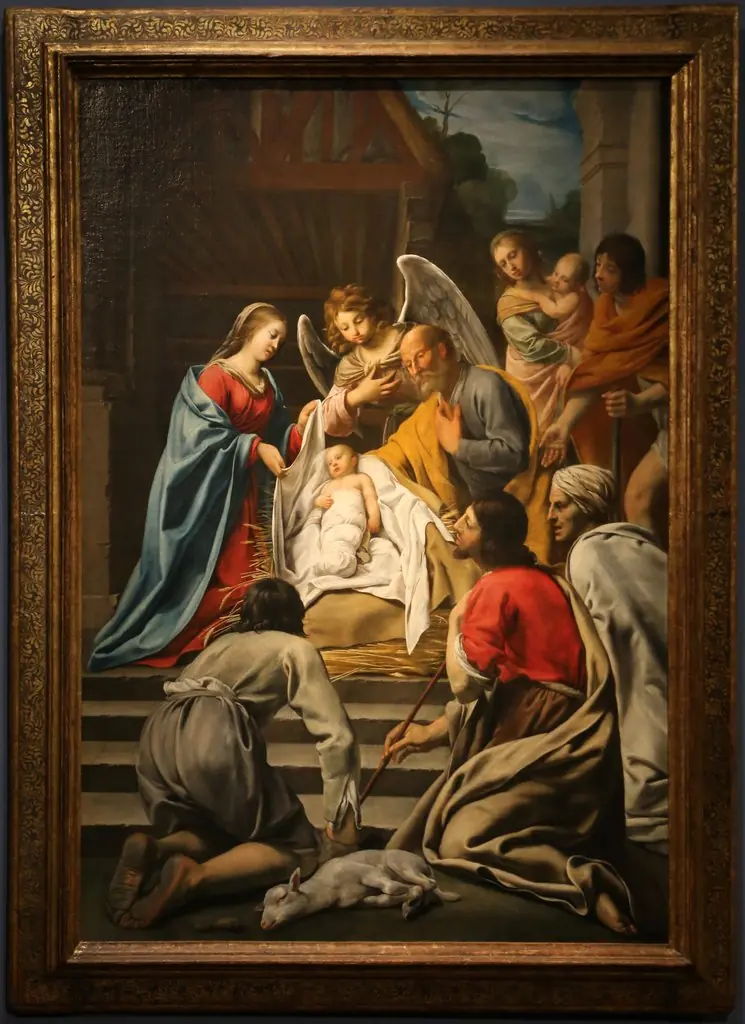 Adoration of the Shepherds
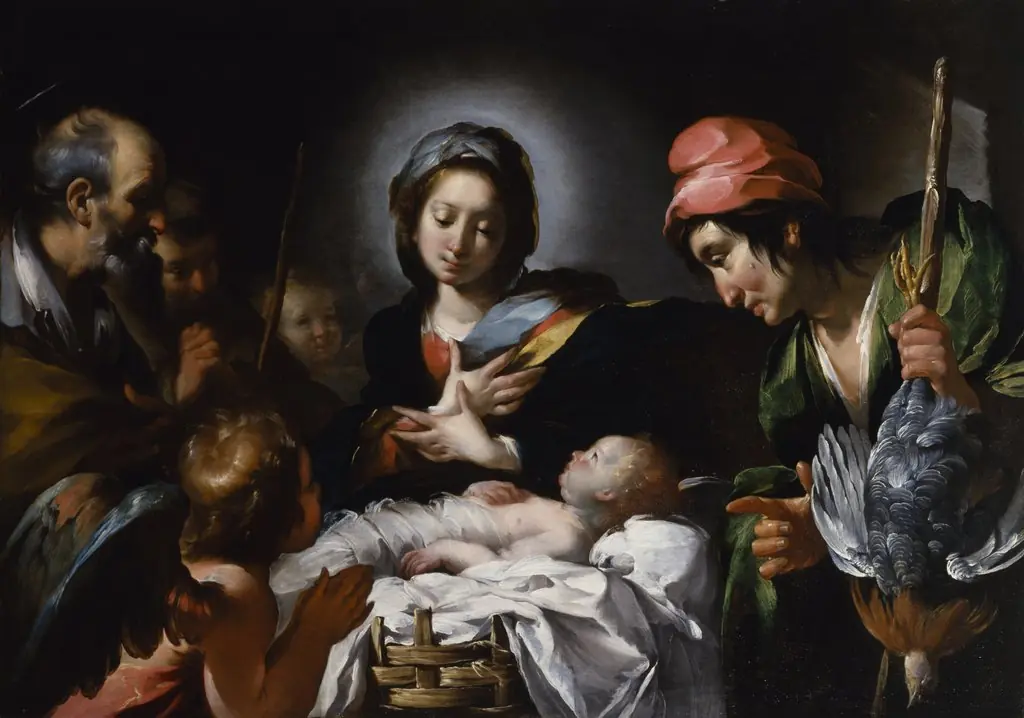 The Adoration of the Shepherds
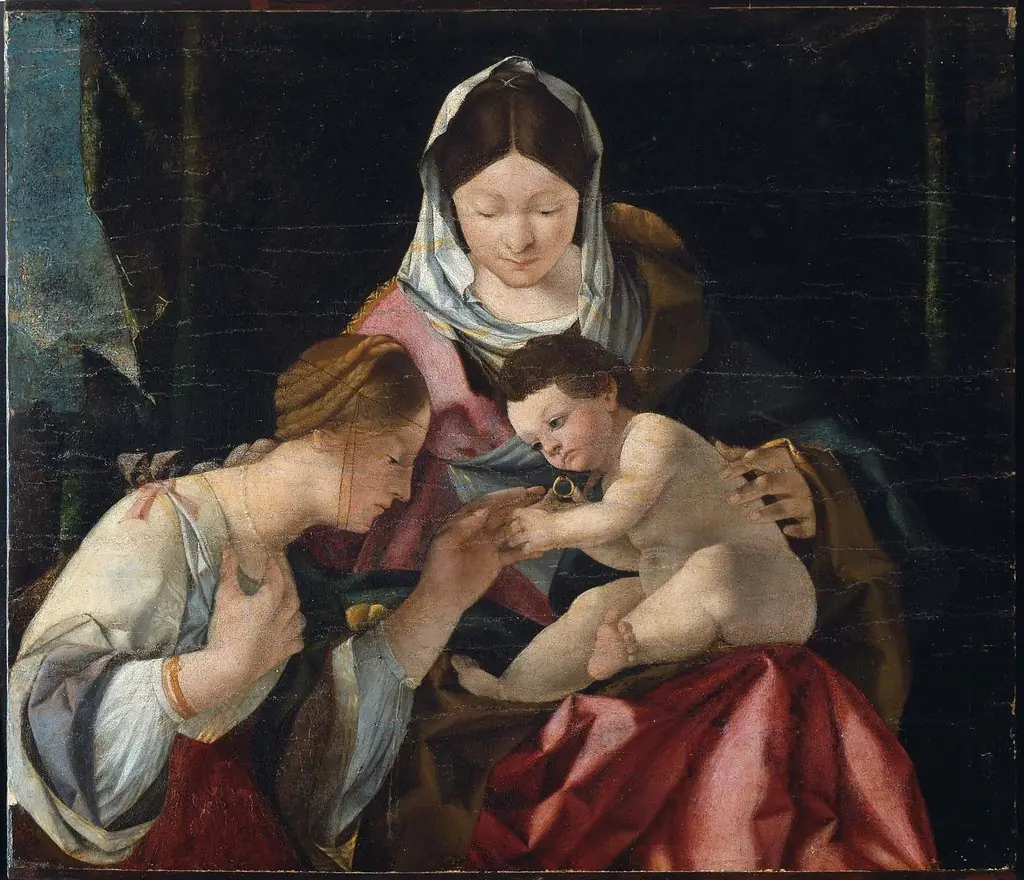 The Mystic Marriage of Saint Catherine
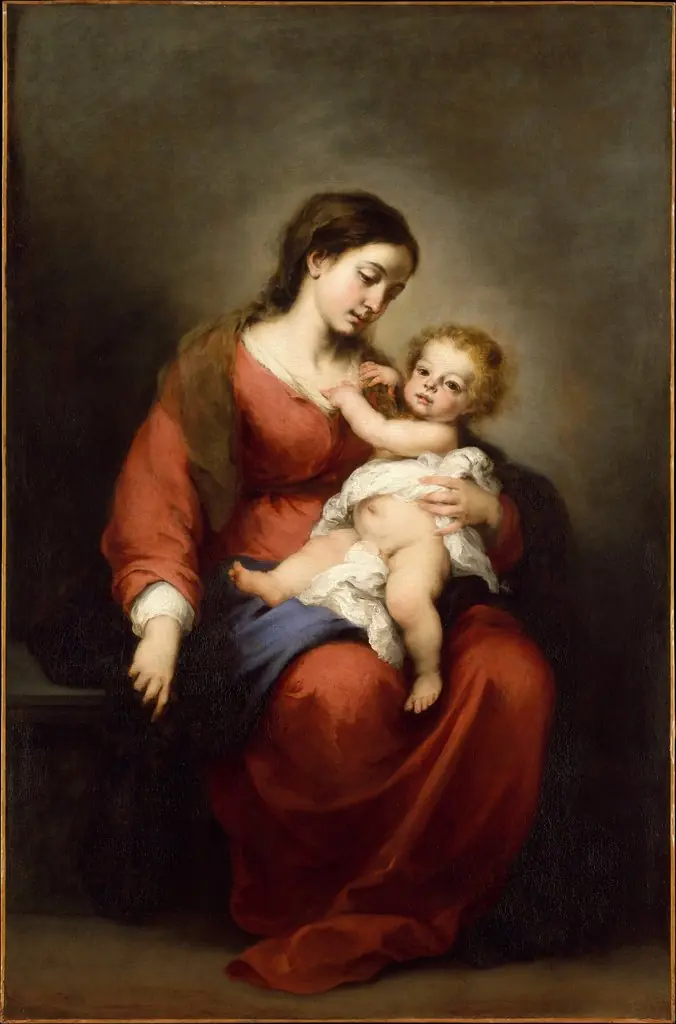 Madonna and Child
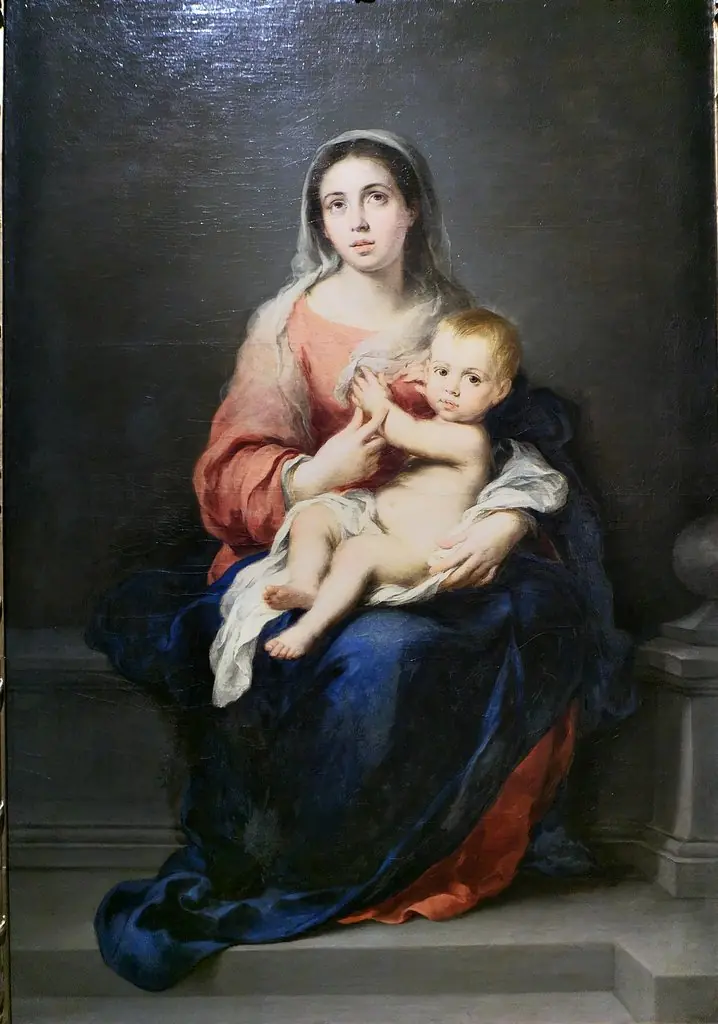 Madonna and Child
 The Nativity
 Holy Family with St Elizabeth and St John the Baptist