Artwork
Predella Panel from an Altarpiece: St. Catherine of Siena Invested with the Dominican Habit
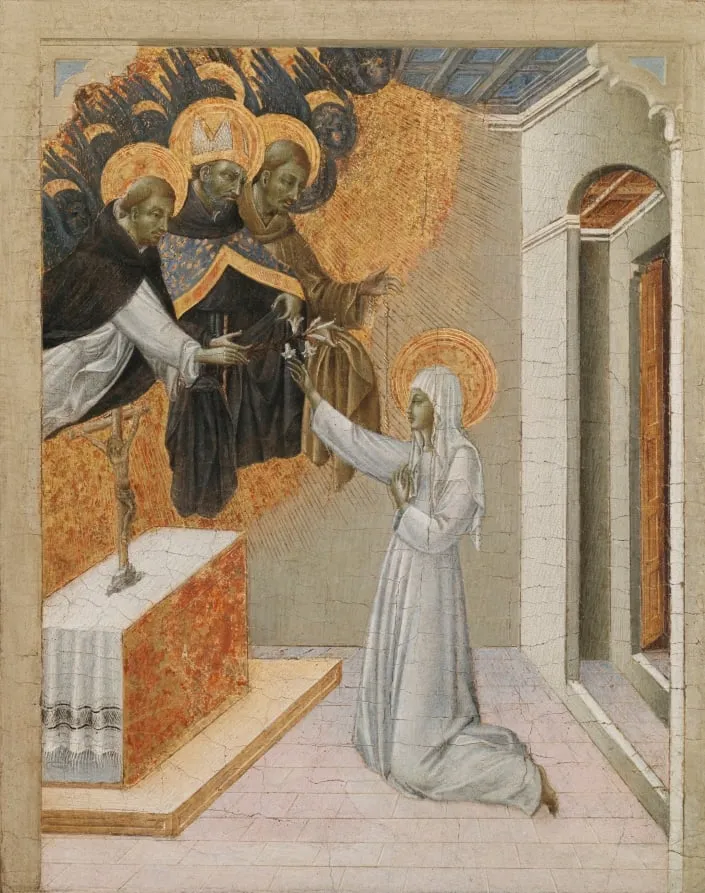
Predella Panel from an Altarpiece: St. Catherine of Siena Invested with the Dominican Habit is an unspecified painting by the Early Renaissance artist Giovanni di Paolo. It dates from 1464 and is held in the collection of the Cleveland Museum of Art. This small predella panel depicts Saint Catherine of Siena at the moment she receives the Dominican habit.
About this work
Overview
This small predella panel depicts Saint Catherine of Siena at the moment she receives the Dominican habit. The figure is shown kneeling before an altar while a cleric drapes a black‑and‑white monastic robe over her shoulders. The work originally formed part of the lower register of a larger altarpiece commissioned for Siena’s Hospital Church.
Subject & Meaning
Saint Catherine, a 14th‑century Sienese mystic, is portrayed choosing the habit of Saint Dominic among the garments presented by the founders of the Dominican, Augustinian and Franciscan orders. The scene emphasizes her commitment to the Dominican reform and her role as founder of the Sisters of Penitence, highlighting themes of religious devotion and charitable service.
Technique & Style
Executed in tempera on wood, the panel features delicate modeling of the figures and a luminous gold leaf background that suggests a heavenly atmosphere. The composition is compact, with careful attention to the drapery’s pattern and the expressive gestures of the saint and the officiant.
History & Provenance
The predella was added to the altarpiece after Catherine’s canonization in 1461; the main altarpiece, depicting the Presentation of Christ in the Temple, had been ordered by the Pizzicaiuoli (pork butchers) guild in 1447. Both the main panel and its predella originally hung in the Hospital Church of Siena, and the central scene now resides in the city’s museum collection.
Context
Catherine’s reputation for caring for plague victims during the Black Death made her a beloved figure in Siena. The inclusion of the Dominican habit reflects the growing influence of the Dominican order in the city during the mid‑15th century, while the guild’s patronage underscores the civic involvement in religious art.
Legacy
The panel illustrates the intertwining of local devotion, guild sponsorship, and monastic reform in Renaissance Siena. It remains a visual testament to Catherine’s sanctified status and the artistic practices surrounding altarpiece predellas in 15th‑century Italy.
Artist & collection

Artist
Giovanni di Paolo di Grazia was an Italian painter, working primarily in Siena, becoming a prolific painter and illustrator of manuscripts, including Dante's texts.

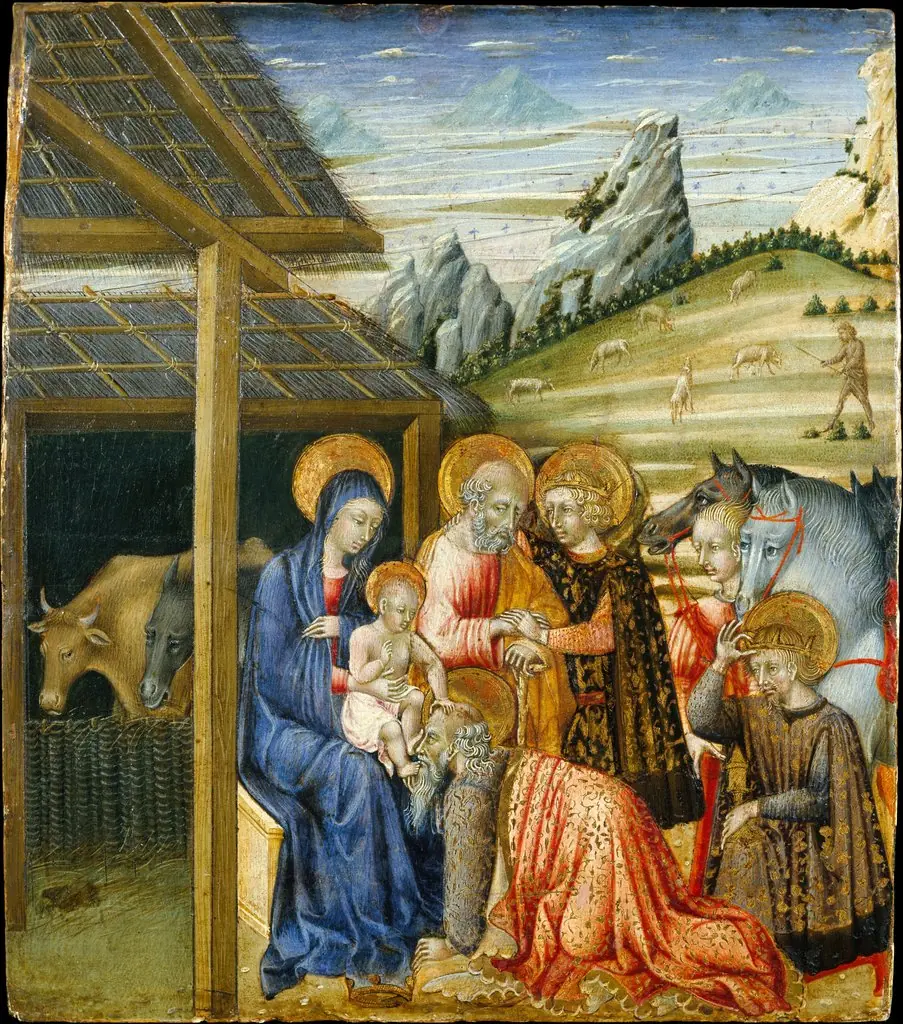 The Adoration of the Magi
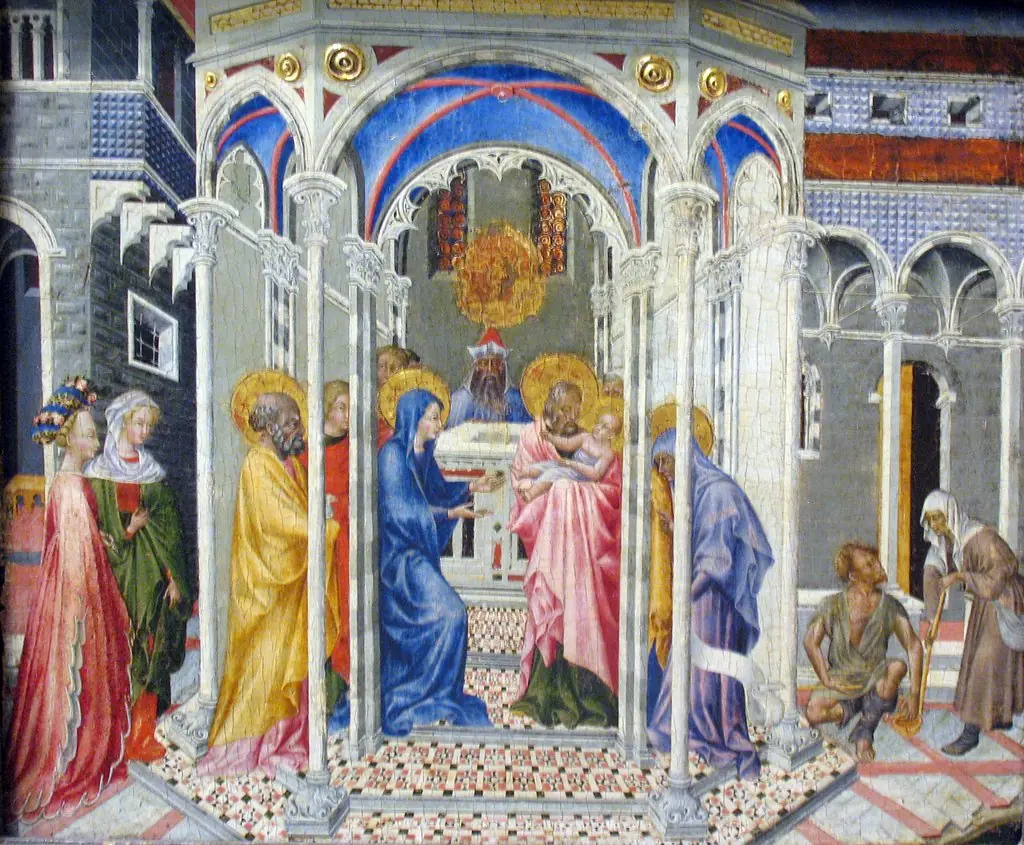 The Presentation of Christ in the Temple
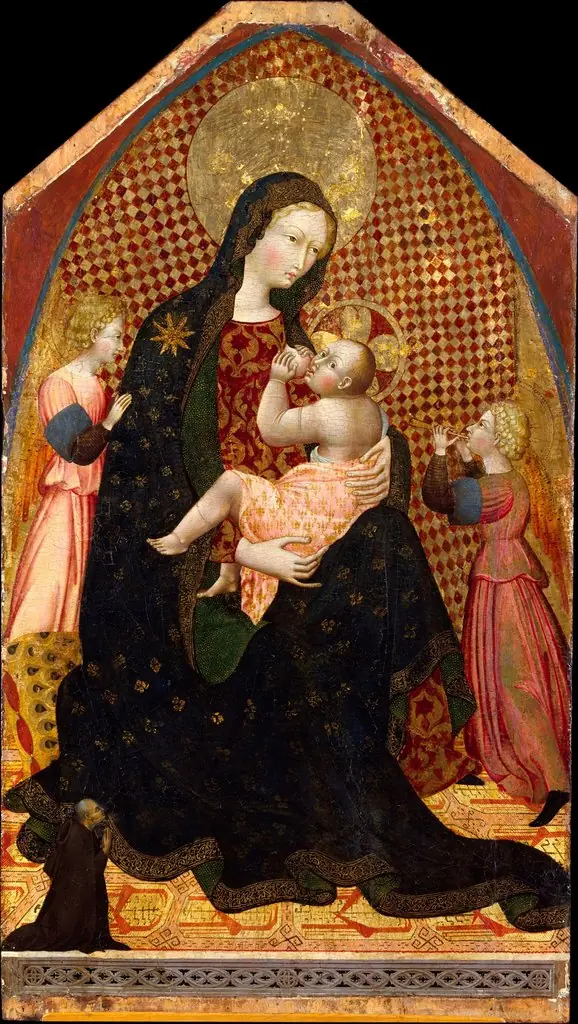 Madonna and Child with Two Angels and a Donor
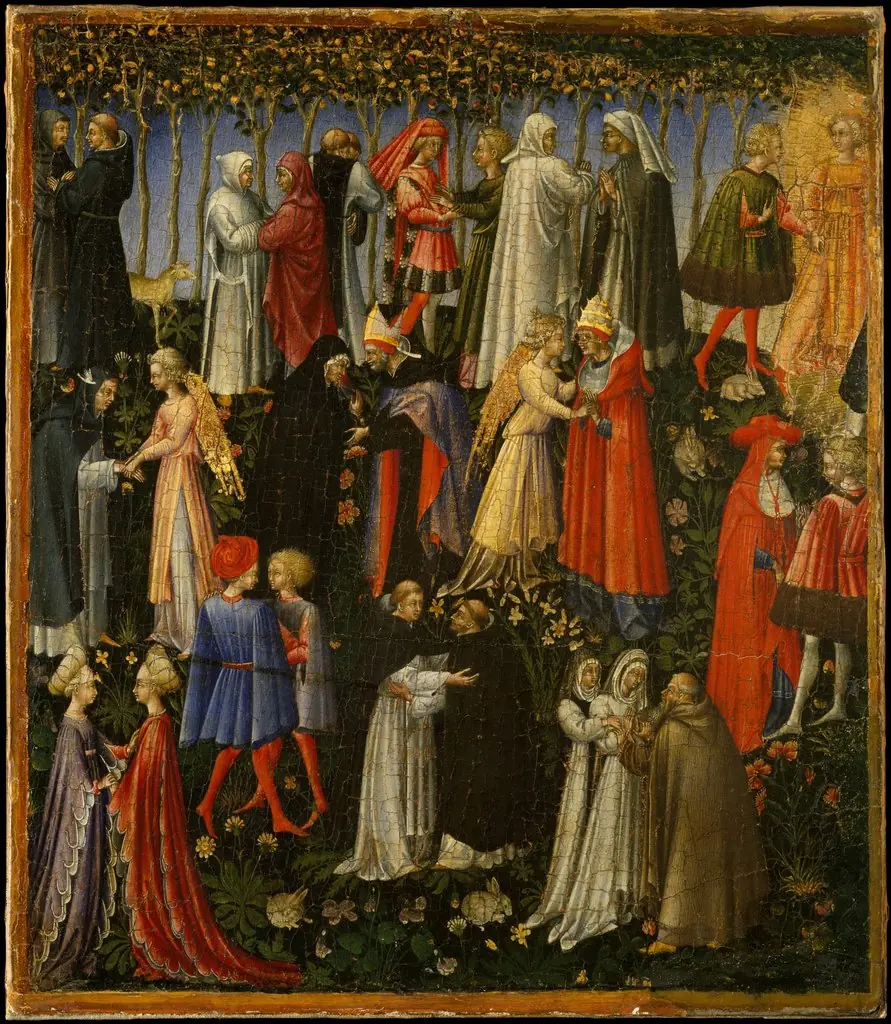 Paradise
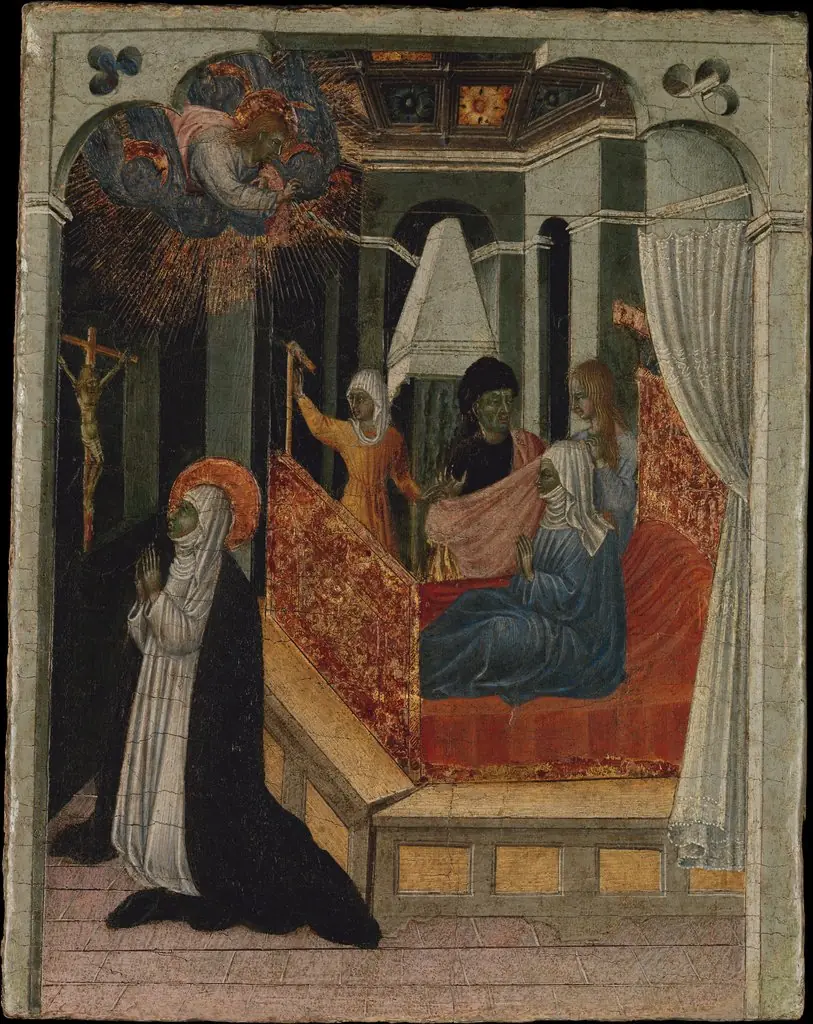 Saint Catherine of Siena Beseeching Christ to Resuscitate Her Mother
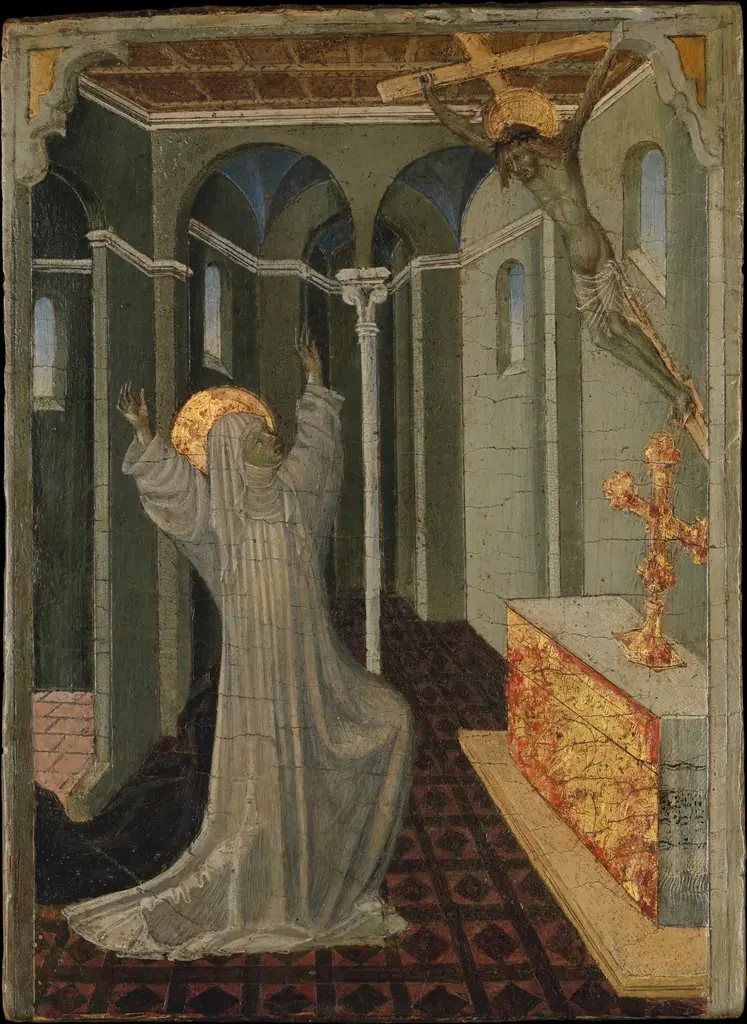 Saint Catherine of Siena Receiving the Stigmata
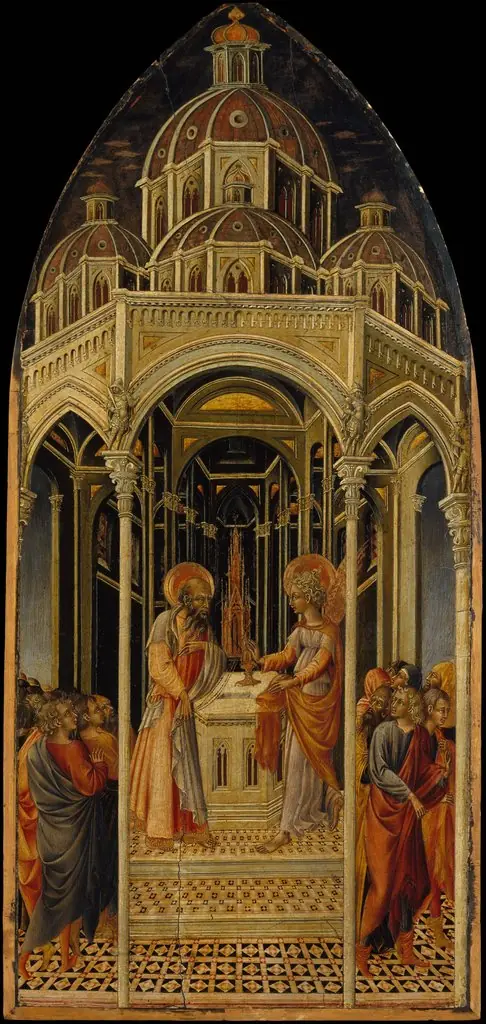 The Annunciation to Zacharias; (verso) The Angel of the Annunciation
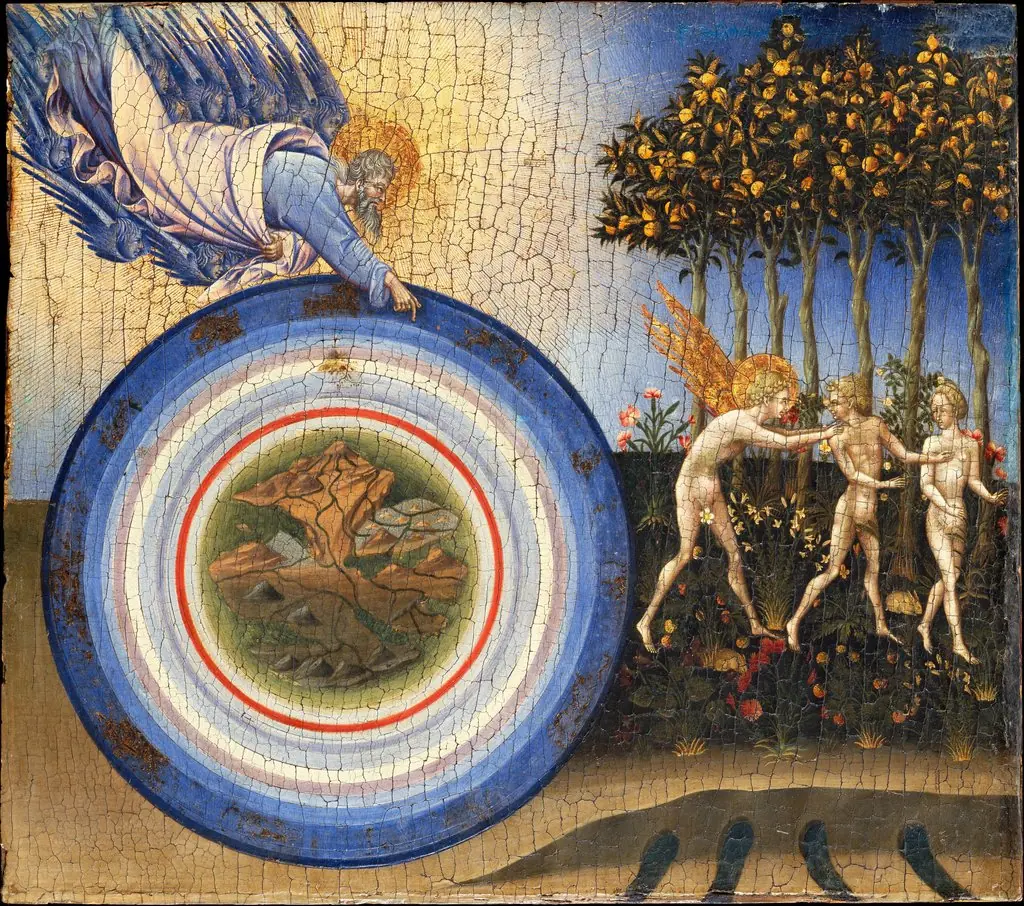 The Creation of the World and the Expulsion from Paradise
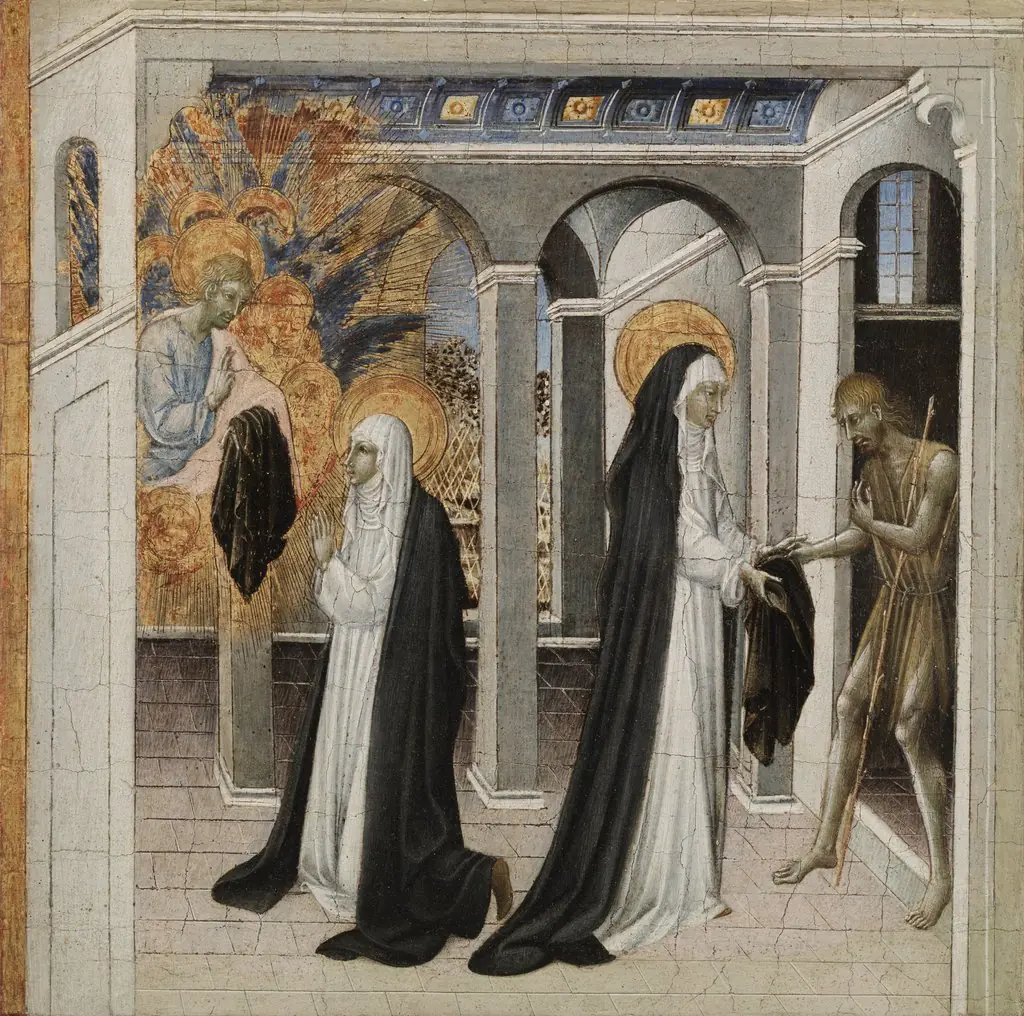 St. Catherine of Siena and the Beggar
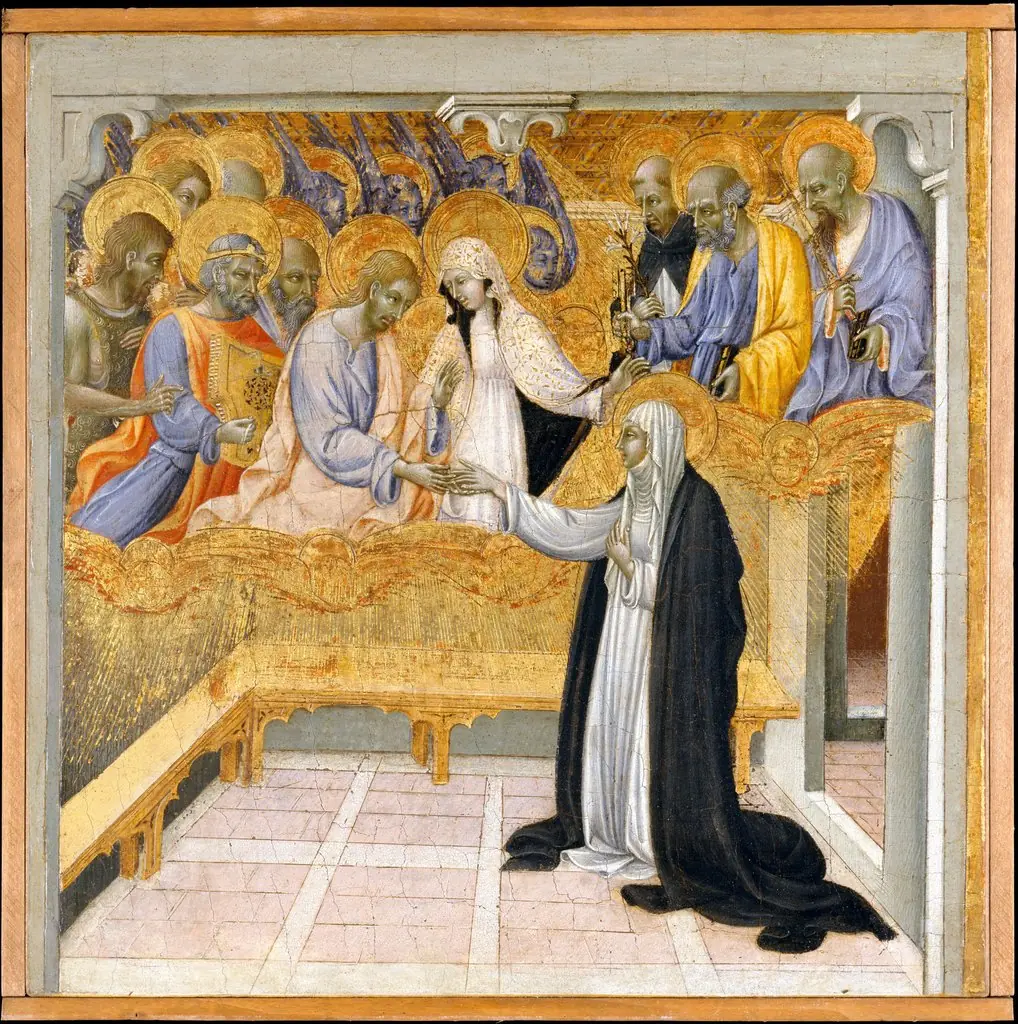 The Mystic Marriage of Saint Catherine of Siena
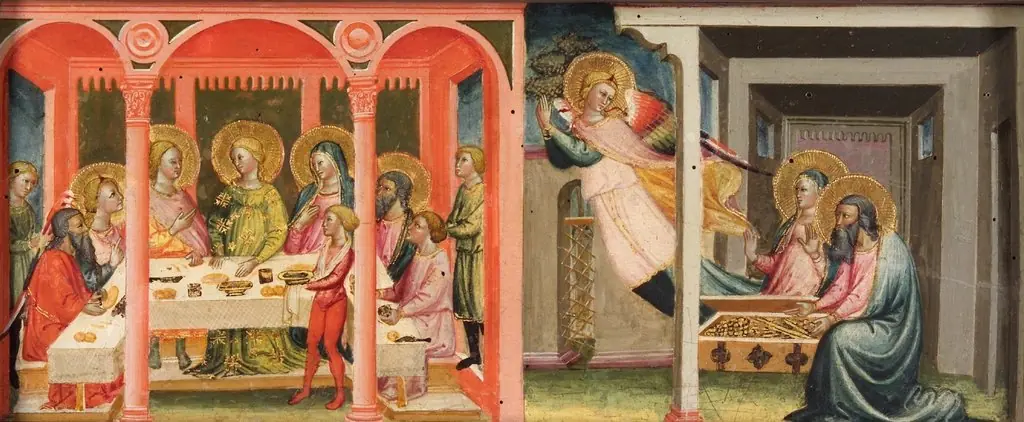 Scenes from the story of Tobias (marriage of Tobias and Sara; the archangel leaves Tobit and Anna)
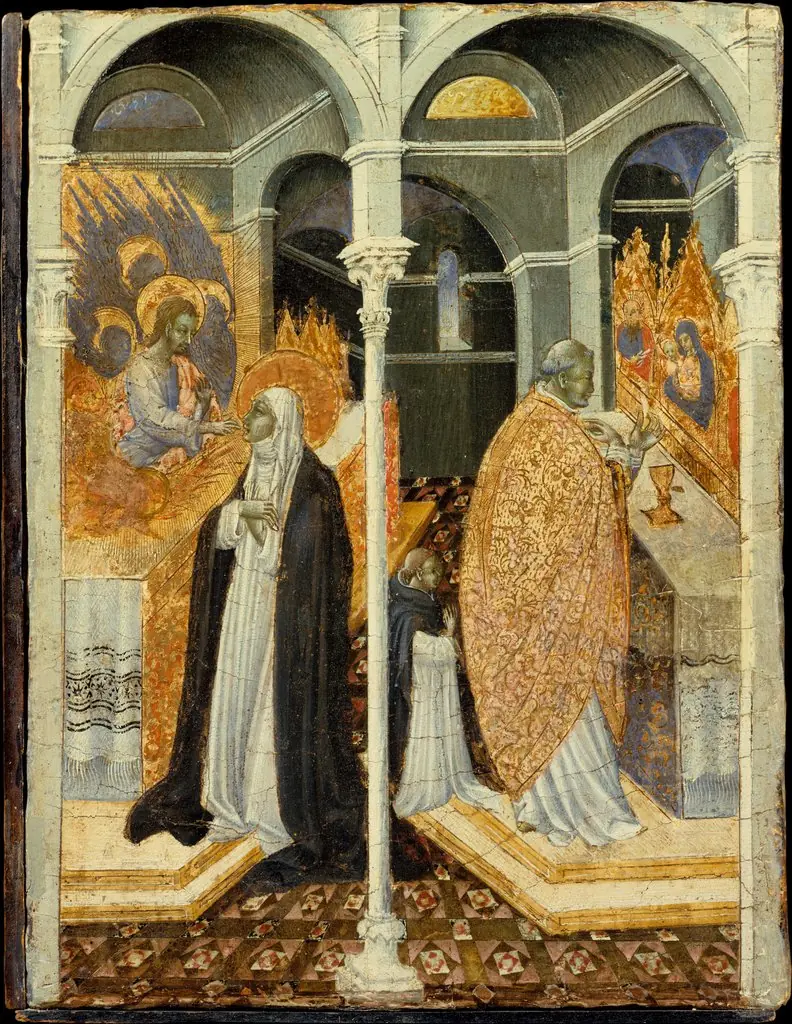 The Miraculous Communion of Saint Catherine of Siena
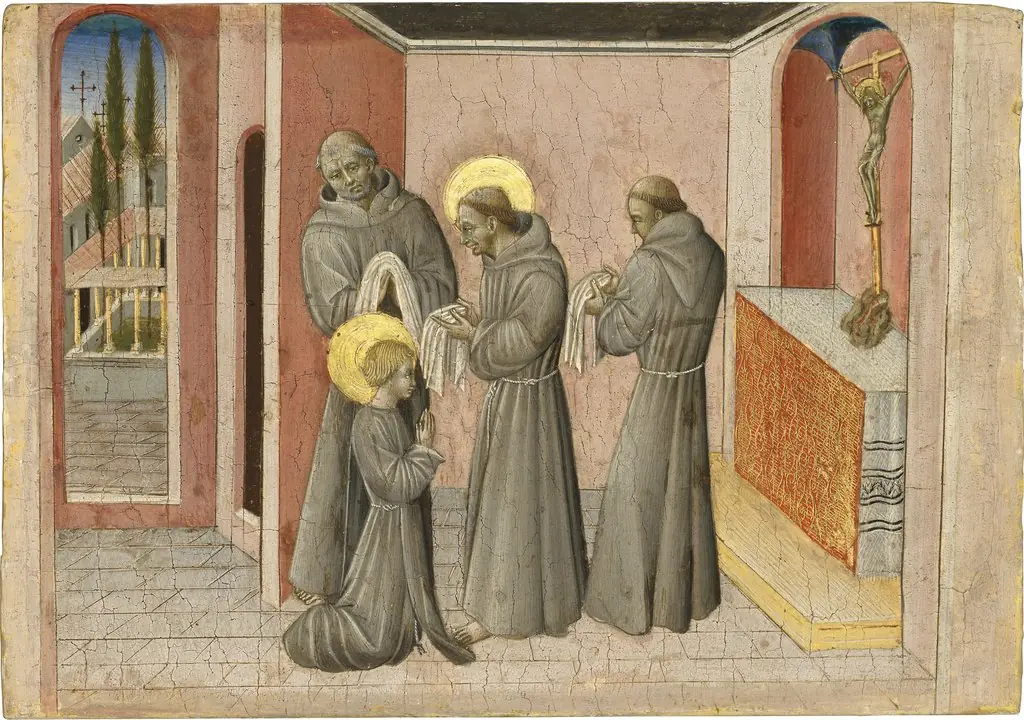 The Investiture of Saint Clare: the Saint receiving the clothes of her Order from Saint Francis
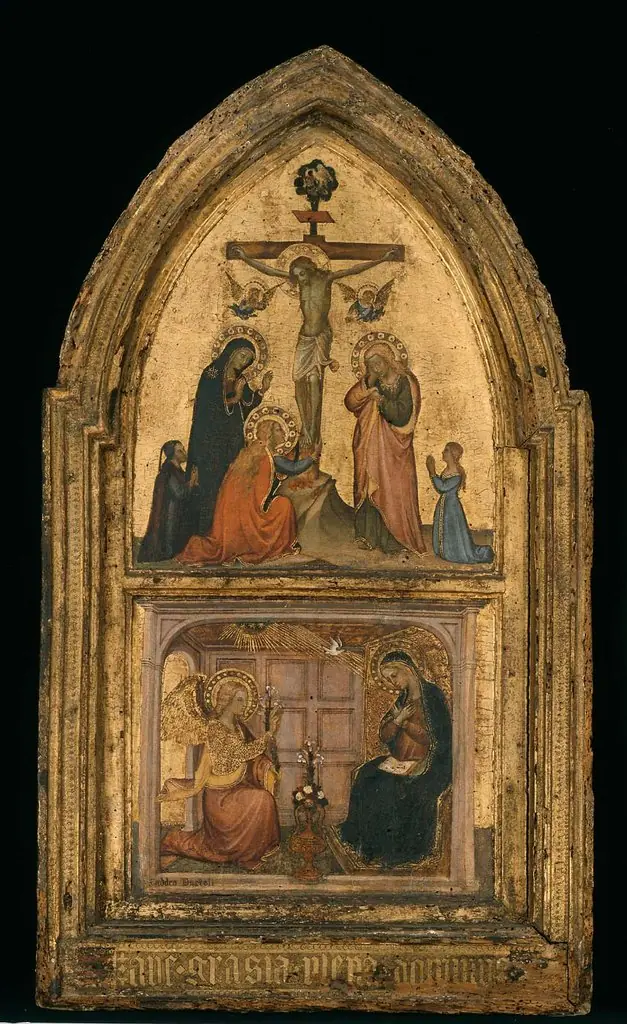 Annunication; Crucifixion
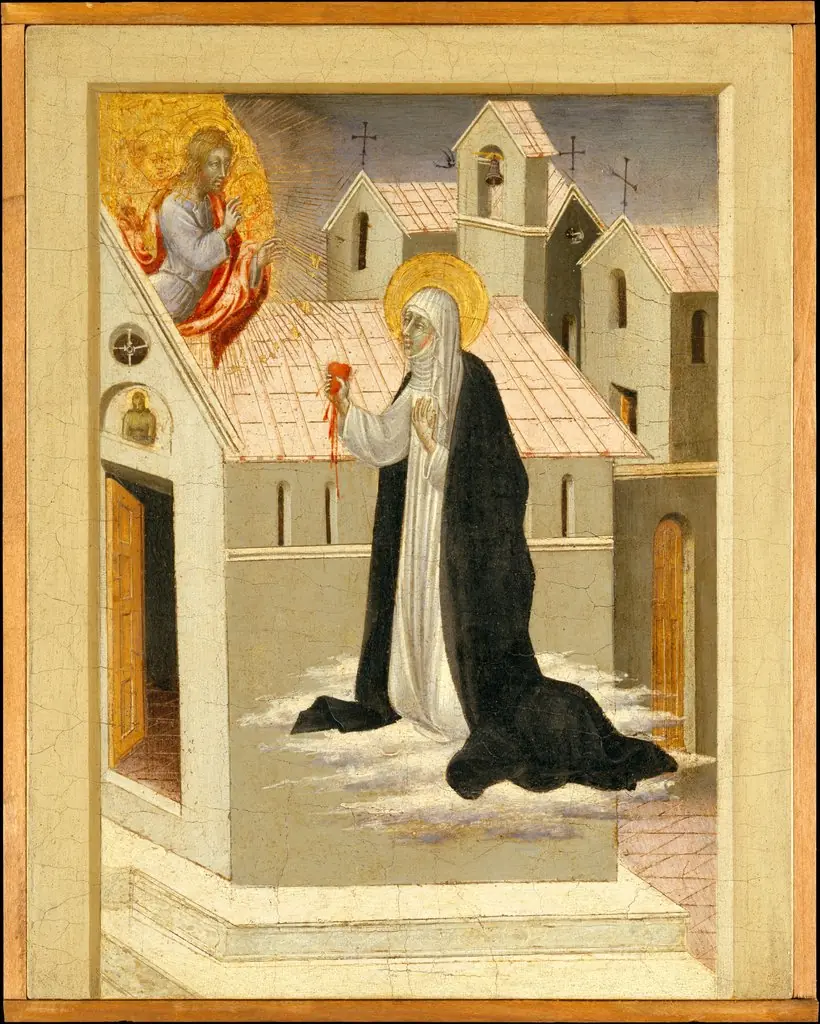 Saint Catherine of Siena Exchanging Her Heart with Christ
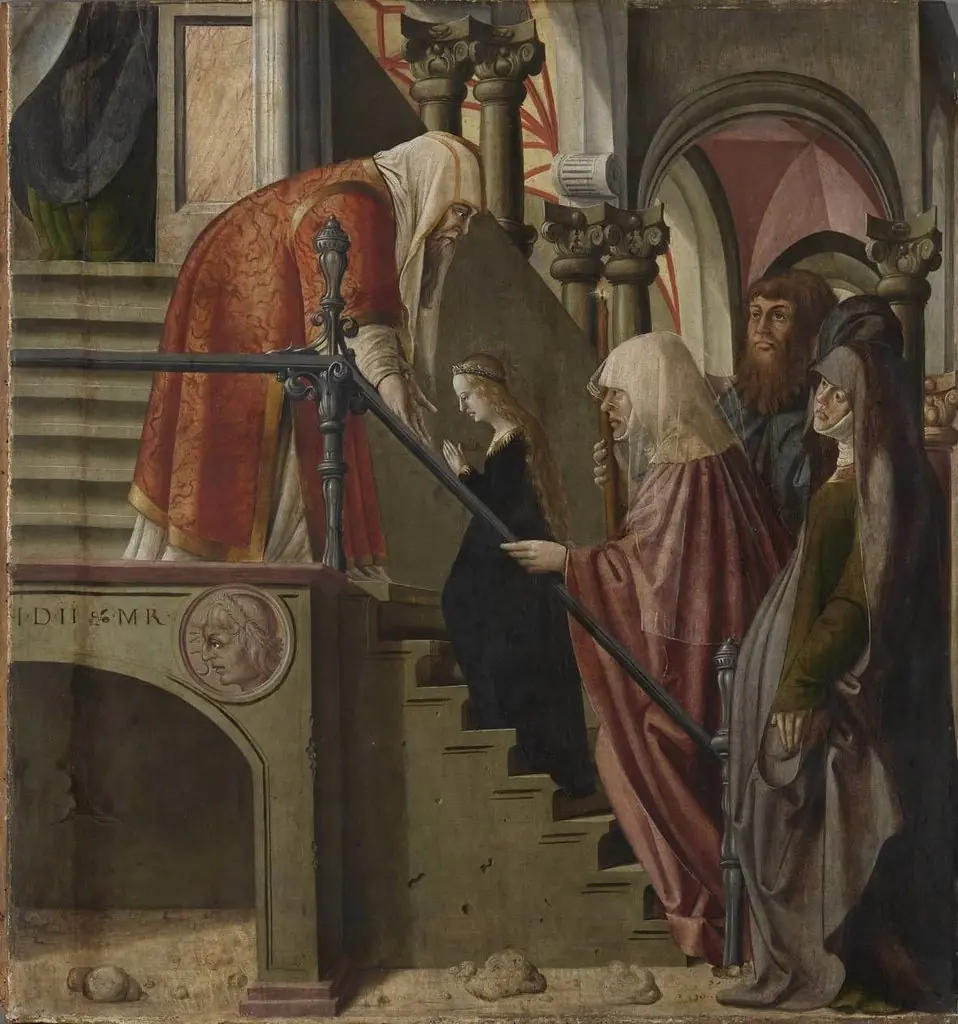 Marienaltar: Tempelgang Mariae
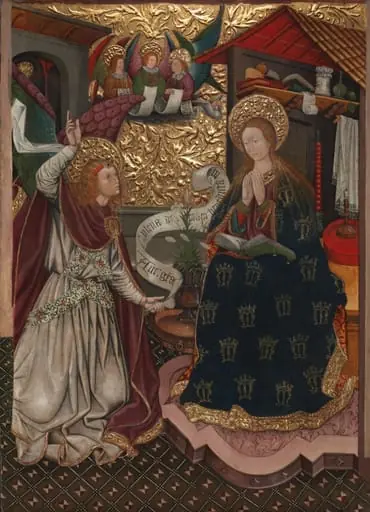 The Annunciation