Artwork
Self-portrait
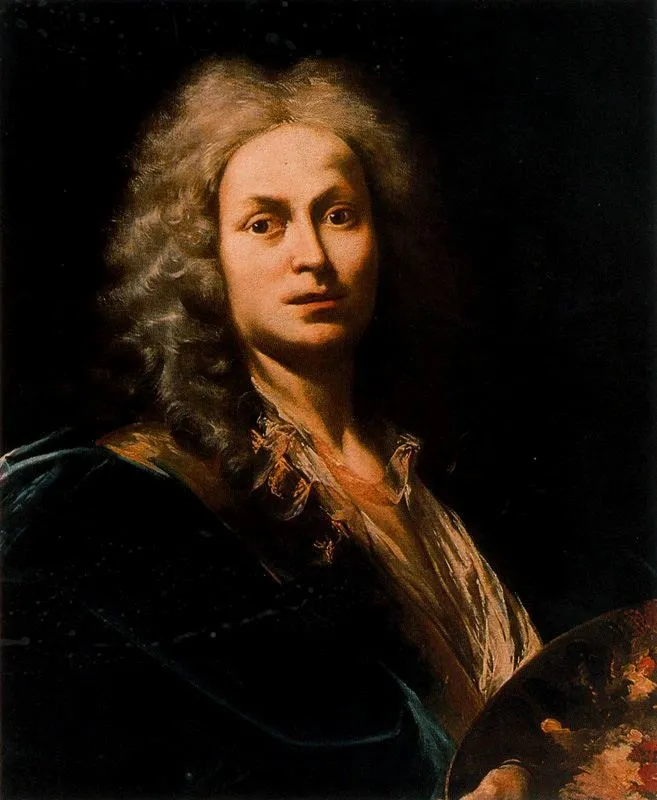
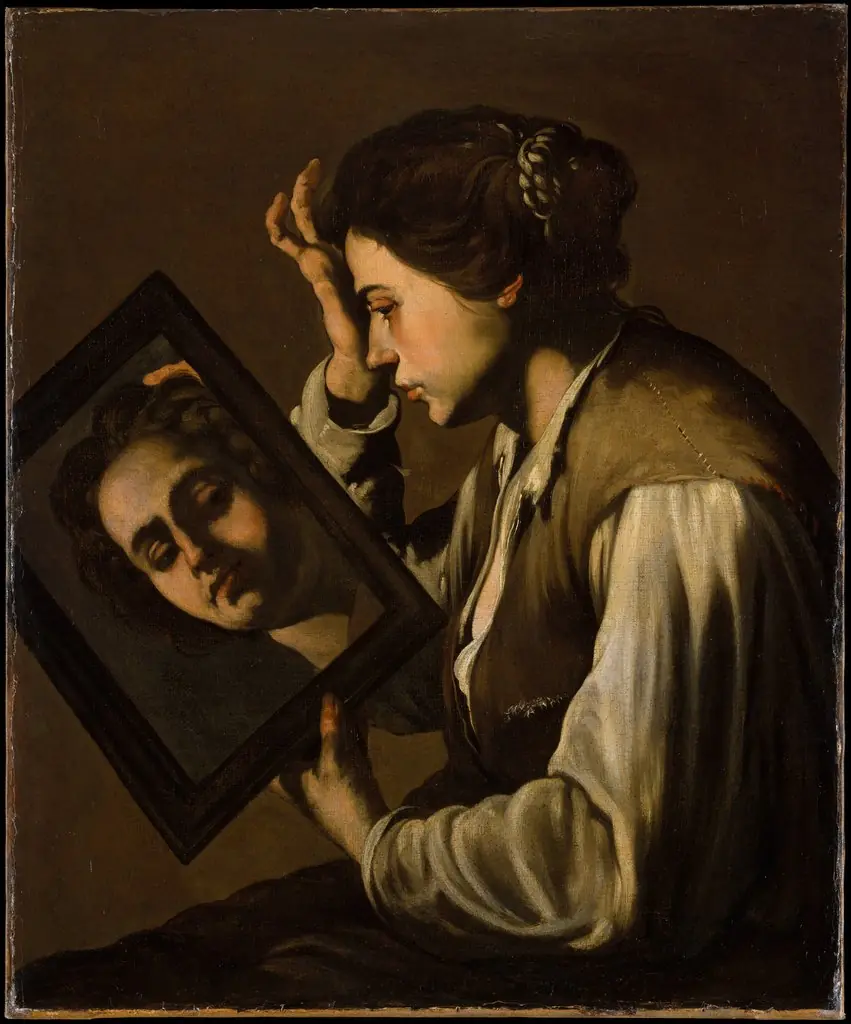
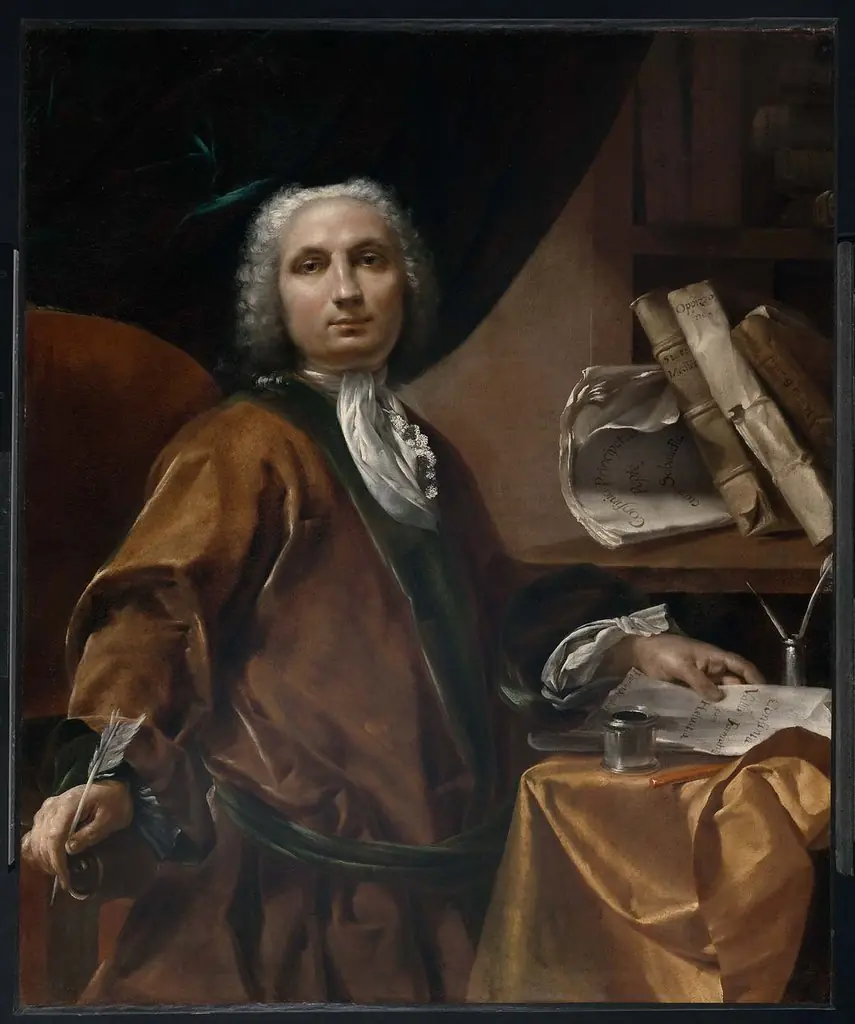
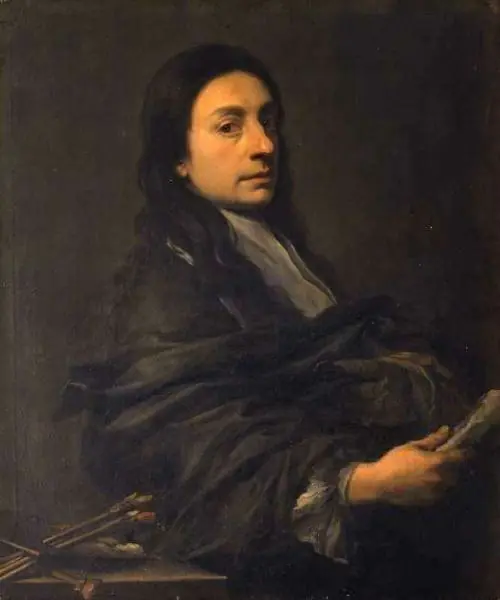
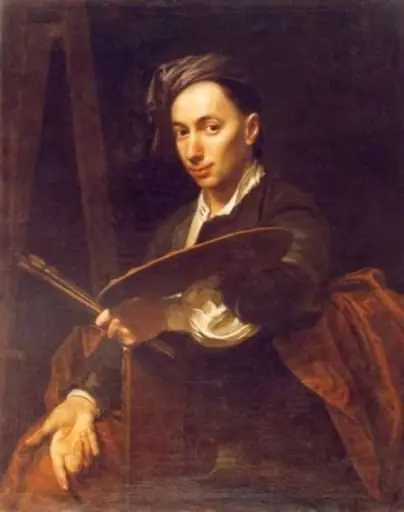
Self-portrait is an oil painting by the Rococo painting artist Giovanni Do. It dates from 1719 and is held in the collection of the Uffizi Gallery.
About this work
Overview
The painting is part of the Uffizi Gallery’s collection in Florence, where it remains as a record of the artist’s self-perception in early 18th-century Italy.
Painted in 1719, this oil on canvas work is a self-portrait by Giovanni Domenico Ferretti. It presents the artist in a contemplative pose, holding a palette as a symbol of his trade. The composition is tightly focused on his upper body, set against a deep, unmodulated background that isolates him visually. The painting is part of the Uffizi Gallery’s collection in Florence, where it remains as a record of the artist’s self-perception in early 18th-century Italy.
Subject & Meaning
Ferretti portrays himself with a solemn gaze, directly engaging the viewer. The palette in his hand is not merely a prop but a declaration of identity — an assertion of his role as a painter. His attire, a dark robe, suggests modesty and professional seriousness. There is no ornamentation or allegory; the portrait is stripped to essentials, emphasizing the artist’s presence and craft over external status or narrative.
Technique & Style
The painting employs chiaroscuro to model the face and hands, creating a strong sense of three-dimensionality. Light falls sharply from the upper left, lifting the features from the shadowed robe and background. Subtle impasto is visible in the highlights on the skin and palette, adding tactile texture. The brushwork is controlled yet expressive, balancing precision with a quiet immediacy that reflects the artist’s familiarity with his own form.
History & Provenance
Completed in 1719, the portrait entered the Uffizi’s collection in the 18th century, likely through the Medici or later Grand Ducal acquisitions. It has remained in the gallery’s holdings without significant interruption. While Ferretti was active in Florence and known for religious and decorative works, this self-portrait stands as one of the few personal works attributed to him, offering rare insight into his self-representation.
Context
In early 18th-century Florence, artists often depicted themselves in their studios to assert professional dignity. Ferretti’s portrait aligns with this tradition, though it avoids theatricality. His restrained approach contrasts with the more flamboyant self-portraits of contemporaries, reflecting a quieter, more introspective artistic culture in Tuscany during the post-Baroque transition.
Legacy
Though Ferretti is not widely remembered today, this self-portrait endures as a quiet testament to his presence in Florentine art circles. It contributes to the broader archive of artist self-representation in Italy, offering scholars a glimpse into the personal identity of a minor but active painter. Its preservation in the Uffizi ensures its continued role in understanding the era’s artistic self-awareness.
Artist & collection
Artist
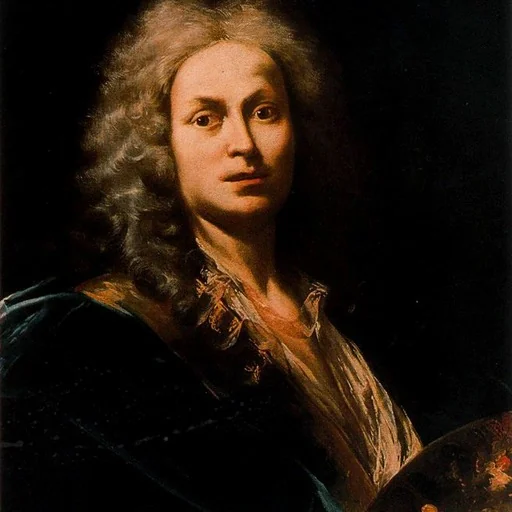
Giovanni Domenico Ferretti (Giandomenico), also called Giandomenico d'Imola (15 June 1692 – 18 August 1768), was an Italian Rococo style painter from Florence.