Artwork
El xarlatà
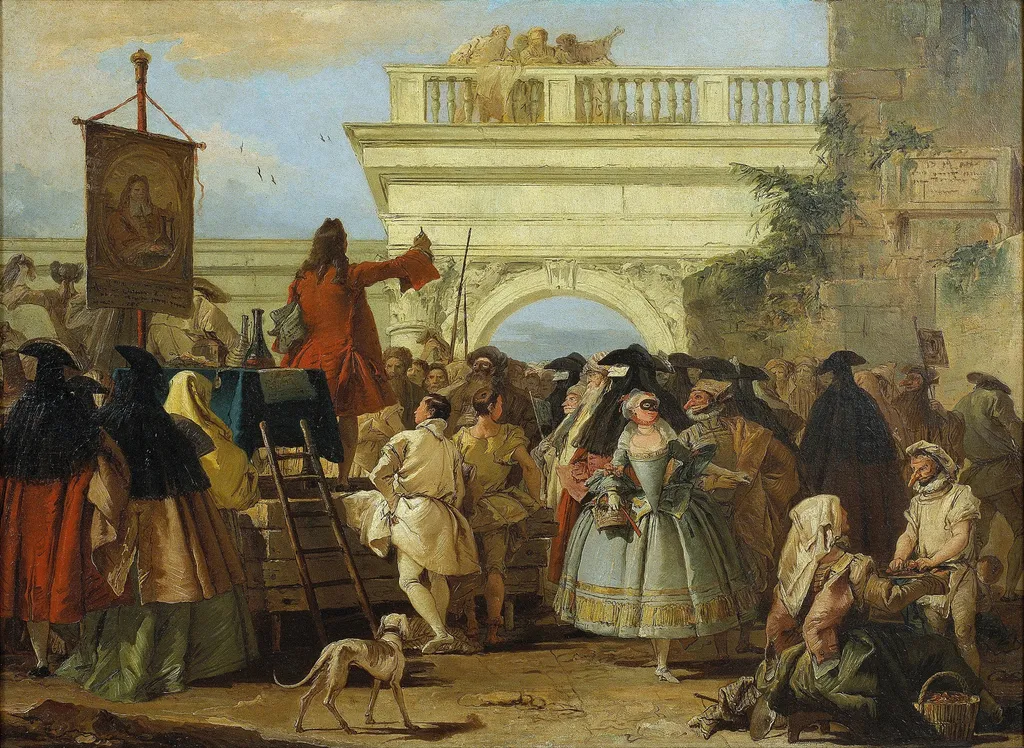
El xarlatà is an oil painting by the Rococo painting artist Giovanni Domenico Tiepolo. It dates from 1756 and is held in the collection of the Museu Nacional d'Art de Catalunya.
About this work
Overview
Giovanni Domenico Tiepolo created the oil painting *El xarlatà* in 1756. Executed in the Rococo idiom, the work presents a lively street tableau centered on a flamboyant figure on a raised platform. The composition captures a moment of public spectacle, with a crowd gathered to watch the performer’s display.
Subject & Meaning
The central figure, dressed in a vivid red coat, holds a sign bearing a painted face, suggesting the role of a charlatan or street trickster. His exaggerated pose and the attentive spectators imply a blend of entertainment and salesmanship, reflecting contemporary attitudes toward itinerant performers who mixed amusement with dubious commerce.
Technique & Style
Tiepolo employs the light, fluid brushwork characteristic of Rococo, using a bright palette to animate the bustling scene. The oil medium allows subtle modeling of fabrics and atmospheric depth, while the composition balances detailed crowd figures with broader architectural elements, creating a dynamic yet cohesive visual narrative.
History & Provenance
Since its creation, *El xarlatà* has remained in the public domain, ultimately entering the collection of the Museu Nacional d'Art de Catalunya. The museum’s acquisition situates the painting within a broader context of 18th‑century European genre works, preserving its cultural and artistic significance for contemporary audiences.
Context
The work reflects the 18th‑century fascination with everyday life and popular entertainment, a shift from grand historical or religious subjects. By portraying a charlatan—a figure both reviled and admired—Tiepolo engages with social commentary on the blurred line between spectacle and deception in public spaces.
Own this work as a print
Artist & collection
Artist
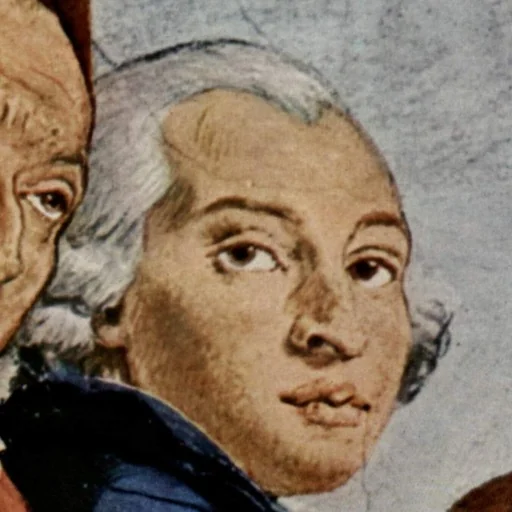
Giovanni Domenico Tiepolo (August 30, 1727 – March 3, 1804) was an Italian painter and printmaker in etching. He was the son of artist Giovanni Battista Tiepolo and elder brother of Lorenzo Baldissera Tiepolo.

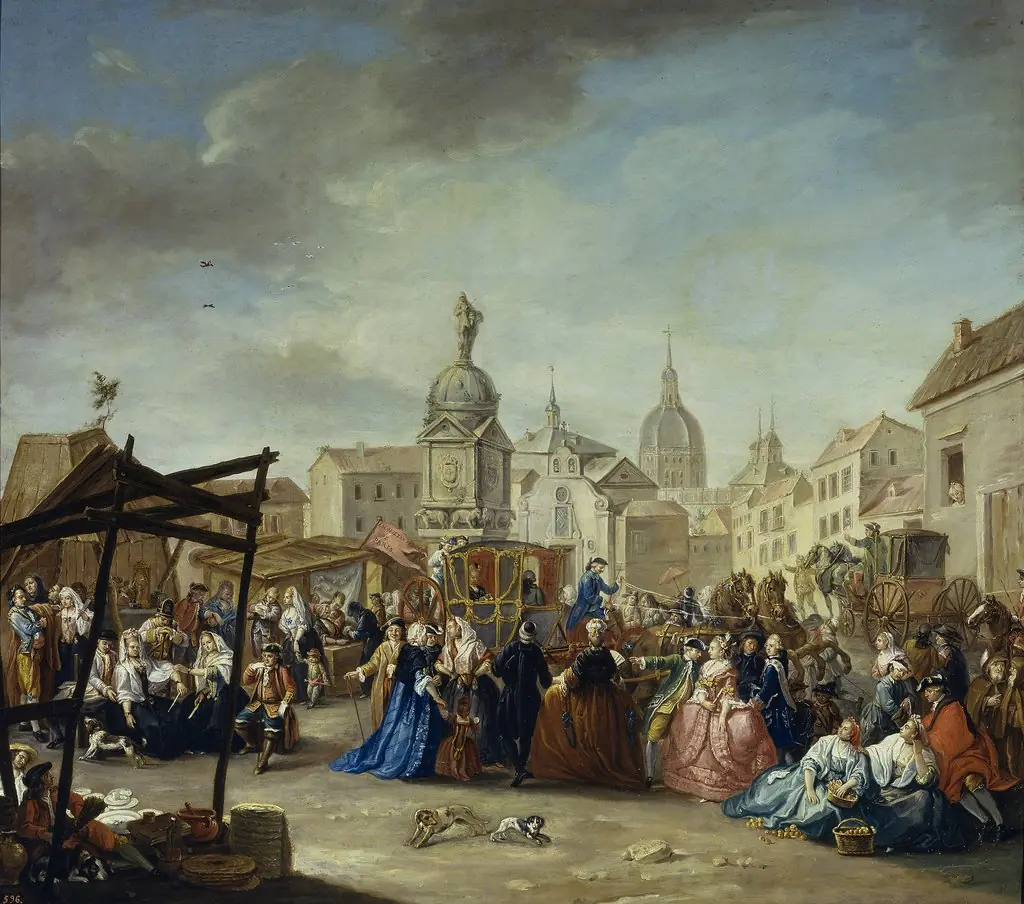 "Madrid Fair in Cebada Square"
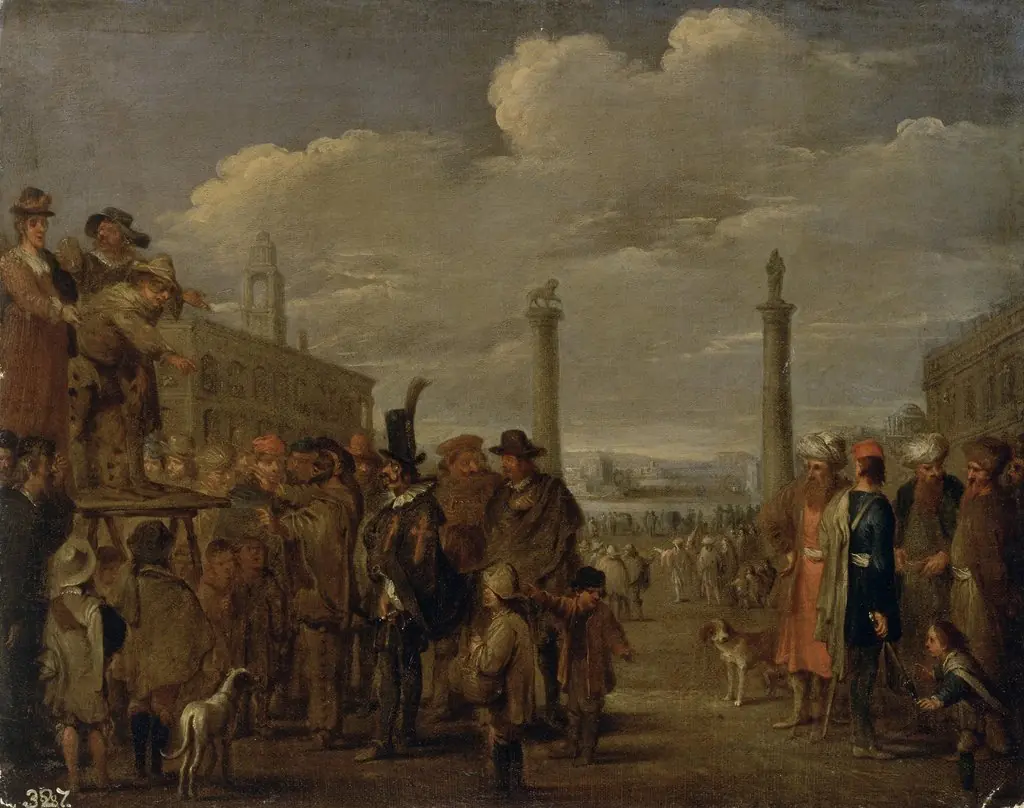 Street Comedians on the Square
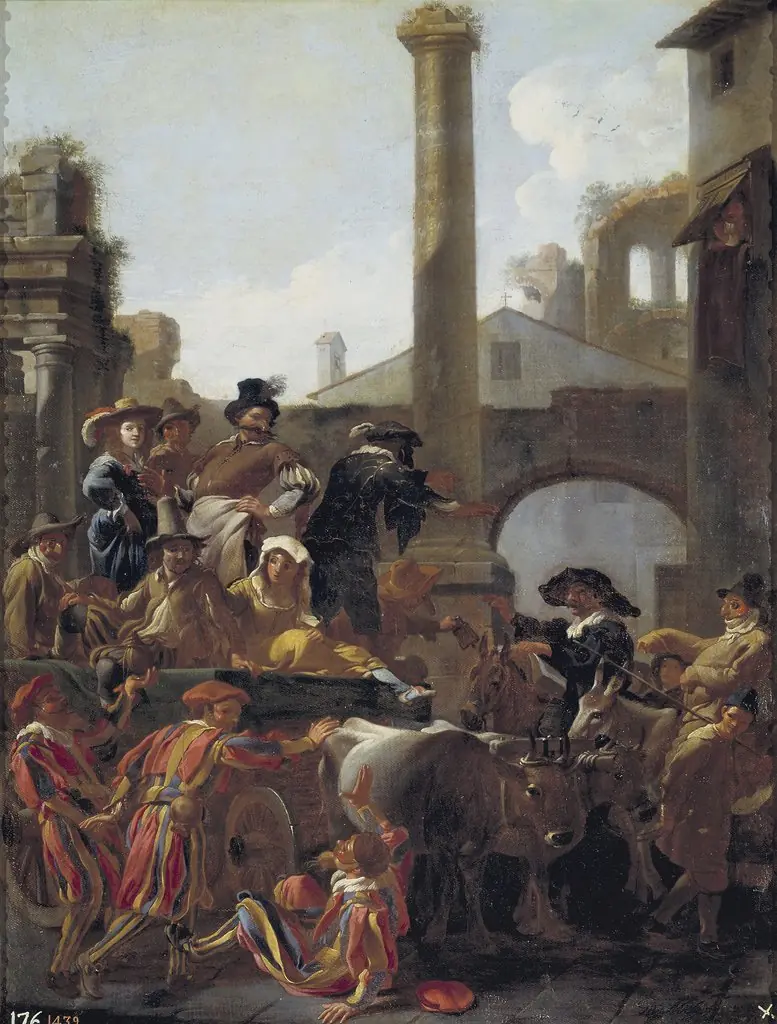 Carnival in Rome
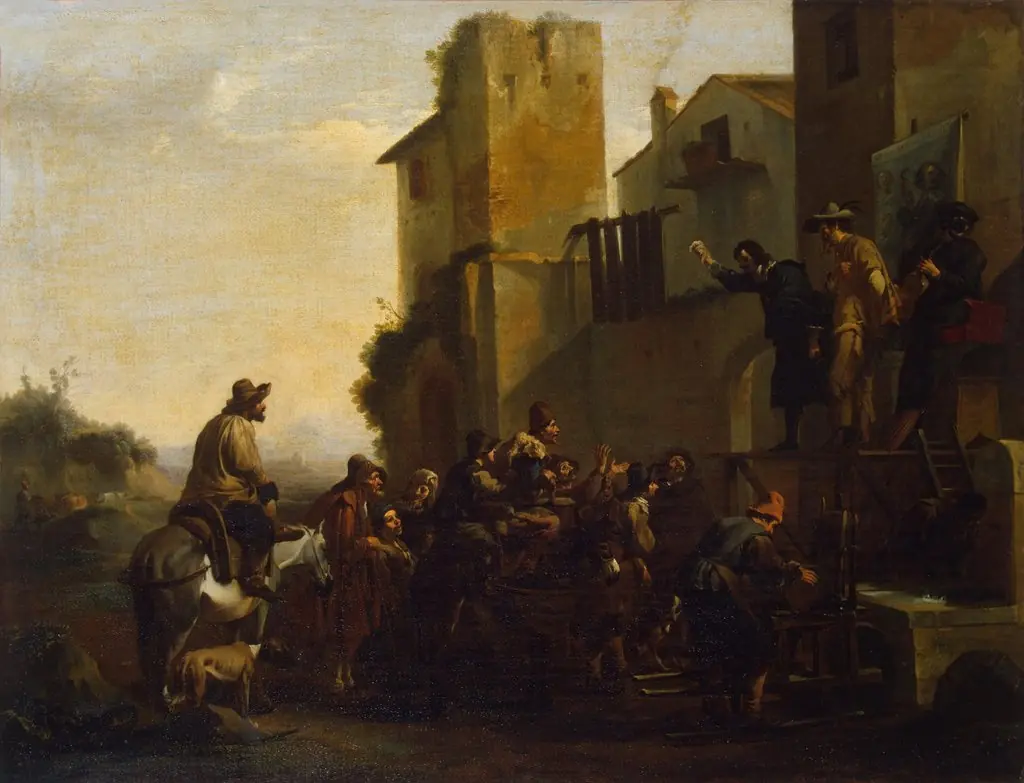 Charlatan
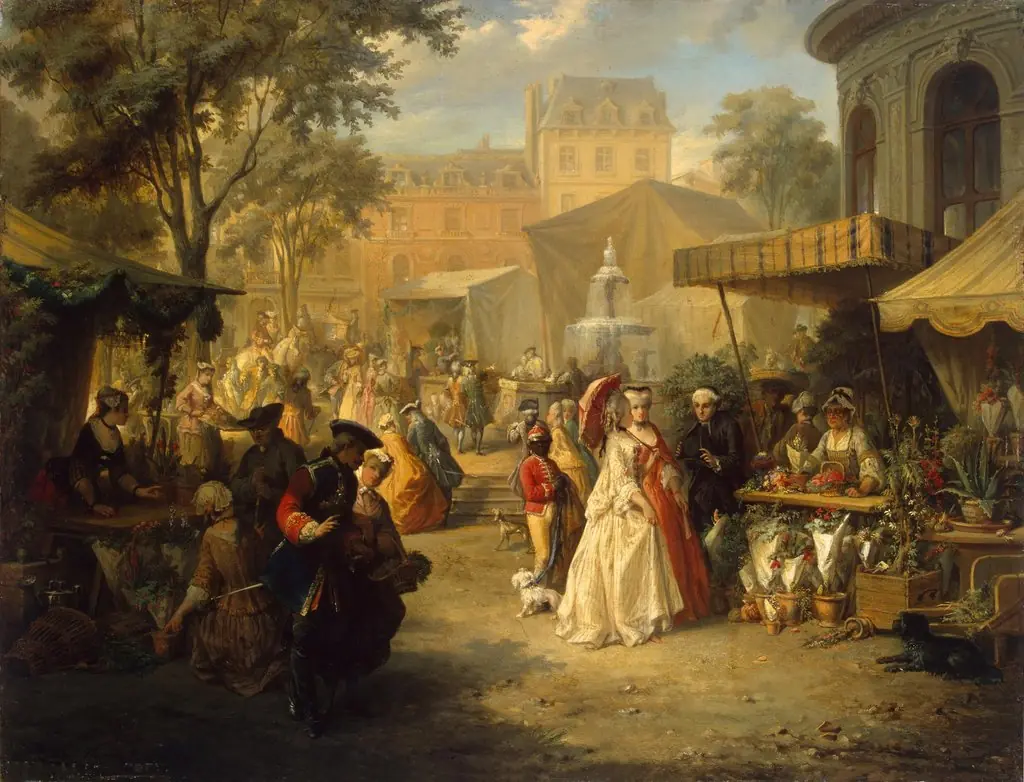 Fair
Fair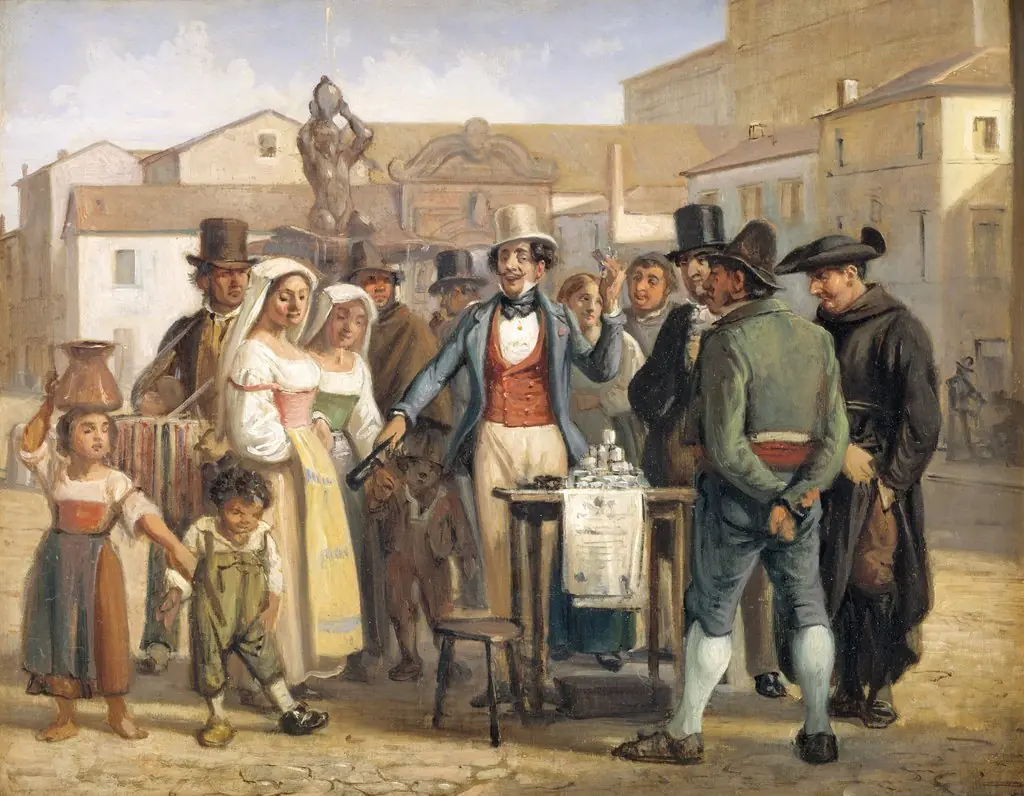 A Charlatan Selling Blacking in the Piazza Barberini in Rome
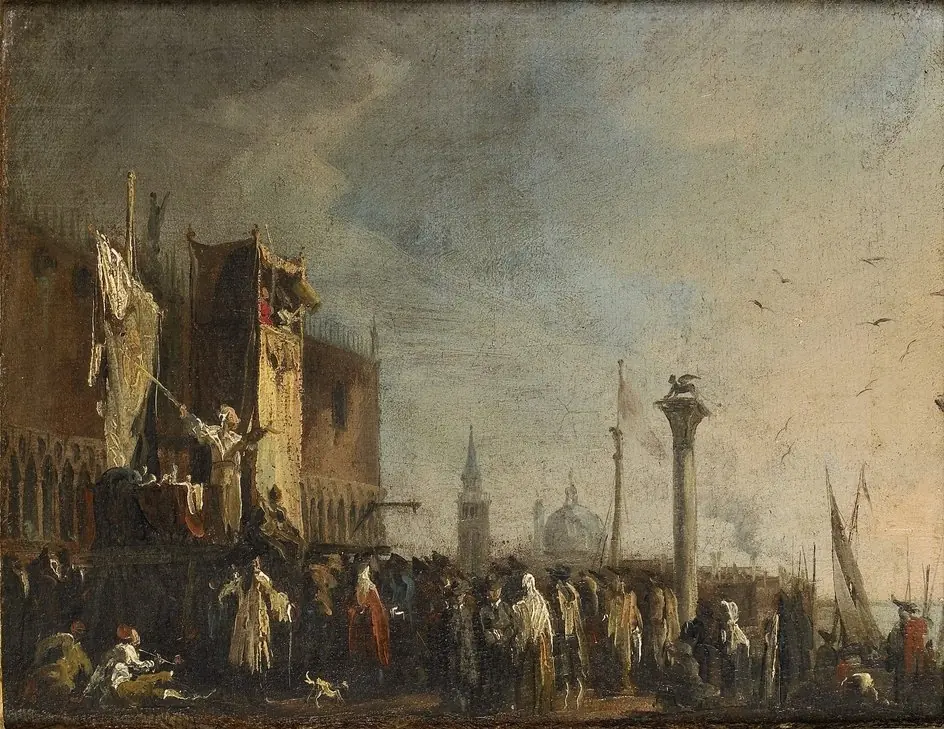 A Puppet Show on the Piazzetta, Venice
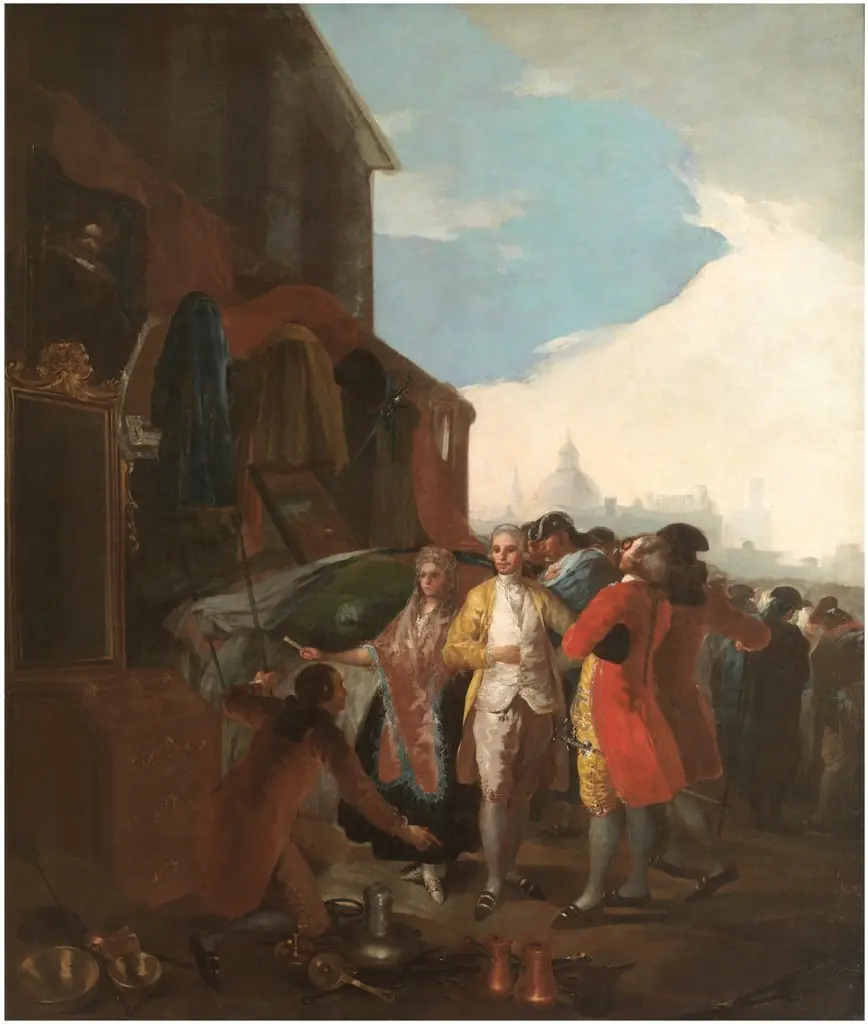 Madrid fair
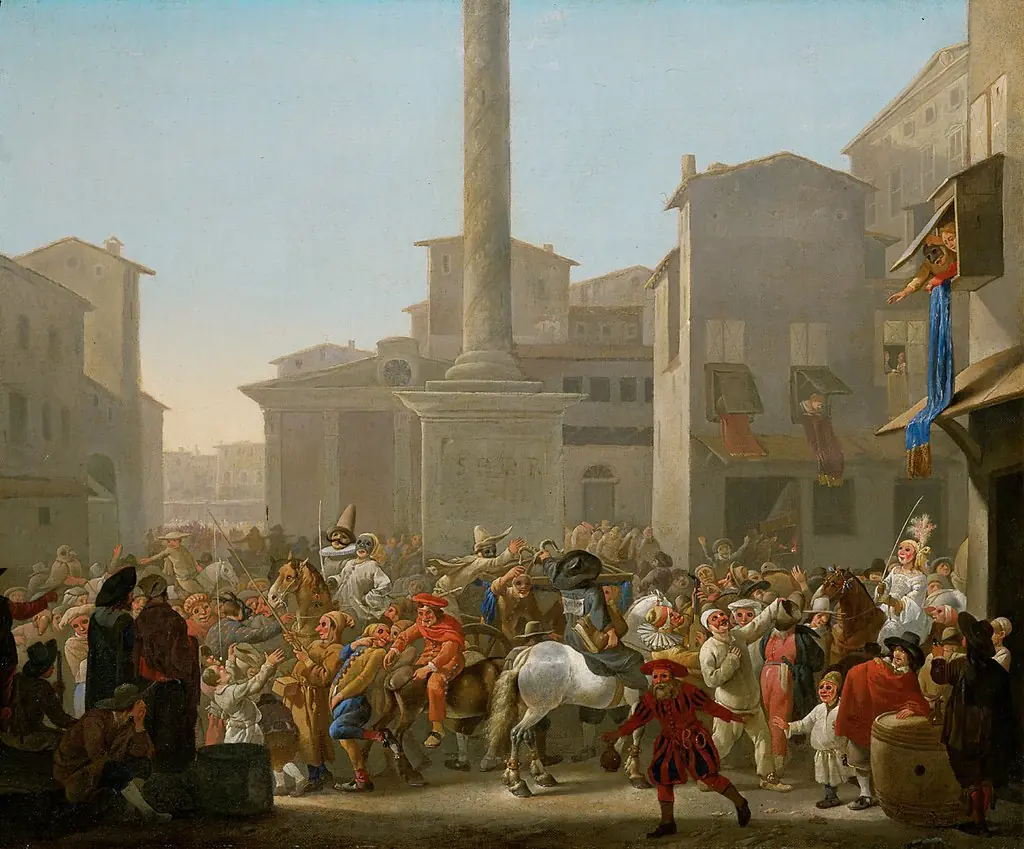 Carnival in Rome
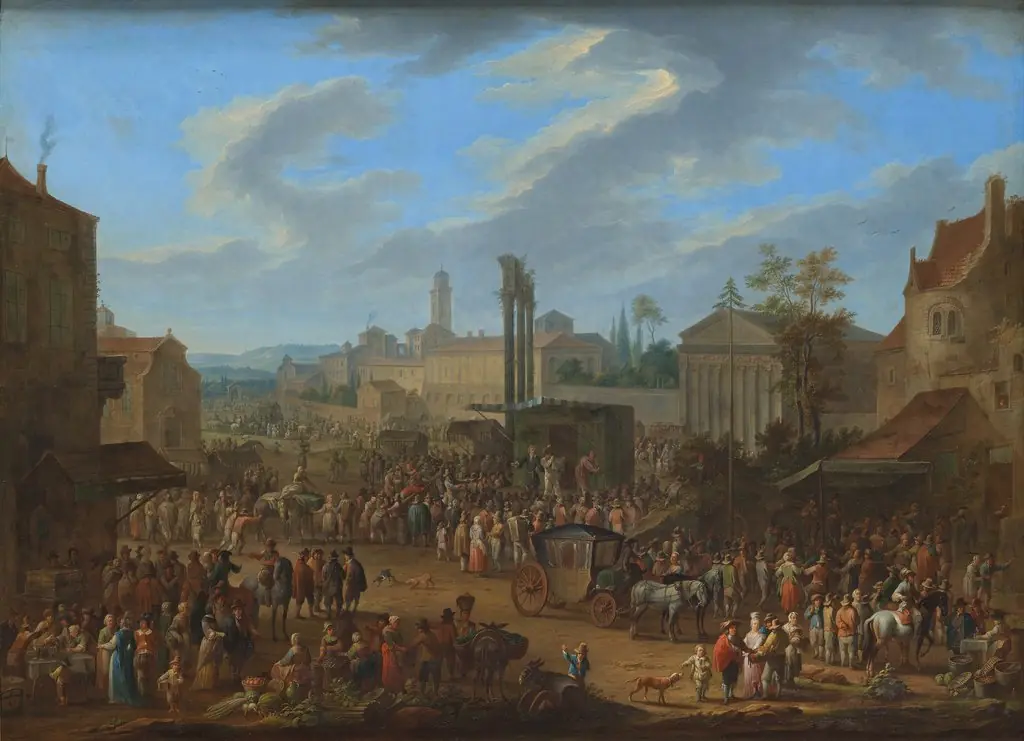 Market with temple and maypole
 Pregătirea de vânătoare
 La Puerta de Alcalá vista desde La Cibeles