Artwork
Loth et ses filles
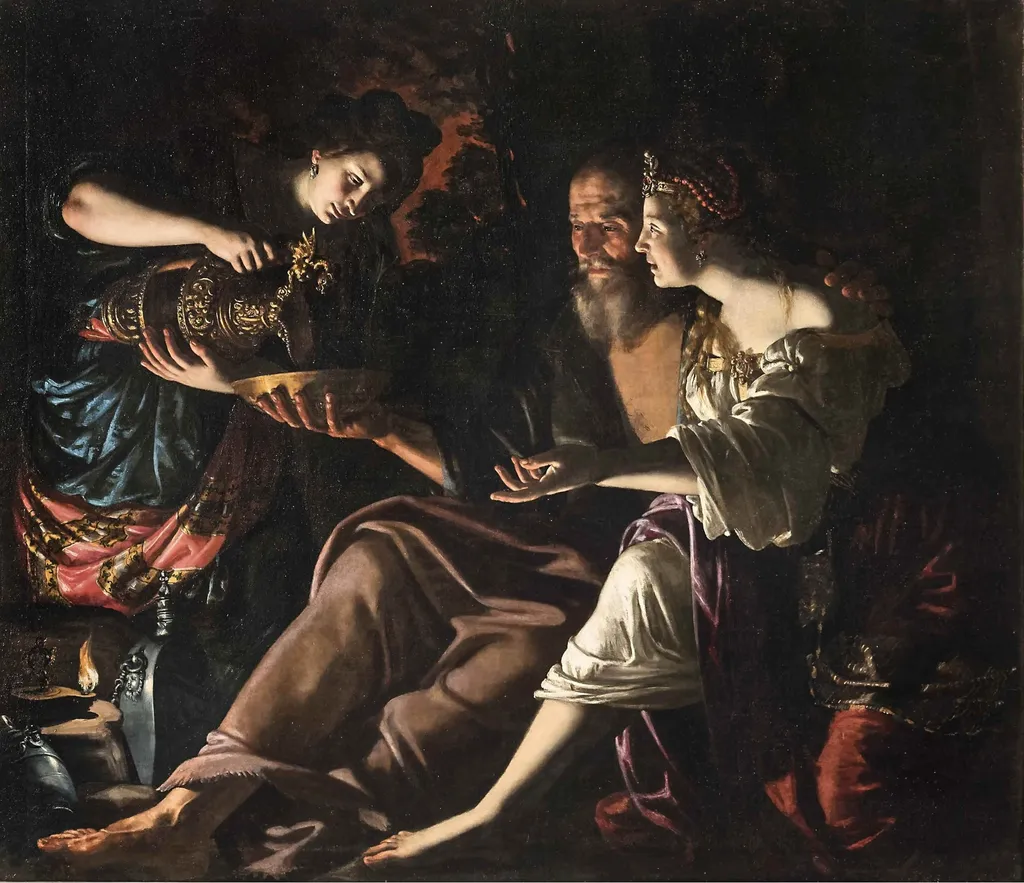
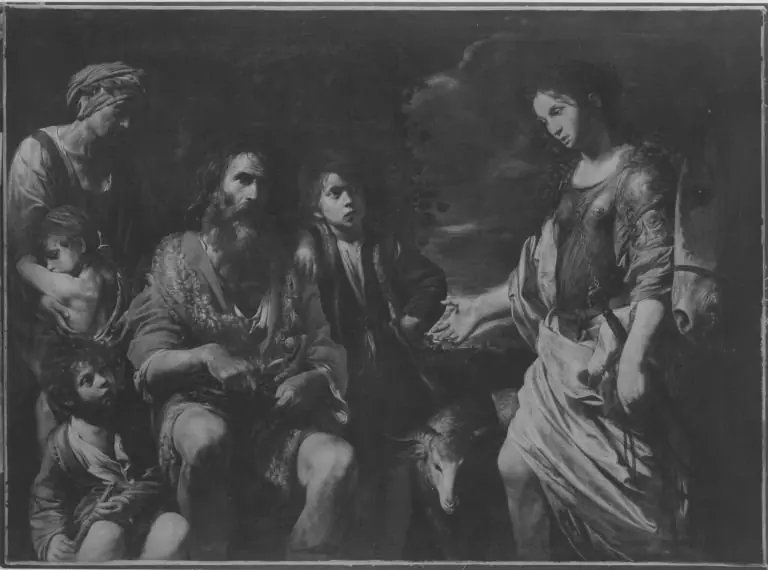
Loth et ses filles is an oil painting by the Early Baroque Italian artist Giovanni Francesco Guerrieri. It dates from 1617 and is held in the collection of the Galleria Borghese.
About this work
Overview
A follower of Caravaggio’s style, Guerrieri rendered this biblical narrative with intense naturalism and dramatic lighting.
Painted in 1617 by Giovanni Francesco Guerrieri, *Loth et ses filles* is an oil-on-canvas work from the early Baroque era. A follower of Caravaggio’s style, Guerrieri rendered this biblical narrative with intense naturalism and dramatic lighting. The painting resides in the Galleria Borghese in Rome, where it exemplifies the period’s fascination with emotionally charged religious subjects rendered through direct observation and controlled illumination.
Subject & Meaning
The scene illustrates the moment after the destruction of Sodom, when Lot and his two daughters take refuge in a cave. Fearing they are the last humans, the daughters plot to intoxicate their father and bear children by him, as recounted in Genesis. Guerrieri captures the tense, intimate atmosphere of the moment, focusing on psychological unease rather than overt action, inviting contemplation of moral ambiguity and survival under duress.
Technique & Style
Guerrieri employs strong chiaroscuro to model the figures, with light falling sharply from one side to define flesh, fabric, and the ornate vessel held by one daughter. The dark, indistinct background isolates the trio, heightening the scene’s psychological weight. Brushwork is restrained yet precise, favoring tactile realism over idealization. This approach aligns with Caravaggisti practices, emphasizing physical presence and emotional gravity over theatrical grandeur.
History & Provenance
Commissioned during Guerrieri’s formative years in Rome, the painting reflects his training under Orazio Gentileschi and exposure to Caravaggio’s legacy. It entered the Borghese collection in the early 17th century, likely through the patronage of Cardinal Scipione Borghese, a noted collector of contemporary Caravaggesque works. Its presence in the gallery has remained uninterrupted since, preserving its original context among other Baroque religious paintings.
Context
In early 17th-century Rome, biblical narratives with morally complex outcomes were popular among patrons seeking emotionally resonant art. Guerrieri’s treatment of Lot’s story aligns with contemporaries like Caravaggio and Gentileschi, who favored intimate, psychologically grounded depictions over allegorical grandeur. The painting reflects a broader shift toward naturalism and human vulnerability in religious imagery during the Counter-Reformation.
Legacy
Though less widely known than some of his peers, Guerrieri’s *Loth et ses filles* stands as a refined example of Roman Caravaggism’s capacity for psychological depth. Its restrained drama and careful lighting influenced later regional painters in central Italy. The work continues to be studied for its nuanced handling of light and moral ambiguity, offering insight into how biblical stories were reinterpreted through a lens of human realism.
Own this work as a print
Artist & collection
Artist
Giovanni Francesco Guerrieri (1589–1655) was an Italian painter, and Caravaggisto.

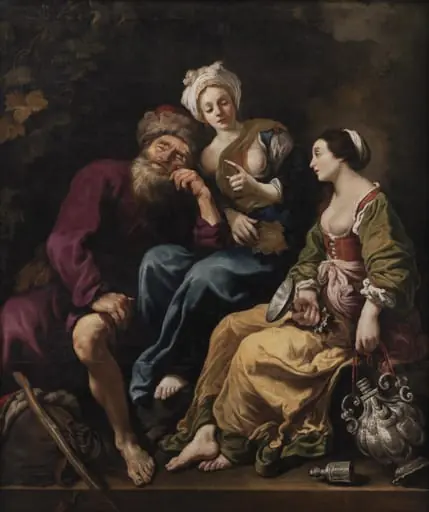 Lot and His Daughters
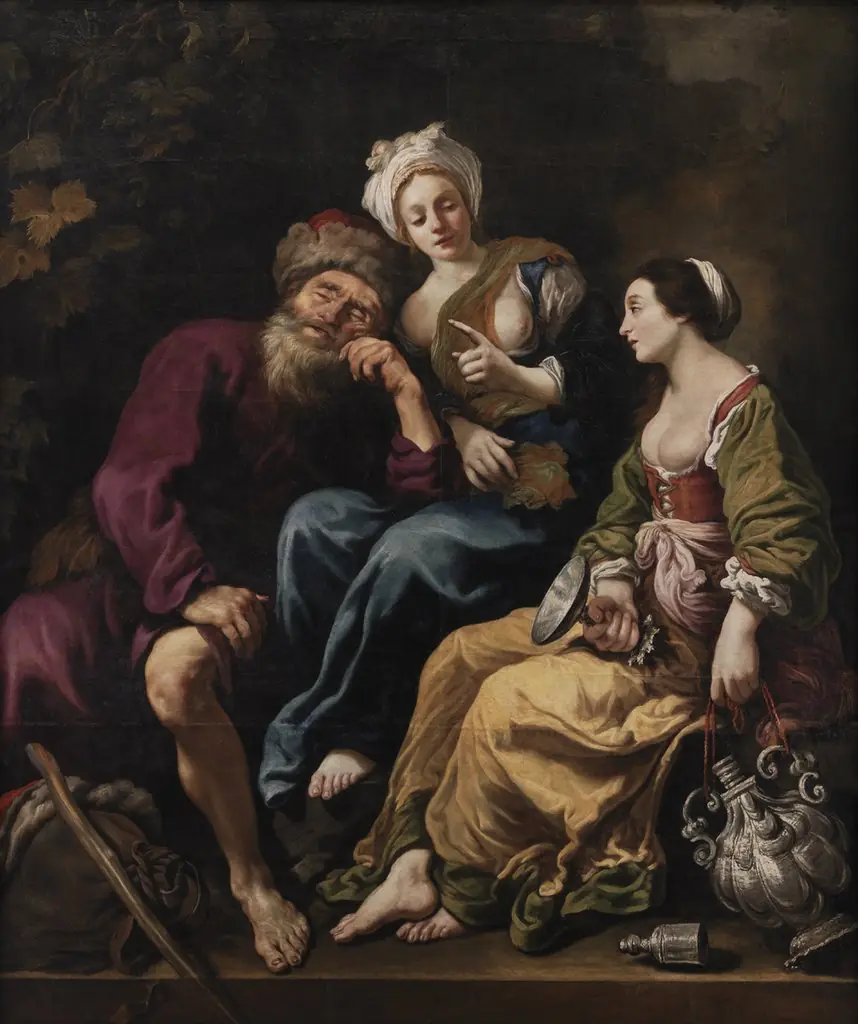 Lot and His Daughters
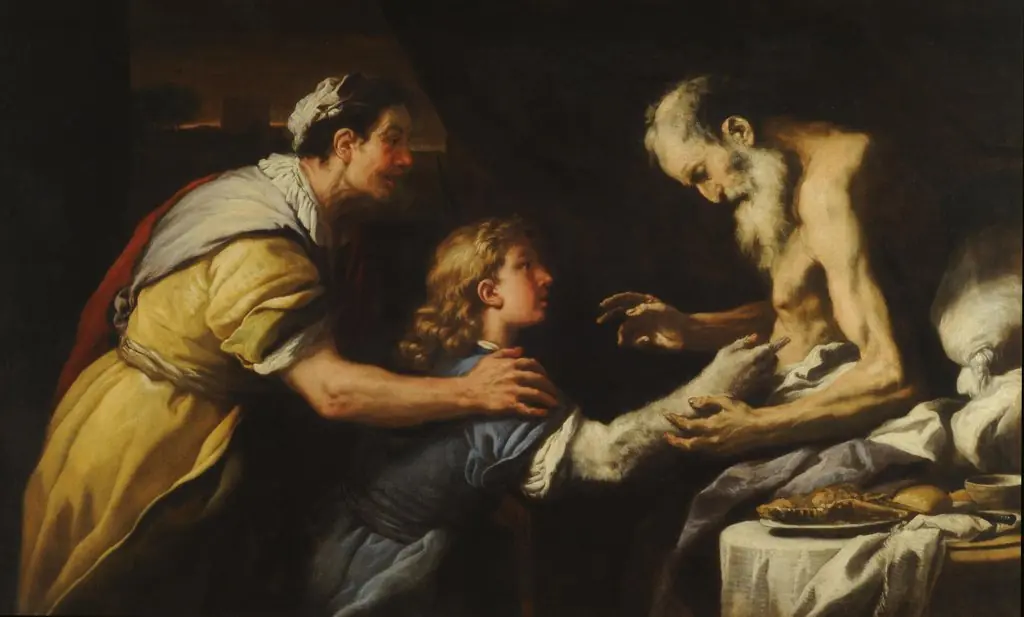 Introduction of Jacob to Isaac
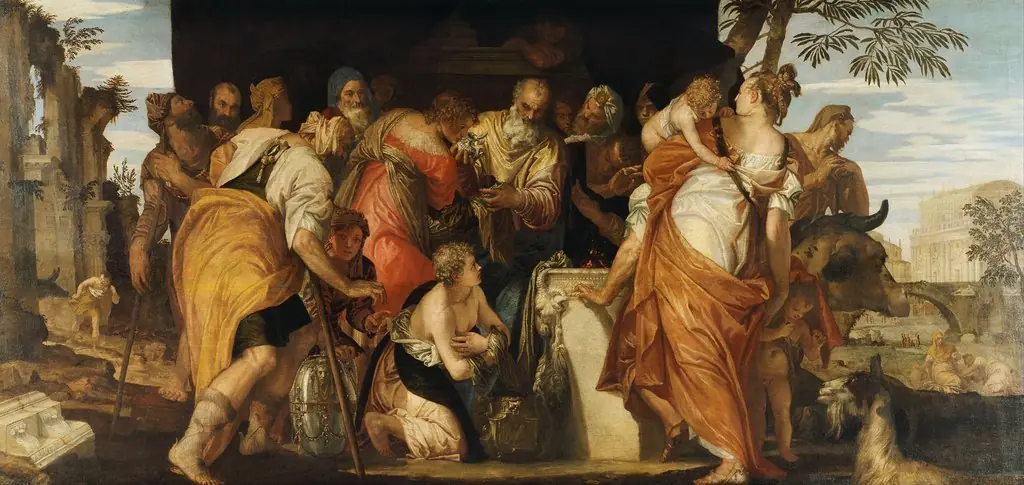 The Anointing of David
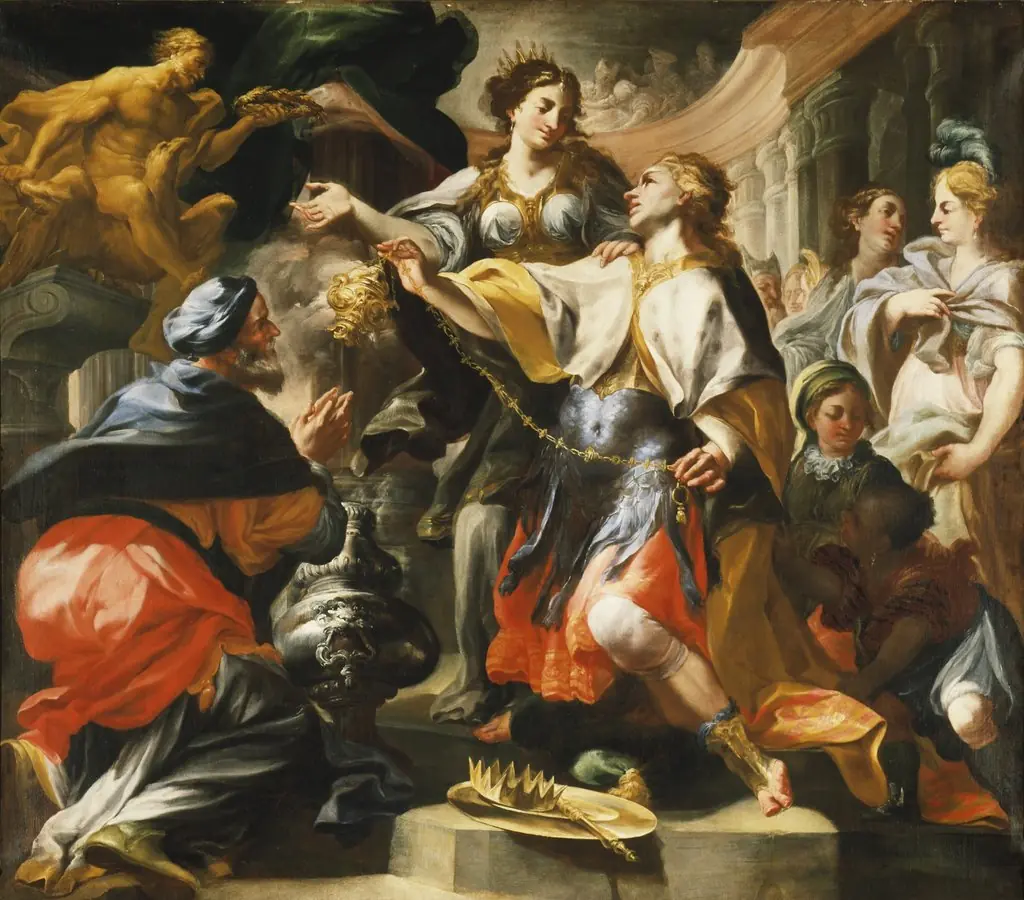 Solomon Worshiping a Pagan God
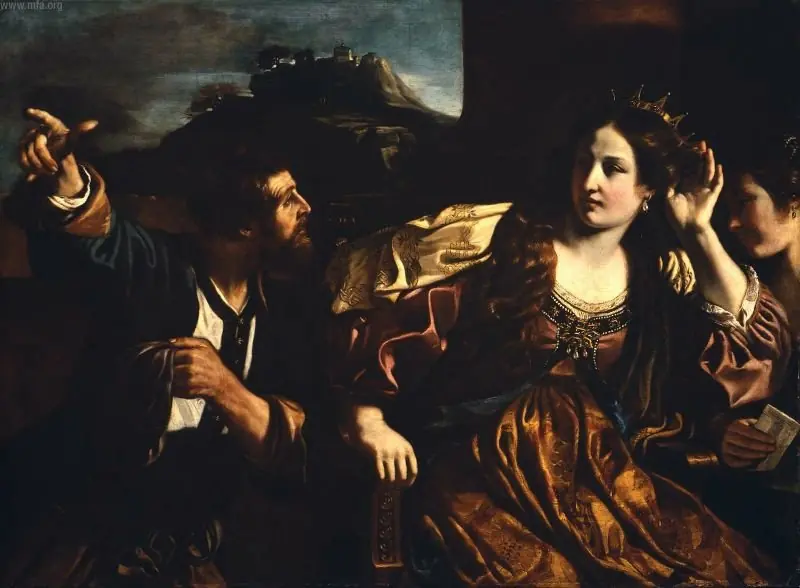 Semiramis Receiving Word of the Revolt of Babylon
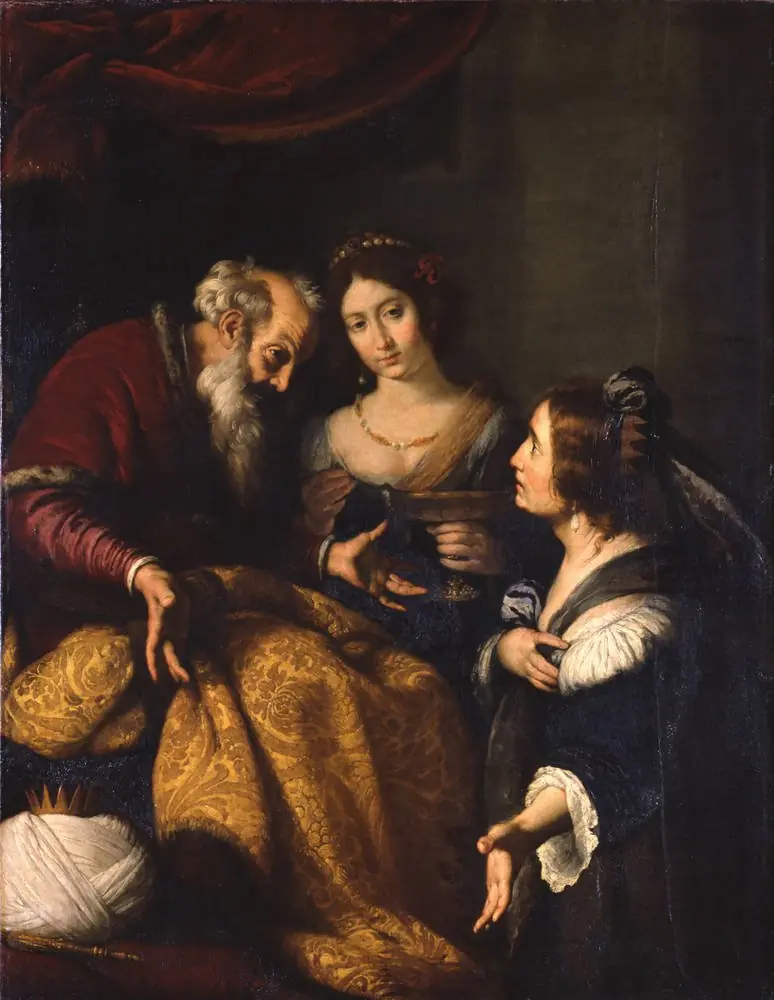 Bathseba before David
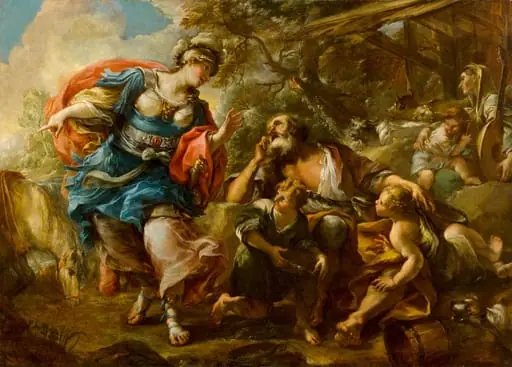 Erminia ja paimenet
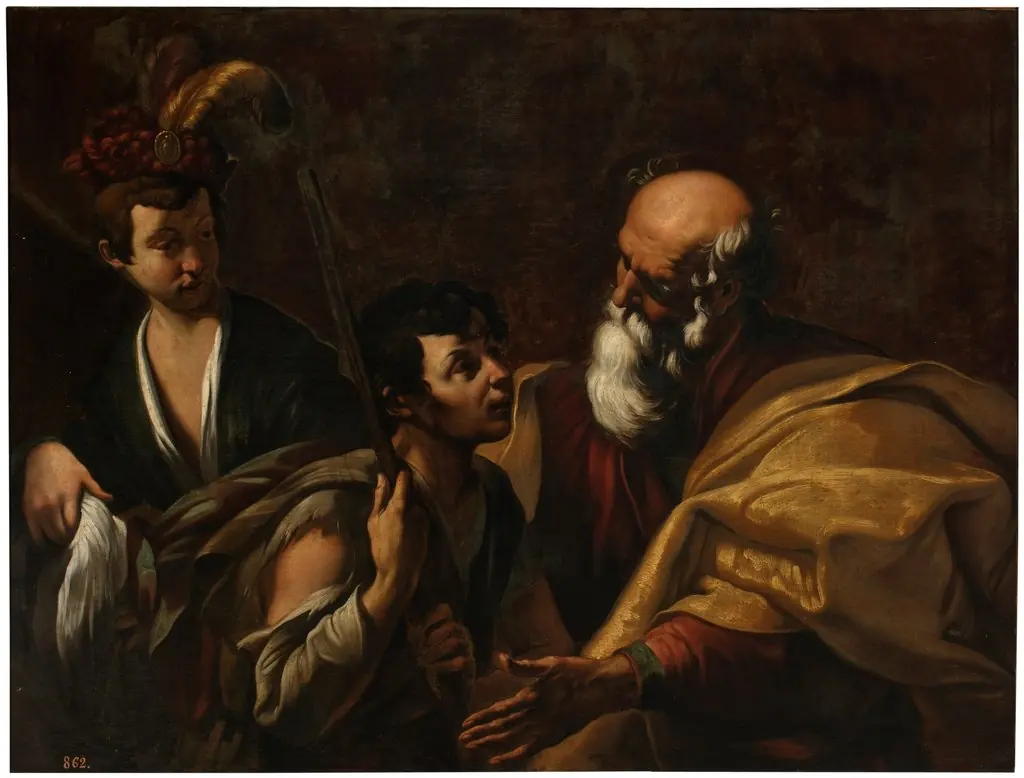 El hijo pródigo
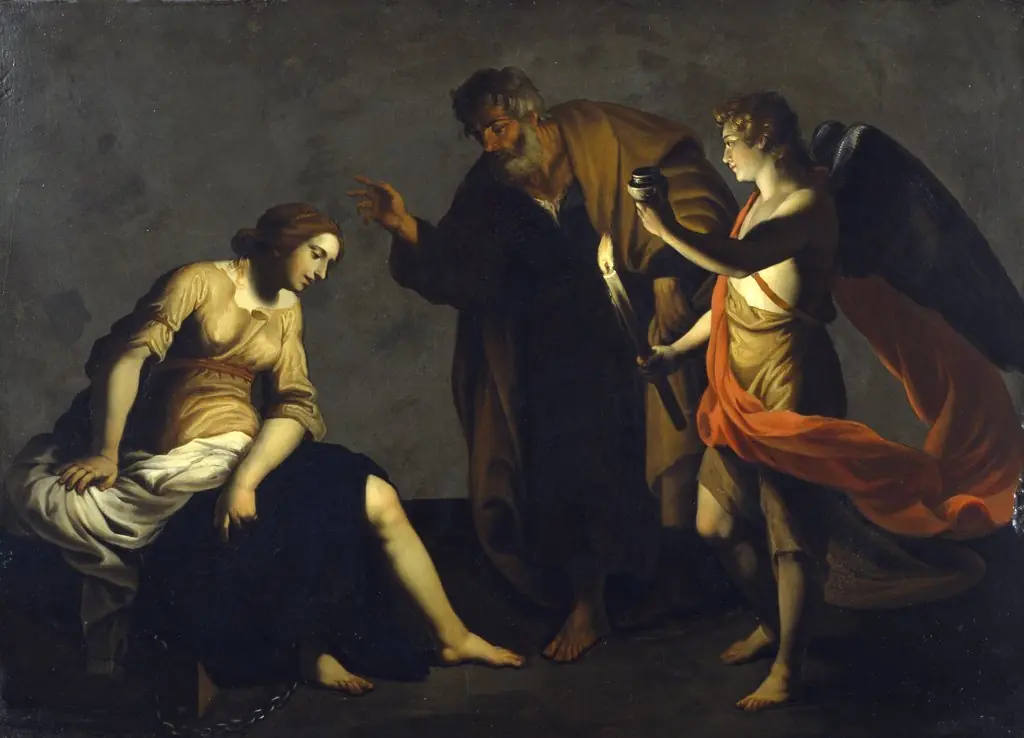 Saint Agatha Attended by Saint Peter and an Angel in Prison
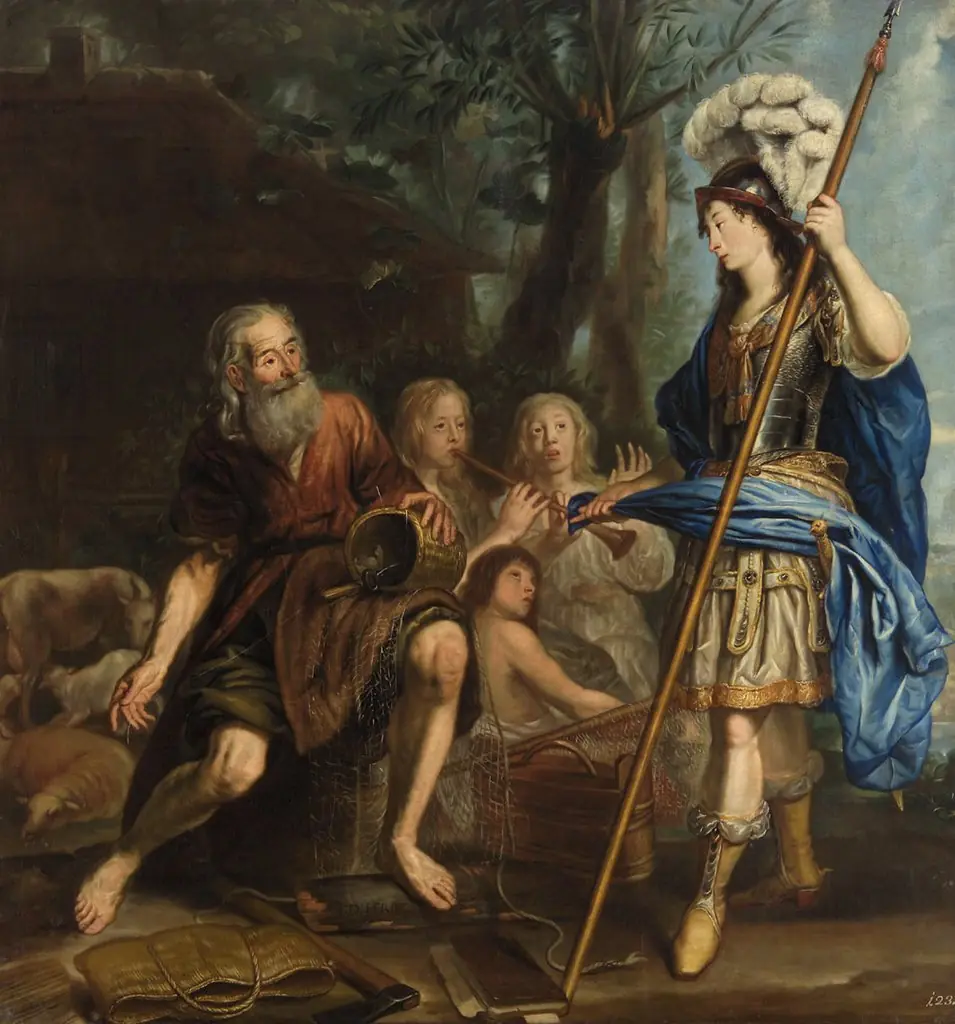 Erminia and the shepherds
 Erminia bei den Hirten