Artwork
Naumaquia romana
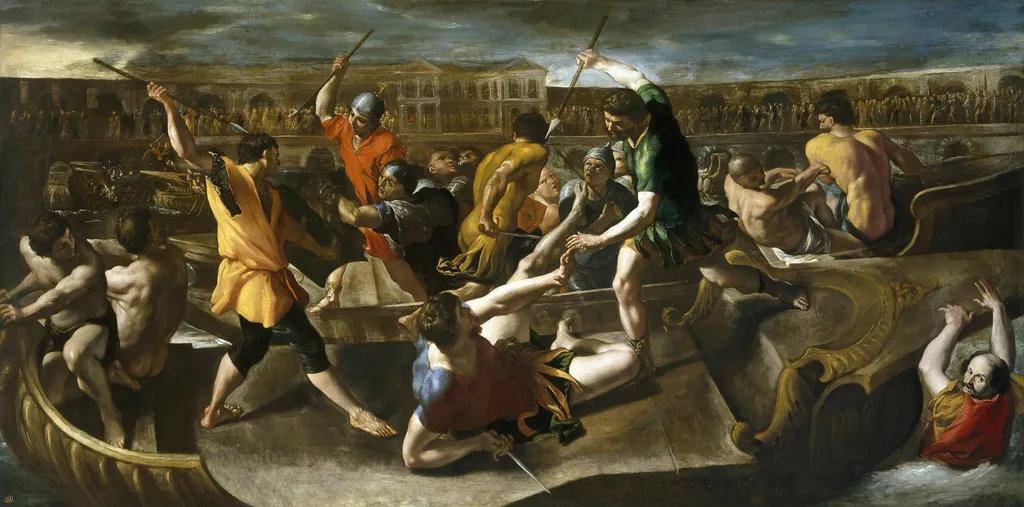
Naumaquia romana is an oil painting by the Early Baroque Italian artist Giovanni Lanfranco. It dates from 1635 and is held in the collection of the Museo del Prado.
About this work
Overview
Giovanni Lanfranco’s *Naumaquia romana*, executed in oil in 1635, belongs to the early Italian Baroque. The work is part of the Museo del Prado’s collection and exemplifies the artist’s role within the Bolognese school, where he merged dynamic composition with classical influences inherited from Annibale Carracci.
Subject & Meaning
The canvas portrays a tumultuous river crossing, populated by men in varied attire—tunics, loincloths, and armed with swords and spears. Some figures stand while others recline, suggesting a chaotic moment of transport or military maneuver, set against a distant landscape of water and architecture.
Technique & Style
Lanfranco employs a palette of earth tones and blues to model depth, while bold, expressive brushstrokes create textured surfaces. The composition is dynamic, guiding the eye across the crowded boat and into the background, reflecting the Baroque interest in movement and dramatic narrative.
History & Provenance
Painted in 1635, the work entered the Museo del Prado’s holdings at an unspecified date, where it remains on display. Its provenance traces back to the artist’s workshop in Bologna before becoming part of the Spanish royal collections that formed the Prado’s core.
Context
Created during a period when the Bolognese school sought to balance Carracci’s classicism with the emerging Baroque vigor, the painting illustrates Lanfranco’s synthesis of disciplined form and theatrical vigor, typical of early 17th‑century Italian art.
Artist & collection
Artist
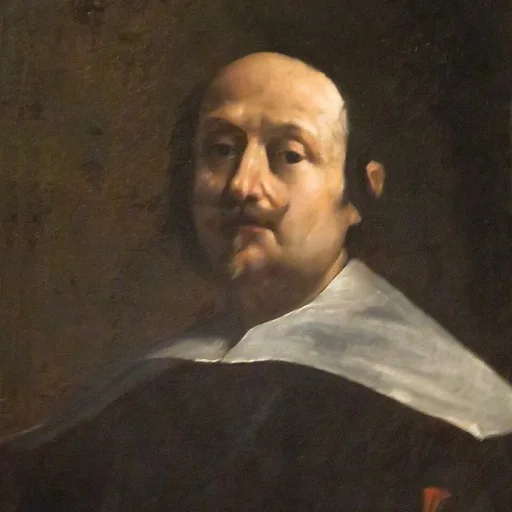
Giovanni Lanfranco (26 January 1582 – 30 November 1647) was an Italian Baroque painter. He was a distinguished artist of the Bolognese school, deeply influenced by Annibale Carracci's’ classicism.

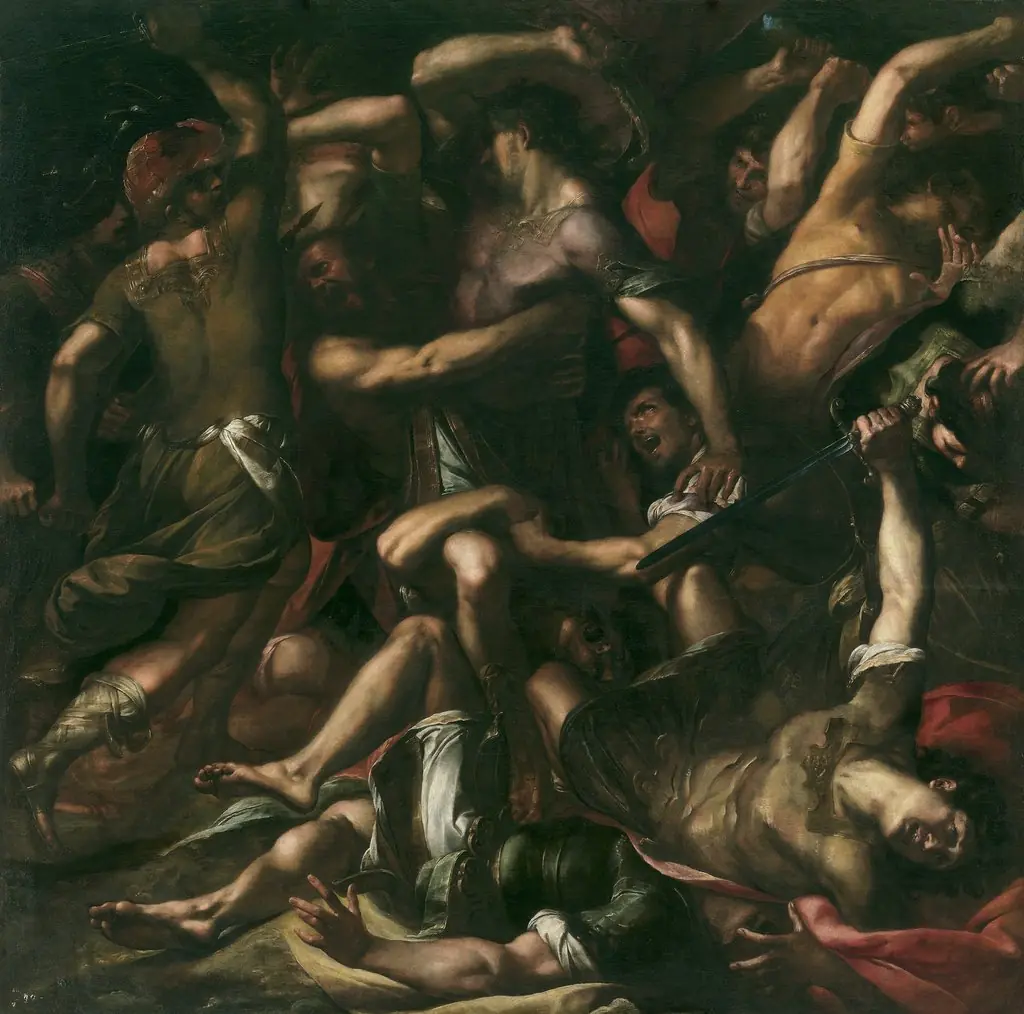 Samson and the Philistines
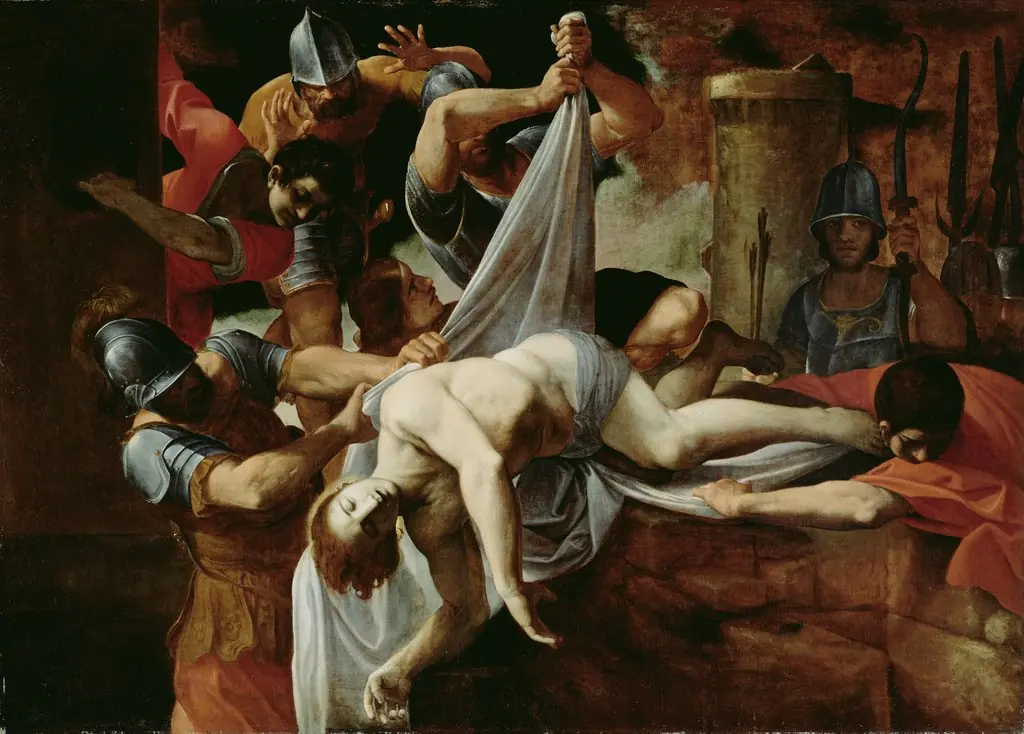 St. Sebastian Thrown into the Cloaca Maxima
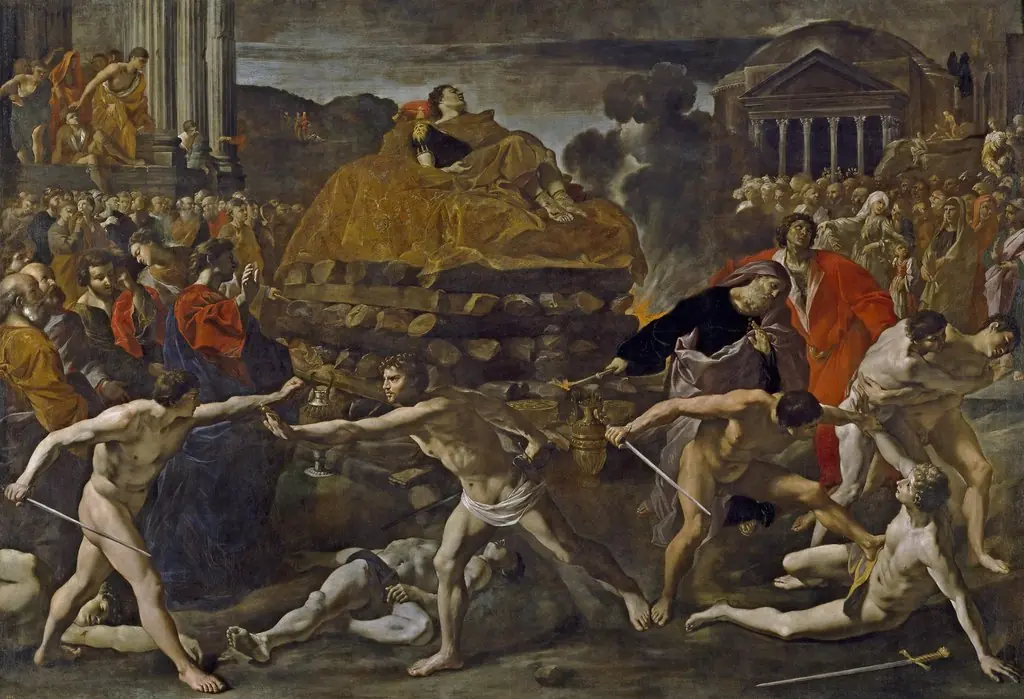 Exequias de un emperador romano
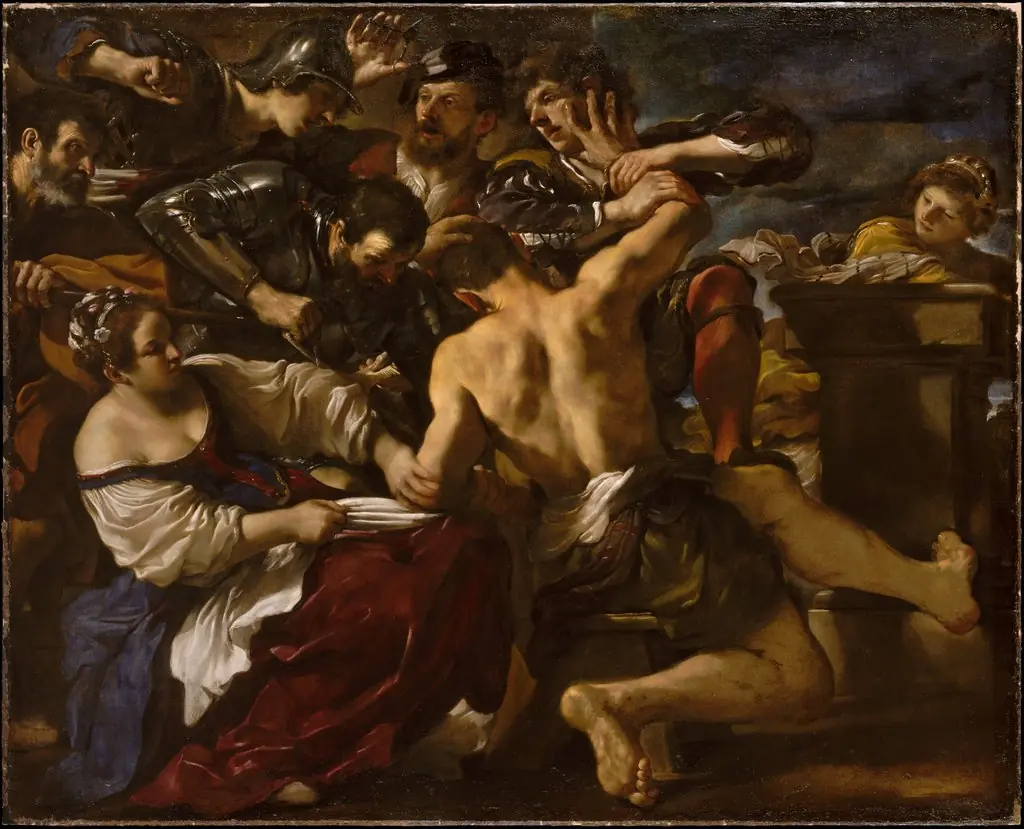 Samson Captured by the Philistines
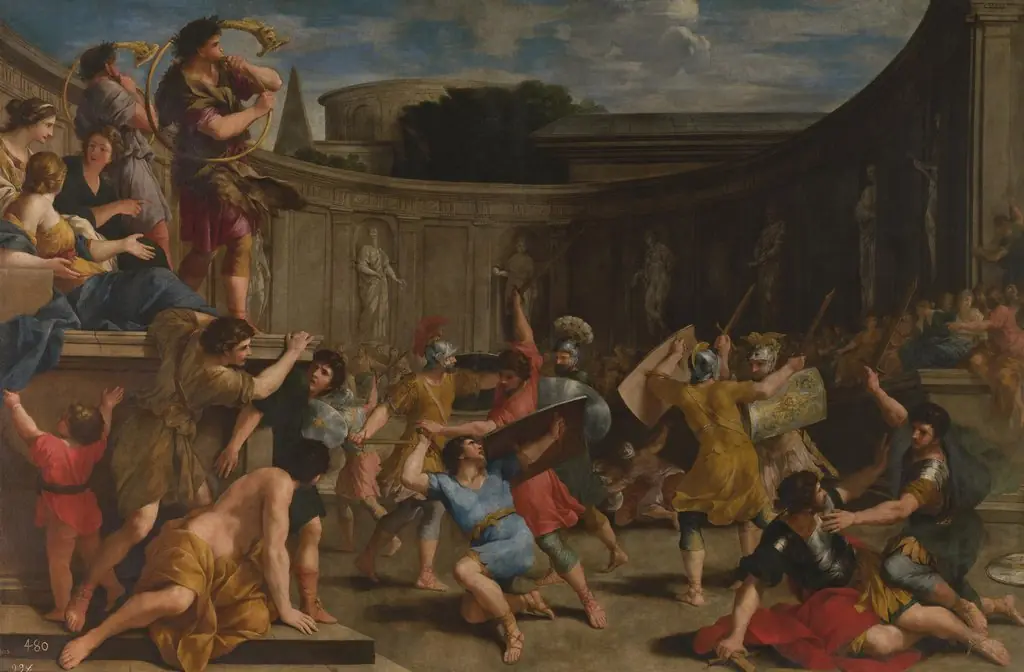 Roman Gladiators with Wooden Swords
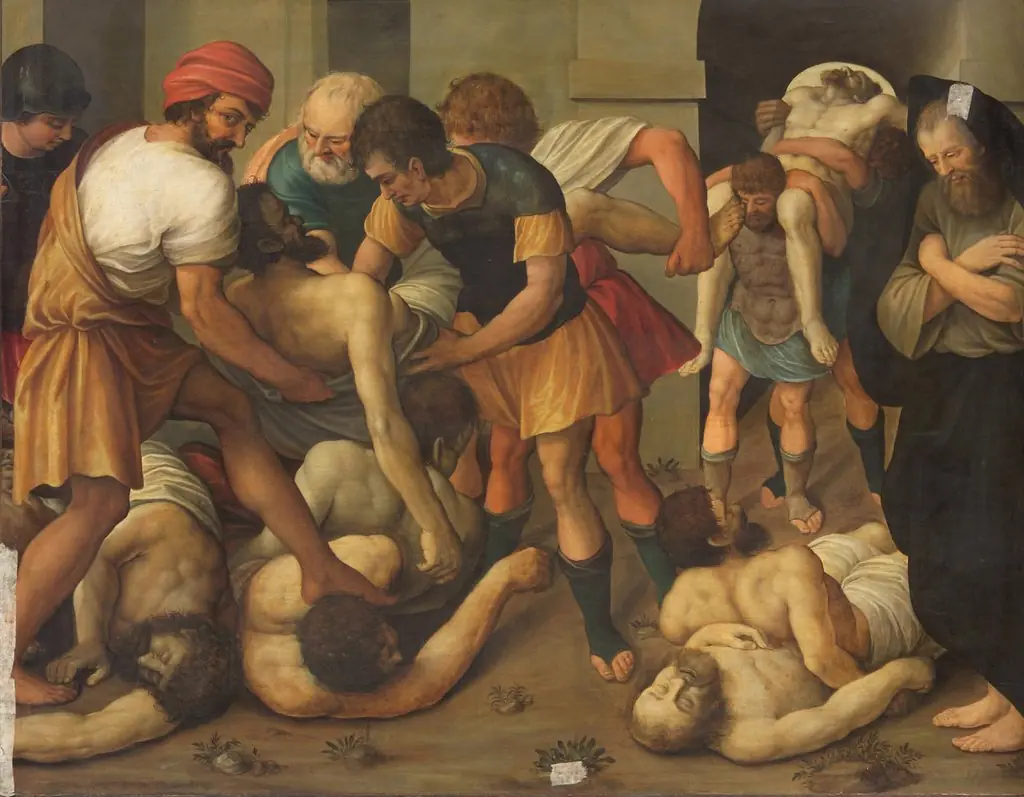 Tobias buries the Dead in Nineveh
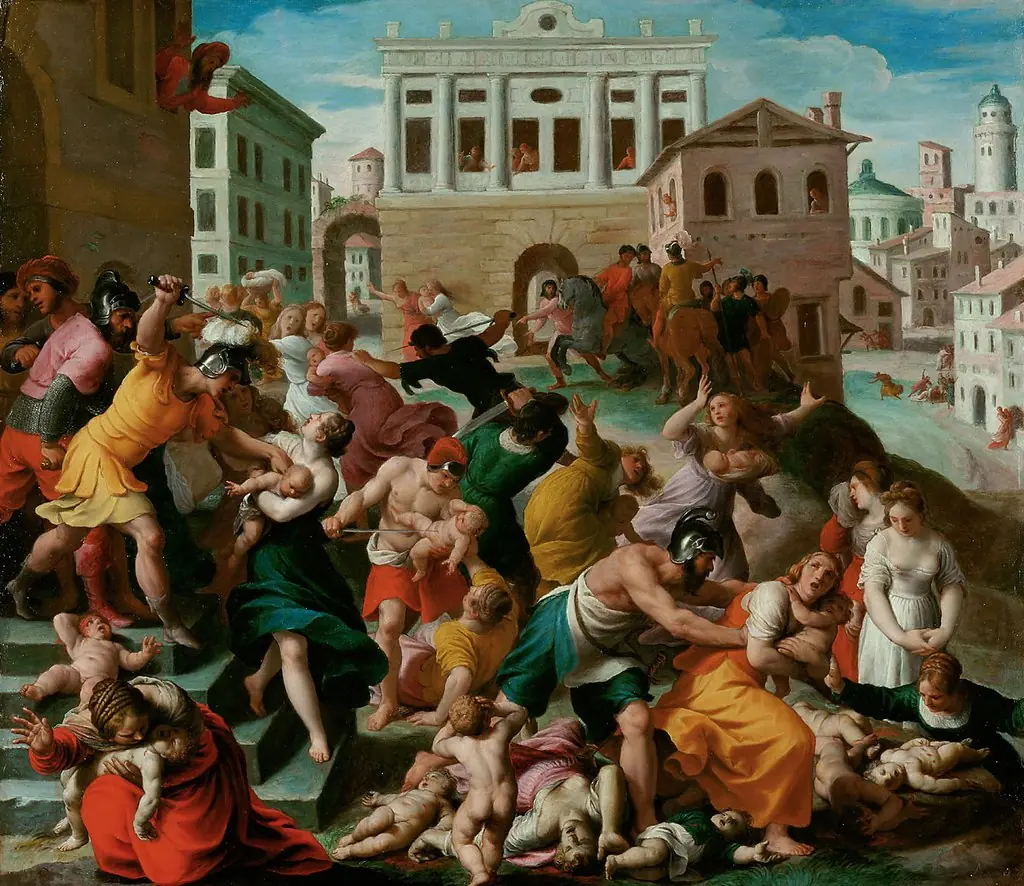 Bethlehemic Child Murder
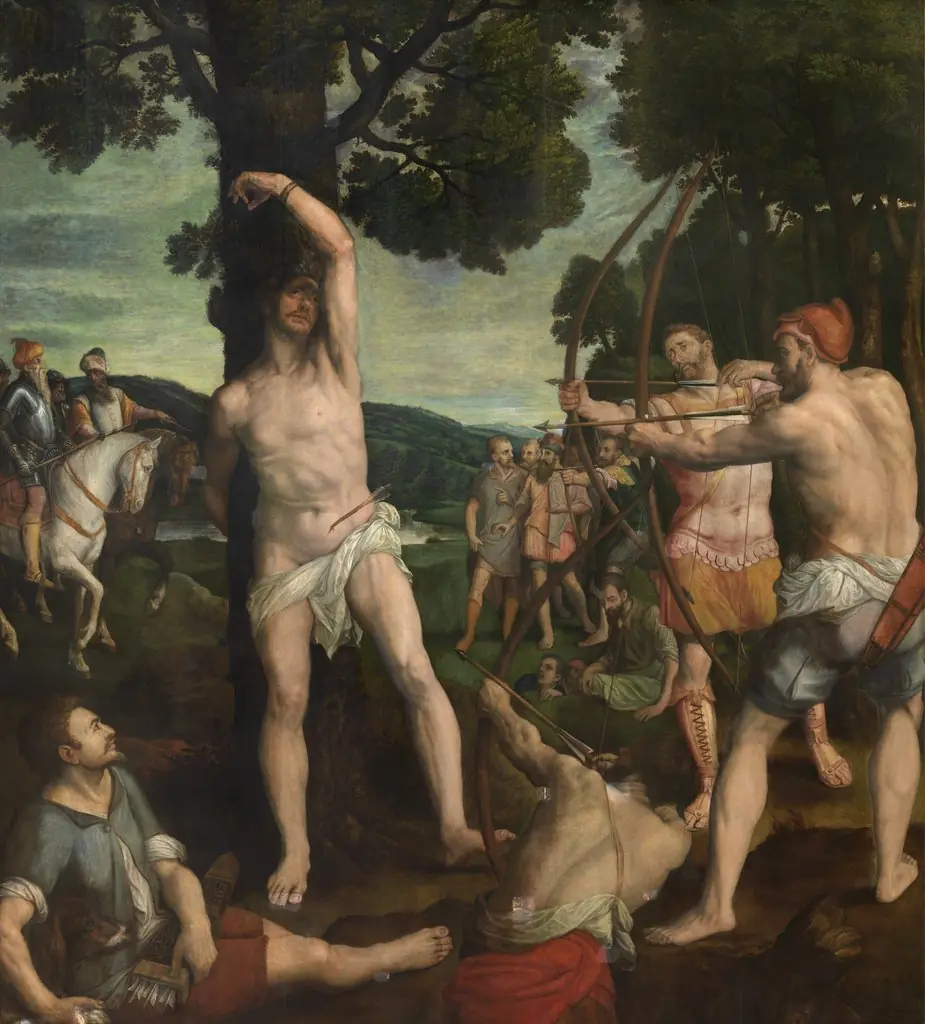 Martyrdom of Saint Sebastian
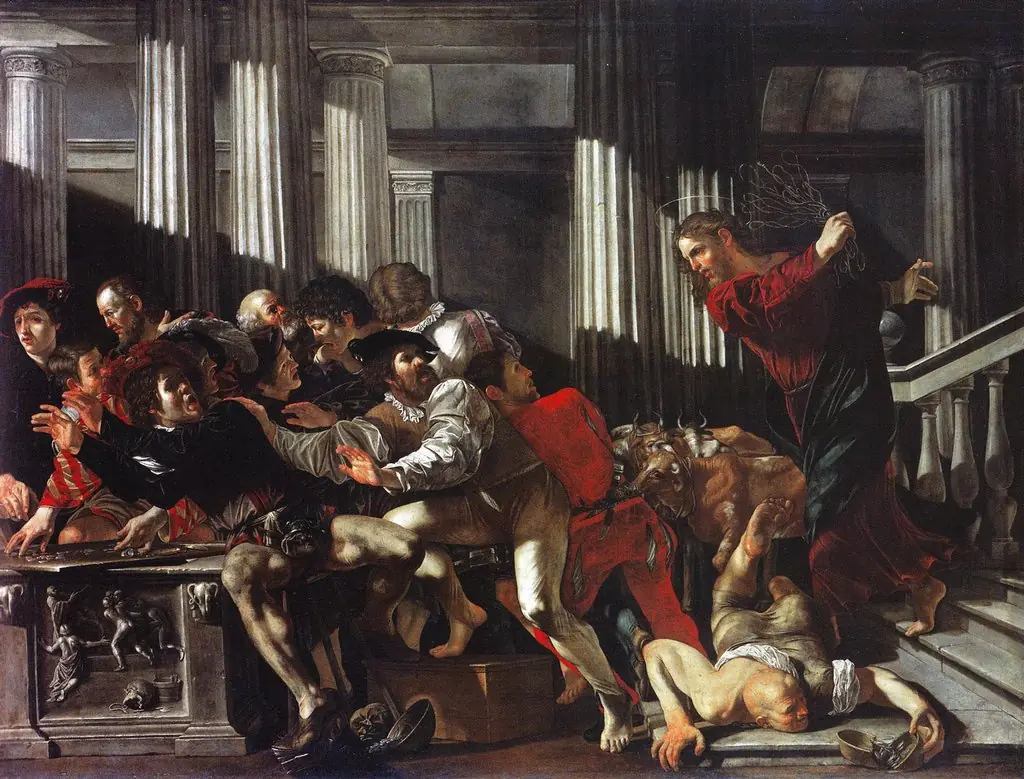 Christ driving the money-changers from the Temple
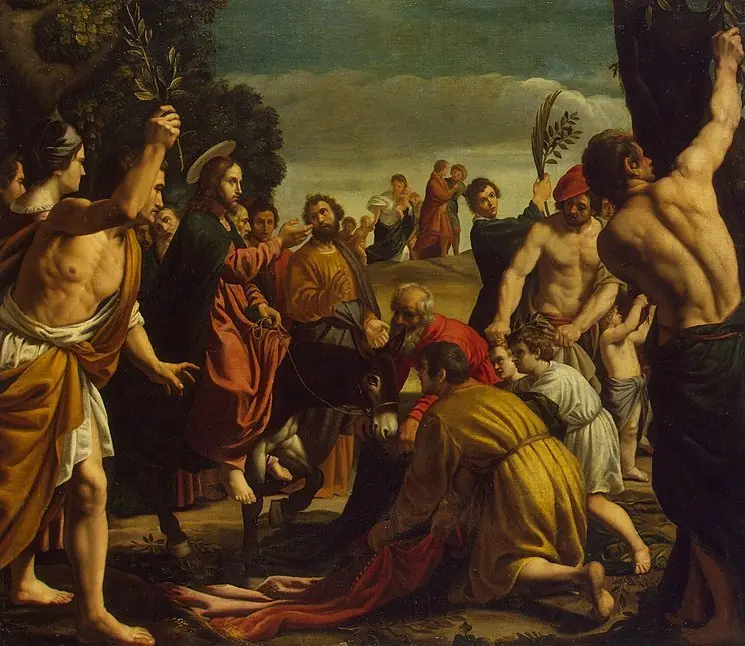 Entry into Jerusalem
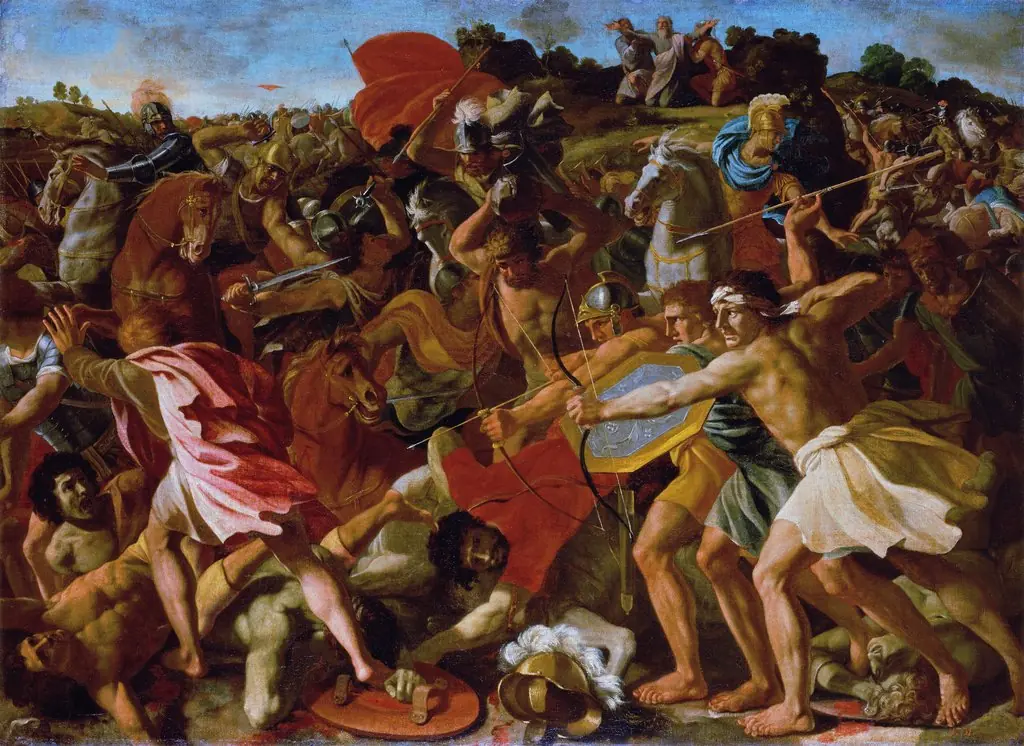 Victory of Joshua over the Amalekites