Artwork
Marcus Curtius leaping into the gulf
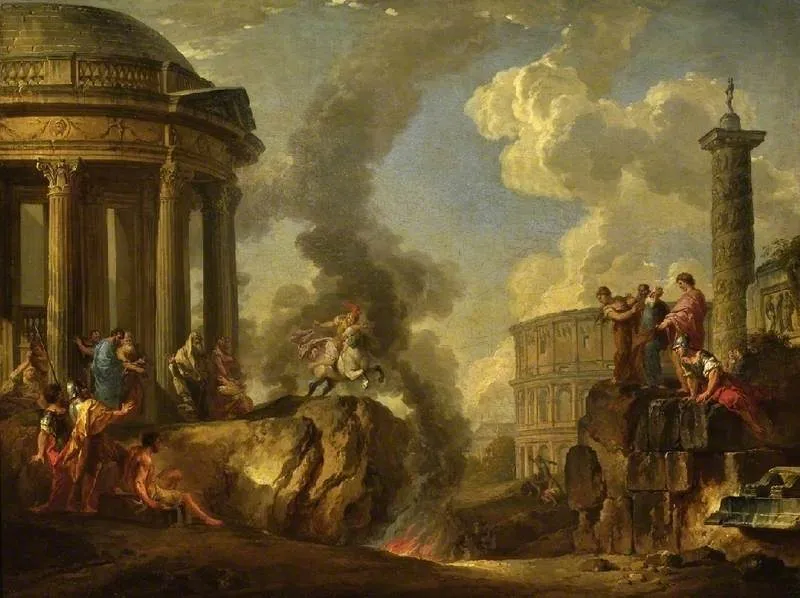
Marcus Curtius leaping into the gulf is an oil painting by Giovanni Paolo Panini. It dates from 1738 and is held in the collection of the Fitzwilliam Museum.
About this work
Overview
Marcus Curtius leaping into the gulf is a painting created by Giovanni Paolo Panini around 1738. It is an oil painting that showcases Panini's skill in capturing dramatic scenes.
Subject & Meaning
The painting depicts the legendary Roman figure Marcus Curtius sacrificing himself to save the city. The scene is set amidst Roman ruins and architectural landmarks, highlighting Panini's interest in historical narrative.
Technique & Style
Panini's characteristic style as a vedutista is evident in the detailed depiction of Rome's antiquities. The painting combines a dramatic scene with a detailed background, featuring a large stone structure, a tall stone pillar, and a multi-level building.
Context
As a leading vedutista active in Rome, Panini's work was influenced by the city's rich history and architecture. The painting reflects his interest in capturing Rome's antiquities and historical narratives.
Artist & collection
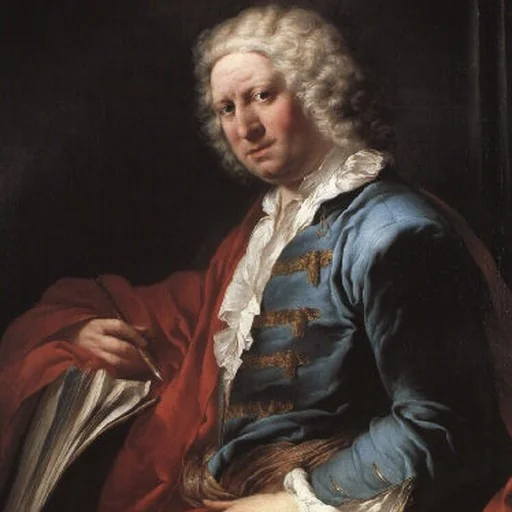
Artist
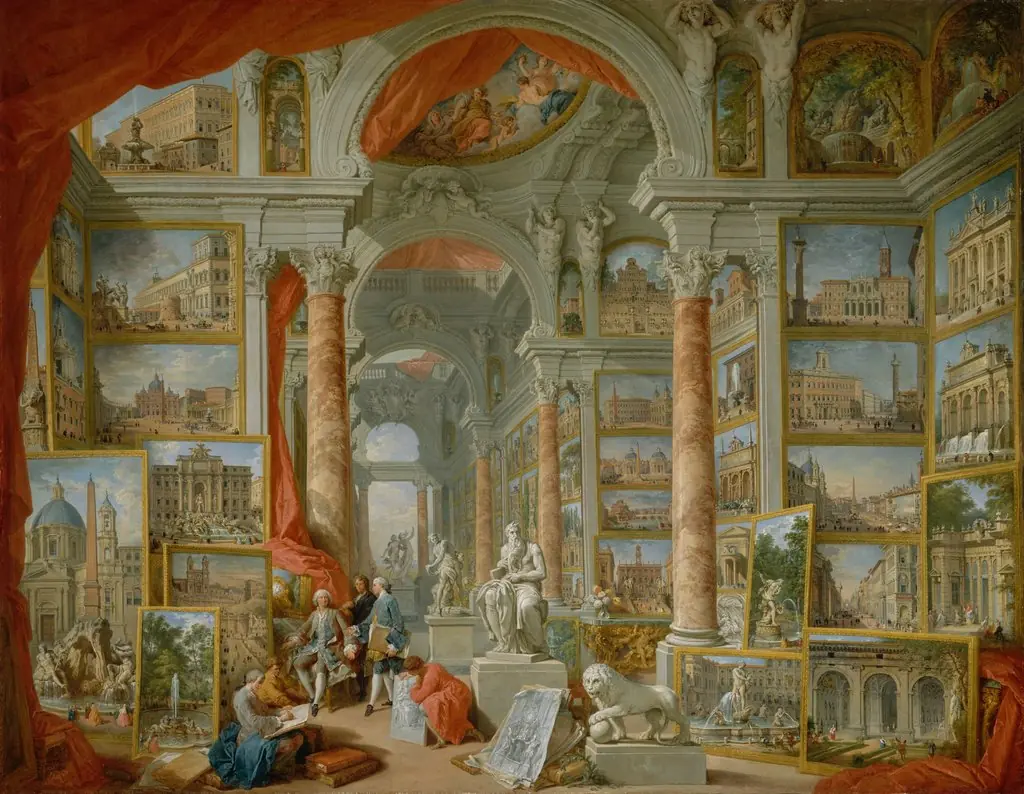
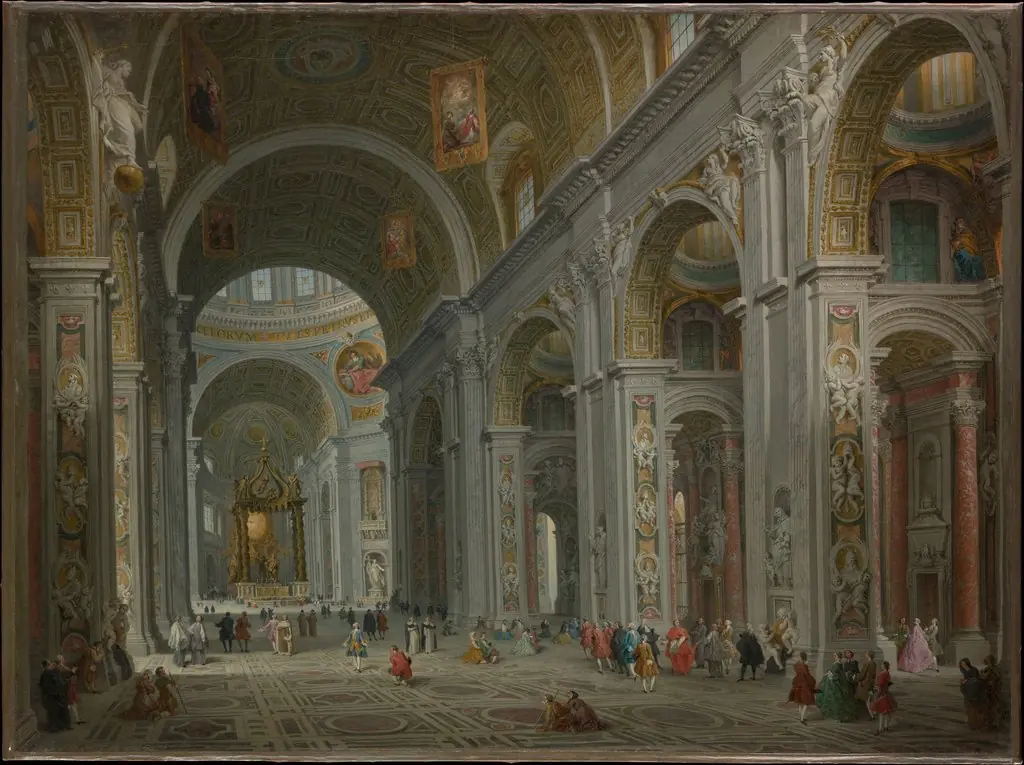
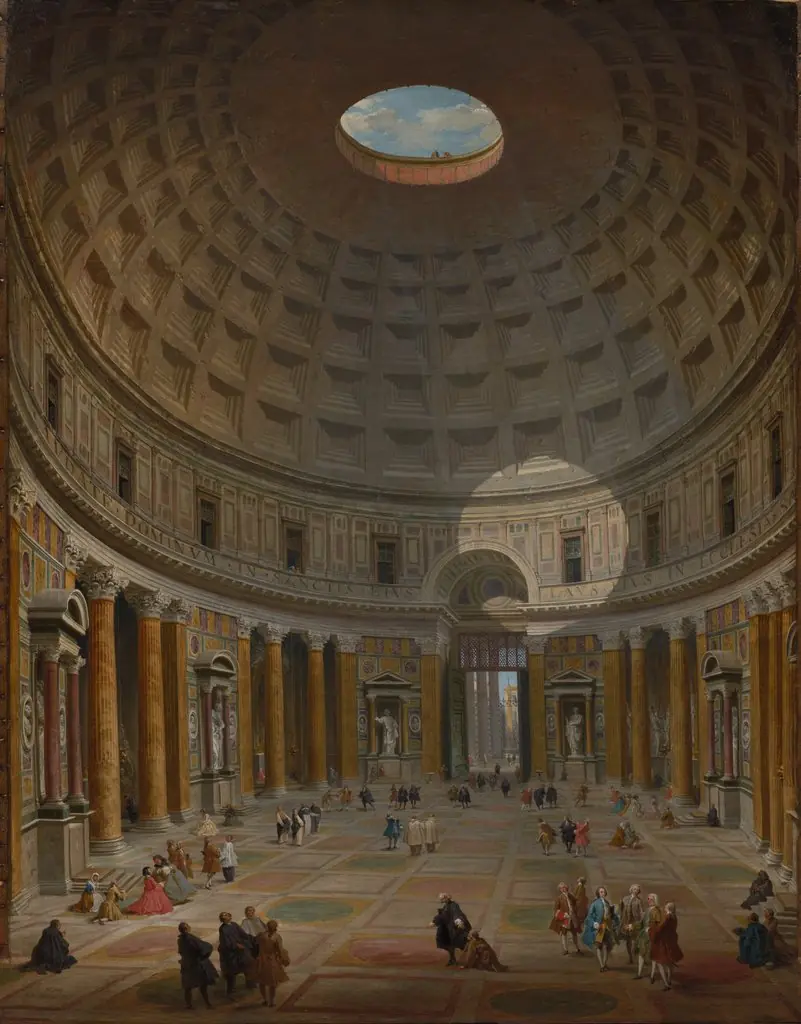
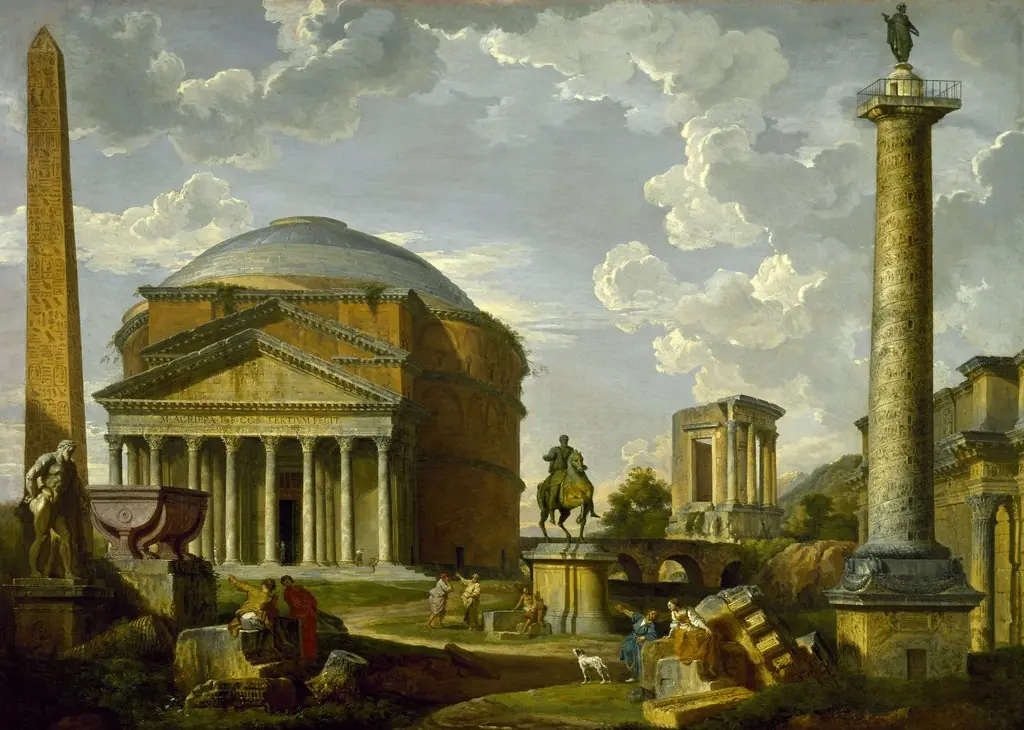
Giovanni Paolo, also known as Gian Paolo Panini or Pannini (17 June 1691 – 21 October 1765), was an Italian Baroque painter and architect who worked in Rome and is primarily known as one of the vedutisti ("view painters").

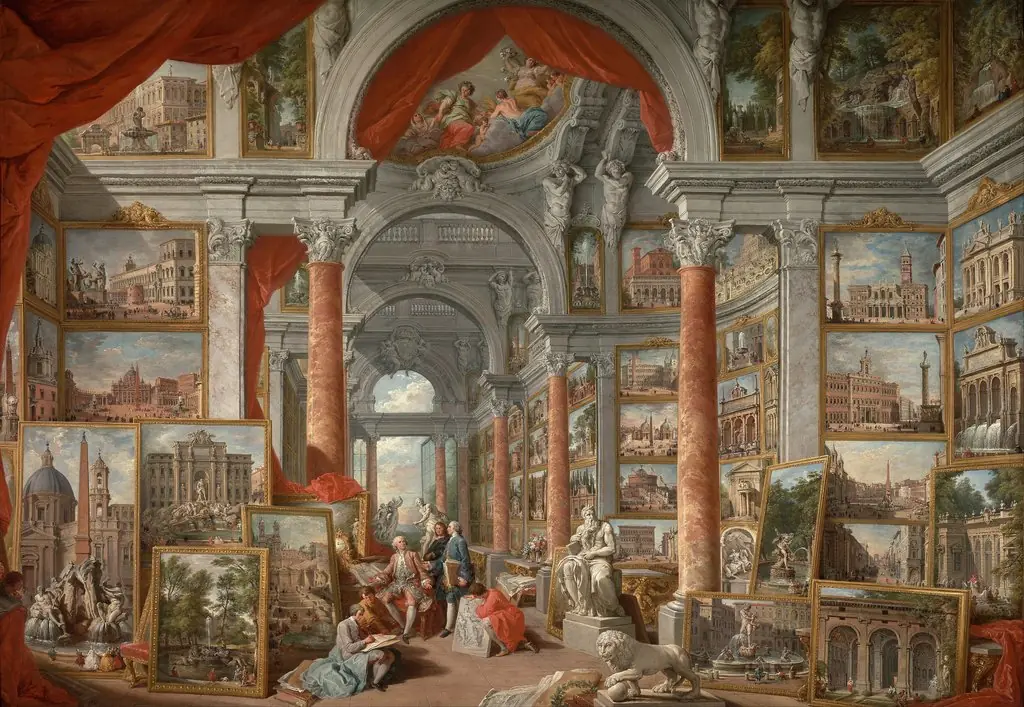
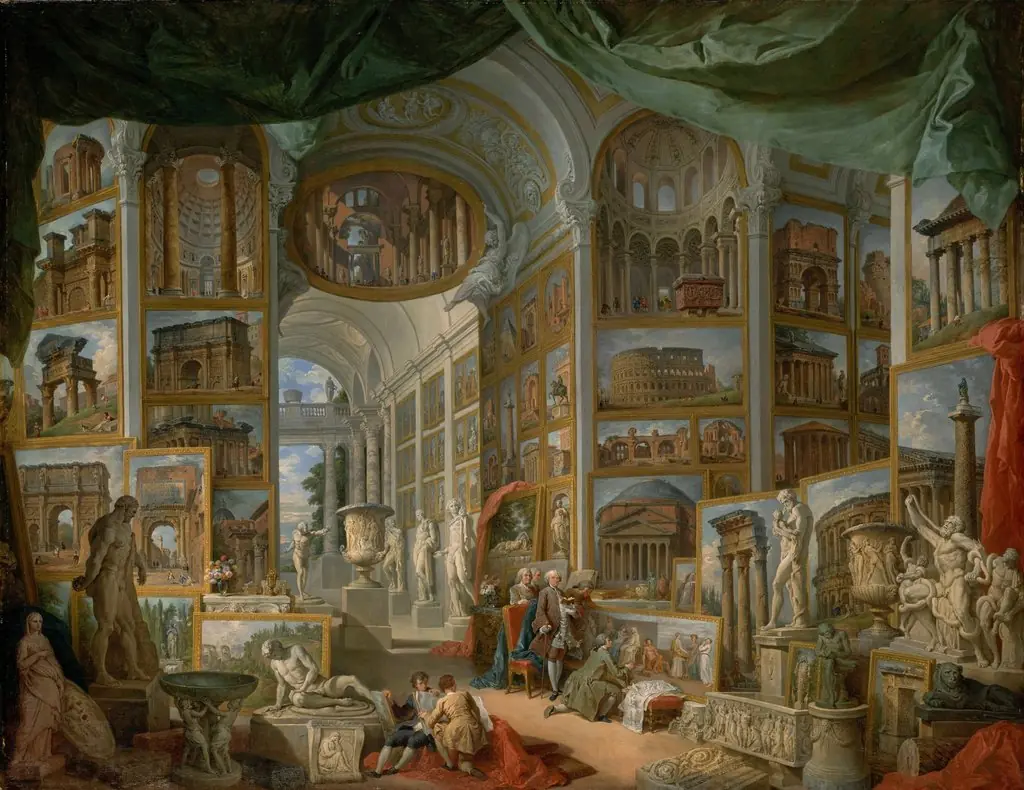
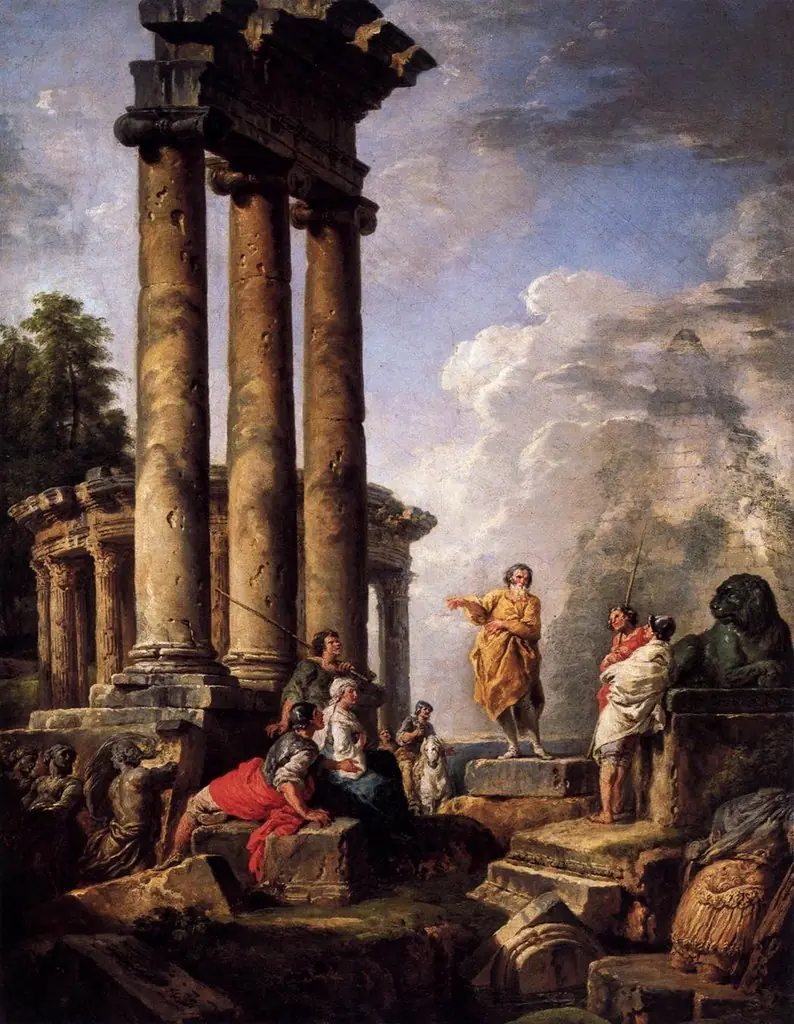
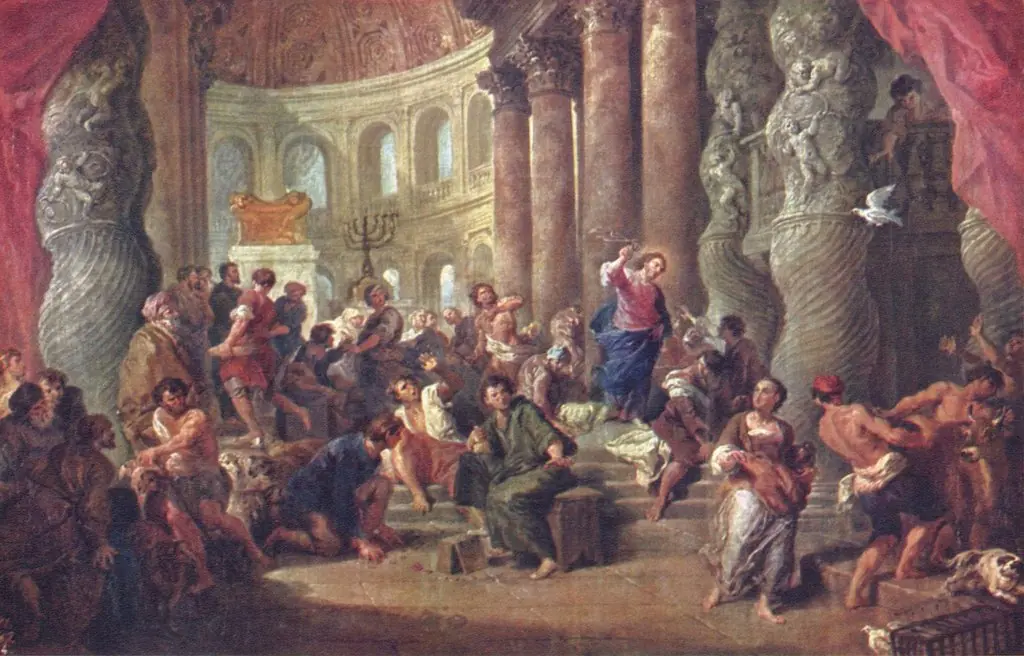
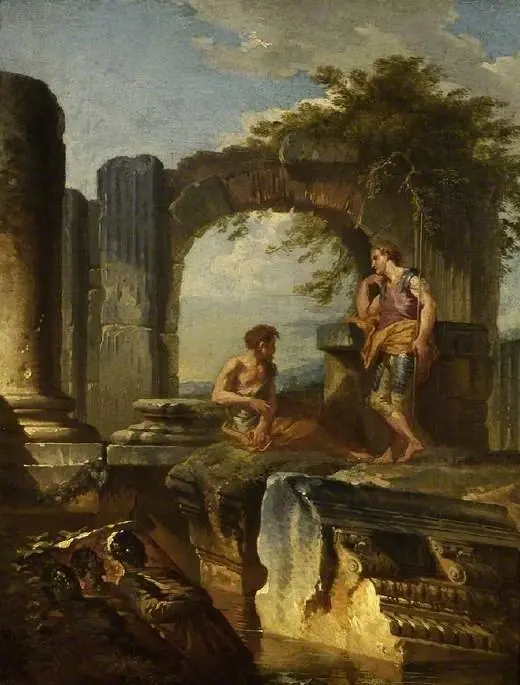 Ruins with figures
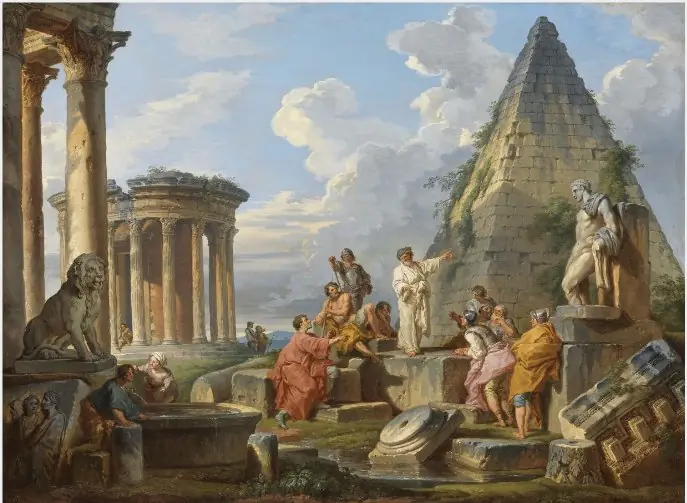 A Capriccio with Saint Paul Preaching to the Romans, with the Temple of Vesta and Pyramid of Caius Cestius
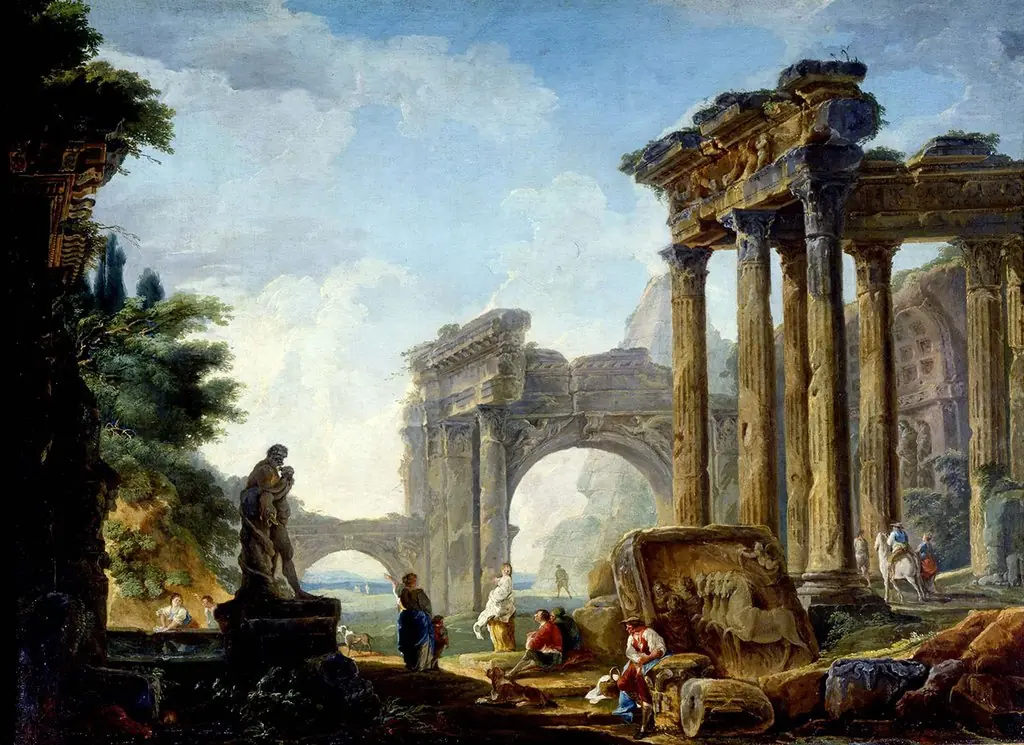 Paysage avec ruines romaines
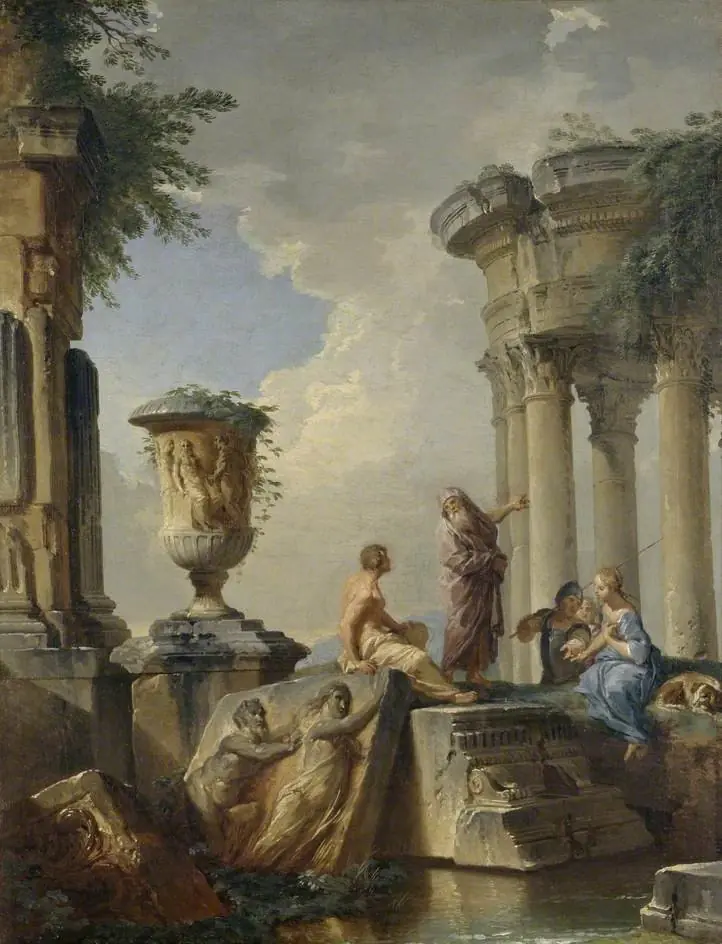 Ruins with a Prophet and other Figures
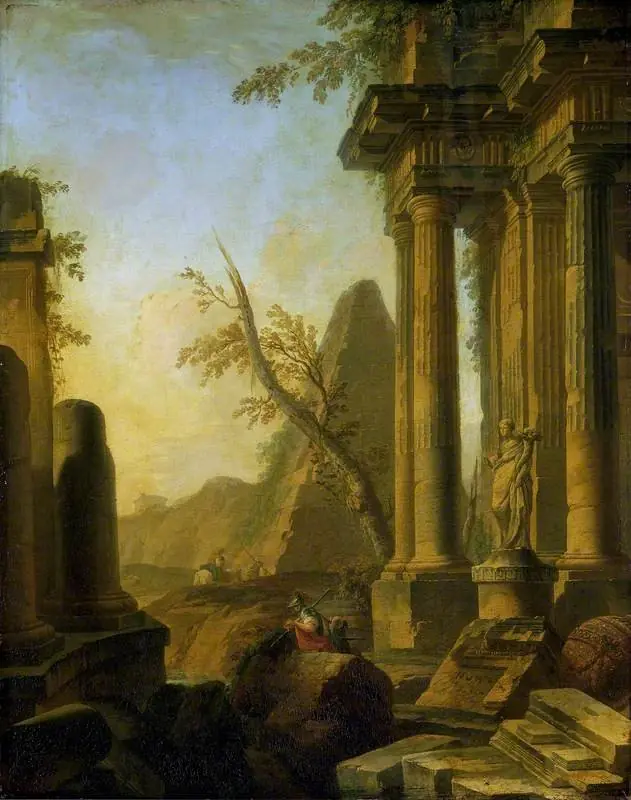 Classical Ruins with Soldiers
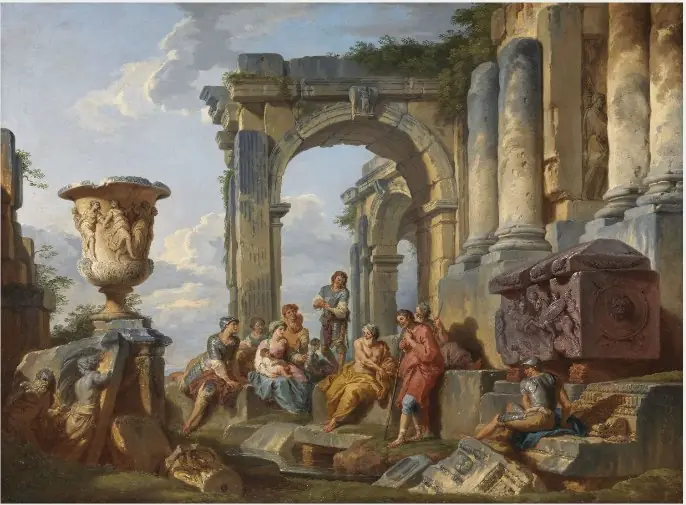 A Capriccio with Saint Peter Preaching to the Romans
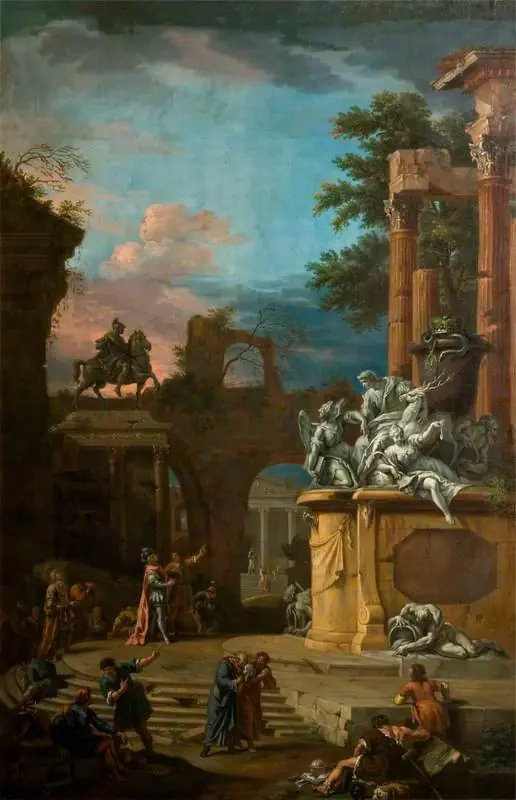 Imaginary Monument to William Cavendish (1640–1707), 1st Duke of Devonshire
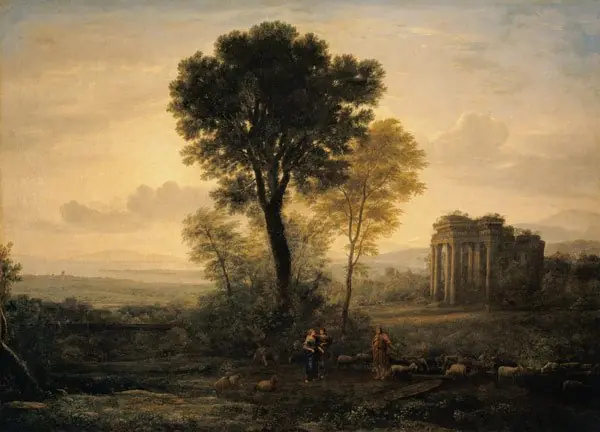 Landscape with Jacob, Rachel and Leah at the Well (Morning)
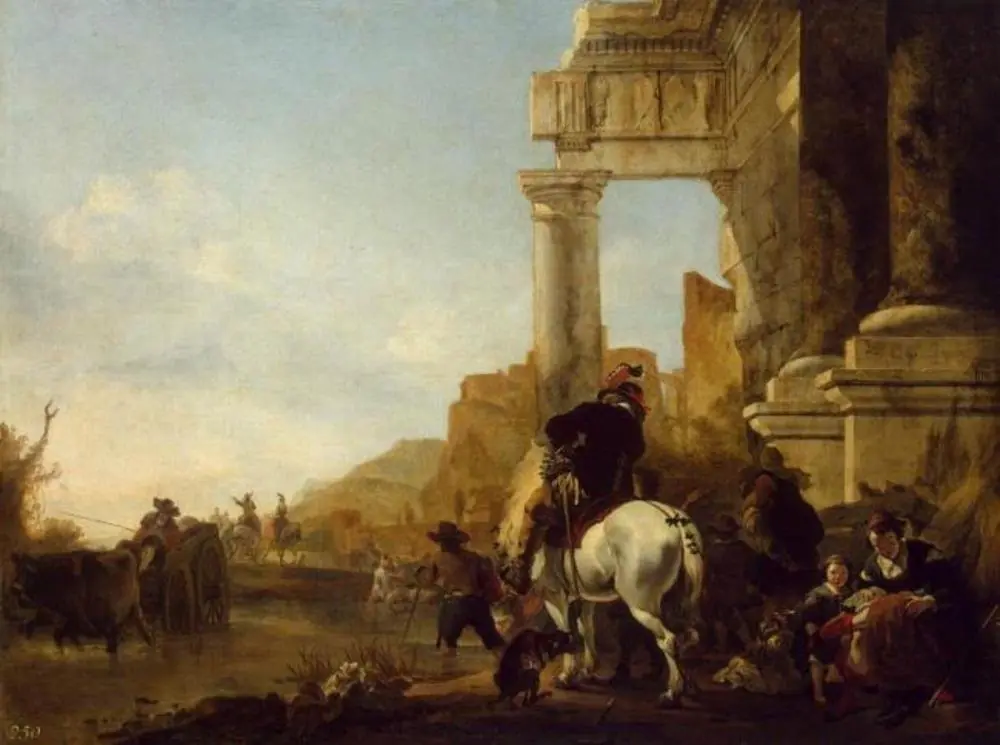 River Crossing
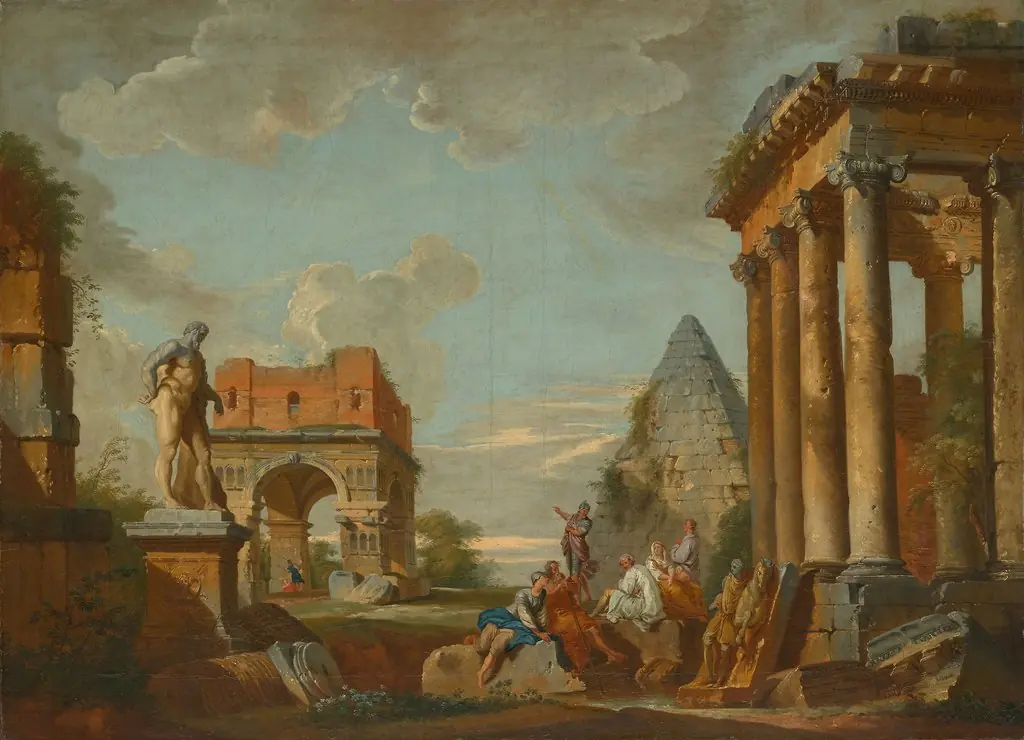 Classical Landscape
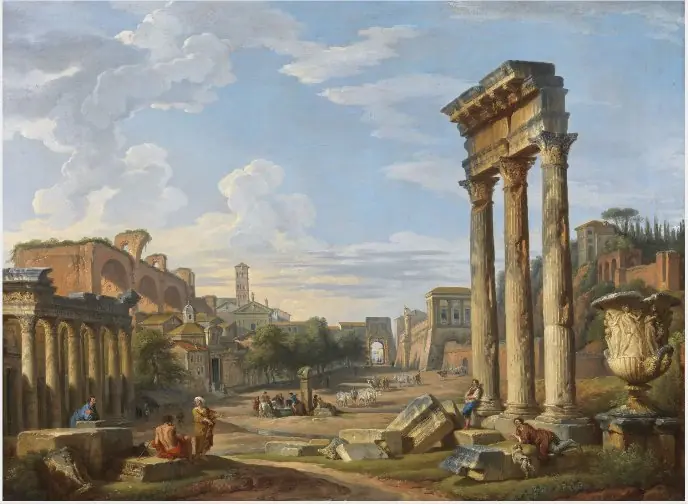 The Roman Forum
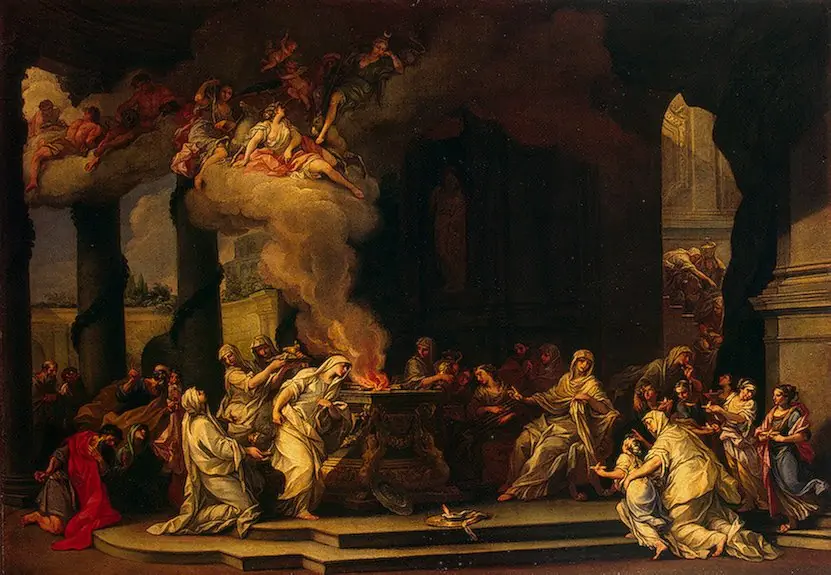 Dedication of a New Vestal Virgin