Artwork
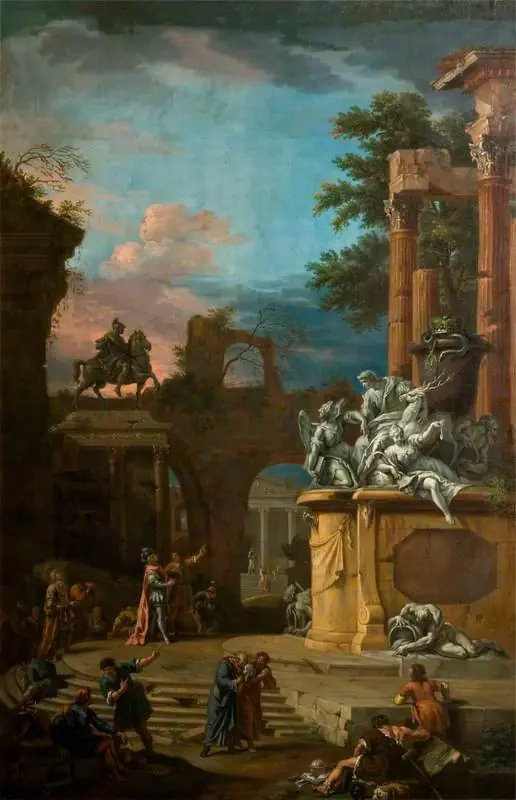
Ruins with figures
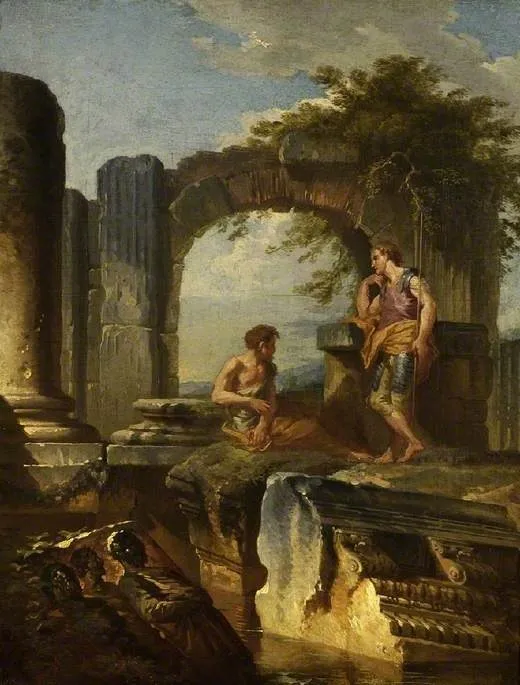
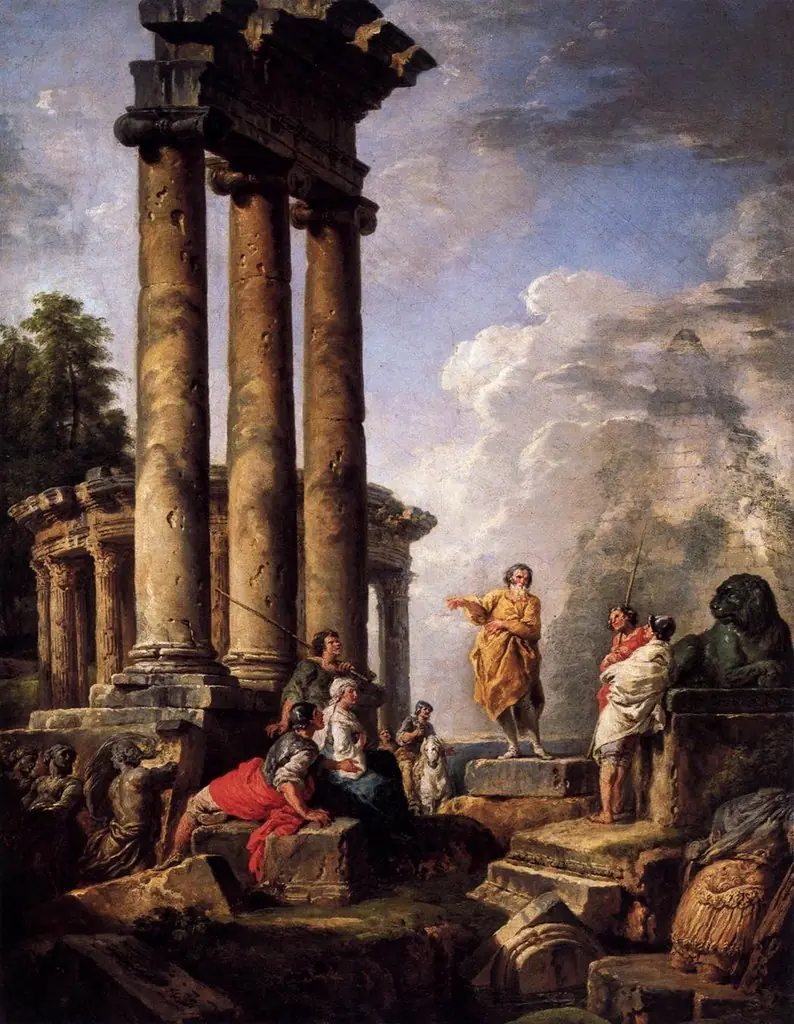
Ruins with figures is an oil painting by the Rococo painting artist Giovanni Paolo Panini. It dates from 1720 and is held in the collection of the Fitzwilliam Museum.
About this work
Overview
Ruins with figures, a 1720 oil painting by Giovanni Paolo Panini, captures an ancient Roman landscape with two figures amidst crumbling architecture and a serene natural backdrop.
Subject & Meaning
The painting juxtaposes the grandeur of ancient ruins with everyday human presence, inviting contemplation on the passage of time and the relationship between past and present.
Technique & Style
Panini employed chiaroscuro to achieve depth and contrast, characteristic of the Baroque tradition, while the overall lightness and detailed rendering of figures and architecture align with the emerging Rococo sensibility.
History & Provenance
Created in 1720, the work is a product of Panini's specialization as a *vedutista* in Rome. It is now part of the Fitzwilliam Museum's collection.
Context
As a *vedutista*, Panini's work reflects 18th-century European fascination with classical antiquity, catering to the aesthetic tastes of aristocratic travelers on the Grand Tour.
Legacy
While specific impact on later artists is not prominently documented, *Ruins with figures* contributes to the broader legacy of Baroque and Rococo landscape painting, influencing subsequent depictions of ancient landscapes in European art.
Artist & collection
Artist
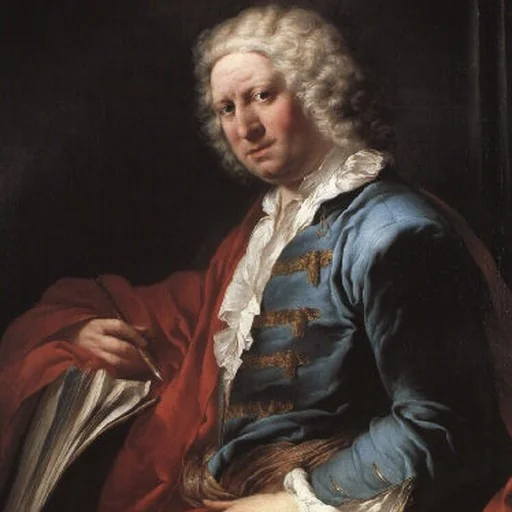
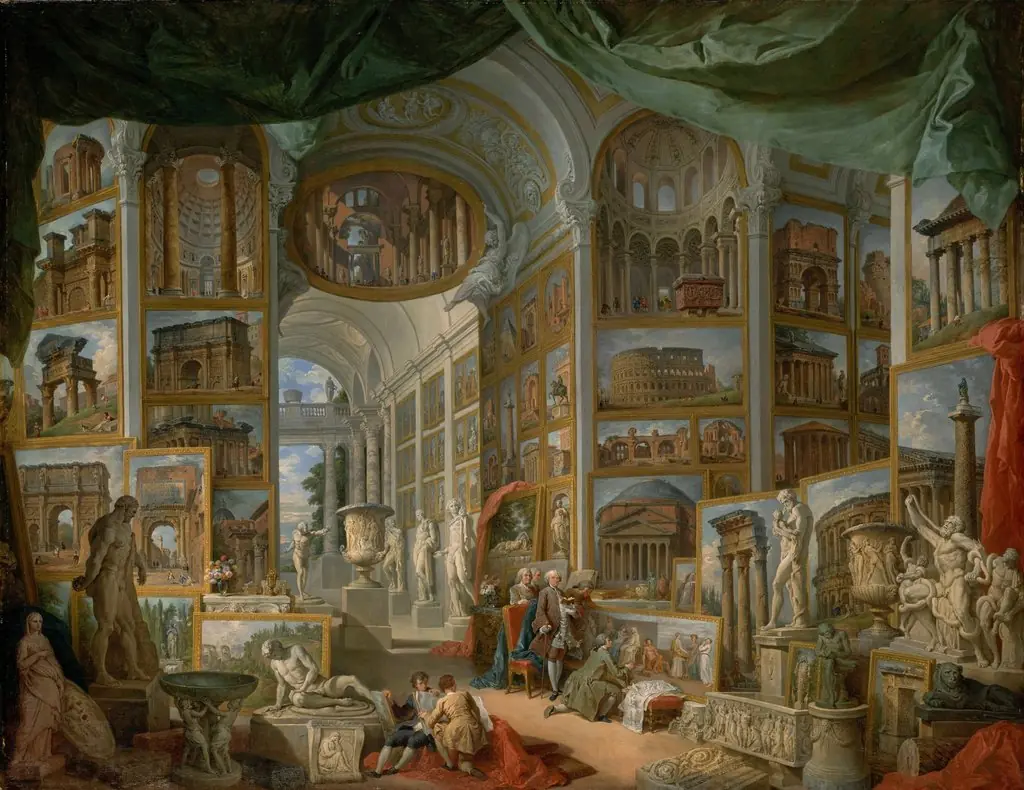
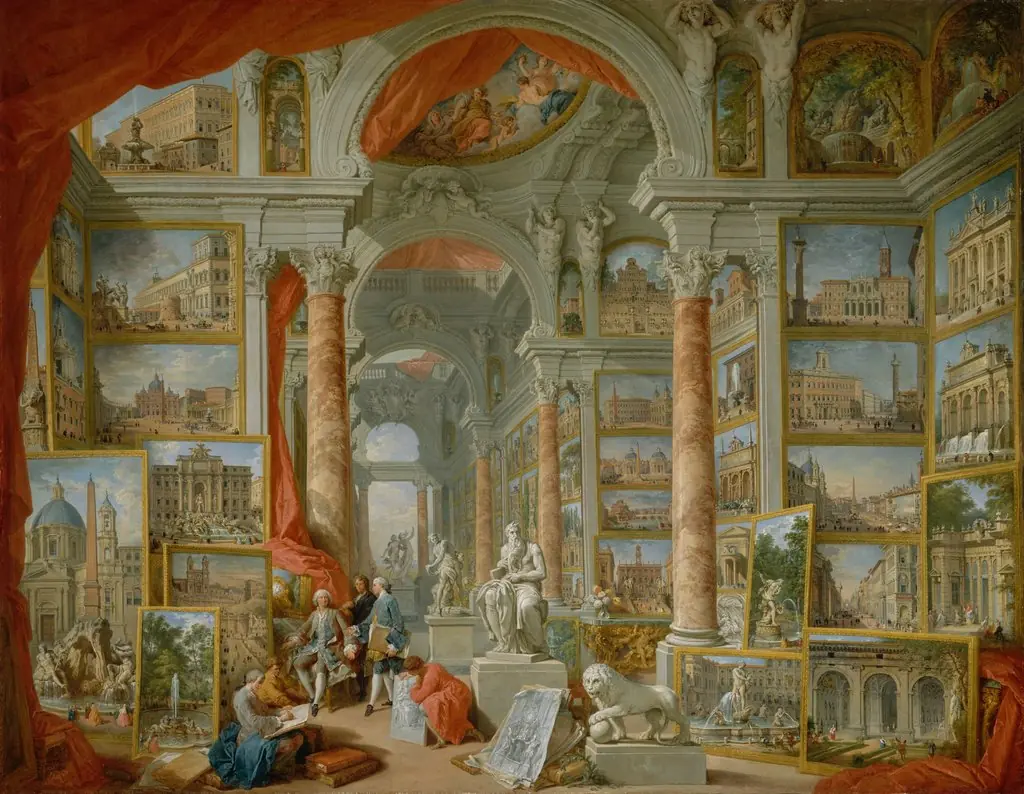
Giovanni Paolo, also known as Gian Paolo Panini or Pannini (17 June 1691 – 21 October 1765), was an Italian Baroque painter and architect who worked in Rome and is primarily known as one of the vedutisti ("view painters").


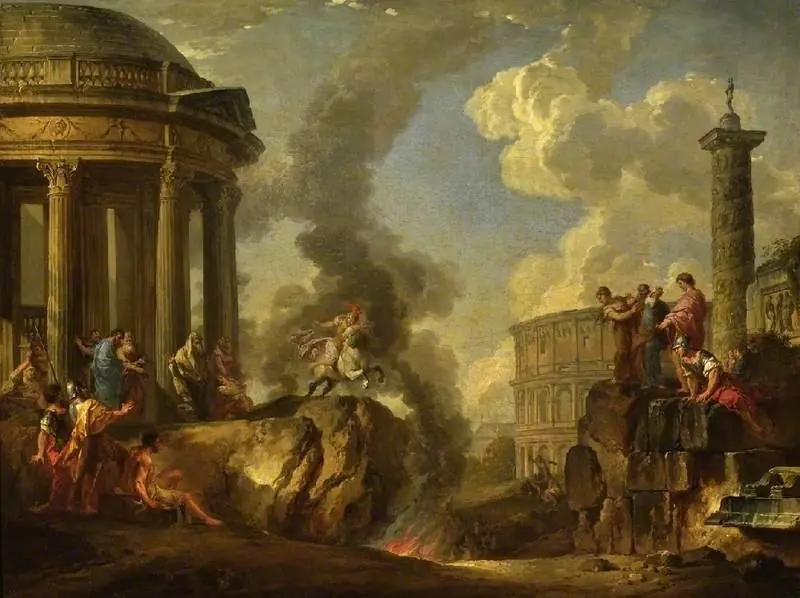 Marcus Curtius leaping into the gulf
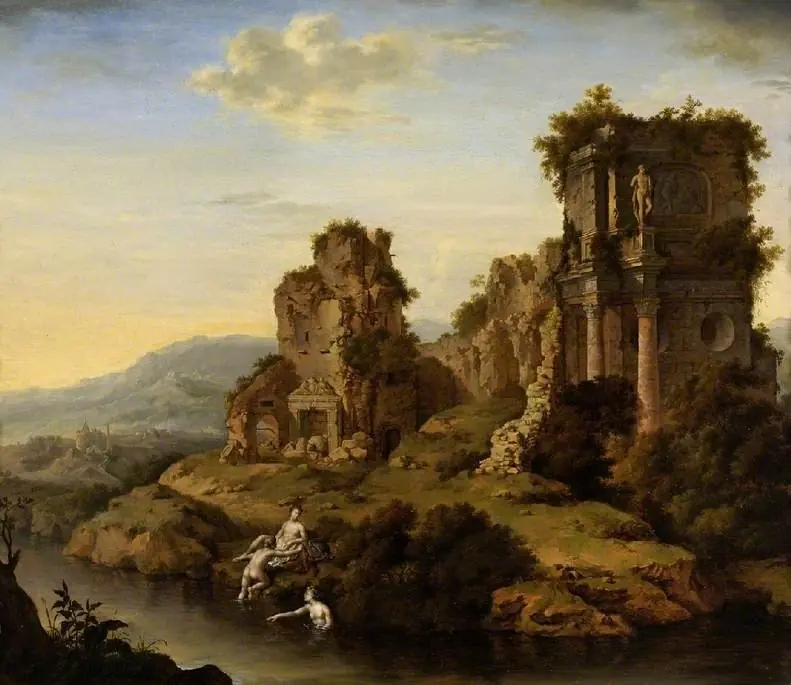 Landscape with ruins, nymphs bathing
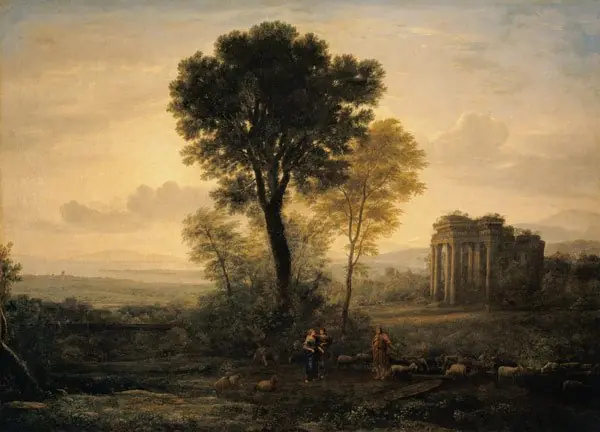 Landscape with Jacob, Rachel and Leah at the Well (Morning)
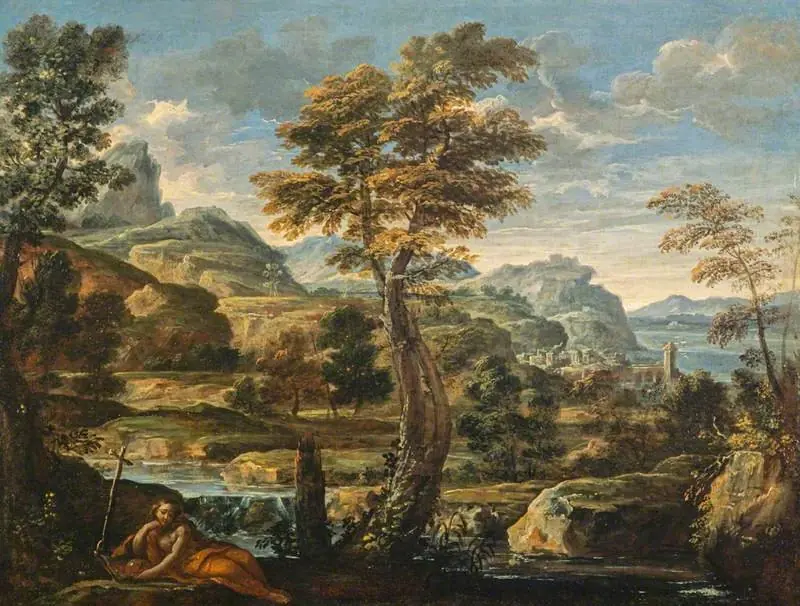 Landscape with Saint Mary Magdalene
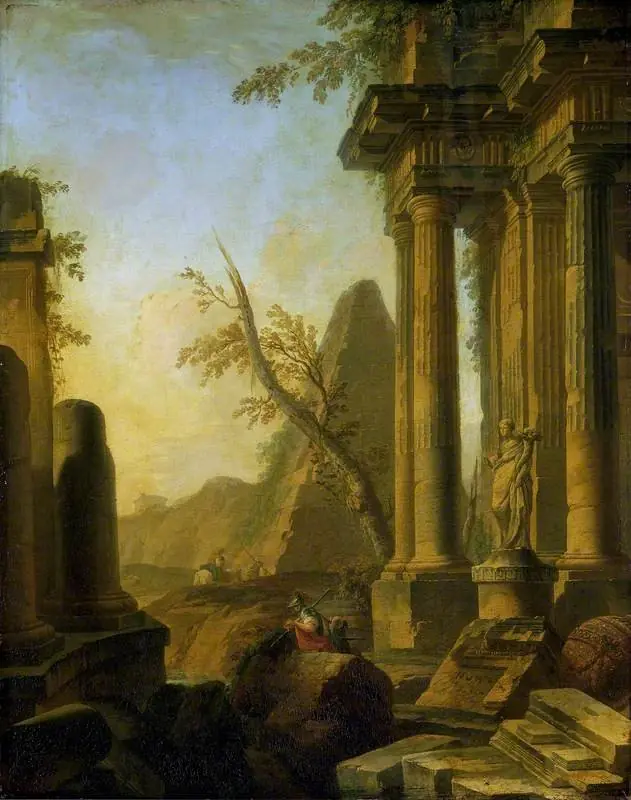 Classical Ruins with Soldiers
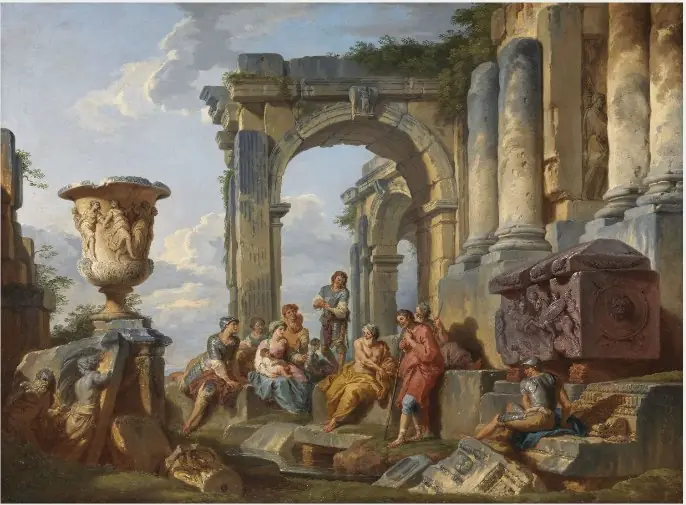 A Capriccio with Saint Peter Preaching to the Romans
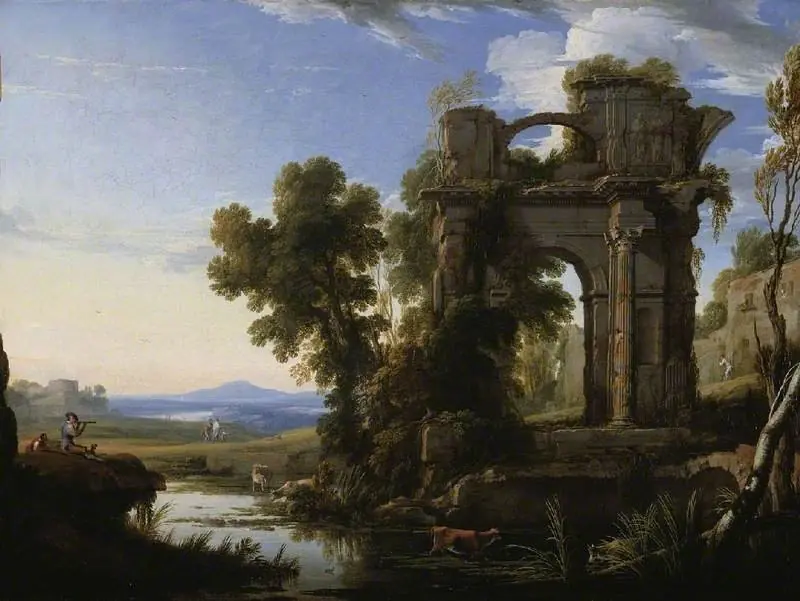 Landscape with classical ruins
 Imaginary Monument to William Cavendish (1640–1707), 1st Duke of Devonshire
 Landschaft mit dem hl. Johanes dem Täufer