Artwork
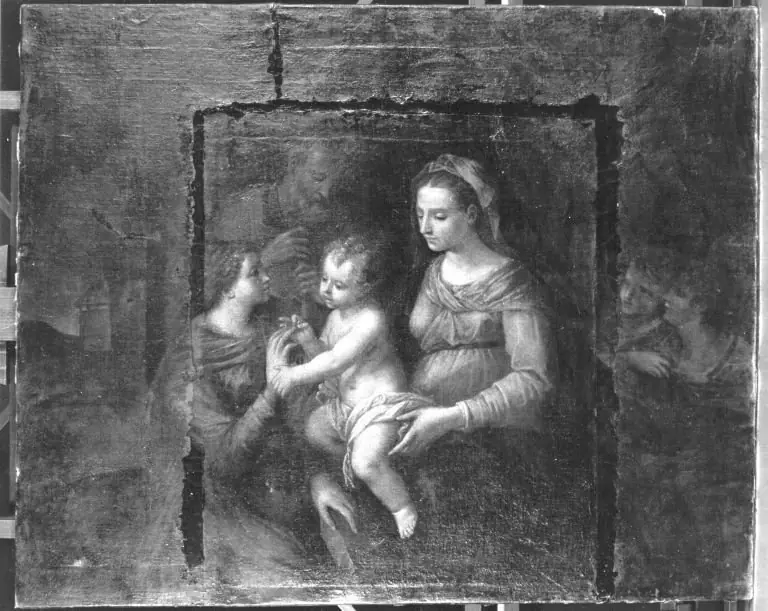
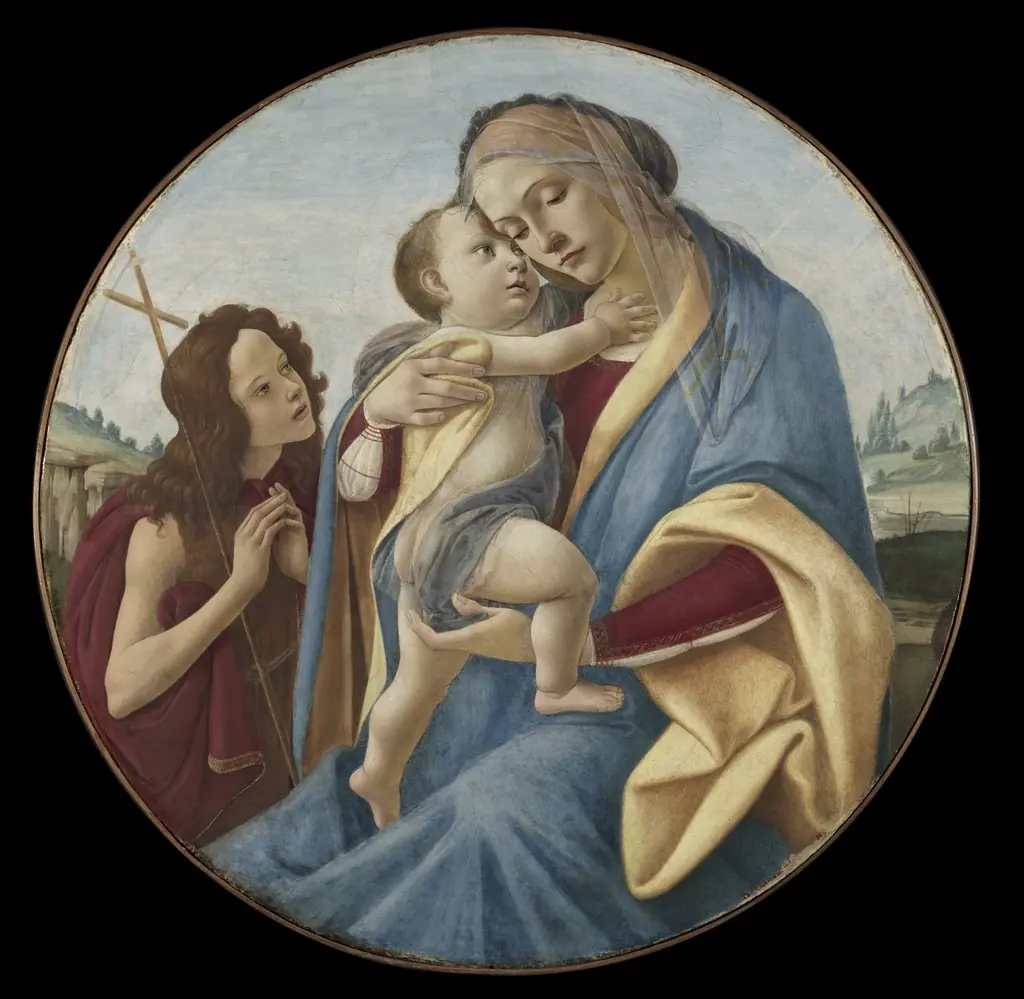
The Virgin and Blessing Child, Young St. John and Angel
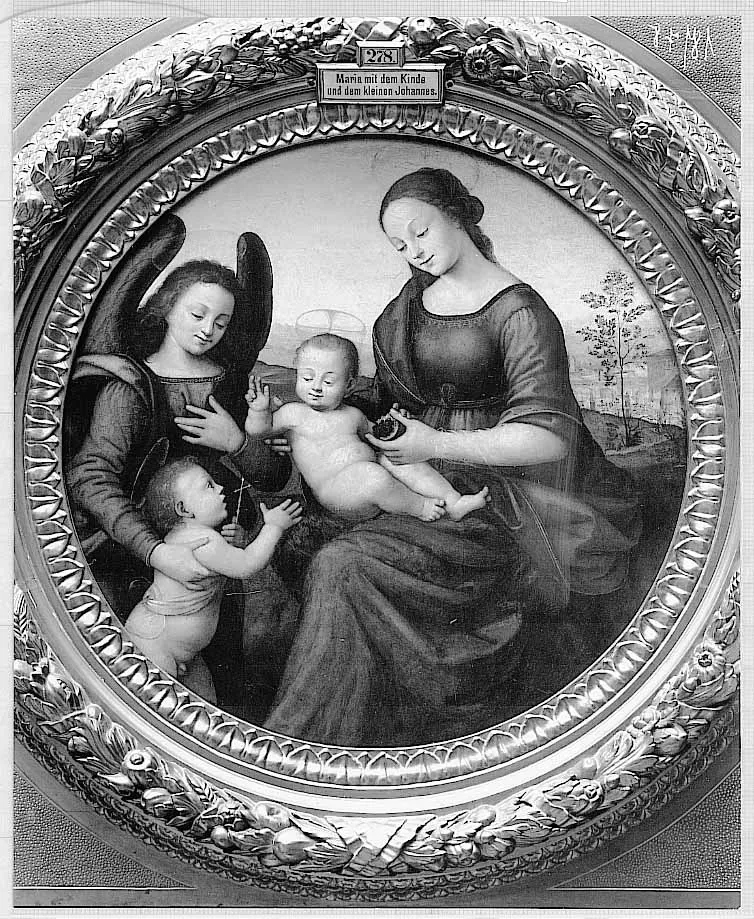
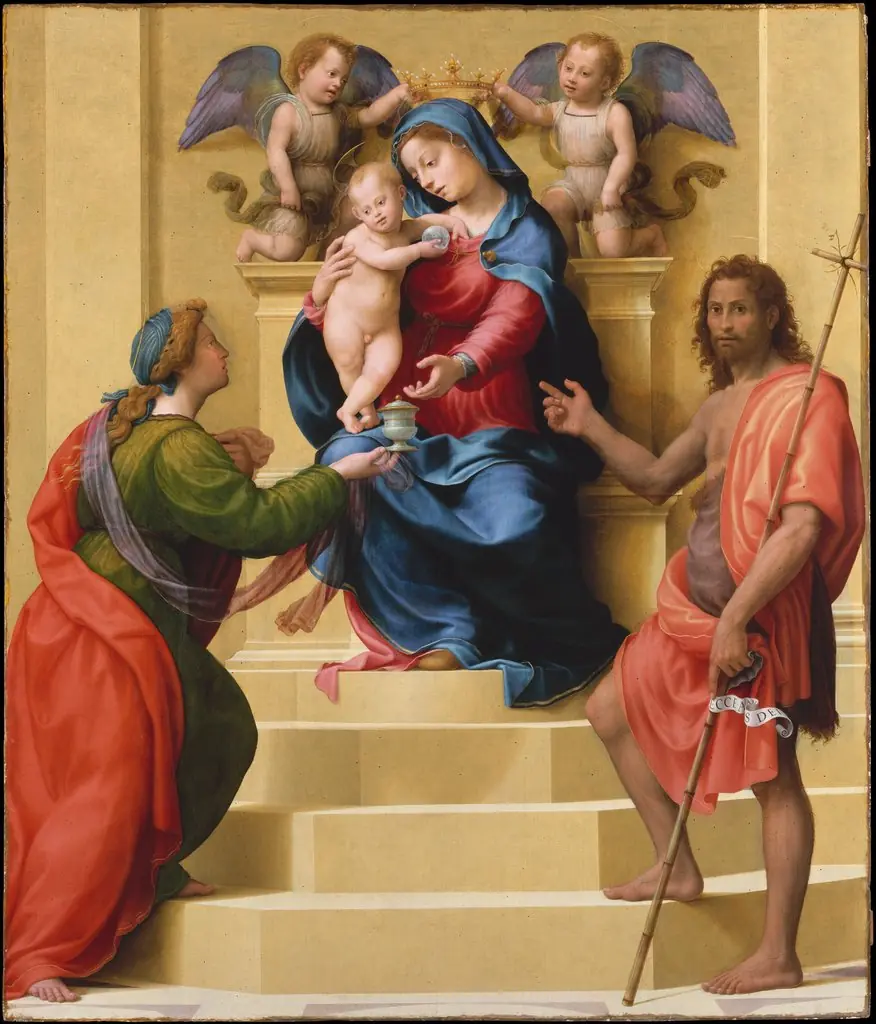
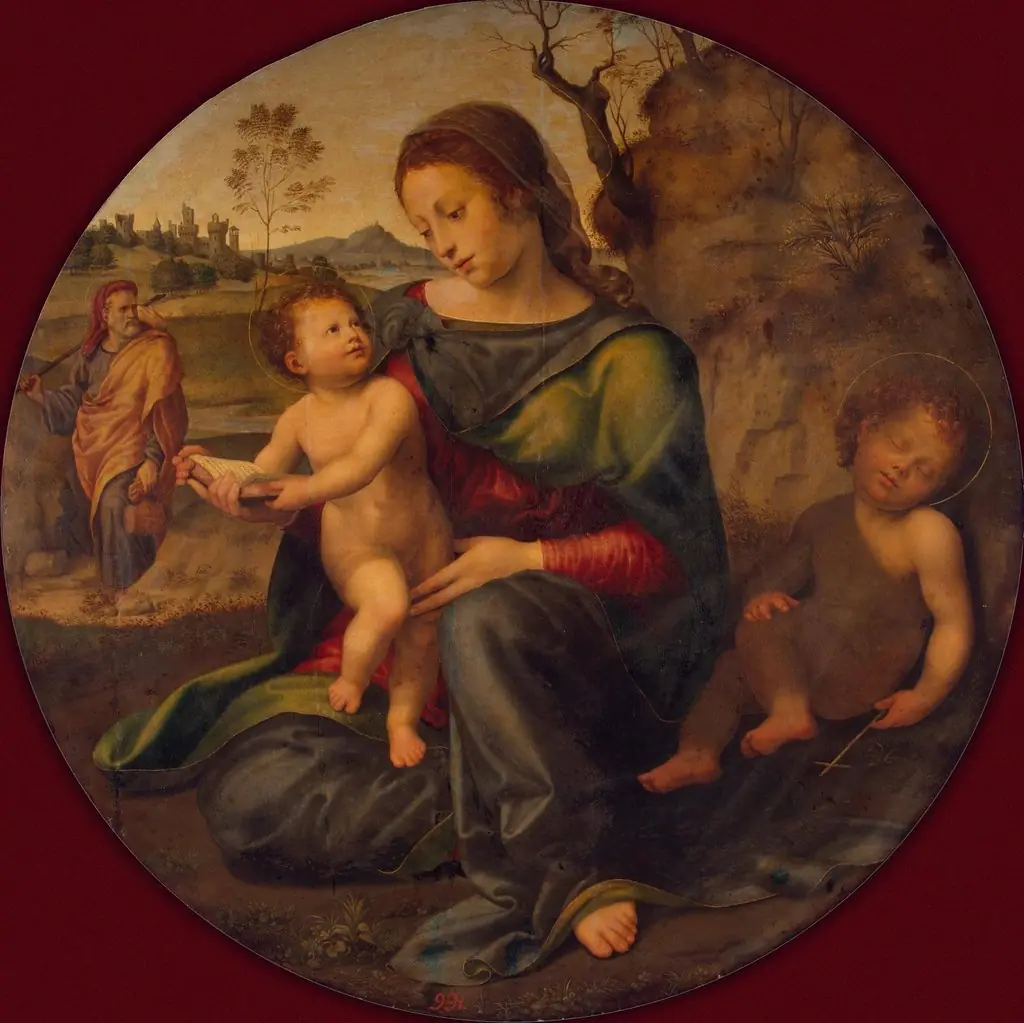
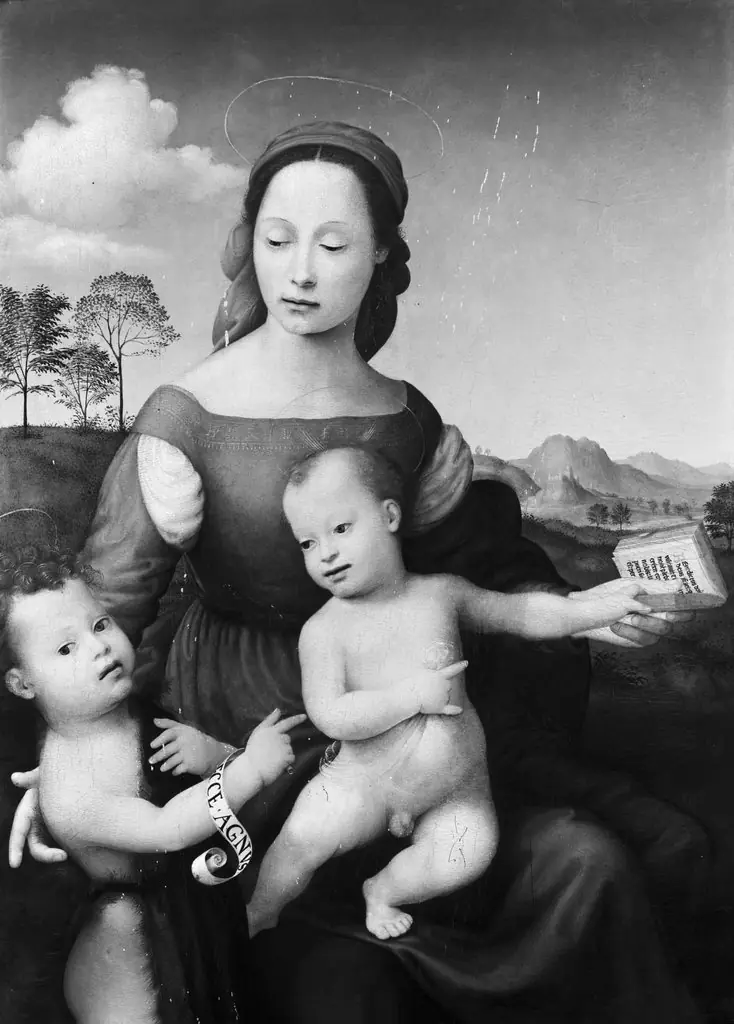
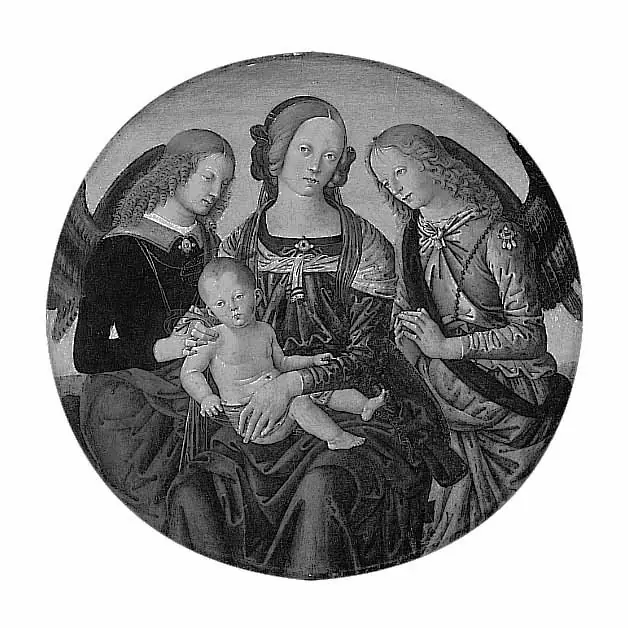
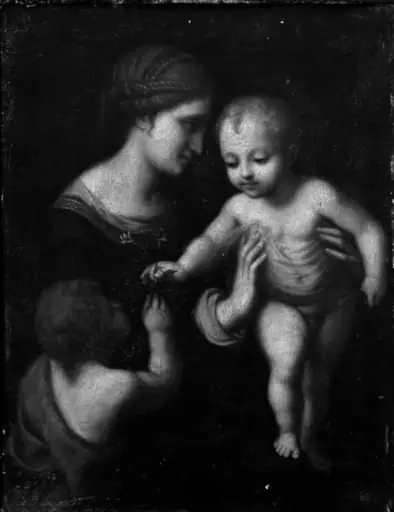
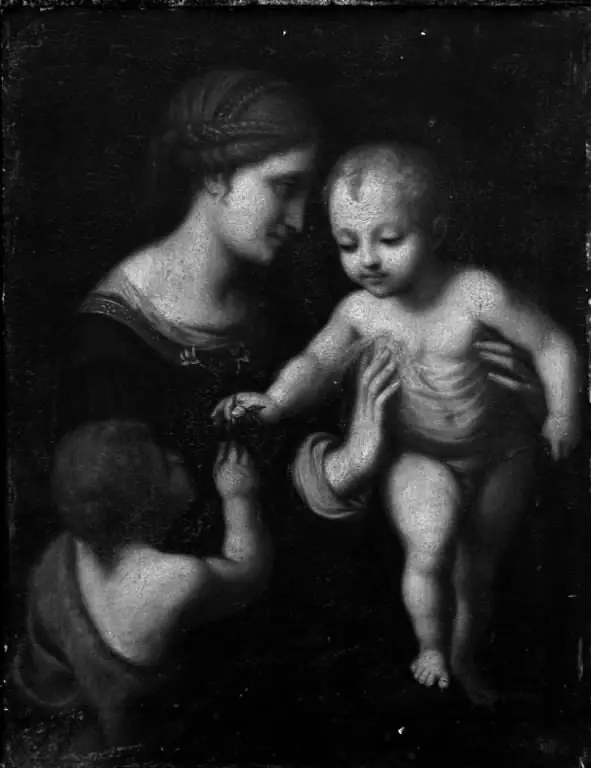
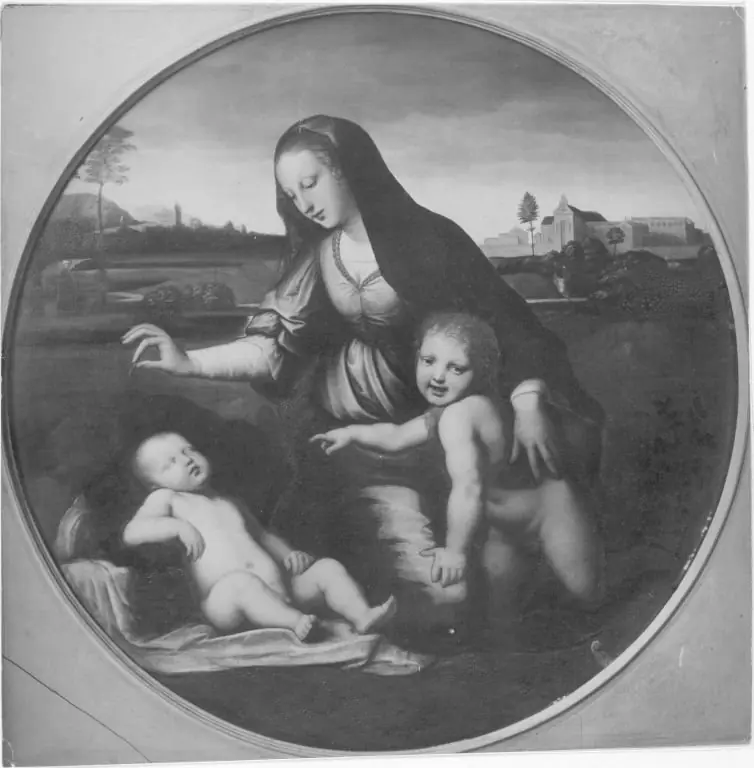
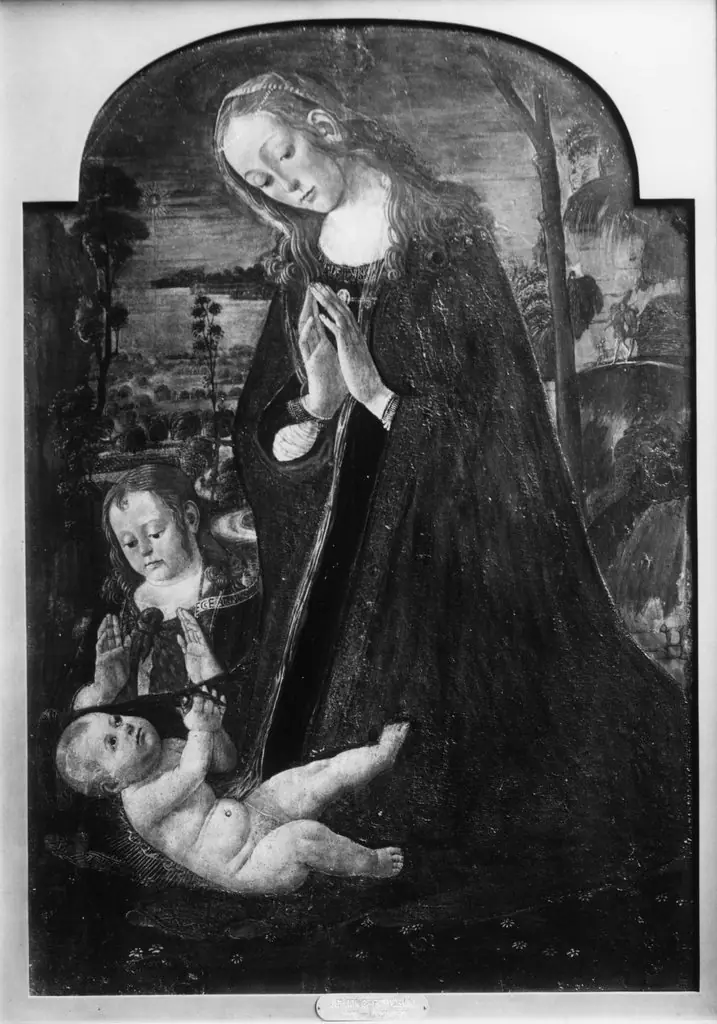
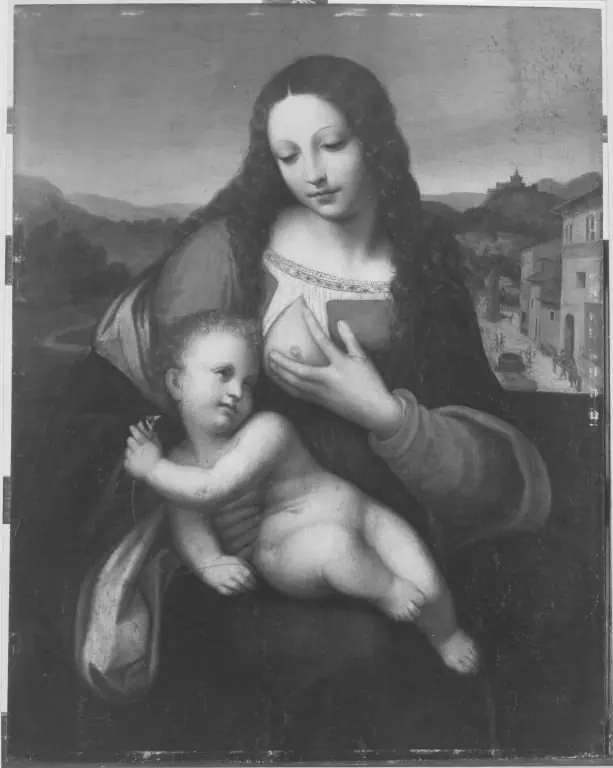
The Virgin and Blessing Child, Young St. John and Angel is a paint painting by the Early Renaissance artist Giuliano Bugiardini. It dates from 1510 and is held in the collection of the Gemäldegalerie Berlin.
About this work
Overview
The composition is carefully balanced, with figures arranged in a gentle arc, and the palette is restrained, favoring muted earth tones over vibrant hues.
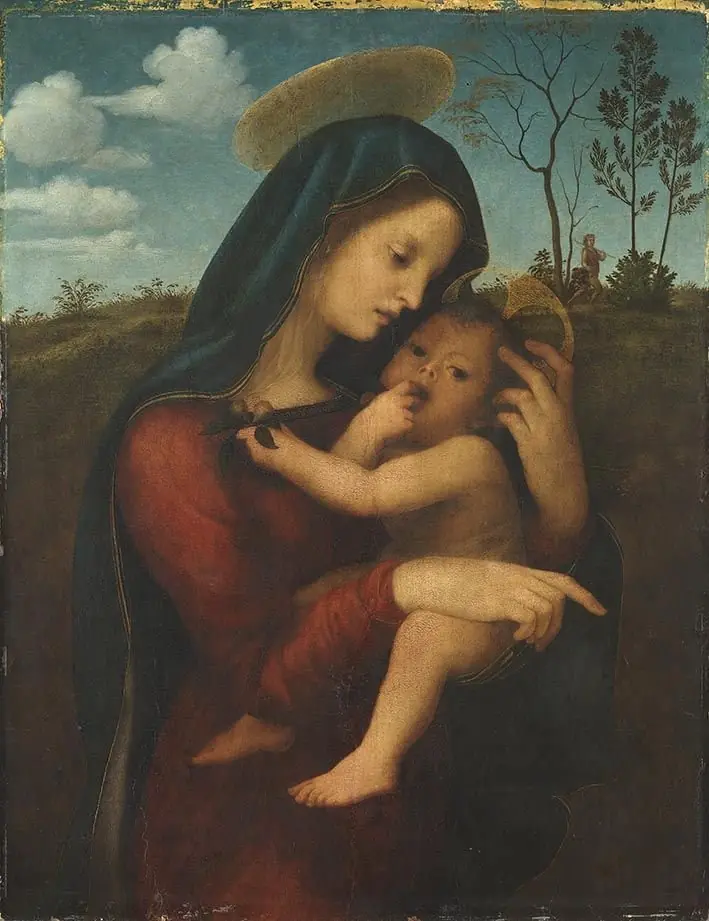
Painted in 1510 by the Florentine artist Giuliano Bugiardini, this work presents a devotional scene featuring the Virgin Mary, the Christ Child, the young Saint John the Baptist, and an angel. Executed in oil or tempera on panel, it reflects the religious painting traditions of early 16th-century Tuscany. The composition is carefully balanced, with figures arranged in a gentle arc, and the palette is restrained, favoring muted earth tones over vibrant hues.
Subject & Meaning
The scene depicts a quiet moment of spiritual connection: the Virgin holds the Christ Child, who blesses the young John the Baptist, while an angel observes. This grouping alludes to the future relationship between Christ and his forerunner, emphasizing divine recognition and preparation for salvation. The angel’s presence underscores the sacred nature of the encounter, reinforcing theological themes of prophecy and grace without overt narrative drama.
Technique & Style
Bugiardini employs chiaroscuro to model the figures with subtle gradations of light and shadow, lending them a tangible volume against a softly blended sky. The forms are rendered with careful attention to anatomical restraint, typical of Florentine draftsmanship. Drapery folds are simplified yet deliberate, and the figures’ poses are calm and introspective, avoiding theatricality in favor of serene contemplation.
History & Provenance
The painting entered the collection of the Gemäldegalerie in Berlin in the 19th century, likely through acquisitions from private Italian collections. Its attribution to Bugiardini has been consistently supported by stylistic analysis and documentary evidence from Florentine workshops of the period. It has remained largely unaltered since its creation, preserving its original composition and tonal harmony.
Context
Created during the High Renaissance, the work reflects the enduring influence of Leonardo da Vinci’s compositional grace and soft modeling, even as Bugiardini maintained a more conservative, devotional approach. While contemporaries like Raphael pursued idealized harmony, Bugiardini’s style retained a quiet, local Florentine sensibility, rooted in the traditions of Ghirlandaio and early Renaissance religious imagery.
Legacy
Though not widely known outside specialist circles, the painting exemplifies the quiet devotional art produced in Florence beyond the most celebrated masters. Its restrained elegance and careful composition offer insight into the tastes of private patrons and religious communities seeking contemplative imagery. It remains a representative example of non-elite Renaissance sacred art in central Italy.
Artist & collection
Artist
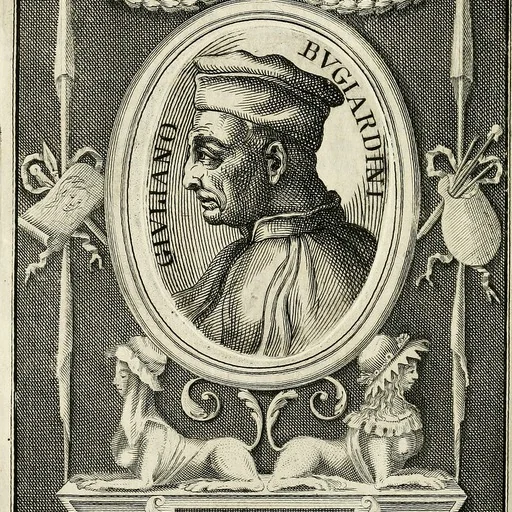
Giuliano di Piero di Simone Bugiardini (29 January 1475 – 17 February 1555) was an Italian Renaissance painter.