Artwork
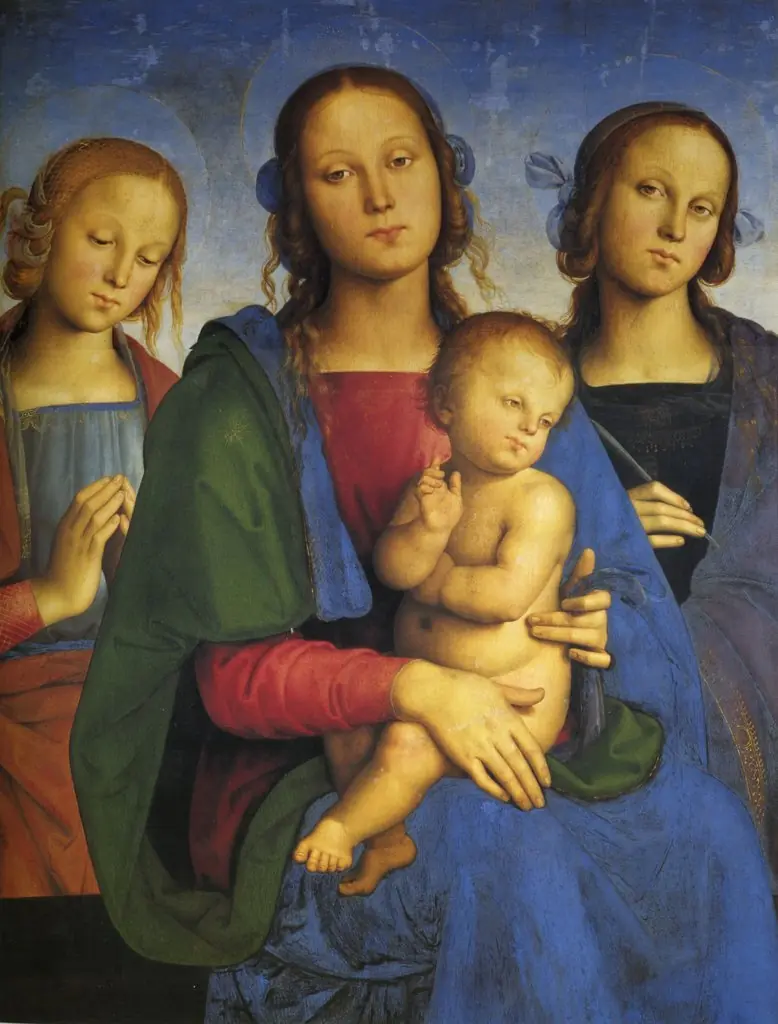
The Virgin and Child with two Angels
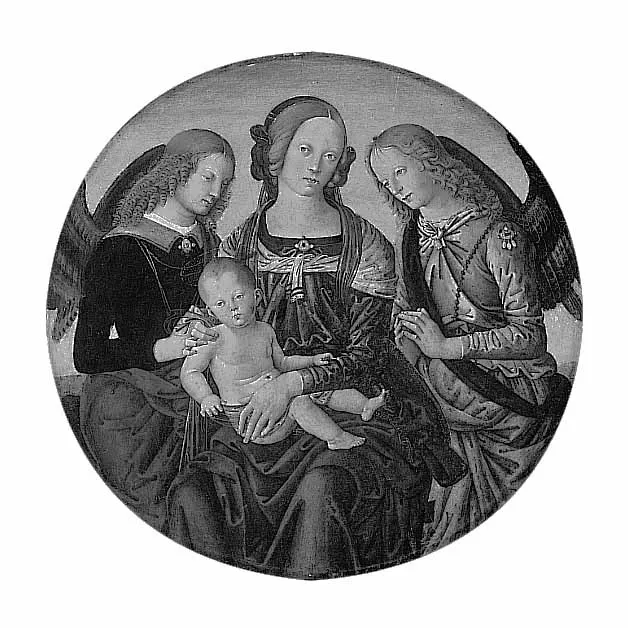
The Virgin and Child with two Angels is a paint painting by the High Renaissance artist Pietro Perugino. It dates from 1500 and is held in the collection of the Gemäldegalerie Berlin.
About this work
Overview
The Virgin and Child with two Angels is a painting created by Italian Renaissance artist Pietro Perugino around 1500, characteristic of the Umbrian school during the High Renaissance.
Subject & Meaning
The work depicts a serene scene of the Virgin Mary holding the Christ Child, accompanied by two angels standing behind her. Mary's calm demeanor contrasts with the soft, curious expression of the infant.
Technique & Style
Perugino's style is evident in the careful rendering of details, such as the angels' wings, which are depicted with neatly folded, almost two-dimensional lines, and the subtle pattern on Mary's shawl.
History & Provenance
Originally created circa 1500, the painting is now part of the collection at the Gemäldegalerie Berlin. Notably, Perugino's influence extended to his pupil Raphael, who would later become a leading artist of the era.
Context
This painting reflects the artistic developments of the High Renaissance, embodying the period's emphasis on harmony and serenity, traits for which Perugino's work was pivotal.
Legacy
Through works like *The Virgin and Child with two Angels*, Perugino contributed significantly to the Umbrian school's reputation, also playing a formative role in the career of the renowned artist Raphael.
Artist & collection
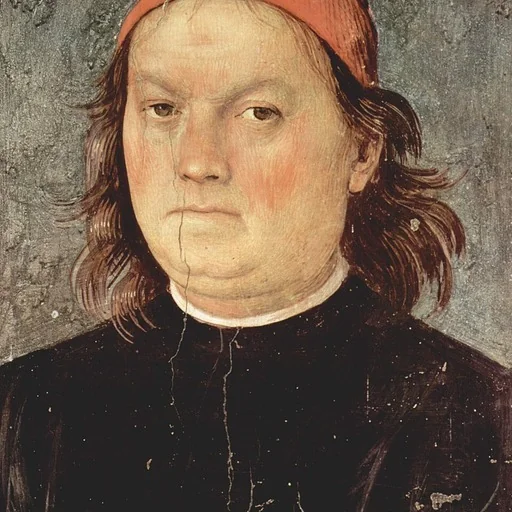
Artist
Pietro Perugino (US: PERR-ə-JEE-noh, -oo-; Italian: ; born Pietro Vannucci or Pietro Vanucci; c.

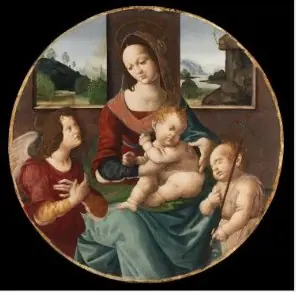 The Virgin and Child with Saint John the Baptist and an Angel
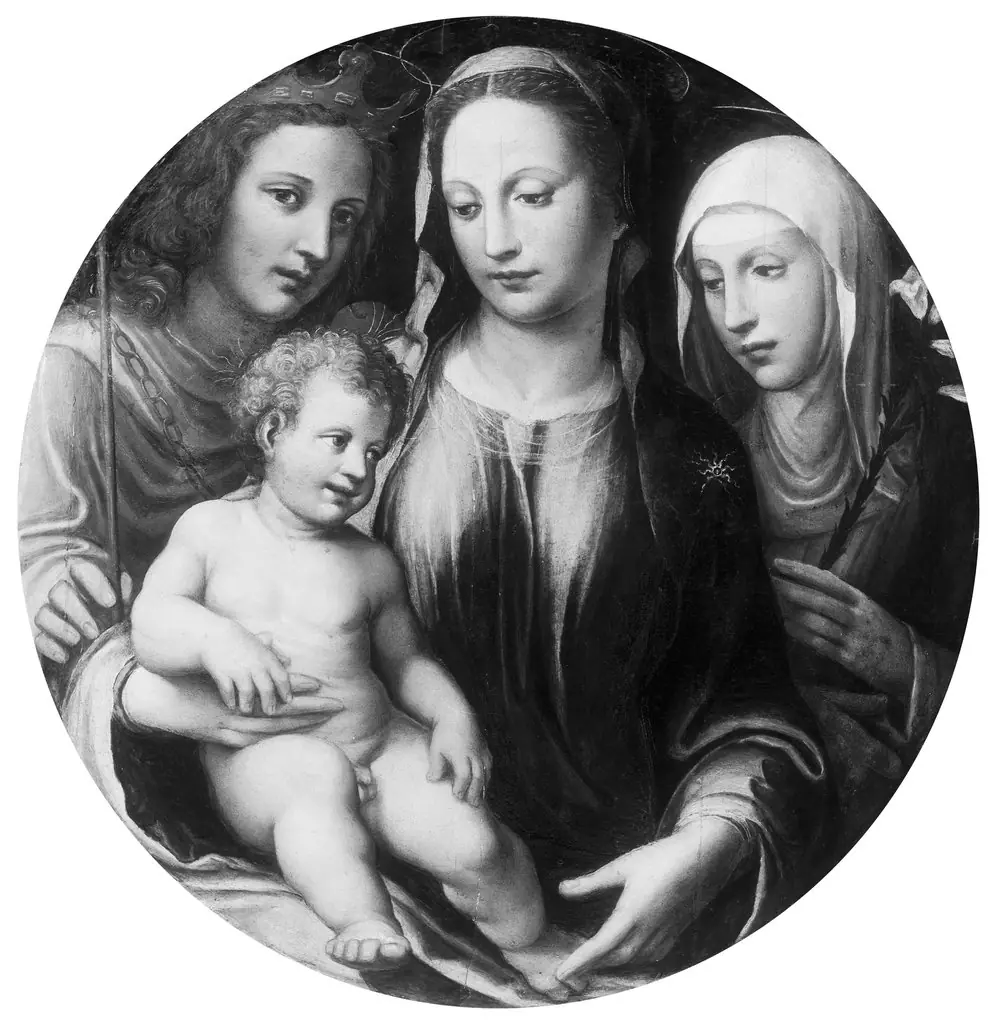 Mary with the child and two saints
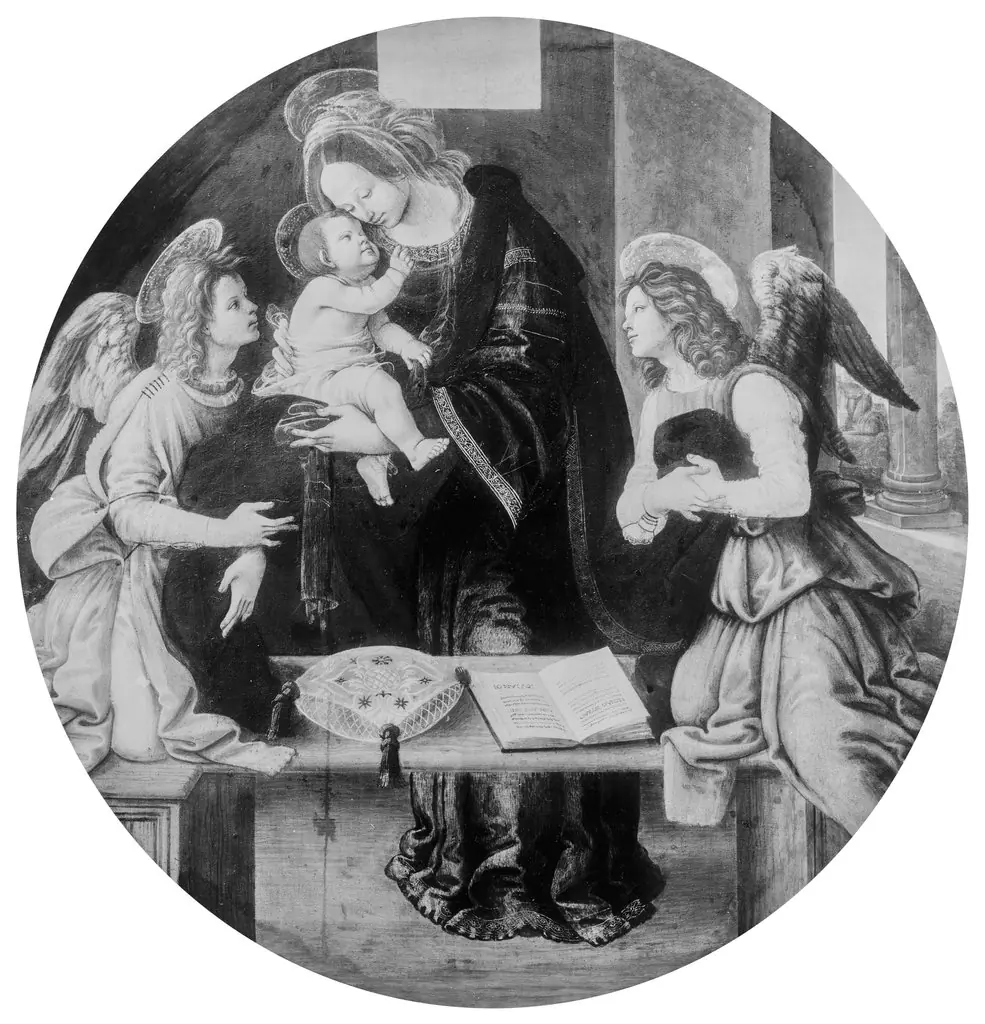 Mary with the child and two angels
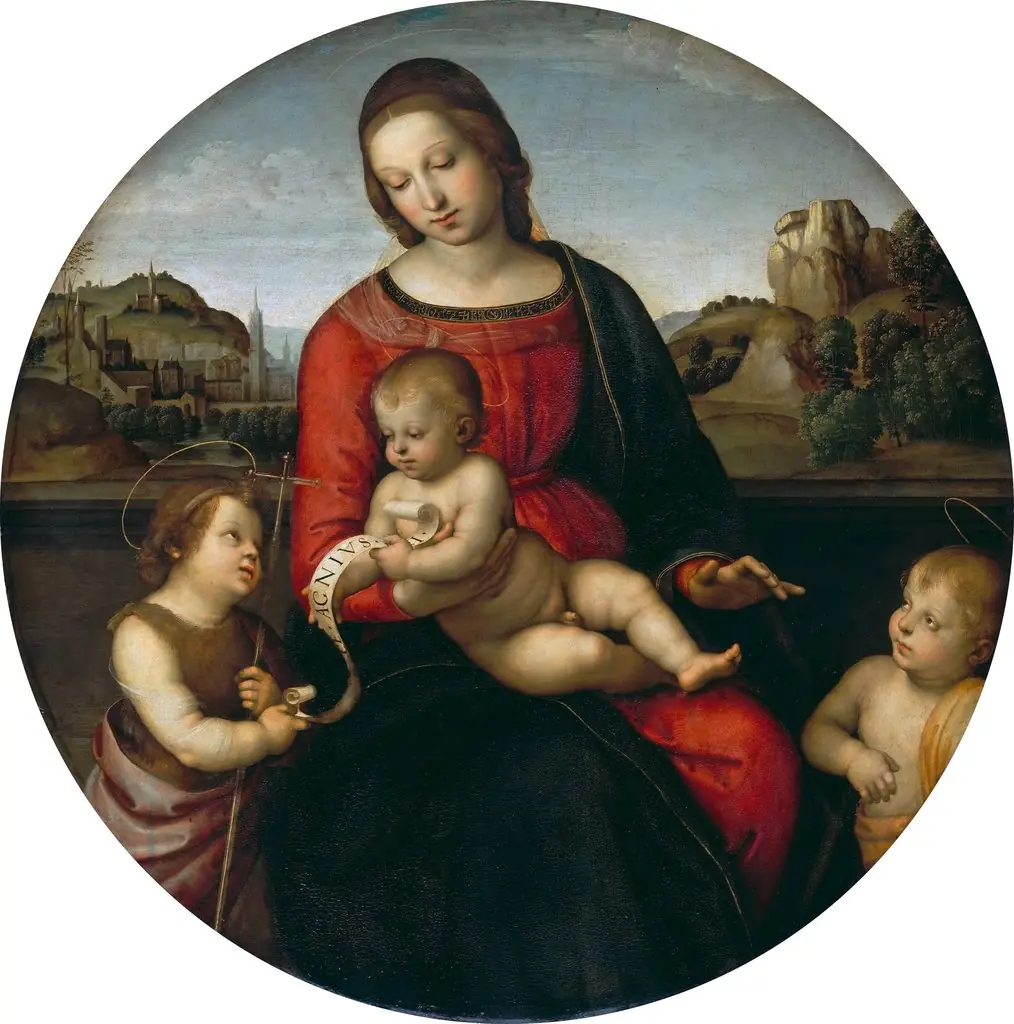 Terranuova Madonna
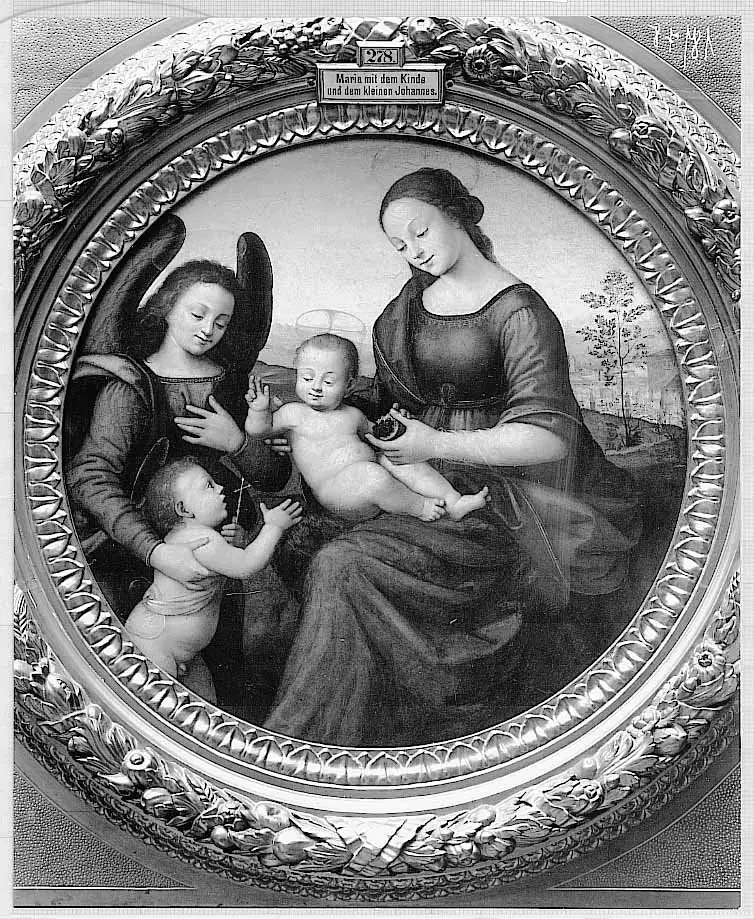 The Virgin and Blessing Child, Young St. John and Angel
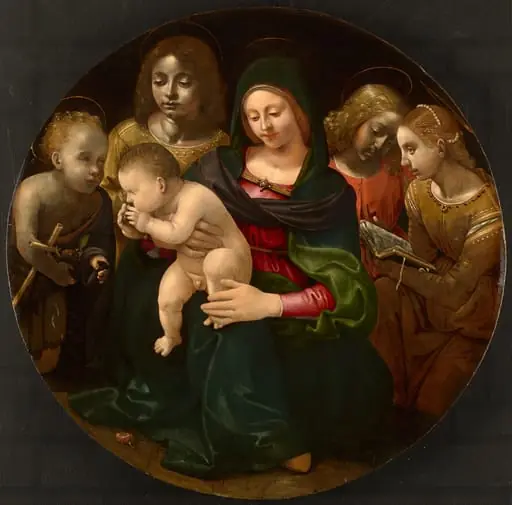 Virgin and Child with the Young Saint John the Baptist, Saint Cecilia, and Angels
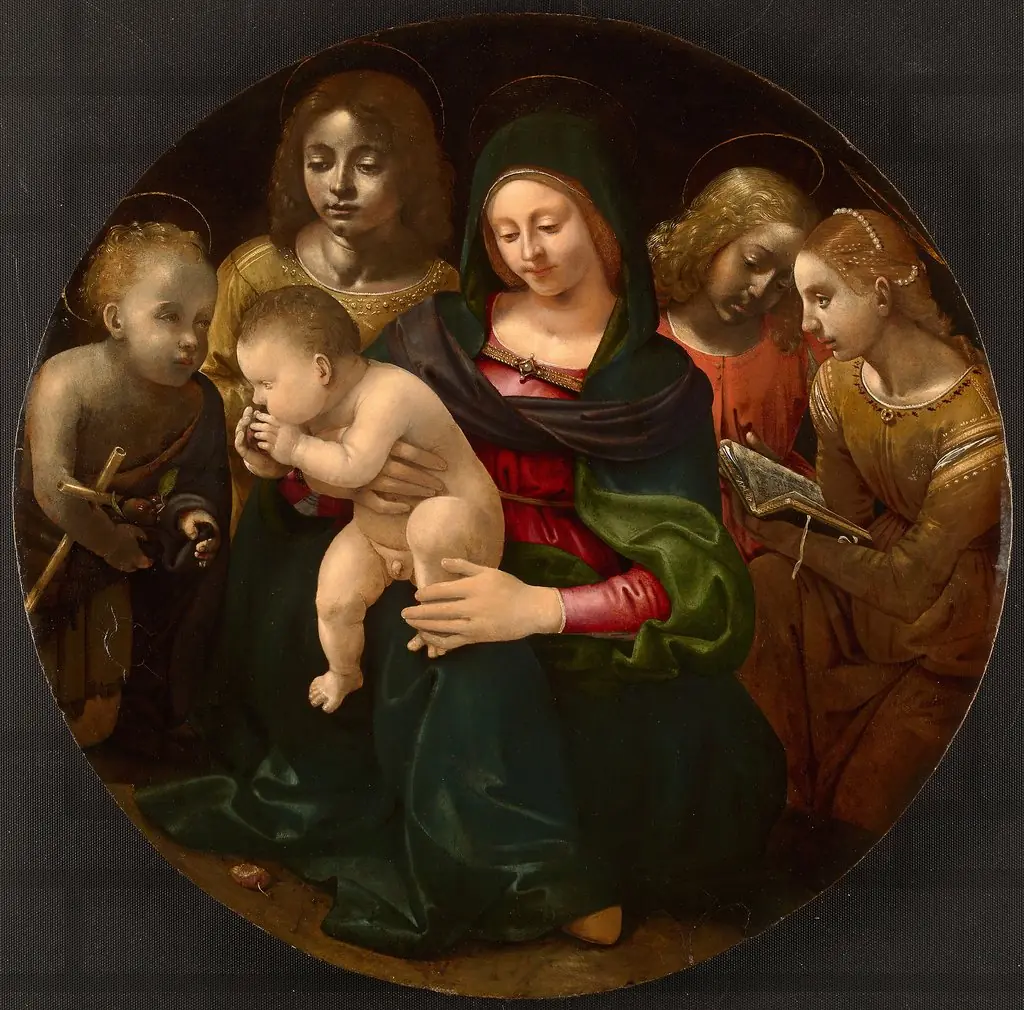 Virgin and Child with the Young Saint John the Baptist, Saint Cecilia, and Angels
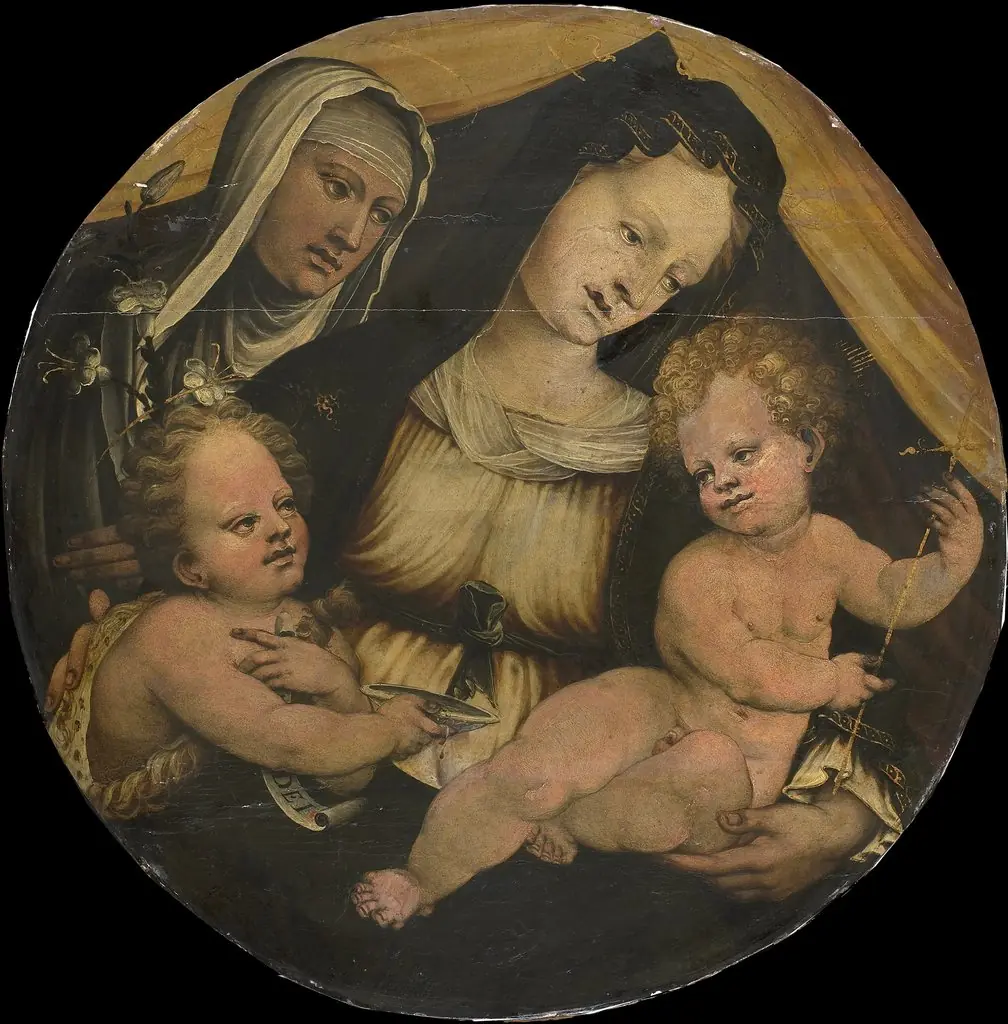 Madonna and Child with the Infant John the Baptist and St Clara