Artwork
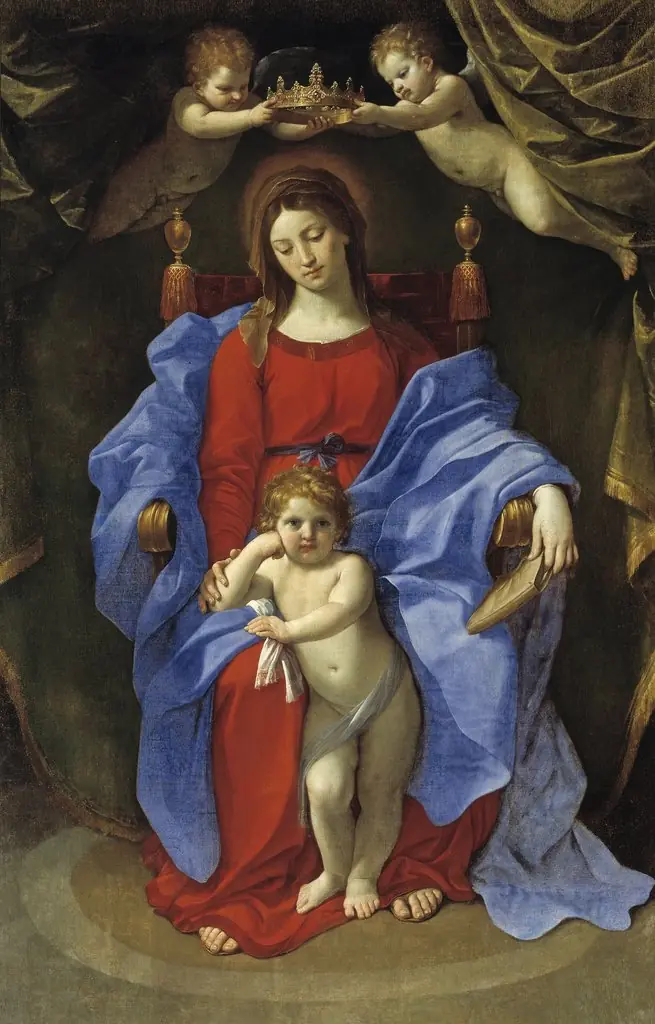
Virgin and Child with Angels
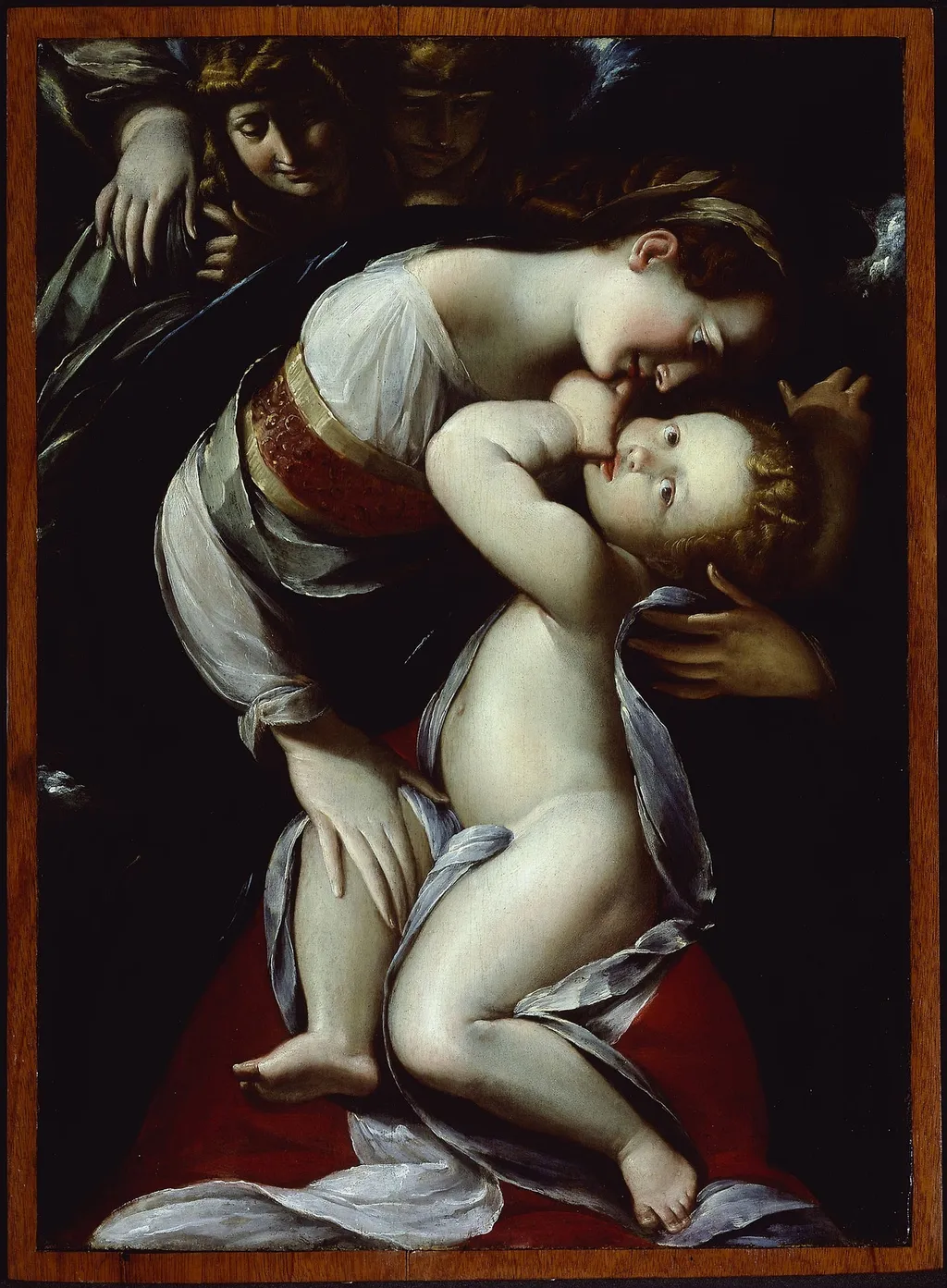
Virgin and Child with Angels is an unspecified painting by the Early Baroque Italian artist Giulio Cesare Procaccini. It dates from 1610 and is held in the collection of the Art Institute of Chicago.
About this work
Overview
The painting is now held in the Art Institute of Chicago, where it represents a quiet yet potent example of Counter-Reformation religious imagery.
Painted in 1610 by Giulio Cesare Procaccini, this devotional work emerged from Milan’s early Baroque artistic milieu, shaped by the spiritual reforms of Cardinal Federico Borromeo. Procaccini, active as both painter and sculptor, integrated emotional clarity with refined technique. The painting is now held in the Art Institute of Chicago, where it represents a quiet yet potent example of Counter-Reformation religious imagery.
Subject & Meaning
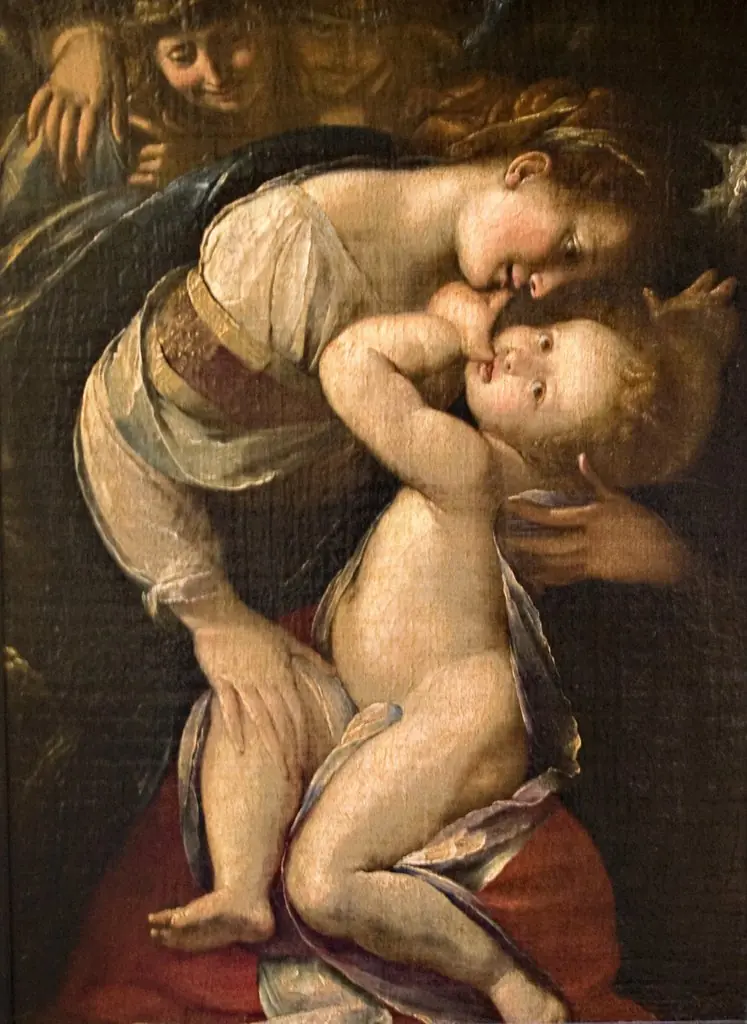
The composition centers on the Virgin Mary holding the Christ Child, flanked by two angels who observe with quiet reverence. The figures embody maternal tenderness and divine presence, aligning with contemporary devotional ideals that emphasized personal connection to sacred figures. The absence of elaborate narrative or symbolic elements focuses attention on the intimacy of the moment, reinforcing contemplative worship.
Technique & Style
Procaccini employs chiaroscuro to model the forms with soft, graduated light, giving volume to the figures against a deep, unbroken background. The Virgin’s white robe and red sash contrast subtly with the child’s swaddling, while the angels’ delicate features are rendered with restrained detail. Brushwork is smooth and controlled, avoiding theatricality in favor of calm realism, characteristic of Lombard Baroque sensibilities.
History & Provenance
Created during Procaccini’s mature period in Milan, the painting likely originated in a private or ecclesiastical setting tied to Borromeo’s reformist circle. It entered the Art Institute of Chicago’s collection in the 20th century, having passed through private hands in Italy before its acquisition. Its preservation reflects its enduring status as a representative work of early 17th-century Lombard painting.
Context
In early 17th-century Milan, religious art was guided by the Council of Trent’s emphasis on clarity and emotional accessibility. Procaccini, alongside contemporaries like Crespi and Mazzucchelli, adapted naturalism to serve devotional ends. This painting reflects a regional shift away from Mannerist complexity toward grounded, emotionally resonant imagery that invited personal piety.
Legacy
Though not widely known outside Italy, Procaccini’s work contributed to the development of a distinctly Lombard Baroque style that prioritized serenity over spectacle. *Virgin and Child with Angels* exemplifies how local artists synthesized Caravaggesque lighting with classical restraint, influencing later devotional painting in northern Italy without seeking widespread fame.
Artist & collection
Artist
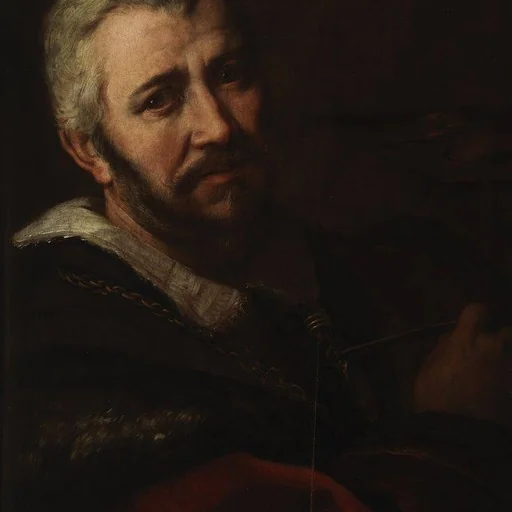
Giulio Cesare Procaccini (30 May 1574 – 14 November 1625) was an Italian painter and sculptor of the early Baroque era in Milan.

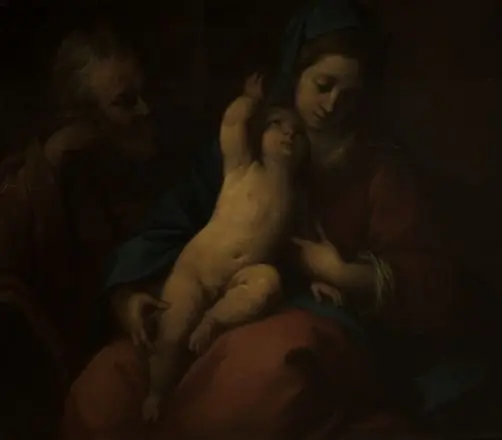
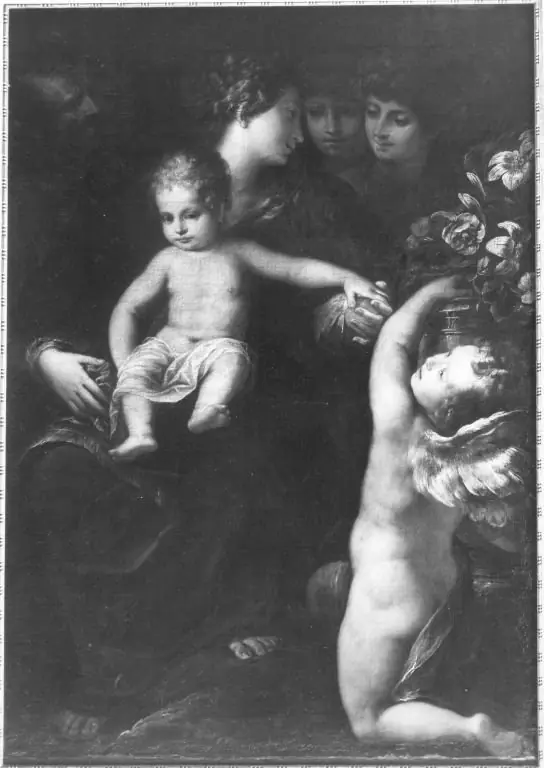
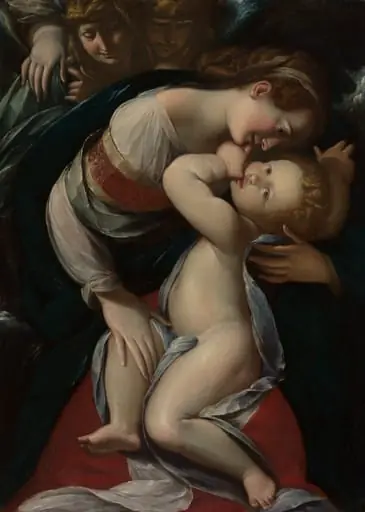 Virgin and Child with Angels
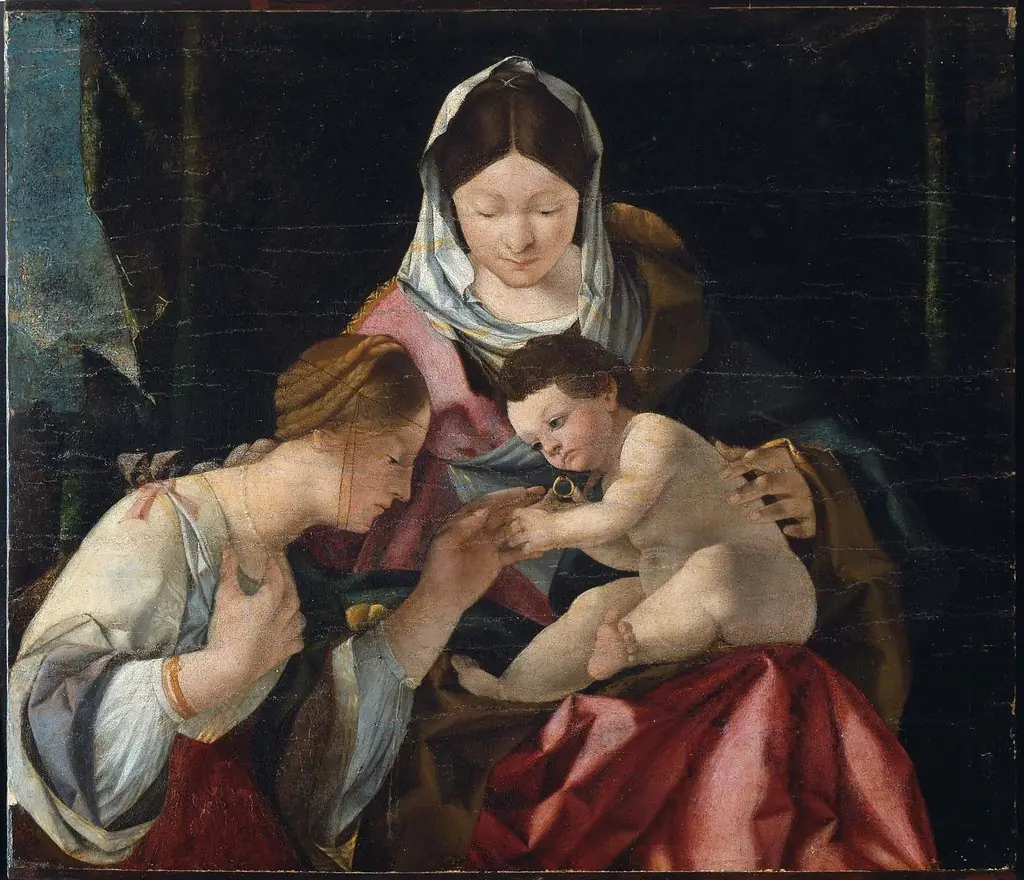 The Mystic Marriage of Saint Catherine
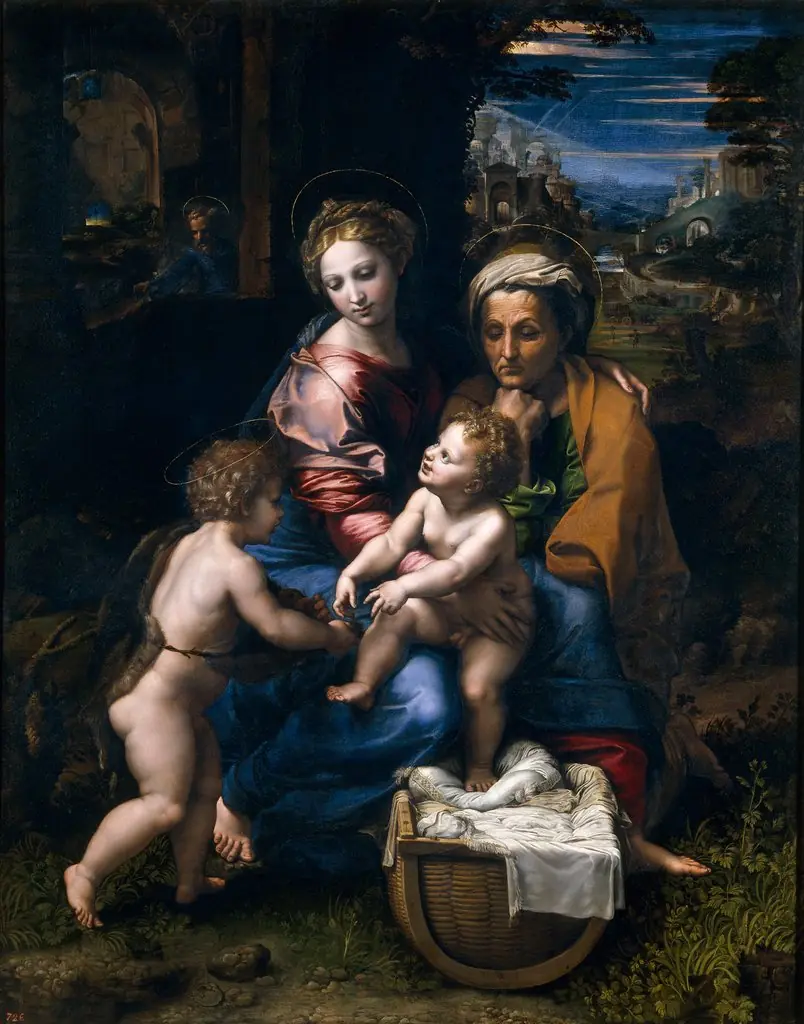 The Holy Family
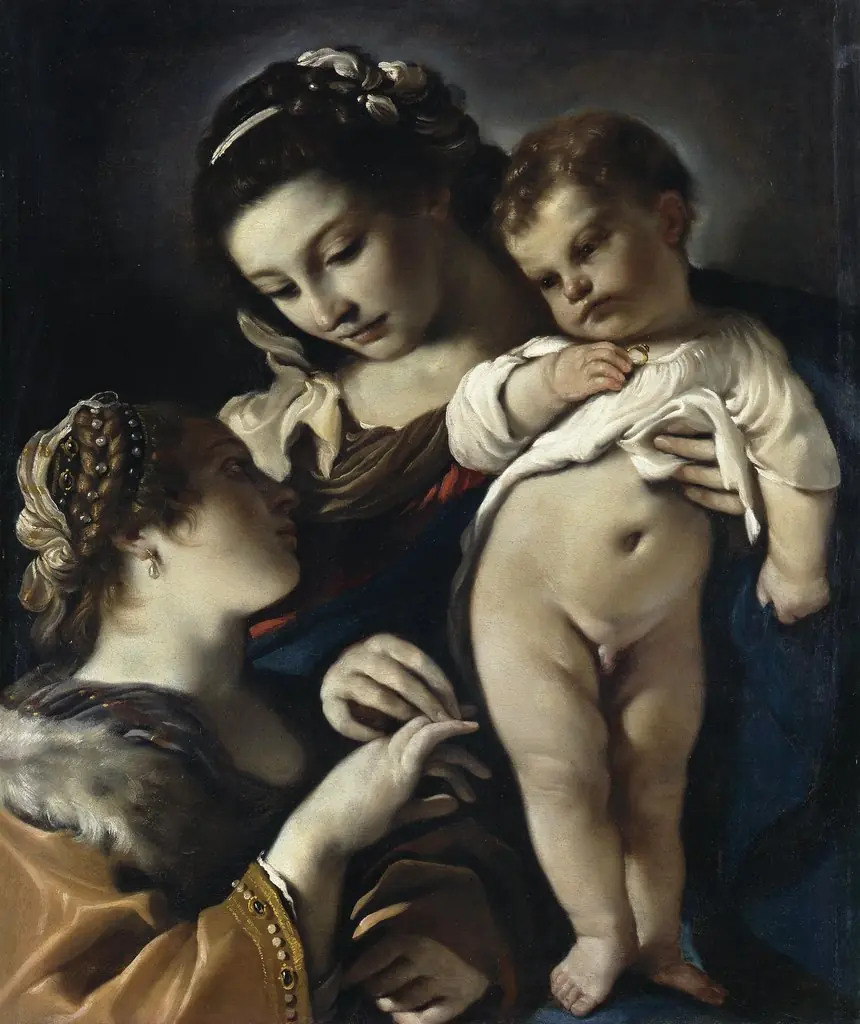 The Engagement of St Catherine of Alexandria
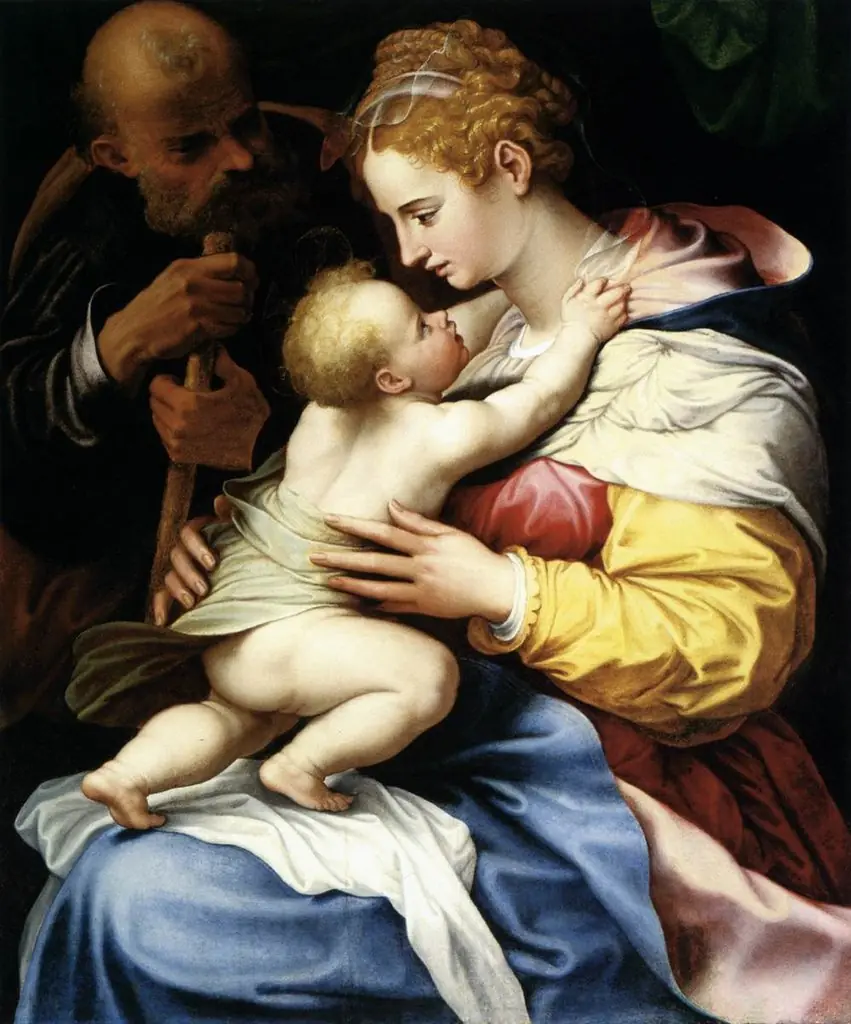 The Holy Family
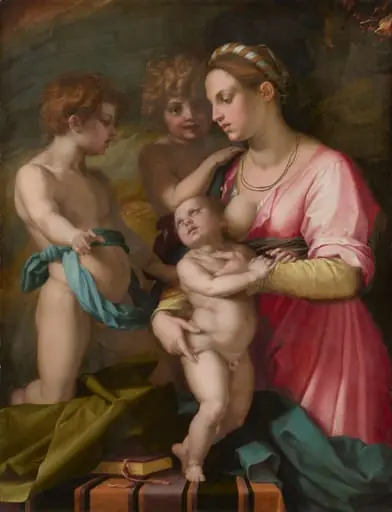 Charity
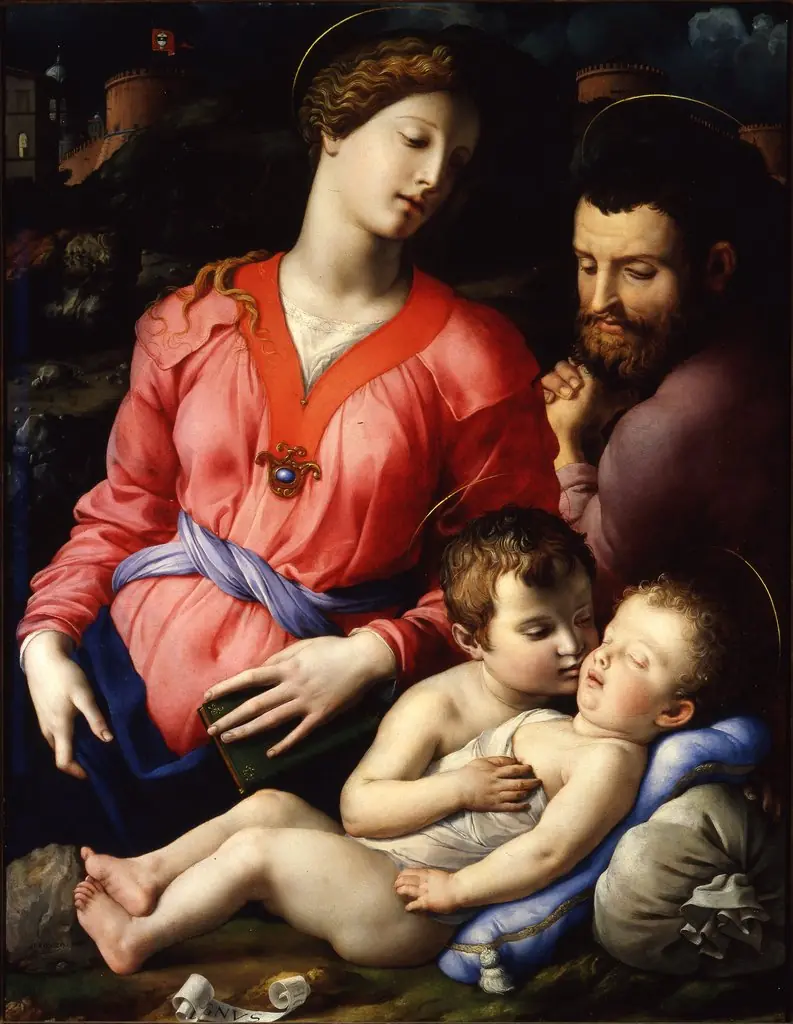 Panciatichi Holy Family
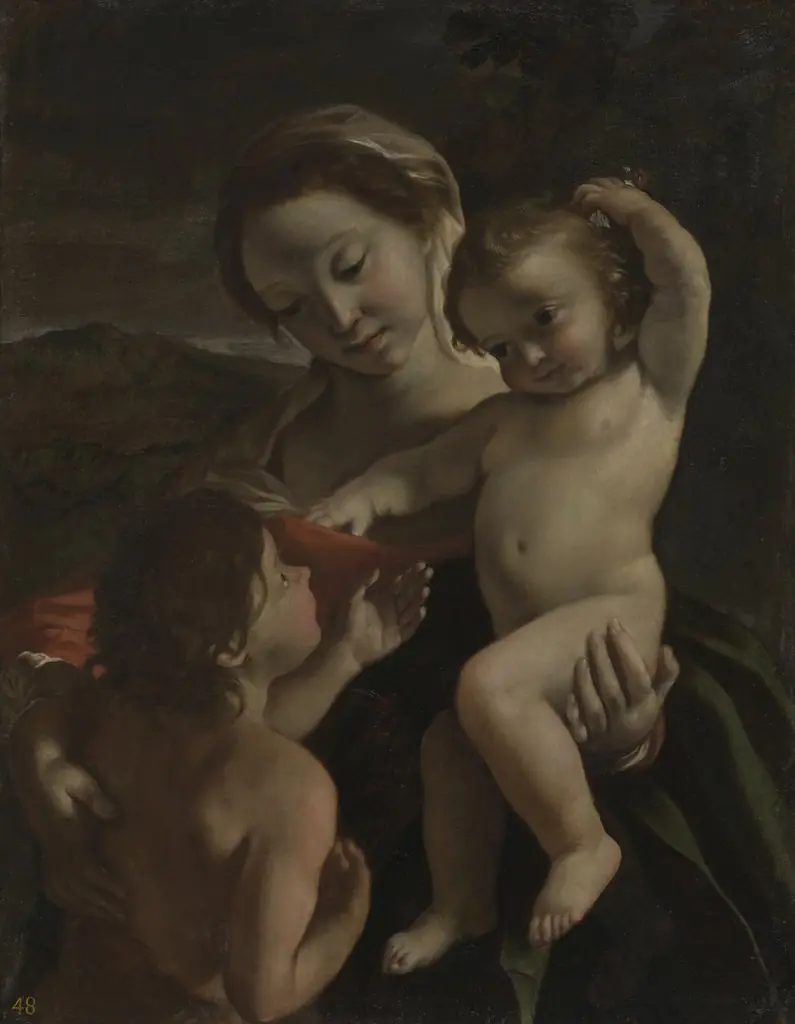 Madonna and Child with the Infant Saint John the Baptist
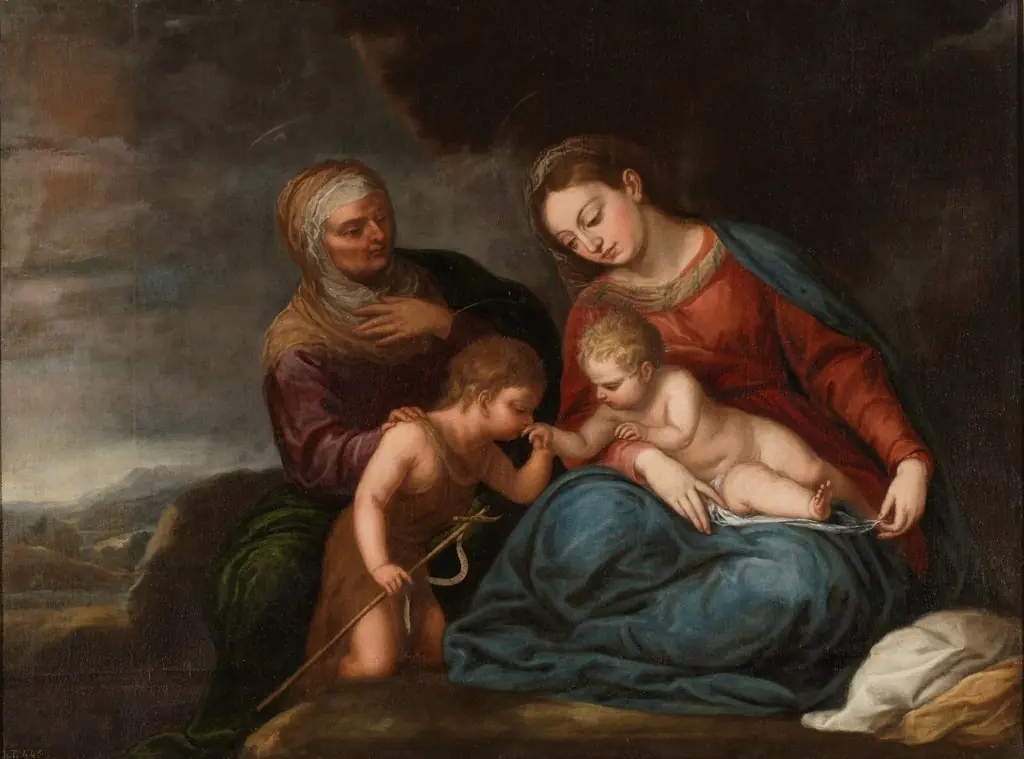 The Virgin and Child with Saints Elizabeth and John
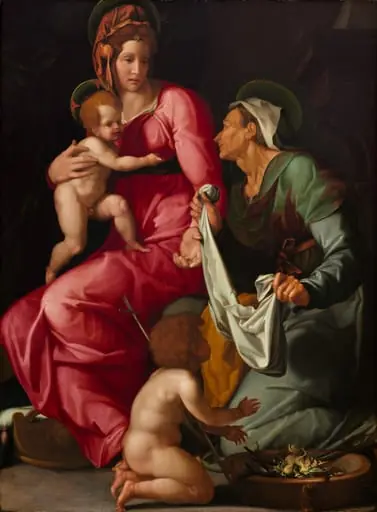 Madonna and Child with Saint Elizabeth and Saint John the Baptist
 The Virgin of the Chair