Artwork
Römischer Triumphzug
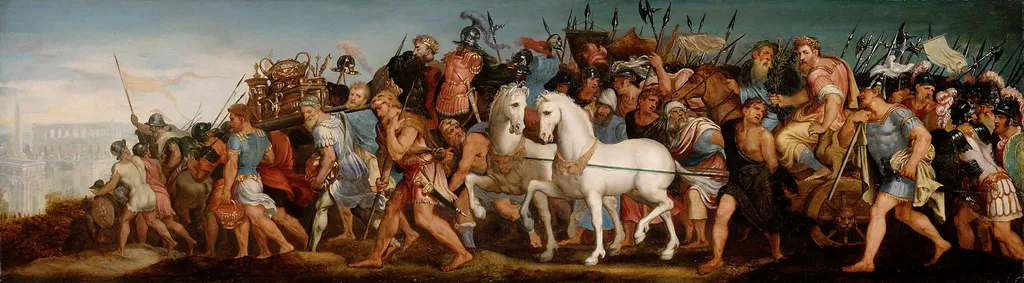
Römischer Triumphzug is an unspecified painting by Giulio Licinio. It dates from 1569 and is held in the collection of the Kunsthistorisches Museum.
About this work
Overview
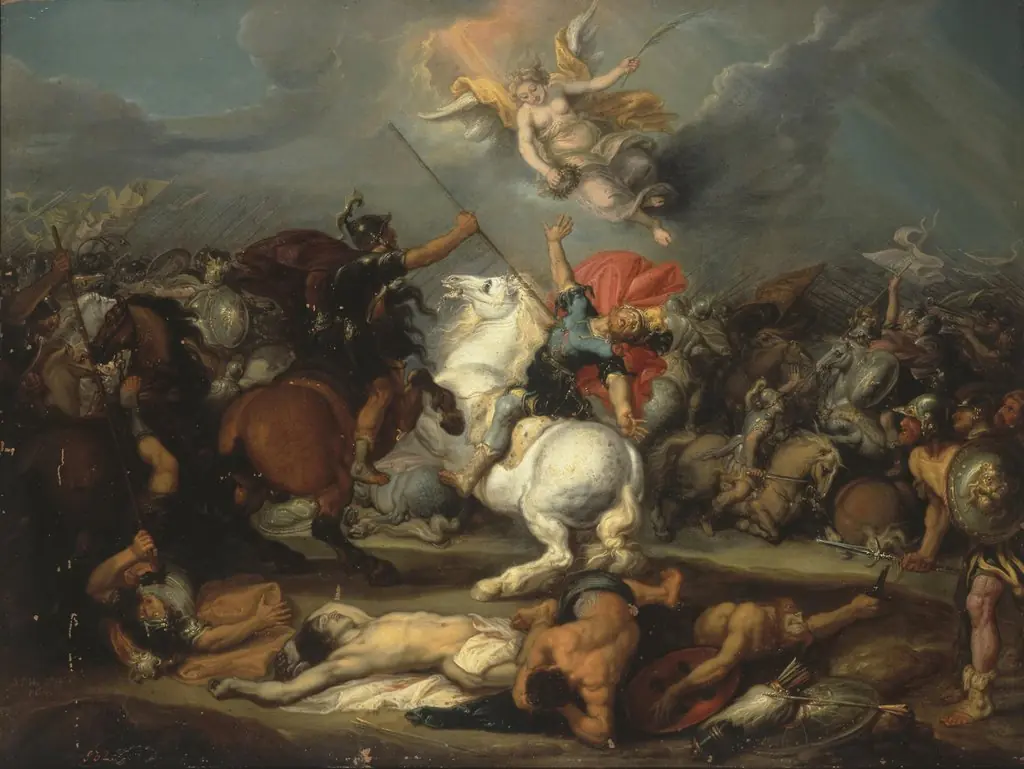
Giulio Licinio, an Italian painter active in the mid‑16th century, produced the canvas titled *Römischer Triumphzug* around 1569. The work is part of the Kunsthistorisches Museum’s holdings and portrays a Roman triumphal procession, a ceremonial parade celebrating military victory.
Subject & Meaning
The composition presents a bustling street scene filled with soldiers and horses. Figures appear in varied dress—some in armor, others in tunics—suggesting the diversity of participants in a triumph. The dynamic arrangement conveys the pageantry and controlled chaos of a victorious army moving through a city.
Technique & Style
Licinio employs vigorous brushwork and a bright palette to animate the crowd. Contrasting white and brown horses, along with a vivid blue sky, enhance the sense of motion. The spatial depth is suggested by a distant cityscape, while the foreground figures are rendered in energetic poses that guide the eye across the canvas.
History & Provenance
Born in Pordenone, Licinio was the nephew of the noted painter il Pordenone and brother of Giovanni Antonio Licinio. Records place him working in Augsburg as late as 1561, indicating a career that spanned northern Italy and the Germanic lands before the painting entered the Viennese museum’s collection.
Artist & collection
Artist
Giulio Licinio (16th century) was an Italian painter of the Renaissance period. He was born in the town of Pordenone and is said to have been a nephew of the painter il Pordenone, and brother of Giovanni Antonio. He…

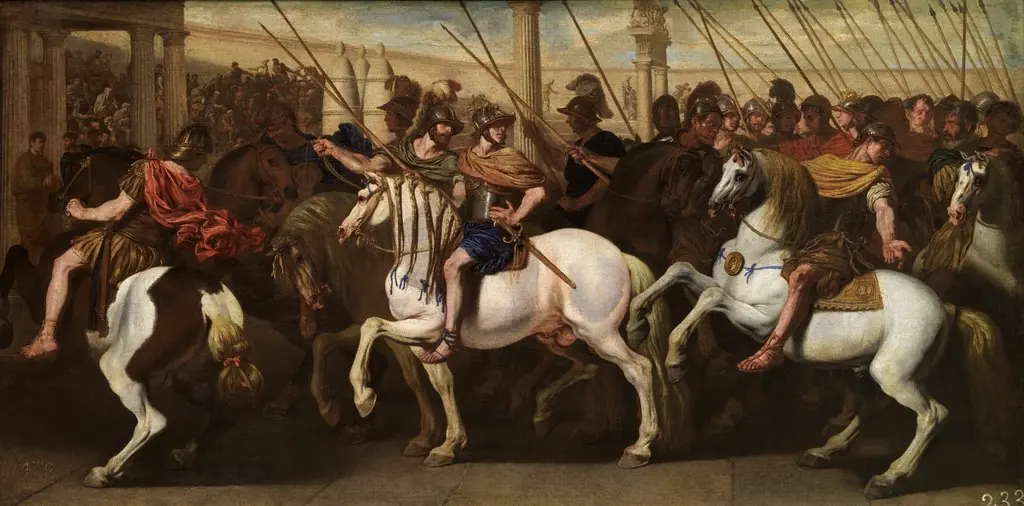 Roman Soldiers in the Circus
 Alexandru cel Mare și Diogene
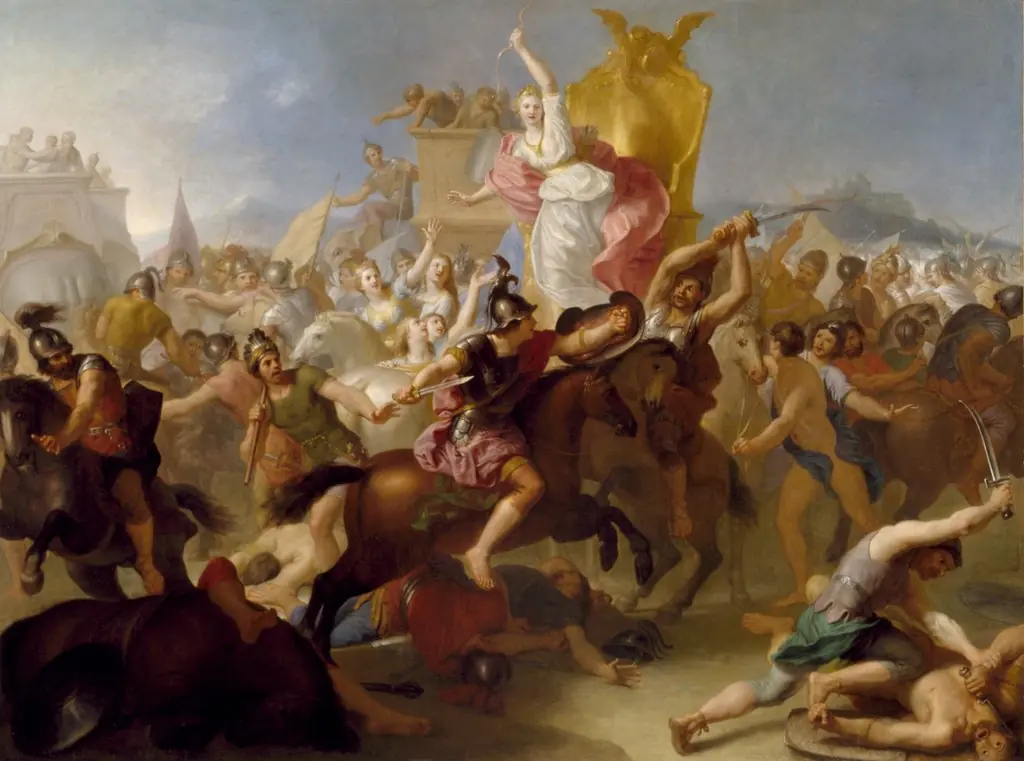 Armida Fighting the Christians
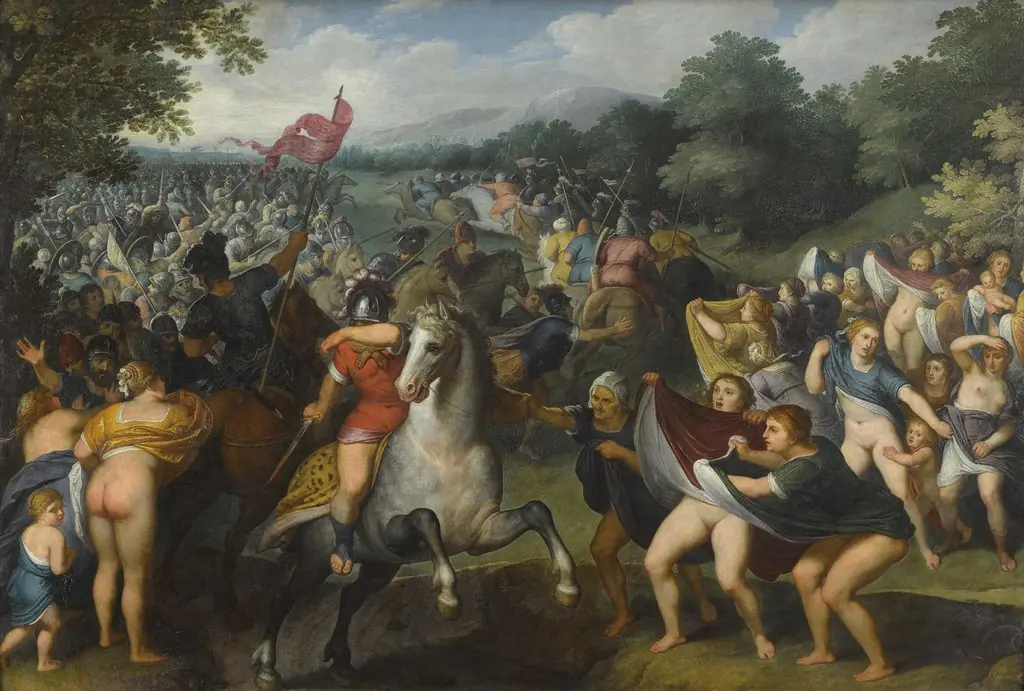 The Persian women
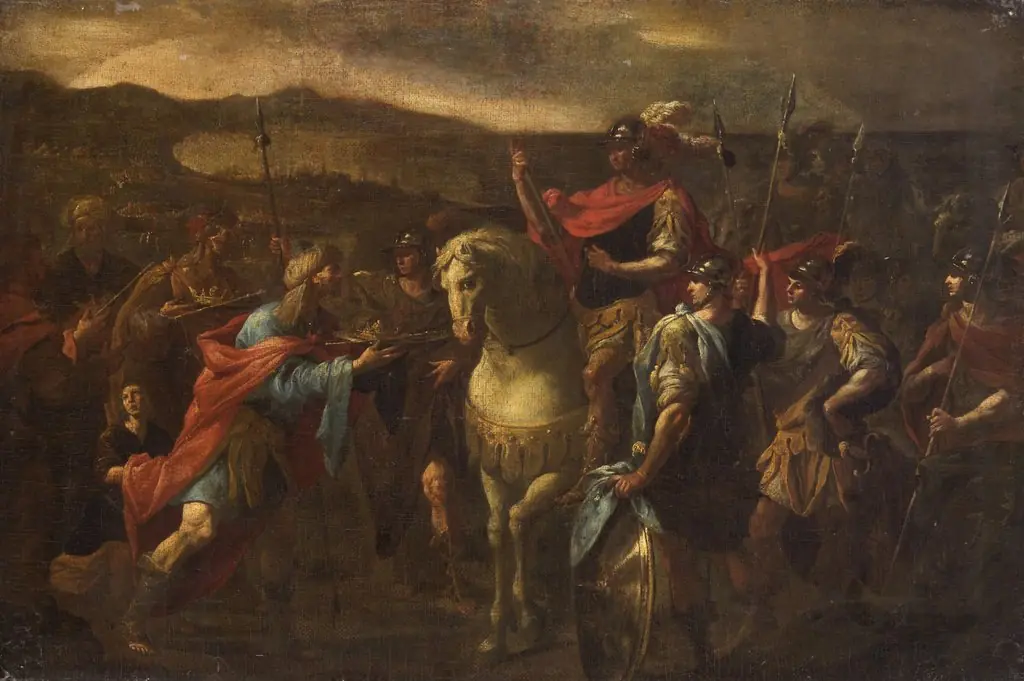 Indische Könige huldigen Alexander dem Großen
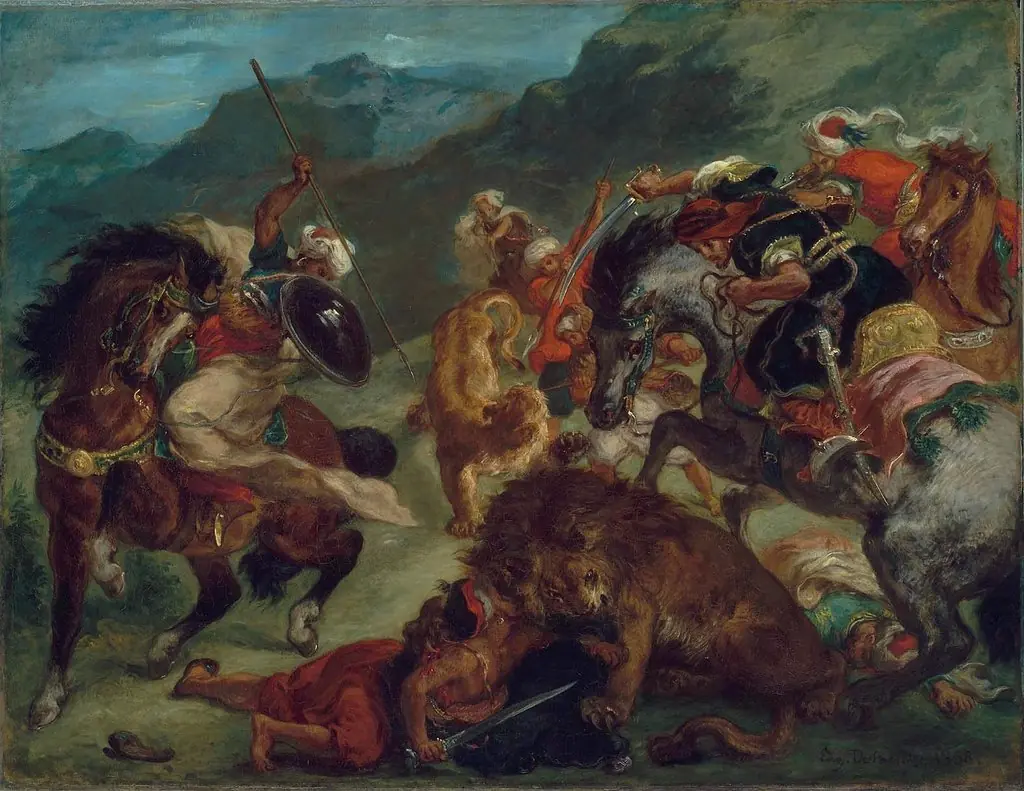 Lion Hunt
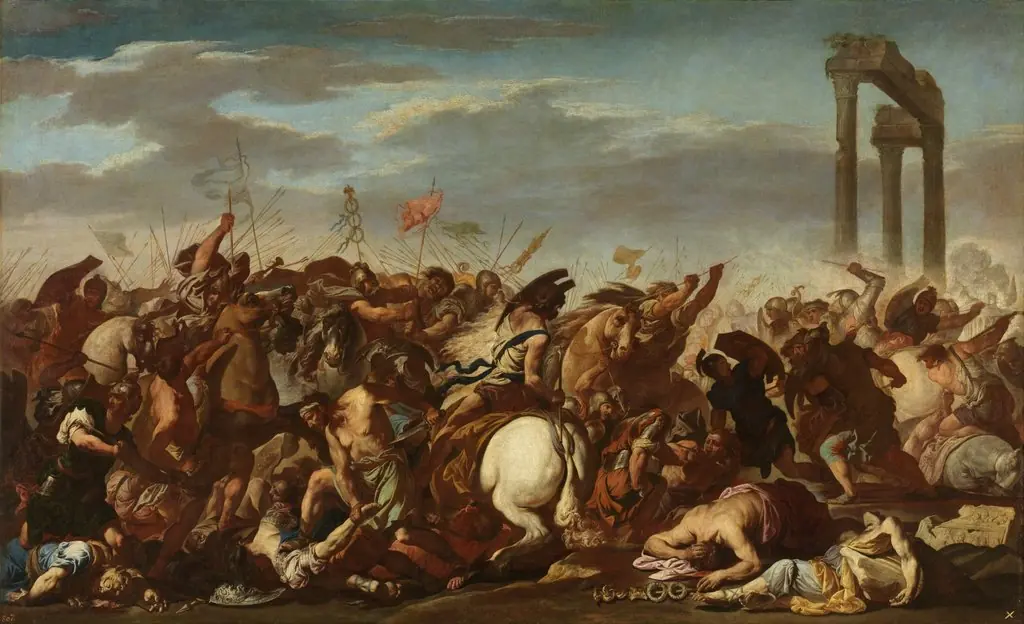 Batalla
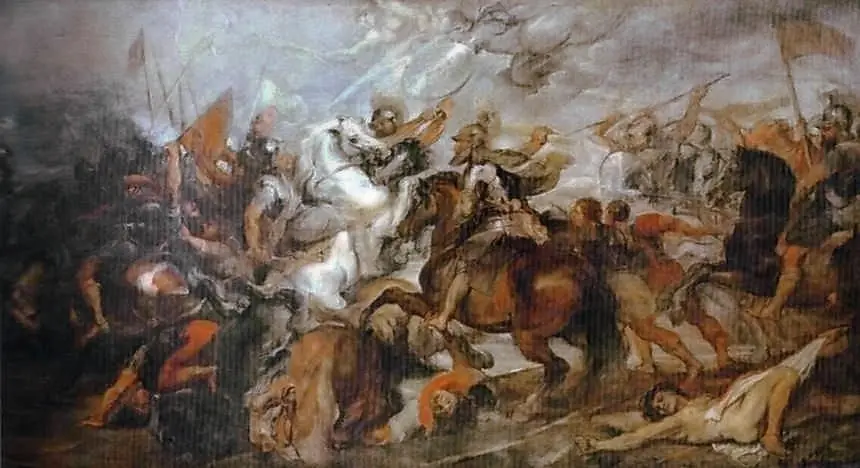 Henry IV at the Battle of Ivry, 14 March 1590
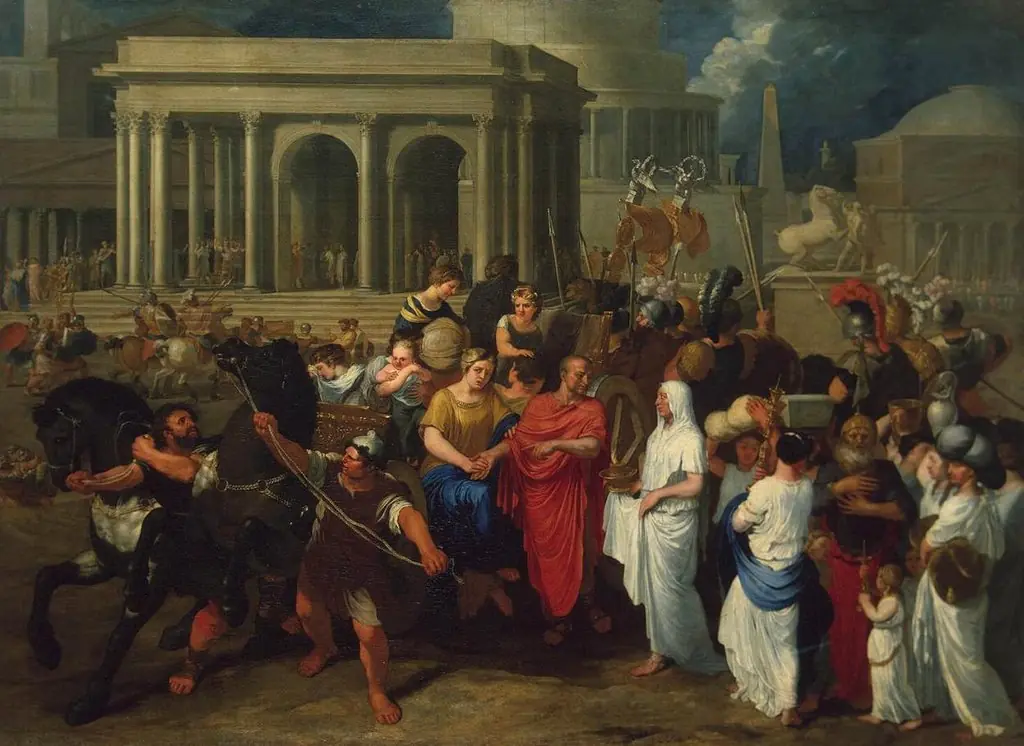 Lucius Albinus Giving his Carriage to Vestals
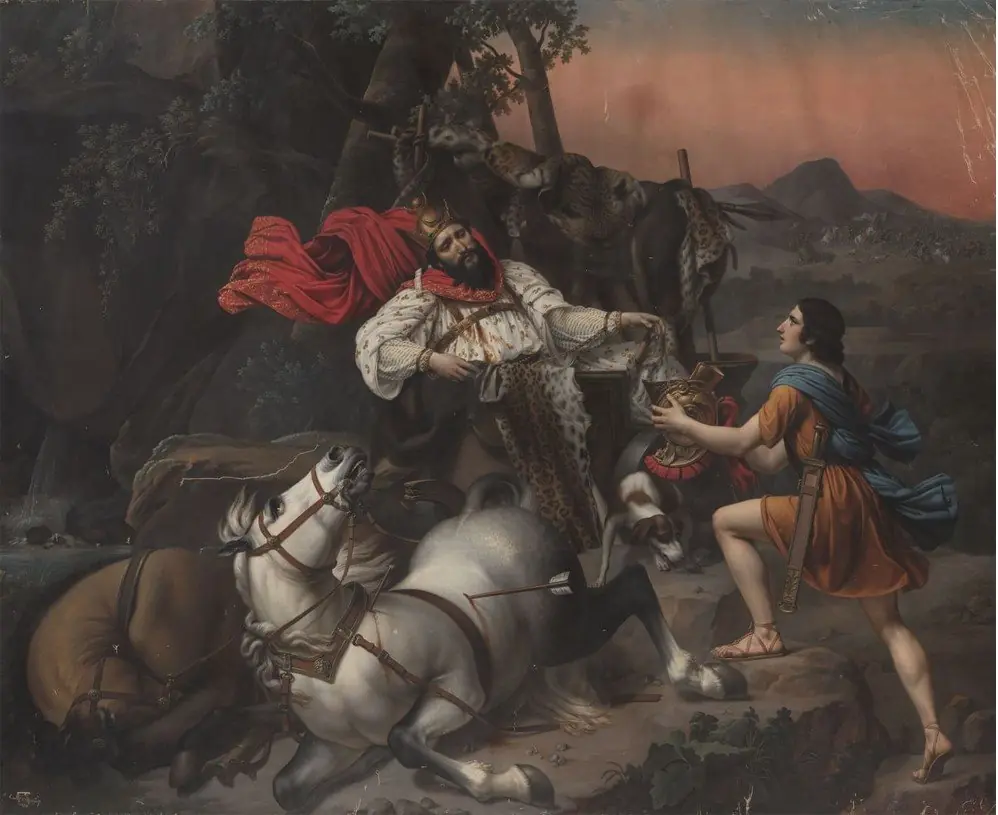 The Death of Darius
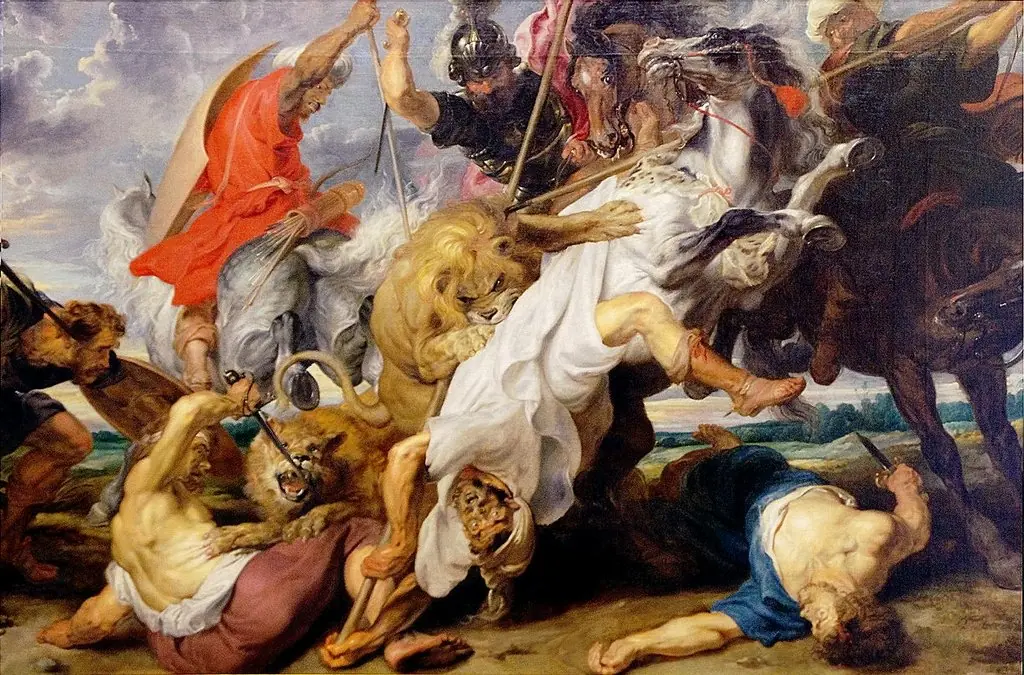 The Lion Hunt
 Death of Decius Mus