Artwork
Queen Maria Amalia of Saxony
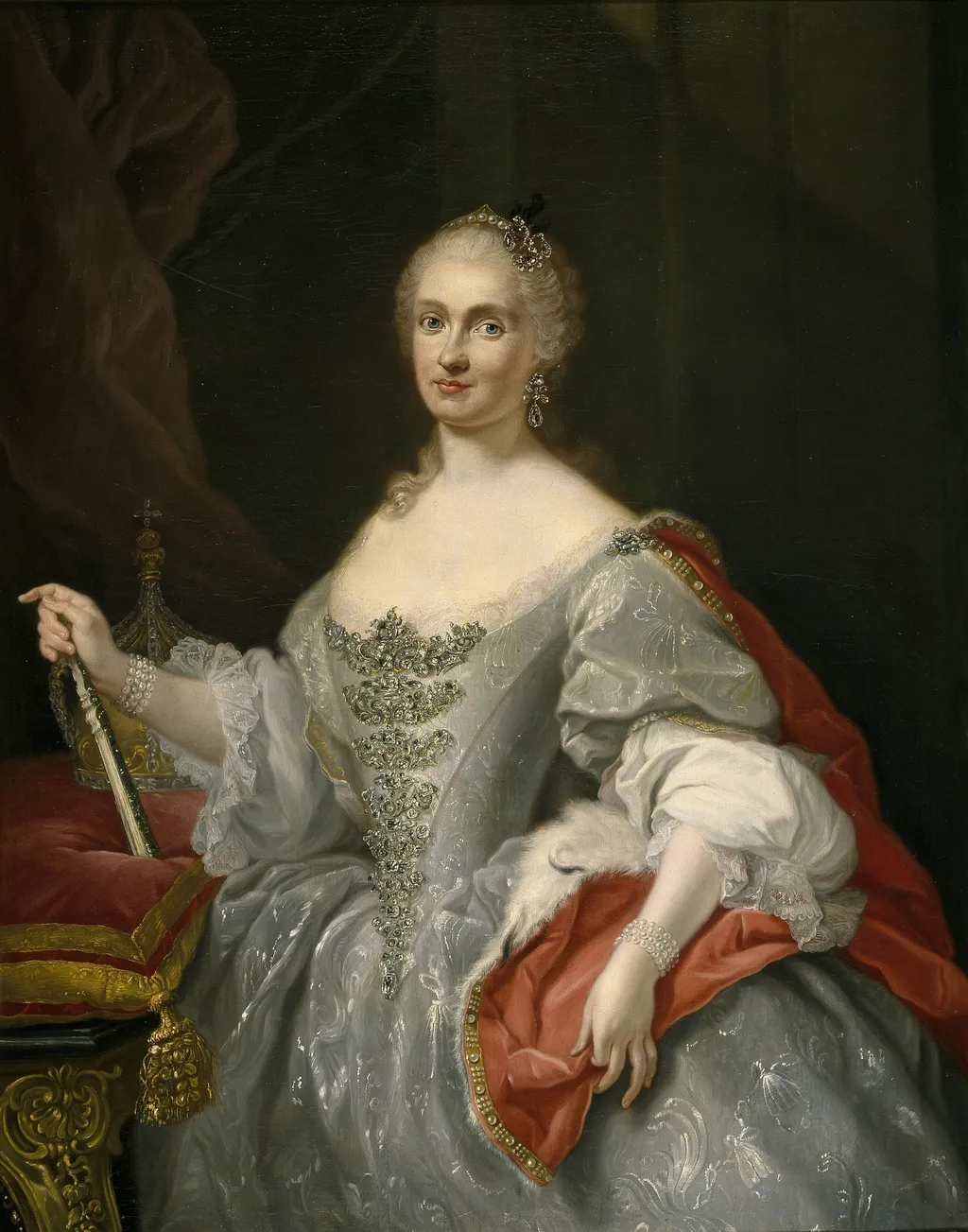
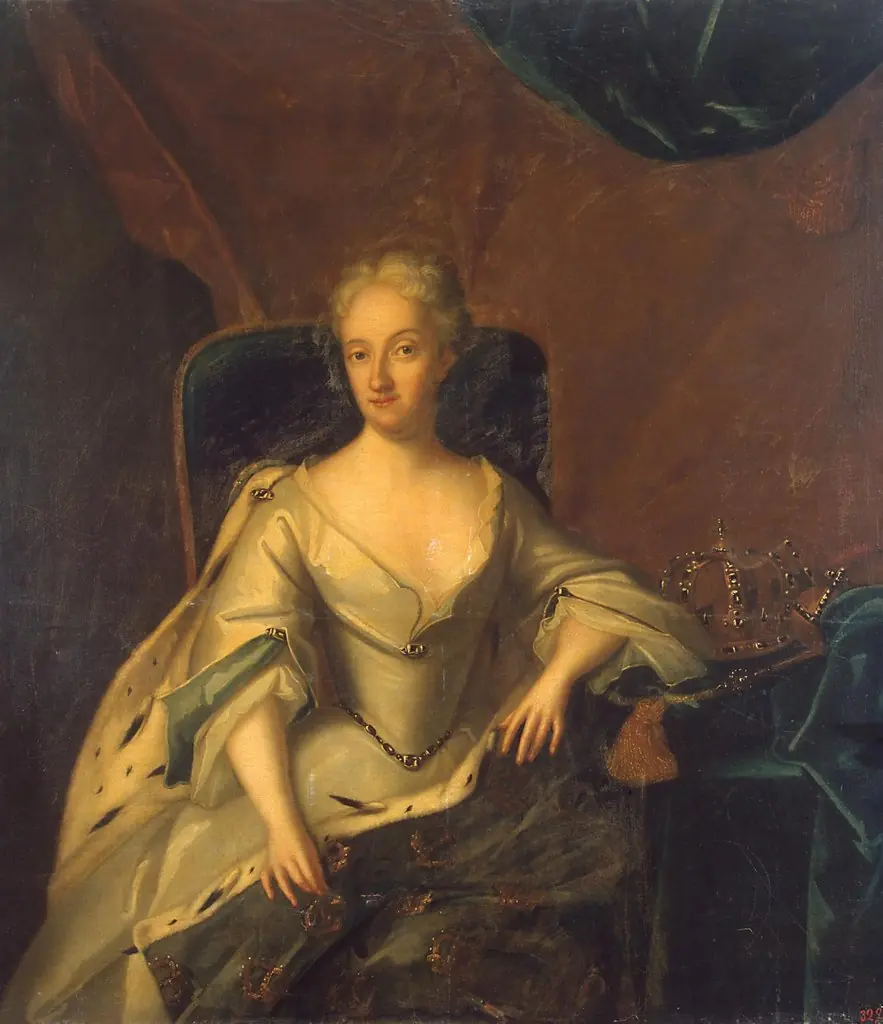
Queen Maria Amalia of Saxony is an oil painting by the Rococo painting artist Giuseppe Bonito. It dates from 1744 and is held in the collection of the Museo del Prado.
About this work
Overview
Queen Maria Amalia of Saxony is an 1744 oil painting by Giuseppe Bonito, a Neapolitan Rococo artist. The work depicts the queen in opulent attire, emphasizing her wealth and status, and is housed in the Museo del Prado collection.
Subject & Meaning
The subject, Queen Maria Amalia, is portrayed holding a golden crown, symbolizing her royal authority. Her elaborate 18th-century attire, including a pale gray dress with silver embroidery, red underskirt, pearl necklace, and earrings, underscores her high social standing. A small headpiece secures her pulled-back hair.
Technique & Style
Bonito employs chiaroscuro, using a dark background to make the queen's figure prominent. The strategic play of light on her face and garments creates a sense of richness and detail, characteristic of the Rococo period's emphasis on luxury and refinement.
History & Provenance
Created in 1744, the painting is part of the Museo del Prado's collection, though specific acquisition details are not provided here.
Context
While Bonito is known for genre paintings, this work aligns with the Rococo's royal portraiture tradition, focusing on the display of wealth and status prevalent among European monarchs in the 18th century.
Own this work as a print
Artist & collection
Artist
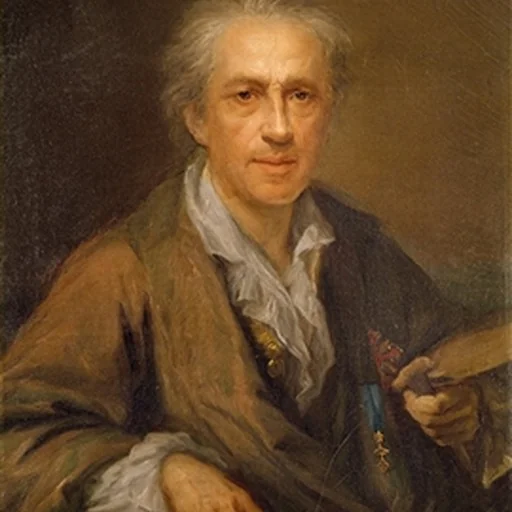
Giuseppe Bonito (11 January 1707 – 9 May 1789) was a Neapolitan painter of the Rococo period. Giuseppe Bonito is known for genre depictions on canvas. Many of Gaspare Traversi's paintings had previously been attributed to Bonito.

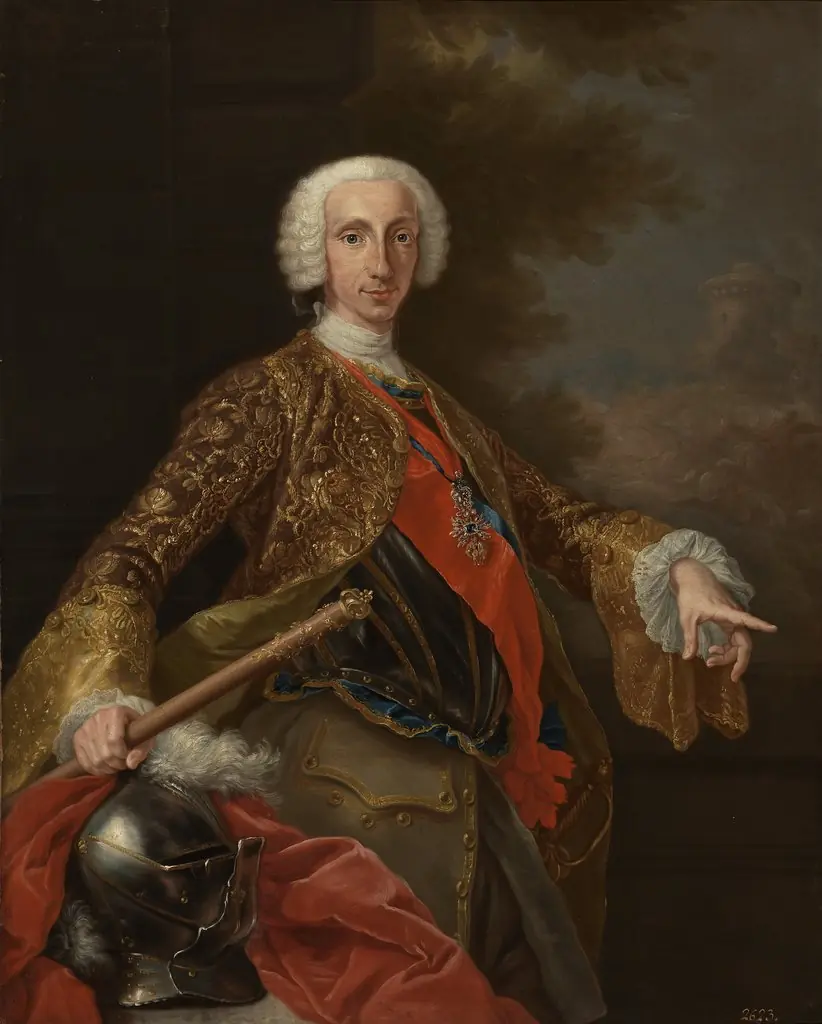 Carlos de Borbón rey de las Dos Sicilias
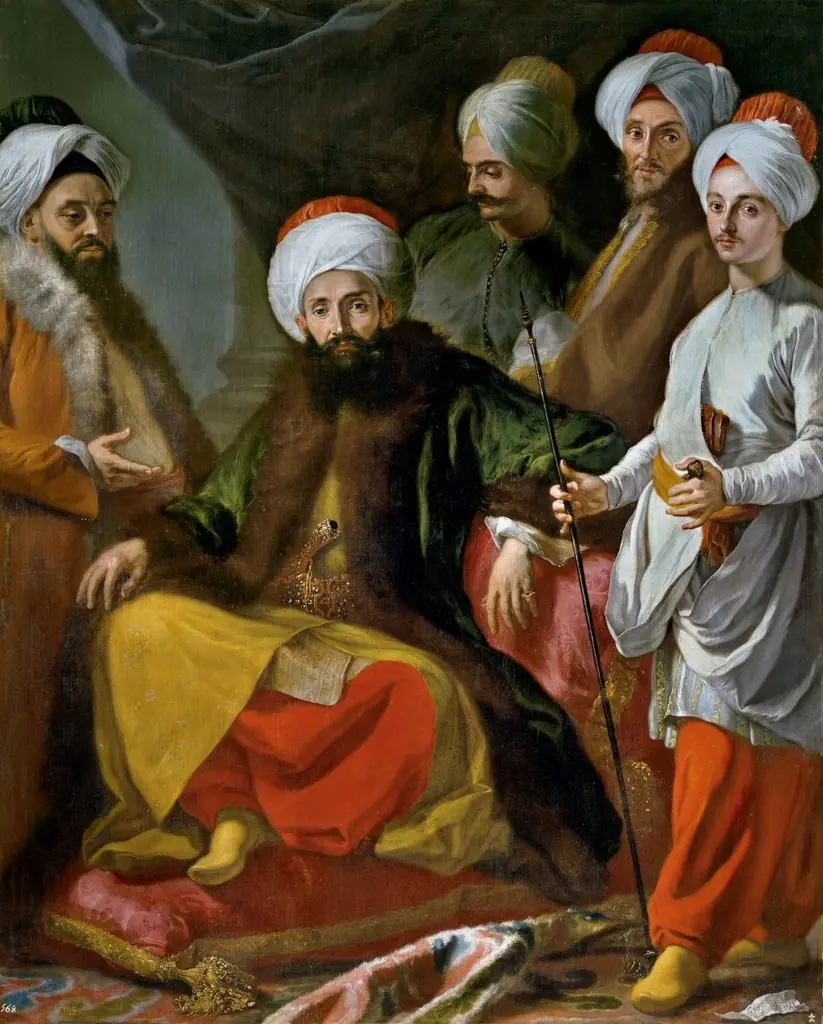 The Turkish Embassy in Naples
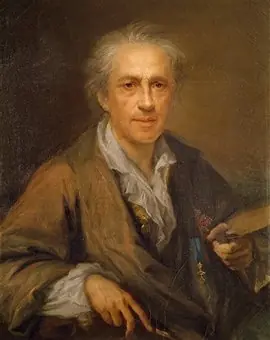 Self-portrait
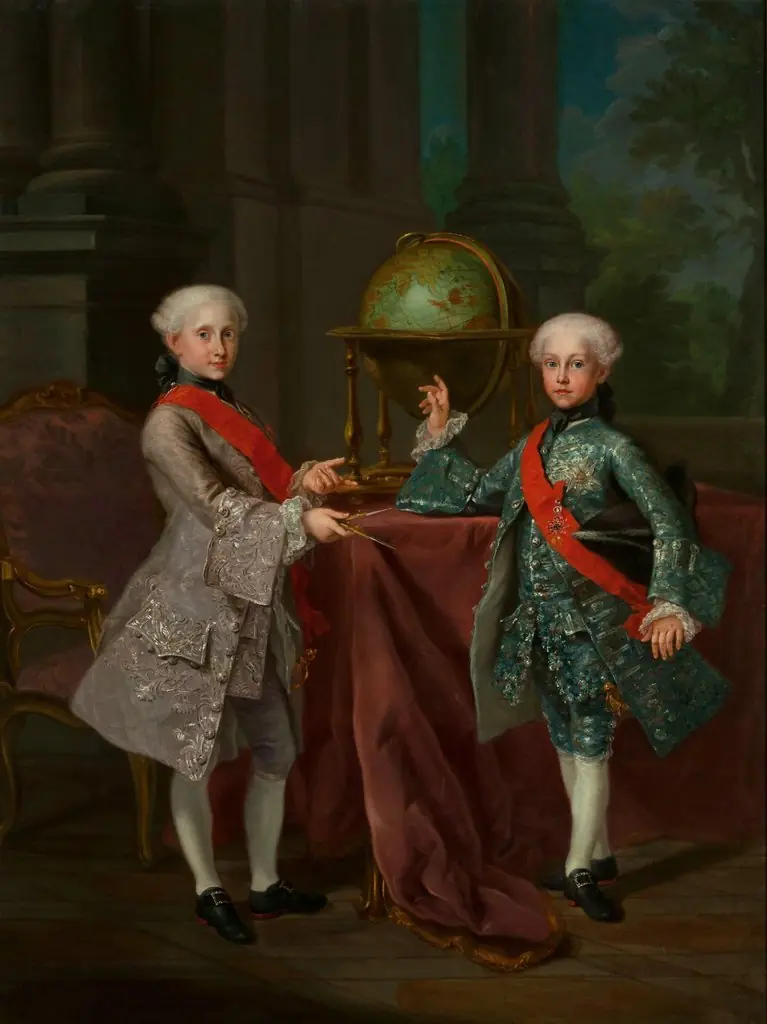 The Infantes Fernando and Gabriel
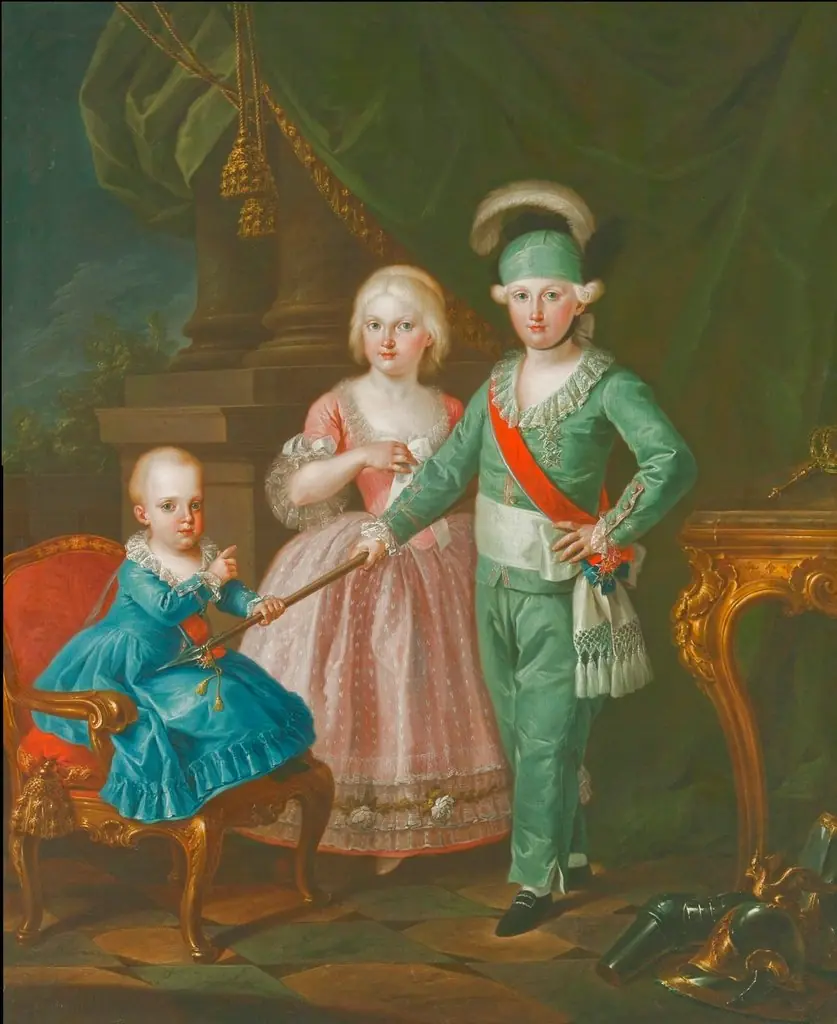 I figli di Carlo di Borbone: Carlo, Maria Luisa, Francesco Saverio
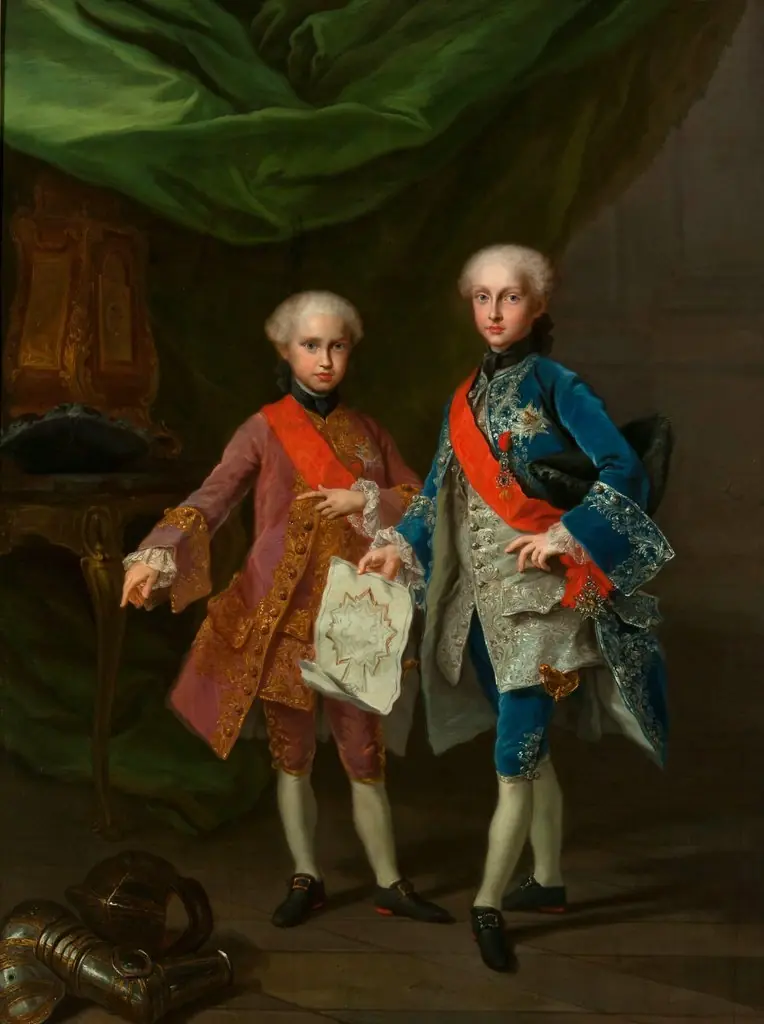 I principi Filippo Pasquale e Carlo Antonio di Borbone con la pianta di una fortezza
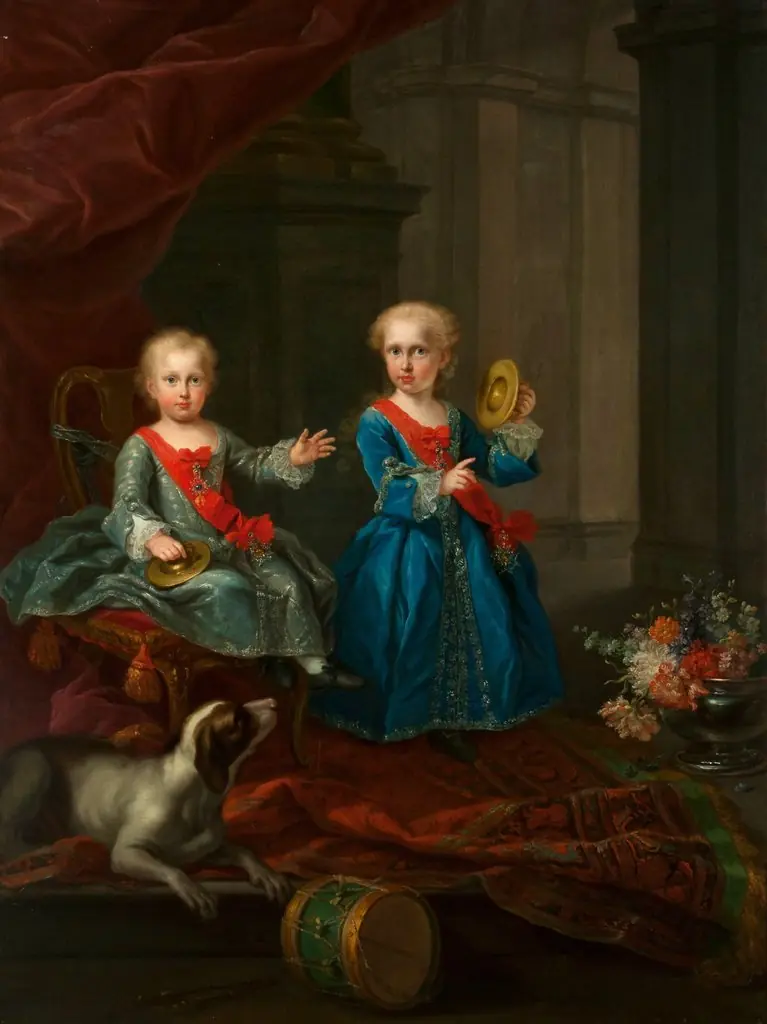 Francesco Saverio e Antonio Pasquale di Borbone
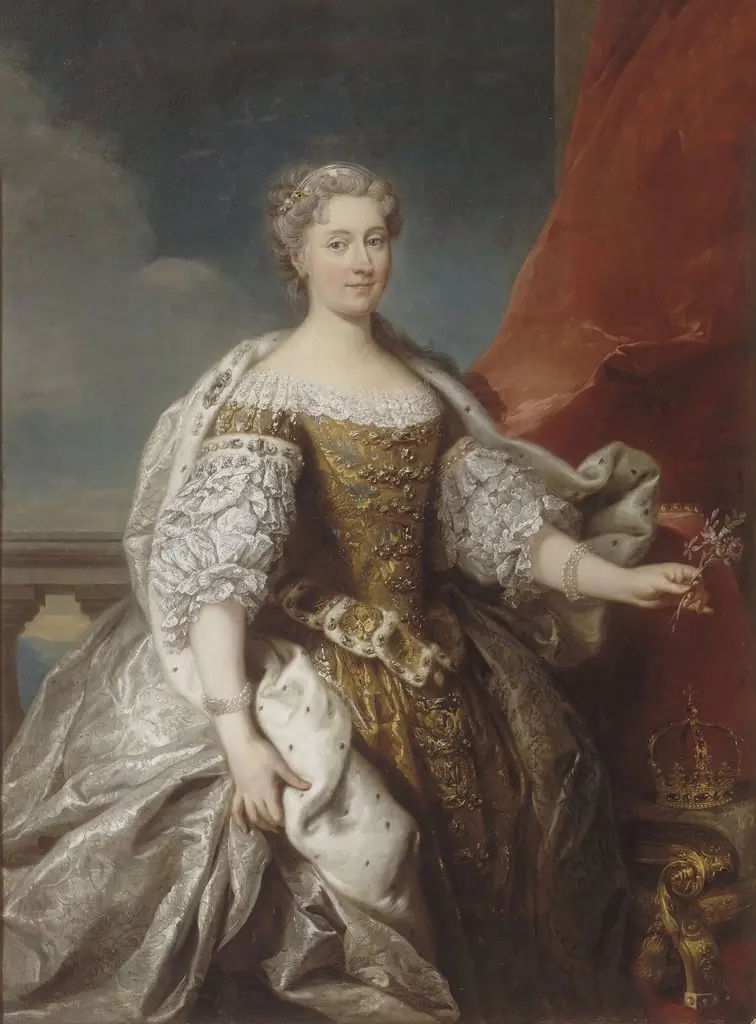 Catherine Opalińska, Queen of Poland
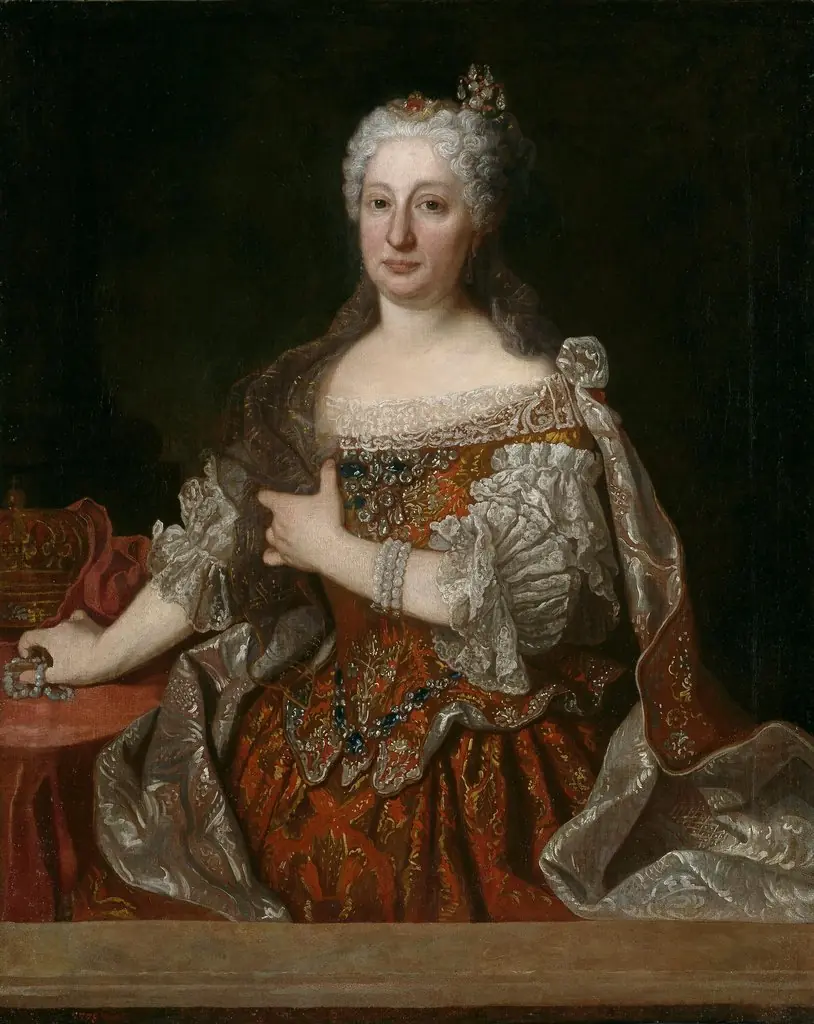 Maria Anna of Austria, Queen of Portugal
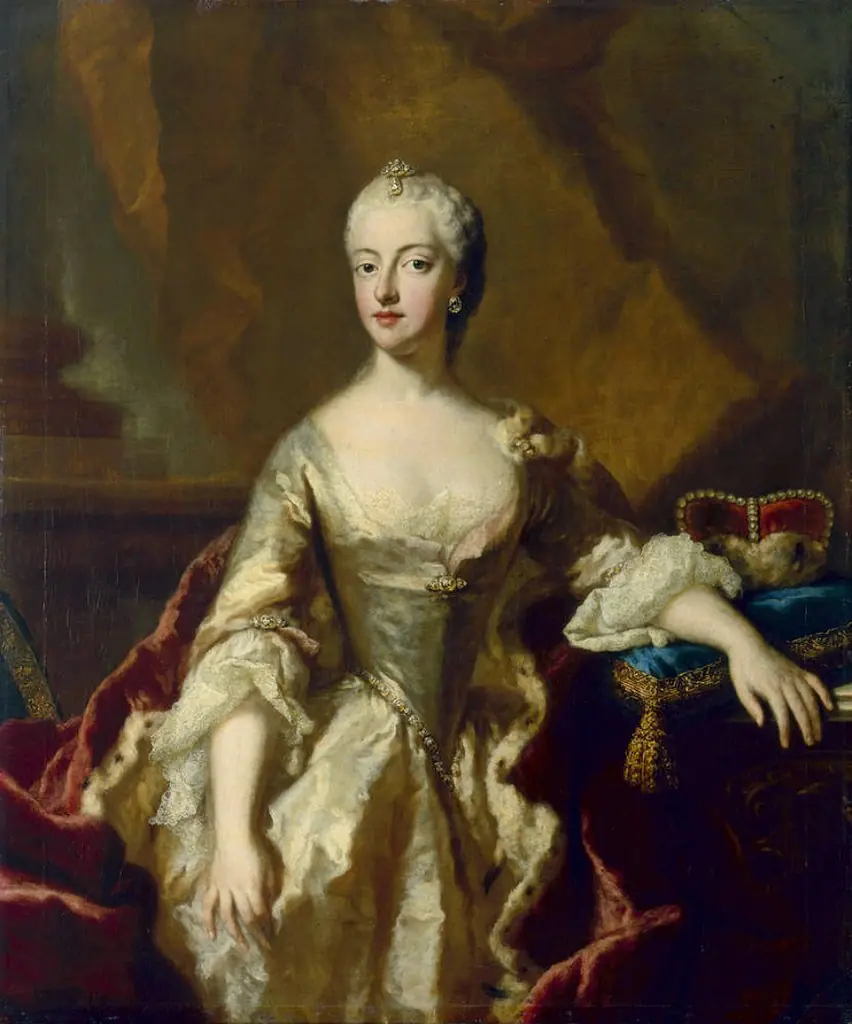 Margravine Maria Anna Josepha of Baden-Baden
 Elisabeth Farnese, Queen of Spain (1692-1766)
 Portrait of Maria Luisa of Spain (1745-1792), Holy Roman Empress
 Bárbara de Braganza reina de España
 Princess Charlotte Amalie, Daughter of Frederik IV
 Portrait of Ulrika Eleonora the Younger, Queen of Sweden