Artwork
Portrait of Maria Luisa of Spain (1745-1792), Holy Roman Empress
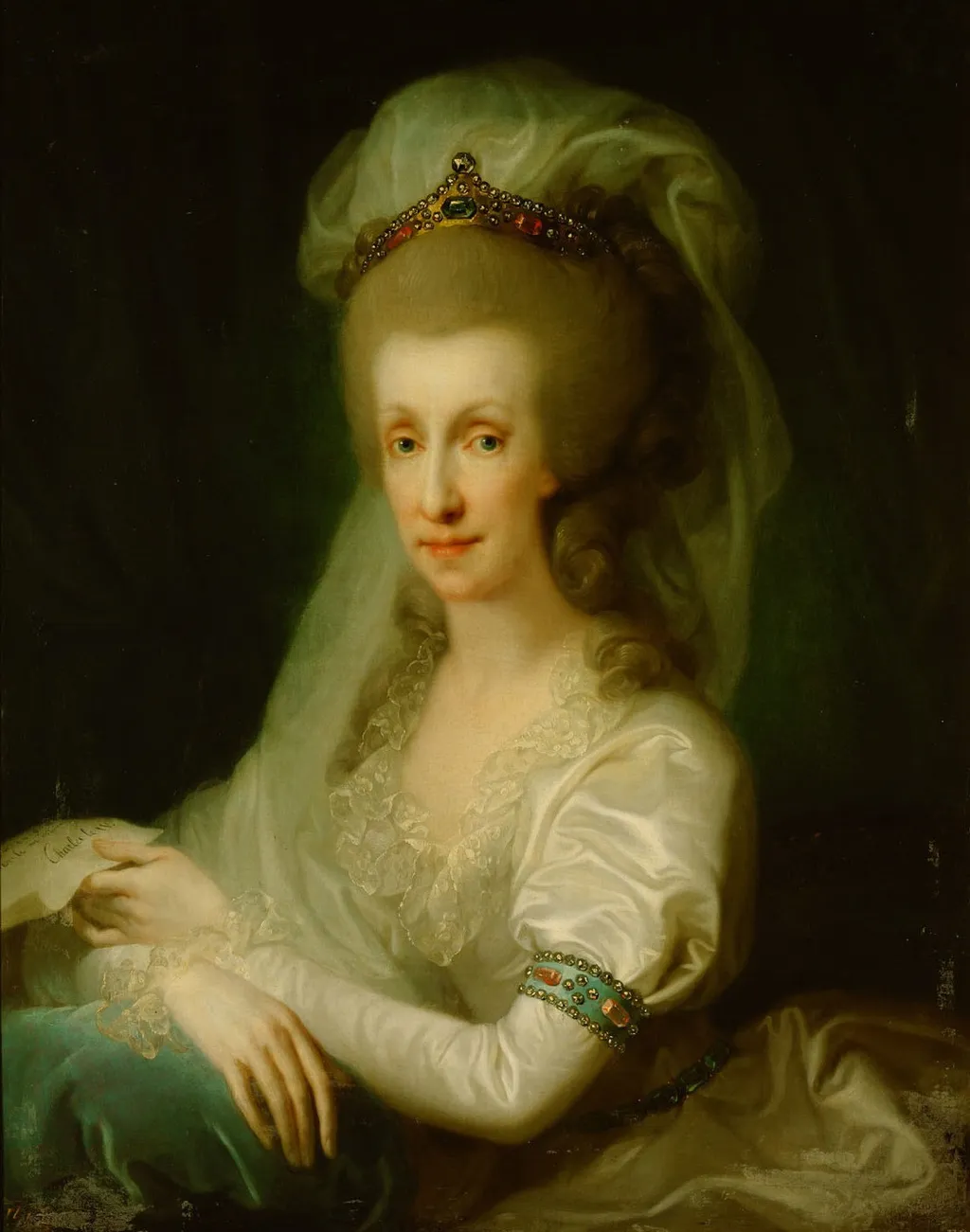
Portrait of Maria Luisa of Spain (1745-1792), Holy Roman Empress is an oil painting by the Neoclassicist artist Josef Grassi. It dates from 1796 and is held in the collection of the Kunsthistorisches Museum. The canvas, executed in oil in 1796, presents Maria Luisa of Spain, the consort of Holy Roman Emperor Leopold II.
About this work
Overview
The canvas, executed in oil in 1796, presents Maria Luisa of Spain, the consort of Holy Roman Emperor Leopold II. Rendered by Austrian painter Josef Grassi, the work belongs to the late‑18th‑century neoclassical tradition and is part of the permanent collection of Vienna’s Kunsthistorisches Museum.
Subject & Meaning
Maria Luisa is shown with a composed expression, her pale blue eyes gazing forward. She wears a white lace gown with puffed sleeves, a greenish veil over her shoulders, and a jeweled headband and bracelet that underscore her imperial status. The inclusion of a paper in her hand may allude to her role in diplomatic correspondence or patronage.
Technique & Style
Grassi employs a soft, blended palette that gives the sitter’s skin a luminous quality, while delicate shadows model her features. The rendering of textiles—lace, silk, and veil—demonstrates meticulous attention to surface texture, a hallmark of neoclassical portraiture that sought to combine idealized elegance with realistic detail.
History & Provenance
Created shortly after Maria Luisa’s death in 1792, the portrait entered the imperial collection and was later transferred to the Kunsthistorisches Museum, where it remains on view. Its provenance reflects the museum’s role in preserving artworks associated with the Habsburg dynasty.
Context
The portrait emerges from a period when European courts favored neoclassical aesthetics to convey moral virtue and political legitimacy. Grassi, known for both portraiture and historical scenes, applied the style’s restrained elegance to emphasize the empress’s dignified presence within the broader visual culture of the late Enlightenment.
Artist & collection
Artist
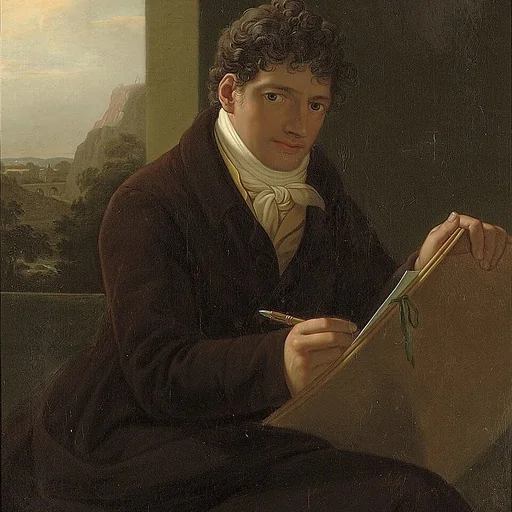
Josef Grassi (22 April 1757 – 7 January 1838) was an Austrian portrait and history painter. His middle name is usually given as "Maria", although there is evidence that it was actually "Mathias". He is also called "Giuseppe Grassi".

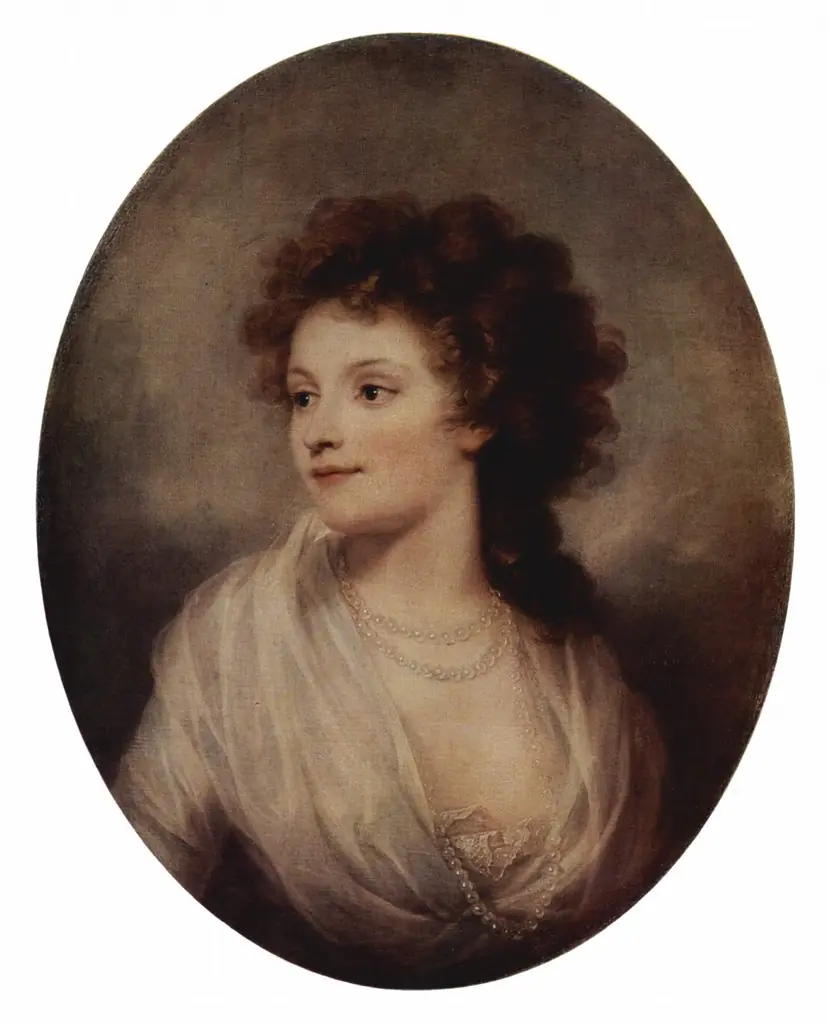 Portrait of Charlotte Bach Mannteufel
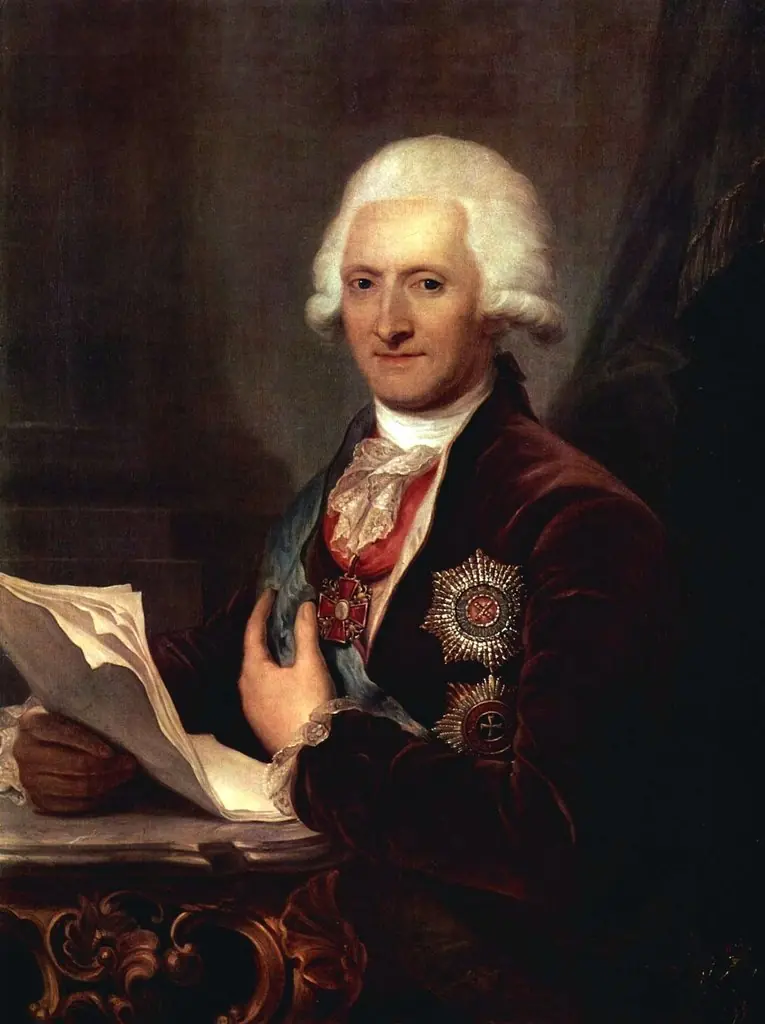 Portrait of Count J.E. Sievers
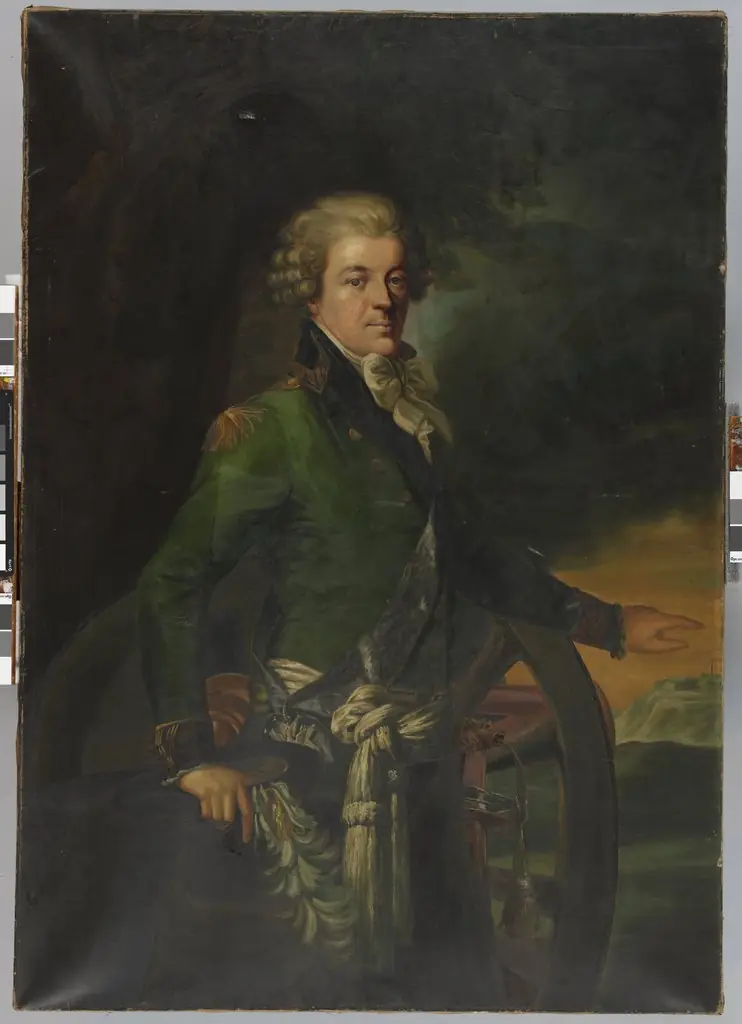 Portrait of Stanisław Kostka Potocki
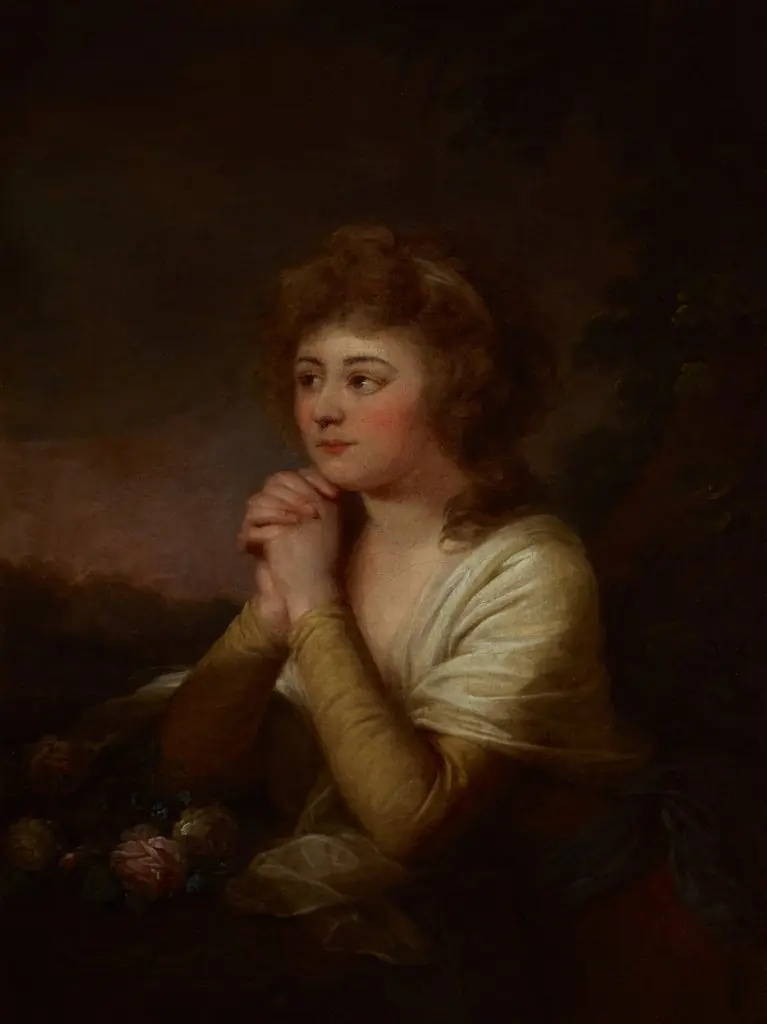 Portrait of a Lady from the Skrzyński Family
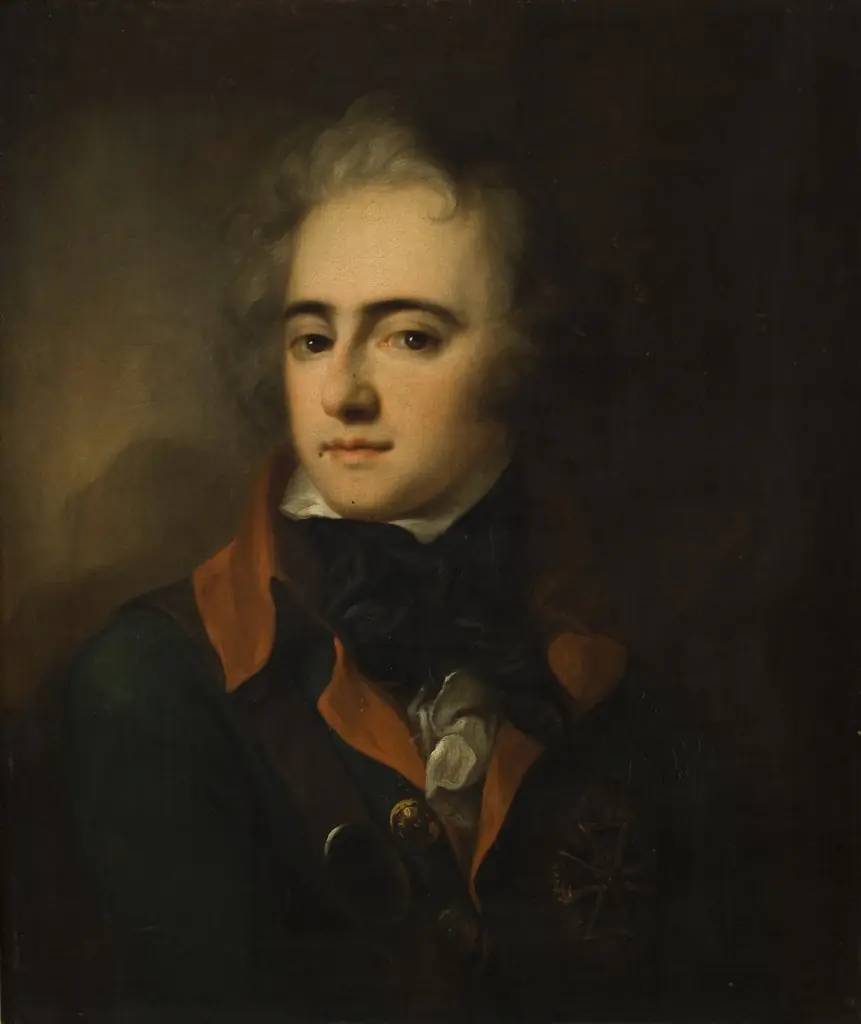 Portrait of Prince Józef Poniatowski
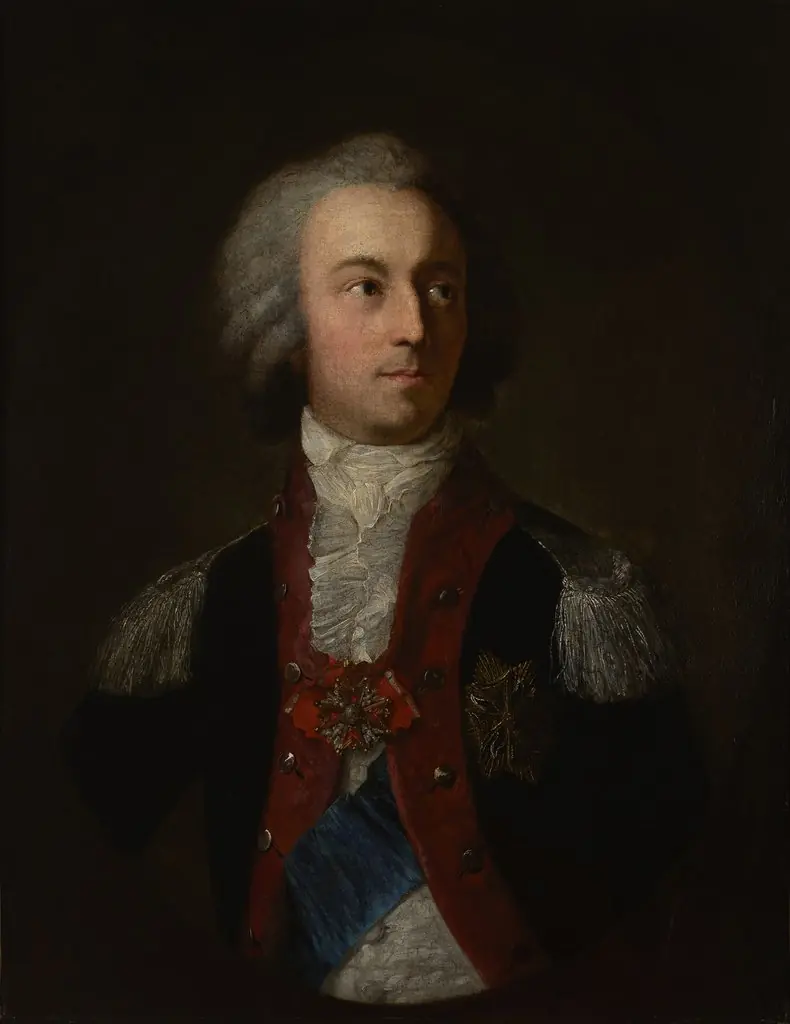 Portrait of Prince Adam Kazimierz Czartoryski (1734–1823) as the Commandant of the Corps of Cadets
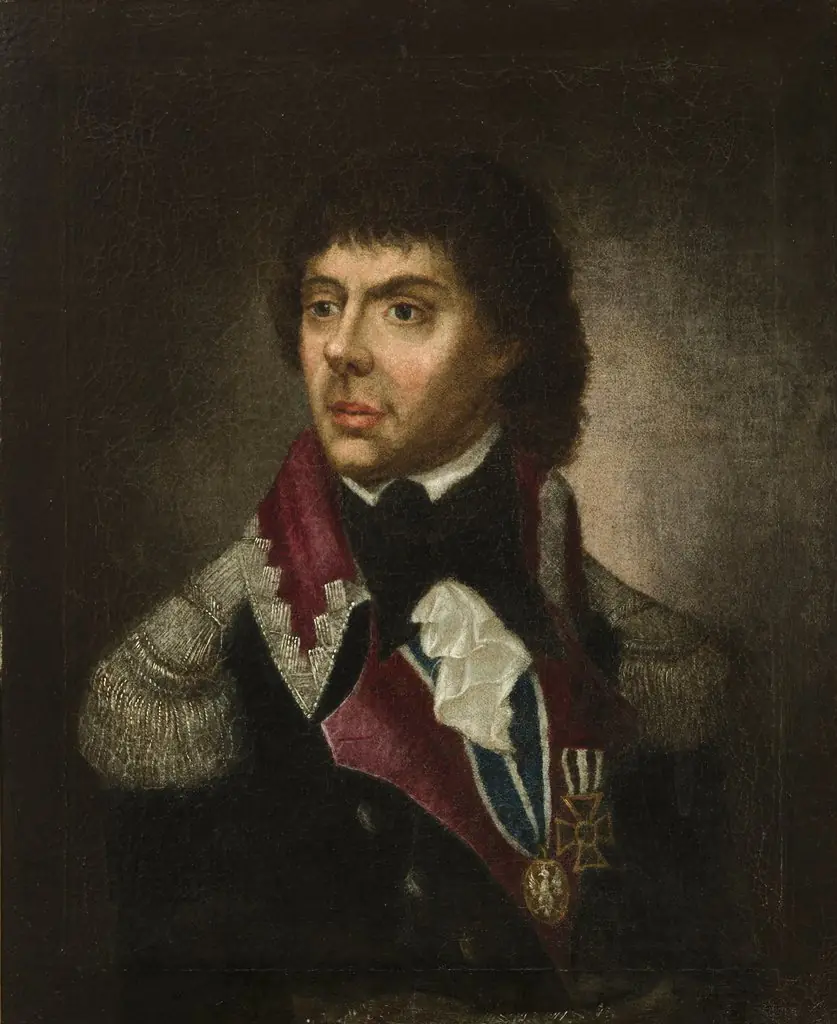 Portrait of Tadeusz Kościuszko
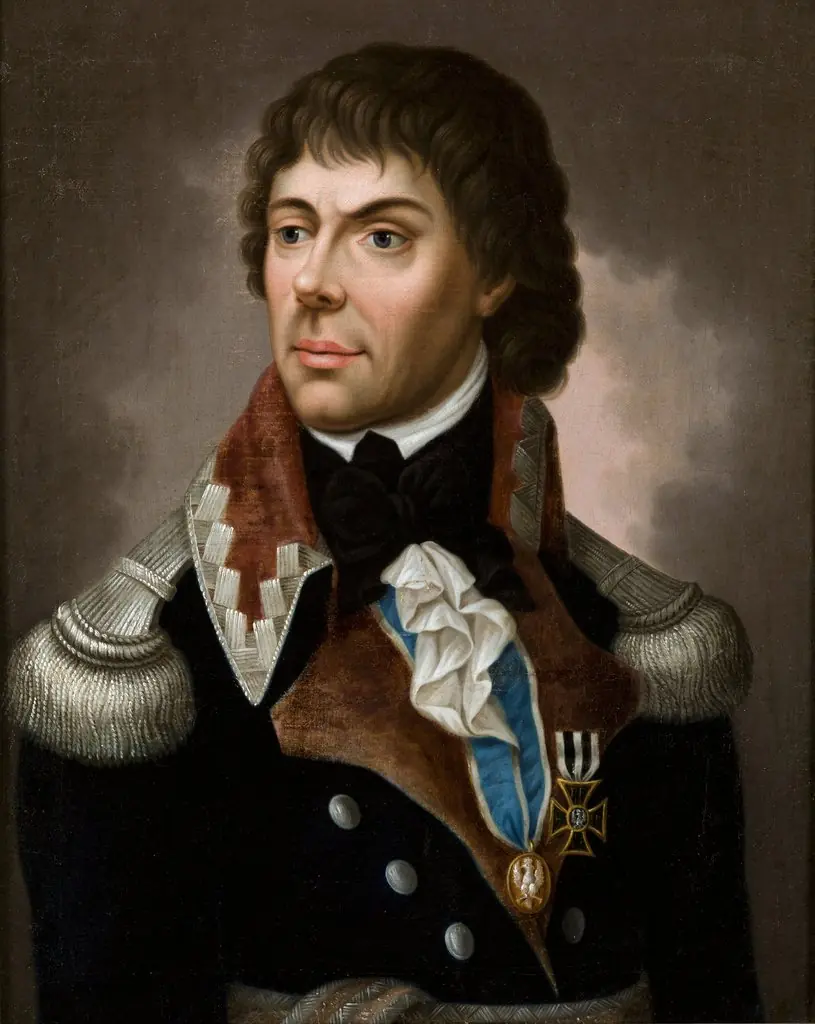 Portrait of Tadeusz Kościuszko
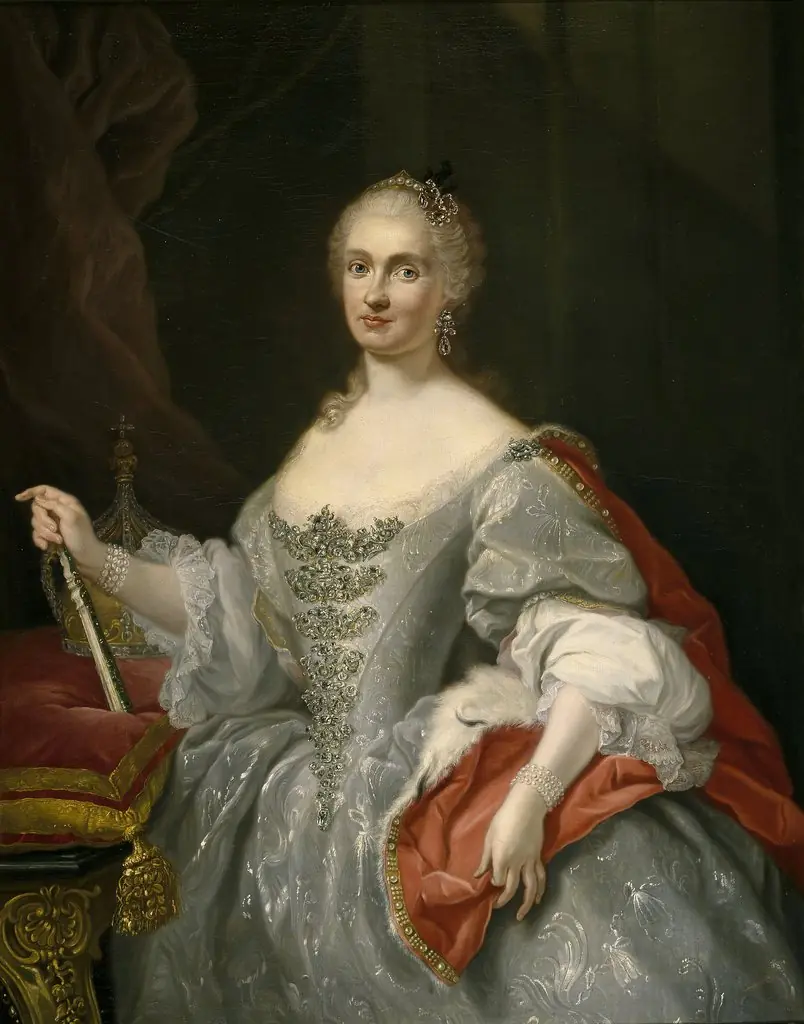 Queen Maria Amalia of Saxony
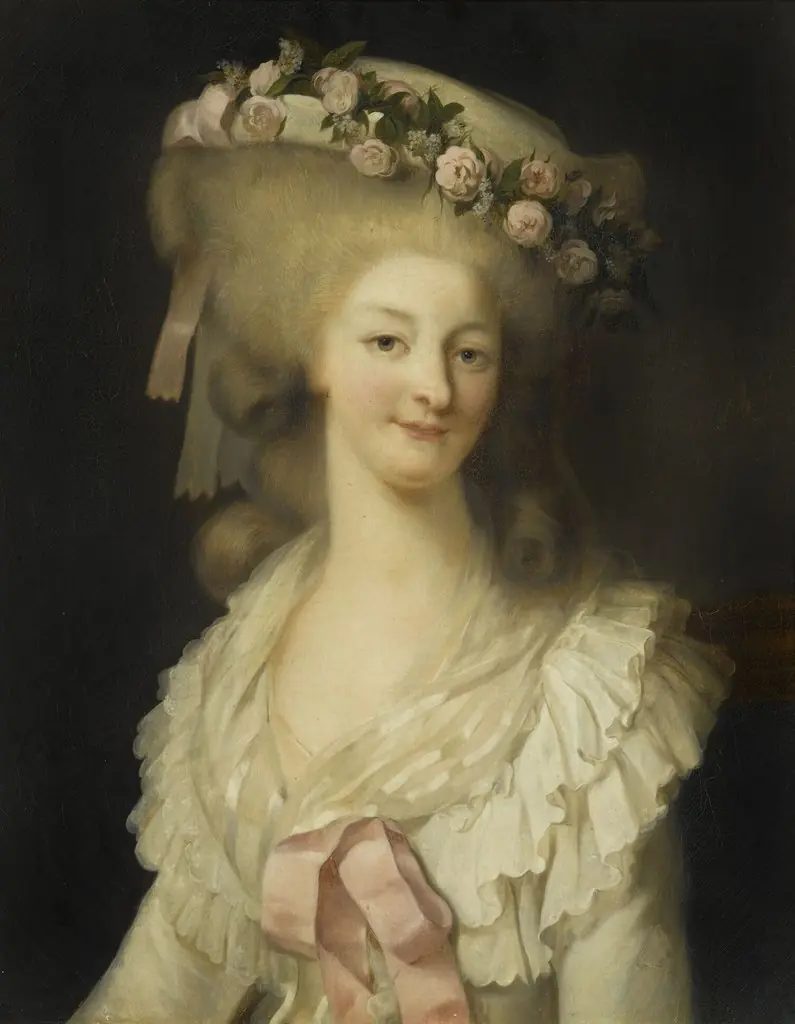 Marie-Thérèse-Louise de Savoie-Carignan, Princess of Lamballe
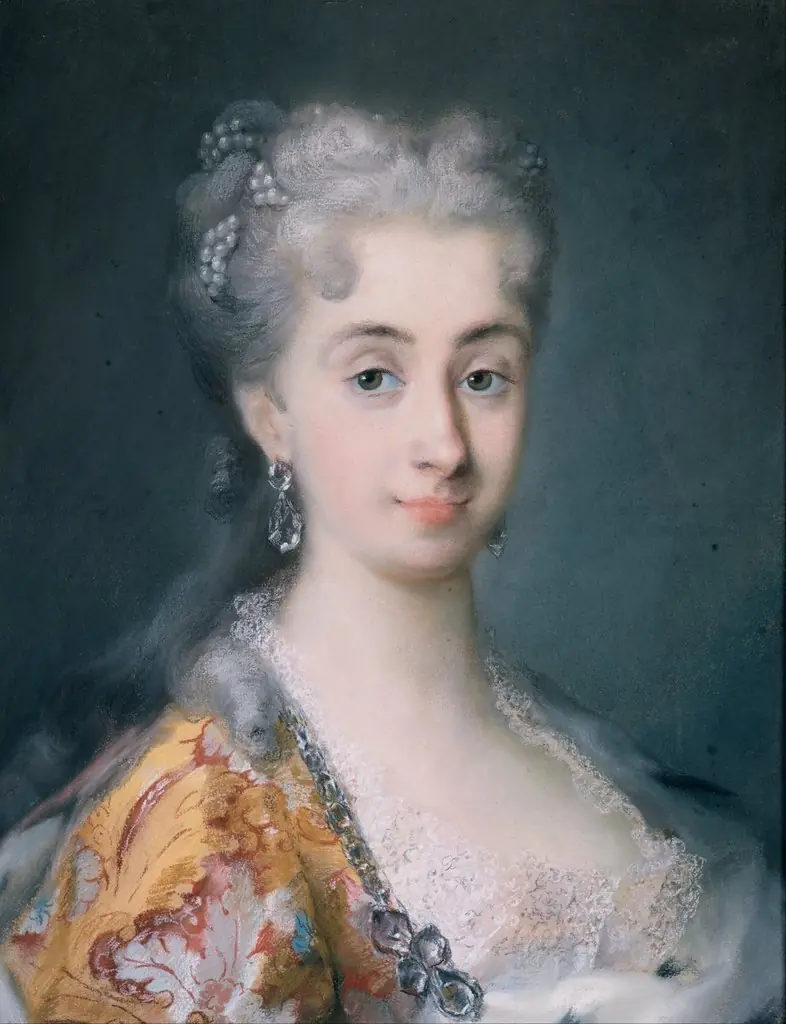 Lucrezia Mocenigo
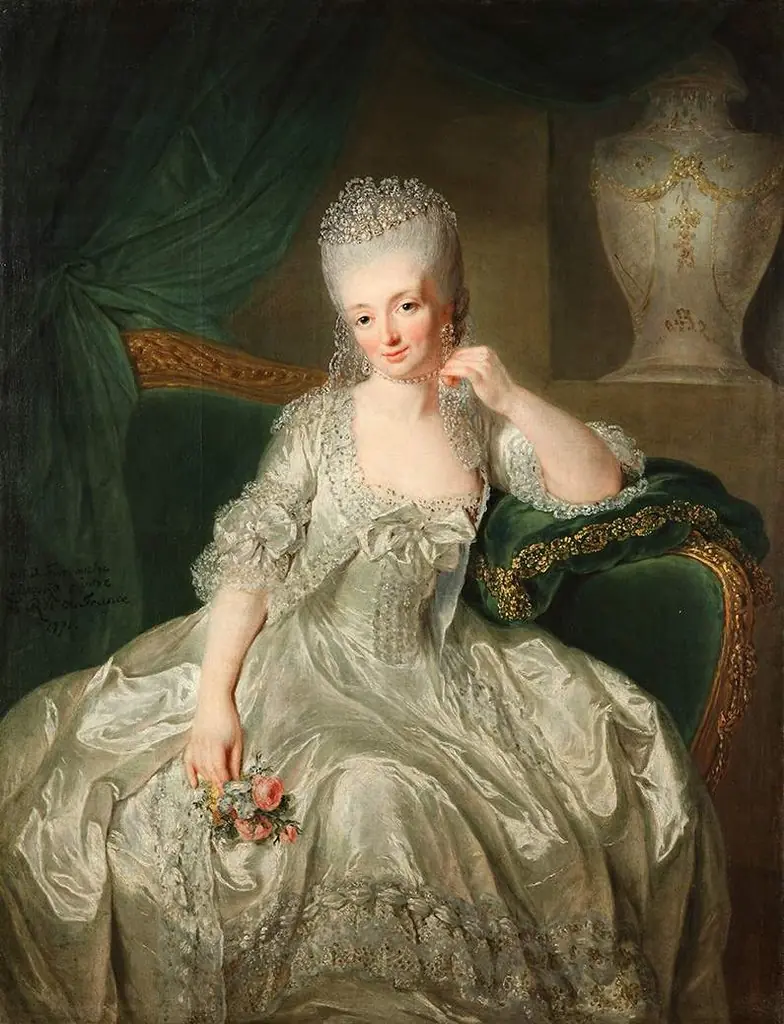 Bildnis Amalie Prinzessin von Preußen (1723-1787)
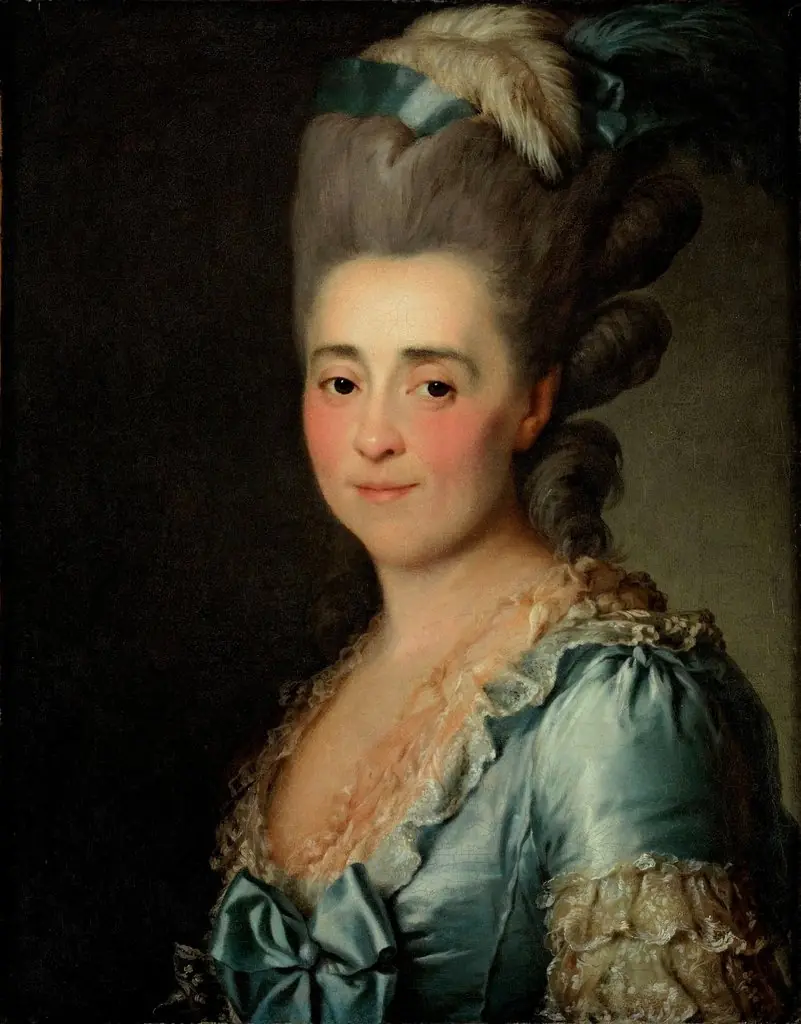 Portrait of Natalia Saltikova (1742-1782)
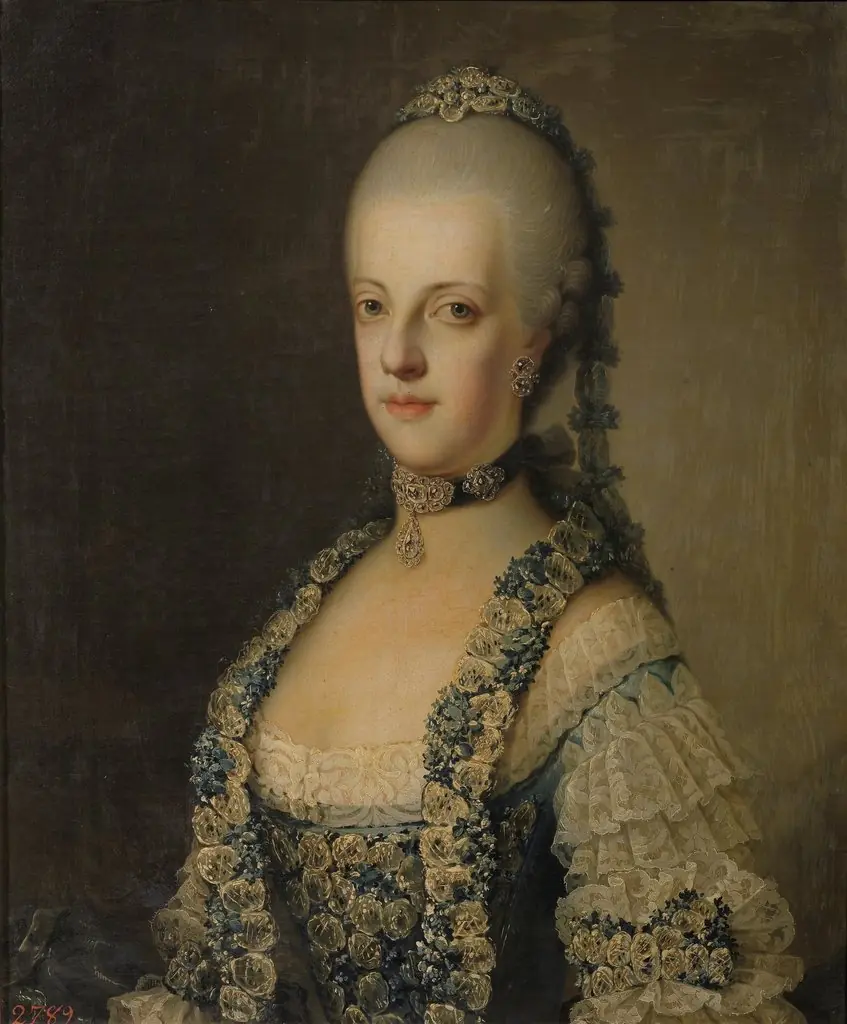 Maria Carolina of Habsburg-Lorraine, Queen of Naples
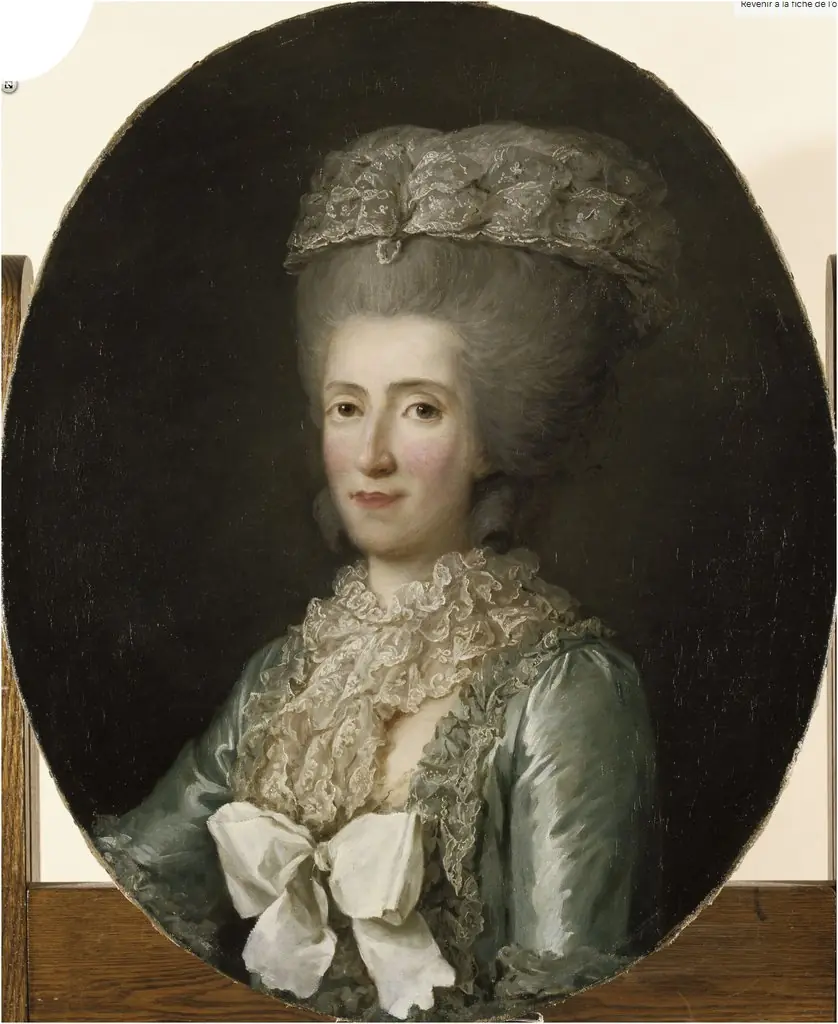 Marie-Adélaïde de France, dite Madame Adélaïde
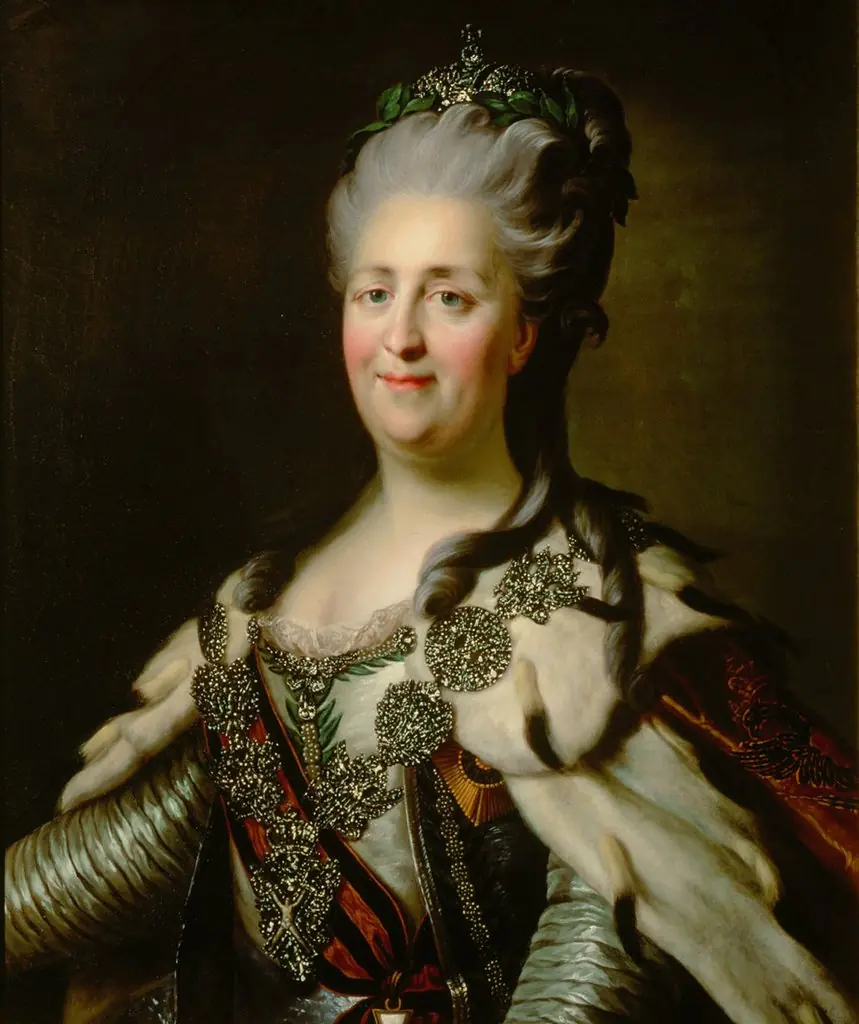 Portrait of Catherine II of Russia (1729-1796)
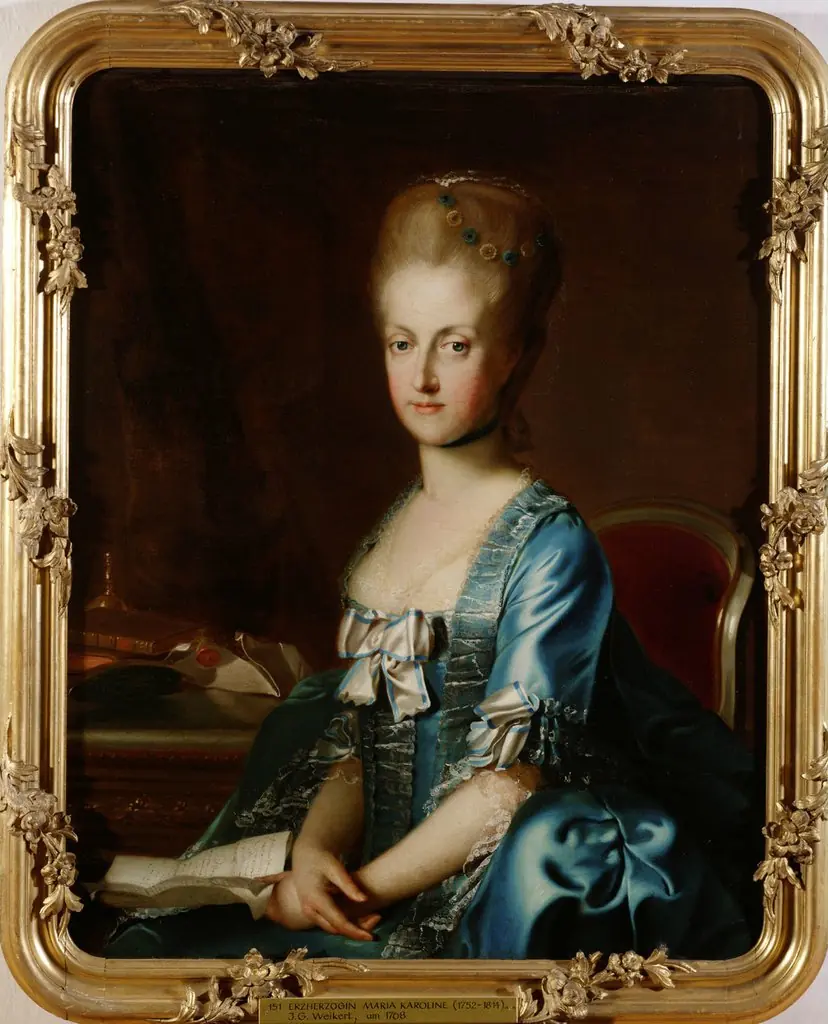 Erzherzogin Maria Karoline (1752-1814), Königin beider Sizilien, an einem Tisch sitzend, Halbfigur
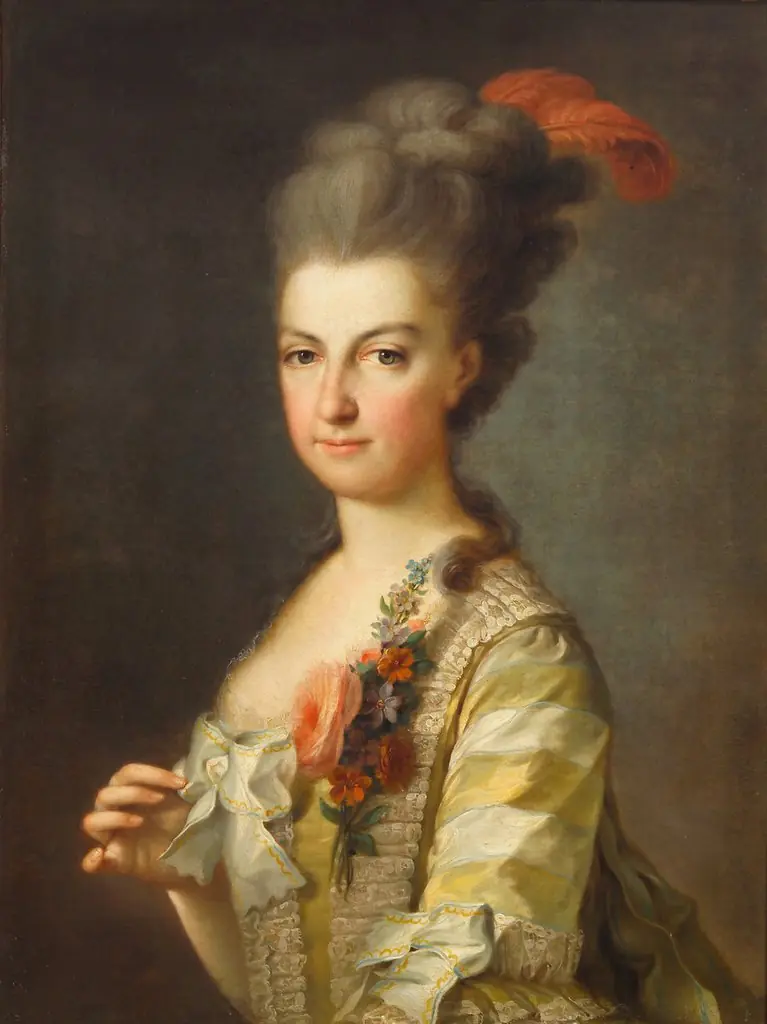 Erzherzogin Maria Christine (1742-1798), Herzogin von Sachsen - Teschen, in gestreiftem Seidenkleid, Halbfigur