Artwork
White Gibbon
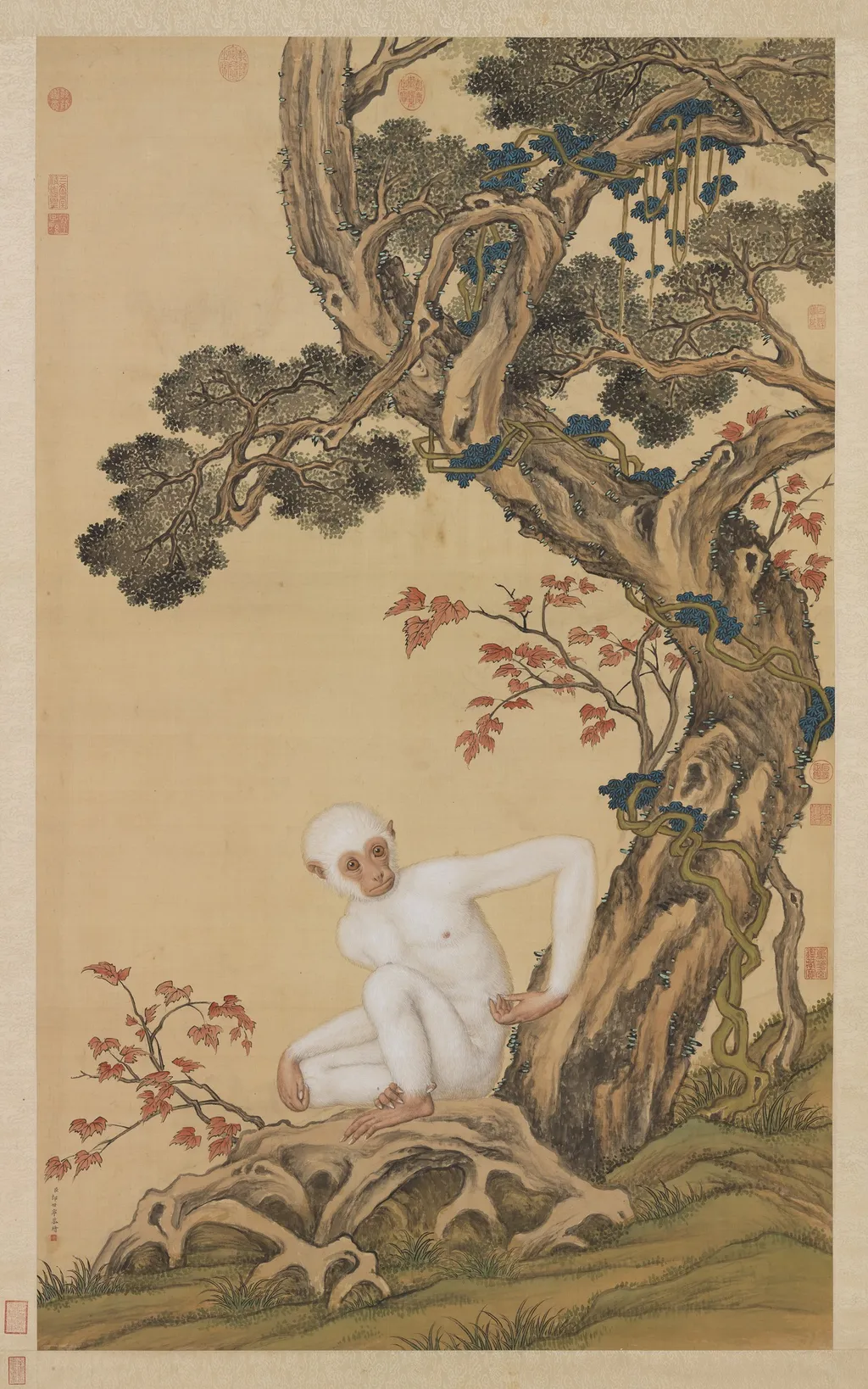
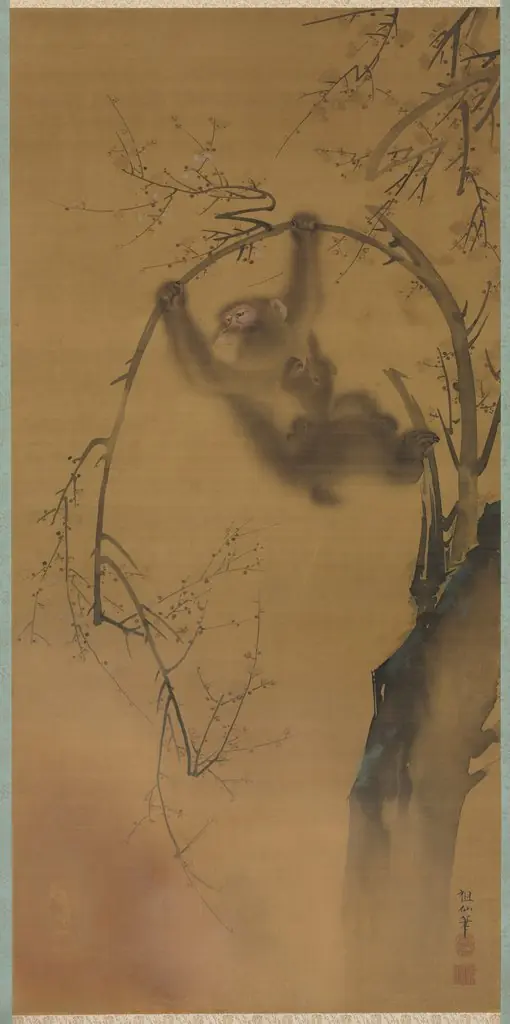
White Gibbon is an unspecified painting by Giuseppe Castiglione. It dates from 1737 and is held in the collection of the National Palace Museum.
About this work
Overview
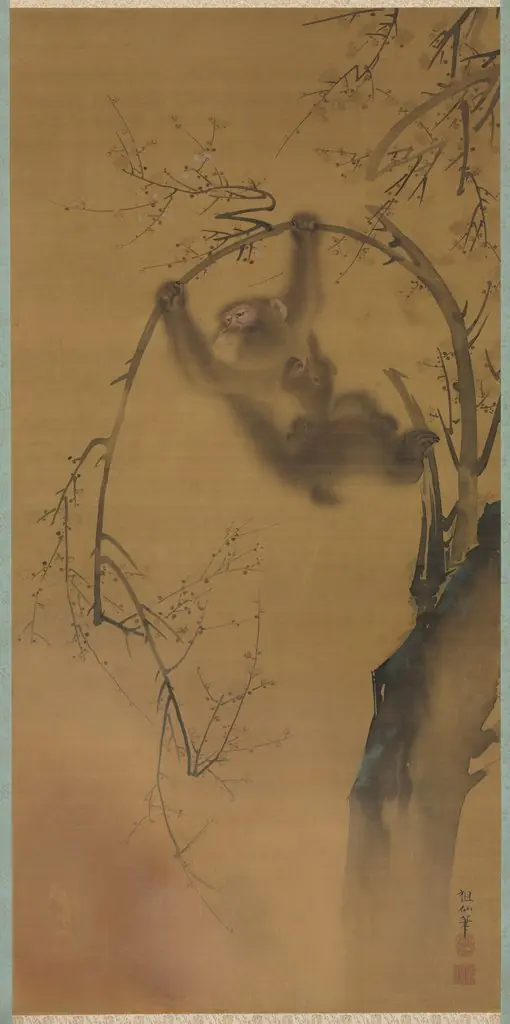
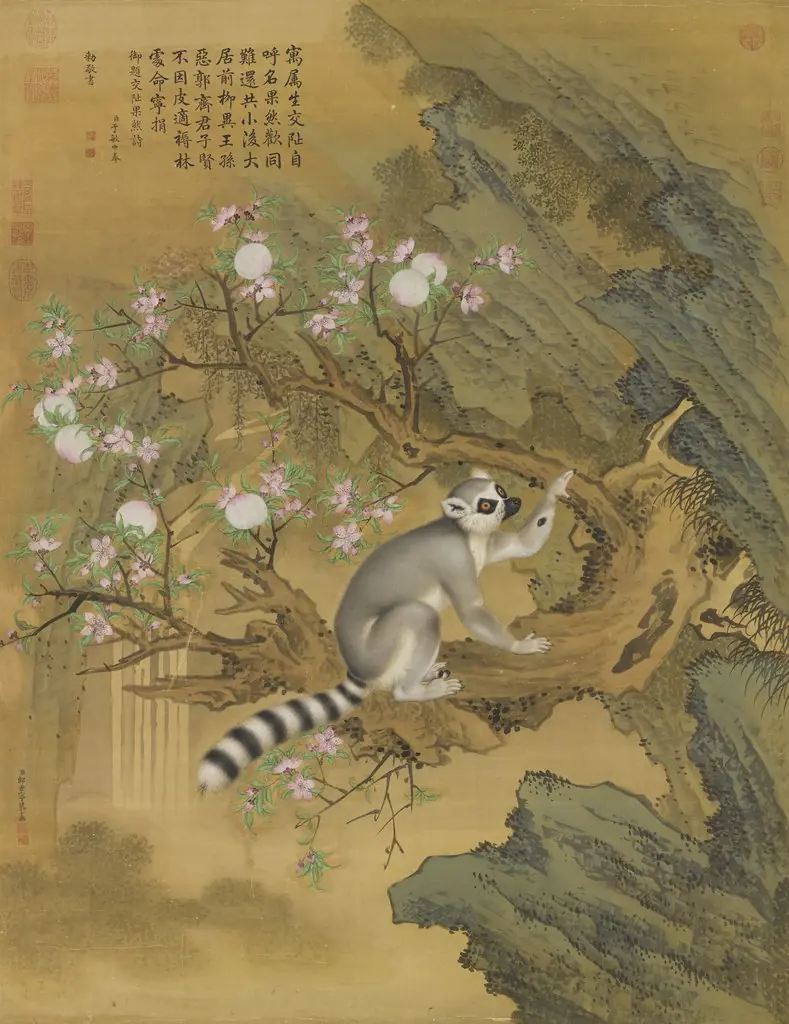
Painted around 1737 by Giuseppe Castiglione, White Gibbon is a delicate naturalistic study of a white gibbon, rendered in ink and color on silk.
Painted around 1737 by Giuseppe Castiglione, White Gibbon is a delicate naturalistic study of a white gibbon, rendered in ink and color on silk. The work resides in the National Palace Museum in Taipei, where it is recognized as part of a broader series of animal portraits commissioned for the Qing imperial court. Castiglione, an Italian Jesuit missionary, blended European observation with East Asian aesthetic traditions to produce images that satisfied both scientific curiosity and imperial taste.
Subject & Meaning
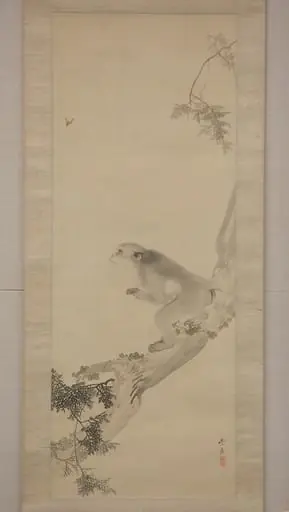
The gibbon, depicted in a relaxed, alert posture, is shown perched on a weathered stump, one arm extended, the other resting lightly on its knee. Its gaze, directed sideways, evokes quiet vigilance rather than agitation. In Chinese culture, gibbons symbolized scholarly refinement and spiritual poise. The animal’s white fur, rare in nature, may have carried connotations of purity or rarity, aligning it with imperial ideals of uniqueness and cultivated harmony.
Technique & Style
Castiglione employed fine brushwork to model the gibbon’s fur with subtle gradations of tone, achieving a lifelike texture without heavy outlines. The background features sparse but deliberate strokes of red leaves and sinuous vines, introducing restrained color against a muted ground. The tree behind, rendered with gnarled branches and layered foliage, adds depth without distracting from the central figure. The composition balances Western chiaroscuro with the Chinese preference for spatial ambiguity and lyrical restraint.
History & Provenance
Commissioned during the reign of the Yongzheng Emperor, the painting was likely part of a larger project documenting exotic animals in the imperial menagerie. Castiglione, serving as court painter, produced numerous such works for the emperor’s personal collection. The painting remained in the Forbidden City until the mid-20th century, when it was moved to Taiwan with other imperial artifacts following the Chinese Civil War, eventually entering the National Palace Museum’s holdings.
Context
In early 18th-century China, foreign missionaries like Castiglione were valued for their technical skills and access to European scientific methods. While Chinese artists typically idealized nature, Castiglione’s approach emphasized individualized observation. His animal studies, including this gibbon, bridged Jesuit naturalism and Qing imperial interests in cataloging the natural world, reflecting a unique moment of cross-cultural exchange within the palace.
Legacy
White Gibbon stands as a quiet testament to the fusion of European and Chinese artistic traditions under imperial patronage. Though not widely exhibited, it influenced later court painters who adopted more naturalistic rendering of animals. Its enduring presence in the National Palace Museum underscores its role as a material artifact of global exchange, preserving a moment when artistic vision crossed continents without losing its cultural specificity.
Artist & collection