Artwork
Hecube blinds Polymestor
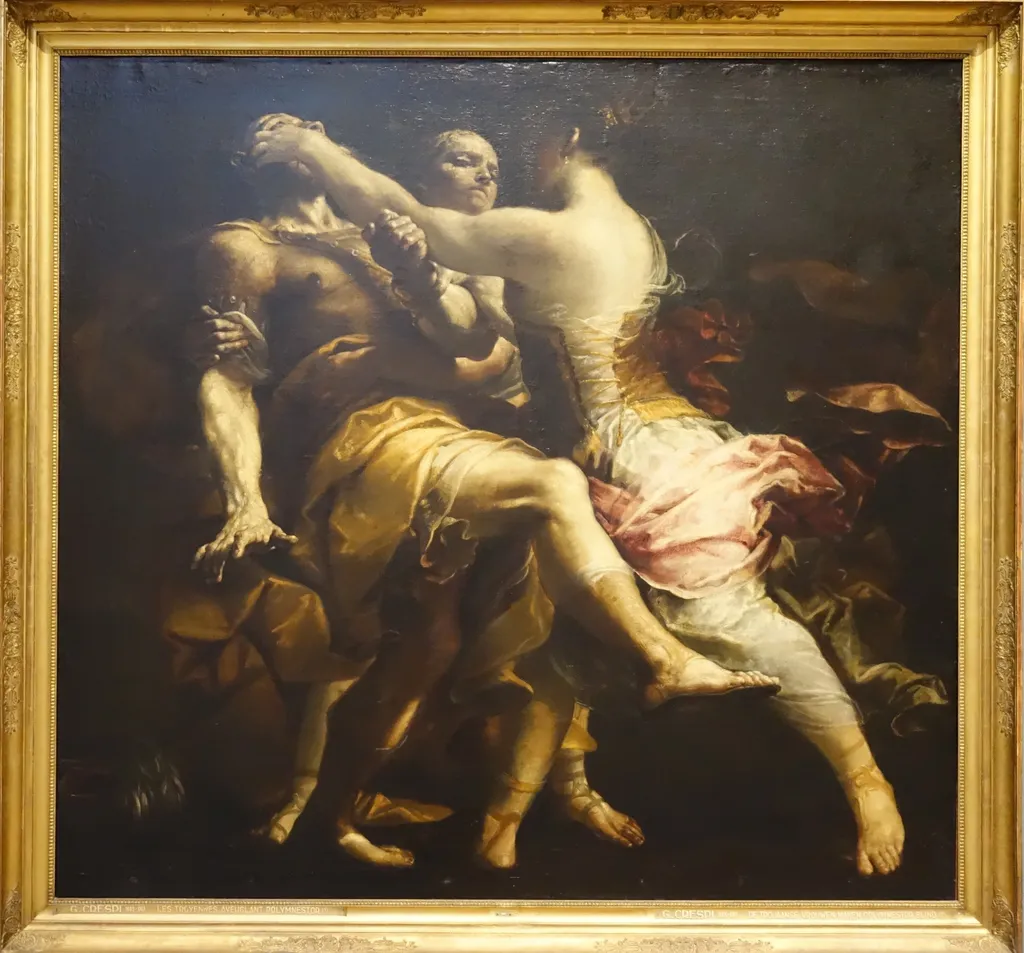
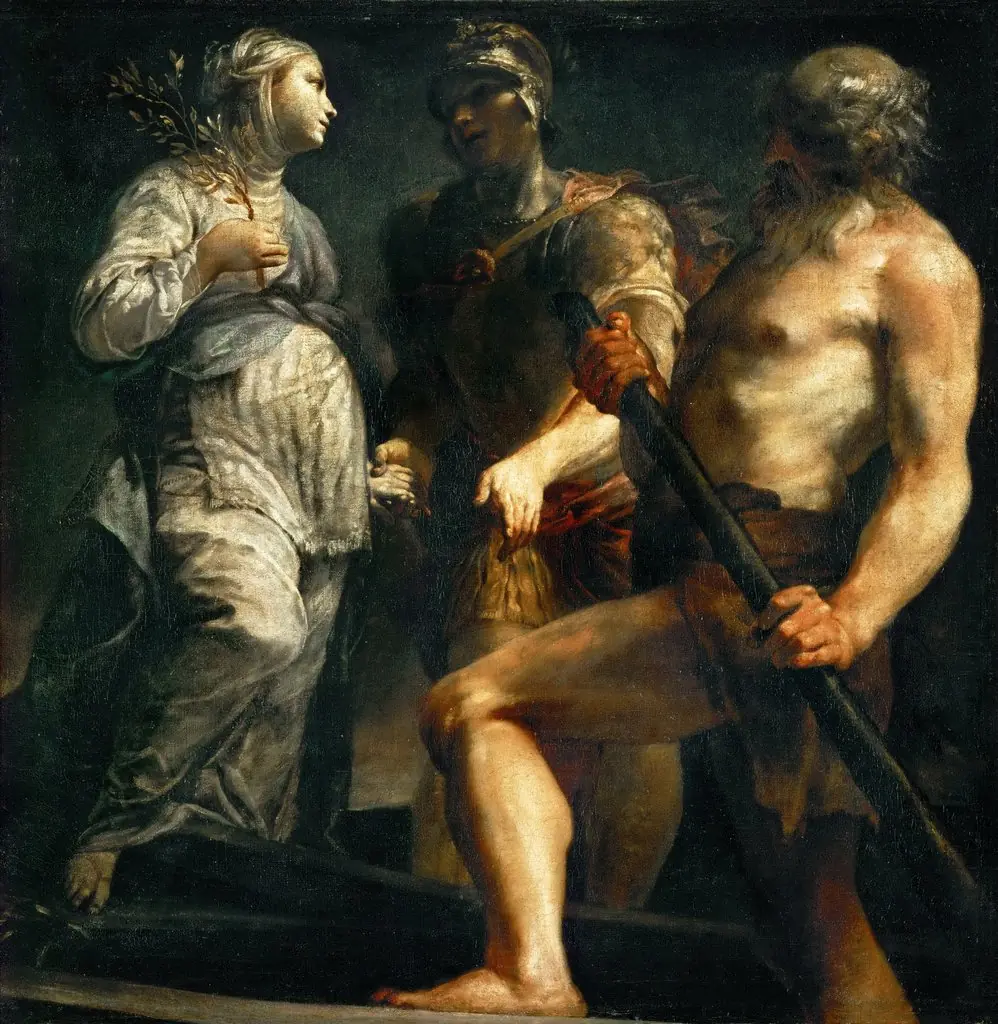
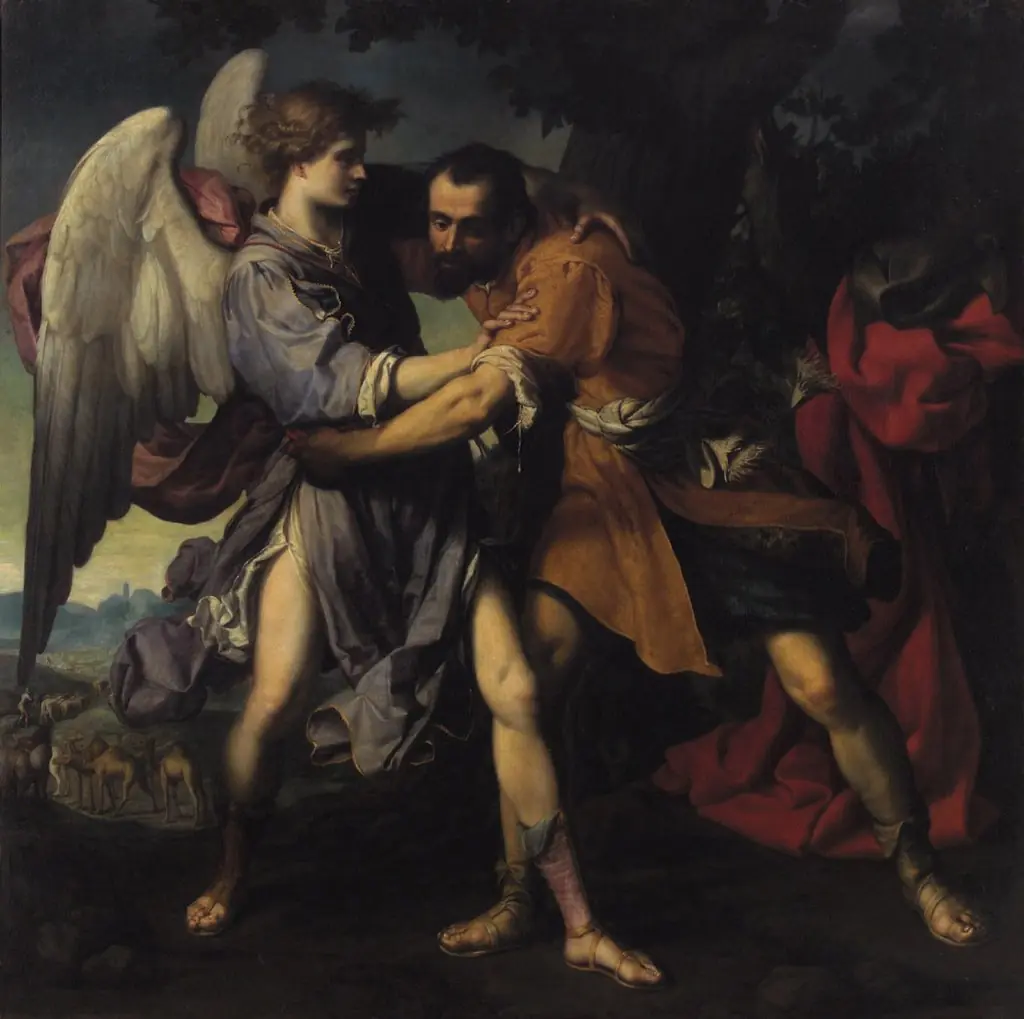
Hecube blinds Polymestor is an unspecified painting by the Rococo painting artist Giuseppe Maria Crespi. It dates from 1750 and is held in the collection of the Royal Museums of Fine Arts of Belgium.
About this work
Overview
Painted around 1750 by Giuseppe Maria Crespi, this work illustrates a moment of retribution from Greek myth.
Painted around 1750 by Giuseppe Maria Crespi, this work illustrates a moment of retribution from Greek myth. It shows Hecuba, former queen of Troy, in the act of blinding Polymestor, a king who betrayed her son. The scene is rendered with intense emotional focus and is part of the collection at the Royal Museums of Fine Arts of Belgium, where it stands as a late example of Crespi’s dramatic narrative style.
Subject & Meaning
The painting captures Hecuba’s vengeance after Polymestor murdered her youngest son, Polydorus, for his treasure. Her act of blinding him is both punishment and symbolic justice—robbing him of sight as he failed to see moral truth. The scene reflects classical themes of retribution and the collapse of royal order, common in post-Renaissance interpretations of Trojan War aftermaths.
Technique & Style
Crespi employs strong chiaroscuro to heighten the psychological tension. Light falls sharply on Hecuba’s raised arm and Polymestor’s contorted torso, while the surrounding darkness swallows the background. The figures are rendered with naturalistic detail—musculature, facial strain, and fabric folds—conveying physical struggle without theatrical exaggeration, characteristic of Crespi’s late Baroque realism.
History & Provenance
The painting entered the collection of the Royal Museums of Fine Arts of Belgium in the 19th century, likely through acquisition from a private European collection. Its attribution to Crespi has been consistently supported by stylistic analysis, though its exact provenance before the 1800s remains undocumented. It was not widely exhibited until the 20th century, when interest in lesser-known Baroque narrative painters grew.
Context
Crespi painted this scene during a period when Italian artists revisited classical myths with psychological depth rather than idealized grandeur. The work aligns with a broader trend in 18th-century Bolognese painting that favored intimate, emotionally charged moments over epic scale. Unlike contemporaries who favored mythological beauty, Crespi focused on raw human consequence.
Legacy
Though not among Crespi’s most famous works, Hecuba blinds Polymestor exemplifies his commitment to depicting moral violence with restraint and psychological nuance. It influenced later 19th-century painters interested in classical tragedy rendered through realism. Today, it remains a key example of how Baroque drama evolved into more introspective, human-centered narratives.
Artist & collection

Artist
Giuseppe Maria Crespi (14 March 1665 – 16 July 1747), nicknamed Lo Spagnuolo ('The Spaniard'), was an Italian late Baroque painter of the Bolognese School.

Museum
Royal Museums of Fine Arts of Belgium
Continue through works from the same source collection.
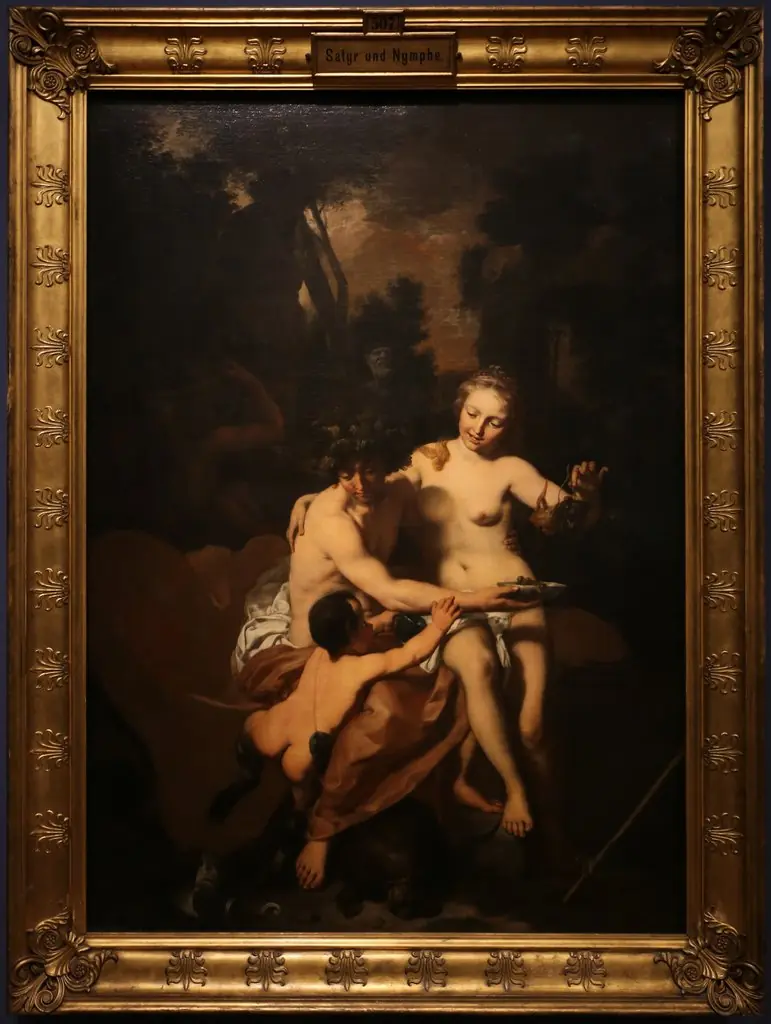 Satyr and nymph with a young faun
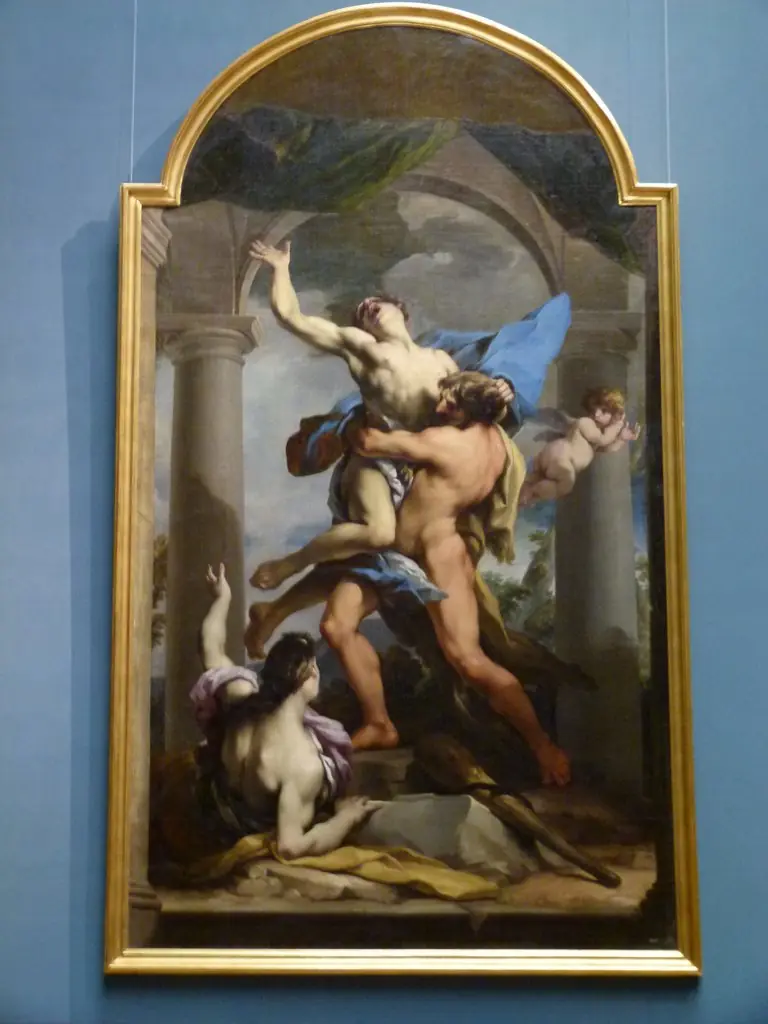 Herkules erdrückt den von der Erde aufgehobenen Antäus
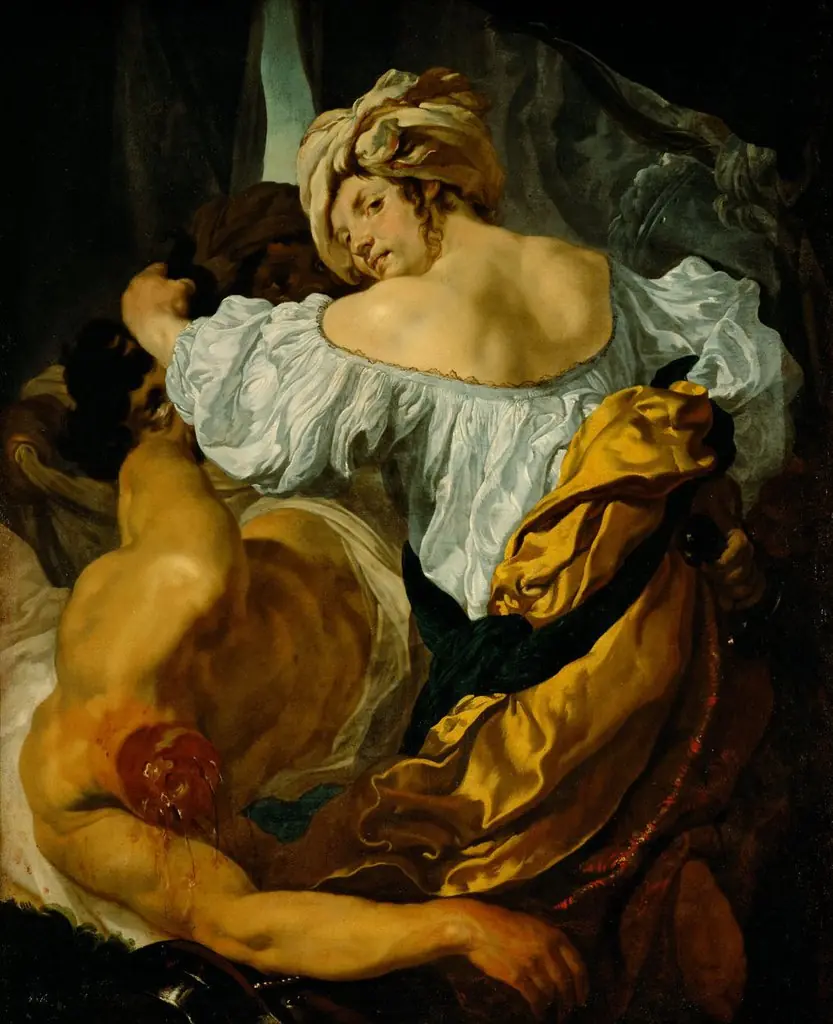 Judith and Holophernes
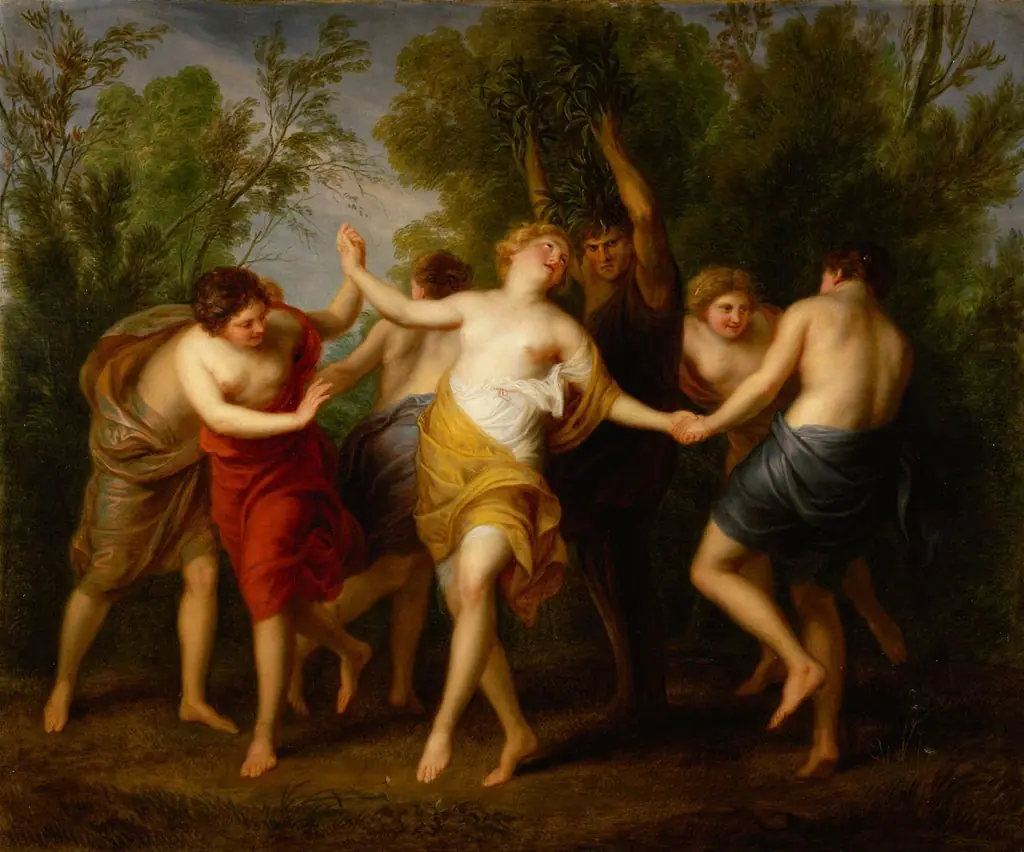 Verwandlung des Apulus in einen Ölbaum
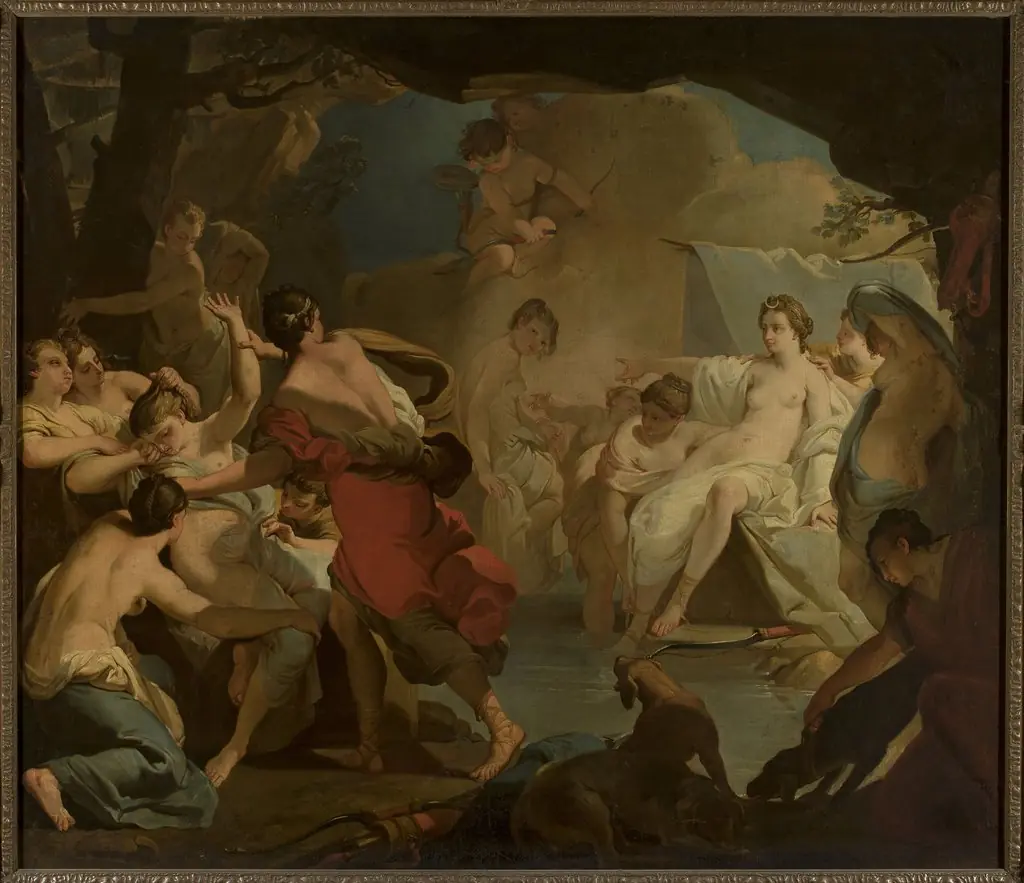 Diana's judgement of the nymph Callisto
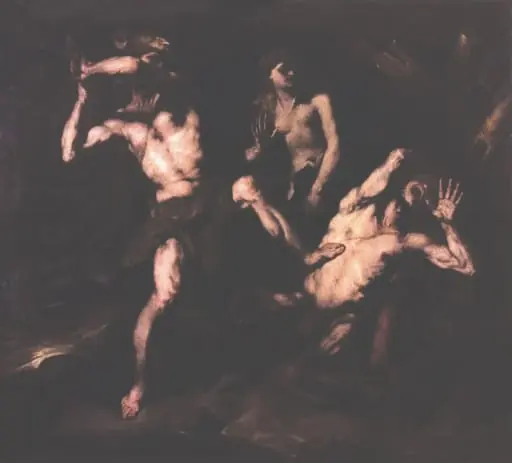 Lupta lui Hercule cu centaurul Nessus
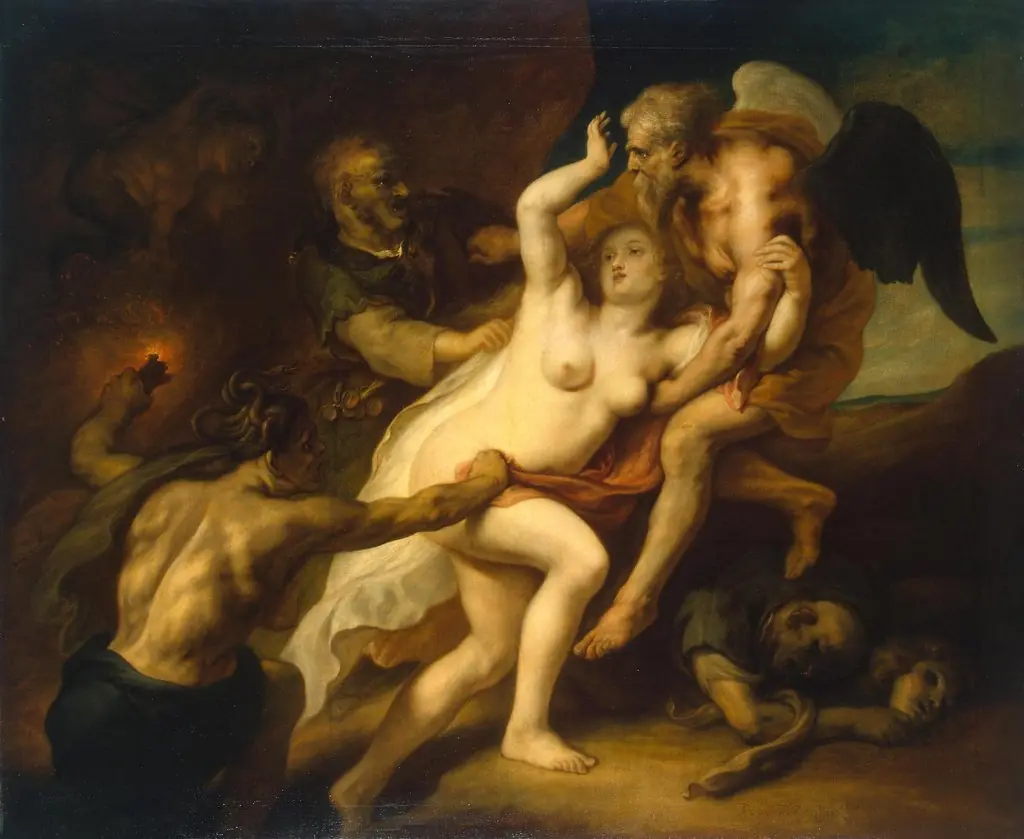 Time Reveals the Truth. The Allegory
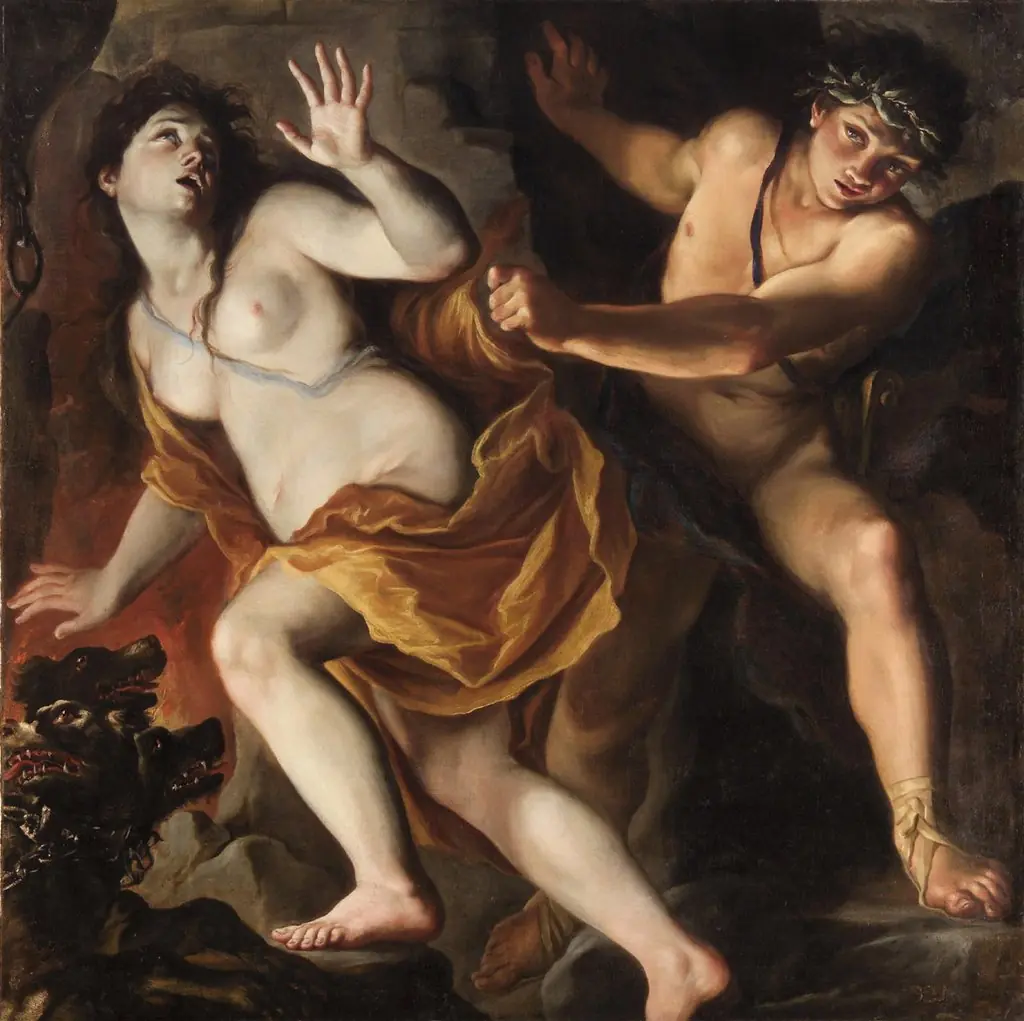 Orpheus and Eurydike
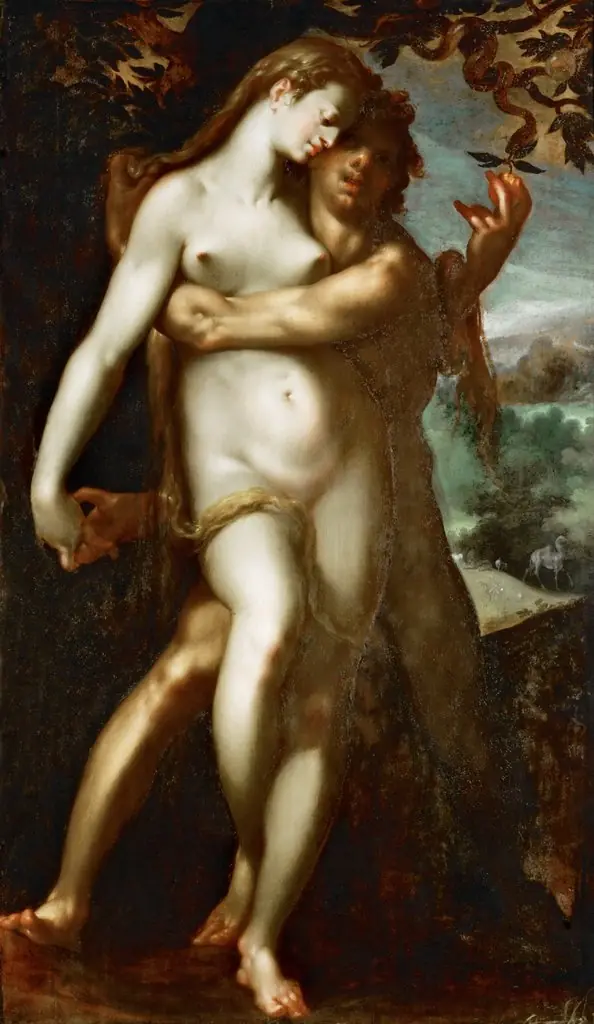 Fall of Man
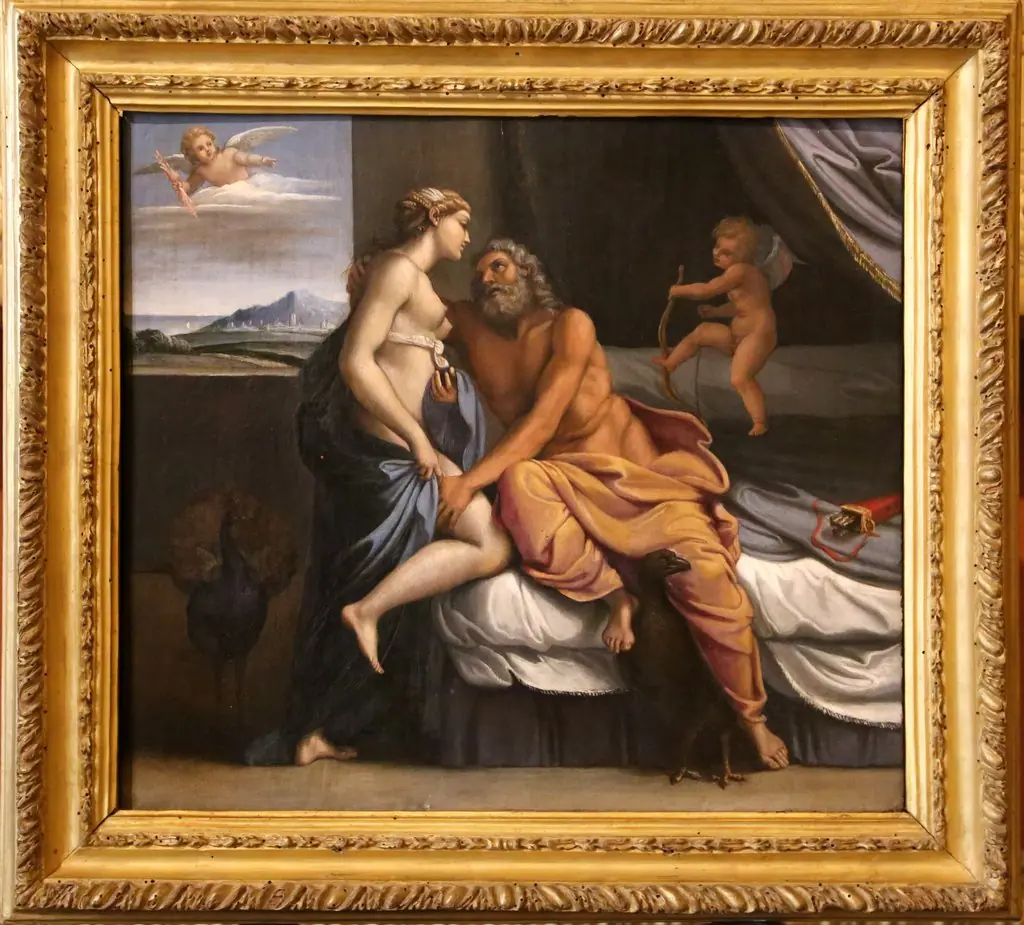 Zeus and Hera
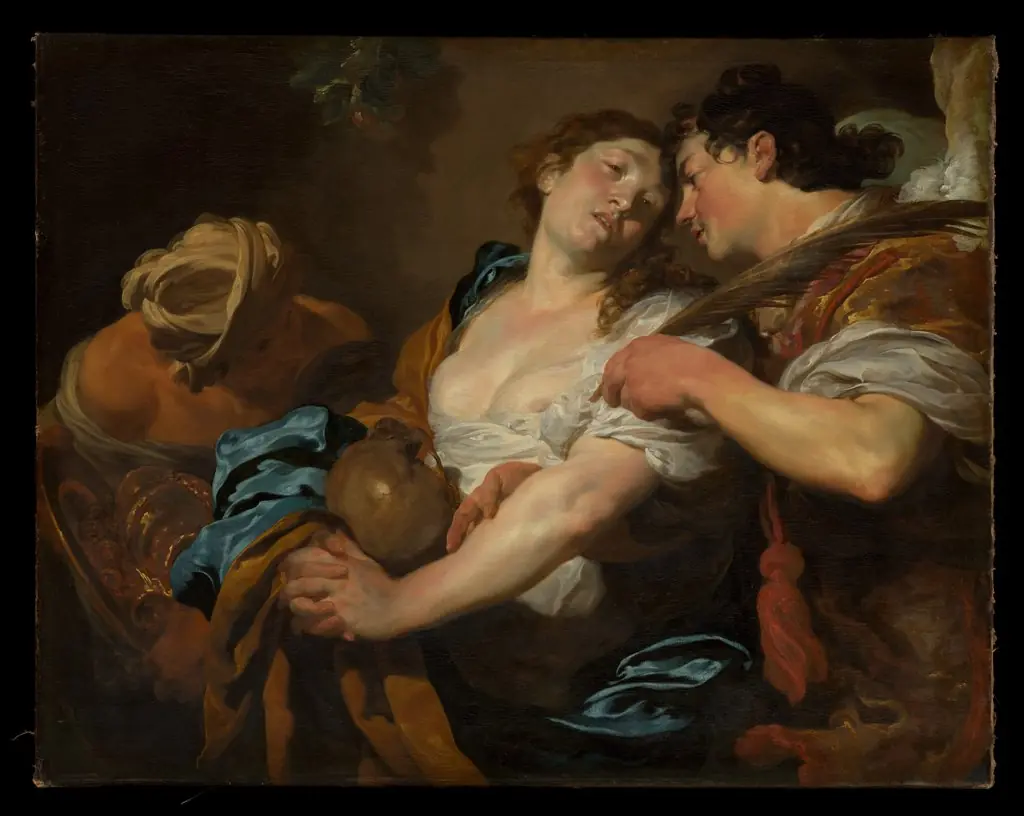 The Temptation of Saint Mary Magdalen
 Jacob with the Angel