Artwork
Fall of Man
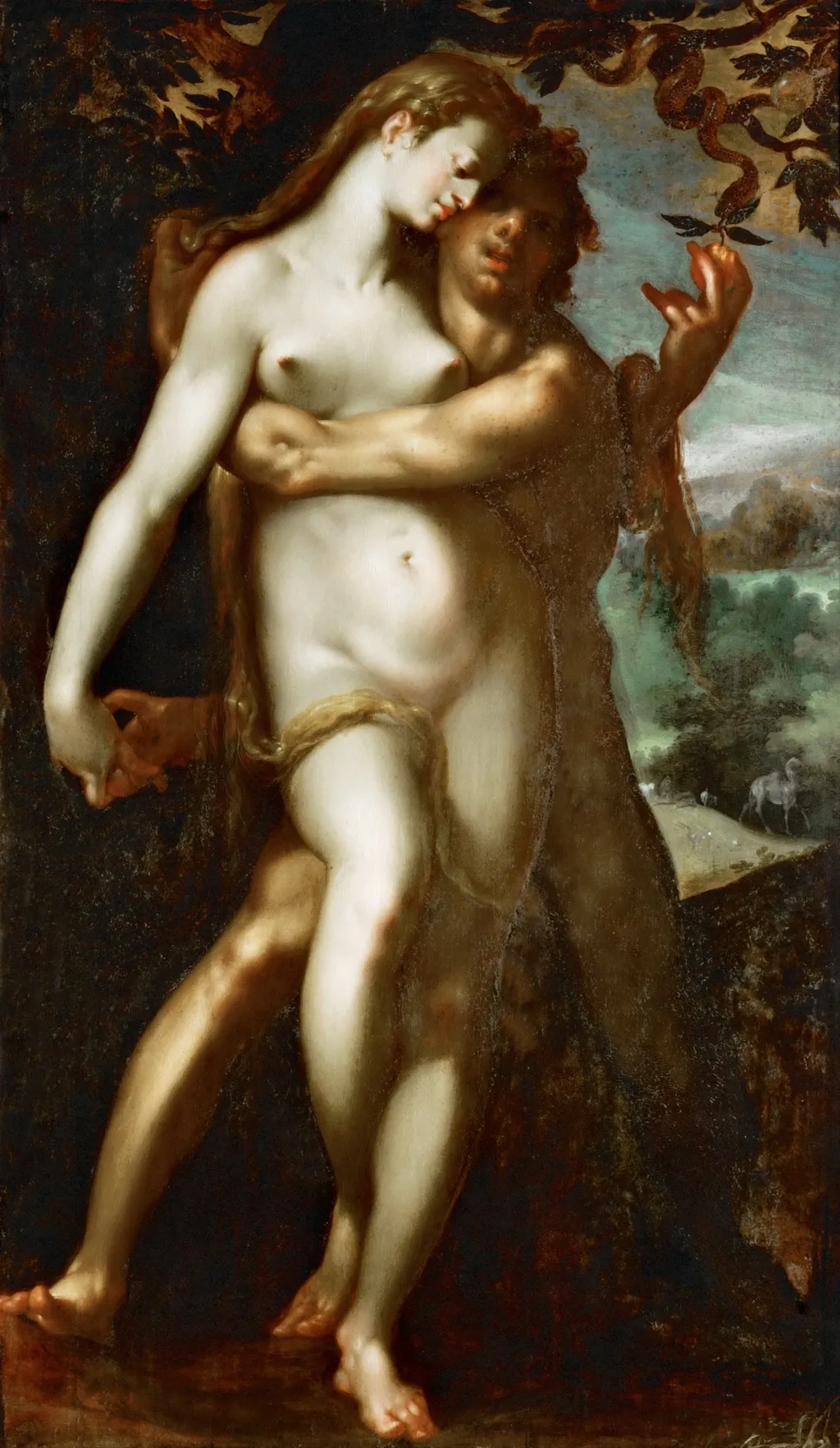
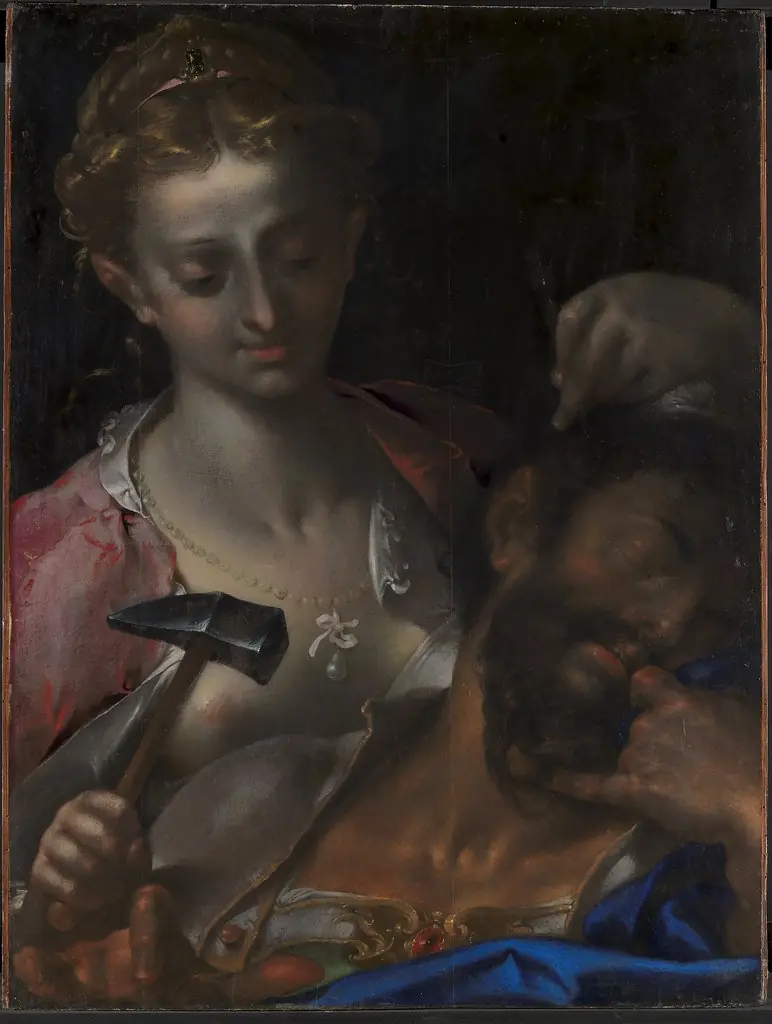
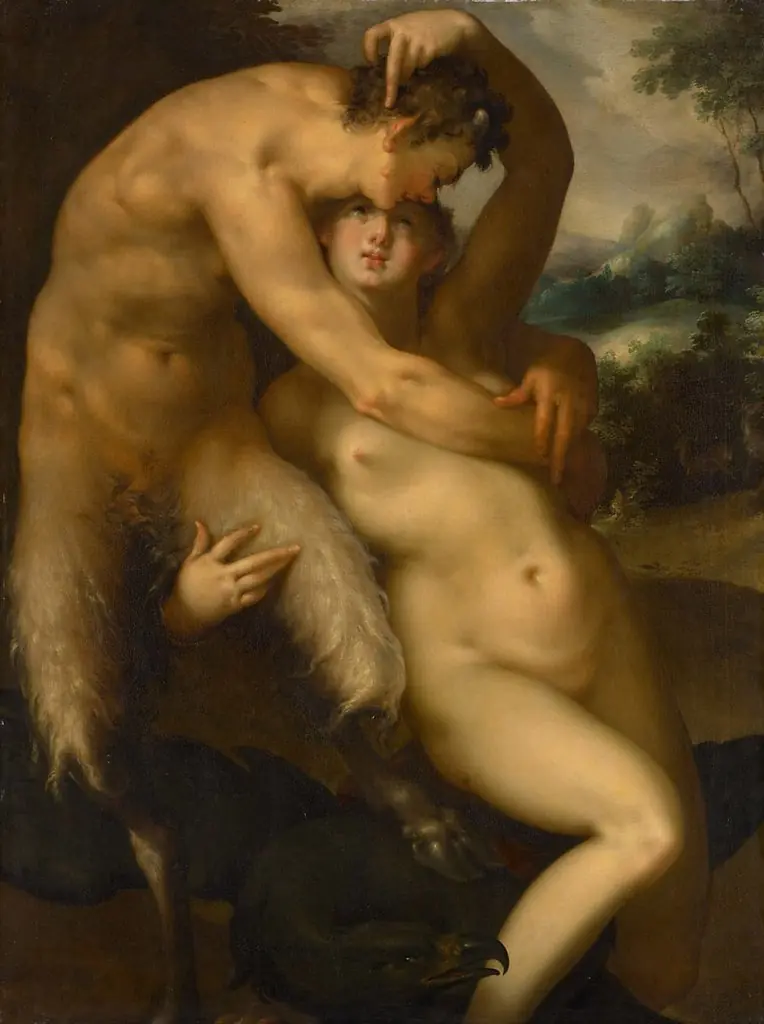
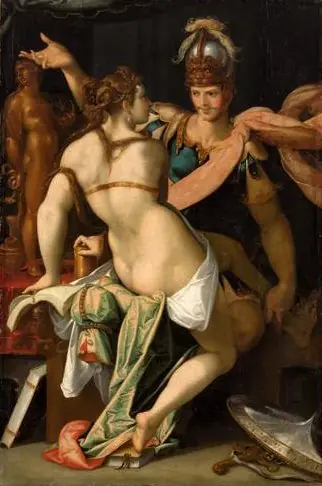
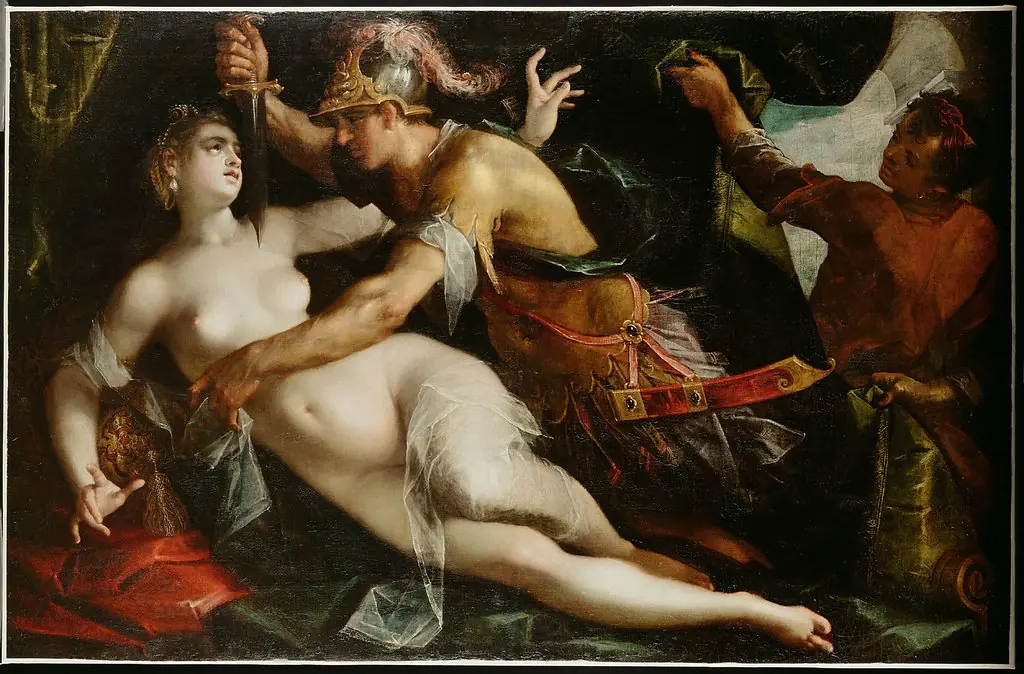
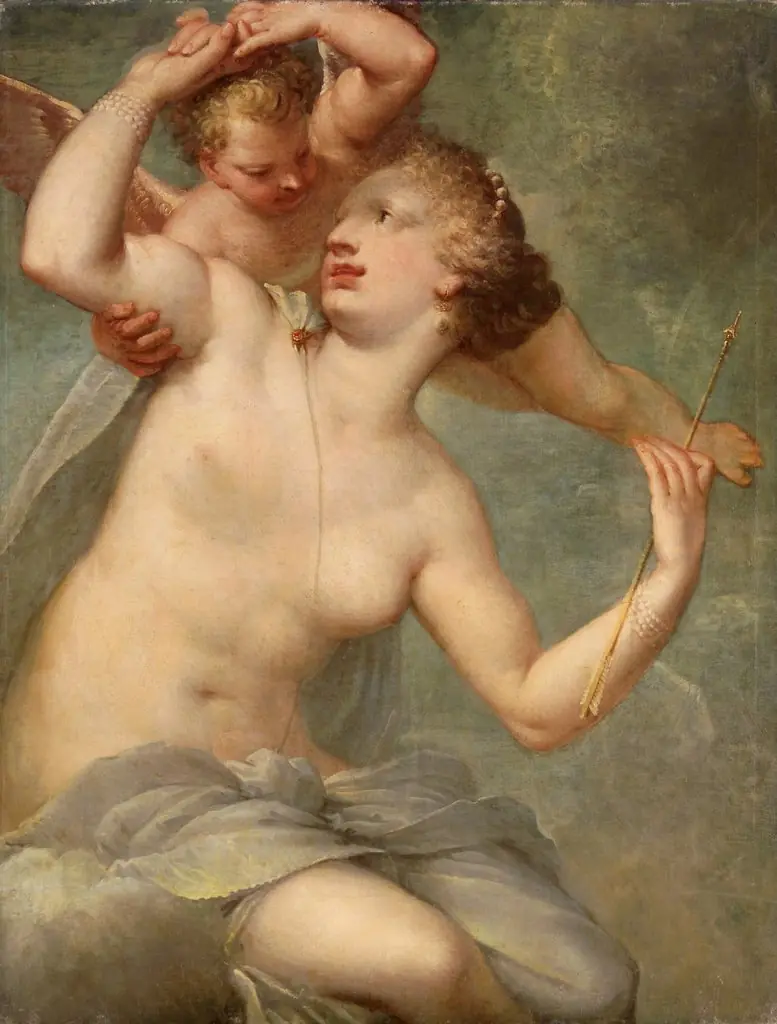
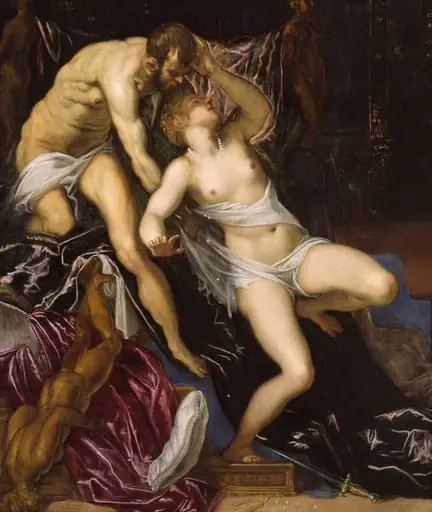
Fall of Man is an oil painting by the Mannerist artist Bartholomeus Spranger. It dates from 1597 and is held in the collection of the Kunsthistorisches Museum.
About this work
Overview
Fall of Man is a 1597 oil painting by Bartholomeus Spranger, a Flemish artist who worked as a court painter to Holy Roman Emperor Rudolf II.
Subject & Meaning
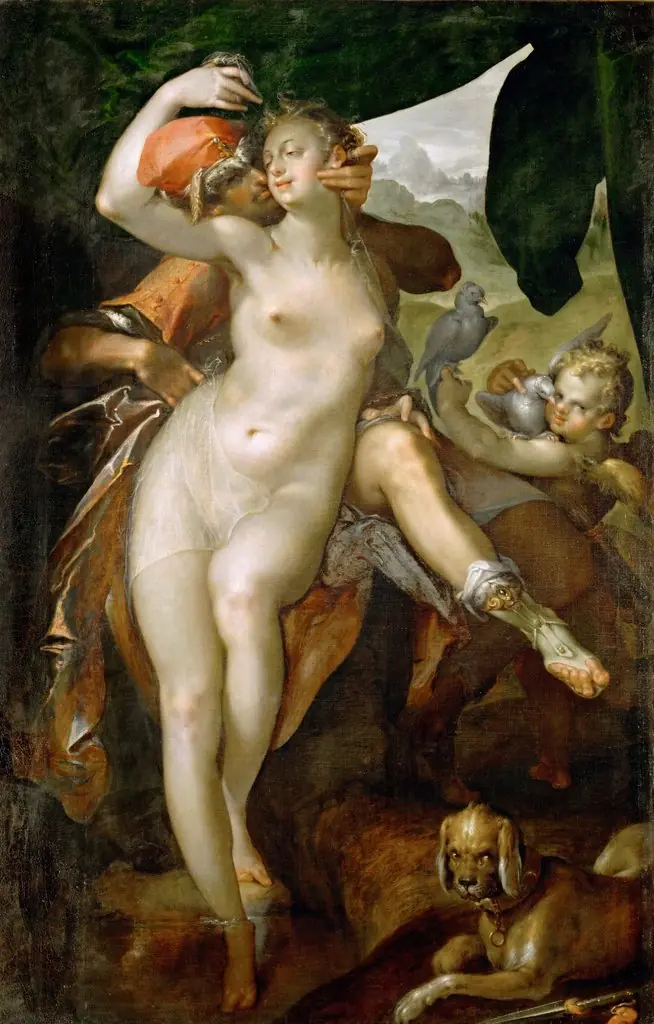
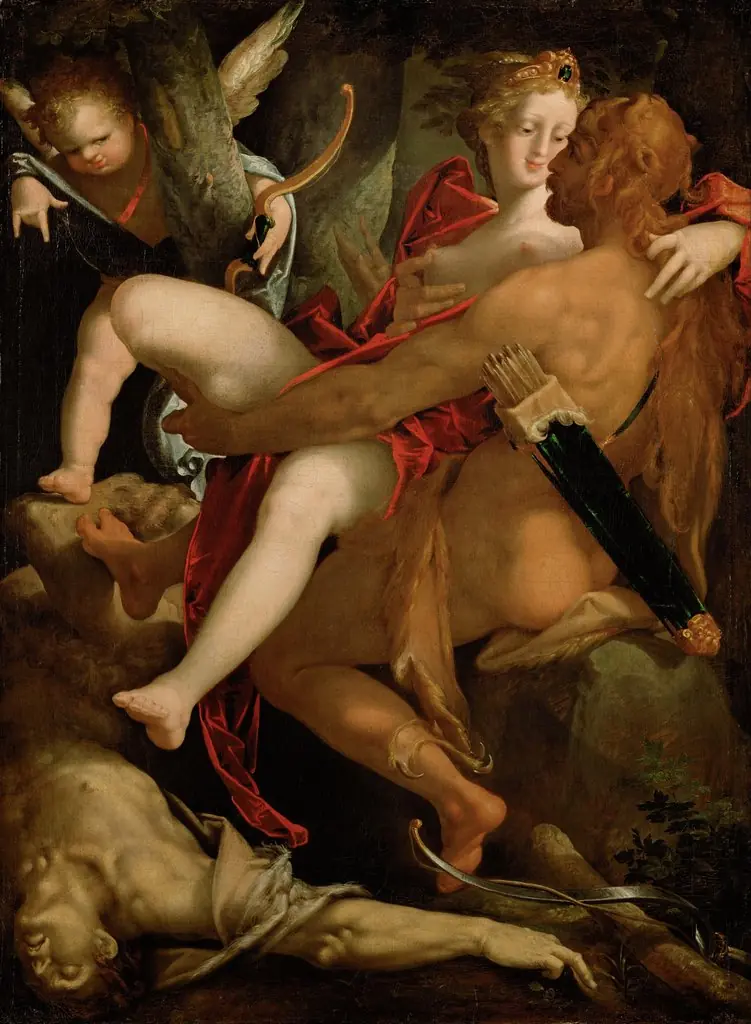
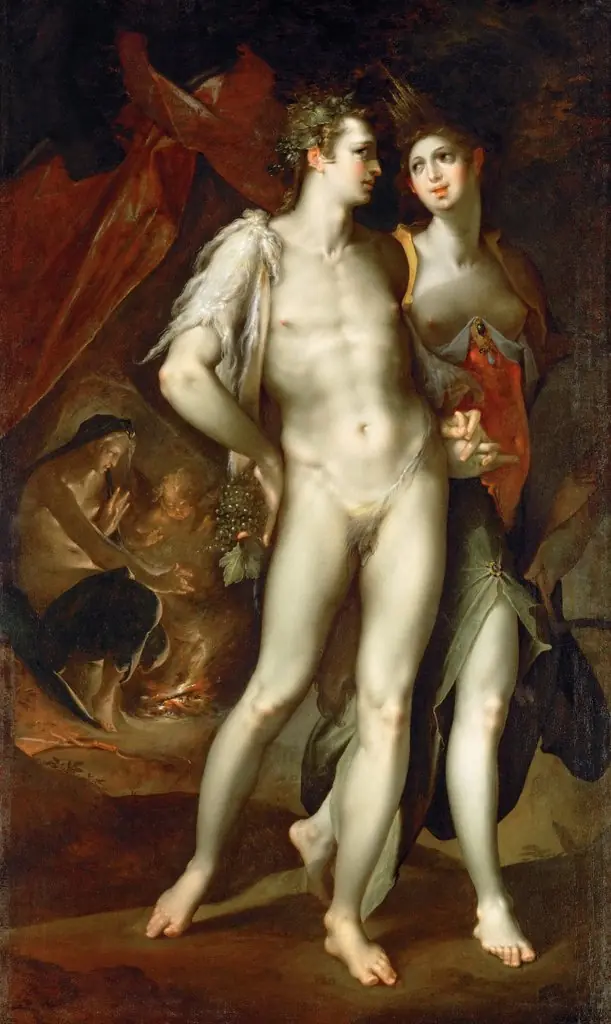
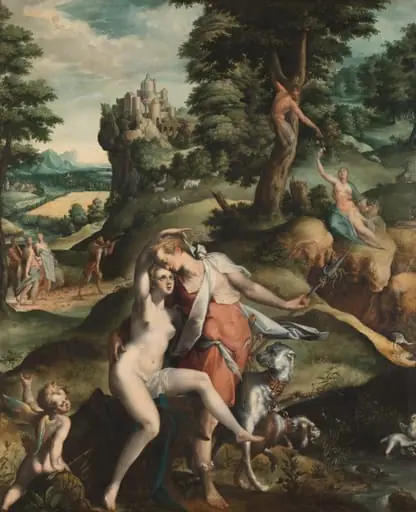
The painting depicts Adam and Eve embracing, with Eve holding a fruit in her right hand and Adam holding one in his left. The scene is set against a landscape featuring trees, hills, and water, and is interpreted as a representation of the biblical Fall of Man.
Technique & Style
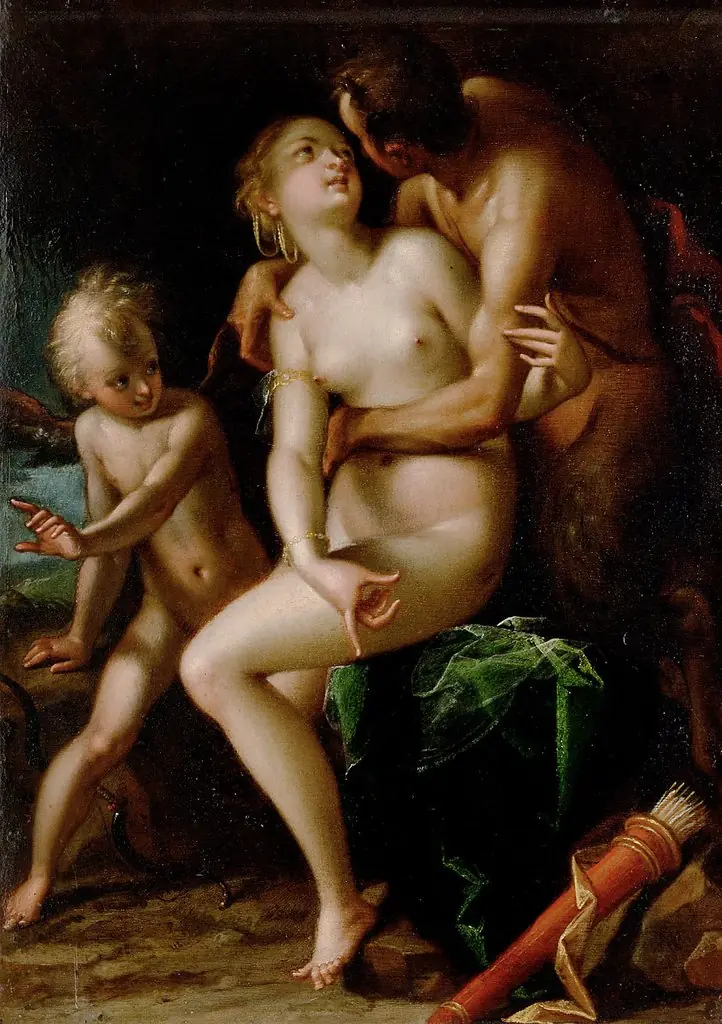
The work is characterized by elongated figures and elegant composition, typical of the Mannerist style. Spranger's use of chiaroscuro creates a sense of depth and volume, while his blend of warm and cool colors makes the figures stand out against the darker background.
History & Provenance
The painting is now held in the Kunsthistorisches Museum, having been created for Rudolf II, who favored refined and sensual imagery.
Context
Spranger's style reflects the cultural exchange between the Netherlands and Italy, as well as Rudolf II's artistic preferences.
Artist & collection
Artist
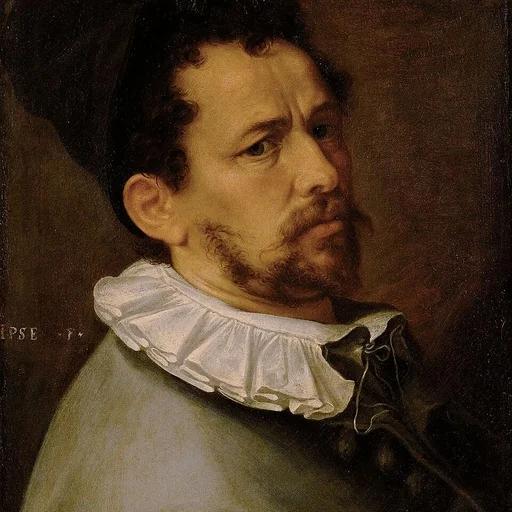
Bartholomeus Spranger or Bartholomaeus Spranger (21 March 1546 – 27 June 1611) was a Flemish painter, draughtsman, sculptor, and designer of prints.