Artwork
John Foxe
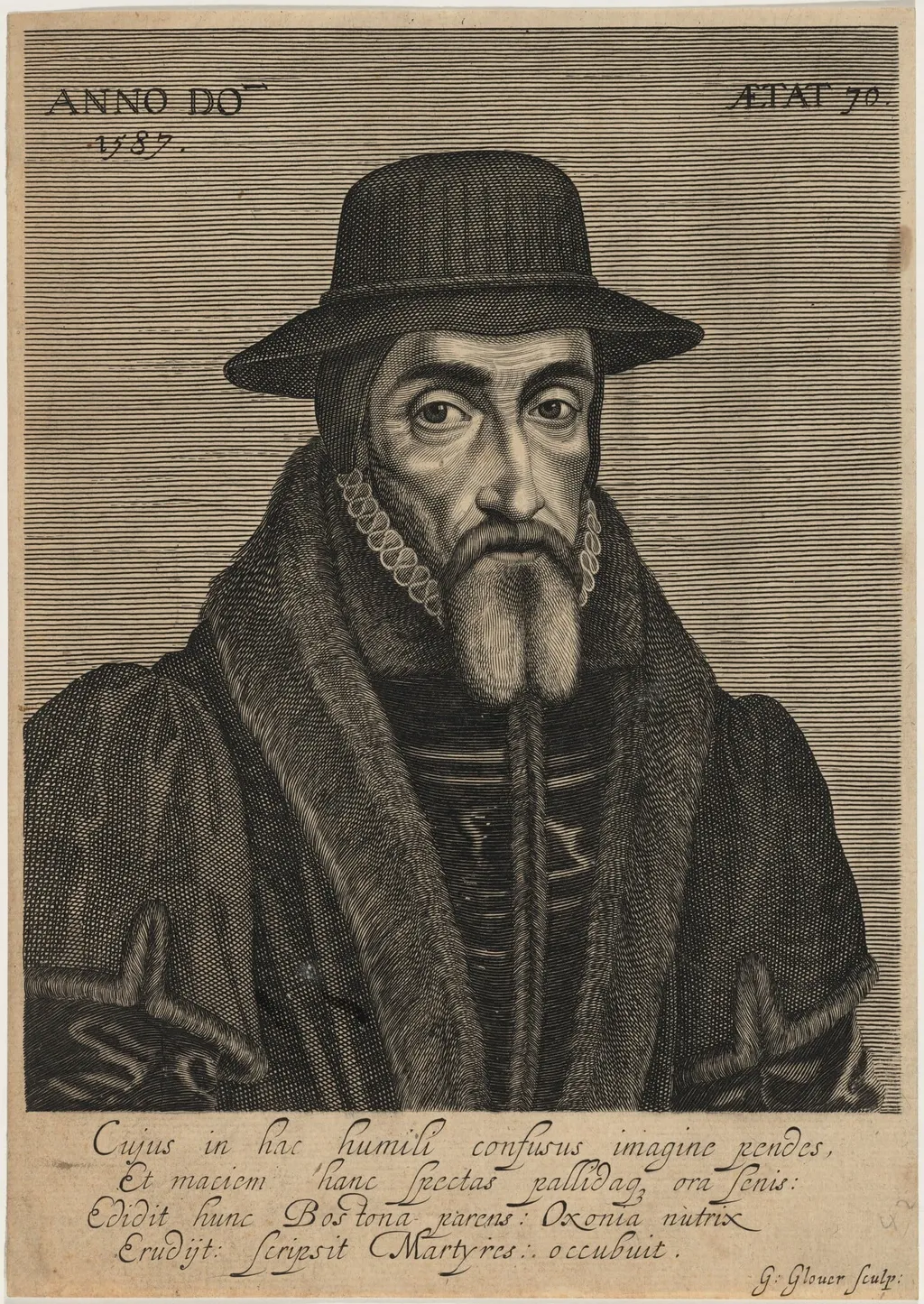
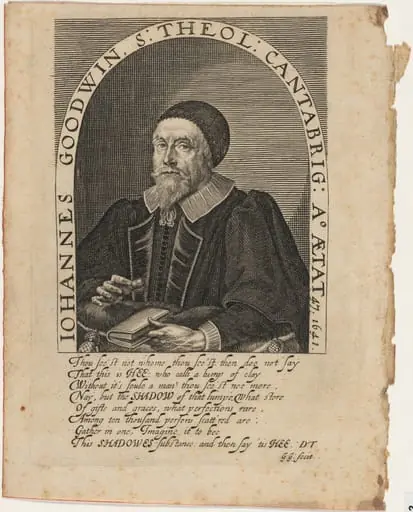
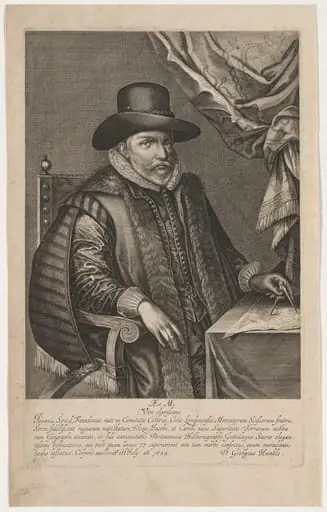
John Foxe is an ink print by the Baroque artist George Glover. It dates from 1641 and is held in the collection of the National Gallery of Art.
About this work
The date at the top says 1641, and there’s Latin text below, but it’s not needed to see the skill here.
This is a black-and-white portrait of a serious-looking man with a wide beard and a dark hat. His collar is high and stiff, and the lines of his face are sharply drawn. The background is just a plain, textured area with no details.
The artist used tiny parallel lines to create shadows and depth—this is called cross-hatching. The date at the top says 1641, and there’s Latin text below, but it’s not needed to see the skill here.
If you like this style, look up cross-hatching to see how artists build shadows with lines.
Overview
George Glover's 1641 engraving, John Foxe, is a black-and-white portrait depicting a solemn, bearded man adorned with a dark hat and a high, stiff collar. The subject's facial features are rendered in sharp lines against a plain, textured background.
Subject & Meaning
The engraving portrays John Foxe, a figure of significance, though the image's austerity and lack of contextual background details suggest a focus on the individual's character rather than specific accomplishments or surroundings.
Technique & Style
Glover employed cross-hatching, a technique involving tiny parallel lines, to achieve depth and shading in the engraving. This method is particularly evident in the creation of shadows, enhancing the overall definition of the subject.
History & Provenance
Created in 1641, the engraving includes a dated inscription at the top and accompanying Latin text below the image, providing historical context to the work.
Artist & collection

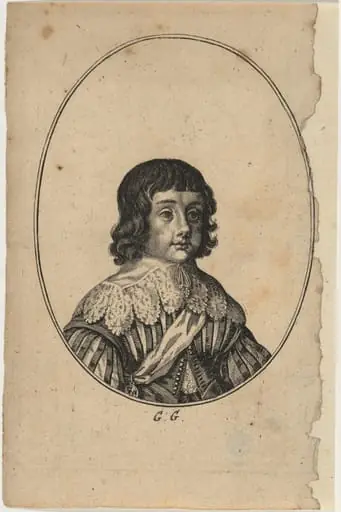
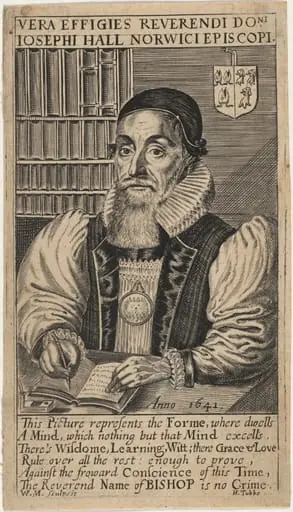 Joseph Hall, Bishop of Norwich
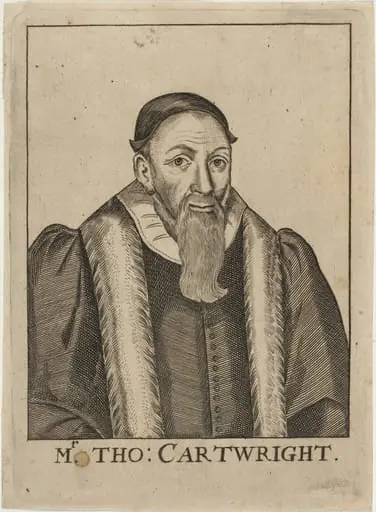 Thomas Cartwright, Puritan Divine
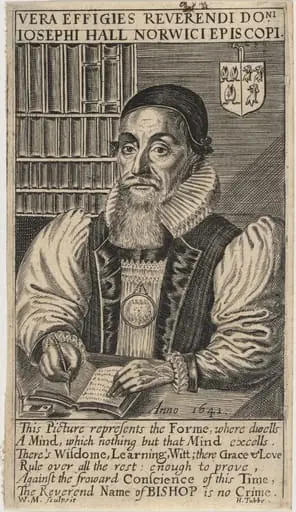 Joseph Hall, Bishop of Norwich
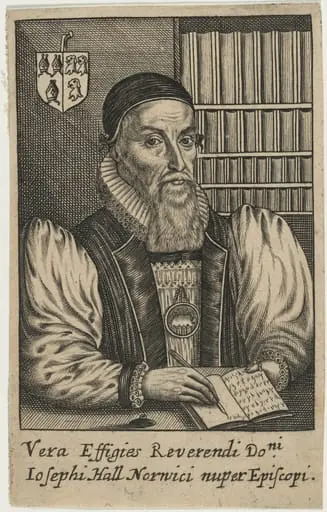 Joseph Hall, Bishop of Norwich
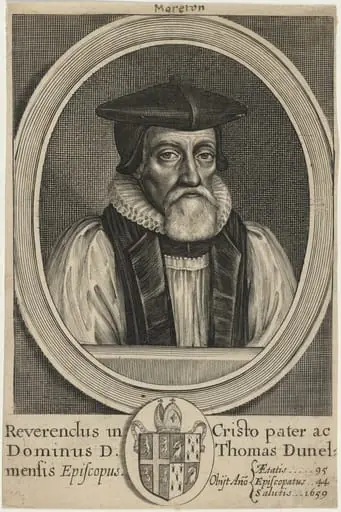 Thomas Morton
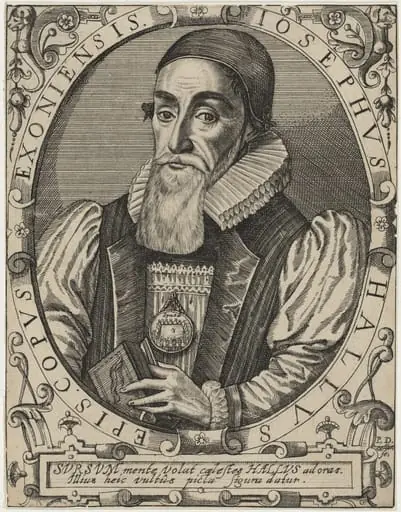 Joseph Hall, Bishop of Norwich
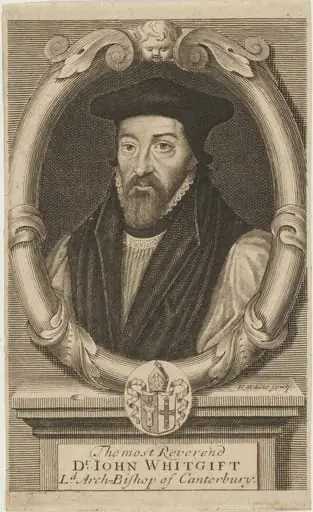 John Whitgift, D.D., Archbishop of Canterbury
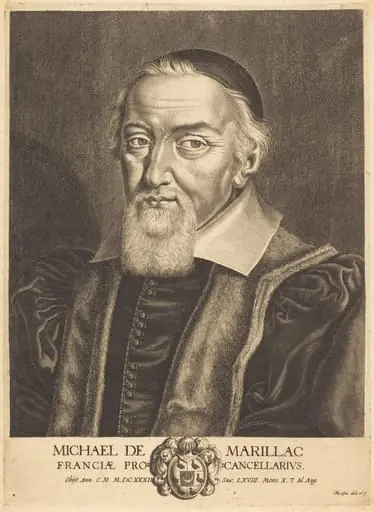 Michel de Marillac
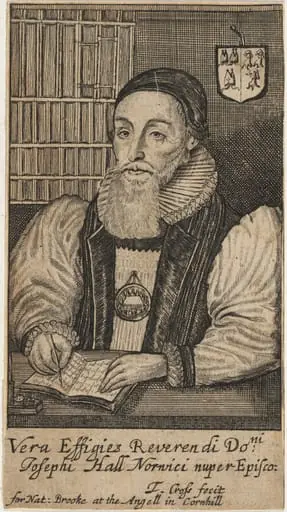 Reverendi Doni: Josephi Hall Norwici Nuper Episco. (Joseph Hall, Bishop of Norwich)
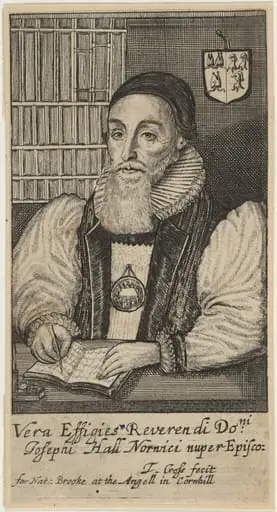 Reverendi Doni: Josephi Hall Norwici Nuper Episco. (Joseph Hall, Bishop of Norwich)
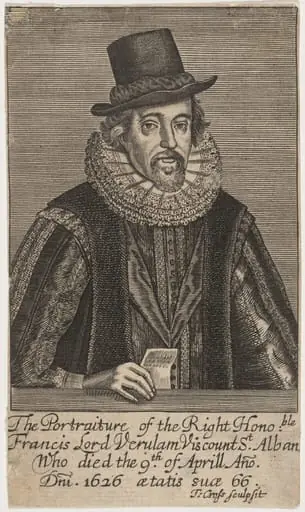 Francis Lord Verulam Viscount St. Alban
 John Speed