Artwork
Sir Edward Dering
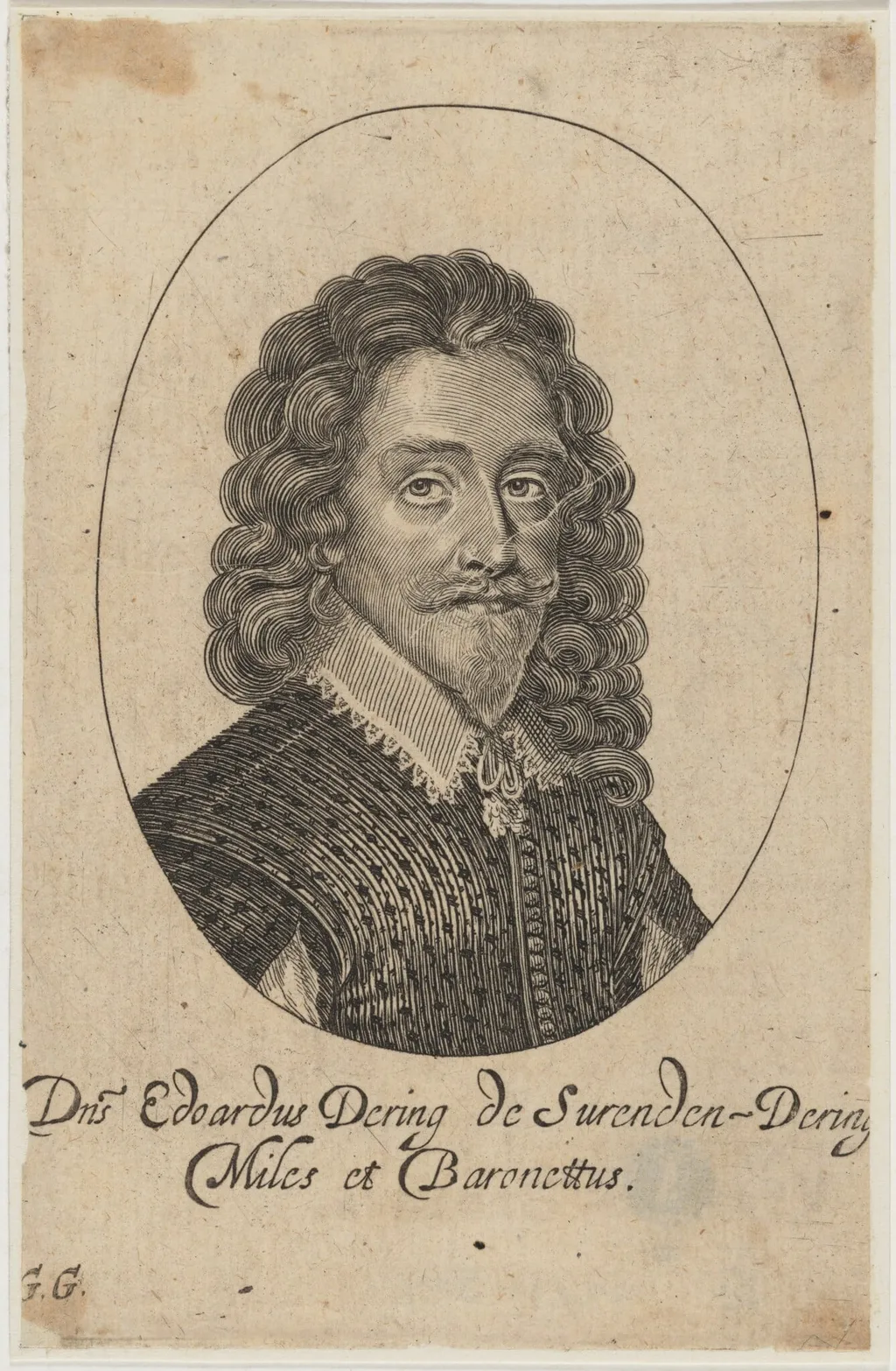
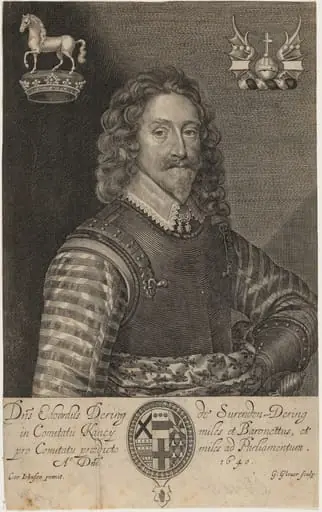
Sir Edward Dering is an ink print by the Renaissance artist George Glover. It dates from 1633 and is held in the collection of the National Gallery of Art.
About this work
Overview
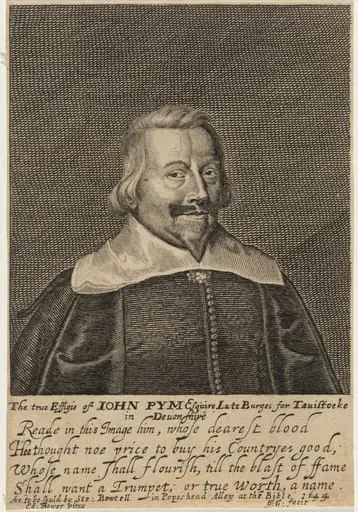
George Glover’s 1633 engraving presents Sir Edward Dering in a half‑length portrait. The figure is rendered against a light‑toned backdrop, his gaze directed forward. Dering is shown with tightly curled hair, a moustache, and a dark jacket trimmed with a white collar, emphasizing his status through modest yet precise detailing.
Subject & Meaning
The work captures the English baronet’s dignified bearing, reflecting the conventions of early‑modern portraiture that aimed to convey authority and lineage. The serious expression and direct stare suggest a self‑presentation of confidence and responsibility, typical of the social expectations placed upon members of the gentry in the early seventeenth century.
Technique & Style
Executed as an engraving, the image was incised into a copper plate, allowing for fine line work that defines the hair’s texture and the vertical ribbing of the jacket. Glover’s use of cross‑hatching creates subtle tonal variations, while the clear, linear composition underscores the portrait’s formal character.
History & Provenance
Created in 1633, the print was likely commissioned to commemorate Dering’s status or a specific event. Engravings of this period were often distributed among family and associates, serving both as personal memorabilia and as a means of reinforcing social networks within the English aristocracy.
Artist & collection