Artwork
Getsemanen rukous, Kymin kirkon alttaritaulun luonnos
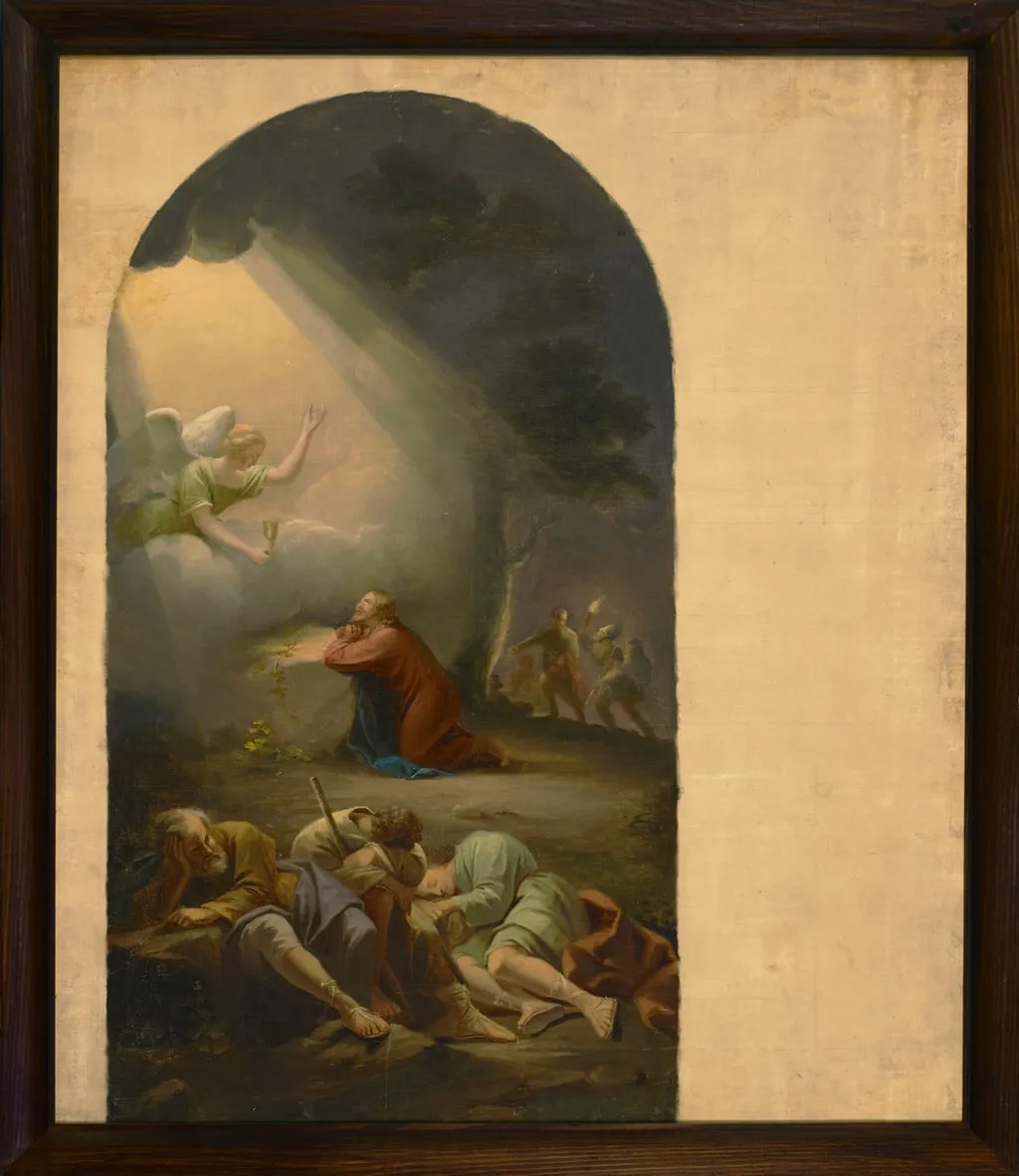
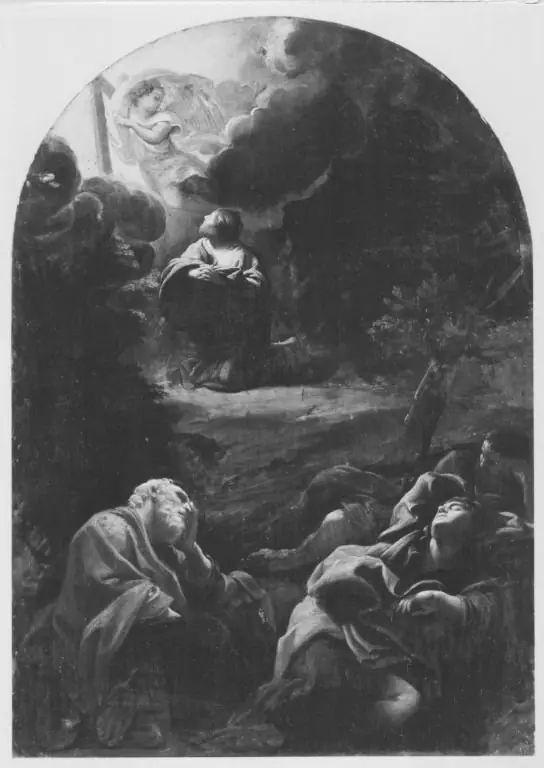
Getsemanen rukous, Kymin kirkon alttaritaulun luonnos is an unspecified painting by Berndt Abraham Godenhjelm. It is held in the collection of the Finnish National Gallery. This preparatory sketch for the altar painting in Kymin Church depicts the Agony in the Garden of Gethsemane.
About this work
Overview
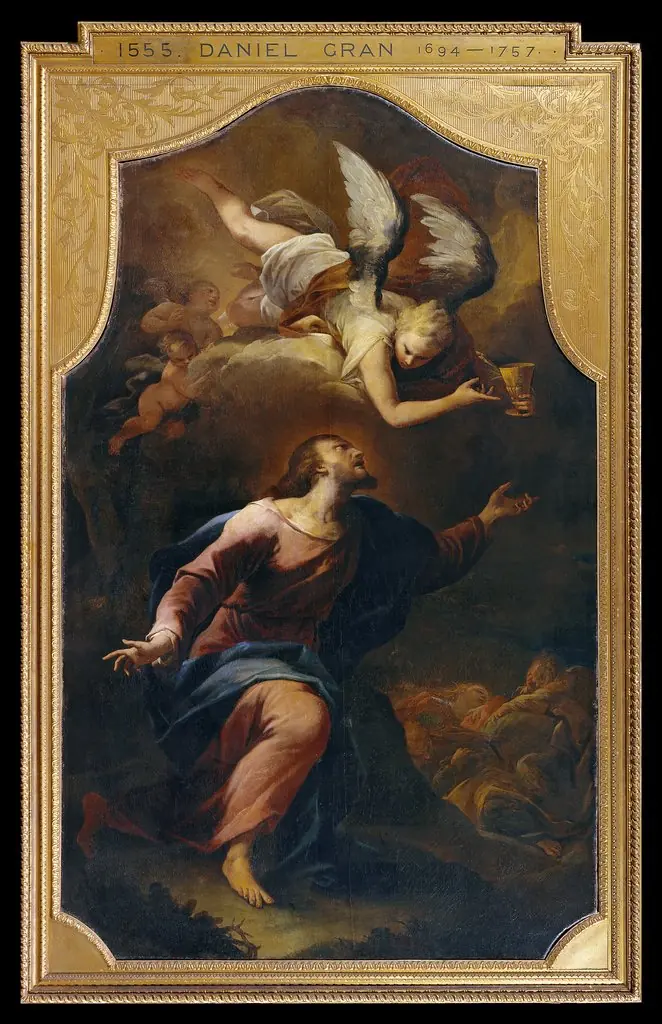
This preparatory sketch for the altar painting in Kymin Church depicts the Agony in the Garden of Gethsemane. Executed in a somber, low-light environment, the composition centers on Christ in prayer, surrounded by sleeping disciples and a celestial presence. The work serves as a study for a larger religious altarpiece, capturing emotional intensity through dramatic lighting and restrained color.
Subject & Meaning
His kneeling posture and upward gaze convey supplication, while the two fallen disciples represent human frailty.
The scene illustrates Christ’s moment of spiritual turmoil before his arrest, as described in the Gospels. His kneeling posture and upward gaze convey supplication, while the two fallen disciples represent human frailty. The hovering winged figure, holding a luminous object, symbolizes divine intervention or the cup of suffering. The contrast between human exhaustion and celestial presence underscores the theological tension of the moment.
Technique & Style
The artist employs chiaroscuro to model form and direct focus, with strong contrasts between the deep shadows and the soft glow illuminating Christ’s face and crimson robe. The muted earth tones of the rocky terrain and figures enhance the emotional gravity. Brushwork is suggestive rather than refined, typical of a working sketch, prioritizing compositional clarity over finish.
History & Provenance
Created as a study for the altarpiece in Kymin Church, Finland, this work dates to the early 19th century. It reflects the ecclesiastical art traditions of the region during a period of renewed religious expression. The sketch remained in local hands, likely preserved by the church or artist’s descendants, before entering institutional collection.
Context
Produced during the Finnish Grand Duchy under Russian rule, the artwork aligns with broader Nordic Lutheran efforts to strengthen religious imagery in parish churches. While influenced by European Baroque and Romantic traditions, the composition avoids overt drama, favoring quiet solemnity suited to Finnish devotional sensibilities of the time.
Legacy
This sketch remains a key document of early Finnish religious art, illustrating how local artists adapted biblical themes through regional visual language. Its preservation offers insight into the preparatory processes of church commissions and the quiet, introspective character of 19th-century Finnish ecclesiastical painting.
Artist & collection
Artist
This artist painted portraits and religious scenes in 19th-century Finland. Try his *Self-Portrait* to see his direct gaze, or peek at his sketches for Vihdin church’s *Resurrection of Christ*. His work sits between…

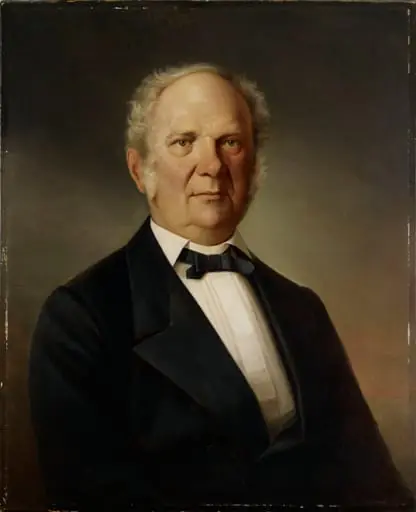 Omakuva
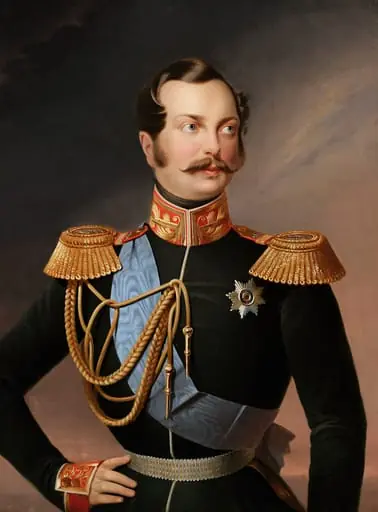 Aleksanteri II:n muotokuva
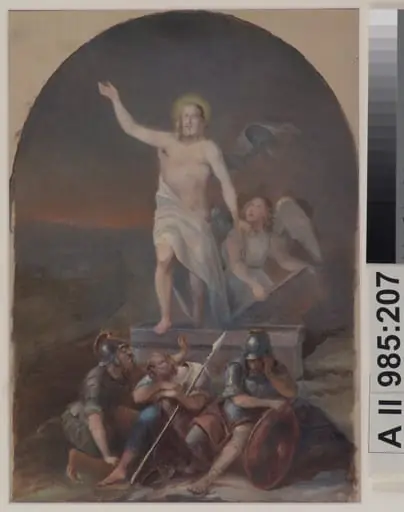 Kristuksen ylösnousemus, mahdollisesti Vihdin kirkon alttaritaulun luonnos ; Kristus uppståndelse, troligtvis skiss för altartavlan i Vihtis kyrka
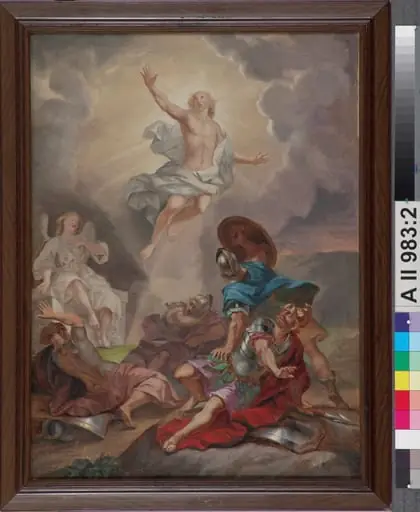 Kristuksen ylösnousemus, alttaritaulun luonnos
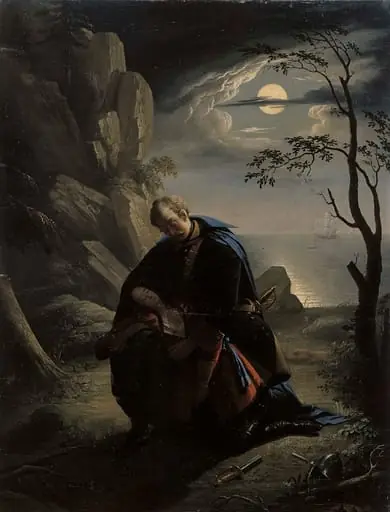 Ruotsalainen sotilas ja puolalainen tyttö
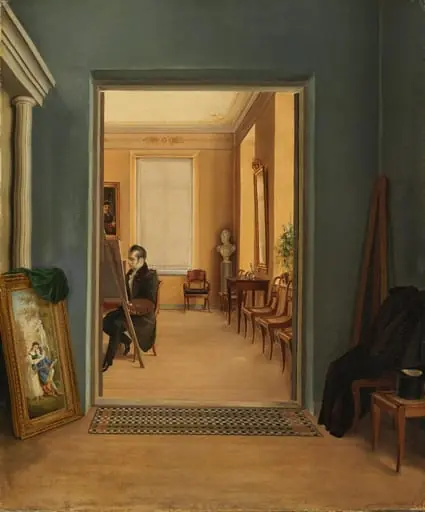 Omakuva pietarilaisessa työhuoneessa
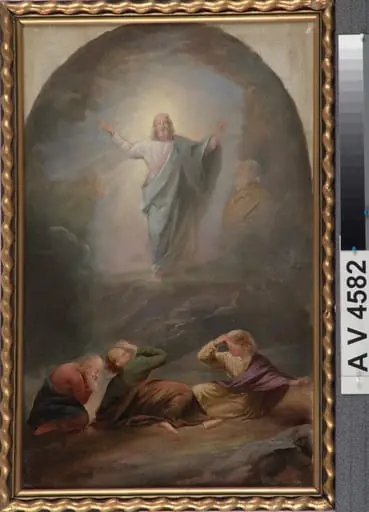 Kristuksen kirkastus, Ikaalisten kirkon alttaritaulun luonnos
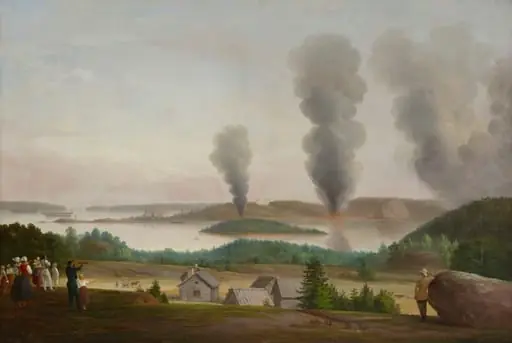 Ruotsinsalmi poltetaan, kohtaus "Oolannin sodasta" 1855