Artwork
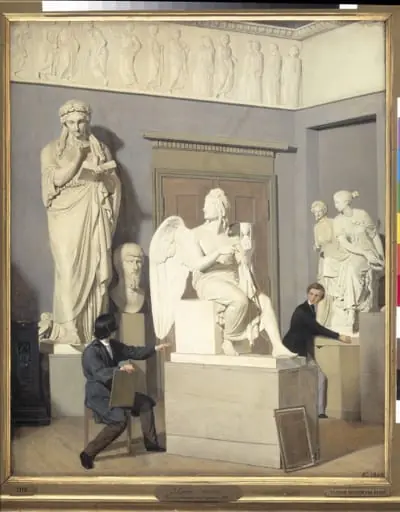
Omakuva pietarilaisessa työhuoneessa
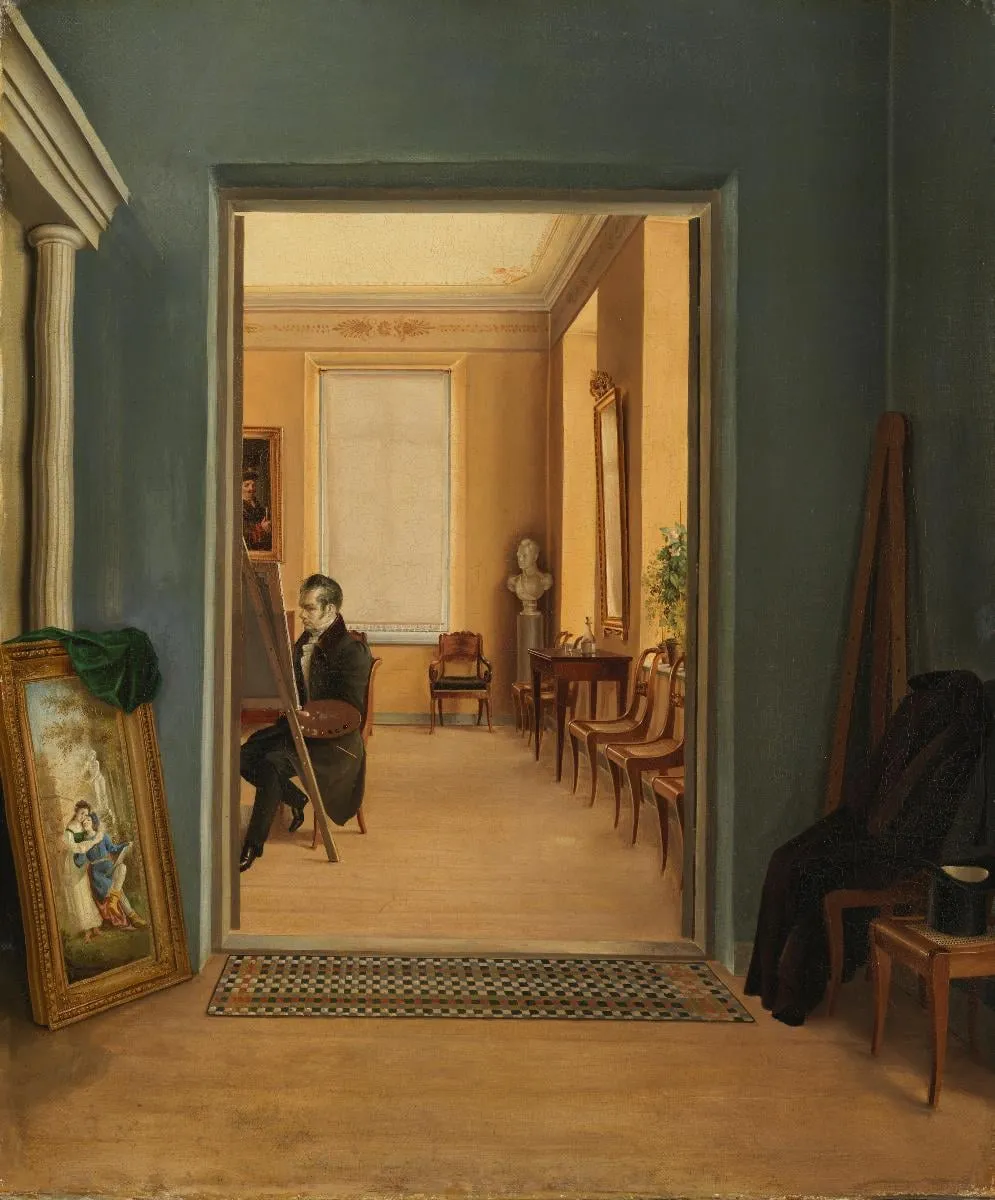
Omakuva pietarilaisessa työhuoneessa is an unspecified painting by Berndt Abraham Godenhjelm. It is held in the collection of the Finnish National Gallery. This image portrays a male artist seated in a well-lit studio, engaged in quiet work.
About this work
Overview
The composition emphasizes stillness and focus, with natural light entering from a large window to the left, casting subtle shadows that define form and depth.
This image portrays a male artist seated in a well-lit studio, engaged in quiet work. He holds a brush and palette, dressed in dark clothing, with short hair and an introspective expression. The space around him is orderly: light walls, a table, chairs, a bust on a pedestal, and a draped easel. The composition emphasizes stillness and focus, with natural light entering from a large window to the left, casting subtle shadows that define form and depth.
Subject & Meaning
The figure is not merely depicted at work but immersed in the solitary act of creation. His posture and gaze suggest deep concentration, not performance. The draped painting on the easel implies an unfinished work, reinforcing the theme of artistic process over finished product. The absence of other figures and the muted tones reinforce solitude as central to the artist’s experience.
Technique & Style
The painting employs chiaroscuro to model form through controlled contrasts between light and shadow. The window’s daylight illuminates the artist’s face and hands, while areas like the draped cloth and background recede into softer tones. Brushwork is restrained, favoring clarity over flourish. The lighting directs attention to the artist’s tools and posture, reinforcing the quiet dignity of labor.
History & Provenance
The work originates from a studio setting in Saint Petersburg, likely created in the late 19th or early 20th century. It reflects the traditions of Russian realist painting, where domestic and professional interiors were rendered with psychological nuance. Its provenance traces to private collections in the region, though specific ownership records remain limited in public documentation.
Context
During the period, Russian artists increasingly turned to intimate studio scenes as subjects worthy of serious depiction. This work aligns with a broader trend of portraying the artist not as a romantic figure, but as a quiet craftsman in a functional space. The inclusion of a classical bust hints at academic influences, while the plain furnishings reflect modest means and a focus on practice over display.
Legacy
The painting contributes to a modest but persistent genre of artist-at-work imagery in Russian art. It avoids theatricality, instead offering a grounded view of creative labor. Its restrained aesthetic influenced later generations who valued authenticity over spectacle, preserving a visual record of the studio as a space of reflection rather than spectacle.
Artist & collection
Artist
This artist painted portraits and religious scenes in 19th-century Finland. Try his *Self-Portrait* to see his direct gaze, or peek at his sketches for Vihdin church’s *Resurrection of Christ*. His work sits between…

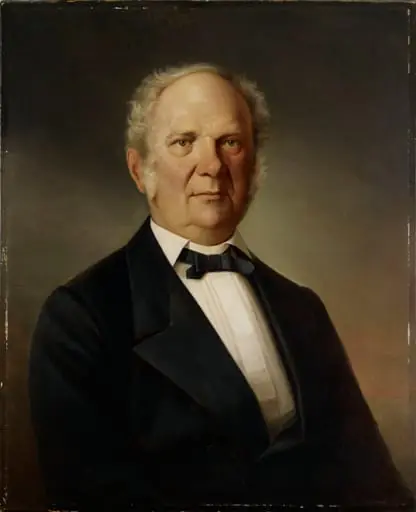 Omakuva
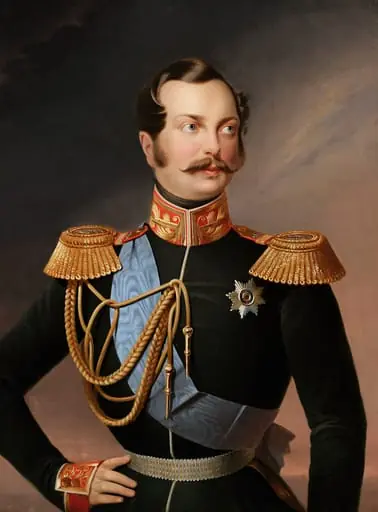 Aleksanteri II:n muotokuva
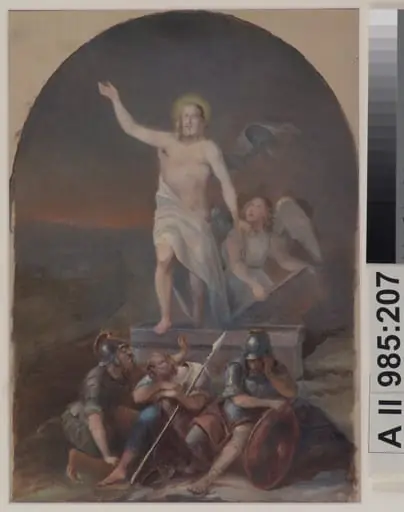 Kristuksen ylösnousemus, mahdollisesti Vihdin kirkon alttaritaulun luonnos ; Kristus uppståndelse, troligtvis skiss för altartavlan i Vihtis kyrka
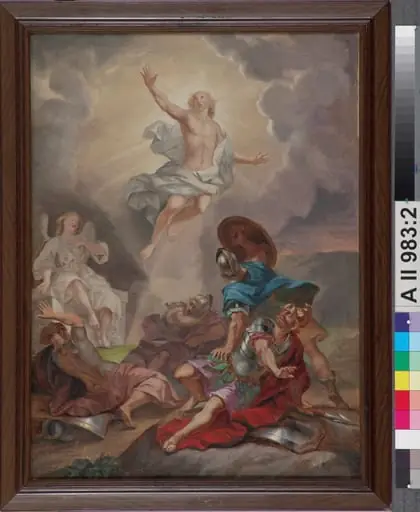 Kristuksen ylösnousemus, alttaritaulun luonnos
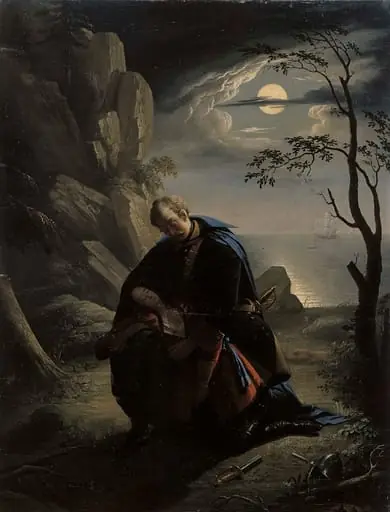 Ruotsalainen sotilas ja puolalainen tyttö
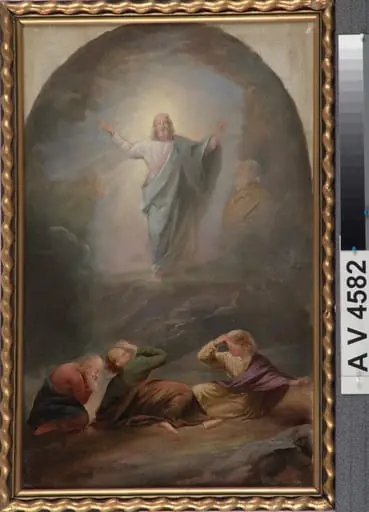 Kristuksen kirkastus, Ikaalisten kirkon alttaritaulun luonnos
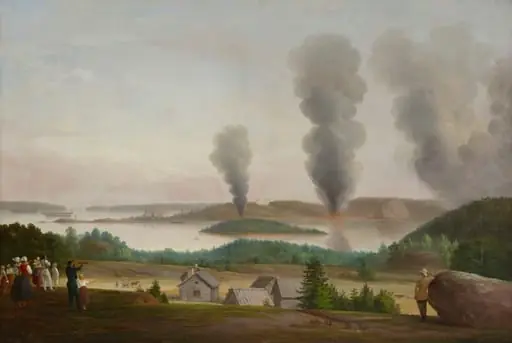 Ruotsinsalmi poltetaan, kohtaus "Oolannin sodasta" 1855
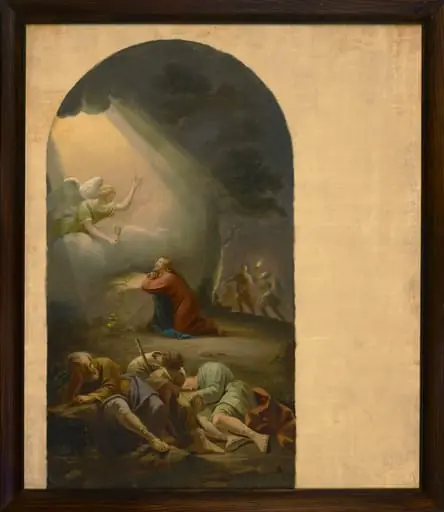 Getsemanen rukous, Kymin kirkon alttaritaulun luonnos
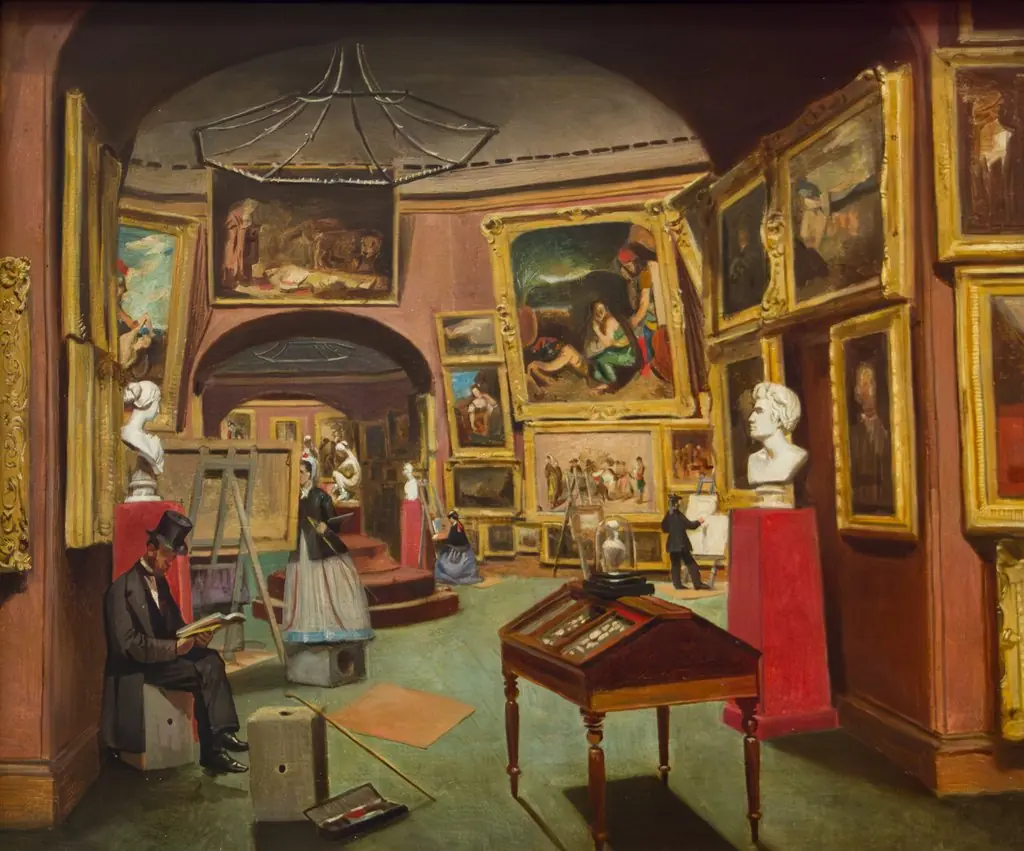 The Interior of the National Gallery of Scotland, c 1867 - 1877
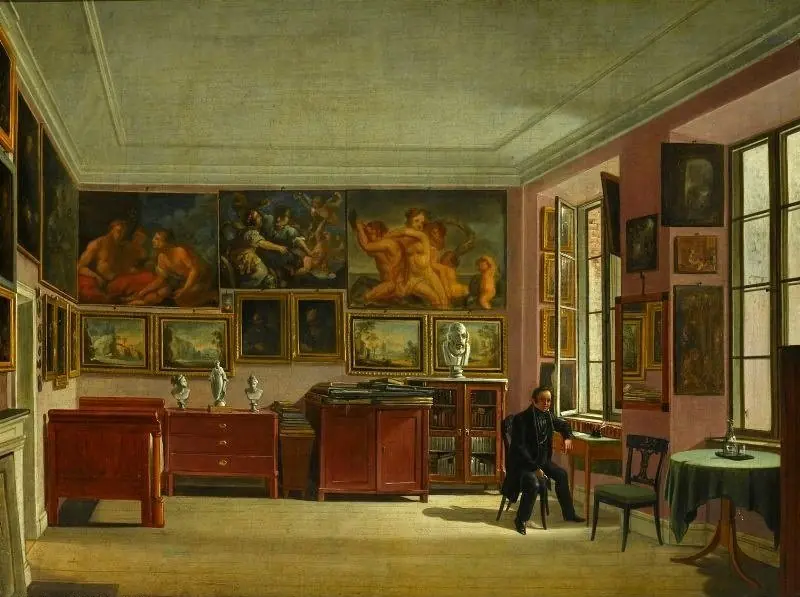 Self-portrait in a room
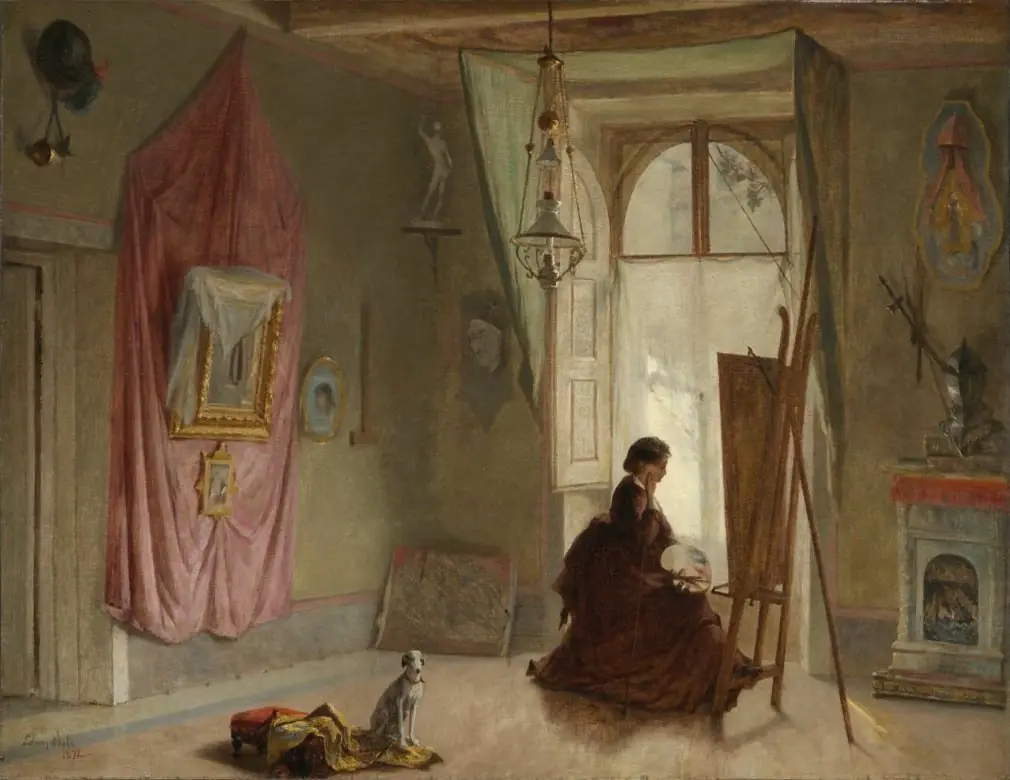 Studio Interior
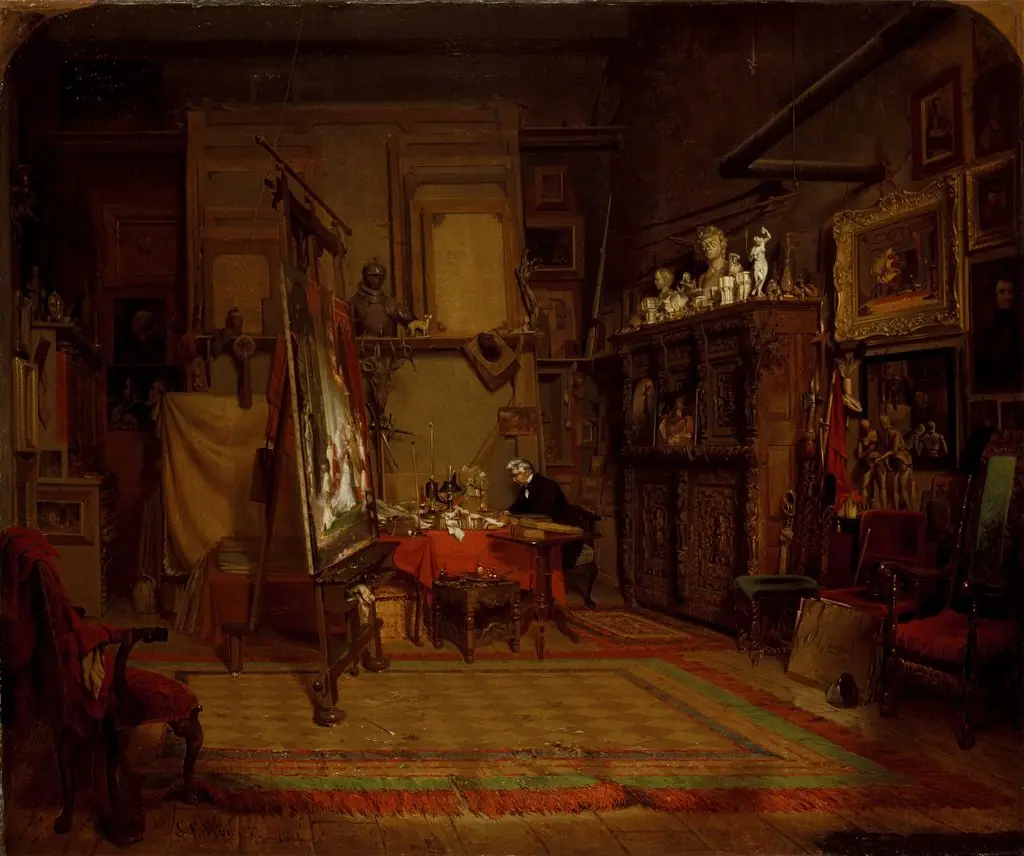 An Artist's Studio
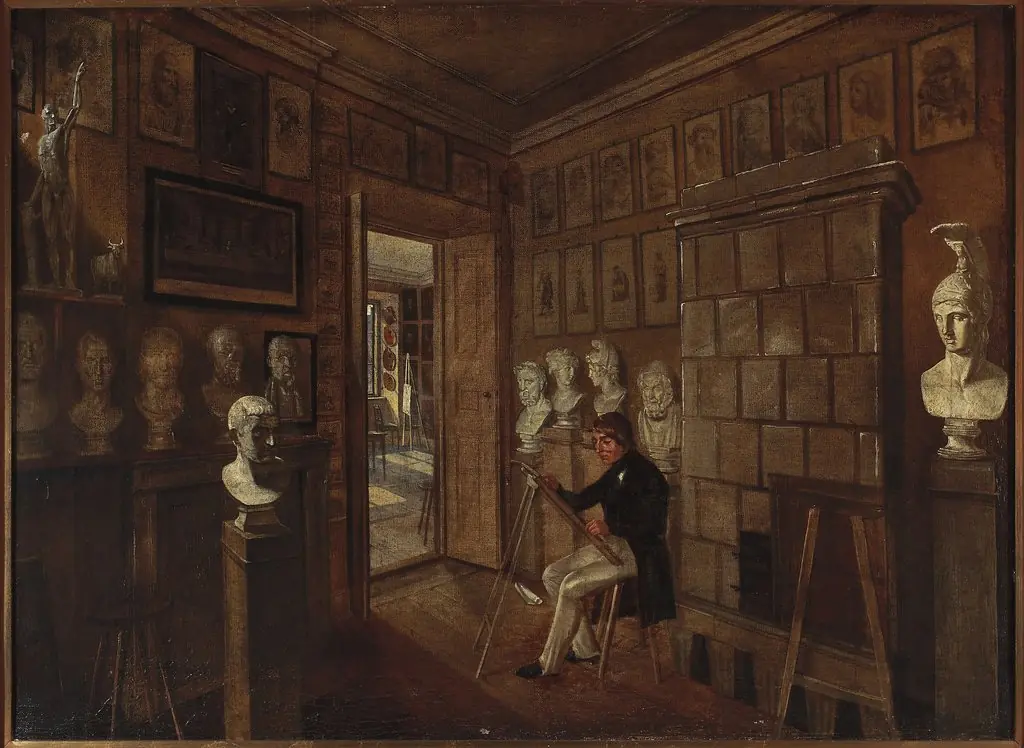 Painter in the studio
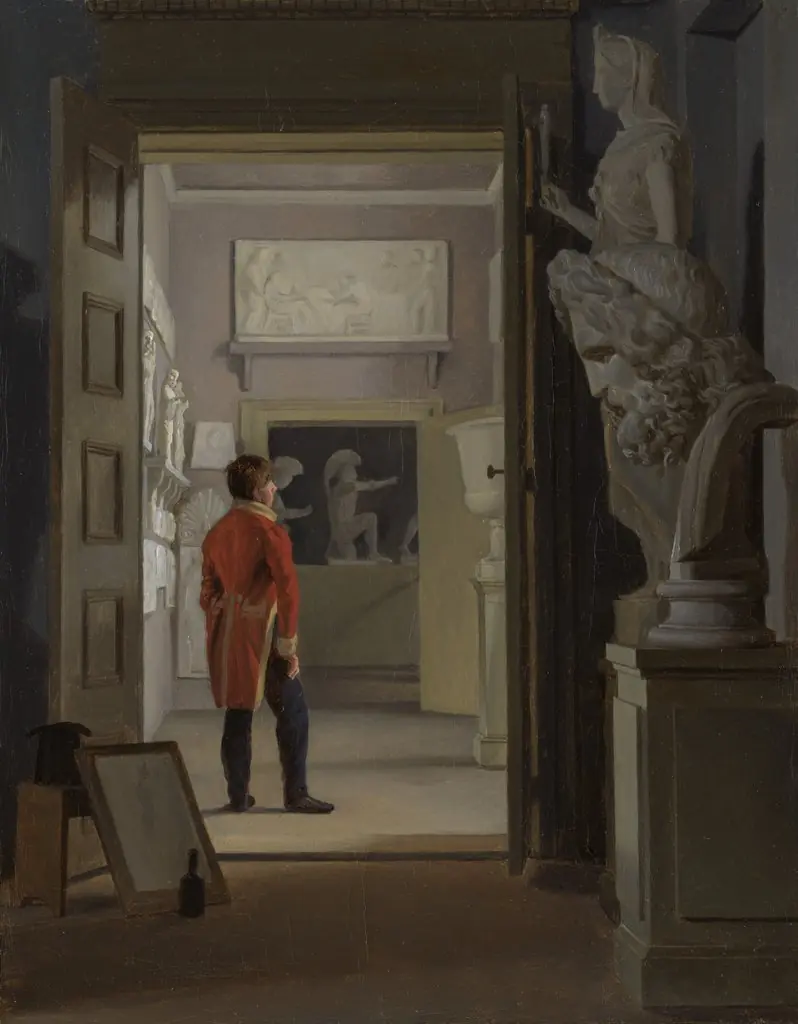 The Hall of Antiquities at Charlottenborg Palace, Copenhagen
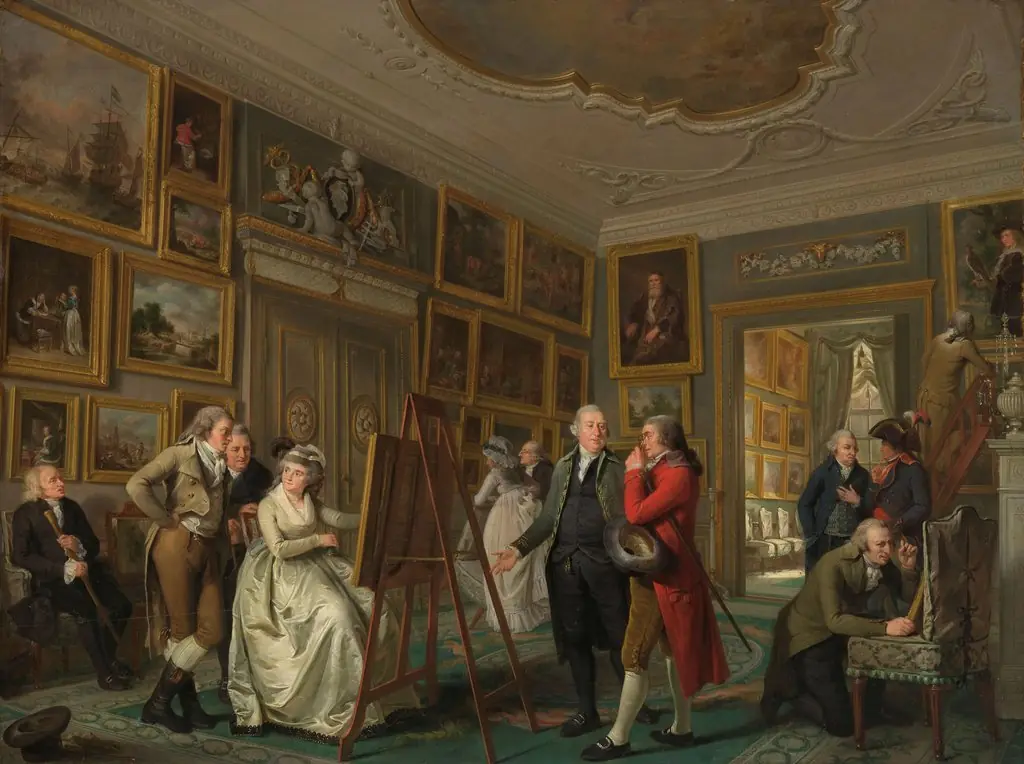 The Art Gallery of Jan Gildemeester Jansz
 Al doilea atelier al artistului la Paris
 The Art Gallery of Josephus Augustinus Brentano
 Interior of a Painter's Studio
 Interiors. Reception room with columns on the mezzanine
 The Plaster Cast Collection in the Royal Academy of Fine Arts