Artwork
Kristuksen ylösnousemus, alttaritaulun luonnos
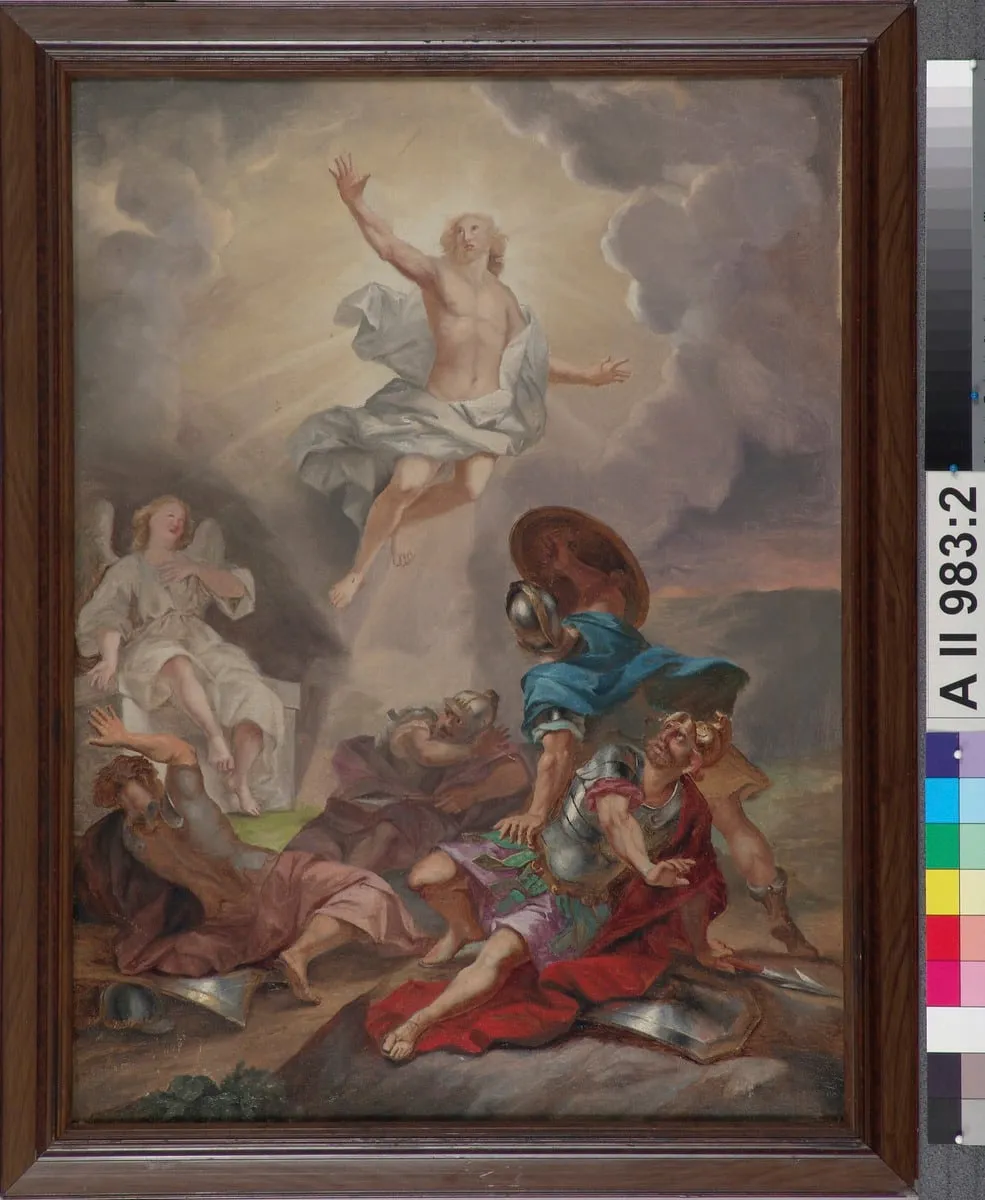
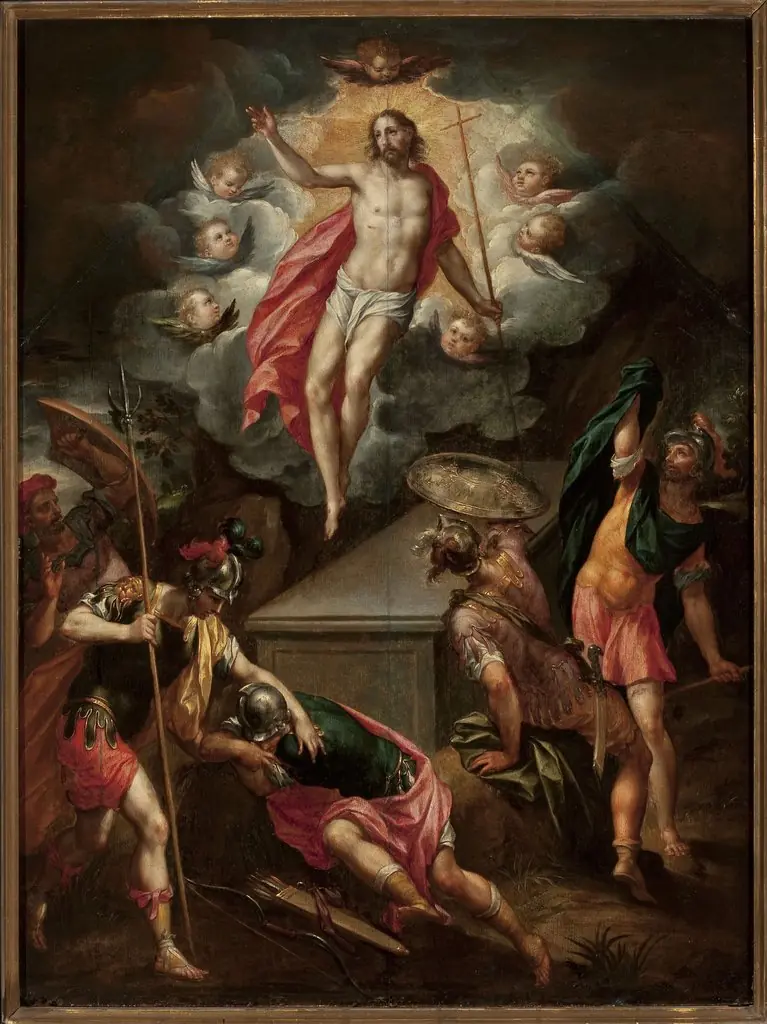
Kristuksen ylösnousemus, alttaritaulun luonnos is an unspecified painting by Berndt Abraham Godenhjelm. It is held in the collection of the Finnish National Gallery. This preparatory sketch depicts the Resurrection of Christ, rendered in a quiet, contemplative tone.
About this work
Overview
The dim, clouded sky and diffused lighting create an atmosphere of stillness, emphasizing spiritual transcendence over dramatic spectacle.
This preparatory sketch depicts the Resurrection of Christ, rendered in a quiet, contemplative tone. The central figure hovers mid-air, nude and serene, while soldiers below lie scattered in disarray. A woman in white observes from the side, her posture suggesting awe. The dim, clouded sky and diffused lighting create an atmosphere of stillness, emphasizing spiritual transcendence over dramatic spectacle.
Subject & Meaning
The scene illustrates Christ’s emergence from the tomb, not as a triumphant conqueror but as a tranquil figure lifted by divine force. The fallen soldiers, armored and cloaked in red, symbolize earthly power rendered powerless. The woman’s gaze anchors the viewer’s attention, framing the moment as one of witness rather than spectacle. The composition suggests resurrection as an intimate, quiet miracle.
Technique & Style
Soft modeling and muted tones guide the eye toward the central figure, using subtle chiaroscuro to define form without harsh contrast. Shadows are gentle, blending into the cloudy atmosphere, while the light surrounding Christ appears diffused, as if emanating from within. The brushwork is restrained, favoring atmospheric harmony over sharp detail, enhancing the dreamlike quality of the vision.
History & Provenance
This drawing served as a study for a larger altarpiece, likely commissioned for a Finnish church in the early 20th century. It reflects the artist’s engagement with religious themes during a period of national cultural renewal. Though the final painting may no longer survive in its original setting, this sketch remains a key record of the artist’s compositional process and spiritual intent.
Context
Created during a time when Finnish artists were redefining national identity through art, this work draws on both Christian iconography and Nordic sensibilities toward quiet introspection. Unlike the dramatic Resurrections of the Italian Renaissance, this version avoids grandeur, aligning instead with a broader Nordic preference for understated emotion and spiritual subtlety.
Legacy
The sketch endures as a quiet example of religious art that prioritizes inner experience over external drama. Its restrained palette and contemplative mood influenced later Finnish religious imagery, reinforcing a tradition where the sacred is felt through stillness rather than spectacle. It remains a significant document of early 20th-century devotional art in the Nordic region.
Artist & collection
Artist
This artist painted portraits and religious scenes in 19th-century Finland. Try his *Self-Portrait* to see his direct gaze, or peek at his sketches for Vihdin church’s *Resurrection of Christ*. His work sits between…

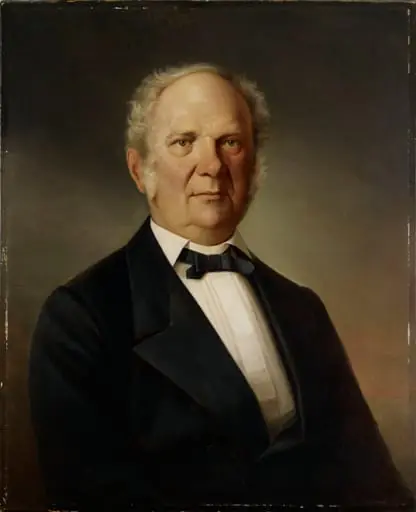 Omakuva
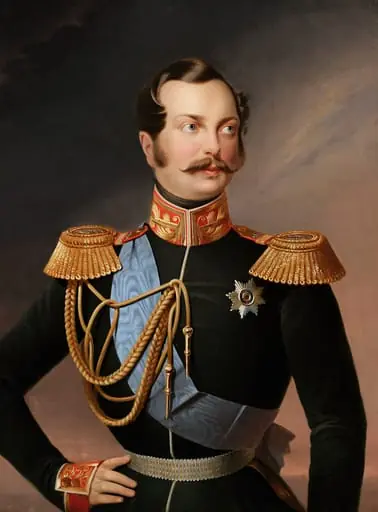 Aleksanteri II:n muotokuva
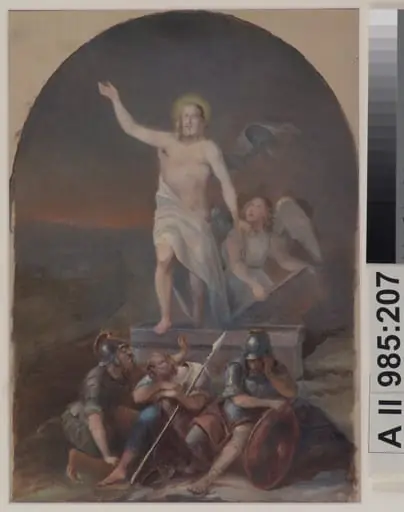 Kristuksen ylösnousemus, mahdollisesti Vihdin kirkon alttaritaulun luonnos ; Kristus uppståndelse, troligtvis skiss för altartavlan i Vihtis kyrka
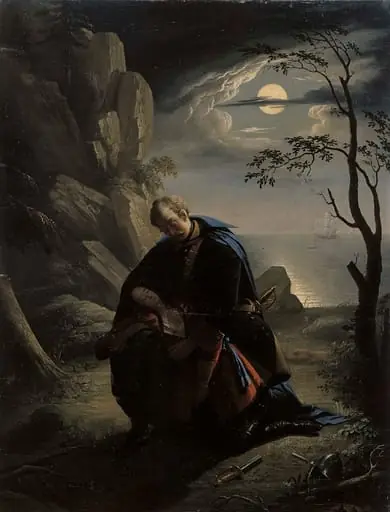 Ruotsalainen sotilas ja puolalainen tyttö
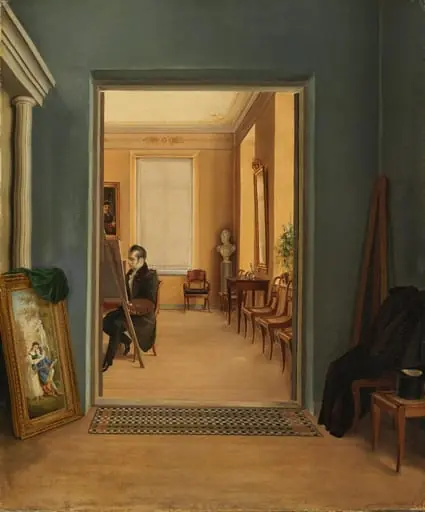 Omakuva pietarilaisessa työhuoneessa
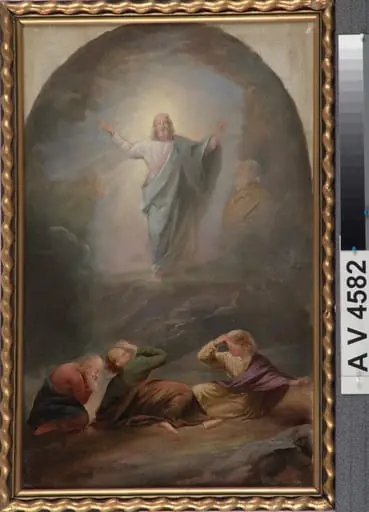 Kristuksen kirkastus, Ikaalisten kirkon alttaritaulun luonnos
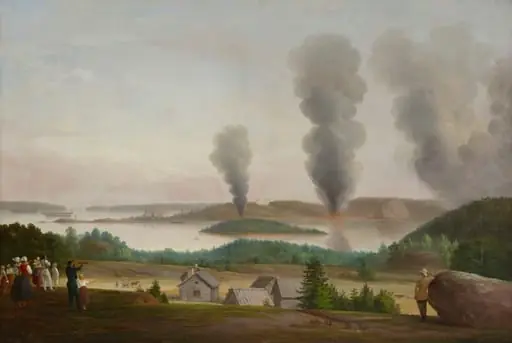 Ruotsinsalmi poltetaan, kohtaus "Oolannin sodasta" 1855
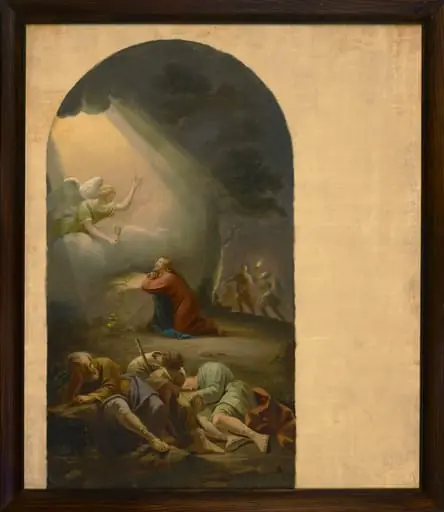 Getsemanen rukous, Kymin kirkon alttaritaulun luonnos