Artwork
Neitsyt Maria kuunsirpillä ja kaksi pyhimystä
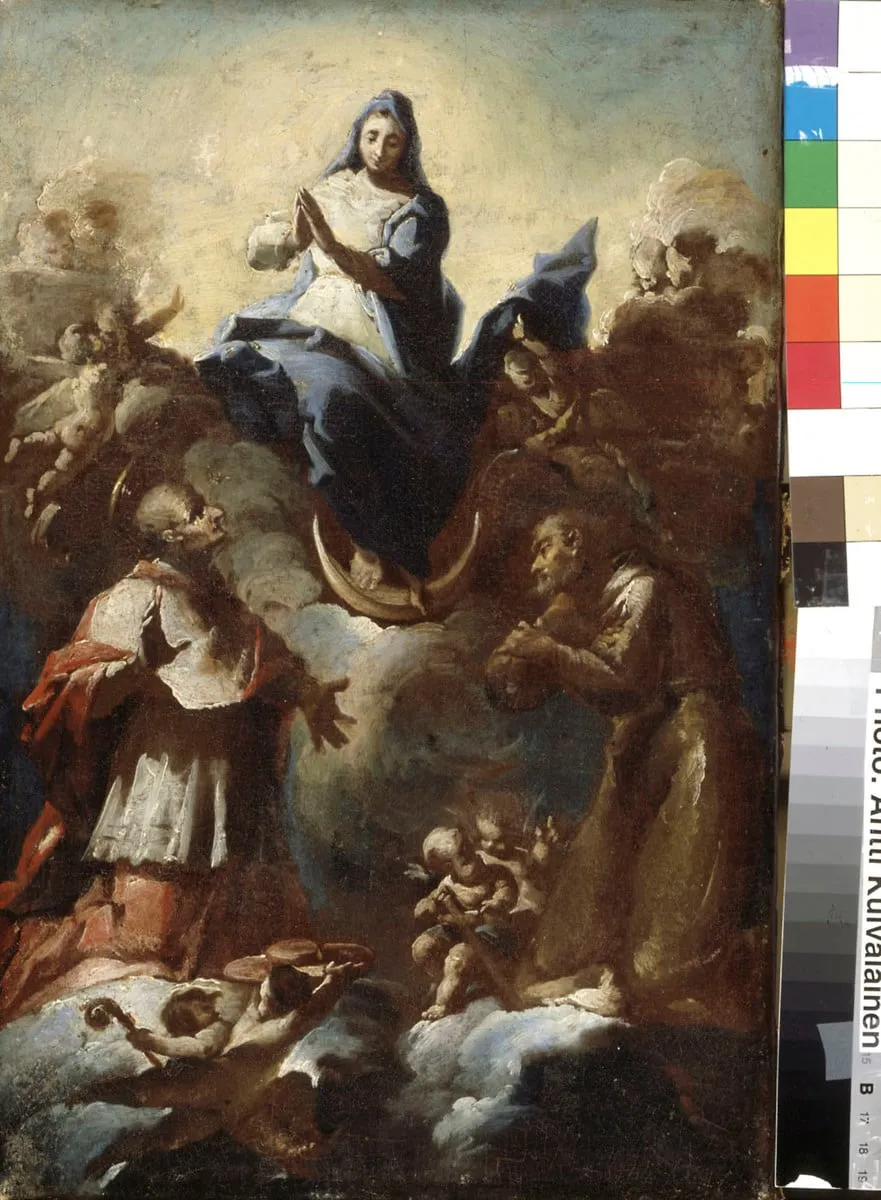
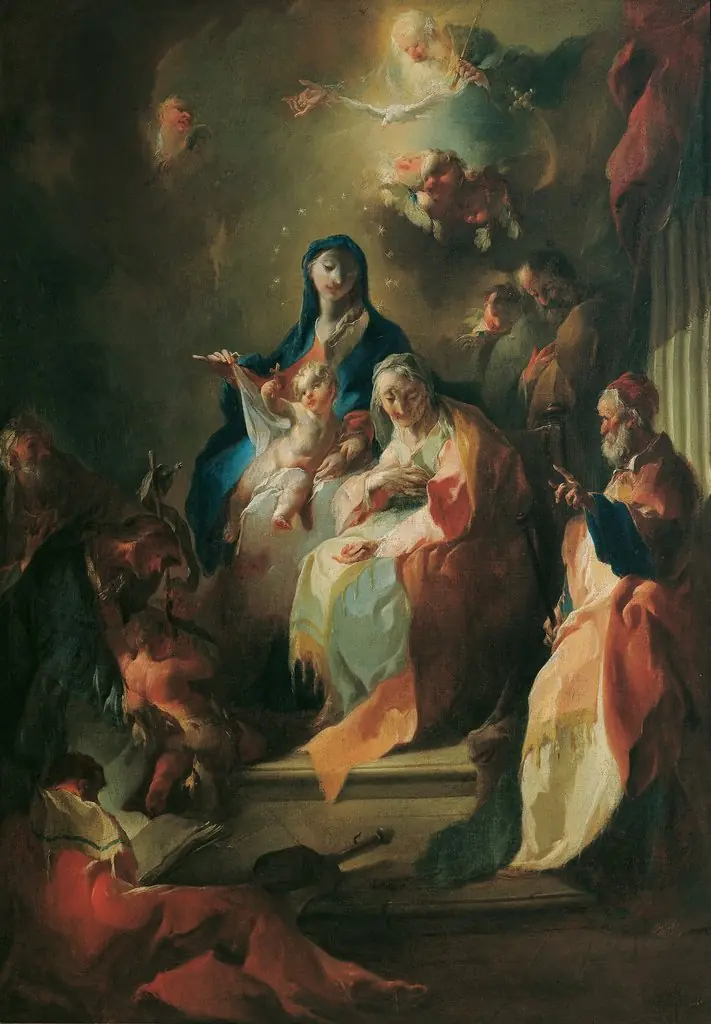
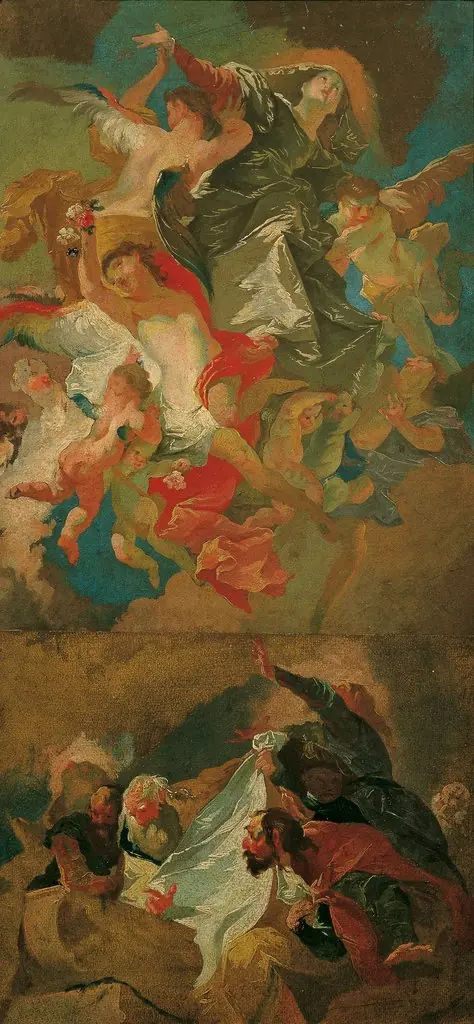
Neitsyt Maria kuunsirpillä ja kaksi pyhimystä is an unspecified painting by the Rococo painting artist Franz Anton Maulbertsch. It dates from 1775 and is held in the collection of the Finnish National Gallery.
About this work
Overview
Painted around 1775 by Austrian artist Franz Anton Maulbertsch, this work presents the Virgin Mary accompanied by two saints in a celestial setting.
Painted around 1775 by Austrian artist Franz Anton Maulbertsch, this work presents the Virgin Mary accompanied by two saints in a celestial setting. Executed in the Rococo idiom, it reflects Maulbertsch’s training at the Vienna Academy and his engagement with Venetian painting traditions. The composition blends devotional imagery with theatrical lighting, characteristic of his fresco-based approach to religious subjects.
Subject & Meaning
The Virgin Mary is depicted floating above a cliff, cradling a crescent moon and a book, symbols of her purity and divine wisdom. Two saints kneel below—one gazing upward in reverence, the other holding an infant, possibly representing the Christ Child or a saintly child martyr. The scene evokes intercession, with the saints as supplicants before Mary’s celestial authority, aligning with Counter-Reformation devotional themes.
Technique & Style
Maulbertsch employs chiaroscuro to heighten emotional intensity, contrasting deep shadows with radiant golden light that emanates around Mary. The figures are rendered with soft, flowing drapery and delicate modeling, typical of Rococo elegance. The sky’s hazy clouds and the cliff’s rugged edge create a tension between earthly and heavenly realms, enhancing the scene’s spiritual drama without overt ornamentation.
History & Provenance
Created during the latter part of Maulbertsch’s career, the painting likely originated as part of a church commission in the Habsburg territories, where his frescoes were widely sought. Though its early ownership is undocumented, its style and subject suggest it was intended for private or monastic devotion. It remains a representative example of his mature phase, following his major fresco cycles in Austria and Hungary.
Context
In the late 18th century, religious imagery in Central Europe continued to emphasize emotional engagement and visual grandeur, even as Enlightenment ideas gained ground. Maulbertsch’s work bridges the ornate Rococo style with emerging neoclassical restraint. His synthesis of Venetian color and Austrian devotional traditions made him a key figure in regional ecclesiastical art, responding to both liturgical needs and aesthetic trends.
Legacy
Though less known today than his large frescoes, this painting illustrates Maulbertsch’s skill in translating monumental religious themes into intimate compositions. It exemplifies how Austrian artists adapted Italian influences to local piety, preserving devotional imagery through a refined, luminous style. The work contributes to understanding the persistence of sacred art in a period of shifting cultural priorities.
Artist & collection
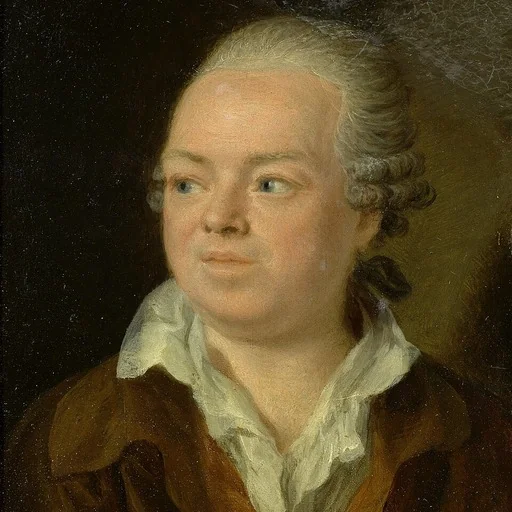
Artist
Franz Anton Maulbertsch (7 June 1724 – 8 August 1796) was an Austrian painter and engraver, one of the most renowned exponents of Rococo painting in the German and Hungarian regions.

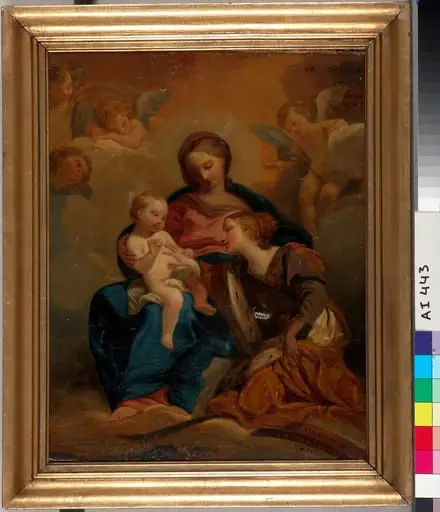 Pyhän Katariinan kihlaus, kopio
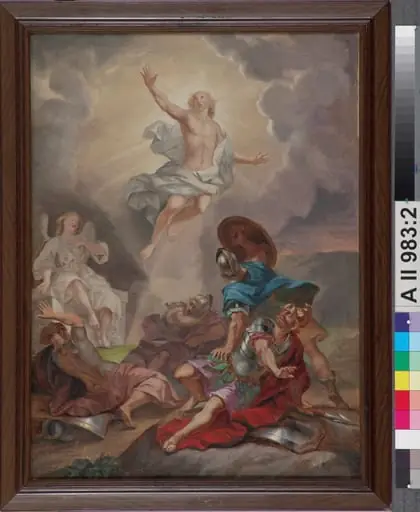 Kristuksen ylösnousemus, alttaritaulun luonnos
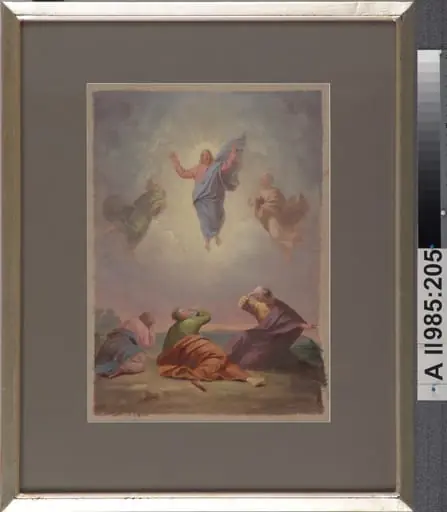 Kristuksen kirkastus, Sortavalan kirkon alttaritaulun luonnos
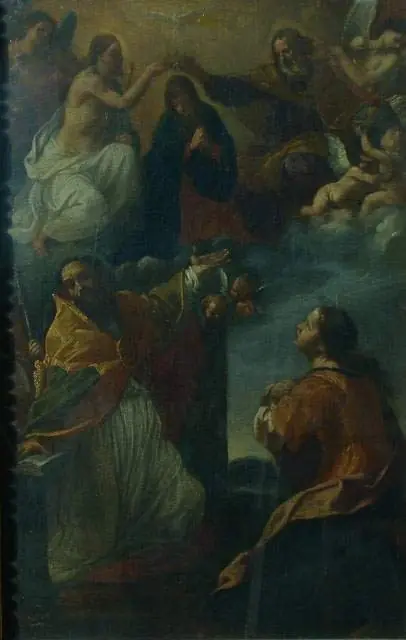 Coronation of Mary
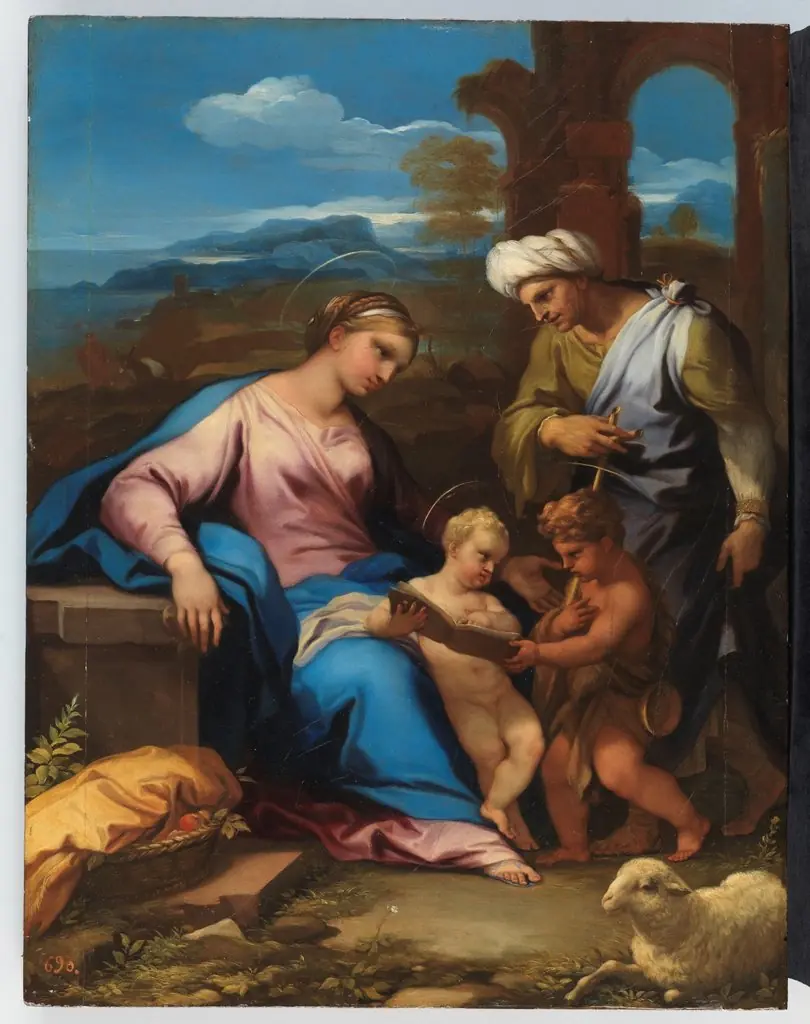 La Sagrada Familia con santa Isabel y san Juanito
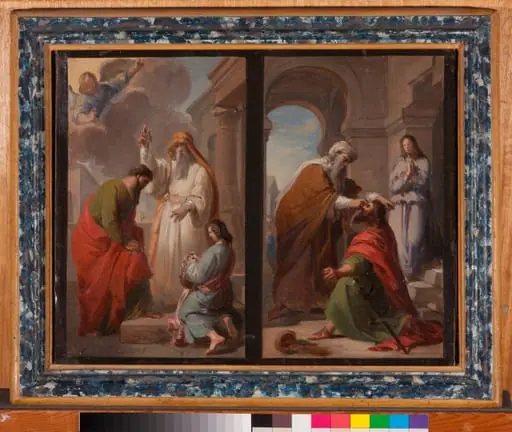 Taufe und Heilung des Paulus
 Victoria de los israelitas y cántico de Débora
 Study for "An Apotheosis of a Saint" (for San Bernardino dei Morti, Milan)
 Unbefleckte Empfängnis
 Heiligenhimmel (Ölskizze)
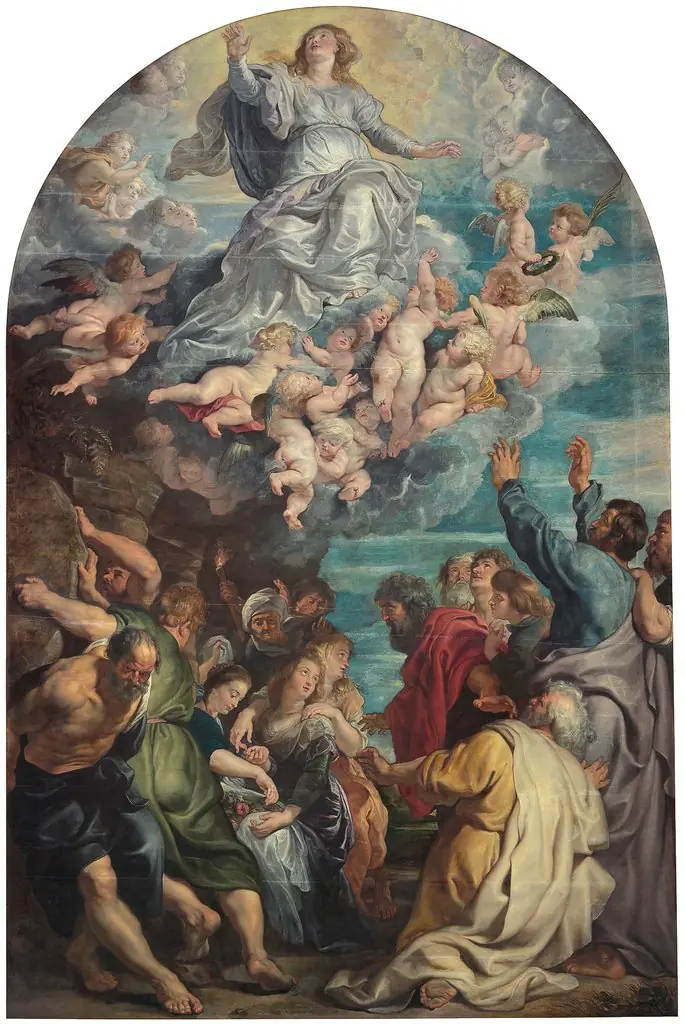 Assumption of Mary
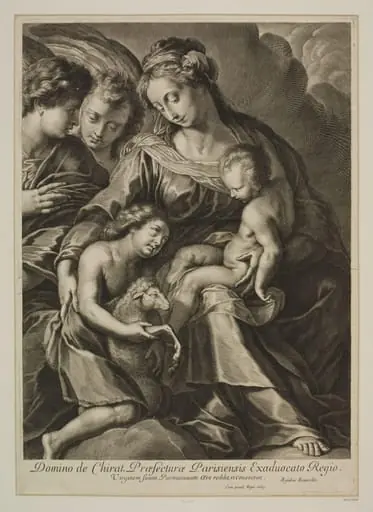 Virgin and Child with St. John