Artwork
Untitled
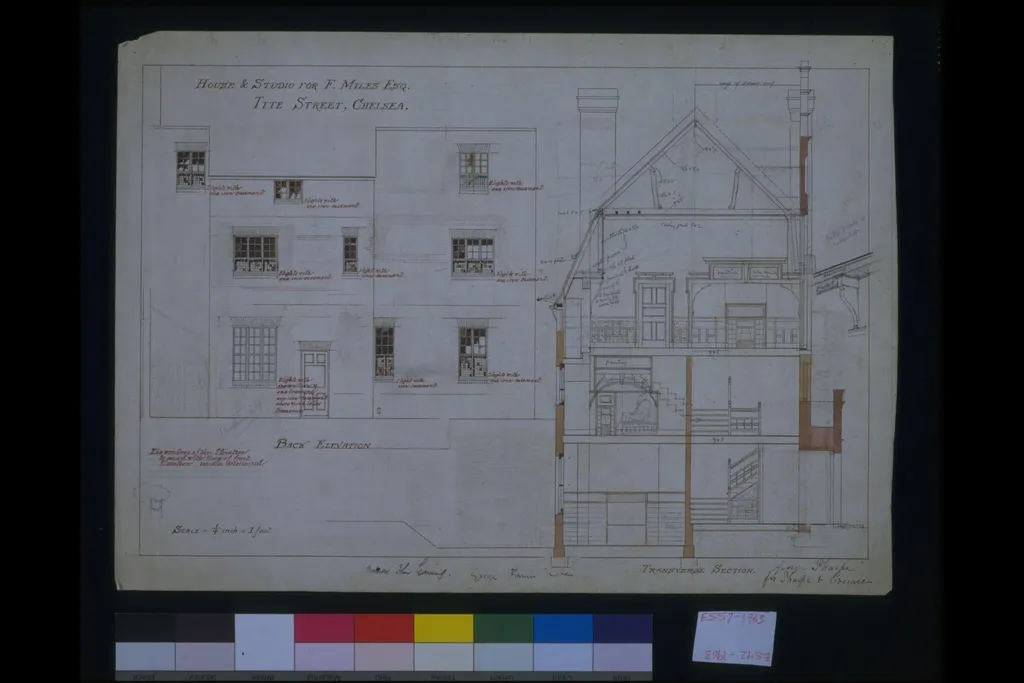
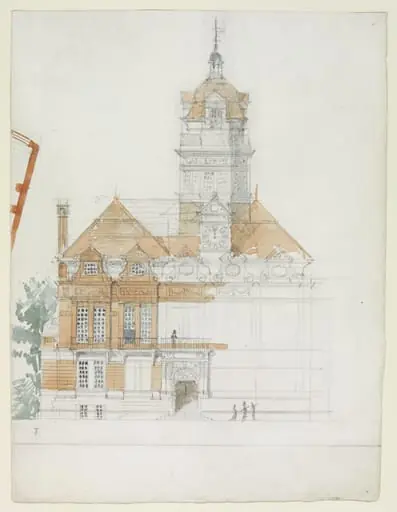
Untitled is a drawing by the Impressionist artist Edward William Godwin. It dates from 1878 and is held in the collection of the Victoria and Albert Museum. This architectural drawing depicts a two-story residence and studio designed for Frank Miles on Tite Street, Chelsea.
About this work
Overview
This architectural drawing depicts a two-story residence and studio designed for Frank Miles on Tite Street, Chelsea. Executed in blue-toned ink with red annotations, it includes rear and side elevation views along with a cross section. The sheet reveals precise room layouts, structural elements, and material notations, reflecting a methodical approach to spatial planning and functional design.
Subject & Meaning
The design was intended as a combined living and working space for Frank Miles, blending domestic comfort with artistic utility.
The design was intended as a combined living and working space for Frank Miles, blending domestic comfort with artistic utility. Room labels such as 'skylight' and 'movement room' suggest an emphasis on natural light and fluid movement, indicating the artist’s attention to the occupant’s daily needs. The inclusion of detailed measurements and materials underscores a practical, rather than decorative, intent.
Technique & Style
The drawing employs fine blue ink lines with red annotations for emphasis, typical of architectural drafts of the period. Cross-hatching defines shadow and depth, particularly in the cutaway section, where stairs, fireplace, and chimney are rendered with clarity. Handwritten notes in precise script indicate dimensions and materials, revealing a disciplined, technical hand focused on buildability over ornamentation.
History & Provenance
Created in 1879, the drawing was one of two proposals submitted to the Board of Works for approval, both of which were initially rejected. A revised version was later published in *The British Architect* that same year. The original drawing remains part of a larger group of related architectural studies held in a public collection, preserving its role in the artist’s professional documentation.
Context
The design emerged during a period when London’s artistic community increasingly sought integrated living and studio spaces. Tite Street, already home to several creatives, was a hub for such innovations. The drawing reflects broader trends in Victorian architecture toward functional, light-filled interiors, responding to the needs of artists and professionals seeking autonomy in their environments.
Legacy
Though initially unapproved, the design’s publication in *The British Architect* ensured its influence beyond its immediate context. The drawing’s meticulous detail and spatial logic contributed to the artist’s reputation for thoughtful, site-responsive work. It remains a key example of 19th-century architectural practice, illustrating the intersection of technical precision and domestic innovation.
Artist & collection
Artist
Edward William Godwin was a bit of a mystery. He liked to draw. One interesting thing about him is that he dated his drawings, so we can see how his style changed over time. Check out his 1855 drawing to see his early…

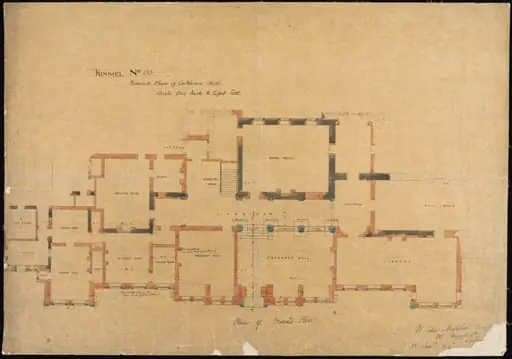 Kinmel Hall, drawing no. 133, revised plan for entrance hall
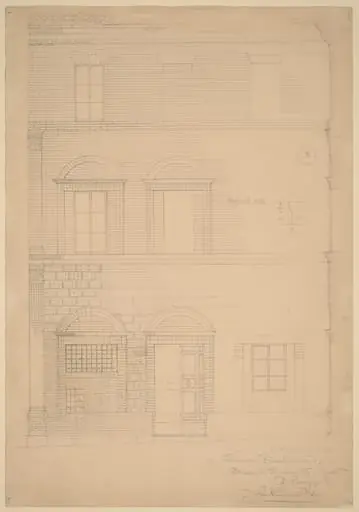 Siena Brickwork
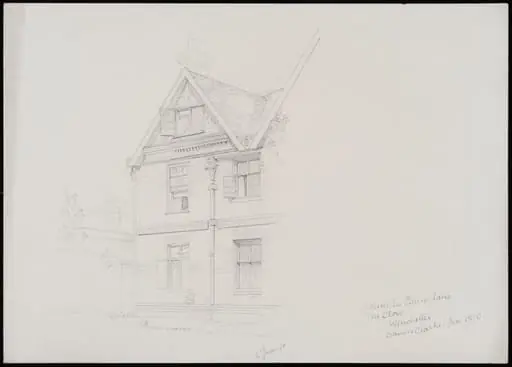 Houses in Canon Lane, The Close, Winchester
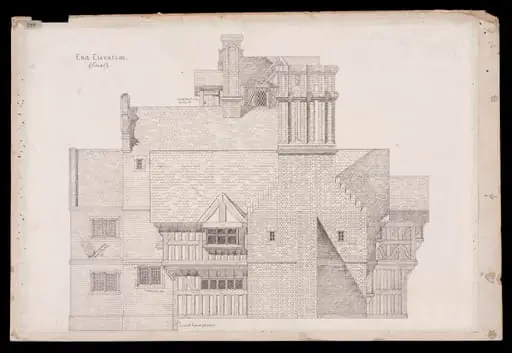 Untitled
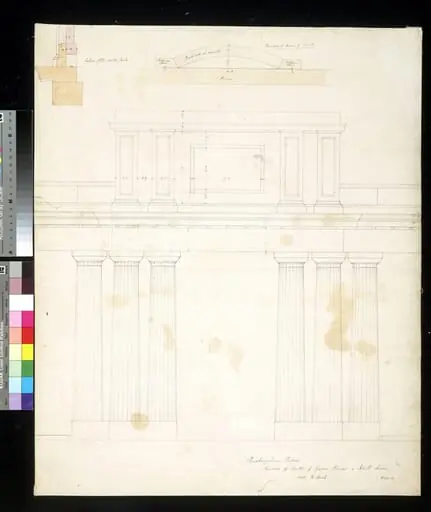 Elevation of Center of the Guard House and North Screen, Buckingham Palace
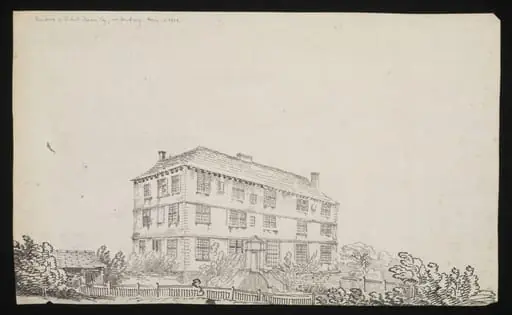 Residence of Richard Dann, Esq., at Hackney
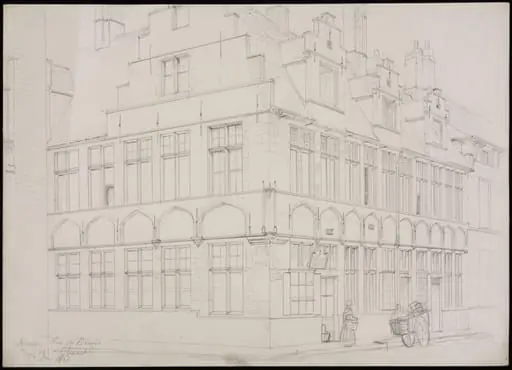 Untitled
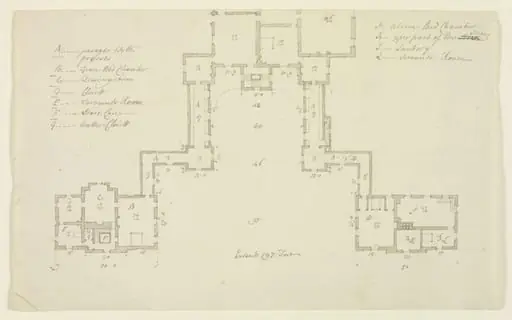 Sketch plan of additions to the North side of Combe Bank.
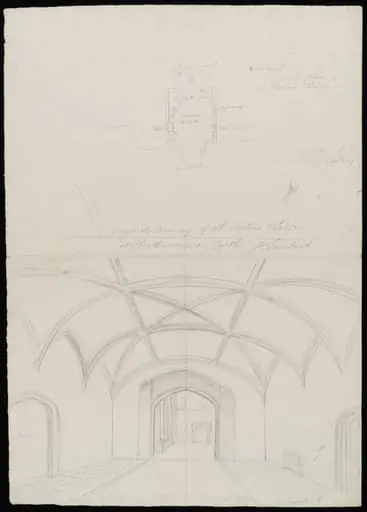 Interior, with sketch plan, of porter's lodge.
 Parti af St. Hans' kirke i Odense