Artwork
Untitled
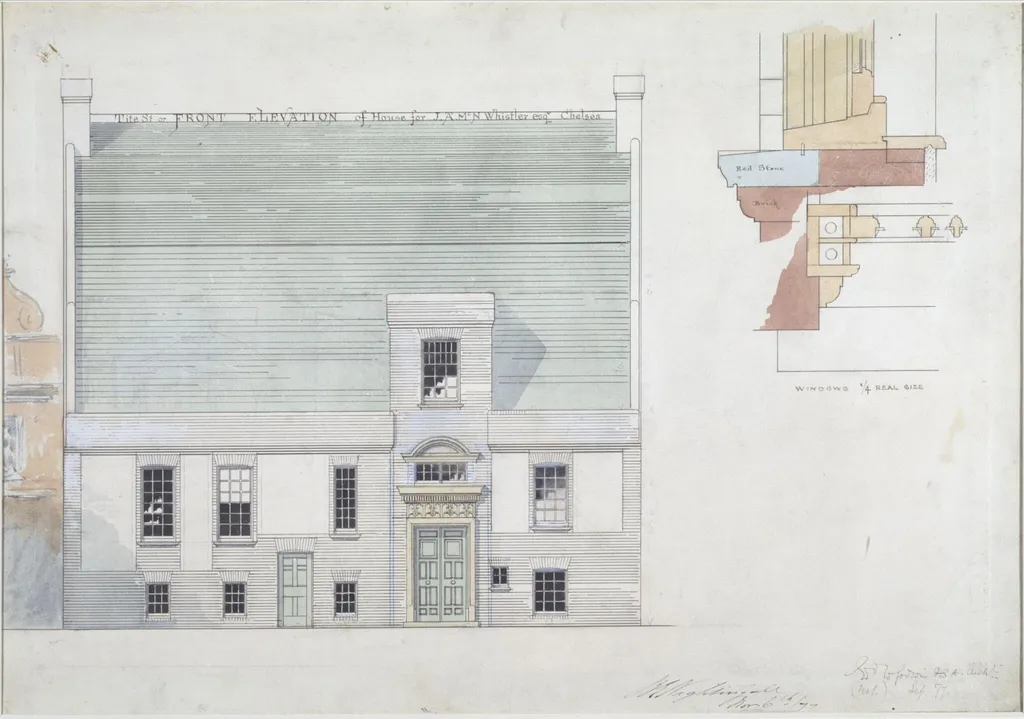
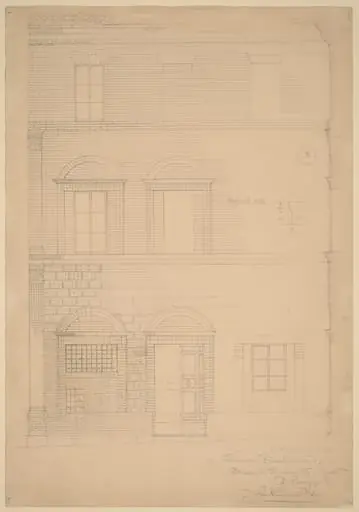
Untitled is a drawing by the Impressionist artist Edward William Godwin. It dates from 1877 and is held in the collection of the Victoria and Albert Museum.
About this work
Overview
The sheet is a hand‑drawn architectural elevation of a two‑storey residence, showing the façade with a central doorway flanked by windows and a cut‑away section that reveals interior room arrangement. Rendered on board, the drawing combines exterior perspective with a sectional view to convey both appearance and spatial organization.
Subject & Meaning
The illustration serves as a design proposal for a house known as “The White House,” intended for studio use on Tite Street, Chelsea. By juxtaposing the external façade with an interior cut, the drawing communicates functional planning for an artist’s workspace, emphasizing light, access, and the relationship between public and private zones.
Technique & Style
Executed with precise line work and hatching, the drawing employs architectural conventions of the late nineteenth century, using measured strokes to indicate depth and material texture. The combination of plan and elevation reflects the pragmatic yet aesthetically attentive approach characteristic of Edward William Godwin’s architectural drafts.
History & Provenance
The design is credited to builder Benjamin Ebenezer Nightingale, whose signature appears along the lower margin, confirming his role in constructing the project. The drawing was created for the painter James McNeill Whistler, who commissioned the Chelsea studio. It forms part of a group of related drawings that include decorative details on their reverse sides.
Context
Produced during a period when artists sought purpose‑built studios, the drawing illustrates the collaboration between architect, builder, and artist in Victorian London. Its location on Tite Street places it within a hub of creative activity, where functional design met the aesthetic requirements of practicing painters.
Artist & collection
Artist
Edward William Godwin was a bit of a mystery. He liked to draw. One interesting thing about him is that he dated his drawings, so we can see how his style changed over time. Check out his 1855 drawing to see his early…

 Siena Brickwork
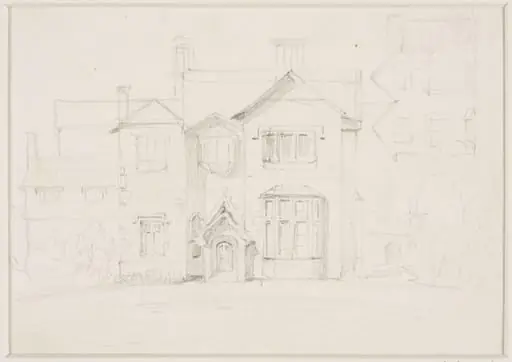 Front of a house
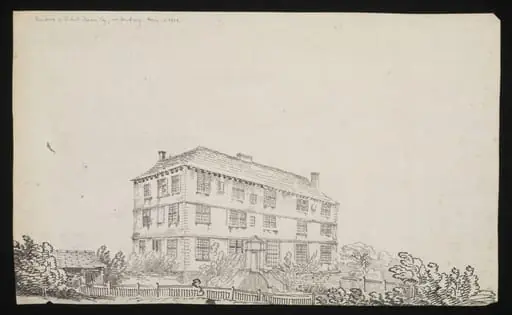 Residence of Richard Dann, Esq., at Hackney
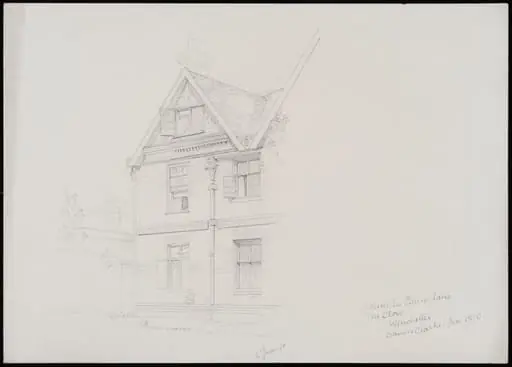 Houses in Canon Lane, The Close, Winchester
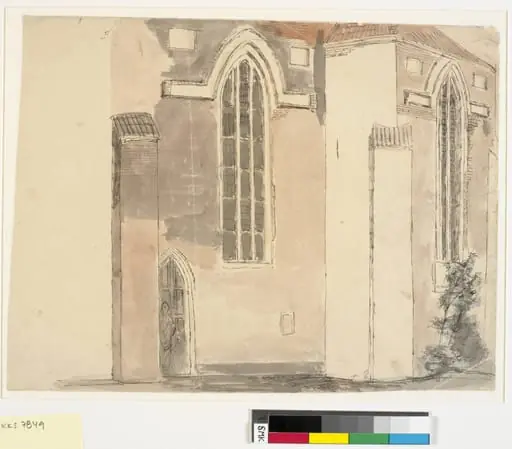 Parti af St. Hans' kirke i Odense
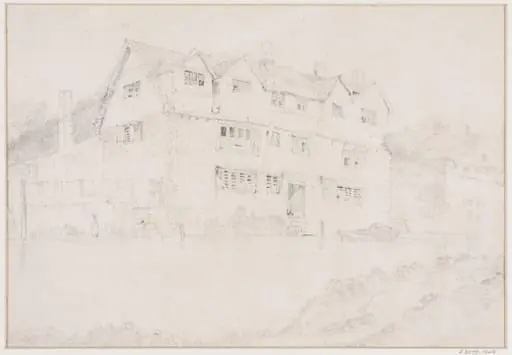 The river Wensum, with the backs of old hosues in King Street, Norwich
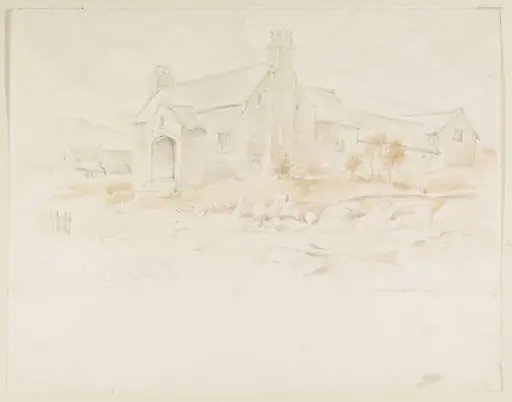 Farm above Selattyn, Denbighshire
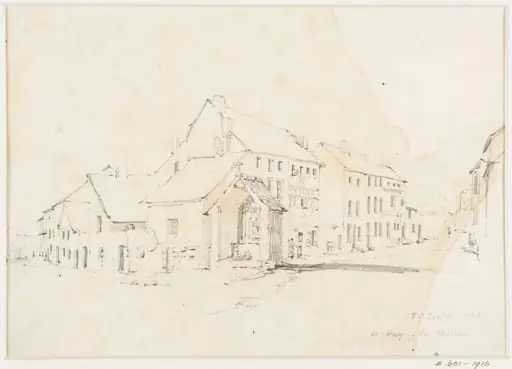 Street scene
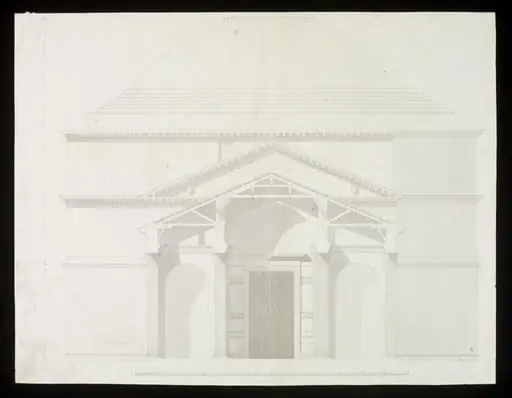 Longitudinal section through Pantheon portico
 Cottage Almshouses, Stydd, near Ribchester
 View of Regency terrace with large trees in front