Artwork
Saint George and the Dragon
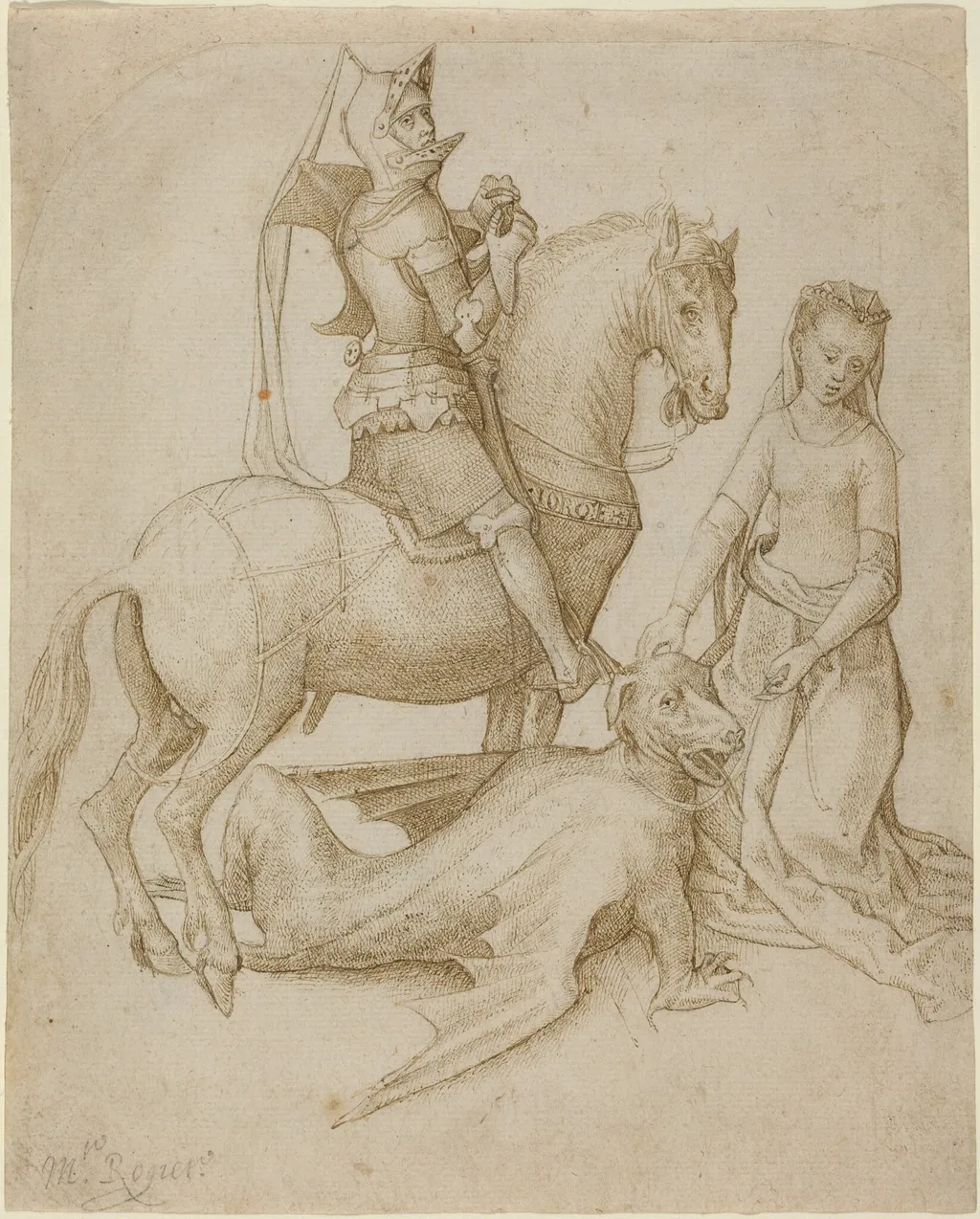
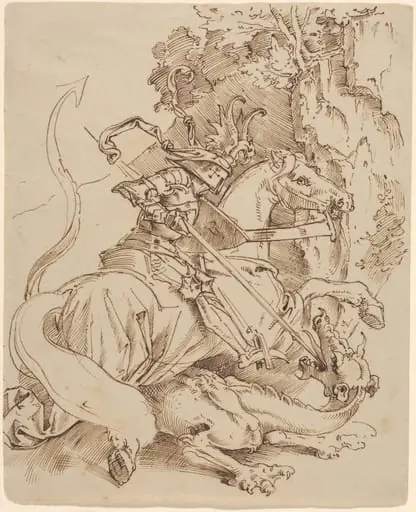
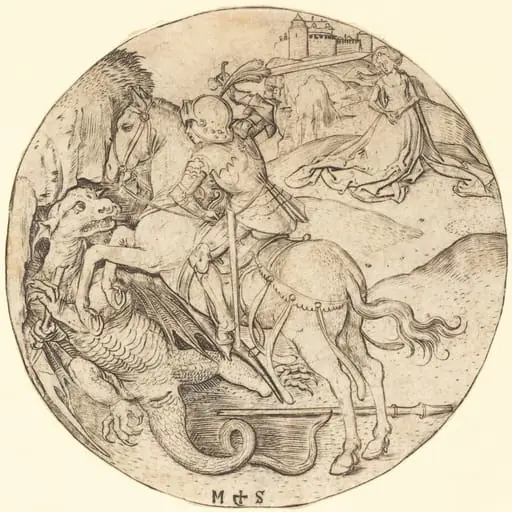
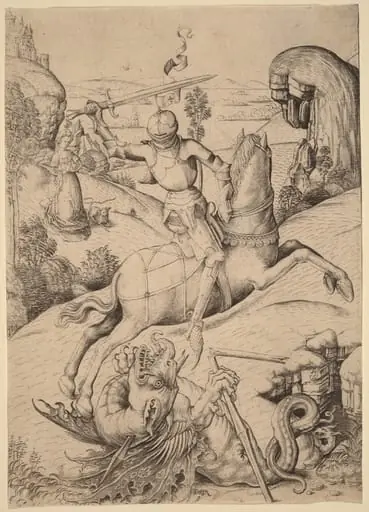
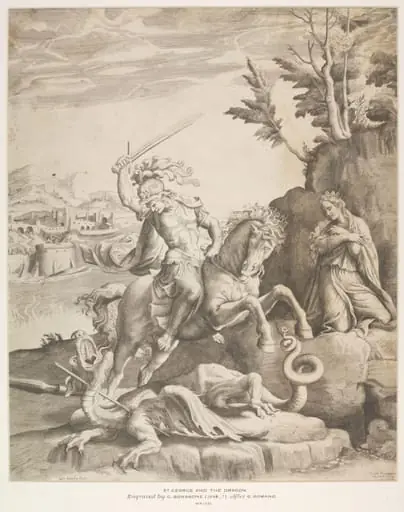
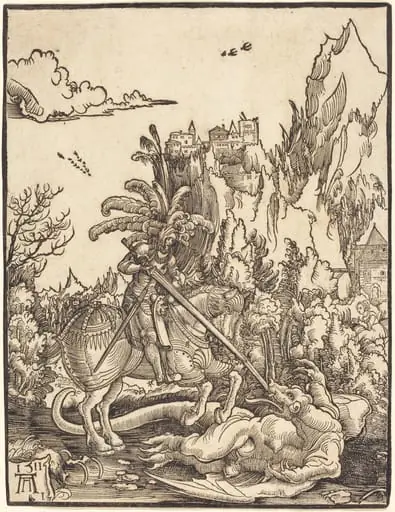
Saint George and the Dragon is an ink drawing by the Renaissance artist Hugo Van der Goes. It dates from 1461 and is held in the collection of the National Gallery of Art.
About this work
Overview
Executed in pen and brown ink on laid paper, it belongs to a tradition of devotional illustrations from the Early Netherlandish period.
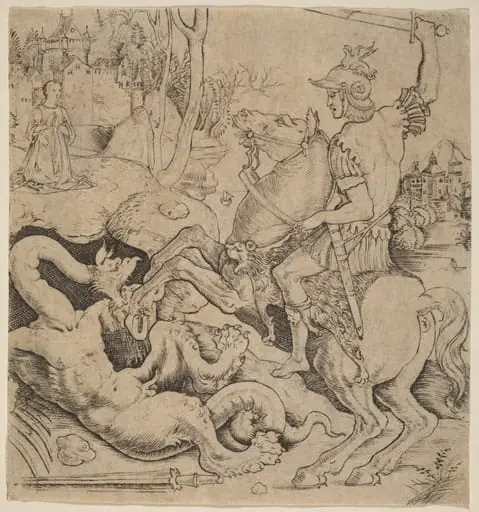
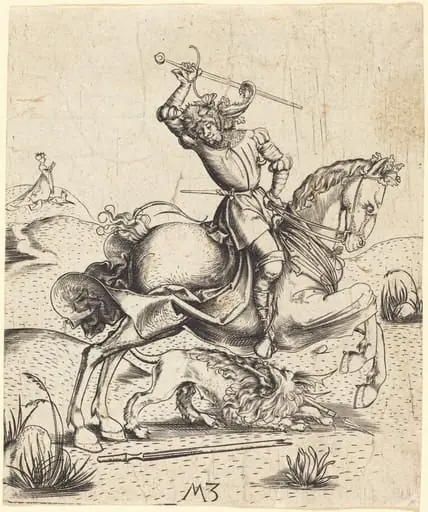
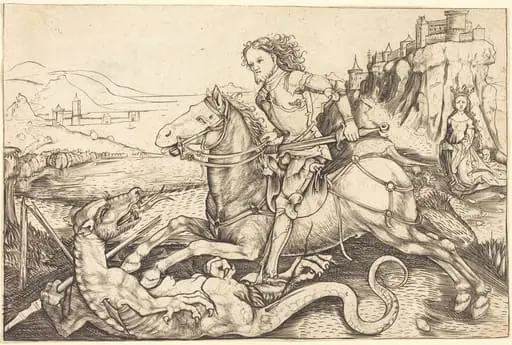
This ink drawing by Hugo van der Goes, dated 1461, depicts the legendary encounter between Saint George and the dragon. Executed in pen and brown ink on laid paper, it belongs to a tradition of devotional illustrations from the Early Netherlandish period. Though smaller in scale than his later altarpieces, the work demonstrates van der Goes’ command of line and narrative economy, capturing a moment of divine intervention with restrained intensity.
Subject & Meaning
The scene illustrates the hagiographic tale of Saint George, a Christian soldier-saint who rescues a princess from a dragon terrorizing her city. The dragon, rendered as a fearsome, winged beast, symbolizes evil or paganism, while the saint’s poised attack signifies divine justice. The woman standing nearby, dressed in flowing robes, represents the innocent populace saved by faith and courage, reinforcing the moral and spiritual dimensions of the legend.
Technique & Style
Van der Goes employs fine pen strokes and controlled cross-hatching to model form and suggest volume. The armor, horse, and dragon’s scales are defined through layered lines that create texture without color. The composition is tightly focused, with figures arranged to guide the eye from the saint’s thrusting sword to the dragon’s recoiling body. The lack of background detail heightens the drama, emphasizing the confrontation over environmental context.
History & Provenance
Created in 1461, the drawing likely served as a preparatory study or independent devotional image during van der Goes’ early career in Bruges. Its survival is notable, as many such works were lost or reused. It entered institutional collections in the 19th century and is now held in a major European museum, where it is valued as a rare surviving example of his graphic work outside of panel painting.
Context
In mid-15th century Flanders, religious narratives were commonly rendered in both painted panels and drawings for private devotion. Van der Goes’ approach aligned with the region’s emphasis on naturalistic detail and emotional presence, though this drawing is more linear and less polychromatic than his finished altarpieces. It reflects the broader trend of artists using ink to explore composition before committing to costly pigments and panels.
Legacy
Though less known than his large-scale triptychs, this drawing reveals van der Goes’ foundational skill in narrative clarity and anatomical precision. Its influence is indirect but present in the way later Northern artists approached figure dynamics and symbolic storytelling in graphic media. As one of the few surviving ink drawings from his hand, it offers insight into his working process and the visual culture of late medieval devotional imagery.
Artist & collection
Artist
Hugo van der Goes (c. 1430/1440 – 1482) was a Flemish painter who was one of the most significant and original Early Netherlandish painters of the late 15th century. Van der Goes was an important painter of altarpieces…

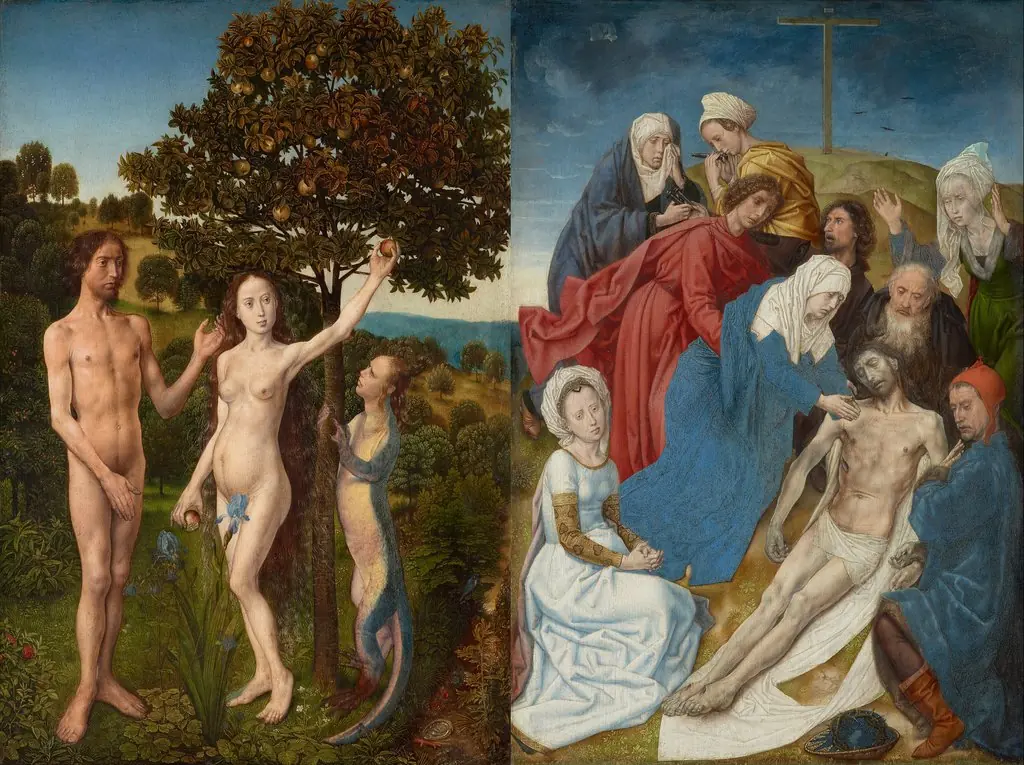 Vienna Diptych
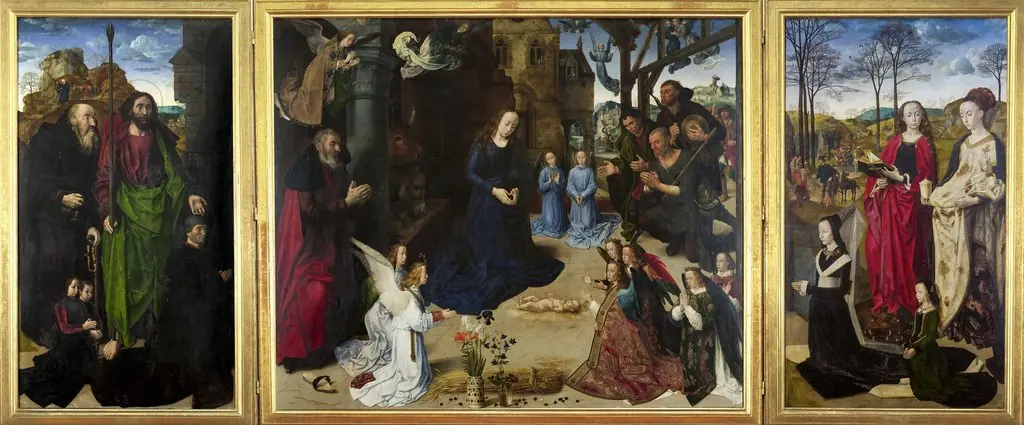 Portinari Triptych
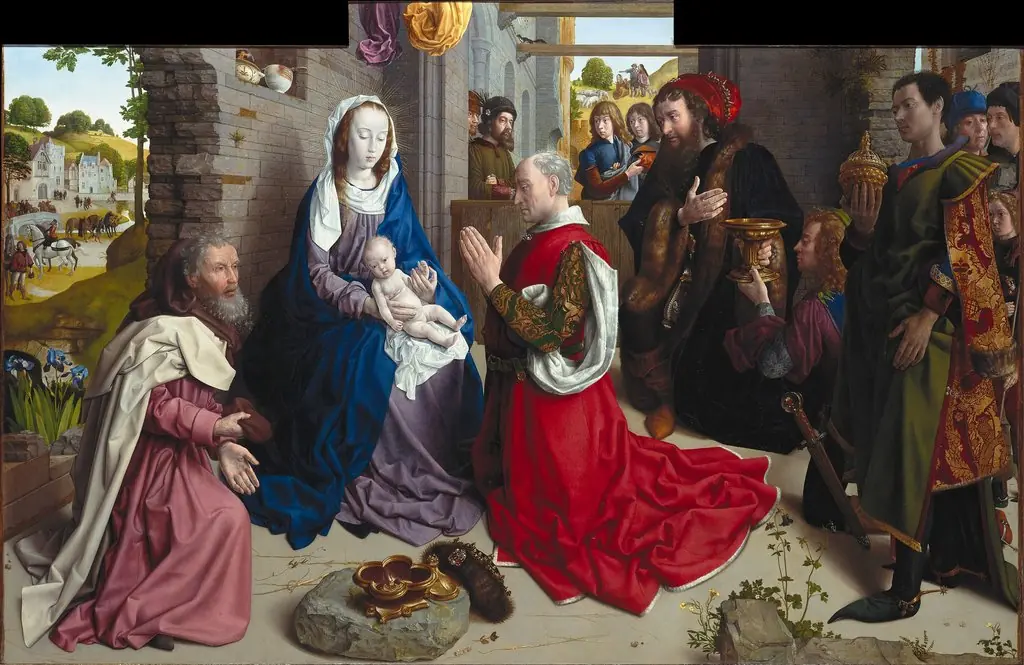 Monforte Altarpiece
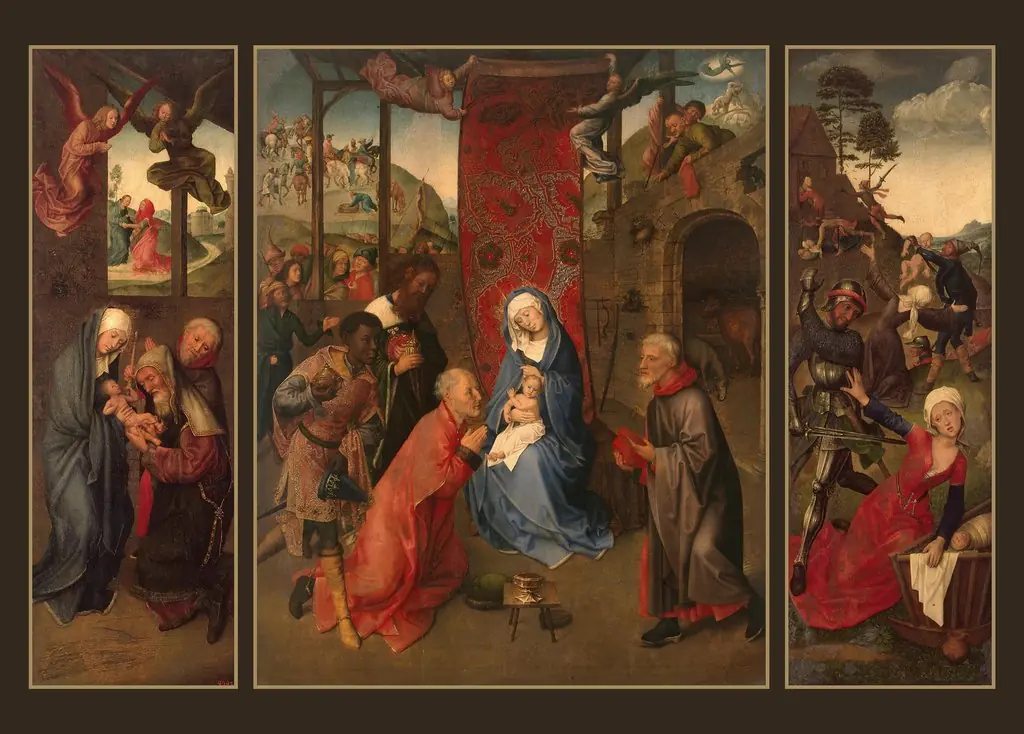 Adoration of the Magi (Triptych)
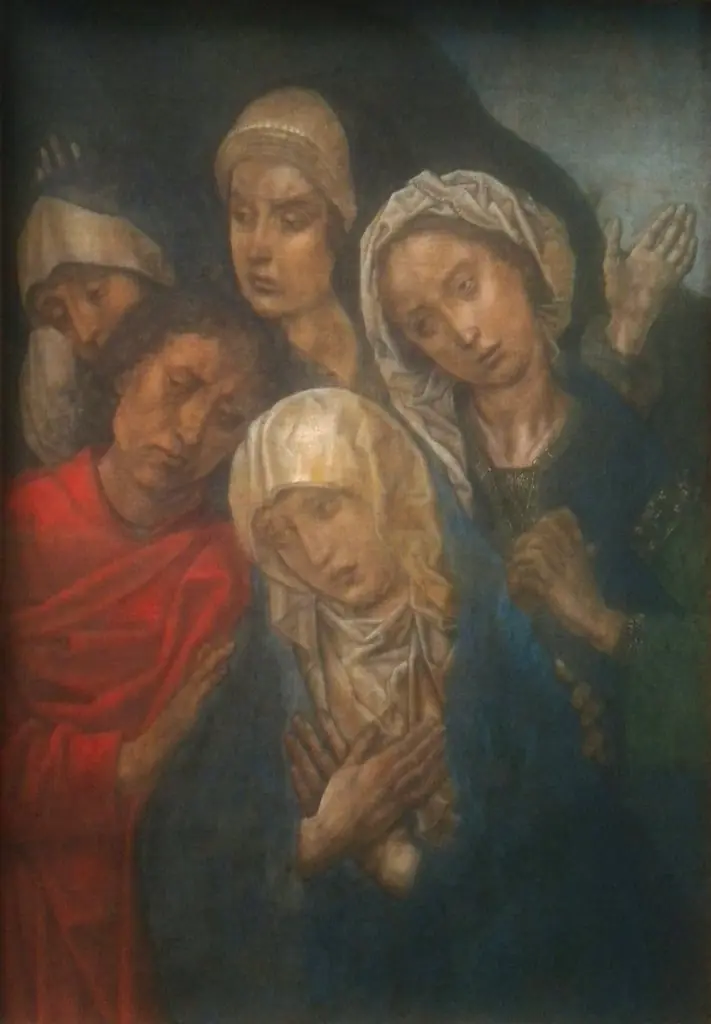 The Mourning of Christ
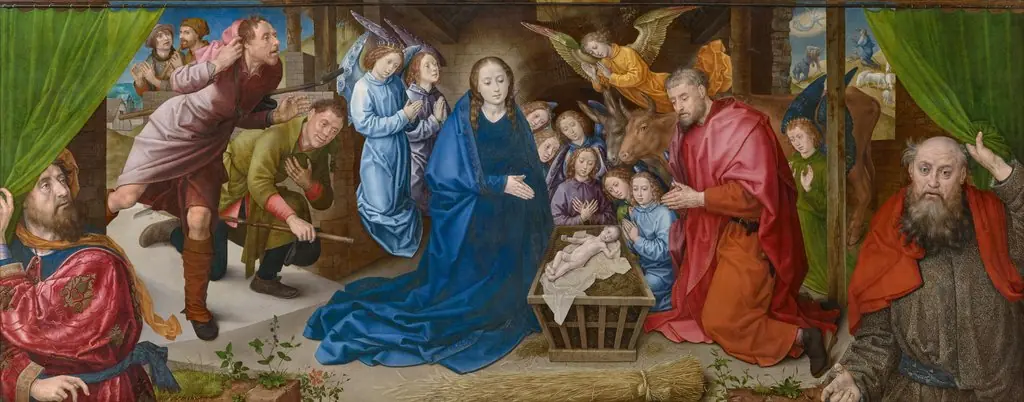 Adoration of the Shepherds
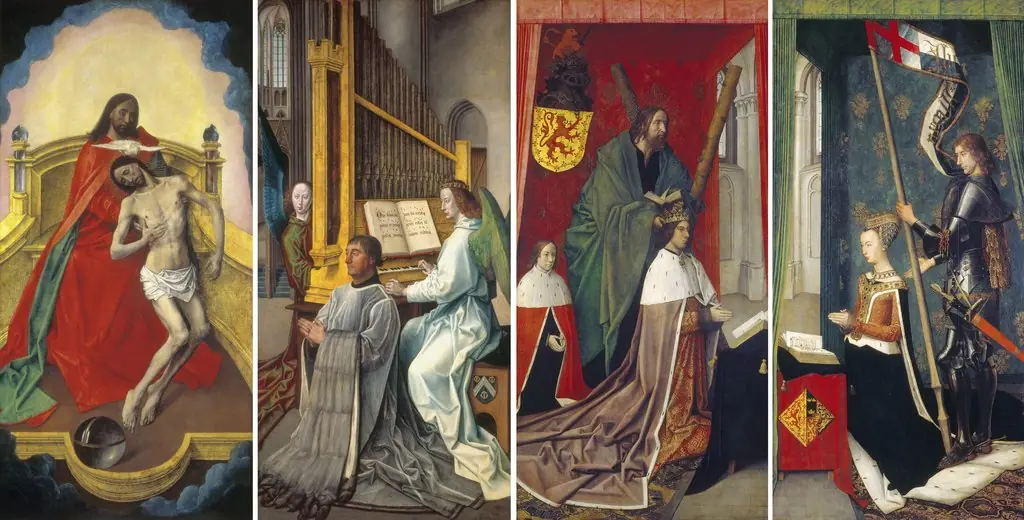 Trinity Altarpiece
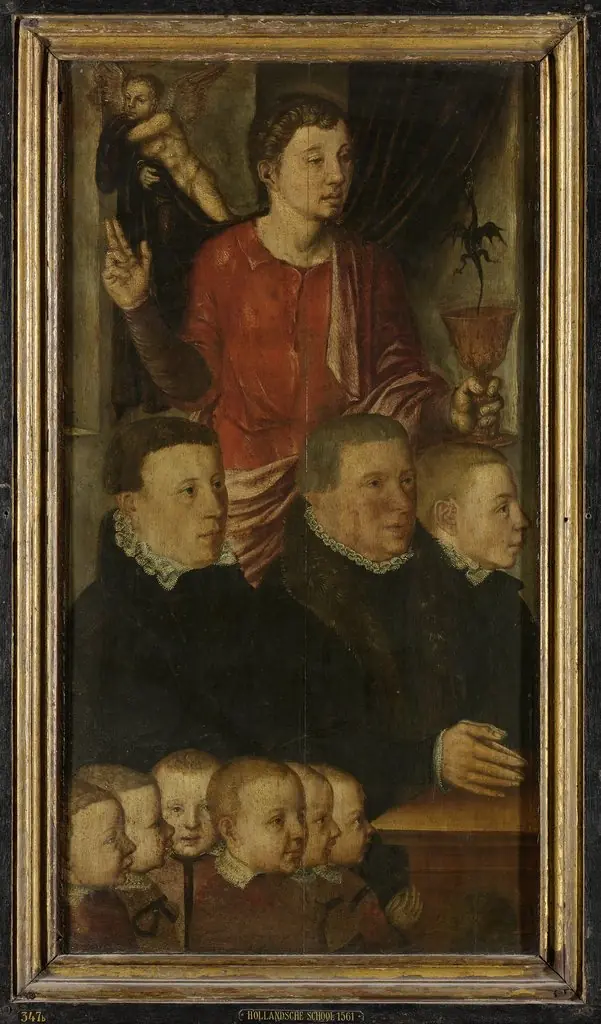 Left wing of a Memorial Triptych, formerly called the Gertz Memorial Triptych, with nine male Donor Portraits with Saint John the Evangelist (inner), and Saint Peter (outer)