Artwork
Saint George and the Dragon
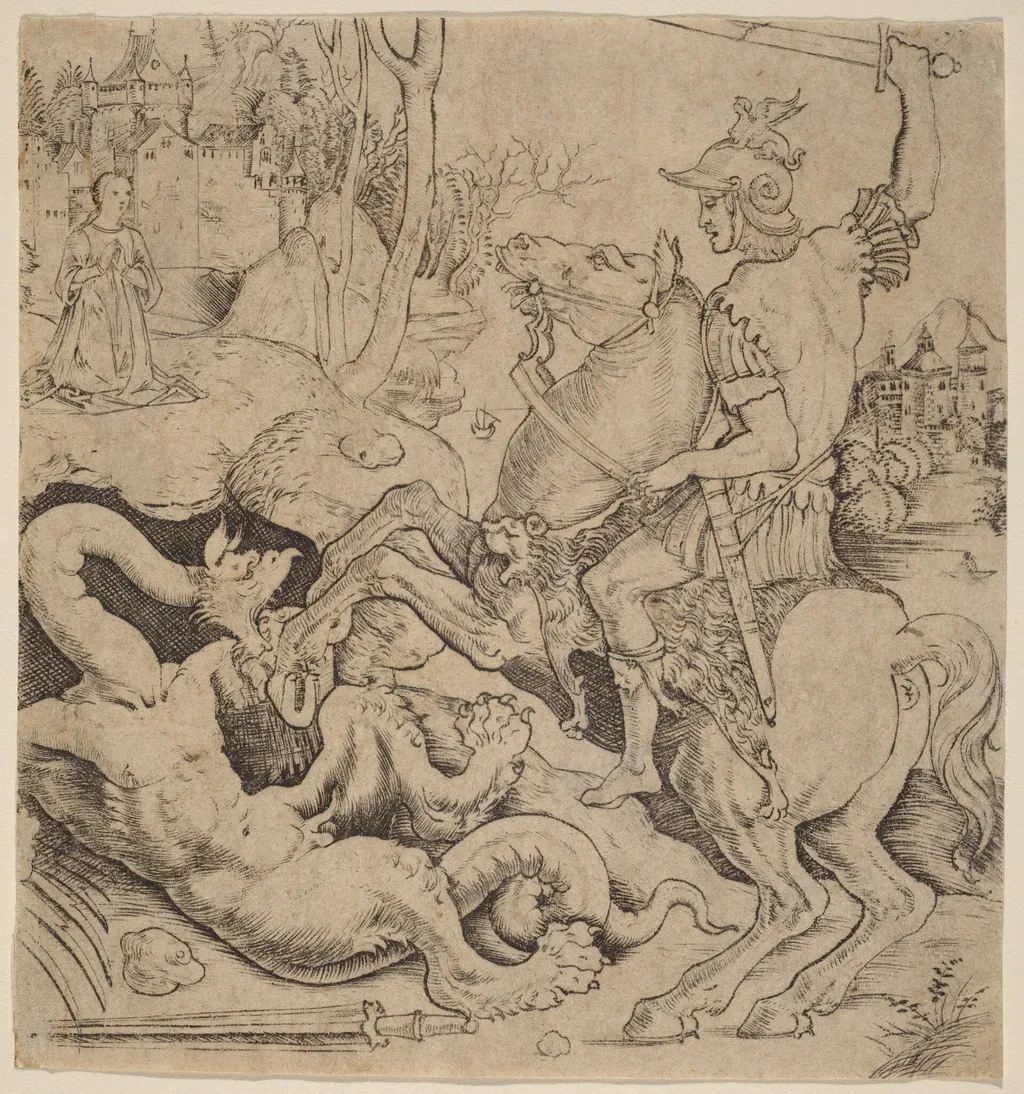
Saint George and the Dragon is an ink print by the Renaissance artist Giovanni Battista Palumba. It dates from 1500 and is held in the collection of the National Gallery of Art.
About this work
Overview
The work exemplifies early Renaissance interest in narrative religious subjects rendered for a broad audience through reproducible media.
Created around 1500, this copper engraving by the Italian printmaker Giovanni Battista Palumba depicts the legendary encounter between Saint George and a dragon. The composition centers on a mounted knight confronting the beast, while a crowd of onlookers gathers within a distant urban setting. The work exemplifies early Renaissance interest in narrative religious subjects rendered for a broad audience through reproducible media.
Subject & Meaning
The image illustrates the hagiographic tale of Saint George, a Christian martyr celebrated for slaying a dragon that terrorized a city. By portraying the knight’s decisive strike and the terrified spectators, the engraving conveys themes of faith triumphing over chaos and the protective role of the saint for the community.
Technique & Style
Palumba employs fine cross‑hatching, layering parallel lines to model the metallic sheen of the armor and the textured scales of the dragon. This method creates subtle gradations of light and shadow, lending depth to the chaotic melee while maintaining a clear, organized structure that guides the viewer’s eye across the scene.
History & Provenance
The print belongs to a series of devotional images circulated in northern Italy at the turn of the sixteenth century. Though specific ownership records are scarce, similar works by Palumba were collected by humanist libraries and private patrons, indicating the engraving’s role in disseminating religious narratives beyond the altar.
Artist & collection


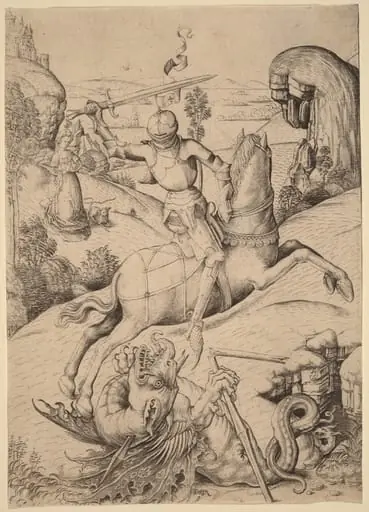 Saint George and the Dragon
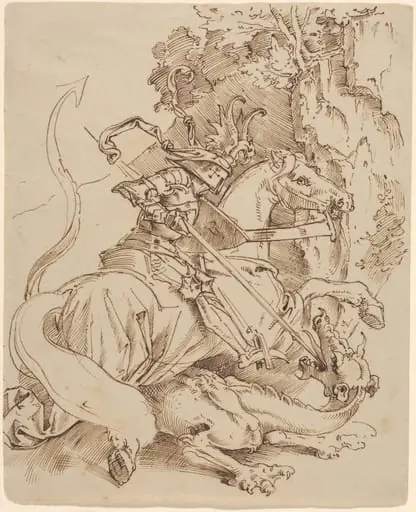 Saint George and the Dragon
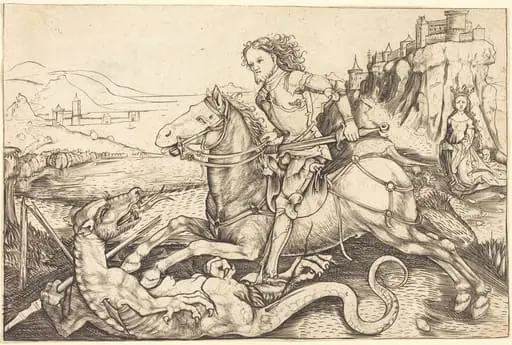 Saint George and the Dragon
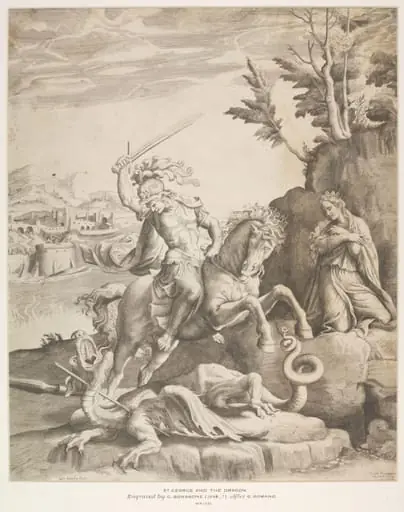 St. George and the Dragon
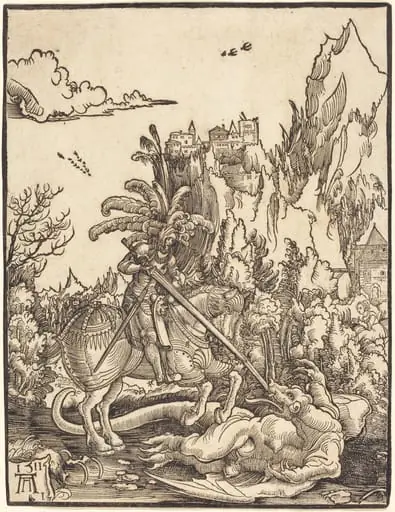 Saint George Slaying the Dragon
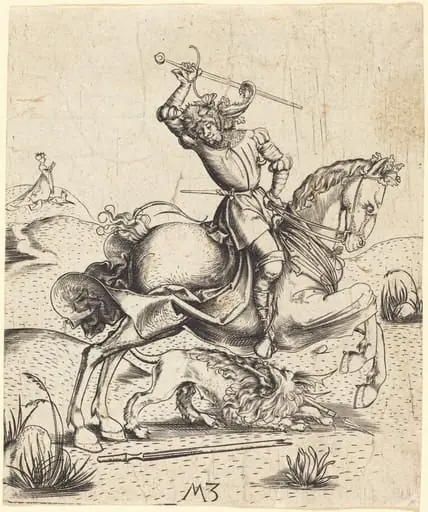 Saint George and the Dragon
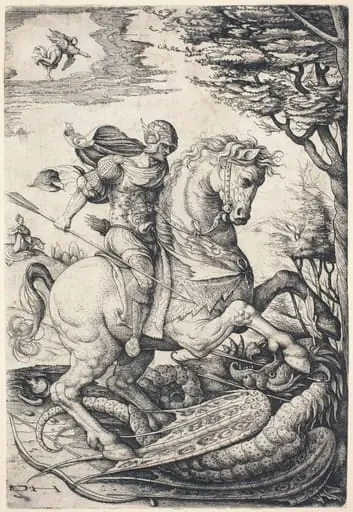 Saint George on Horseback Slaying the Dragon
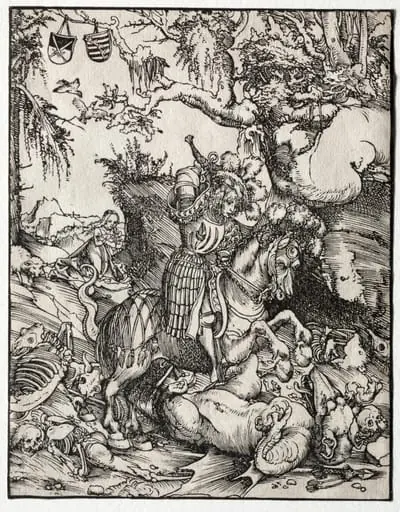 St. George Slaying the Dragon
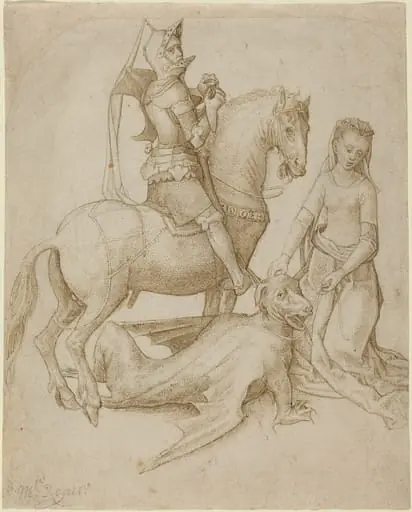 Saint George and the Dragon
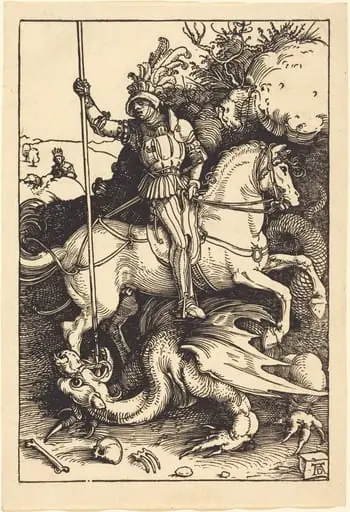 Saint George Killing the Dragon
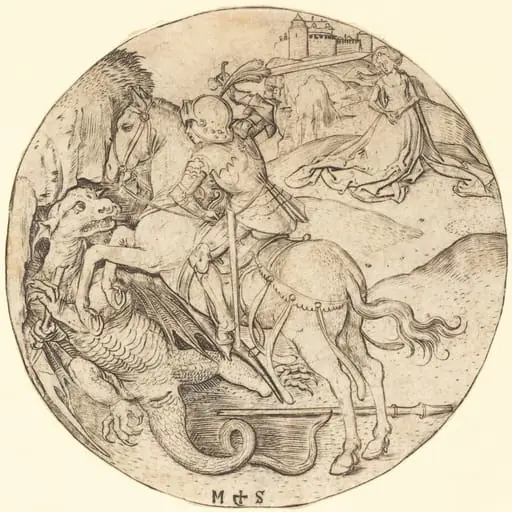 Saint George and the Dragon