Artwork
Potato Eaters
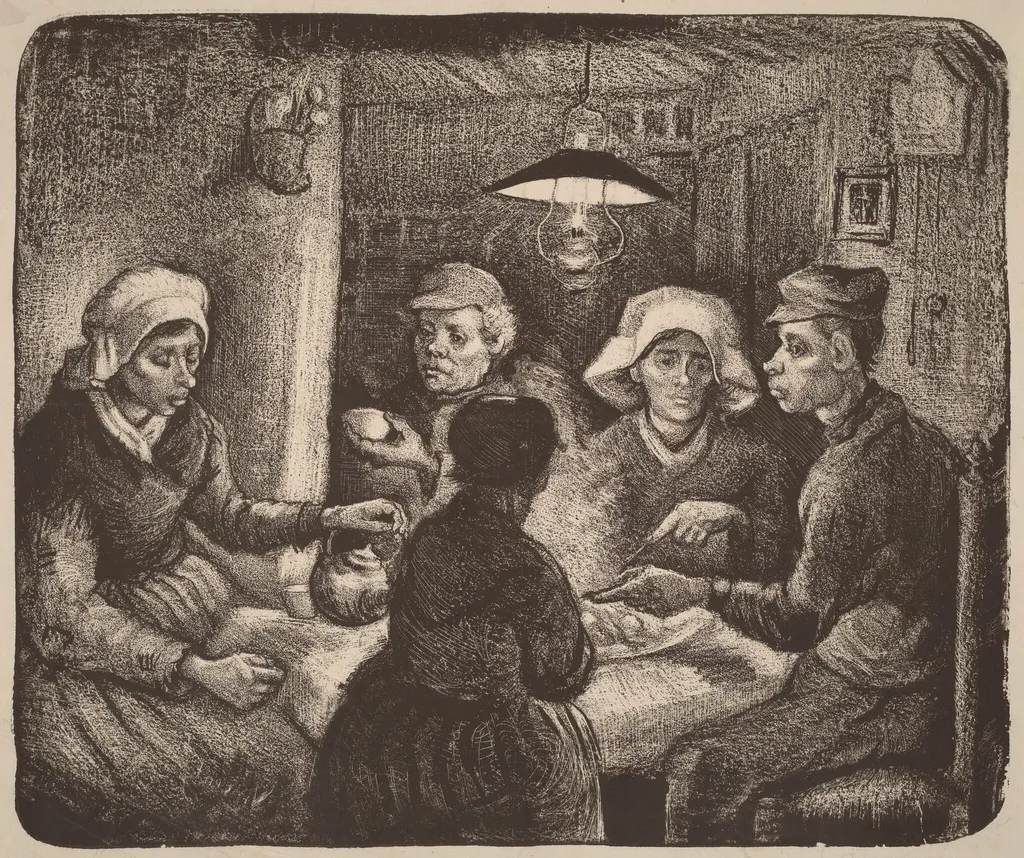
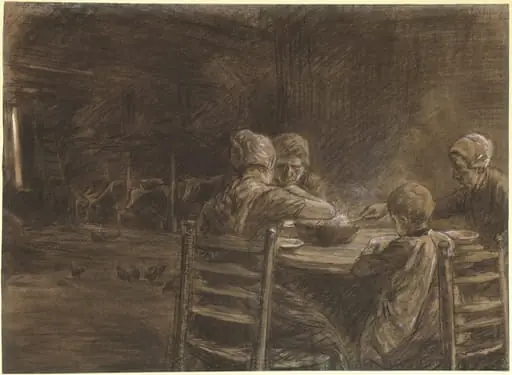
Potato Eaters is a crayon print by the Impressionist artist Vincent van Gogh. It dates from 1885 and is held in the collection of the National Gallery of Art.
About this work
Overview
Executed in dark brown ink on thin wove paper, it translates his earlier drawings of rural laborers into a reproducible format.
Created in 1885, this crayon lithograph with scraping is one of Vincent van Gogh’s early printed works. Executed in dark brown ink on thin wove paper, it translates his earlier drawings of rural laborers into a reproducible format. The technique involved scratching into a crayon-coated stone to create tonal contrasts, emphasizing texture and shadow. Unlike his later paintings, this piece retains a somber, intimate quality, reflecting his focus on the dignity of peasant life.
Subject & Meaning
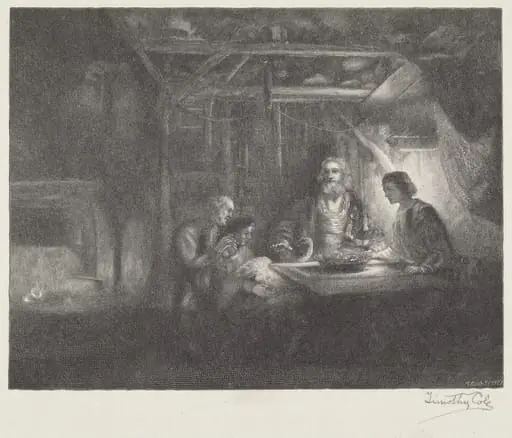
The image depicts four peasants seated around a modest wooden table, sharing a simple meal of potatoes under the dim glow of an oil lamp. Their worn clothing and calloused hands suggest a life of hard labor. Van Gogh intended to portray the raw reality of rural existence, rejecting idealized depictions of the working class. The act of eating becomes a quiet ritual, underscoring themes of endurance, solidarity, and the quiet dignity of subsistence.
Technique & Style
Van Gogh employed crayon lithography, a process where he drew directly onto a stone with greasy crayon, then scraped away areas to create lighter tones. The resulting print, in dark brown, emphasizes grainy textures—rough fabric, splintered wood, and uneven skin. The scratchy, hatched lines mimic the physicality of the subjects, avoiding smoothness or polish. The limited palette and lack of detail reinforce the austerity of the scene, aligning with his artistic goals at the time.
History & Provenance
This print was made during van Gogh’s Nuenen period, when he lived among farmers and studied their daily routines. It was likely produced in small quantities for personal or artistic exchange, not commercial sale. Few impressions survive, and most are held in museum collections. It preceded his better-known 1885 oil painting of the same subject, serving as a preparatory study in tone and composition rather than a finished product for public display.
Context
In mid-1880s Europe, artists increasingly turned to social realism, portraying laborers with empathy rather than sentimentality. Van Gogh, influenced by Jean-François Millet and socialist ideals, sought to elevate the visibility of the rural poor. His choice of printmaking—accessible and reproducible—reflected a desire to share these images beyond elite audiences. This work stands as part of a broader movement to depict everyday life with honesty and moral weight.
Legacy
Though less known than his paintings, this lithograph reveals van Gogh’s commitment to capturing human dignity through direct, unembellished observation. It demonstrates his technical experimentation and his belief in art as a vehicle for social awareness. Later artists and printmakers drew from his use of texture and tone to convey emotional depth. The work remains a quiet testament to his early vision: art rooted in the lives of those often unseen.
Artist & collection
Artist
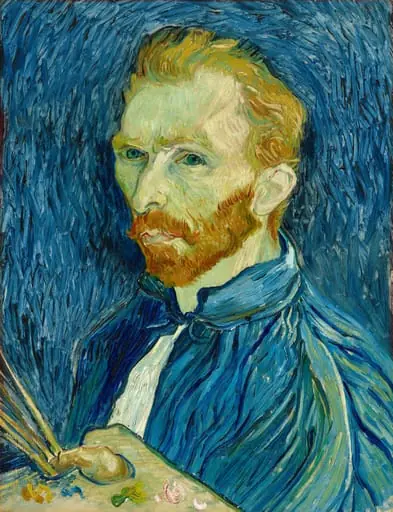
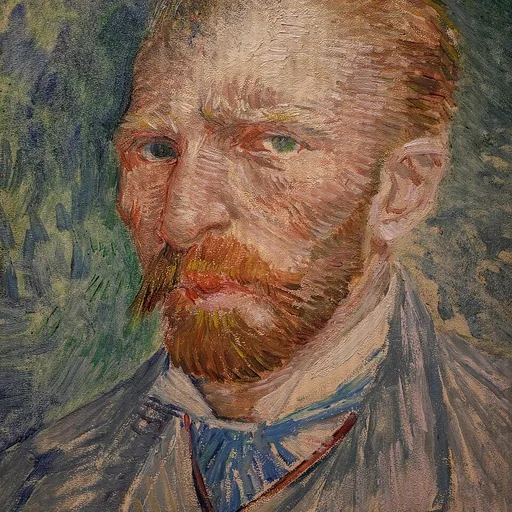
Vincent Willem van Gogh was a Dutch Post-Impressionist painter who is among the most famous and influential figures in the history of Western art.