Artwork
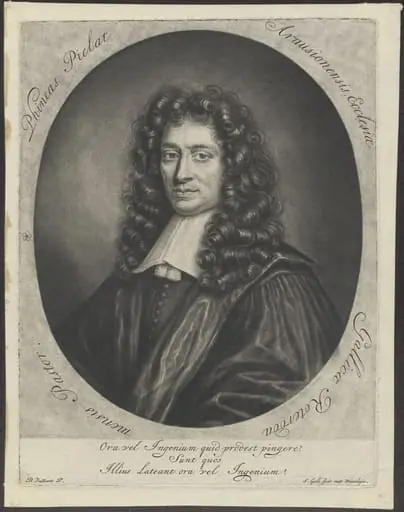
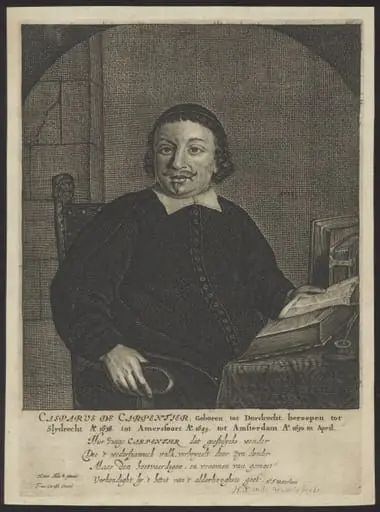
Portrait of Nicolas Colvius, Walloon minister in AmsterdaM
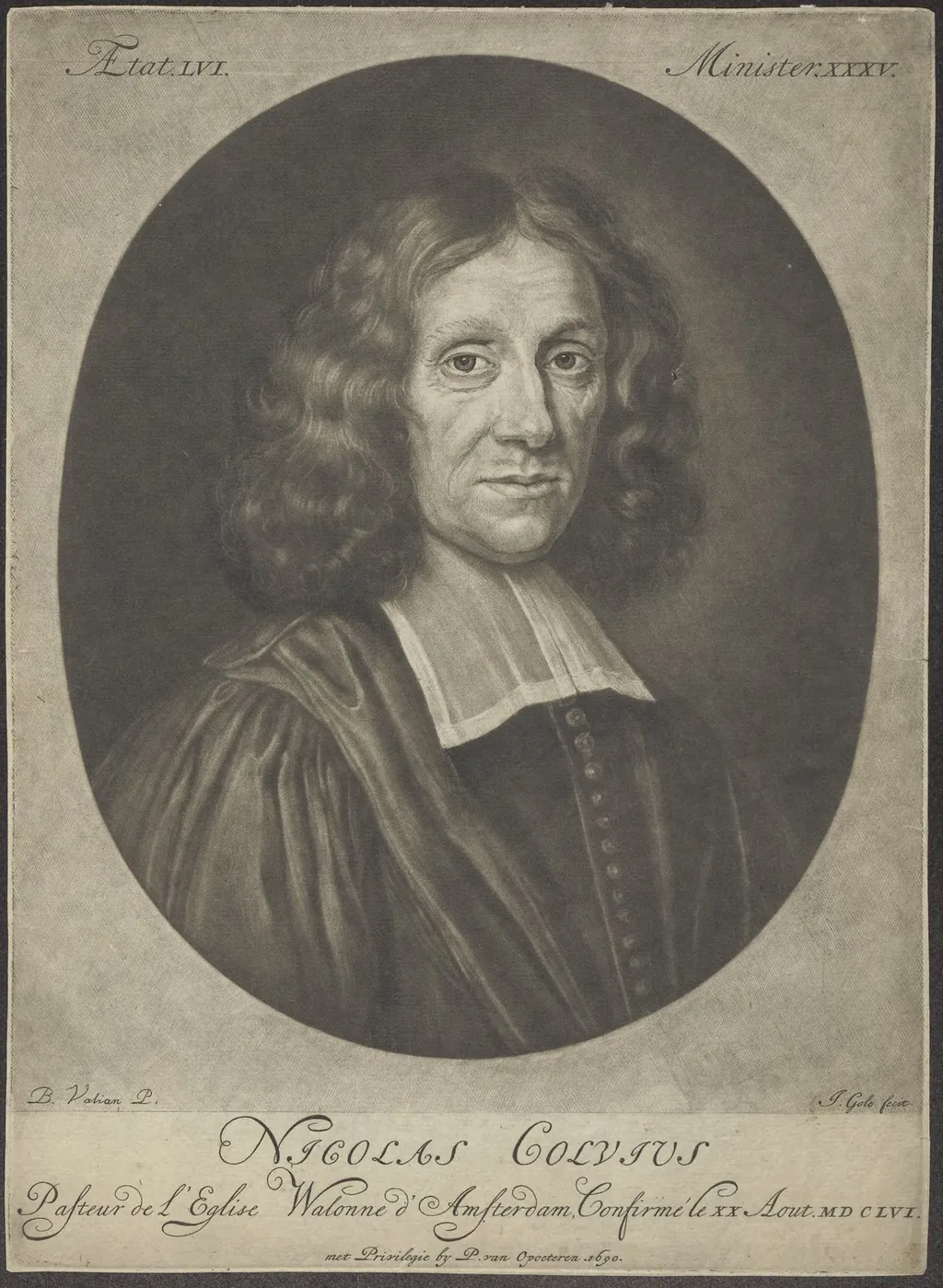
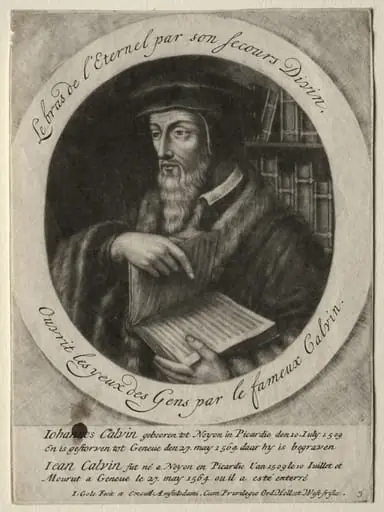
Portrait of Nicolas Colvius, Walloon minister in AmsterdaM is an unspecified painting by the Baroque artist Jacob Gole. It dates from 1690 and is held in the collection of the Leiden University Libraries. This portrait depicts Nicolas Colvius, a Walloon minister active in Amsterdam during the early 17th century.
About this work
Overview
Vatian, it presents him seated at a table, surrounded by books and documents that suggest his scholarly and ecclesiastical duties.
This portrait depicts Nicolas Colvius, a Walloon minister active in Amsterdam during the early 17th century. Painted by B. Vatian, it presents him seated at a table, surrounded by books and documents that suggest his scholarly and ecclesiastical duties. The composition is restrained, emphasizing his role over personal grandeur. Latin inscriptions note his age and years of service, anchoring the image in factual record rather than ornamentation.
Subject & Meaning
Nicolas Colvius is portrayed not as a nobleman but as a man of letters and faith. His posture and the materials around him—open books, stacked papers—signal intellectual labor and religious responsibility. The absence of decorative elements or symbolic allegories directs attention to his quiet dedication. The inscription 'Minister XXXV' underscores his long tenure, framing the portrait as a testament to service rather than status.
Technique & Style
The painting employs a muted palette and careful modeling of light to define form without dramatic contrast. Facial features are rendered with subtle gradations, conveying solemnity rather than emotion. The textures of fabric and paper are suggested through delicate brushwork, avoiding overt realism. The composition is balanced and frontal, reflecting a tradition of clerical portraiture that prioritizes dignity over theatricality.
History & Provenance
The portrait was likely commissioned during Colvius’s tenure in Amsterdam, possibly by his congregation or a religious institution. Its survival suggests it remained in local ecclesiastical collections, though its early ownership is undocumented. The Latin inscriptions indicate an audience familiar with scholarly conventions, common among Reformed Protestant communities in the Dutch Republic at the time.
Context
In early 17th-century Amsterdam, Walloon ministers served French-speaking Protestant refugees. Their portraits often emphasized literacy and piety, aligning with Reformed values that rejected ornate religious imagery. Colvius’s depiction reflects this cultural emphasis: his identity is tied to study and service, not wealth or lineage, mirroring the broader ethos of the Walloon church in the Dutch Republic.
Legacy
The portrait remains a quiet example of clerical representation in Dutch Golden Age art. It contributes to understanding how religious leaders were visually defined outside aristocratic conventions. While not widely known, it offers insight into the visual culture of minority Protestant communities and their commitment to portraying vocation over vanity.
Artist & collection
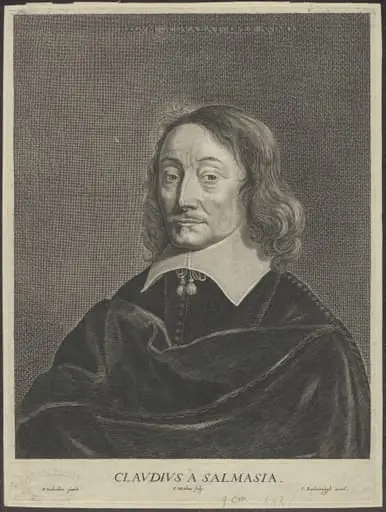 Portrait of Claudius Salmasius, professor at Leiden
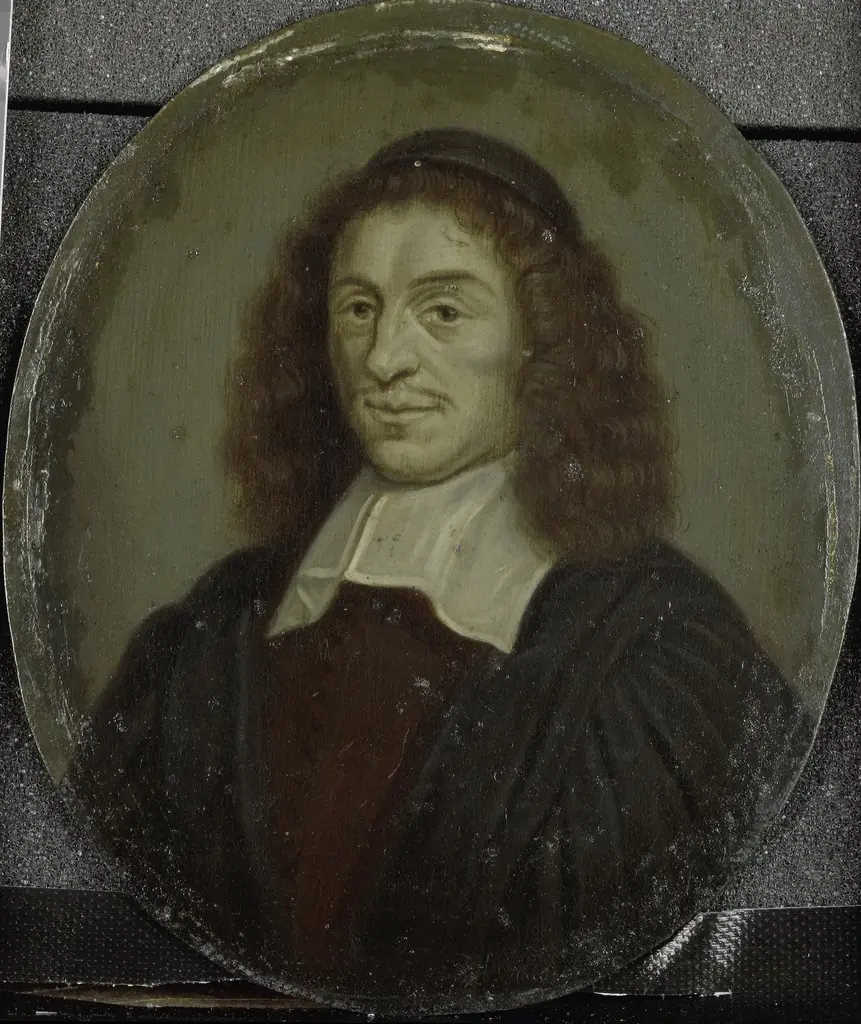 Portrait of Alexander Morus, Professor at Amsterdam
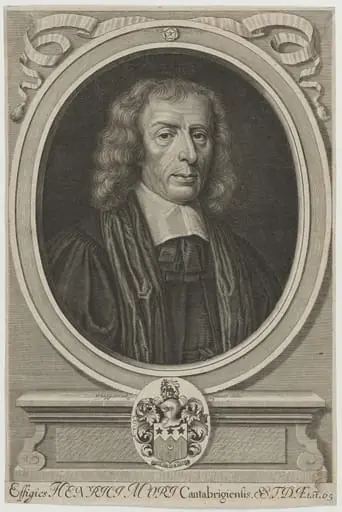 Henry More, Platonist and Theologian
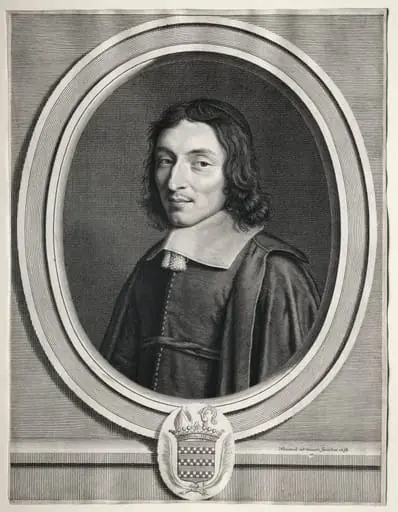 Cardinal de Coislin
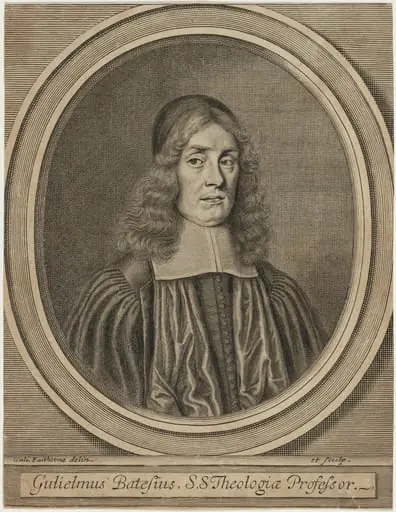 William Bates, D.D.
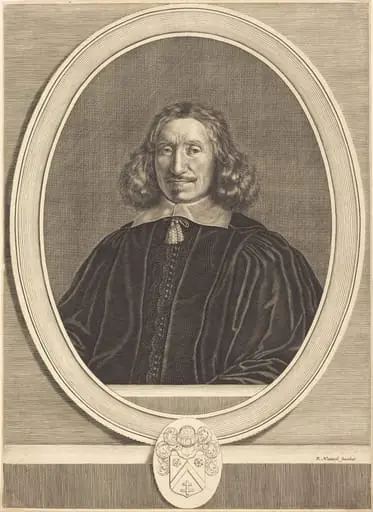 Michel Larcher
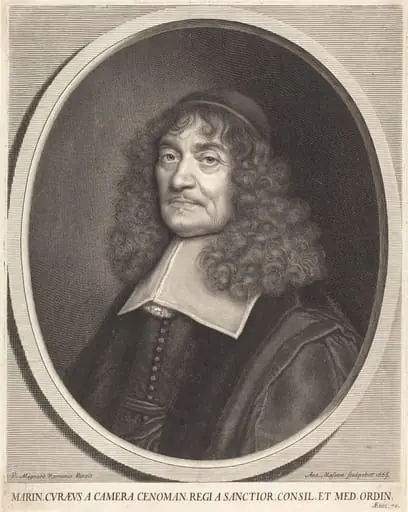 Marin Cureau de la Chambre
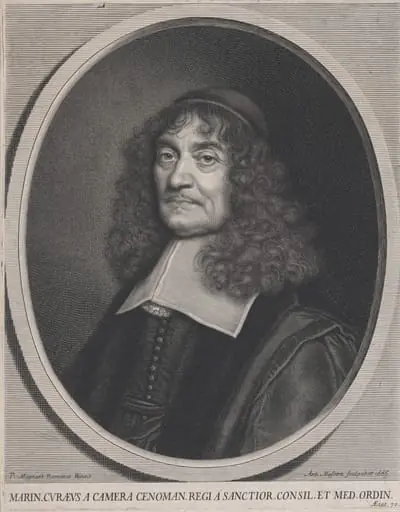 Marin Cureau de la Chambre
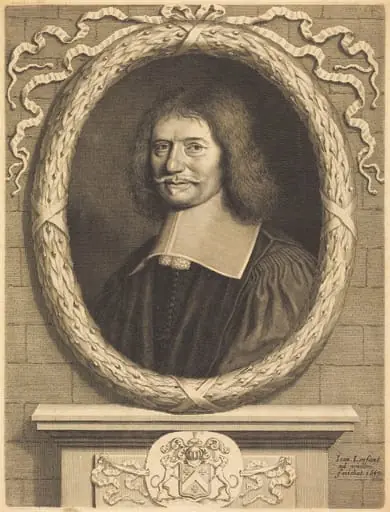 Portrait of an Unknown Gentleman
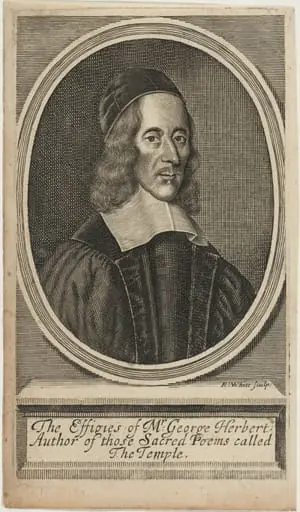 George Herbert, Prebendary of Lincoln, Poet
 Portrait of Casparus de Carpentier, Walloon Minister at Sliedrecht, Amersfoort and Amsterdam